Using Reinforcement Learning to Tackle Urban Heat and Carbon Emissions
Bridging AI and sustainability through smart decision-making agents.
Boot camp essentials
31 August – 4 September 2026
Five consecutive days
10:00 am – 1:00 pm PKT
Smart Classroom, SEECS
NUST H-12 Campus, Islamabad
Hands-on, project-based
Gymnasium · PyTorch · Stable-Baselines3 · CityLearn
This immersive five-day bootcamp provided a comprehensive, hands-on introduction to reinforcement learning, designed to bridge the gap between theoretical foundations and real-world sustainability challenges. The program focused on practical applications in climate change, smart energy grids, and urban cooling.
Developed by leading academics and industry practitioners, this blended training was designed for students, researchers, and professionals who want to move beyond traditional simulation environments and explore how AI can address critical environmental challenges. Participants learned how intelligent agents can support decarbonization, optimize building HVAC and cooling systems, and improve the management and distribution of renewable energy.
Throughout the bootcamp, participants developed practical experience with widely used Python frameworks, including Gymnasium, PyTorch, and Stable-Baselines3. Their hands-on work centered around CityLearn, an open-source environment designed for research and experimentation in grid-interactive efficient buildings. Through a combination of theory, practical exercises, and project-based learning, participants gained the skills needed to apply RL to real-world sustainability and energy management problems.
By the end of the boot camp, participants were able to:
Master the theoretical foundations of Reinforcement Learning, progressing from Markov Decision Processes to advanced policy gradients, and understand how those concepts translate into practical solutions for climate change, energy optimization, and urban cooling systems.
Build and train reinforcement learning algorithms from scratch and using modern Python toolkits including PyTorch, Gymnasium, and Stable-Baselines3, emphasizing resource-aware optimization and continuous action spaces.
Design, train, and evaluate multi-agent reinforcement learning systems using CityLearn to manage district-level energy storage, reduce peak grid demand, and optimize HVAC cooling loads under real-world weather variability.
Analyze agent performance using professional time-series dashboards and sustainability indicators such as carbon emission reductions, ramp rates, and thermal comfort violations rather than traditional video-game scores.
Bridge academic theory with real-world deployment challenges, equipping themselves with the practical skills needed for careers or research in artificial intelligence for social good, clean energy, and sustainable urban planning.
Five days, each building on the last — from planning under uncertainty through to a full project on real weather data.
Optimizing microgrids and urban cooling loads under real weather variability.
Especially those in AI, robotics, data science, or environmental technology who are keen to apply RL to real-world sustainability problems.
Seeking to integrate RL and sustainability into teaching, curriculum design, or cross-disciplinary research in AI for social good.
Working in sectors like clean energy, mobility, agriculture, smart manufacturing, or urban planning, where intelligent systems can drive efficiency and sustainability.
With a passion for using RL to address climate change, optimize resource use, and develop intelligent systems for long-term impact.
Looking to extend their skillset into RL while solving complex, dynamic problems with sustainability outcomes in mind.
Interested in competing in or designing sustainability-themed RL challenges, such as smart grid simulation and waste management automation.
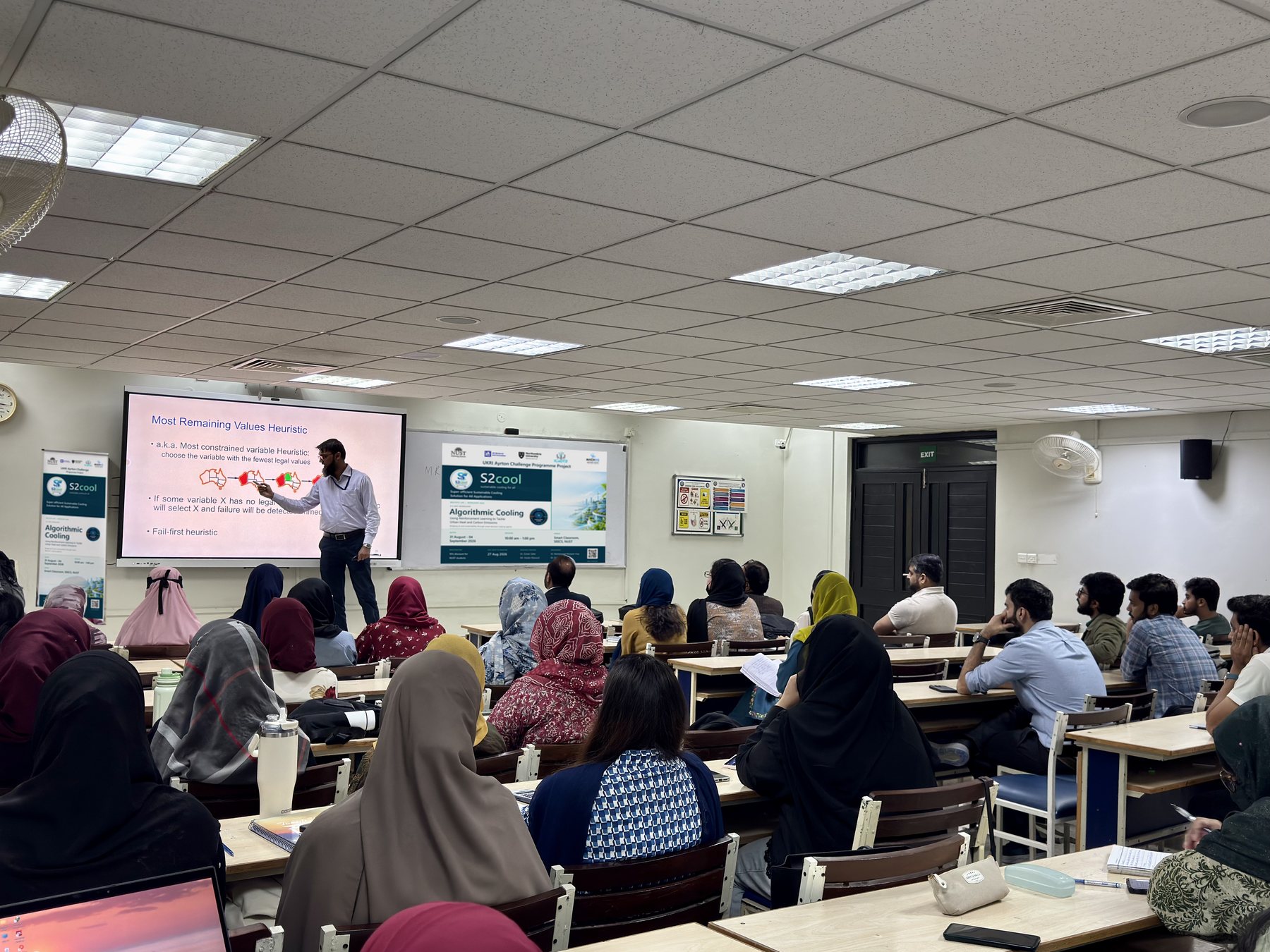
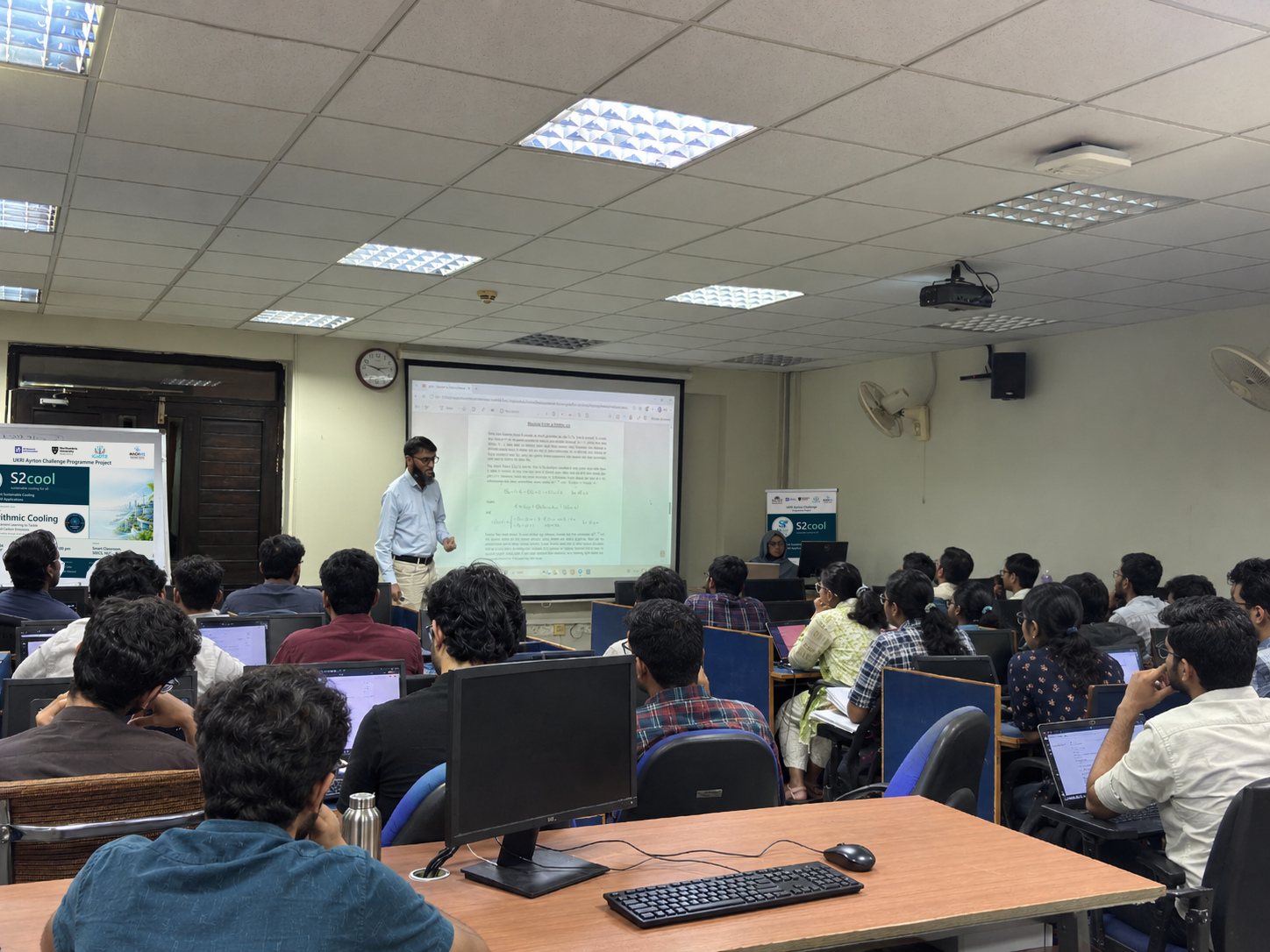
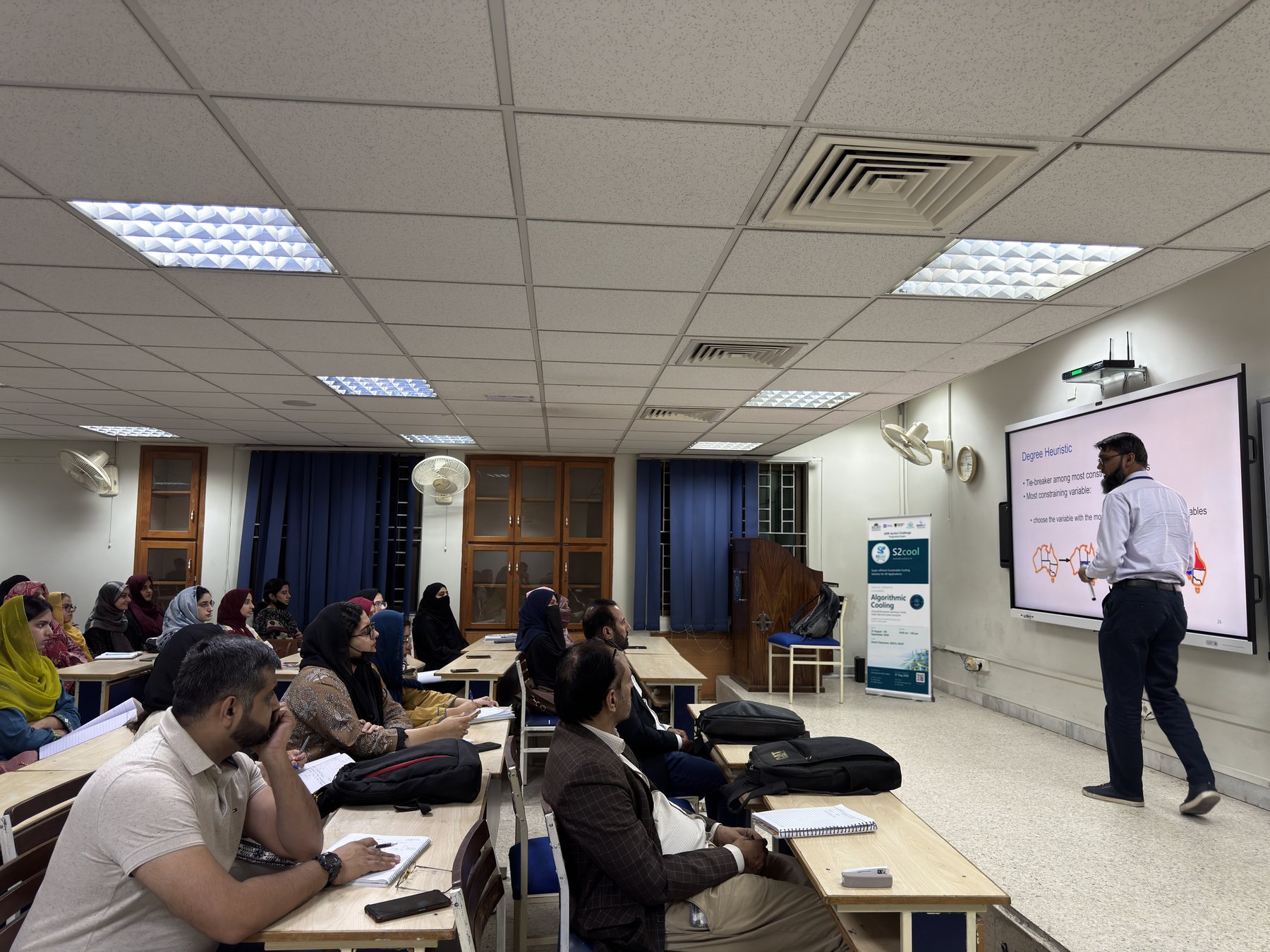
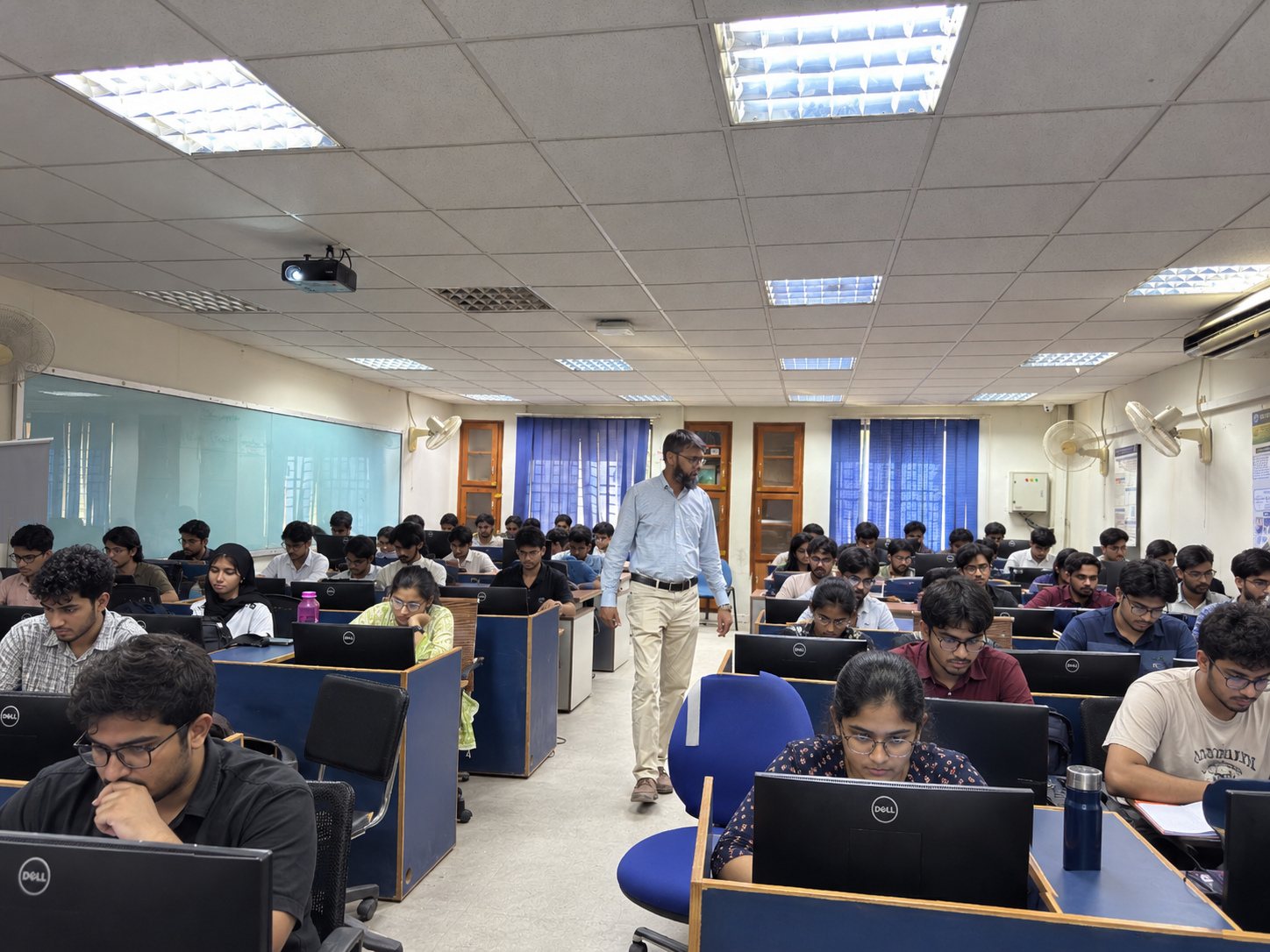
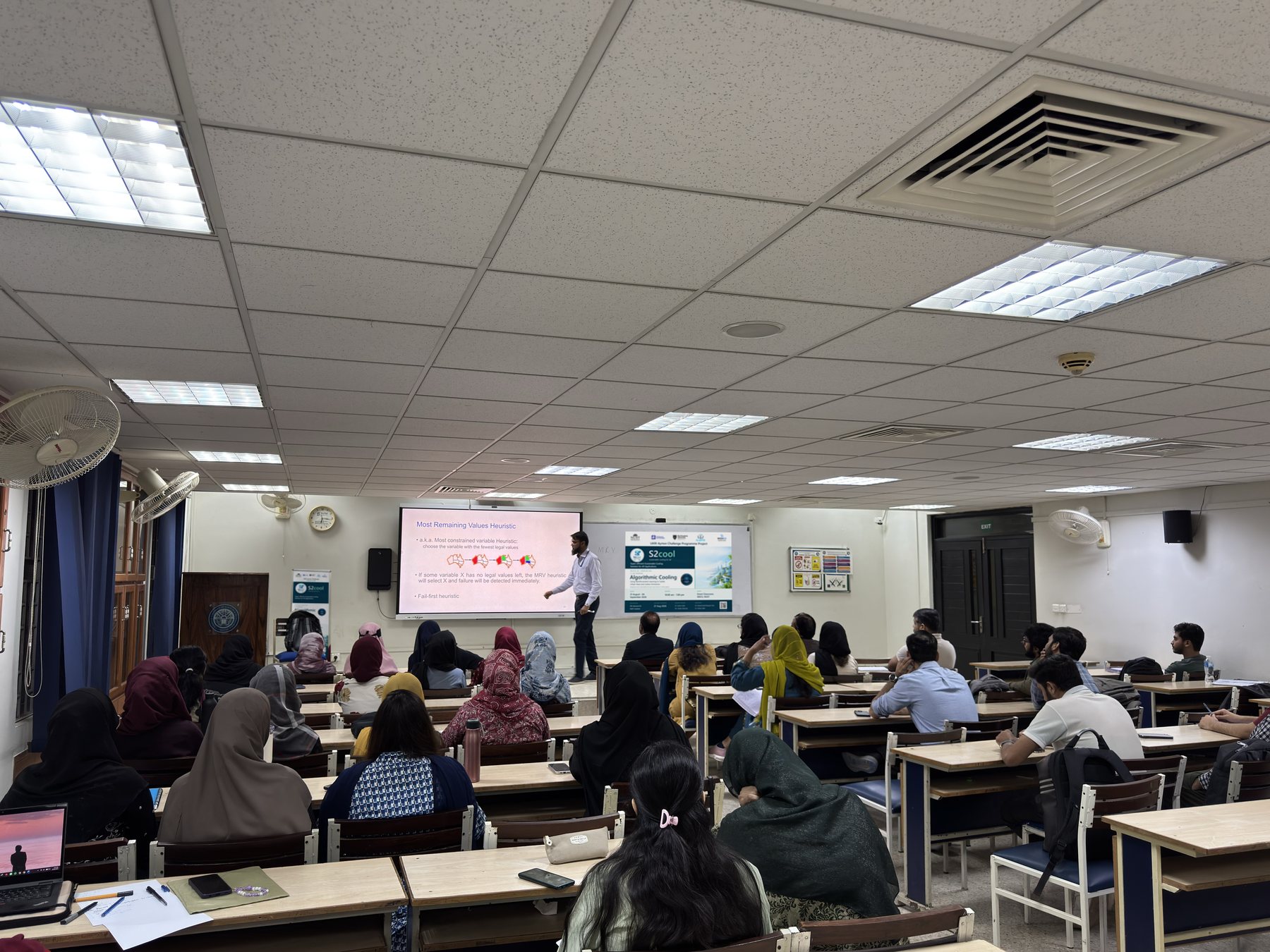
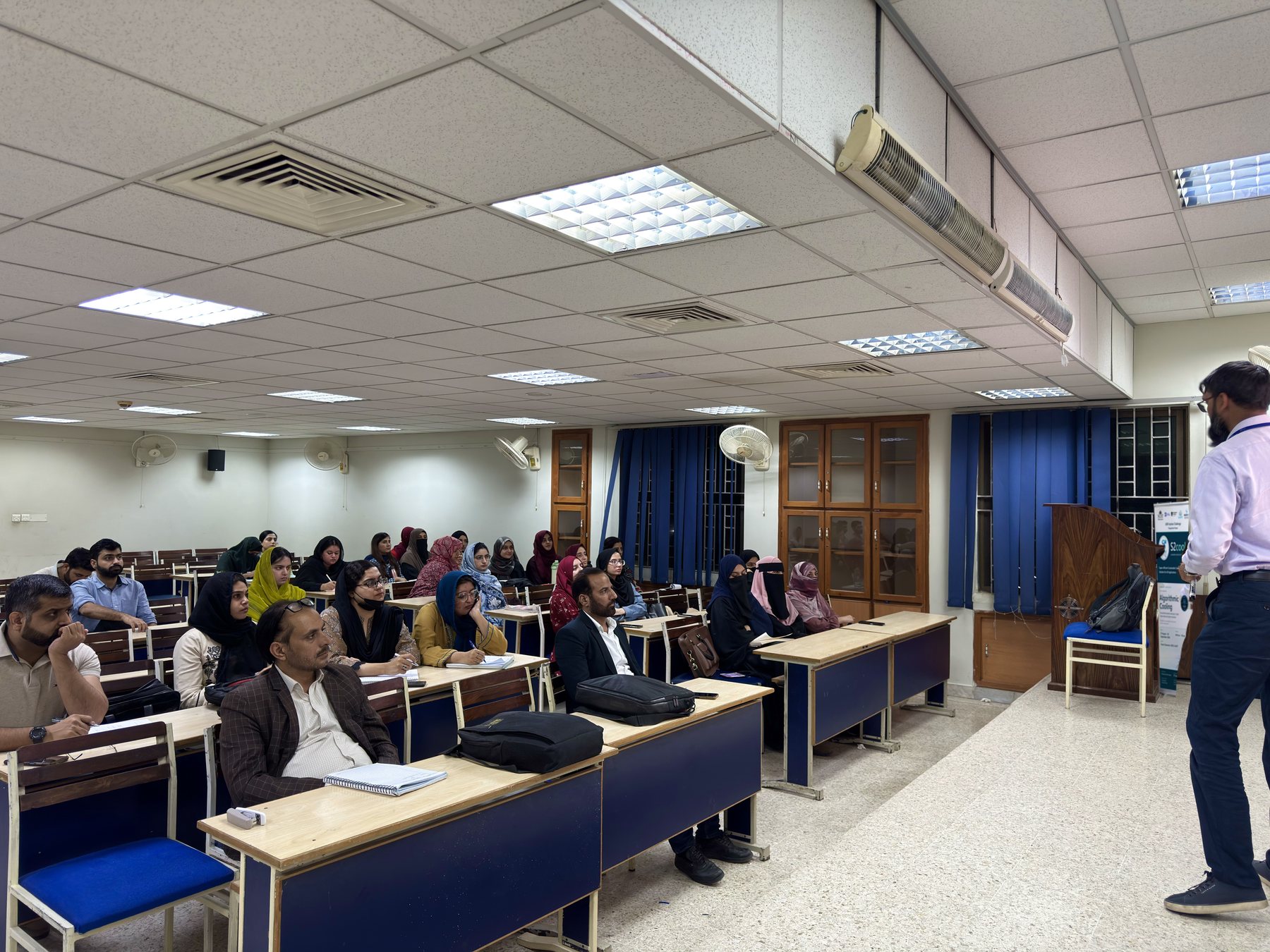
Five days in the Smart Classroom and the computer labs at SEECS.
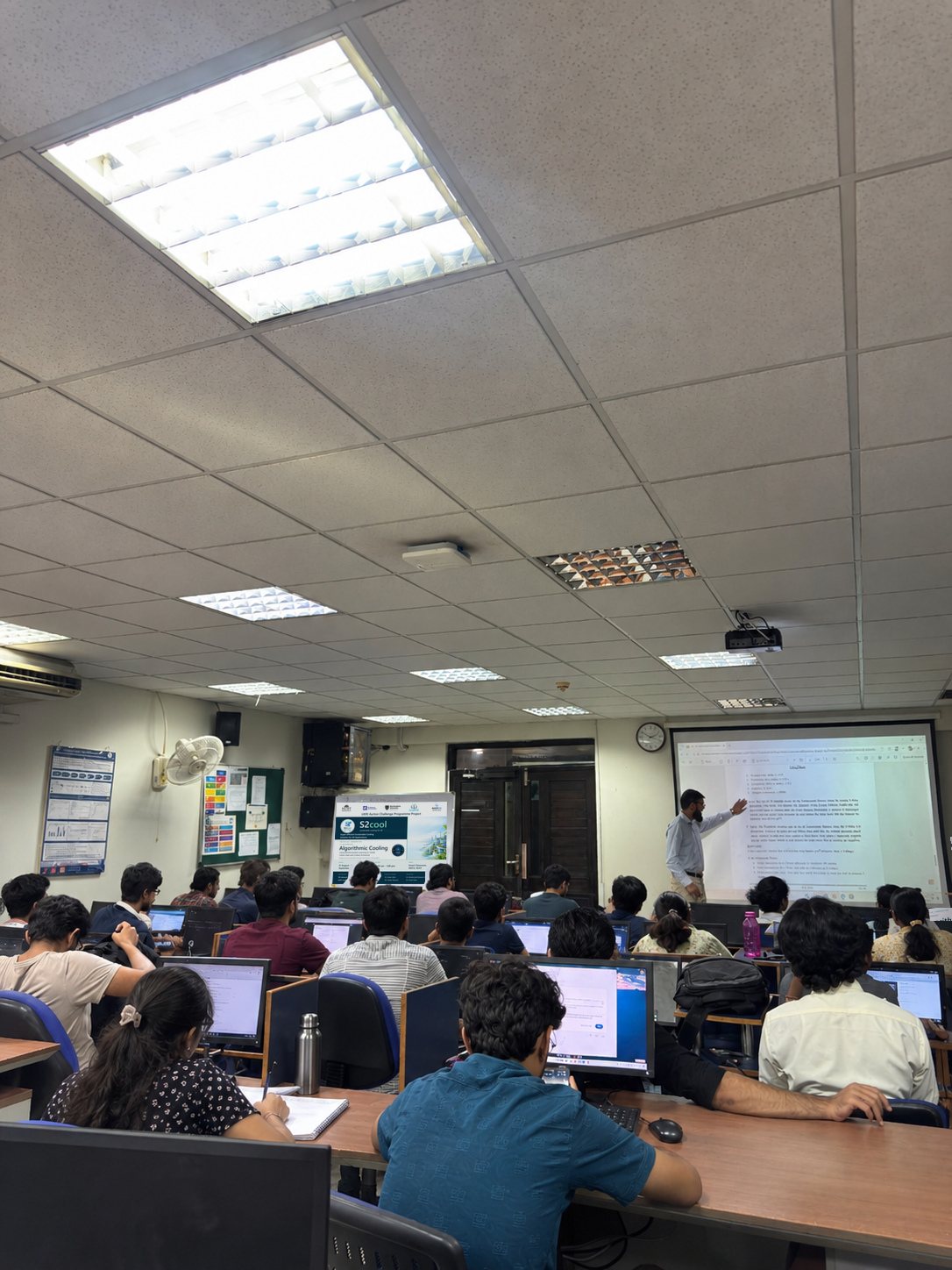
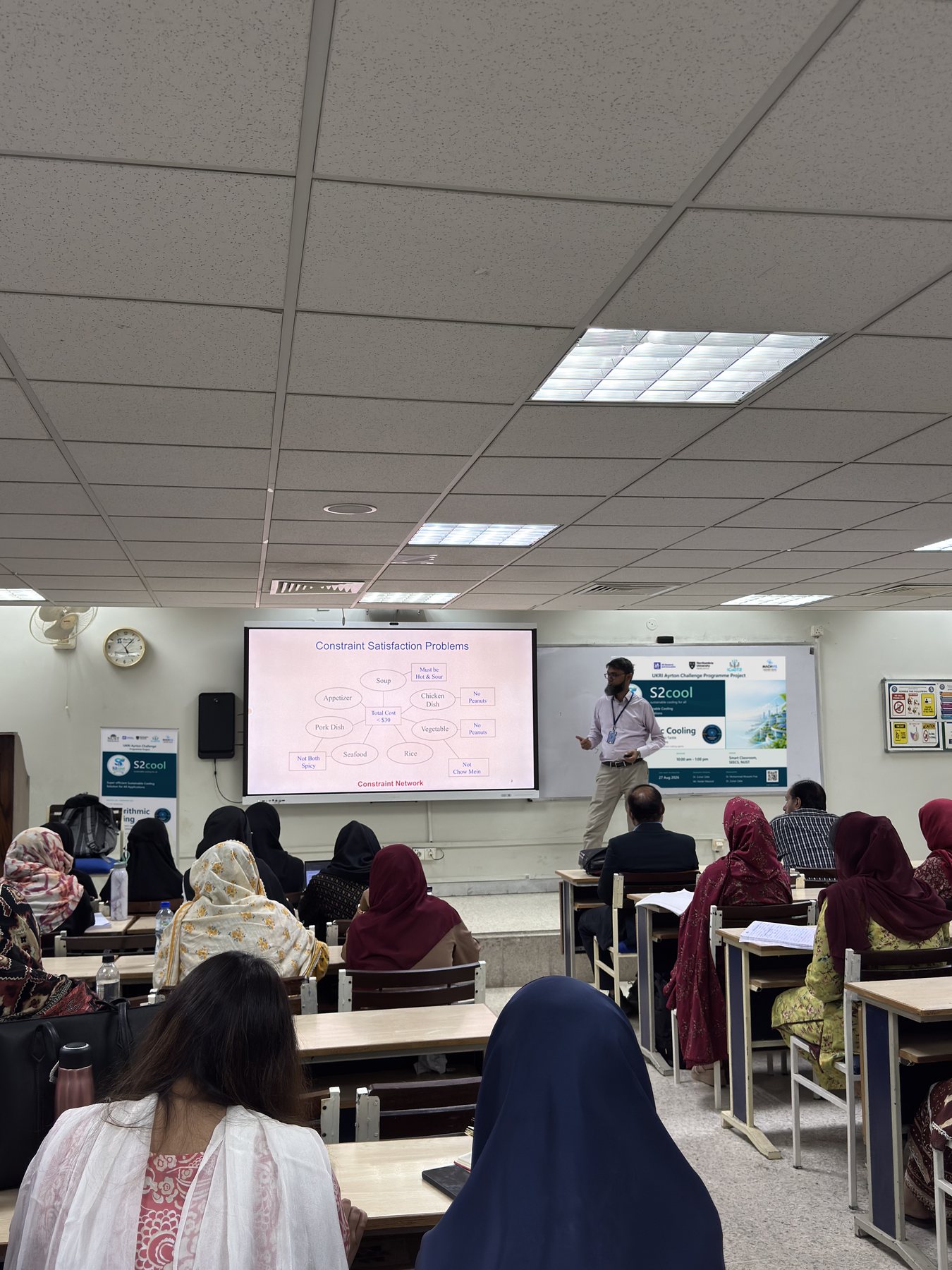
Teaching Team
The boot camp was delivered by practitioners working at the intersection of reinforcement learning and sustainable systems.
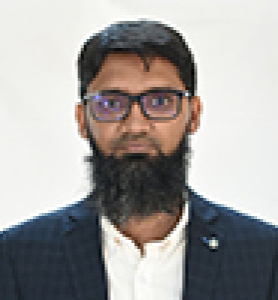
Assistant Professor
SEECS, NUST
Convened By

Professor & Associate Dean
SEECS, NUST
Assistant Professor
SEECS, NUST
Collaborators