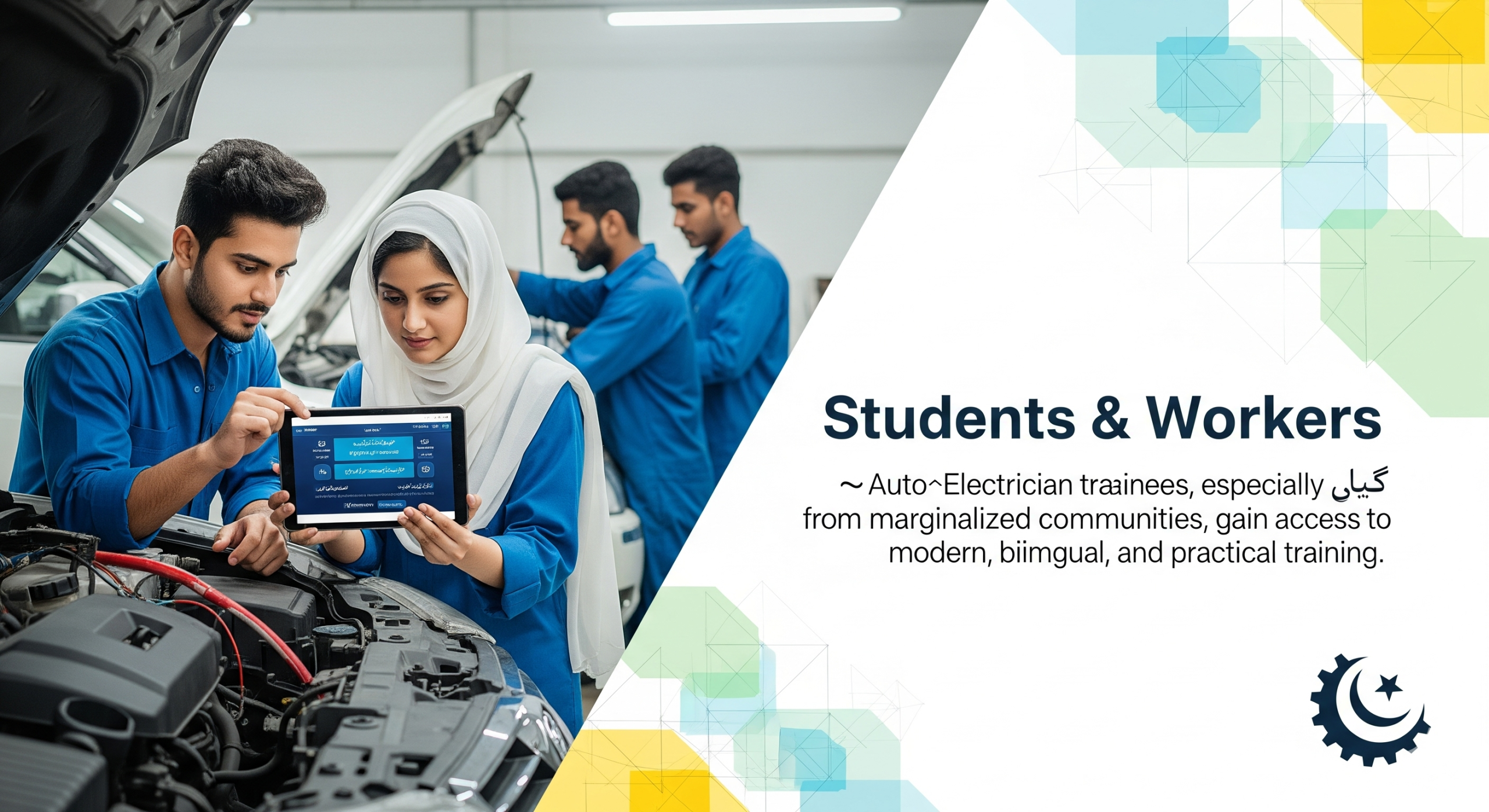
Students & Workers
Auto‑Electrician trainees, especially from marginalized communities, gain access to modern, bilingual, and practical training.

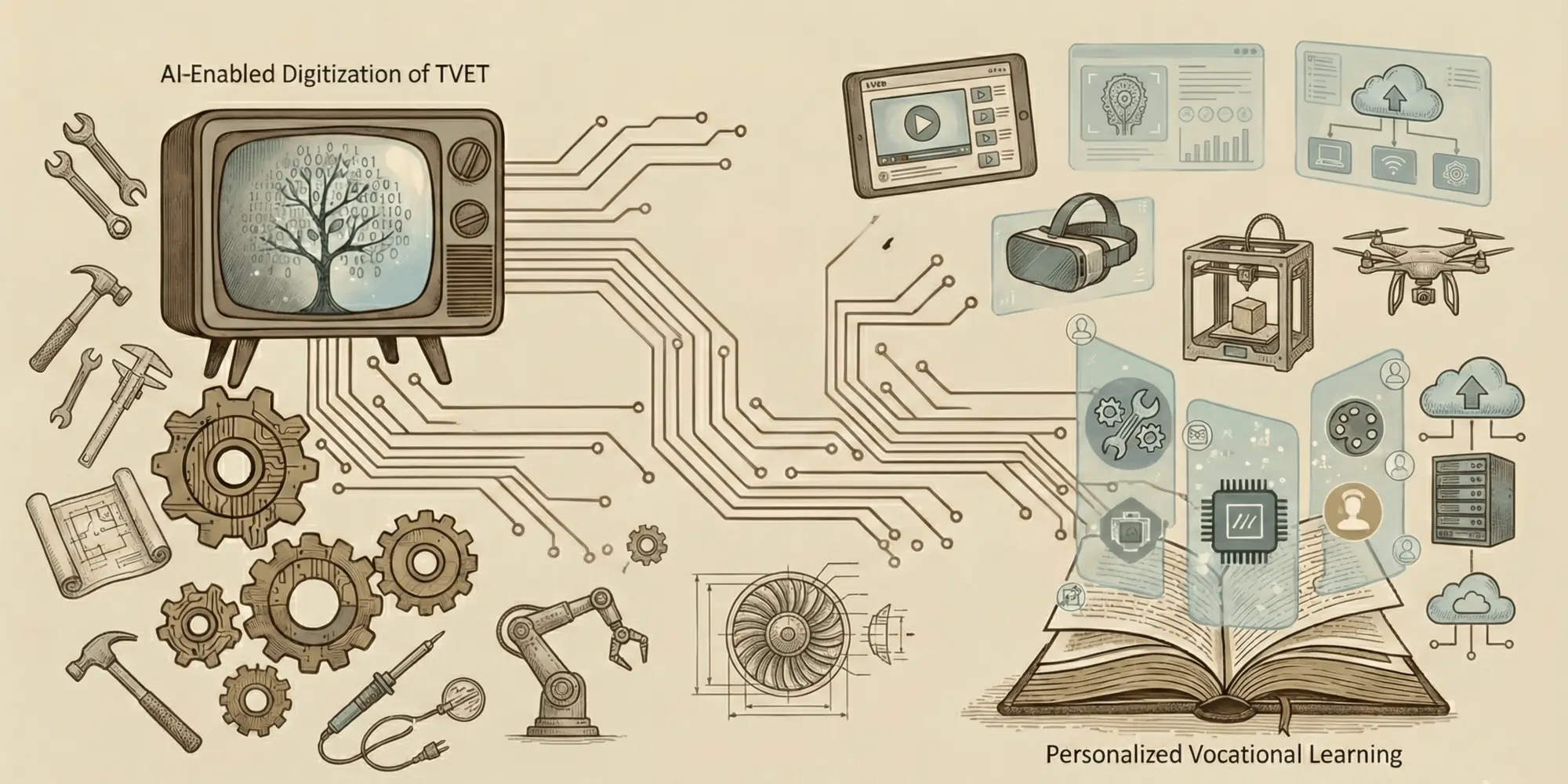
Designed to transform Pakistan’s TVET sector. We are embedding Artificial Intelligence, Multimodal Learning, and International Collaboration to empower the next generation.
To validate our vision, we are launching with a targeted focus on digitizing and upscaling the Auto-Electrician trade. This profession holds critical demand both within Pakistan and across the lucrative Gulf labor markets.
By leveraging AI-powered language technologies and adaptive learning pathways, this initiative moves beyond traditional training. We are making vocational education more inclusive, accessible, and strictly aligned with international industry standards.
Our initiative combines cutting-edge AI, global collaboration, and practical skill-building to create a scalable, future-ready training ecosystem.
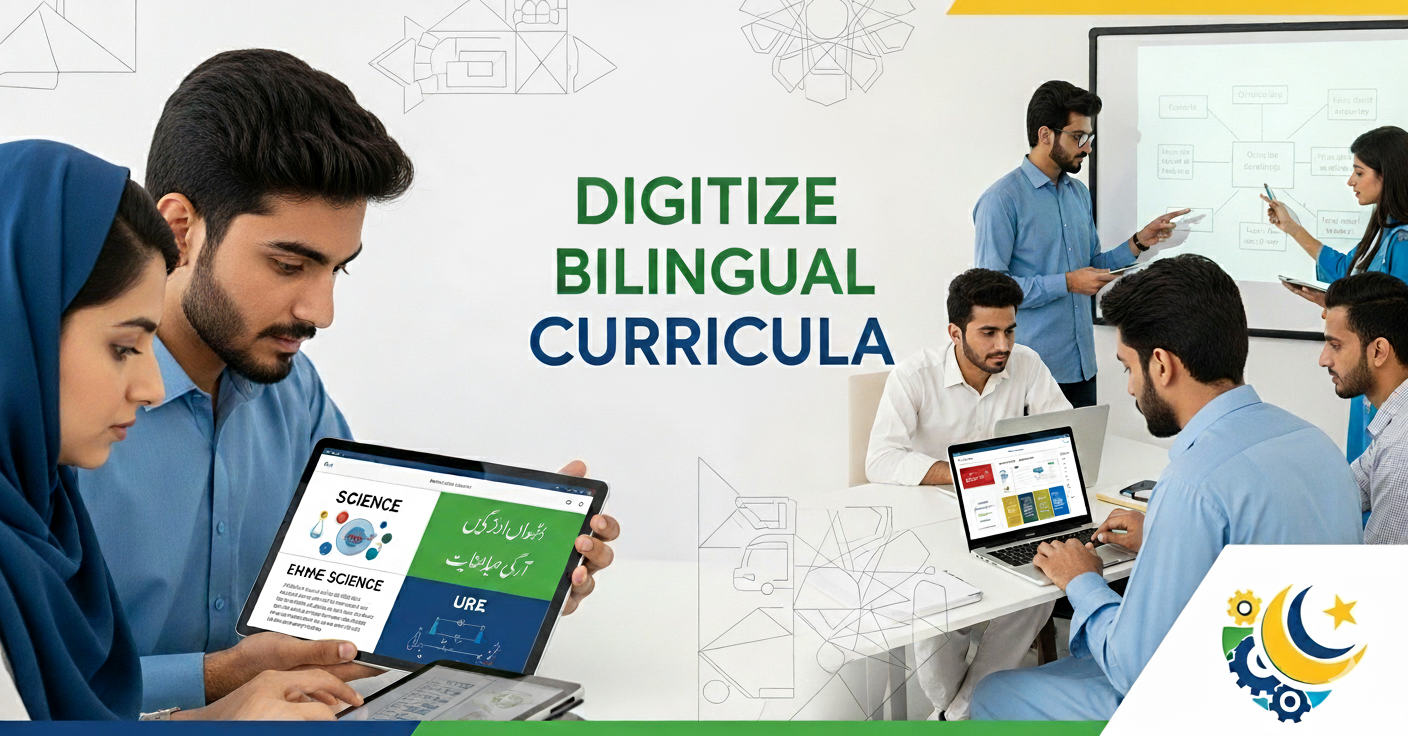
Urdu/English course outlines enriched with interactive simulations, sourced from CTTIs, TEVTA, and German partners — bridging theory and hands-on practice.
From an Urdu Small Language Model to German–English machine translation and a personalized recommender system, our AI backbone adapts learning to each individual.
Text, voice, diagrams, and video lectures — including content from CTTI, German experts, and local innovators — to strengthen practical skills.
Optimized for rural and resource-constrained environments, ensuring that no learner is left behind due to poor internet connectivity.
Strategic partnerships with institutions in Germany, UAE, and Saudi Arabia to strictly align training with international labor standards.
Pakistan’s Technical and Vocational Education and Training (TVET) sector is full of potential — but systemic gaps limit its impact. Our initiative bridges these gaps with innovation, inclusivity, and global collaboration.
Our initiative combines cutting-edge AI, global collaboration, and practical skill-building to create a scalable, future-ready training ecosystem.
Transform the Auto-Electrician curriculum into Urdu and English, enriched with interactive simulations.
Create domain-specific Small Language Models to power adaptive, interactive conceptual learning.
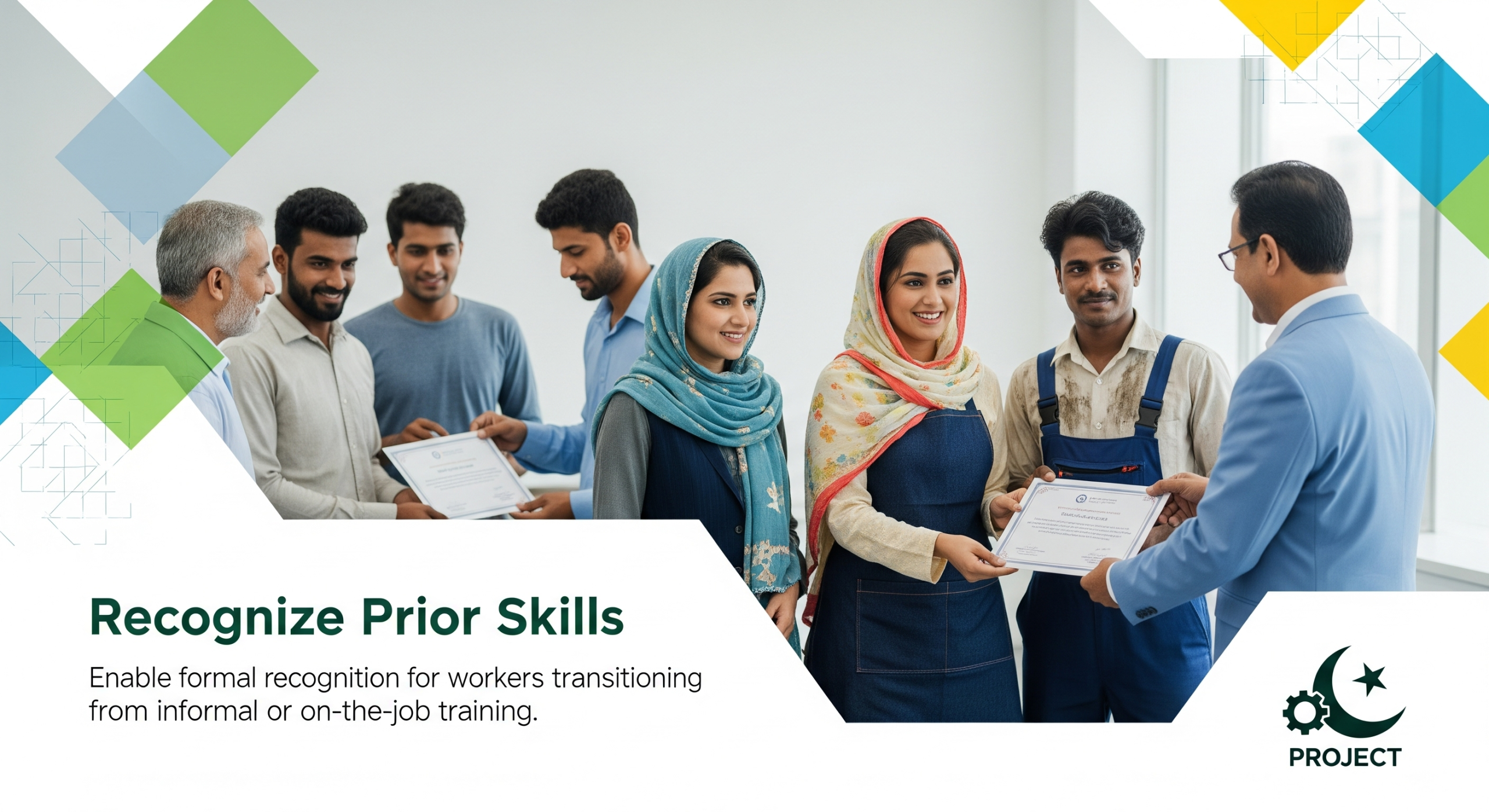
Enable formal recognition for workers transitioning from informal or on-the-job training.
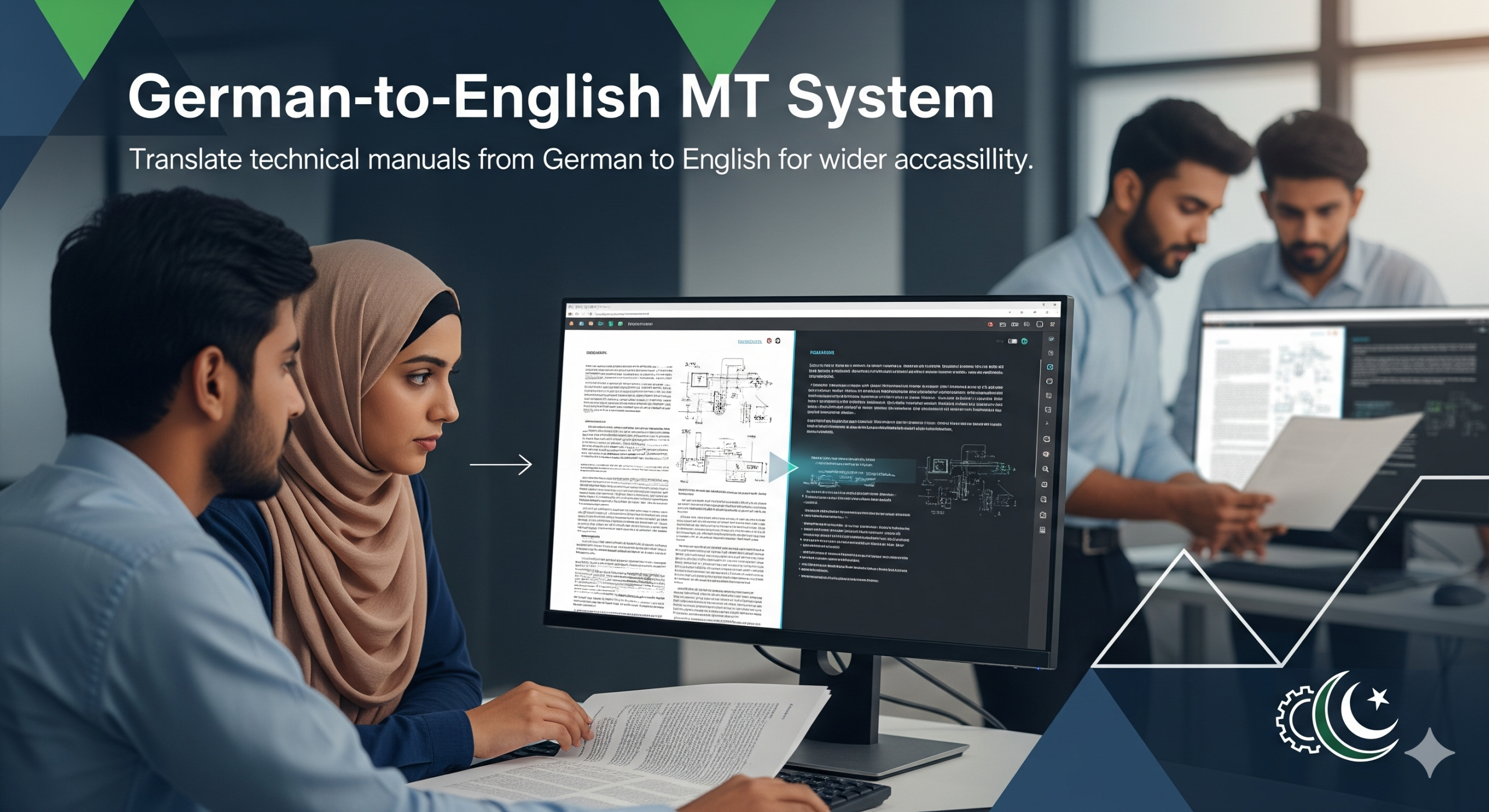
Translate technical manuals from German to English for wider accessibility and global standard alignment.
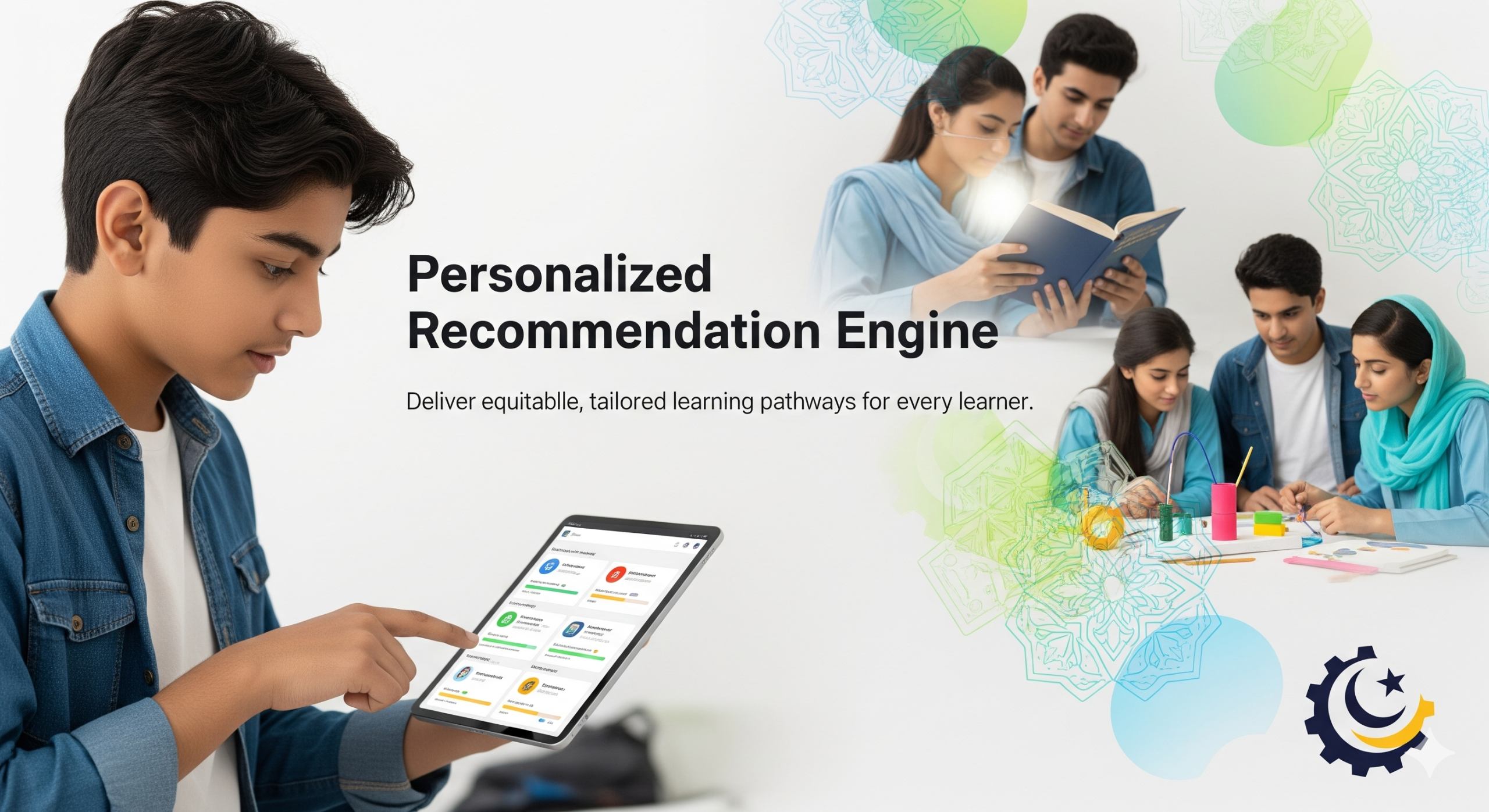
Deliver equitable, tailored learning pathways for every learner based on their progress and gaps.
Integrate text, voice, diagrams, and visual cues to strengthen hands-on skills effectively.
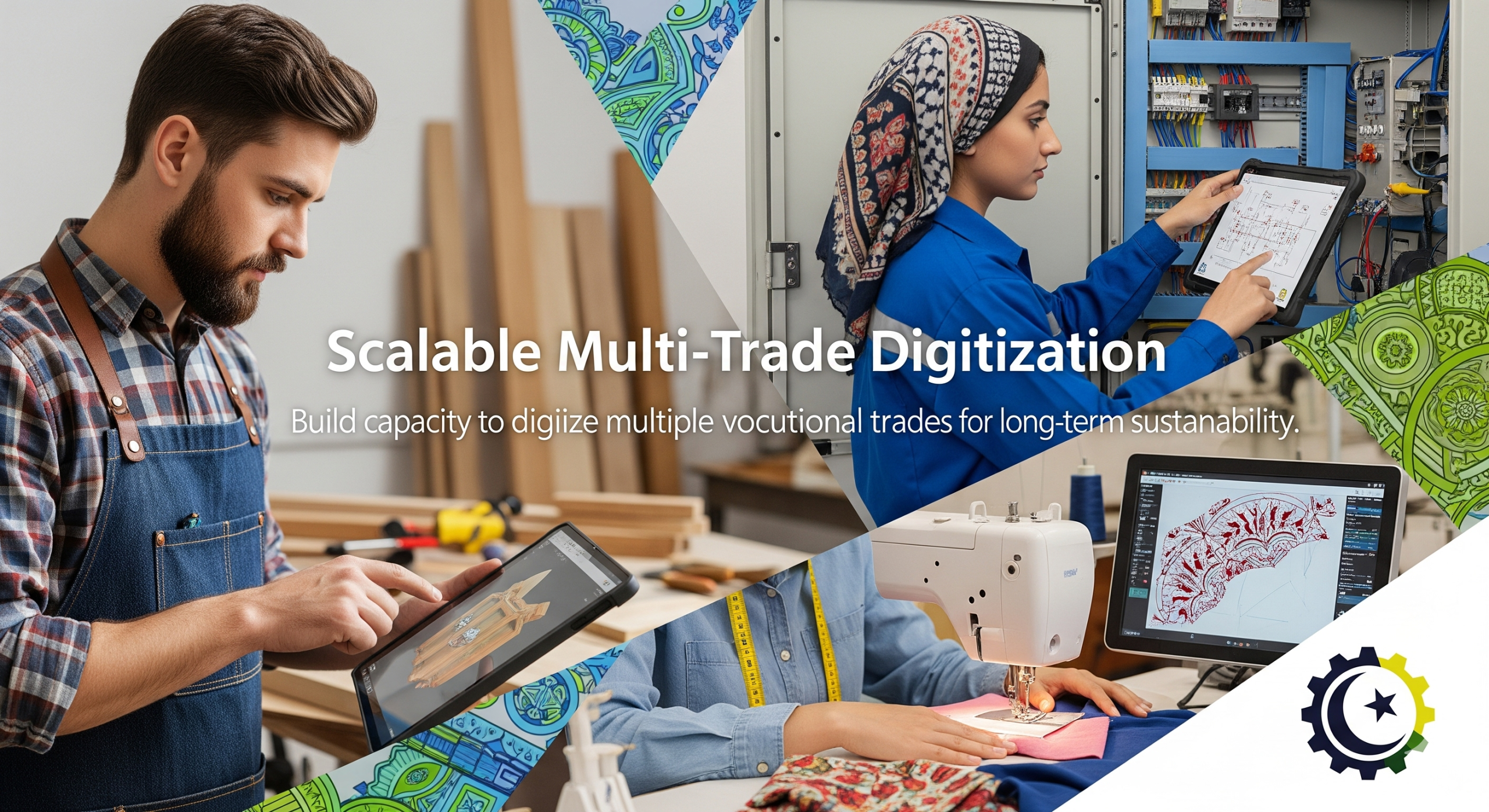
Build capacity to digitize multiple vocational trades for long-term sustainability.
Our work creates value across the entire vocational training ecosystem — from learners to policymakers.
Auto‑Electrician trainees, especially from marginalized communities, gain access to modern, bilingual, and practical training.
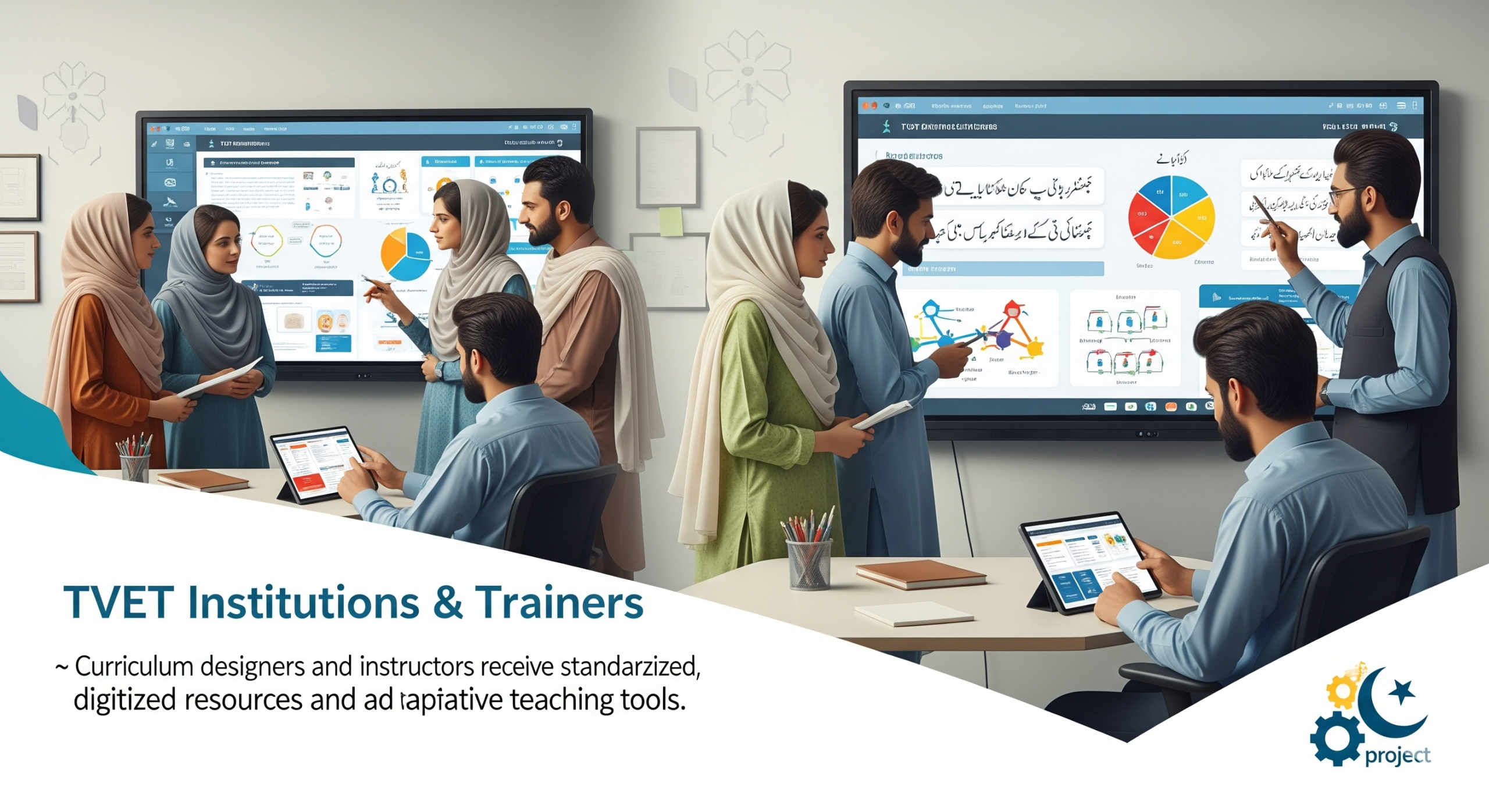
Curriculum designers and instructors receive standardized, digitized resources and adaptive teaching tools.
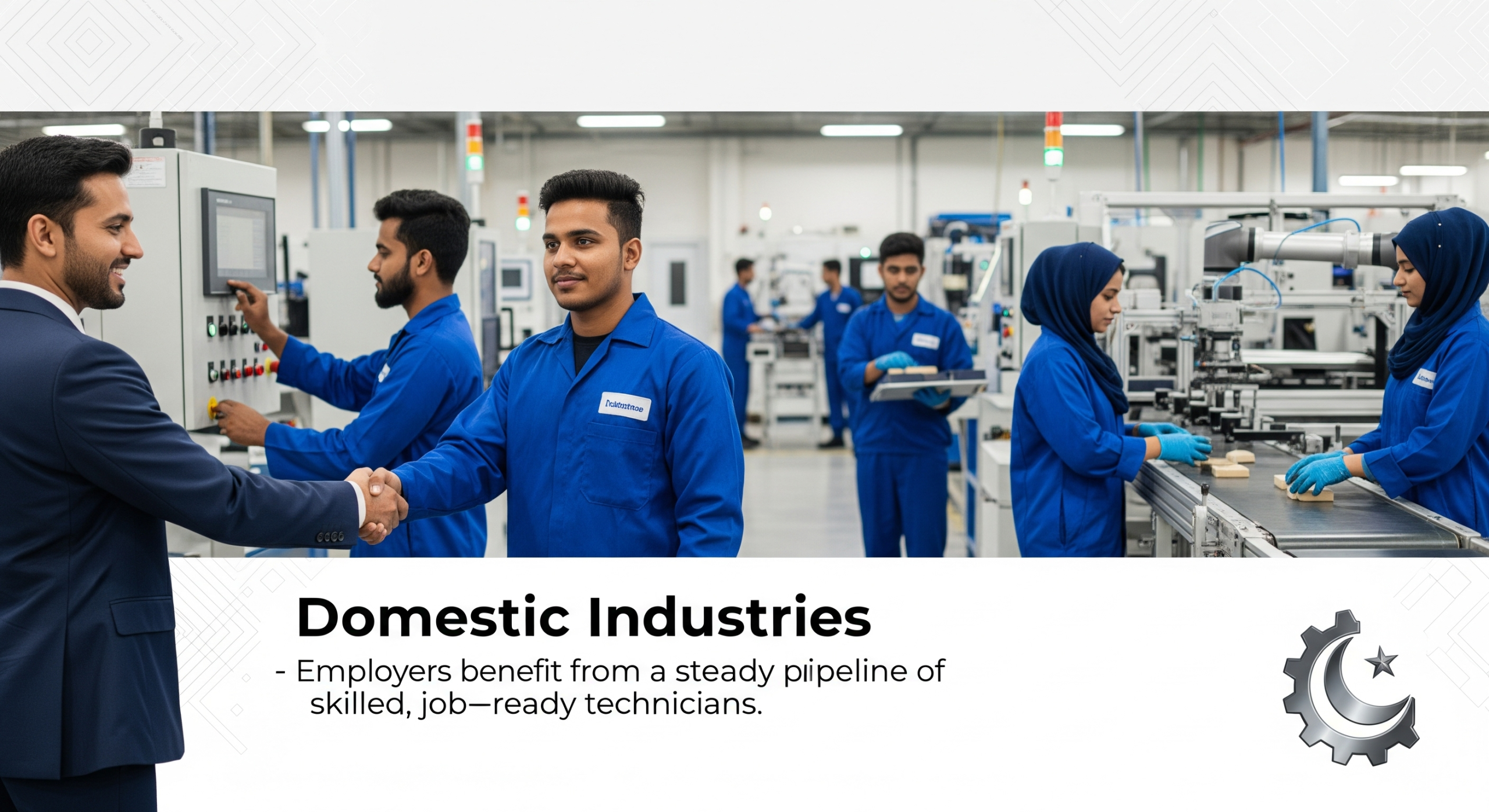
Employers benefit from a steady pipeline of skilled, job‑ready technicians prepared for modern machinery.
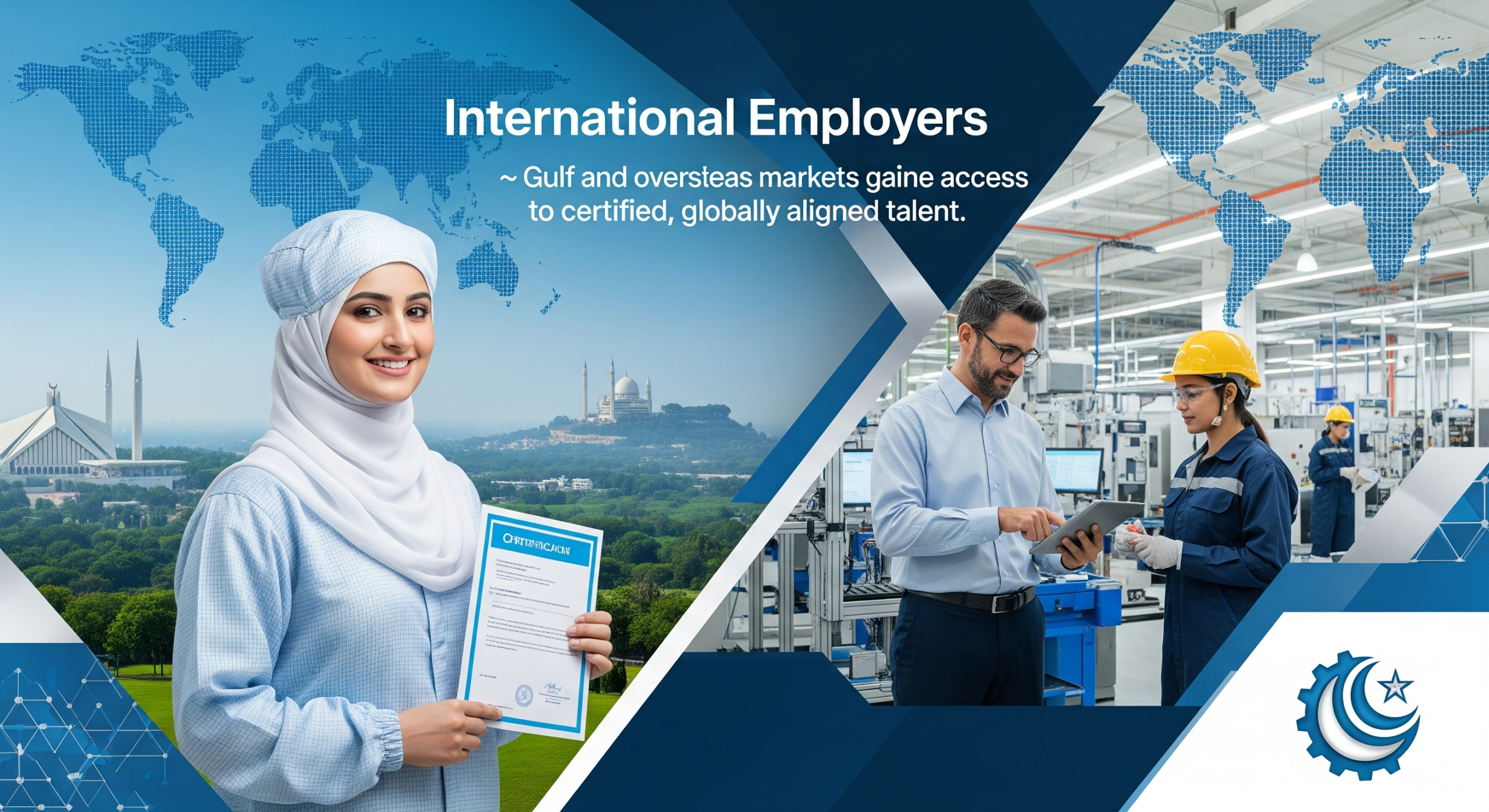
Gulf and overseas markets gain access to certified, globally aligned talent, reducing retraining costs.
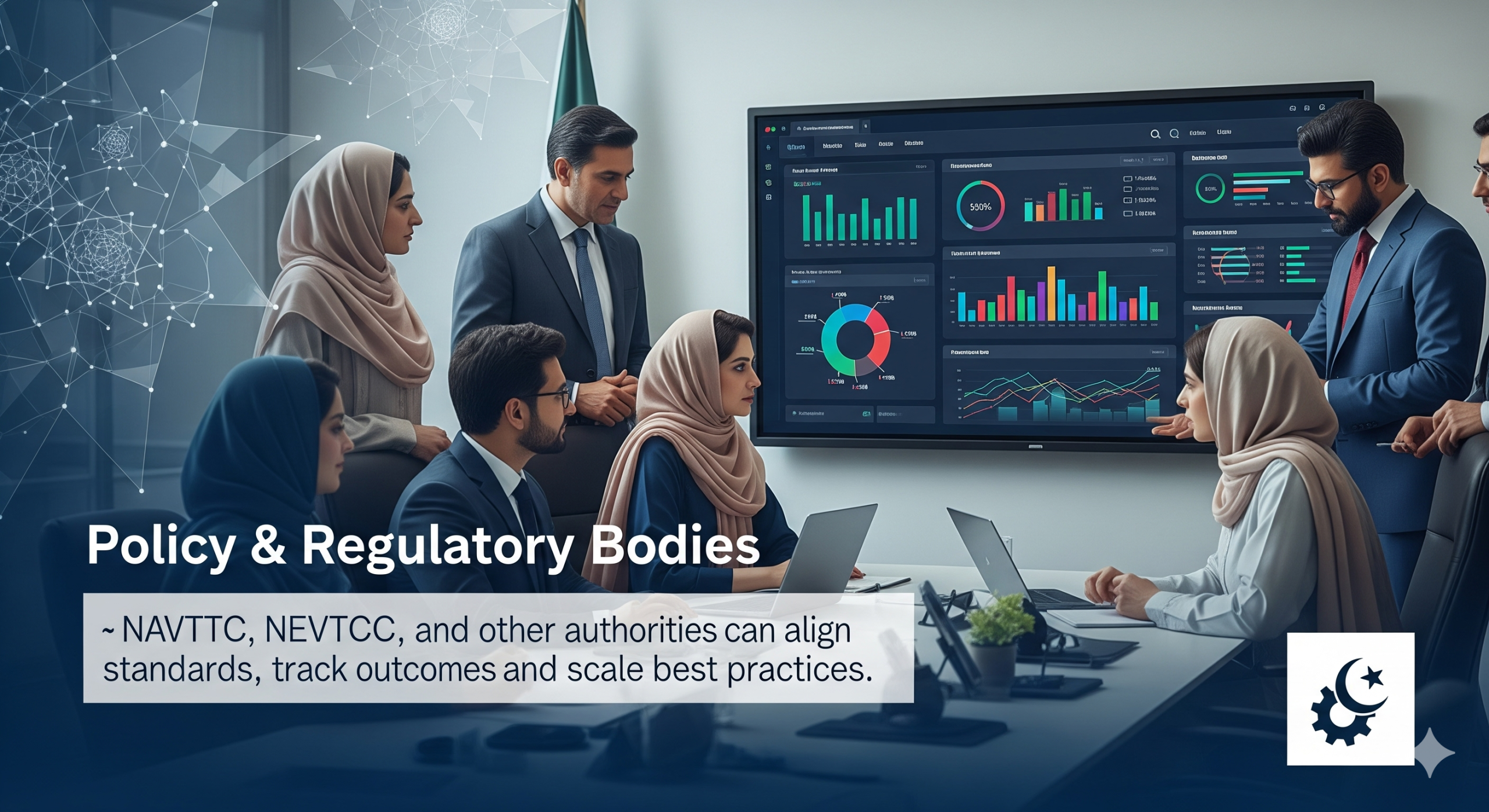
NAVTTC, NEVTCC, and other authorities can align standards, track outcomes, and scale best practices.
Our work spans two interconnected dimensions — advancing cutting‑edge technology and fostering collaboration to ensure long‑term impact.
Domain‑adapted AI to support conceptual learning specifically for Auto‑Electrician terminology.
Specialized translation engine tailored for complex technical manuals and diagrams.
Create personalized learning pathways for every student based on their unique performance gaps.
Rich simulations using text, voice, diagrams, and visual cues to bypass literacy barriers.
Lightweight edge-computing systems designed for resource‑constrained rural areas.
Workshops and training to reduce resistance and enable instructors to adopt digital curricula effectively.
Curriculum consultations with domestic employers and Gulf labor markets to ensure job readiness.
Knowledge‑sharing, joint reviews, and exchange visits with institutions in Germany, UAE, and Saudi Arabia.
We’ve divided the project into five focused work packages, each with clear objectives, deliverables, and timelines to ensure measurable progress.
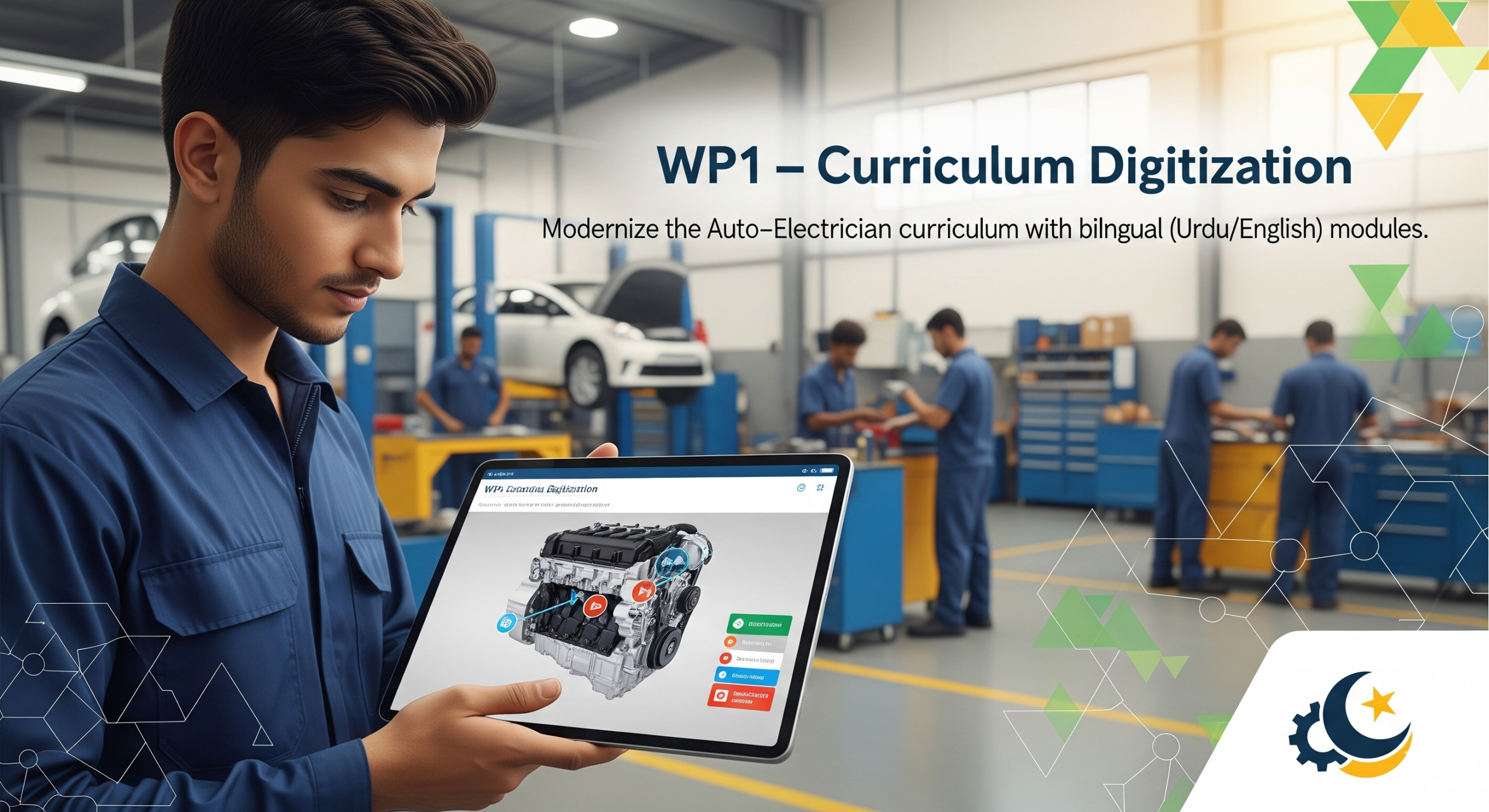
Modernize the Auto‑Electrician curriculum with bilingual (Urdu/English) modules.
Develop interactive modules, digitize content.
Digitized curriculum package.
Beta in 6 months, final in 12 months.
Build domain‑specific SLMs for conceptual learning.
Collect data, train models, integrate into platform.
Functional SLM for adaptive training.
Prototype in 9 months, full integration in 12 months.
Create practice‑oriented, multimodal training tools.
Simulations, interactive modules, multimodal interaction.
Practical training modules.
Pilot in 12 months, industry‑validated in Year 2.
Upskill instructors and align curricula with market needs.
Workshops, training sessions, industry consultations.
Trained instructors, updated curriculum.
3 workshops in Year 1, updates by Month 12.
Leverage expertise from Germany & Gulf partners.
Exchange visits, joint curriculum reviews, best‑practice sharing.
Internationally aligned curriculum.
2 exchange visits, review by Month 10.
We follow a structured, iterative process from data collection to evaluation to ensure innovation, accuracy, and real‑world impact.
Gather German Auto‑Electrician manuals and Urdu/English training content. Preprocess, clean, and annotate datasets for multilingual model training.
Build a German→English MT model using open‑source frameworks. Fine‑tune for technical vocabulary and evaluate with BLEU scores and human review.
Develop a domain‑specific Urdu Small Language Model for contextual learning, Q&A, and adaptive assessments. Optimize for edge deployment.
Personalize learning pathways using learner profiles and progress data. Continuously measure engagement and skill acquisition.
Create interactive, practice‑based modules with text, speech, diagrams, and visual cues. Ensure accessibility for diverse literacy levels.
Combine MT, SLM, Recommendation Engine, and multimodal modules into one platform. Deploy on lightweight, offline‑capable devices.
Assess translation accuracy, learning effectiveness, and usability. Refine based on pilot feedback to enhance real-world outcomes.
Our initiative delivers tangible, scalable results — transforming vocational training for Pakistan’s youth and aligning with global standards.
Interactive Urdu/English modules specifically designed for Auto-Electrician training.
Adaptive, domain-specific AI to support deep conceptual learning in native languages.
Practice-based training using text, voice, diagrams, and visual cues to bypass literacy barriers.
Accurate translation of technical manuals to ensure wider accessibility of global knowledge.
Personalized learning pathways tailored to the unique pace and needs of each learner.
Upskilled educators equipped with digital tools and globally aligned teaching practices.
Joint curriculum development and certification with partners in Germany, UAE, and Saudi Arabia.
A modular system designed to be easily extended to other vocational trades beyond Auto-Electrician.