35

Research Published in IGARSS 2025

Publication Success

Congratulations!

Published in IGARSS 2025

Combining UAV Multispectral Data & Crop Morphological Features for Sunflower Oil Content Estimation

Authored By
Muhammad Ali
Usama Athar
Read on IEEE Xplore

bridging skills

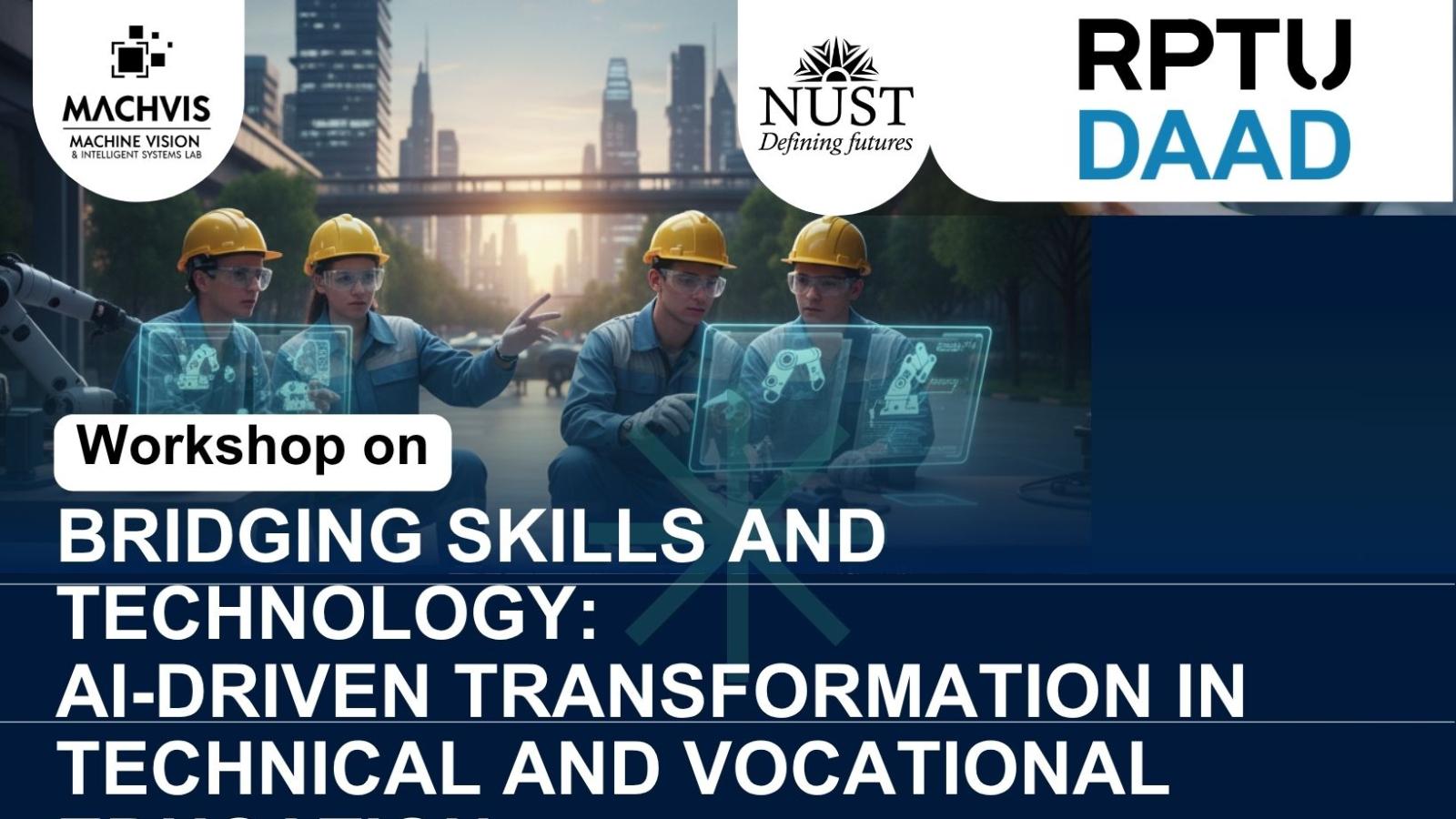
Bridging Skills and Technology: AI-Driven Transformation in Technical and Vocational Education

Bridging Skills and Technology:

AI-Driven Transformation in Technical and Vocational Education

Date

26th and 27th November 2025 (Thursday)
Venue:

About The Workshop

As part of the Ba-Ikhtiyar Jawan Project, partners including NUST, DAAD, RPTU and German collaborators are hosting a one-day workshop on “Bridging Skills and Technology: AI-Driven Transformation in Technical and Vocational Education.” This collaborative event will bring together experts from vocational training, higher education, and the technology industry to explore the integration of AI in skill development. Key discussions and project updates will focus on Generative AI, the development of bilingual Urdu-English small language models for specific domains, machine translation of vocational content, and the creation of personalized learning systems. Through a series of expert talks, project demonstrations, and a concluding panel discussion, the workshop aims to strengthen partnerships between academia and industry and define a clear roadmap for modernizing Pakistan’s vocational training landscape.
Gemini_Generated_Image_jv9zh0jv9zh0jv9z (1)

Workshop

Objectives

1

Highlight ongoing achievements and innovations under the Ba-Ikhtiyar Jawan Project.

 
2

Bring together experts from vocational, higher education, and technology sectors to share insights.

 
3

Explore integration of Generative AI, bilingual small language models, and personalized learning systems for skill development.

 
4

Strengthen partnerships between academia, industry, and technical education bodies.


Workshop Schedule: Ba-Ikhtiyar Jawan Project

Bridging Skills and Technology: AI-Driven Transformation in Technical and Vocational Education

📅 Nov 27, 2025 (Thursday)  |  📍 Seminar Hall, SEECS
Morning Session
Context & Needs in Vocational and Higher Education
09:00 am – 09:30 am

Registration

09:30 am – 09:35 am

Welcome (Quran Recitation)

Dr. Fahad A. Satti
09:35 am – 09:45 am

Introductory Speech (SEECS) – Opening Remarks

Dr. Muhammad Imran Malik HoD CS, SEECS
09:45 am – 10:30 am

Keynote Address: Global Trends in Vocational Education and the Role of AI

Professor Dr. Leo van Waveren DFKI, Germany
10:30 am – 11:00 am

Current Paraphernalia of Vocational Education and National Needs Assessment

NAVTEC Representative
11:00 am – 11:15 am

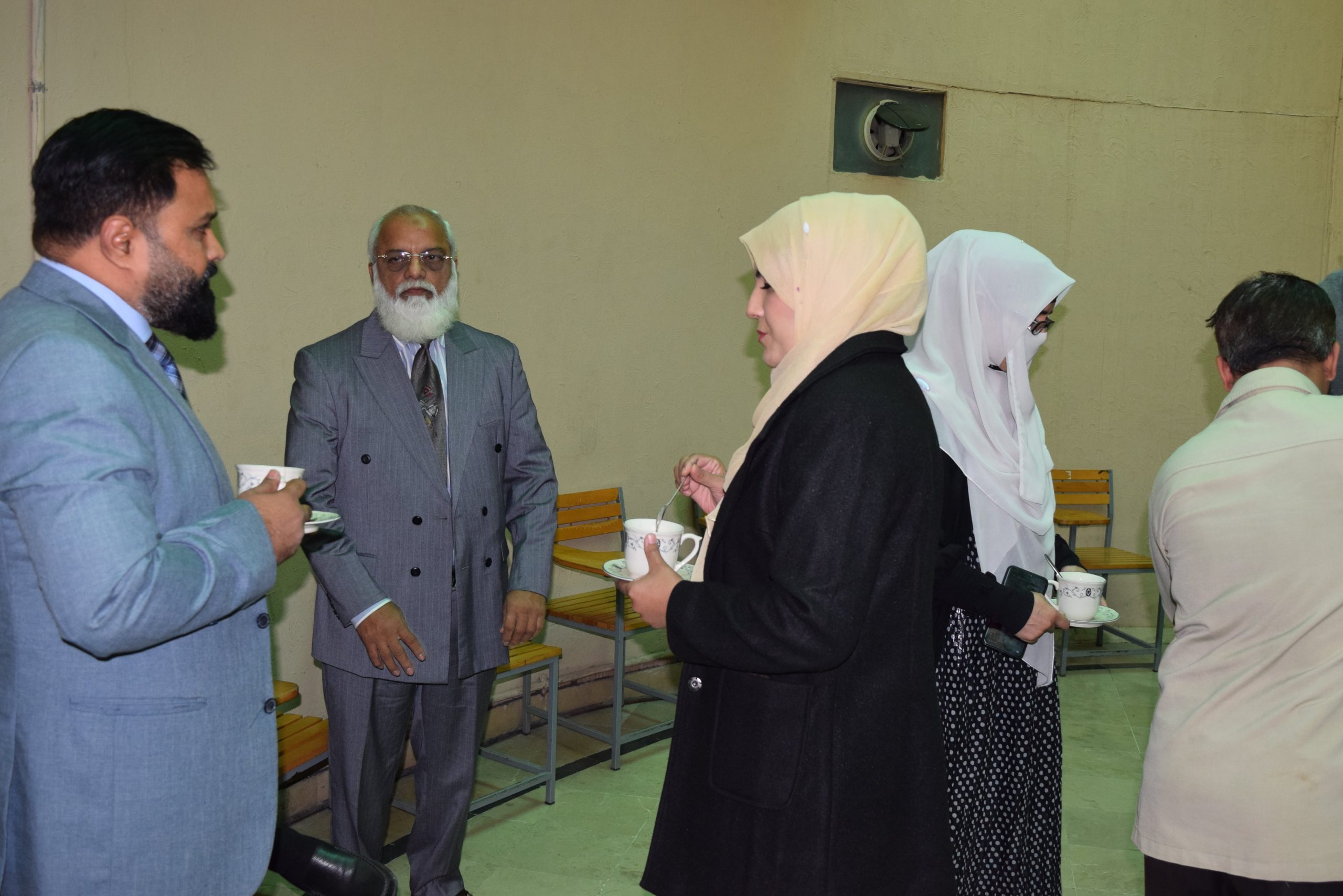
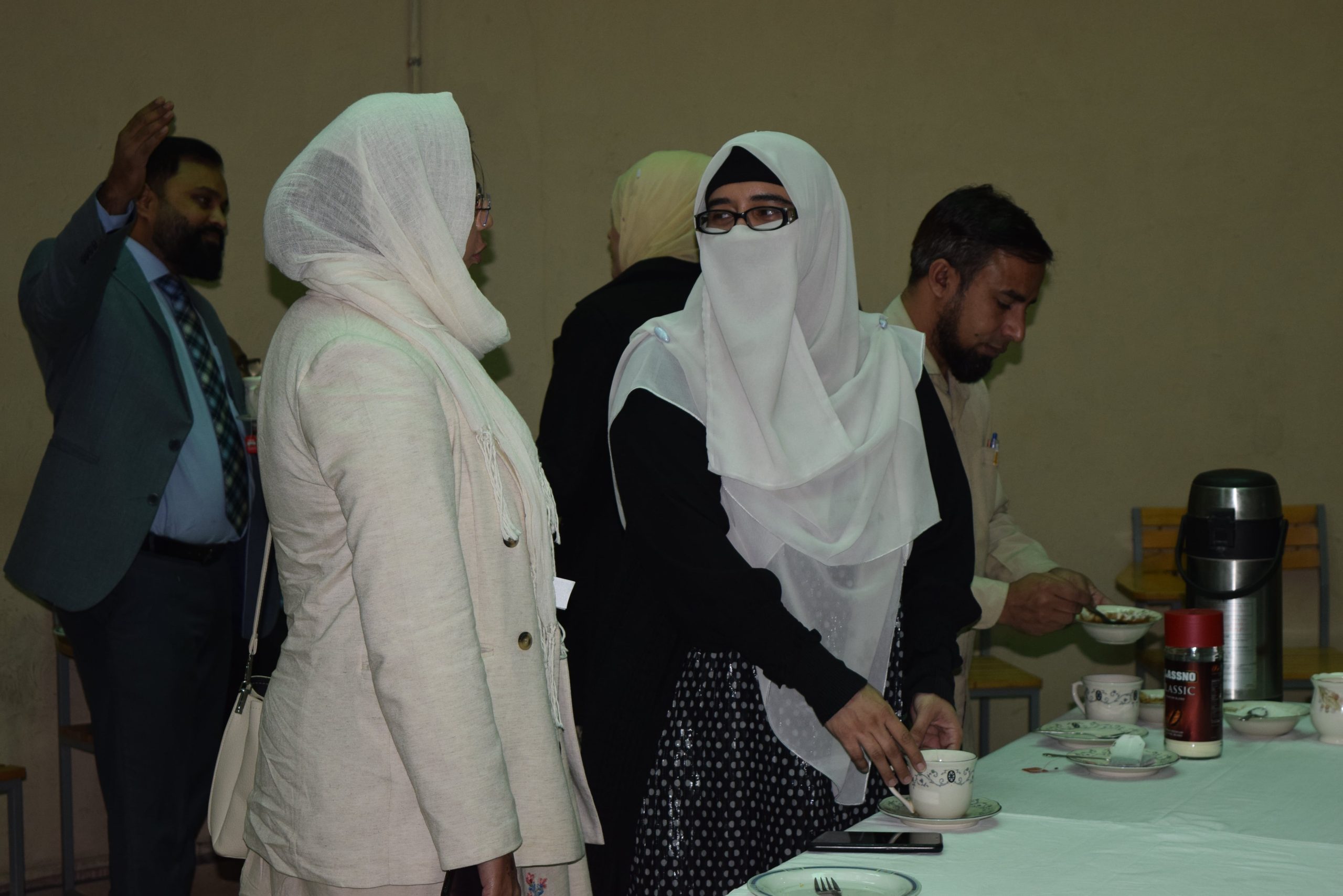
☕ Tea Break

11:15 am – 11:45 am

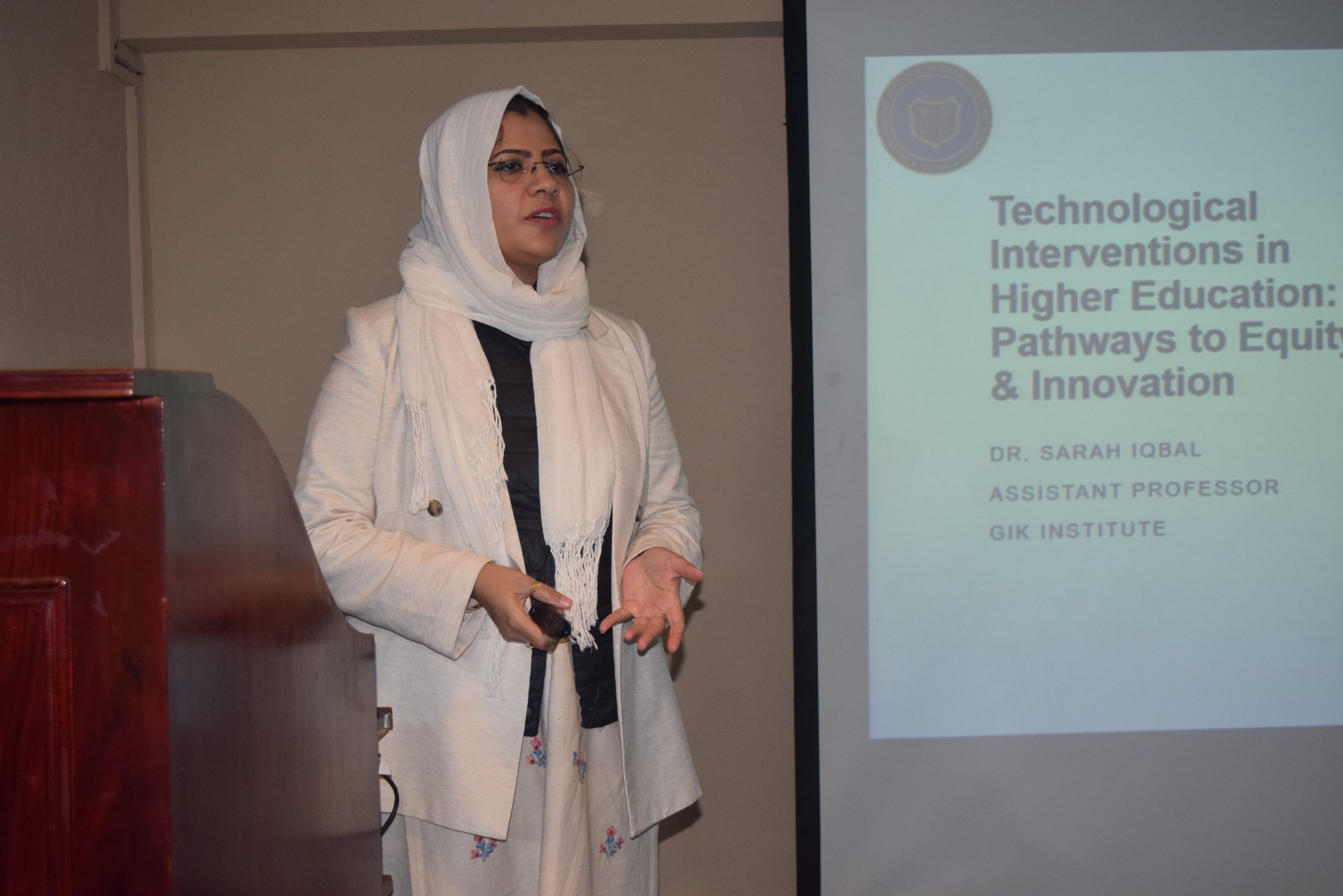
Technological Interventions in Higher Education: Pathways to Equity and Innovation

Dr. Sara Iqbal Assistant Professor, GIKI
11:45 am – 12:00 pm

Machine Translation for Vocational Content

Mr. Muhammad Dawood Rizwan MachVIS Lab
12:00 pm – 12:30 pm

Takamol and Changing Trends in skilled labour employability in the Gulf Region

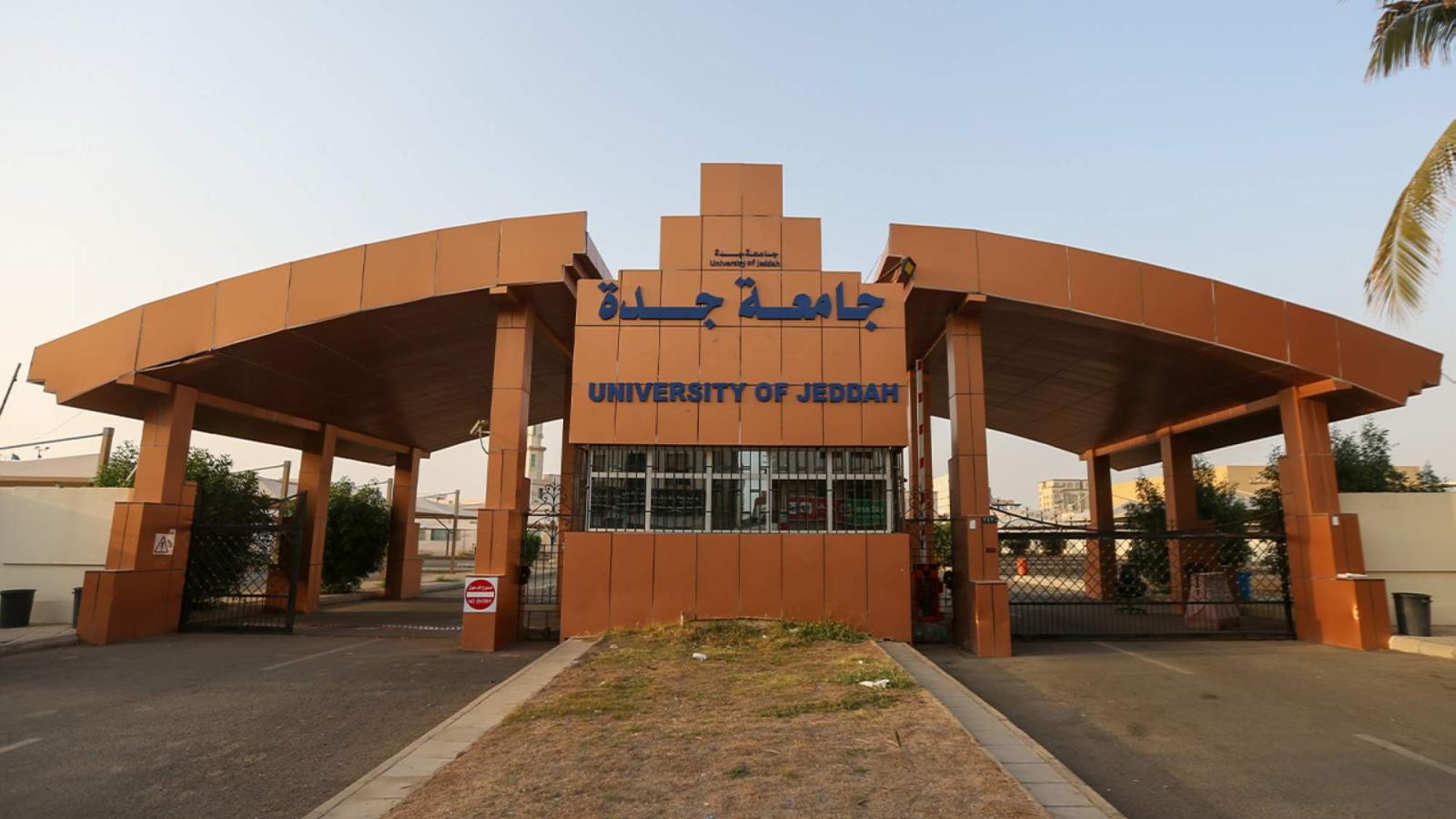
Dr. Shahzad Saleem University of Jeddah, Saudi Arabia
12:30 pm – 01:00 pm

Bridging the Skills Gap: Industry–Academia Collaboration in TVET

Mr. Muhammad Usama Qamar Technical Education Expert, Suzuki Motors
01:00 pm – 02:00 pm

🍽️ Lunch Break

Afternoon Session
AI-Enabled Transformation and Future Pathways
02:00 pm – 02:30 pm

Current Market Situation & Future Aspects of Technical Employability in Gulf Region

Dr. Yasir Fahim Canadian University, Dubai, UAE
02:30 pm – 02:50 pm

AI for Personalized Learning

Ms. Isra Mansoor / Mr. Muhammad Abdullah MachVIS Lab
02:50 pm – 03:10 pm

Small Language Models for Domain-Specific Queries

Ms. Adeela / Muhammad Nabeel MachVIS Lab
03:10 pm – 03:40 pm

Integrating Generative AI for Adaptive and Personalized Learning

Dr. Mehwish Fatima Assistant Professor, SEECS
03:40 pm – 04:00 pm

☕ Tea Break

04:00 pm – 04:30 pm

AI-Powered Diagnostics and Maintenance Training for Electric and Hybrid Vehicles

Dr. Saqib Nazir Assistant Professor, SMME, NUST
04:30 pm – 04:45 pm

Panel Discussion: Stakeholder insights and alignment with project roadmap

Dr. Fahad A. Satti SEECS, NUST
04:45 pm – 05:00 pm

Closing Ceremony

Expected Outcome

Broadened understanding of the national and global context of TVET modernization.

Strengthened linkages between vocational institutes, universities, and industry.

Clear roadmap for integrating AI and digital tools into Pakistan’s vocational training landscape.

Validation of project deliverables and feedback on machine translation, language model, and personalization systems.

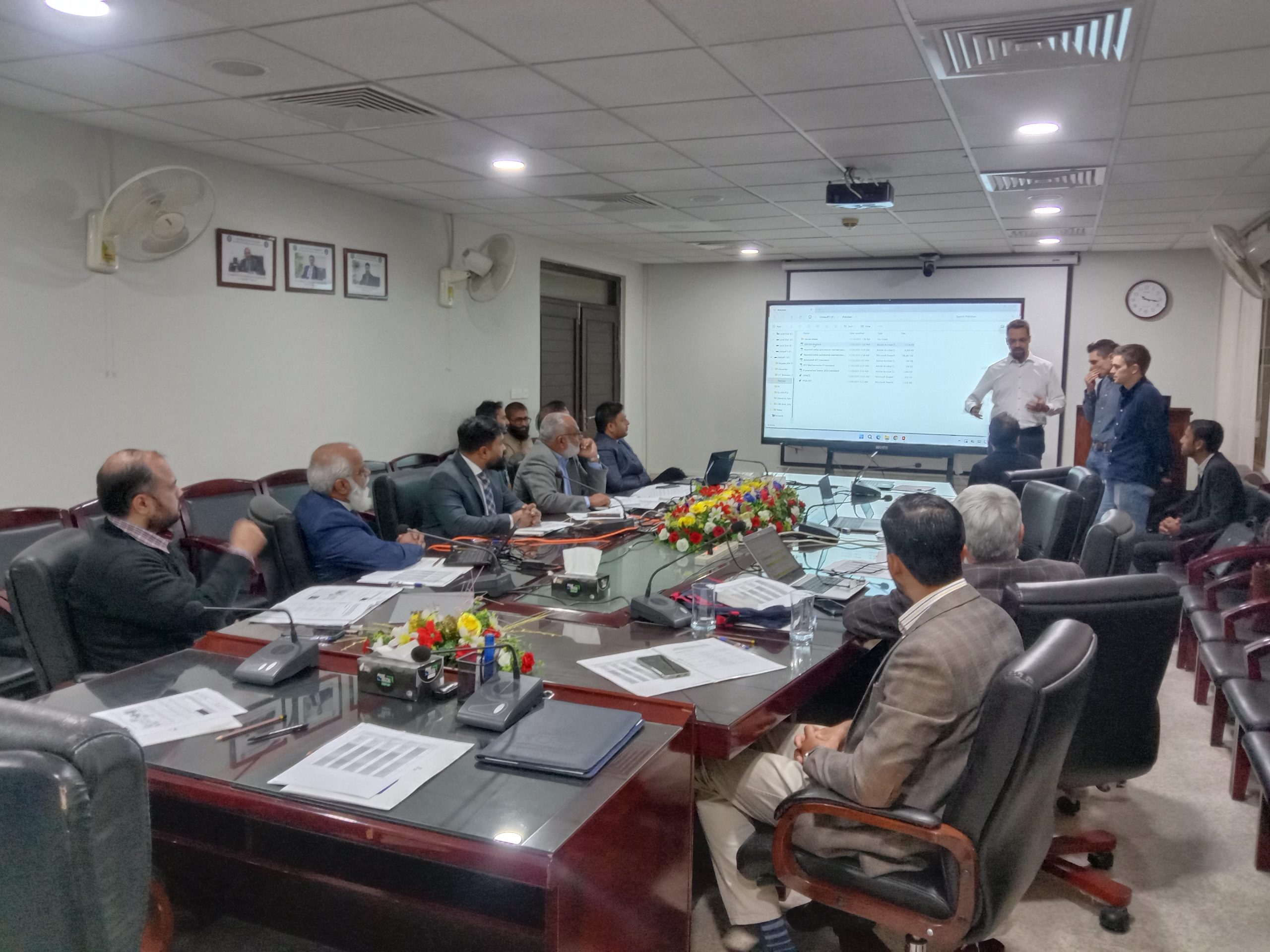
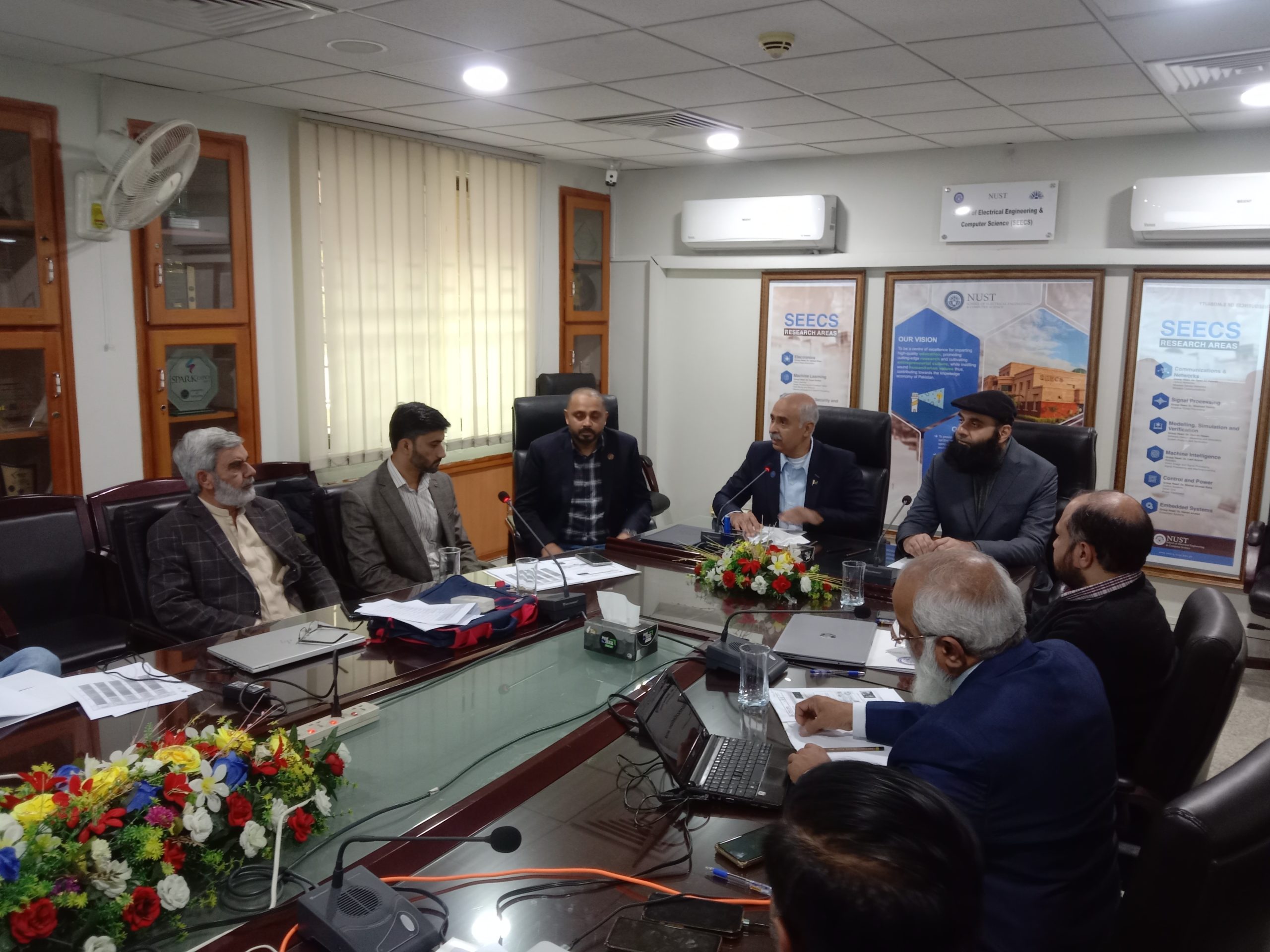
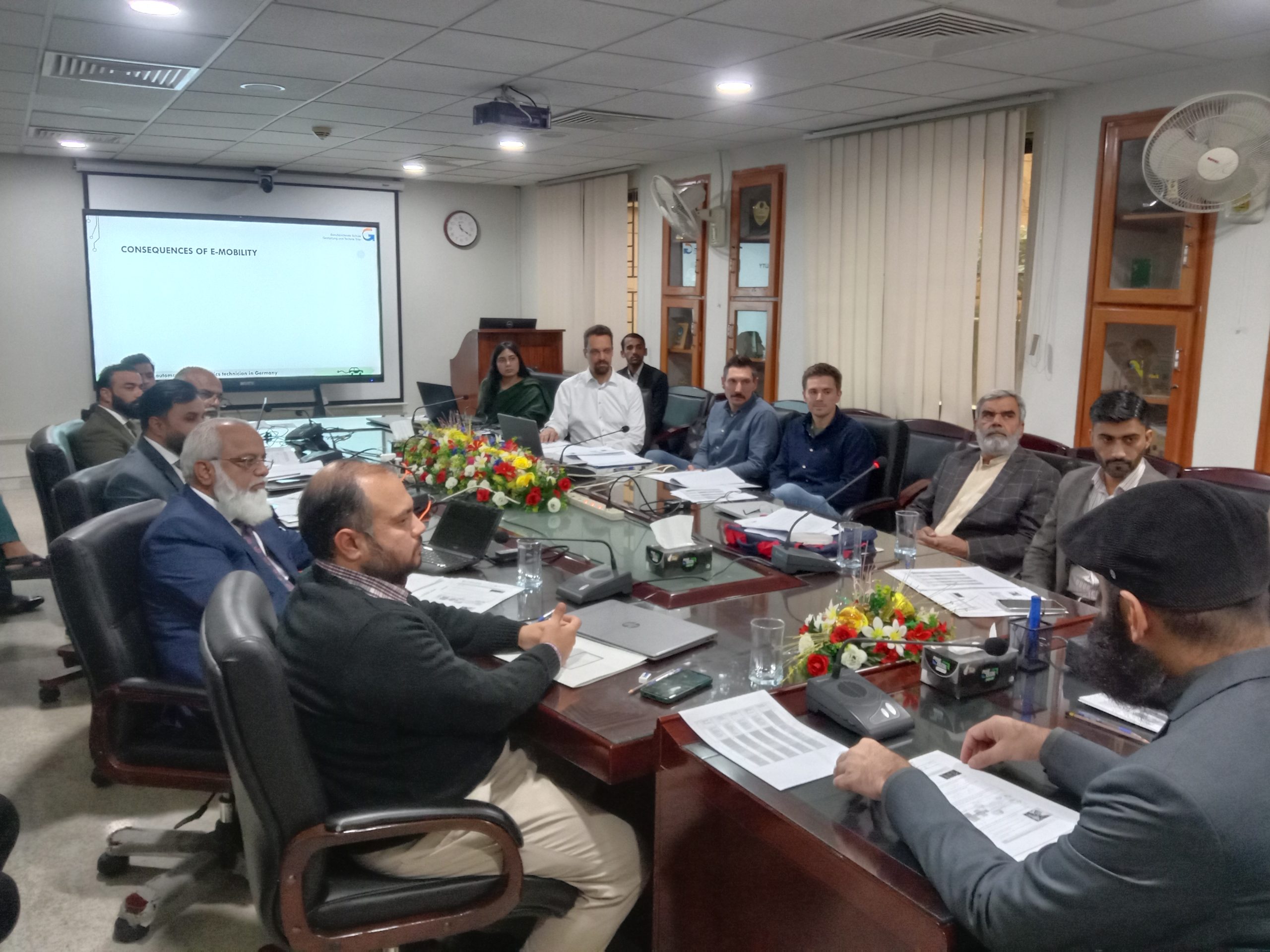
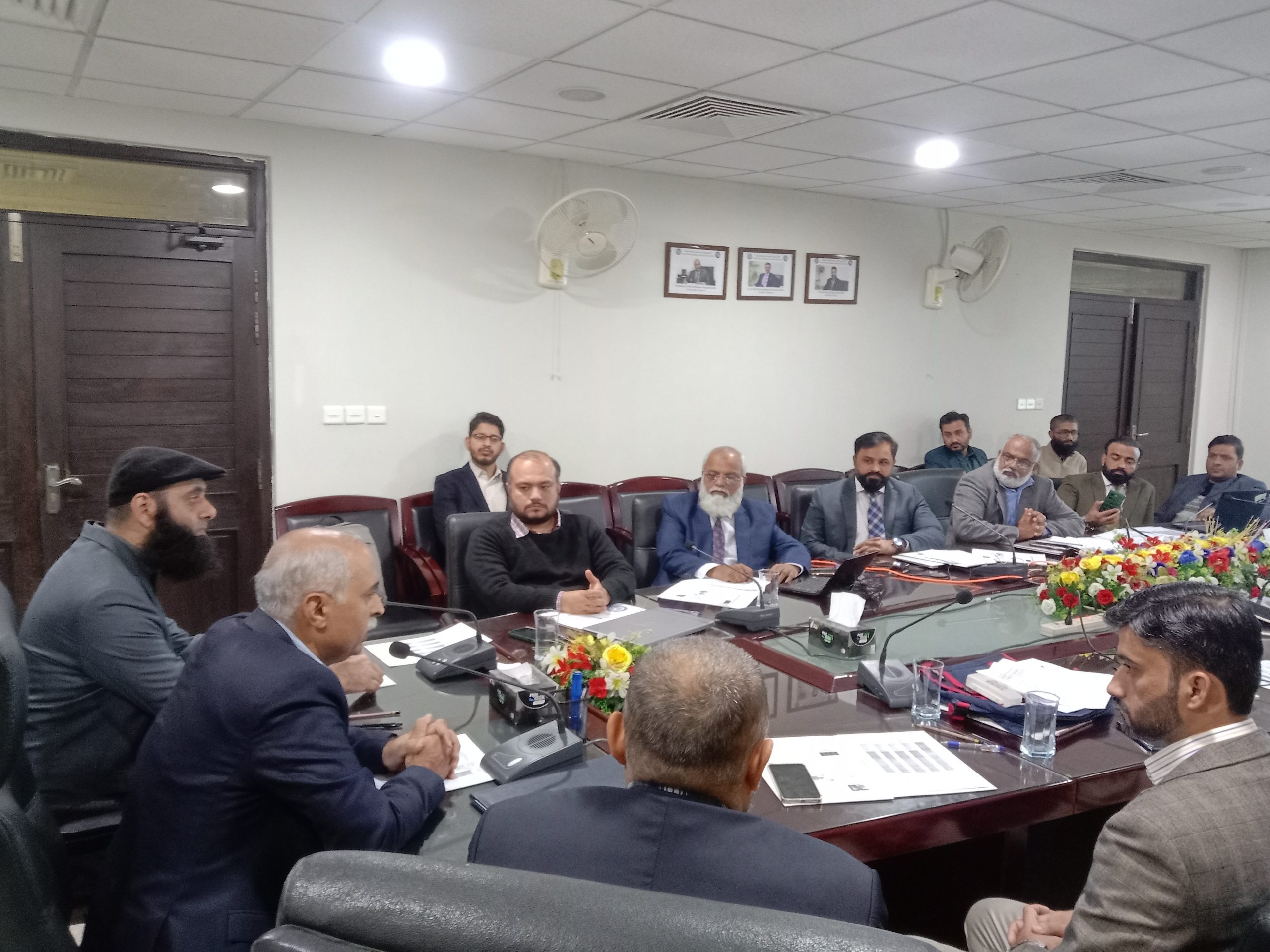
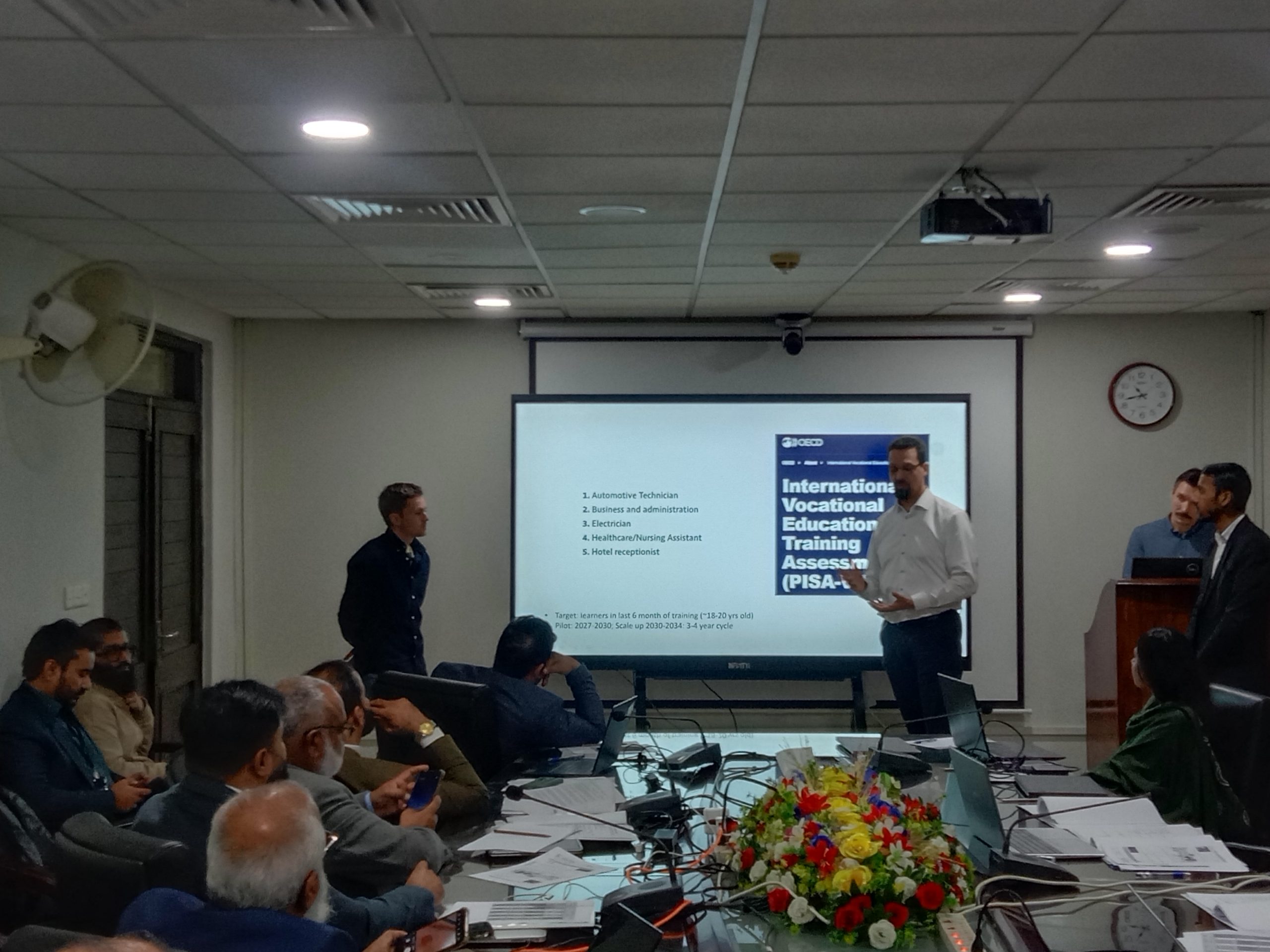
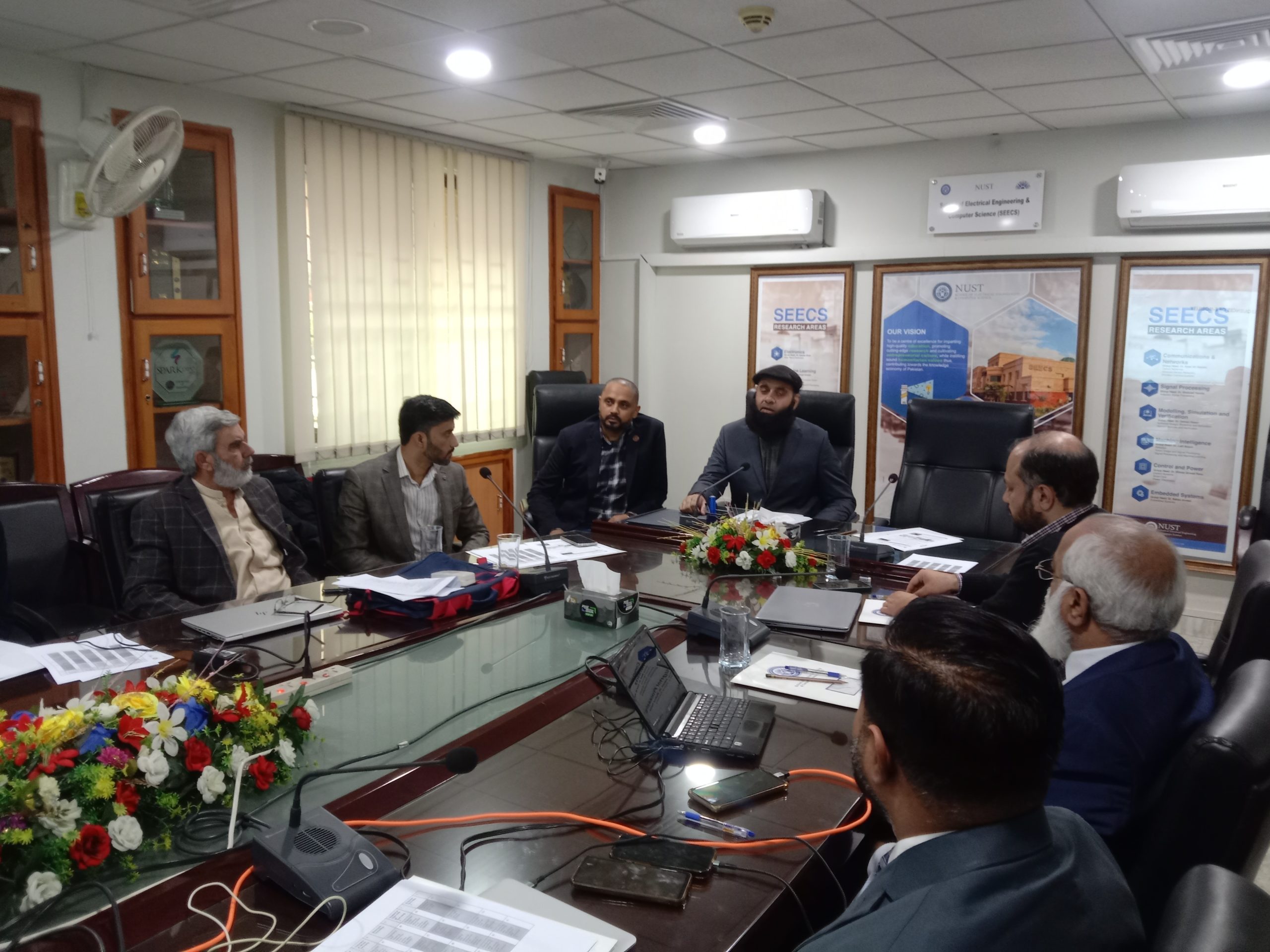
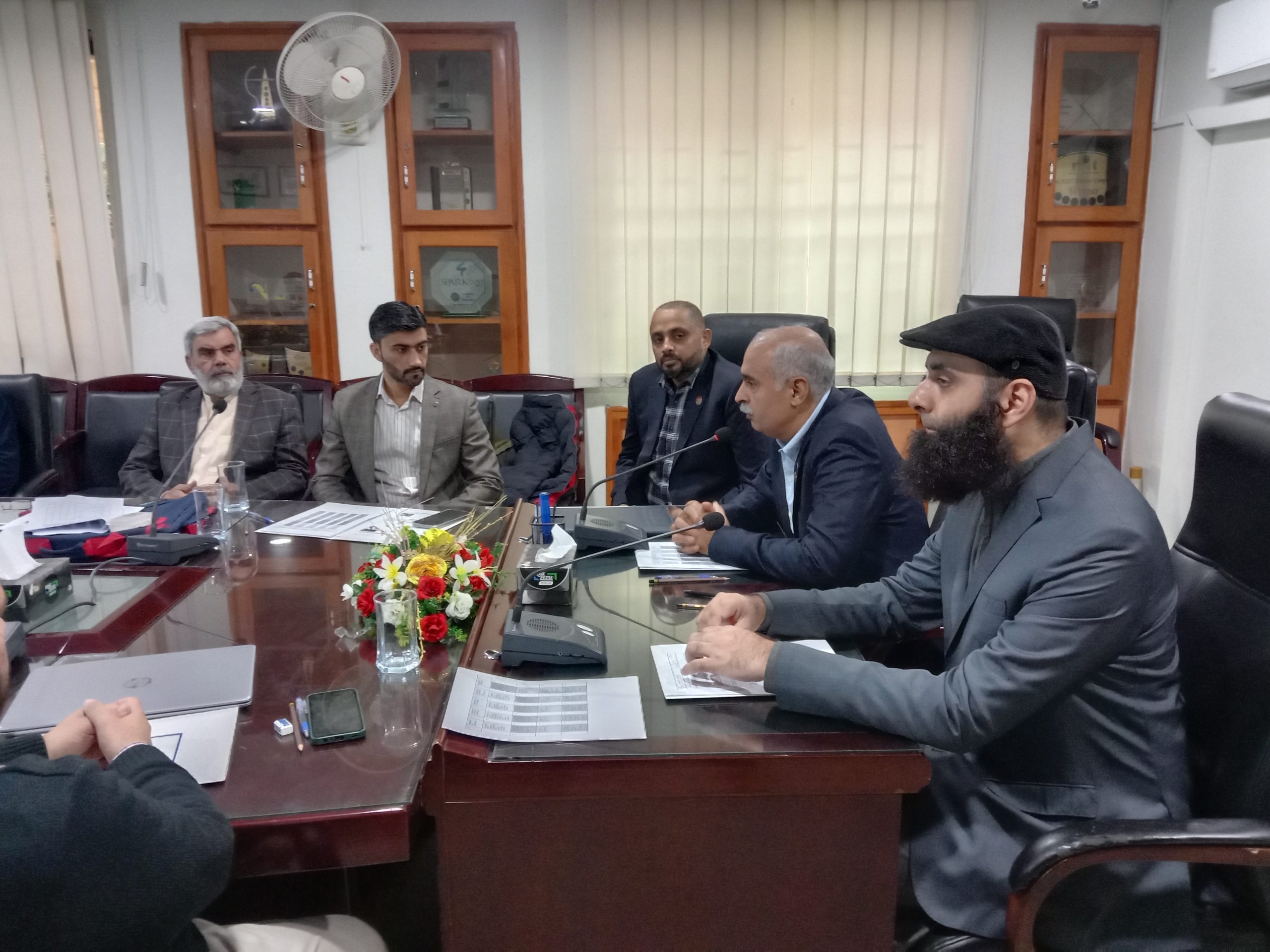
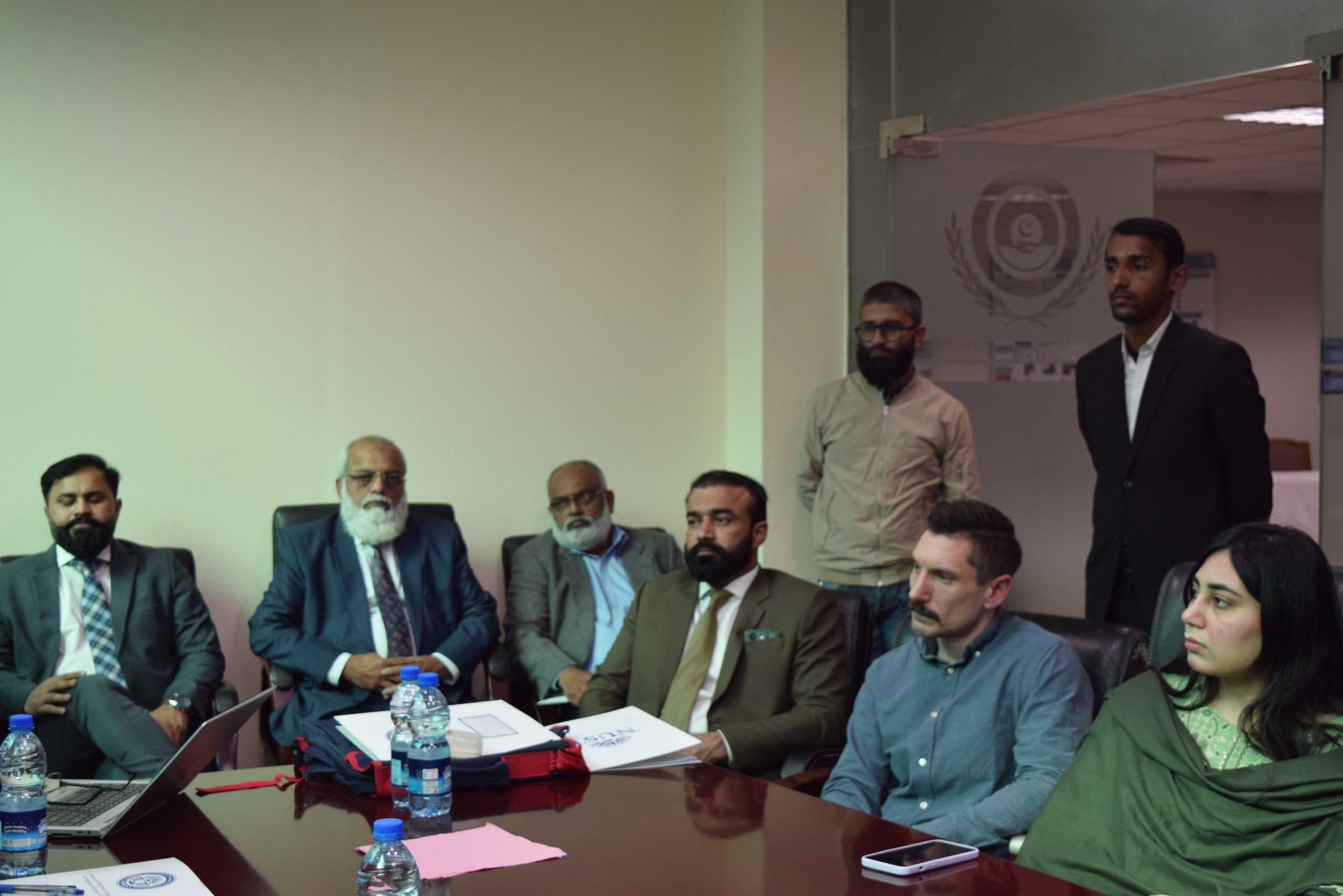
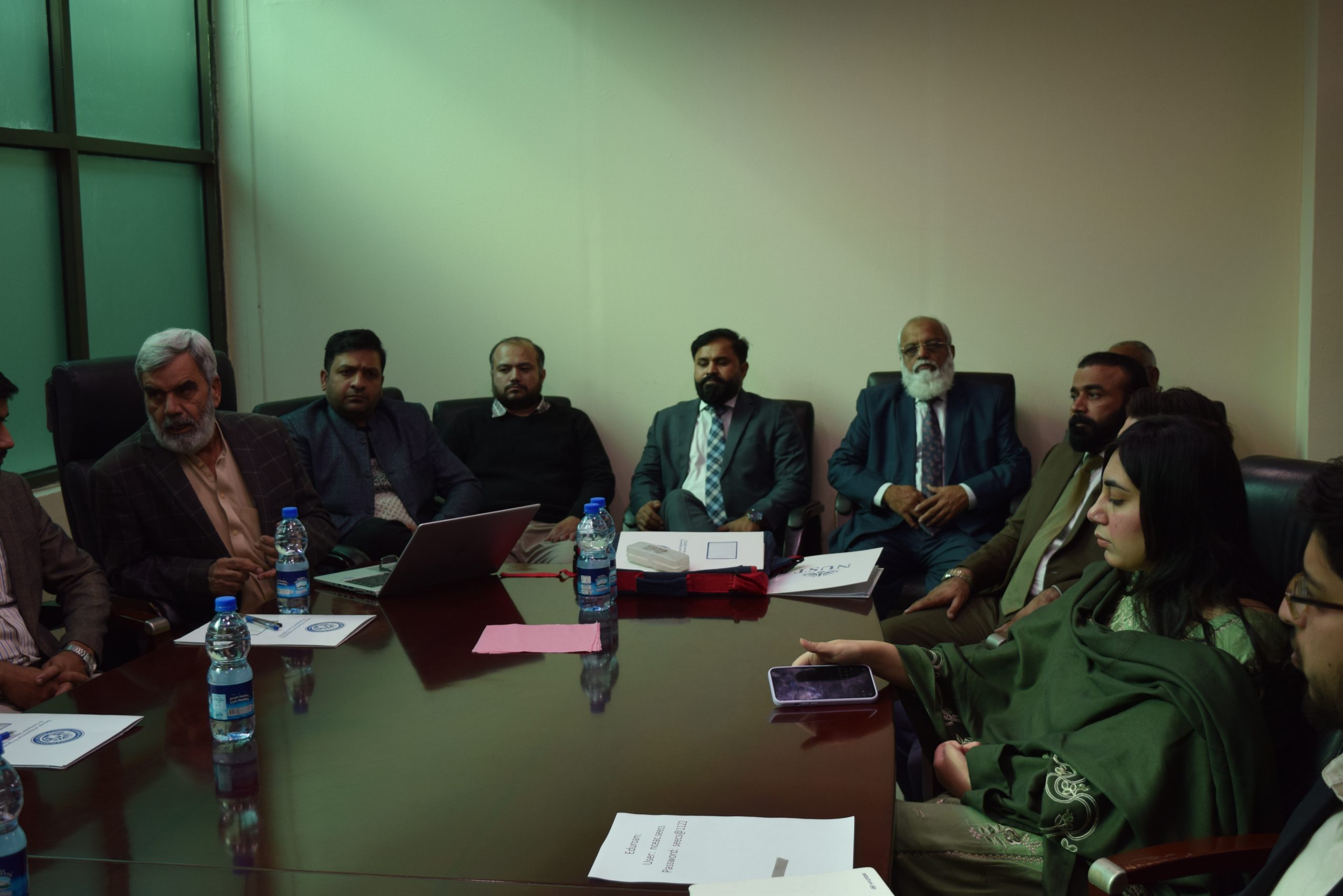
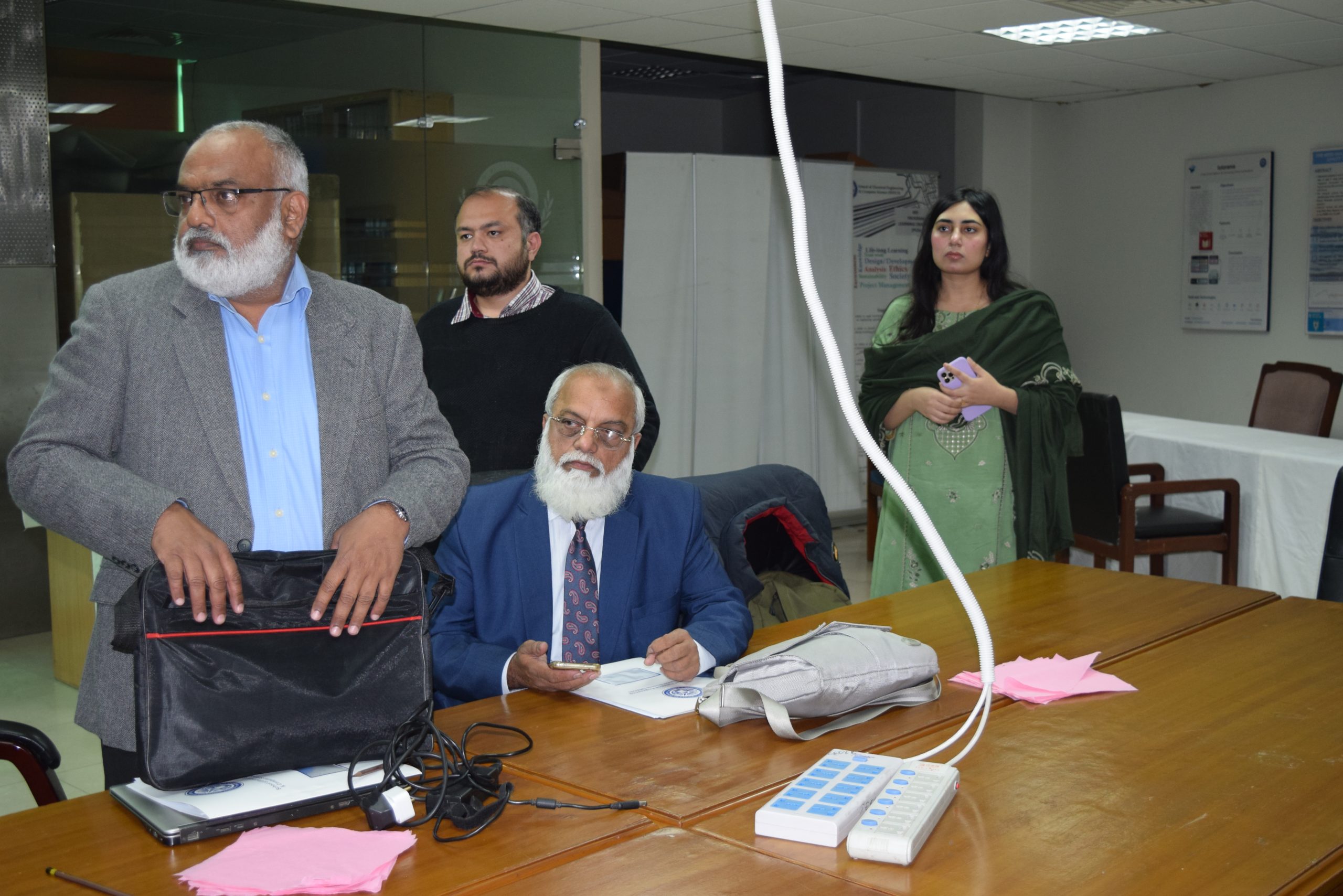
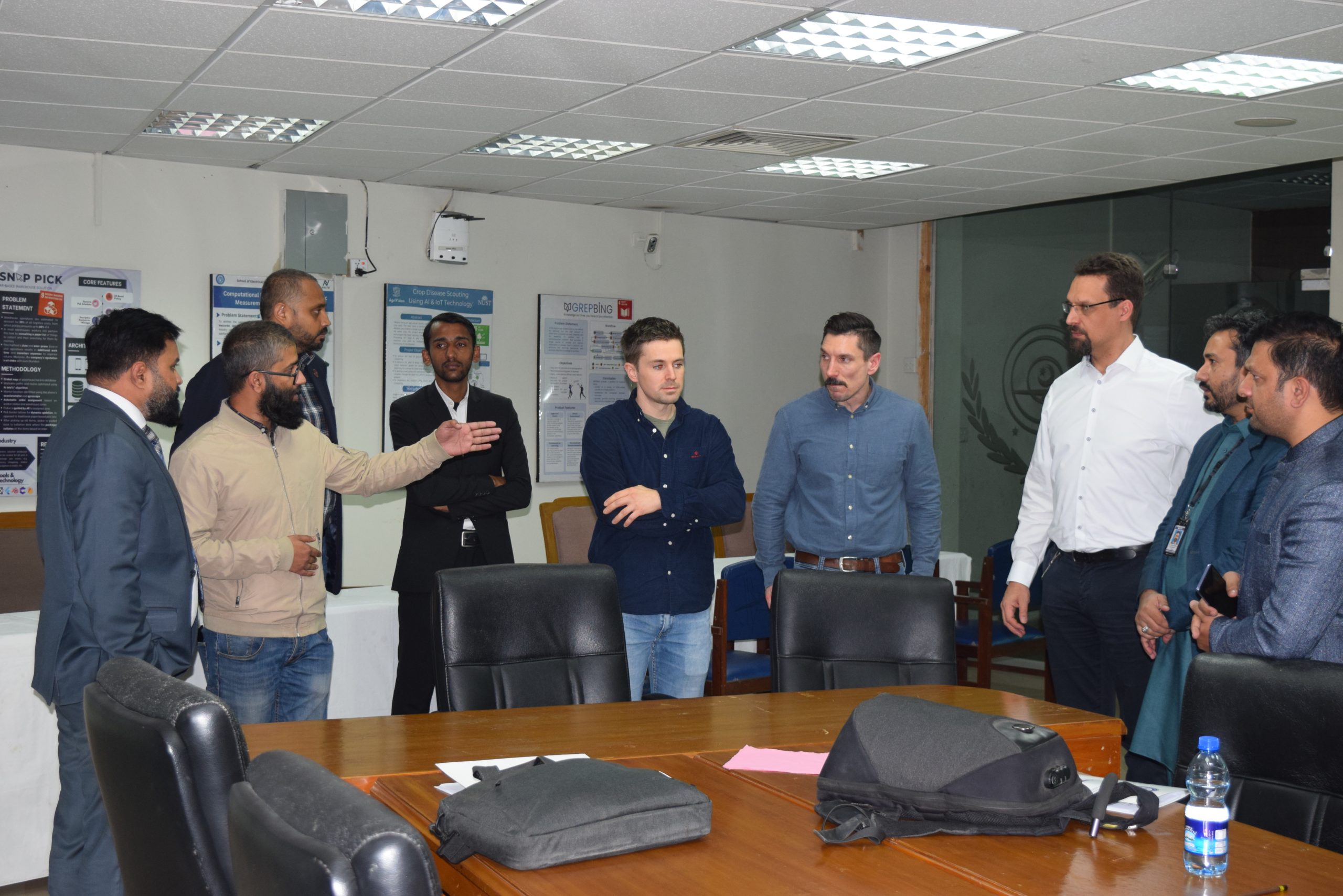
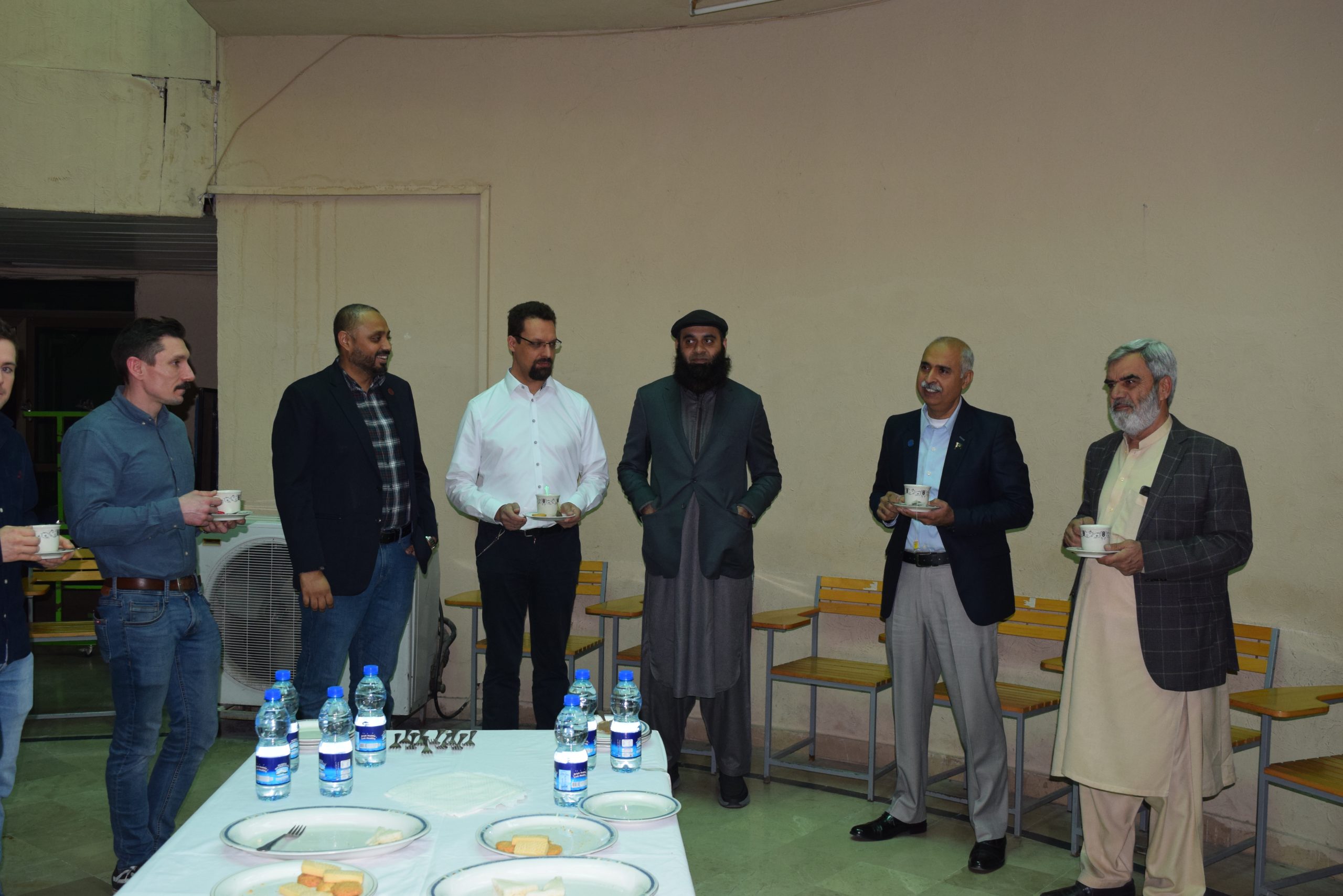
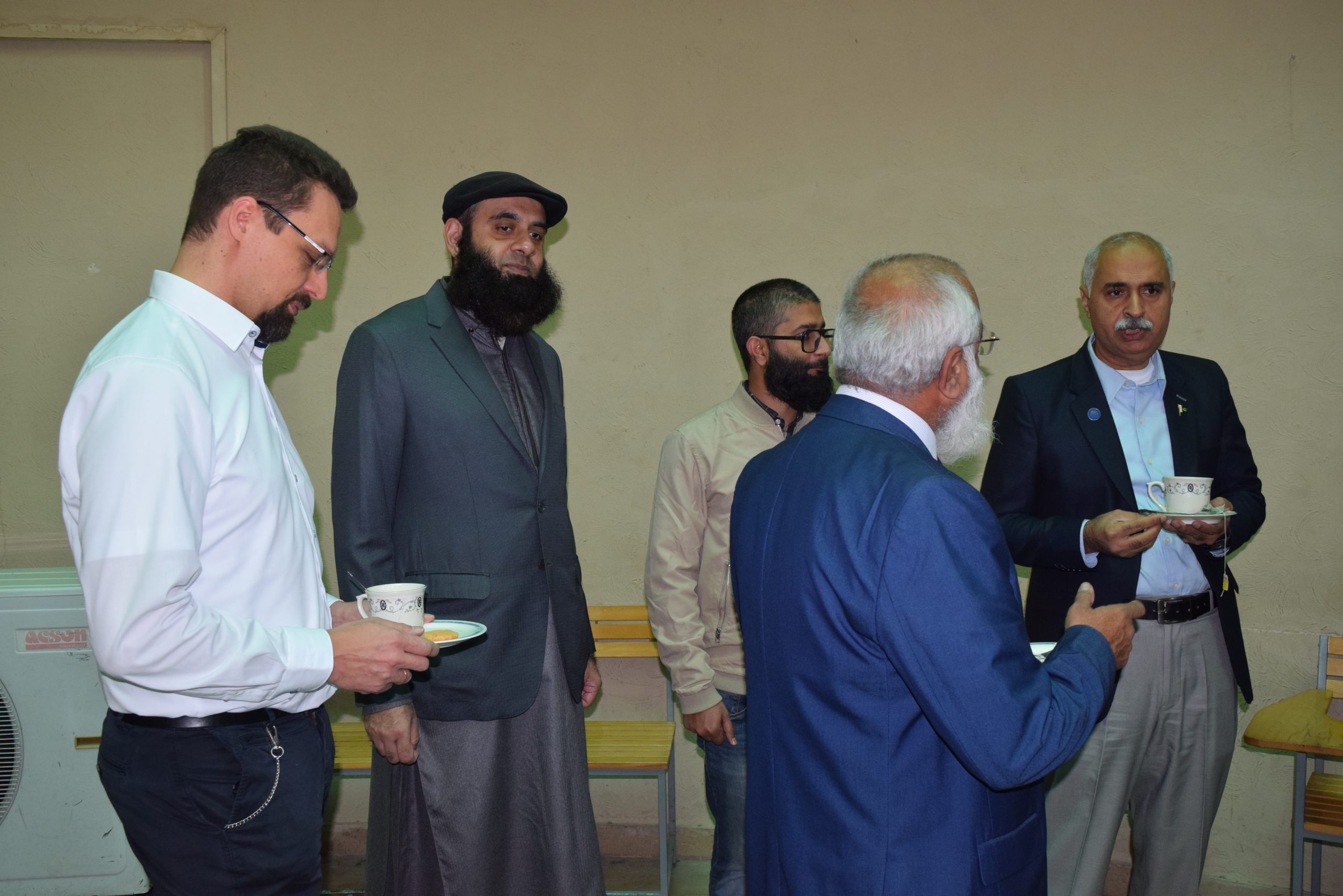
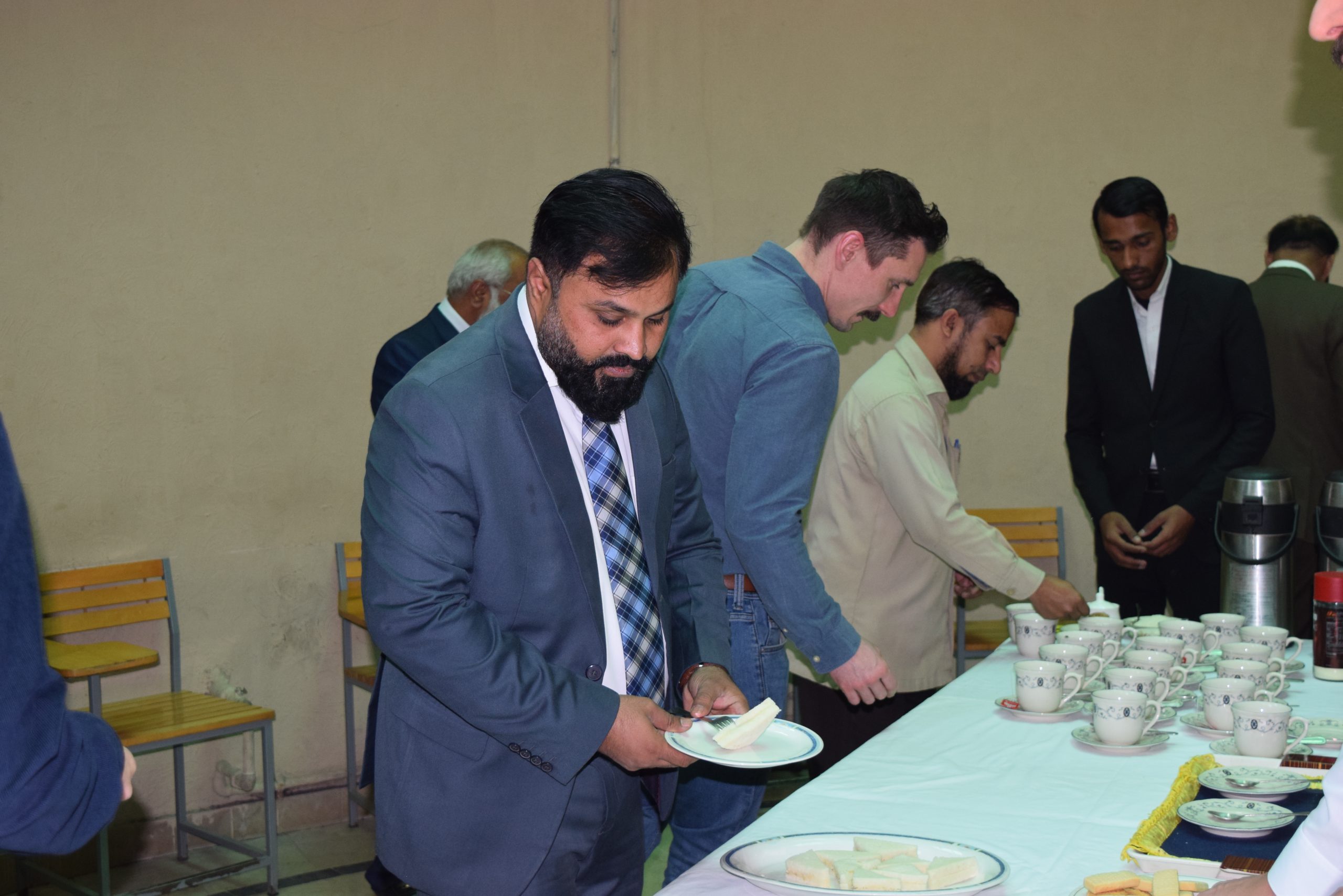
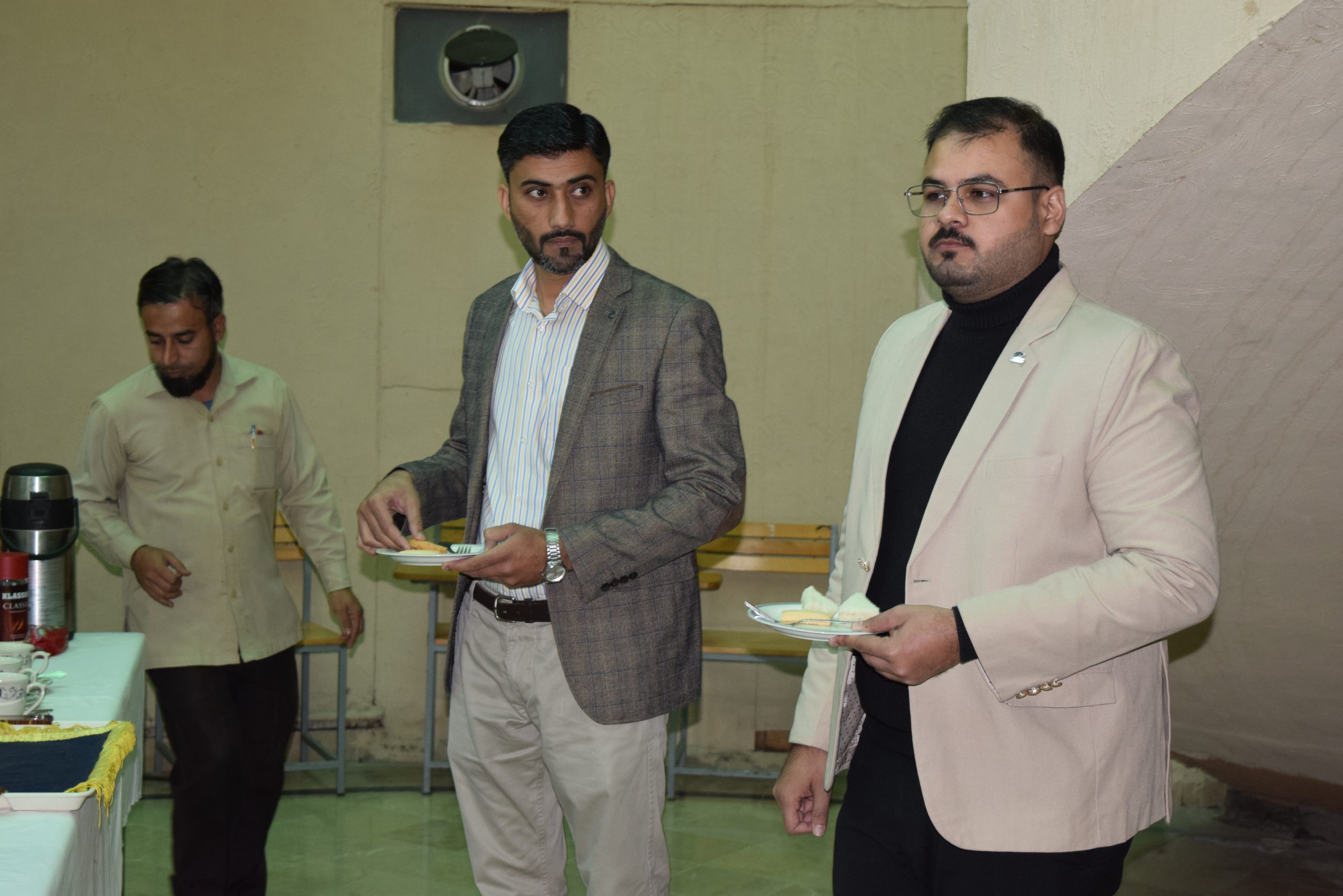
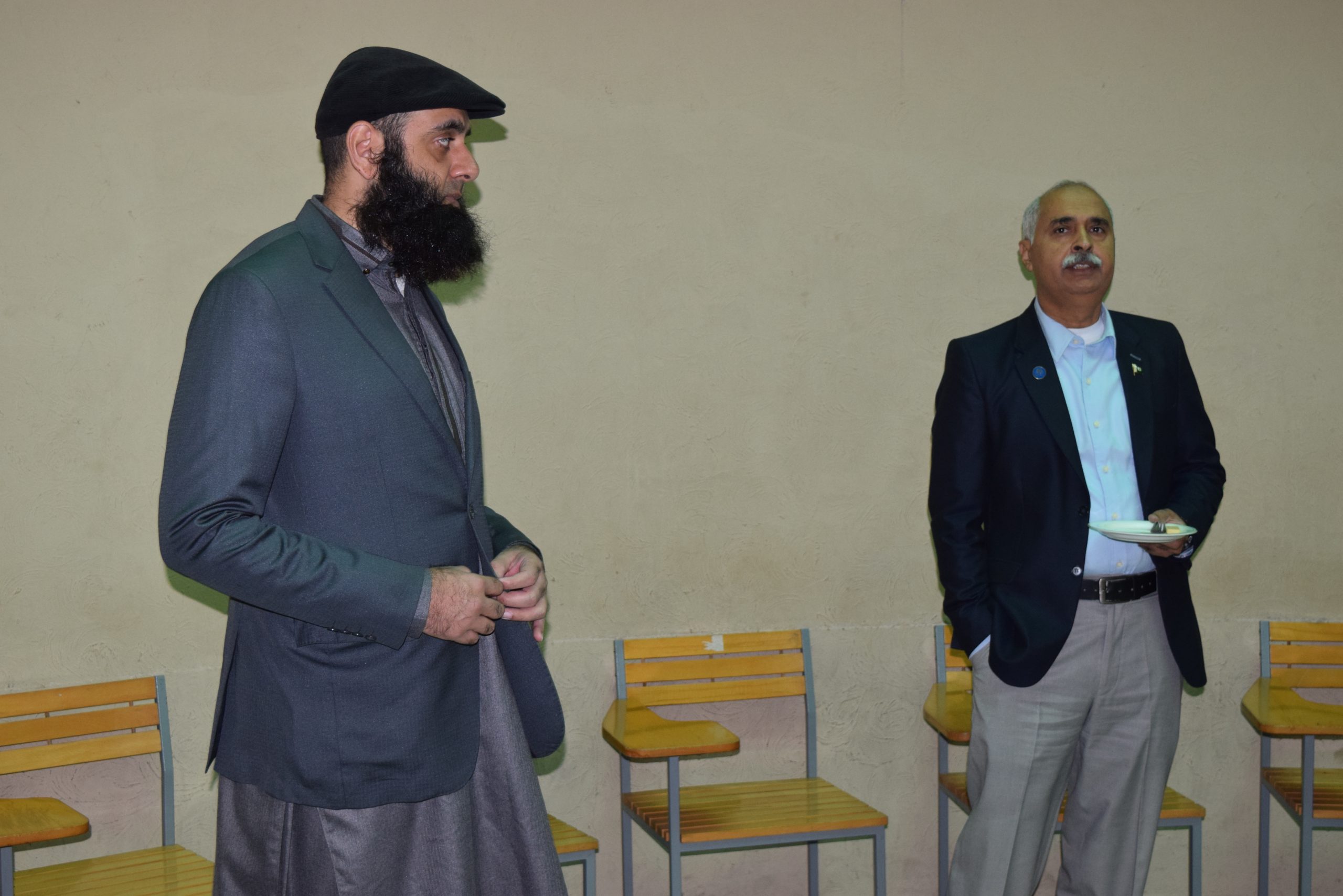
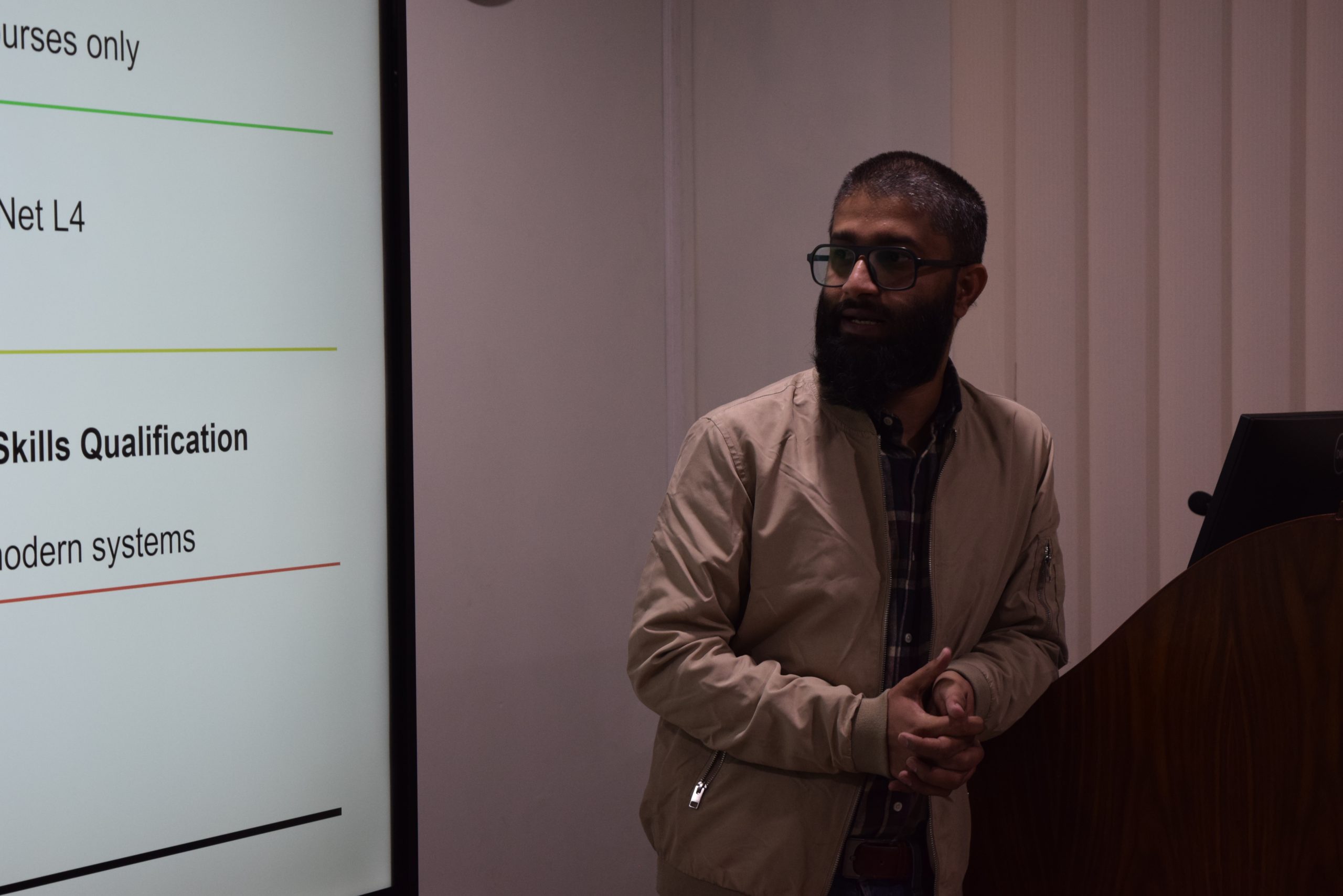
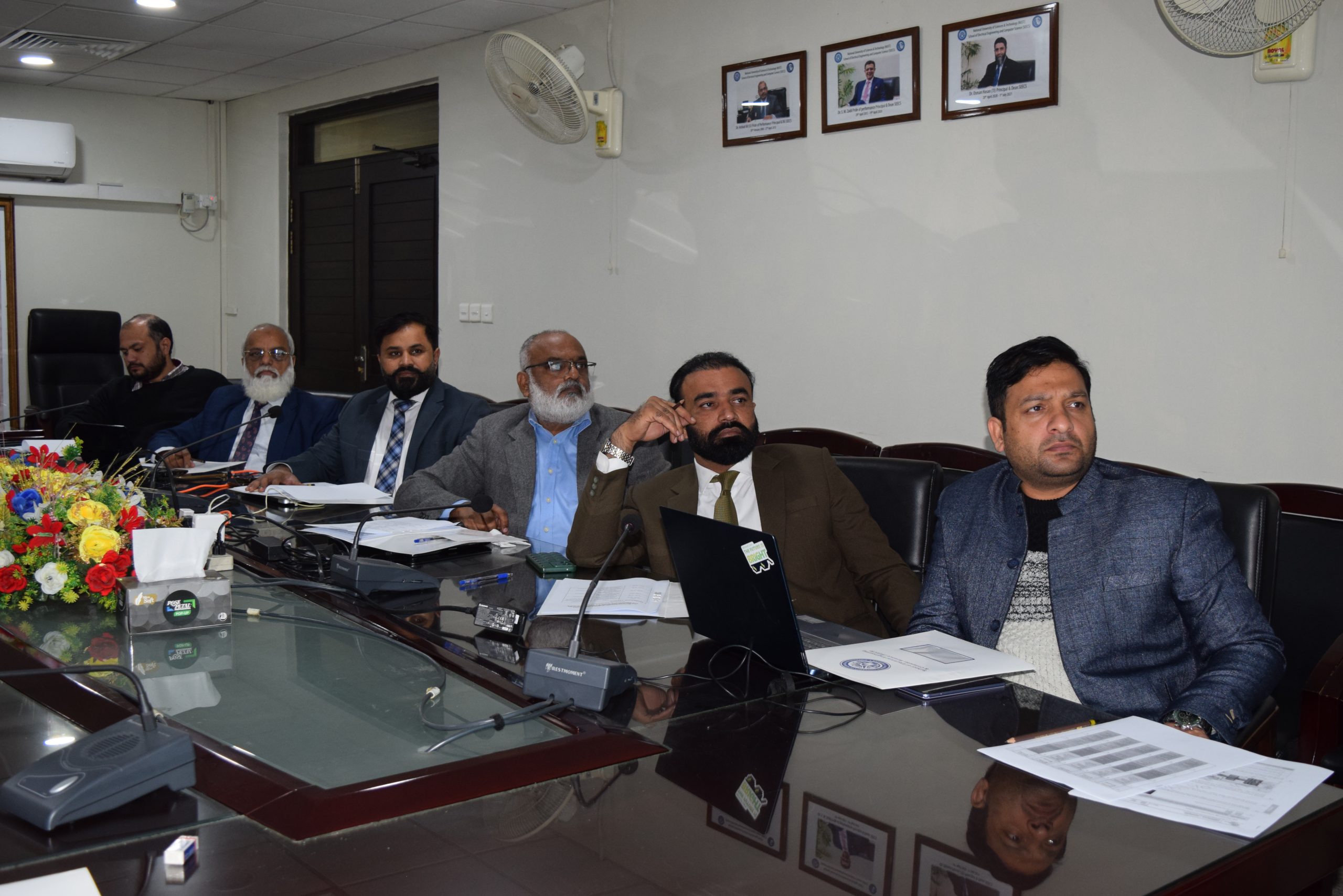
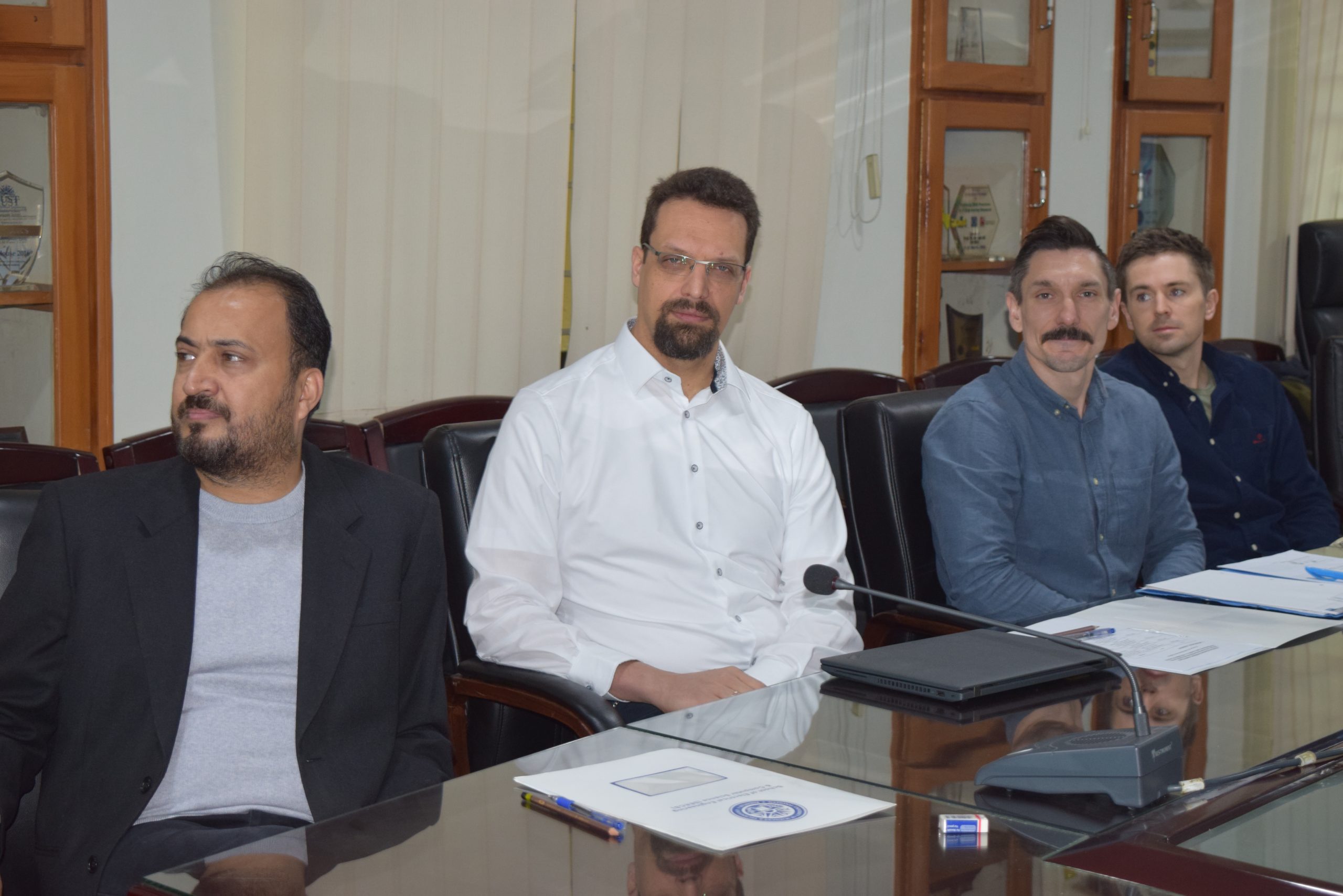
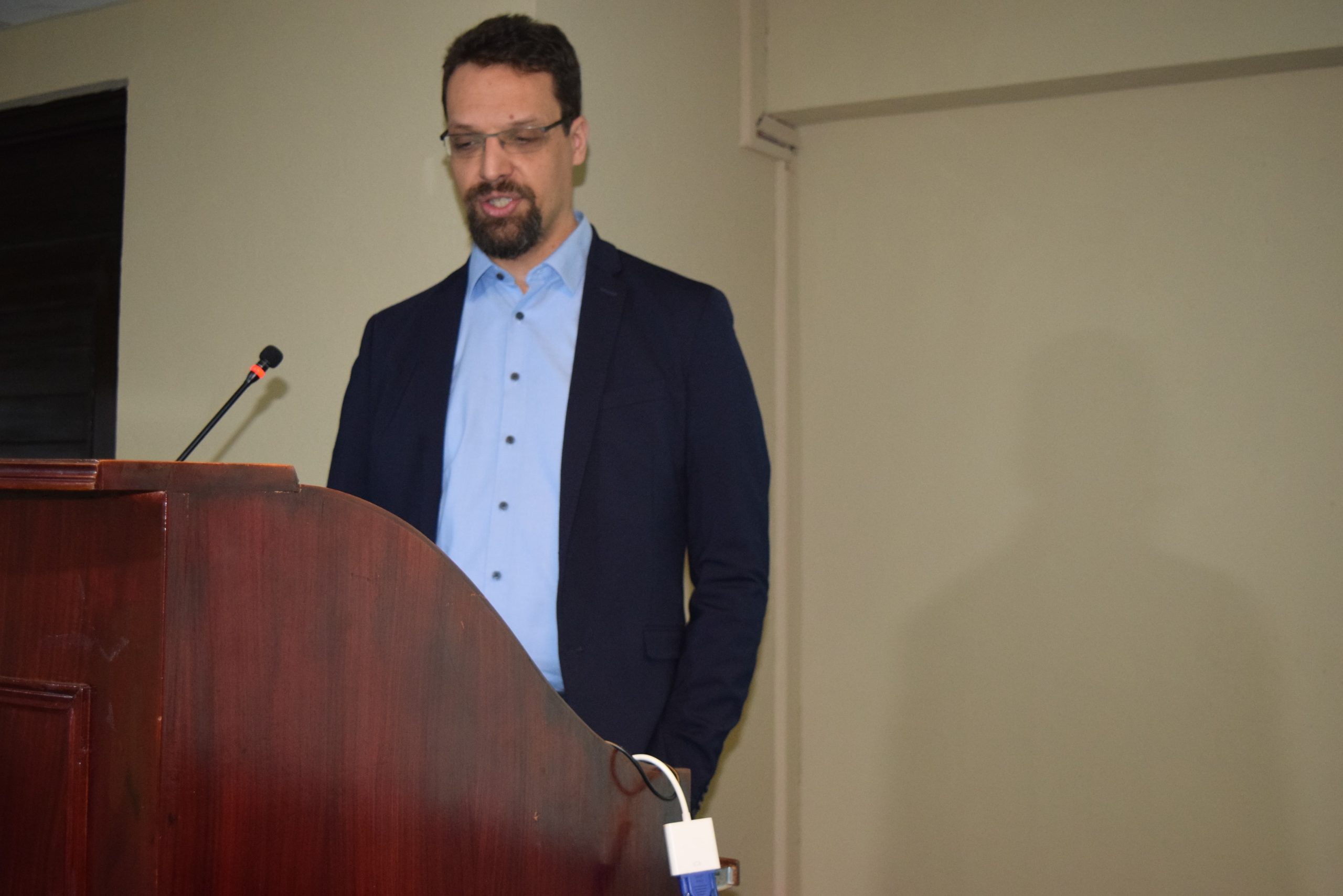
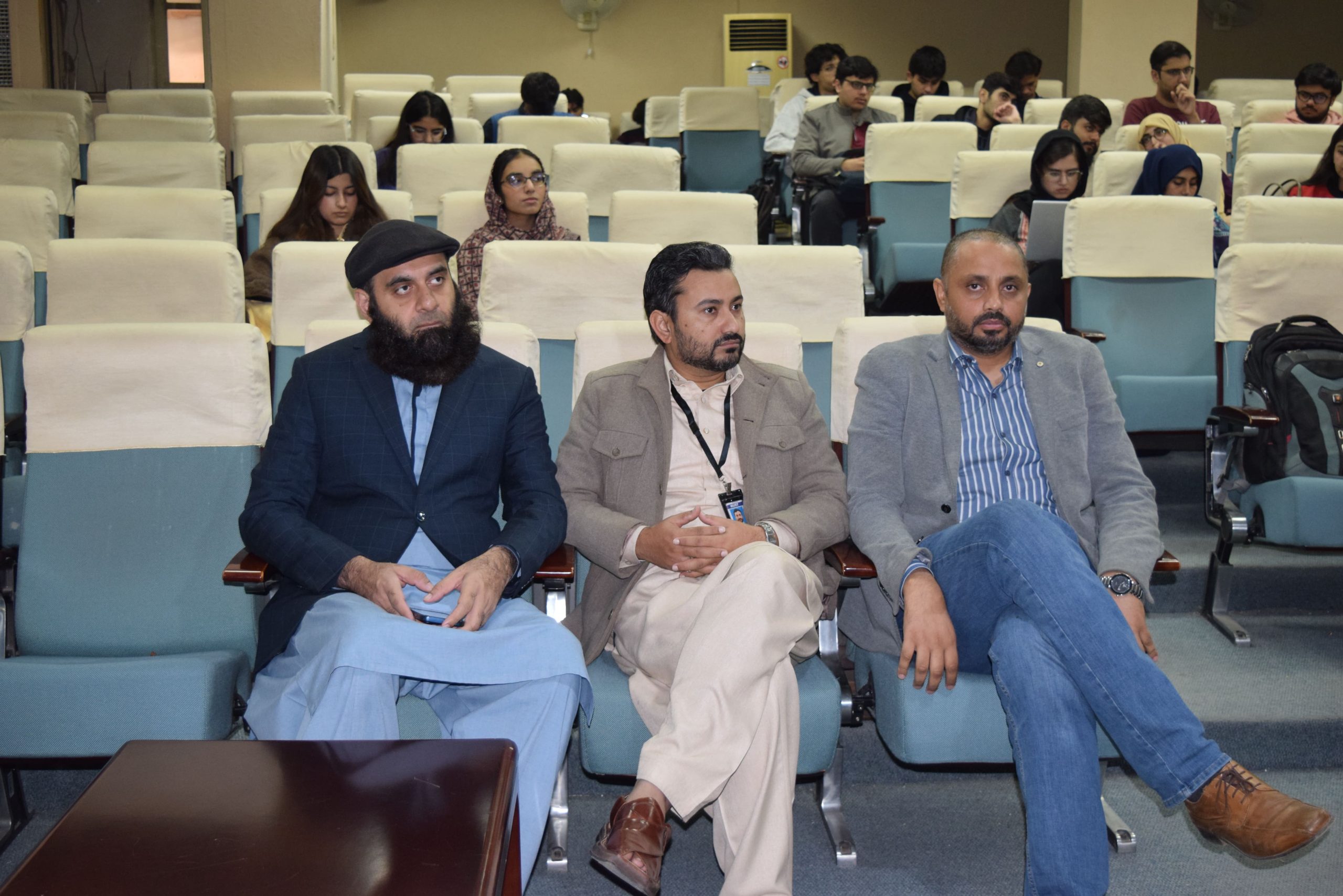
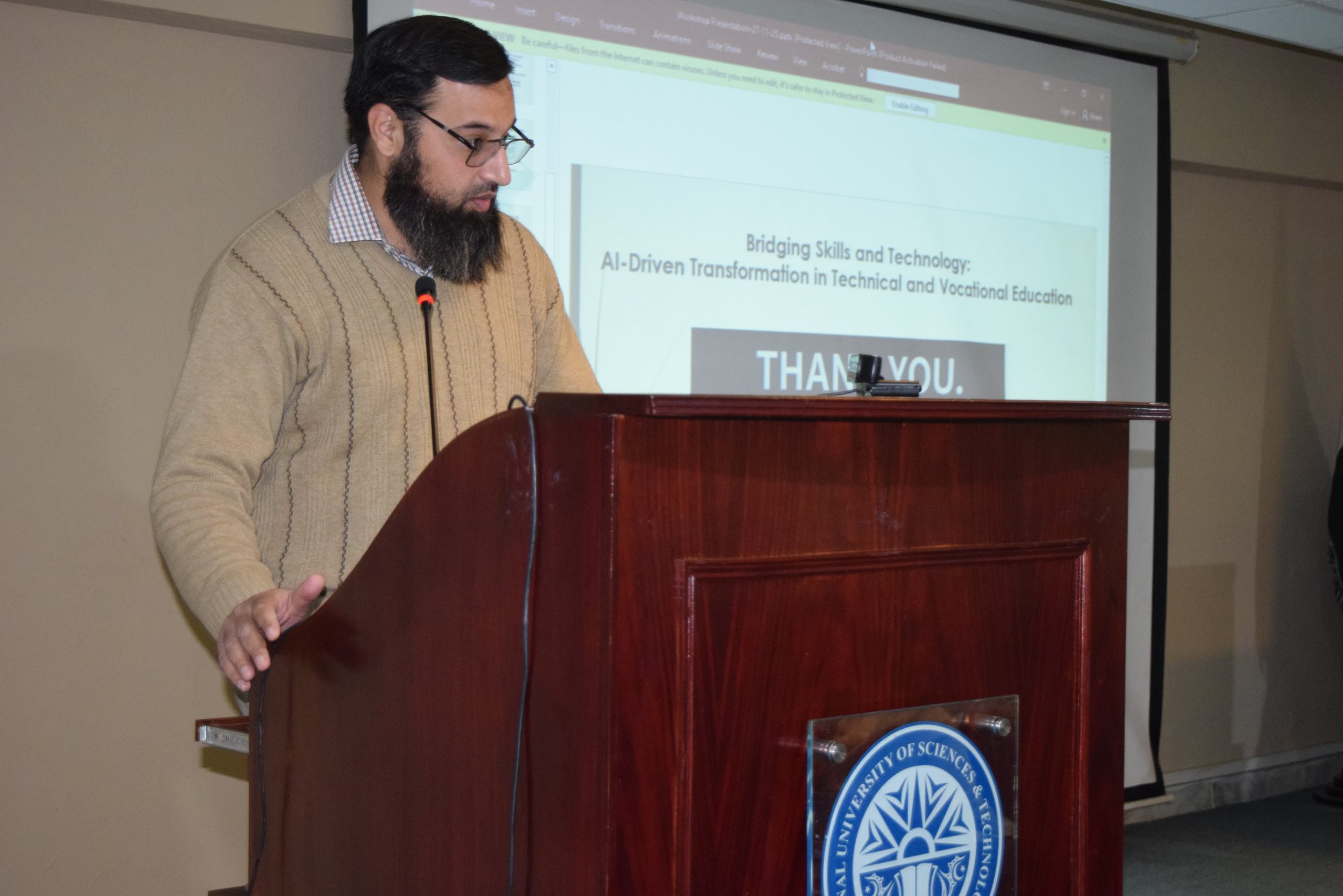
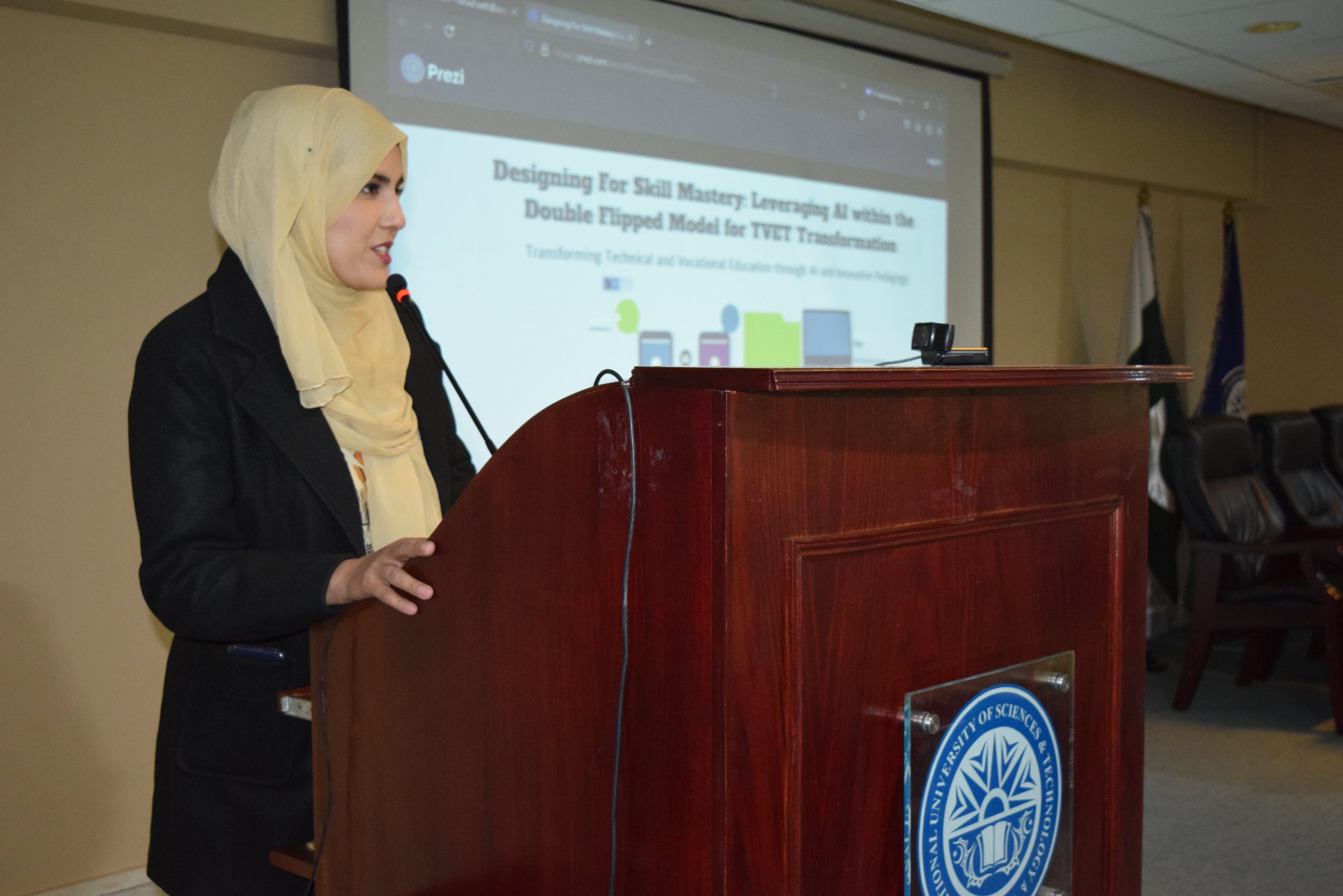
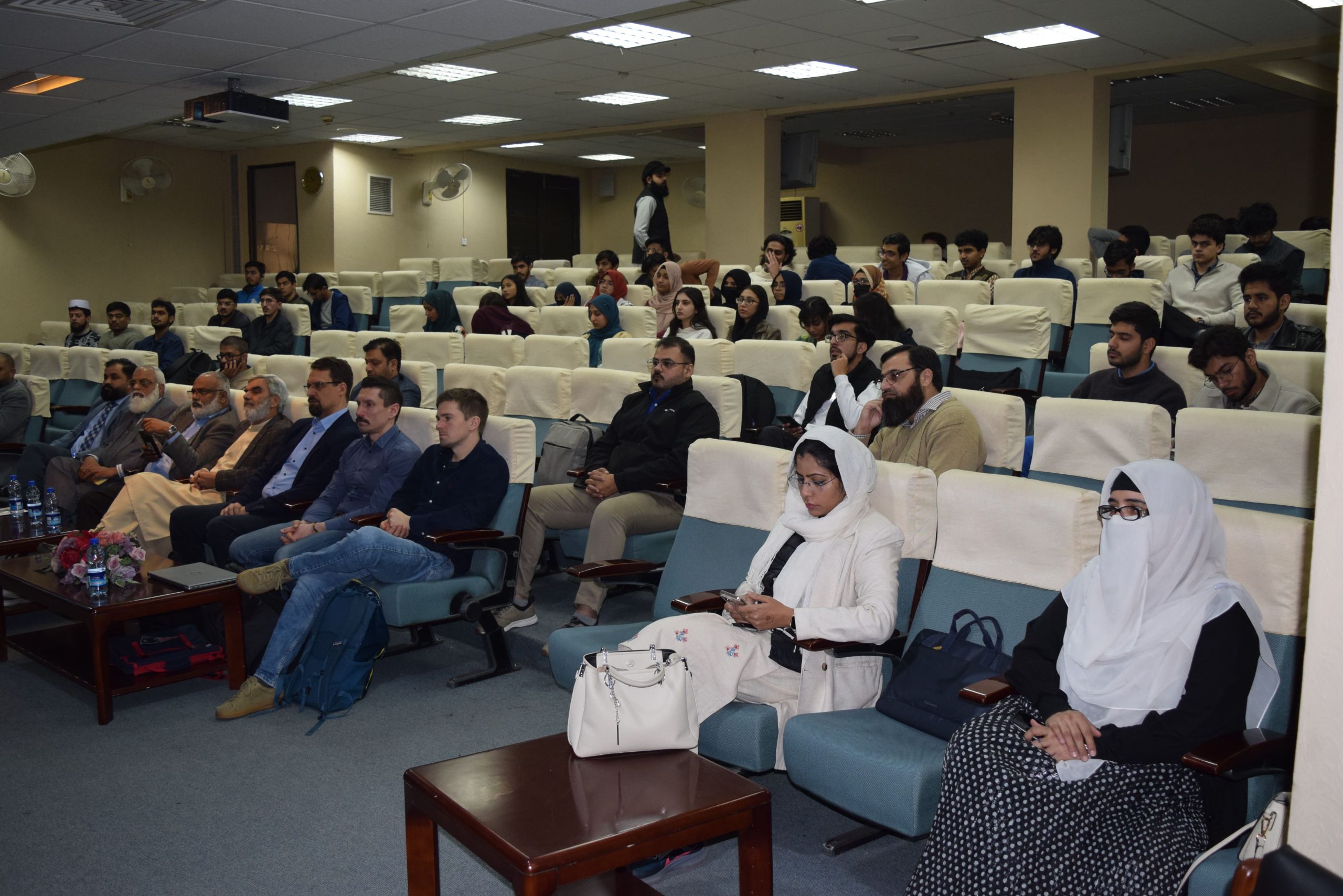
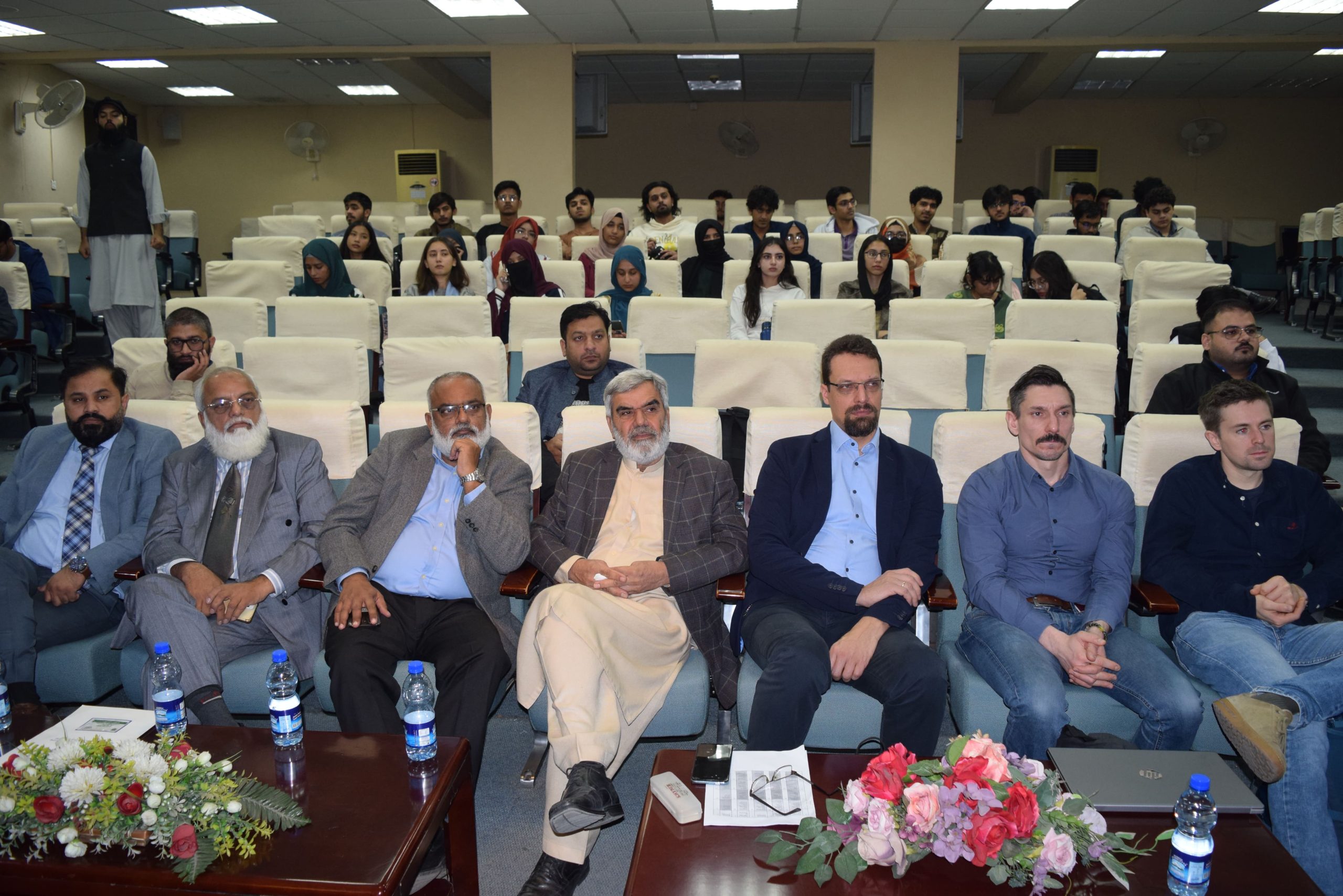
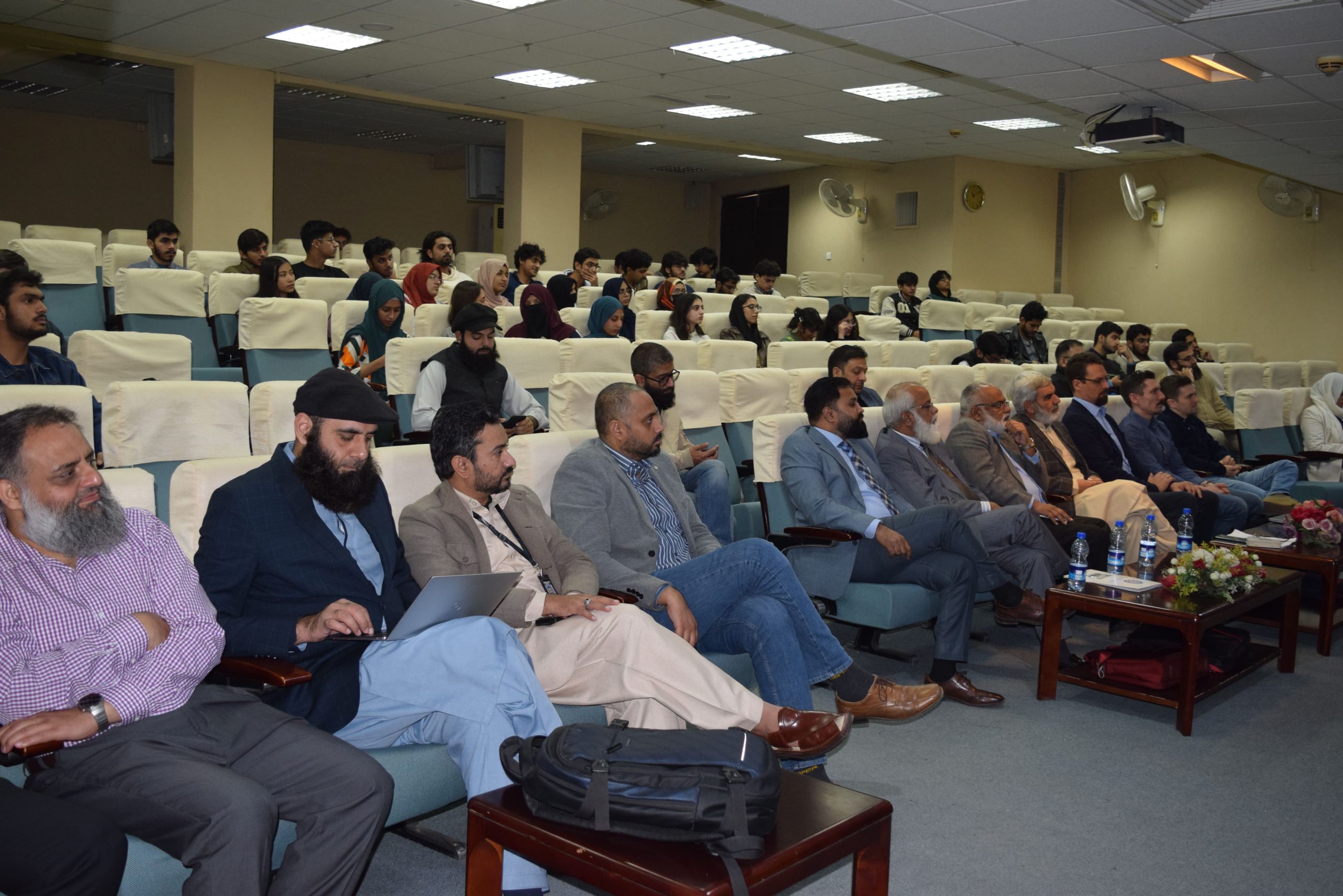
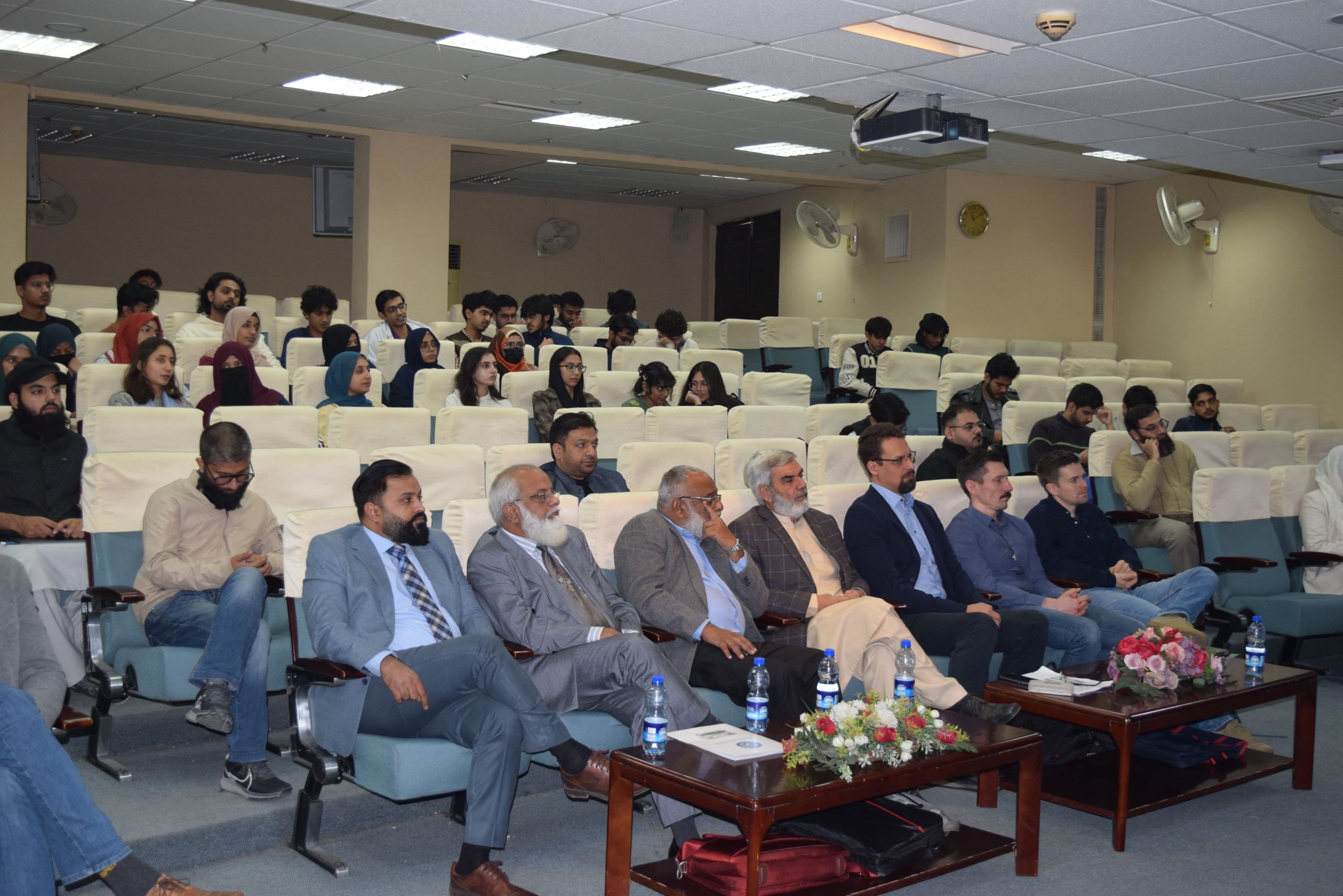
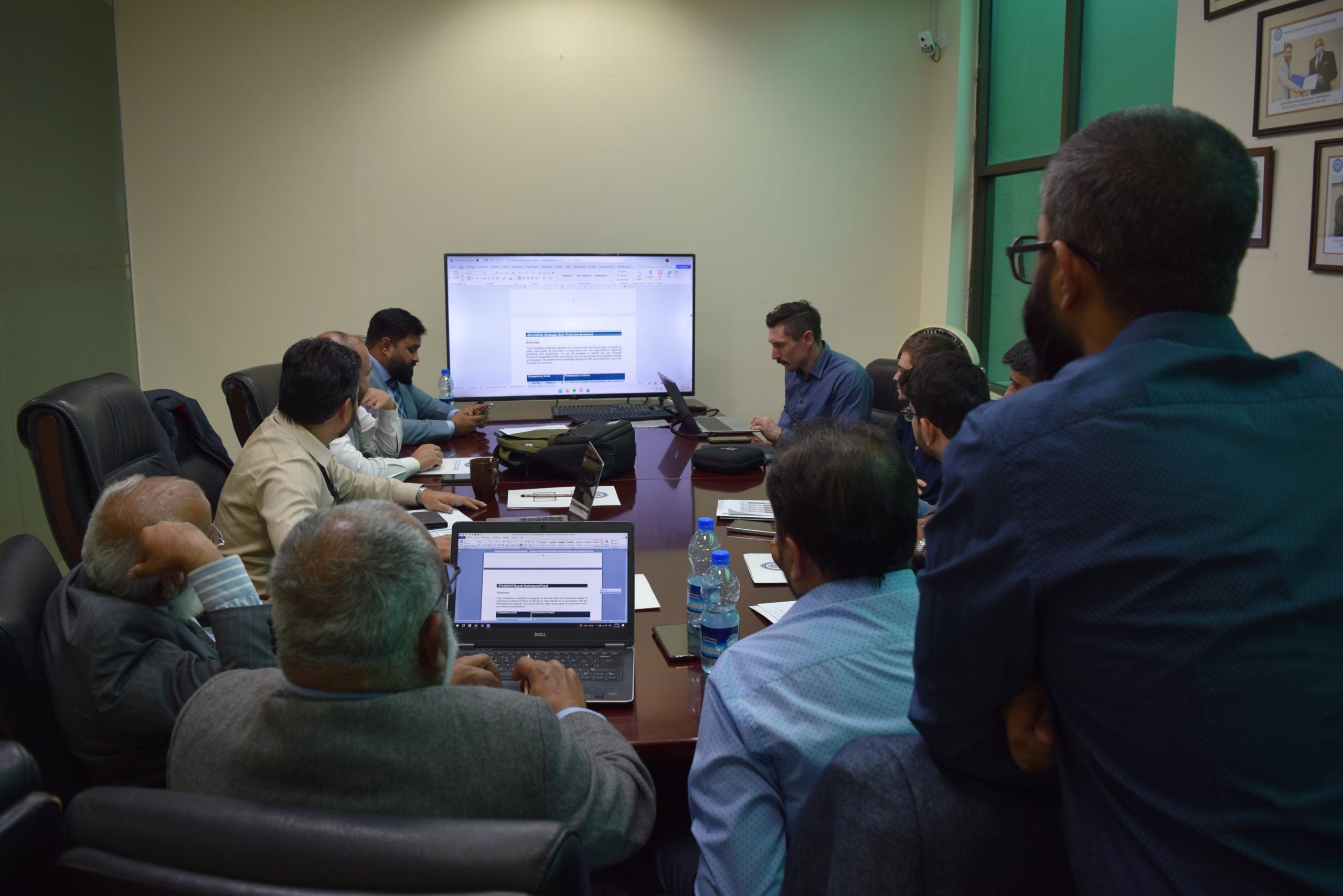
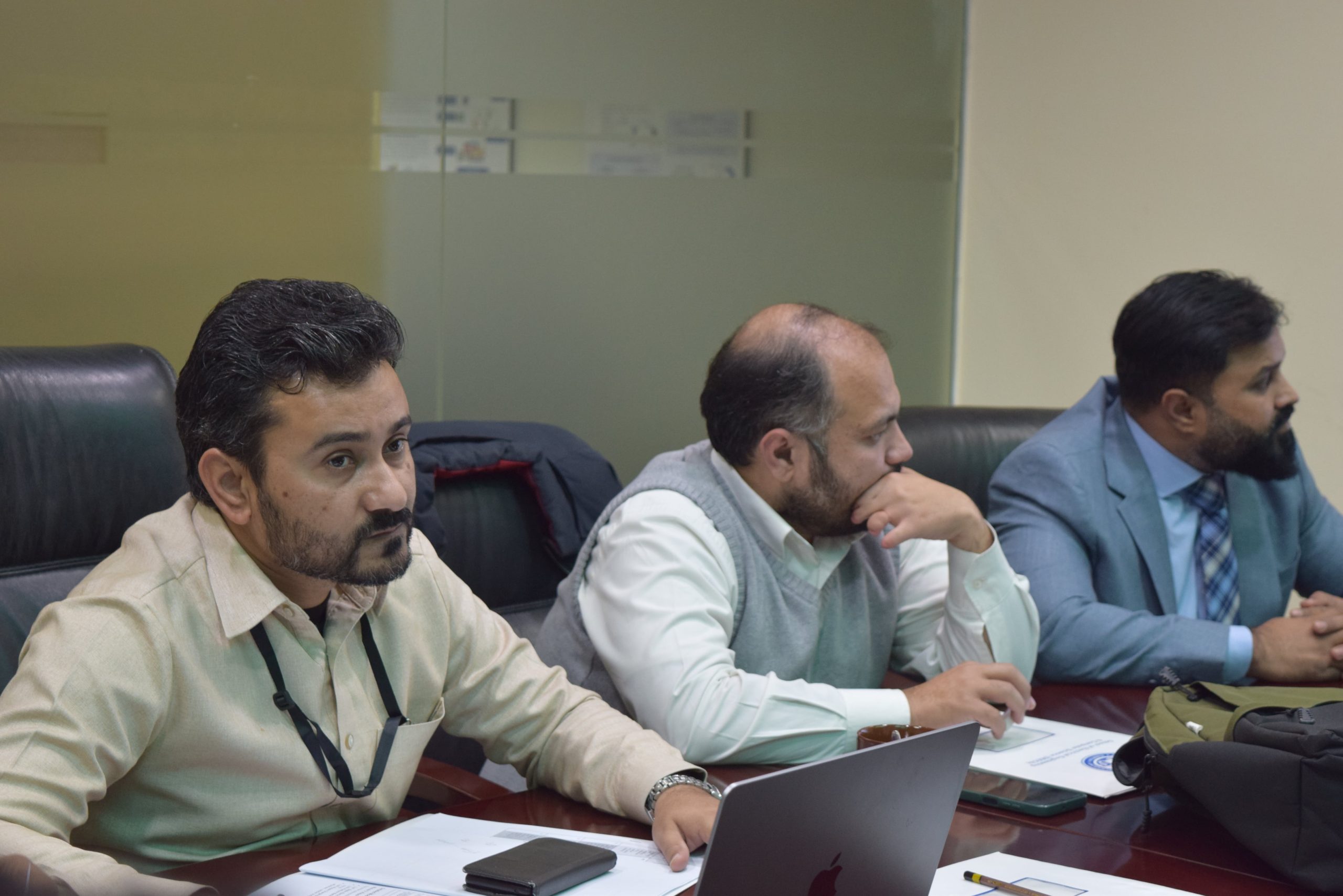
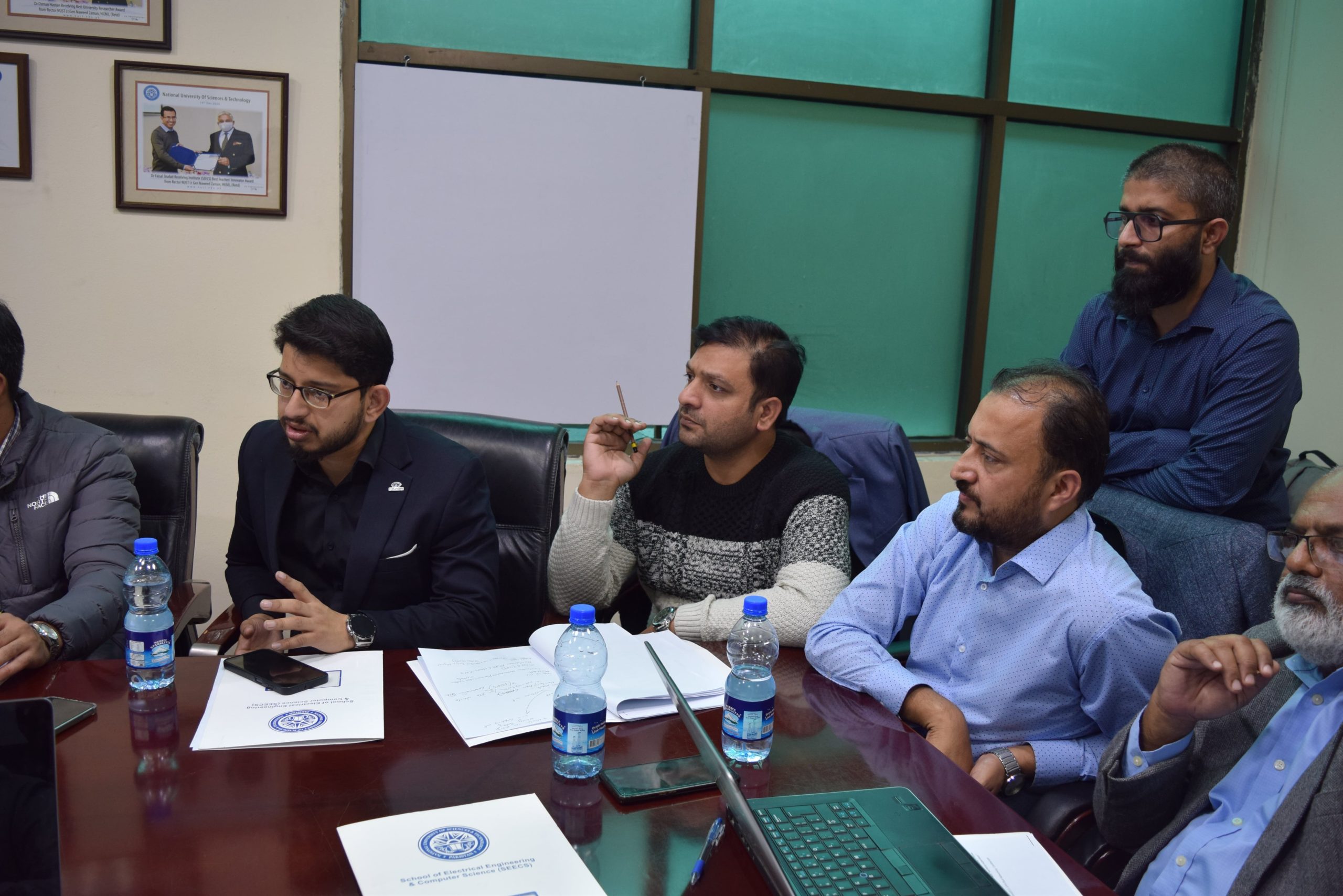
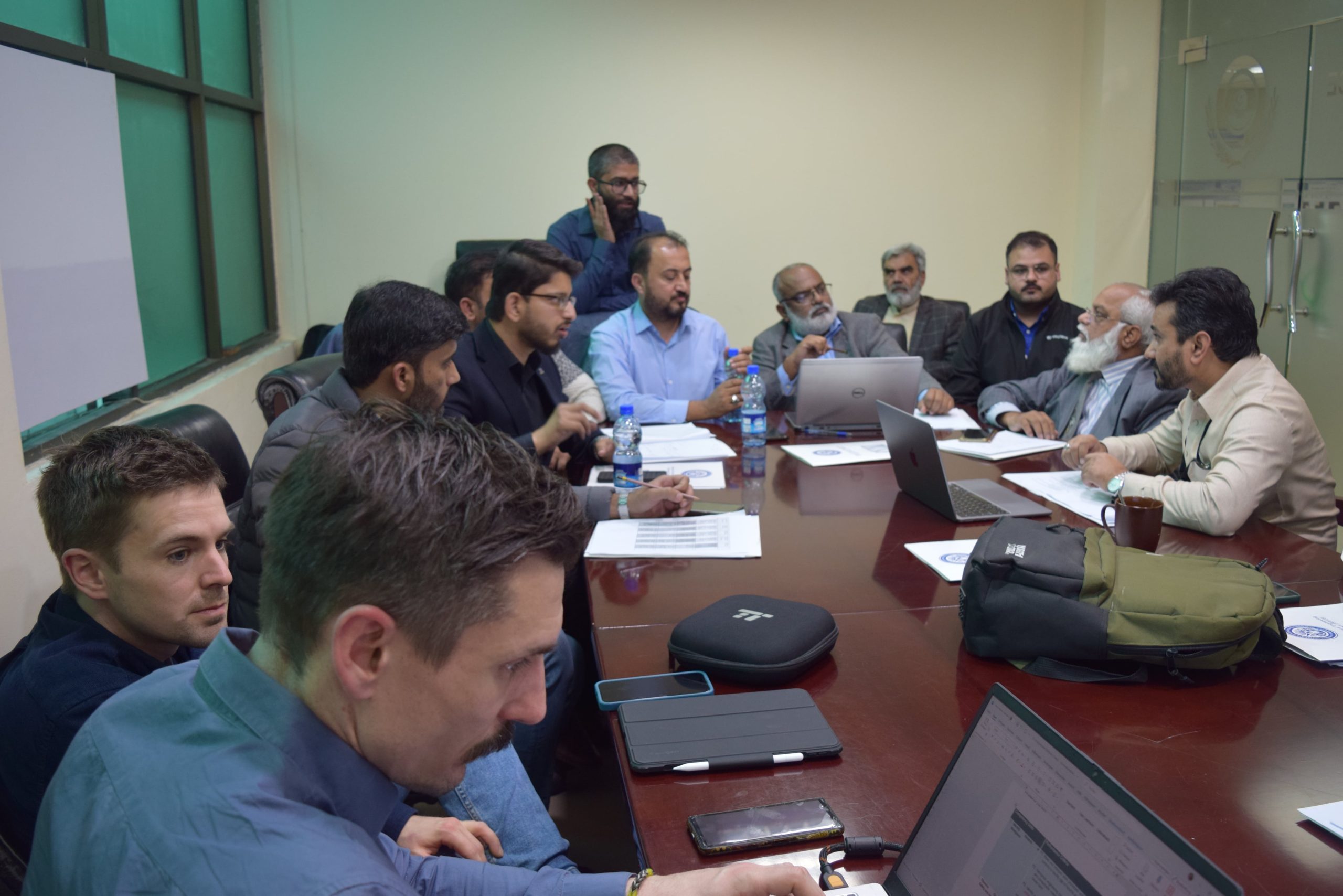
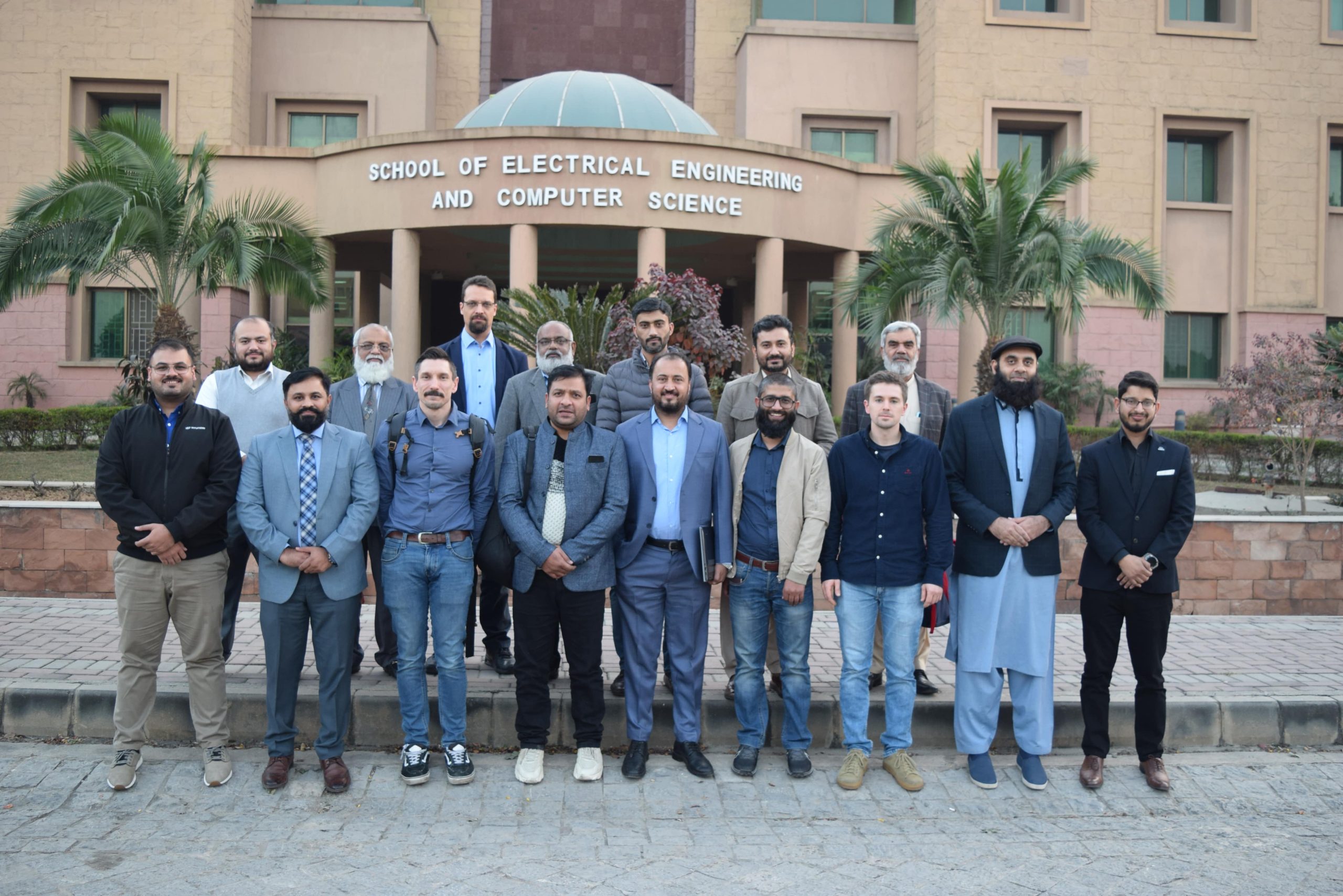
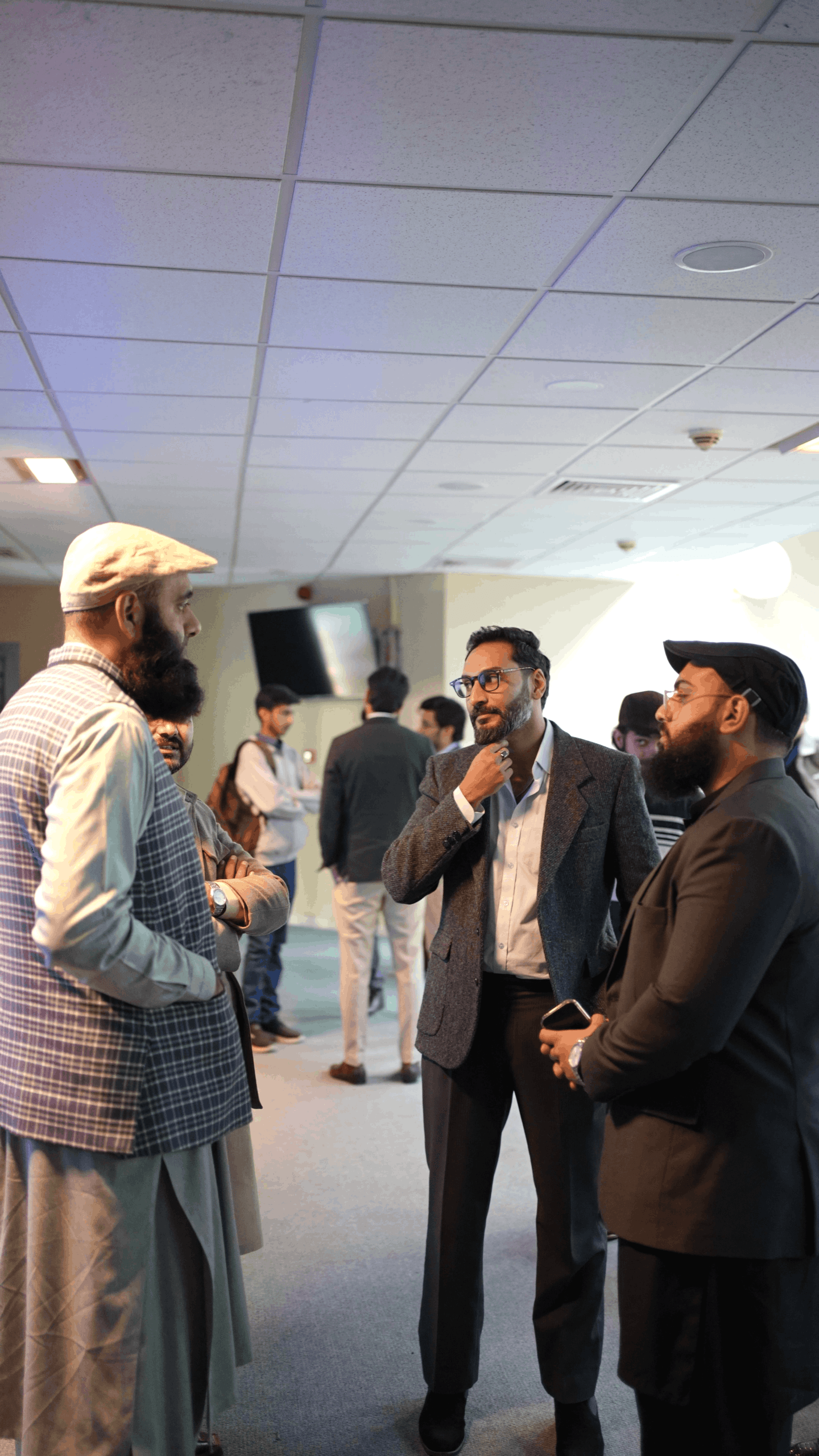
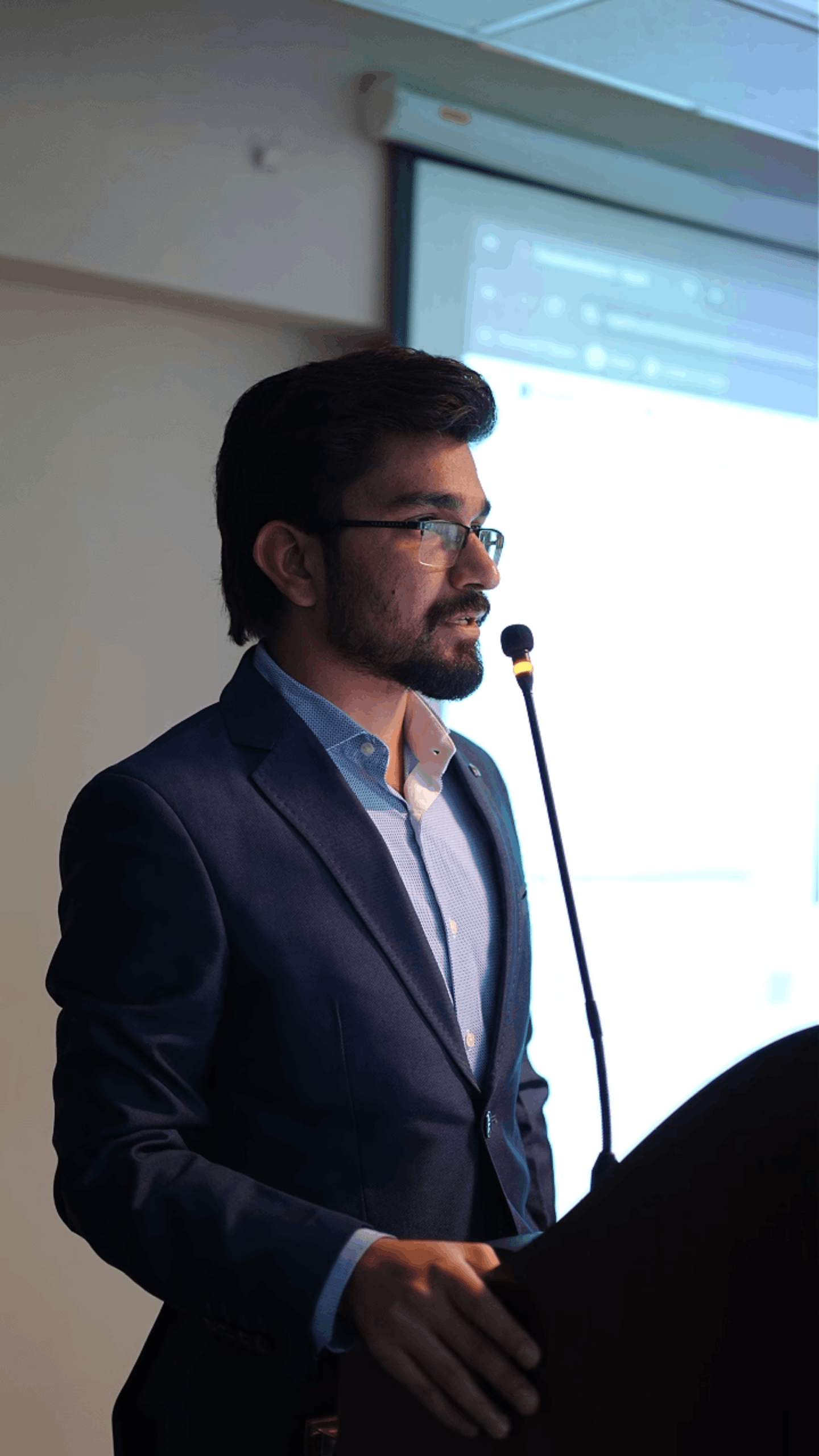
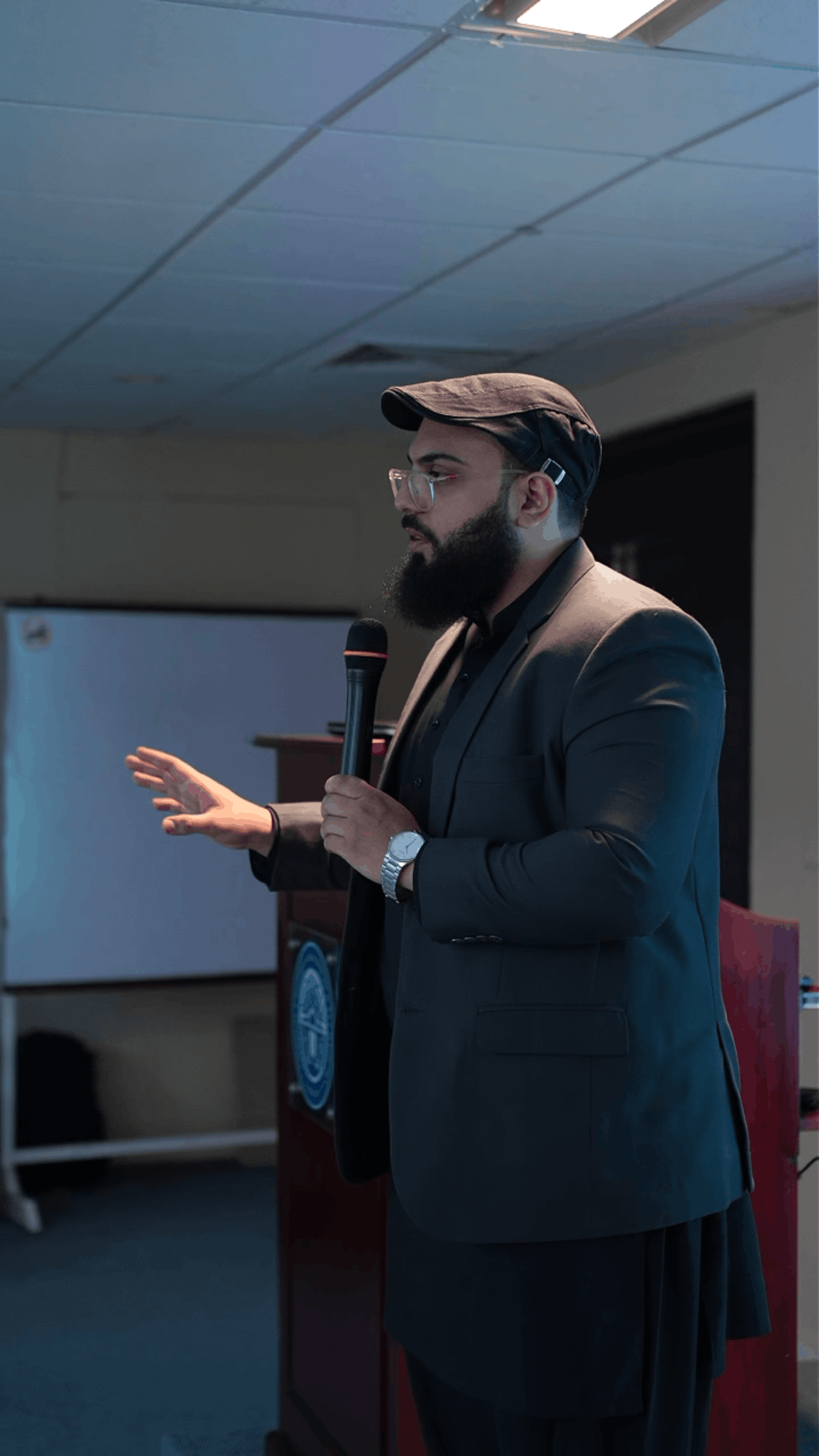
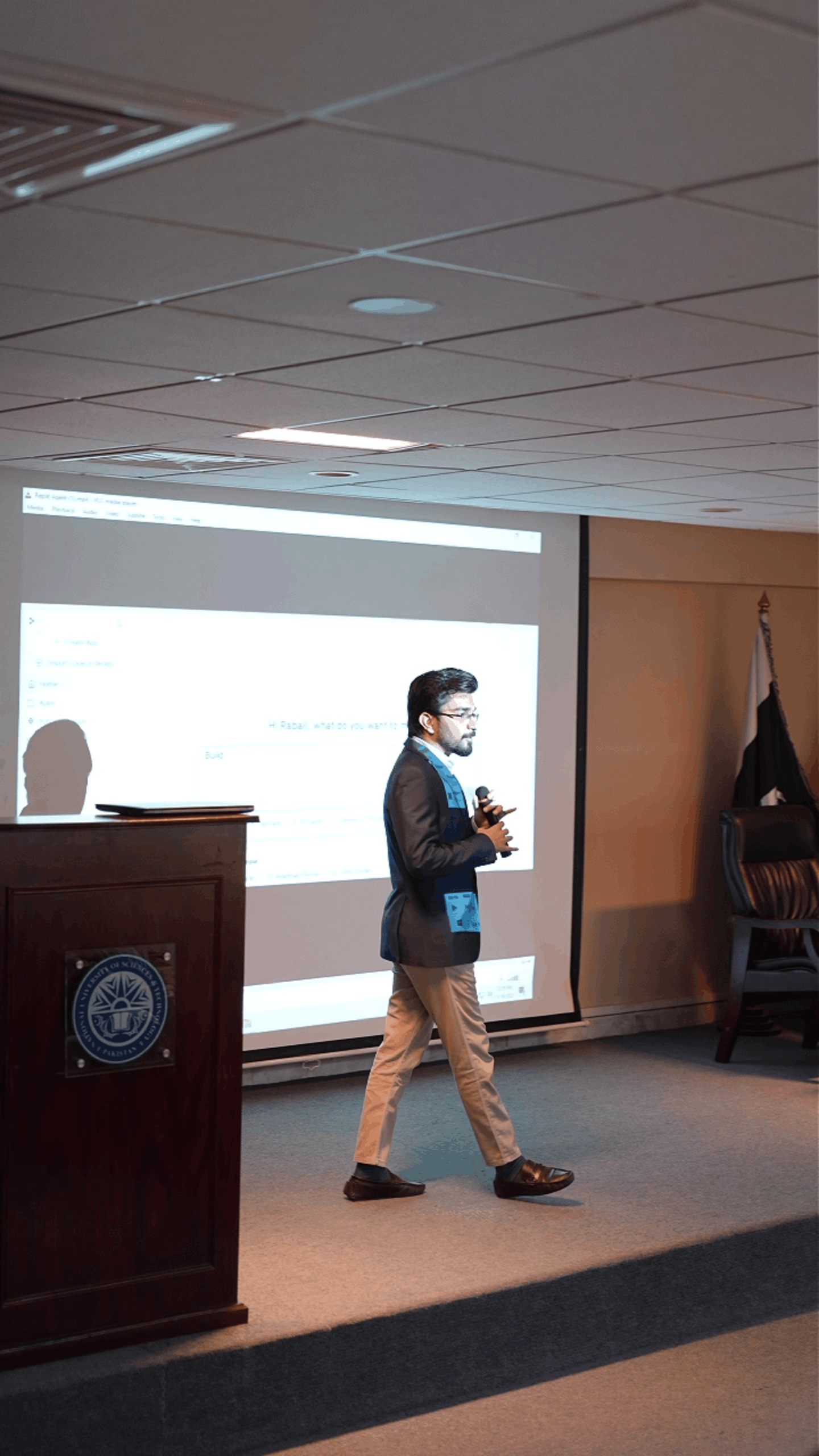
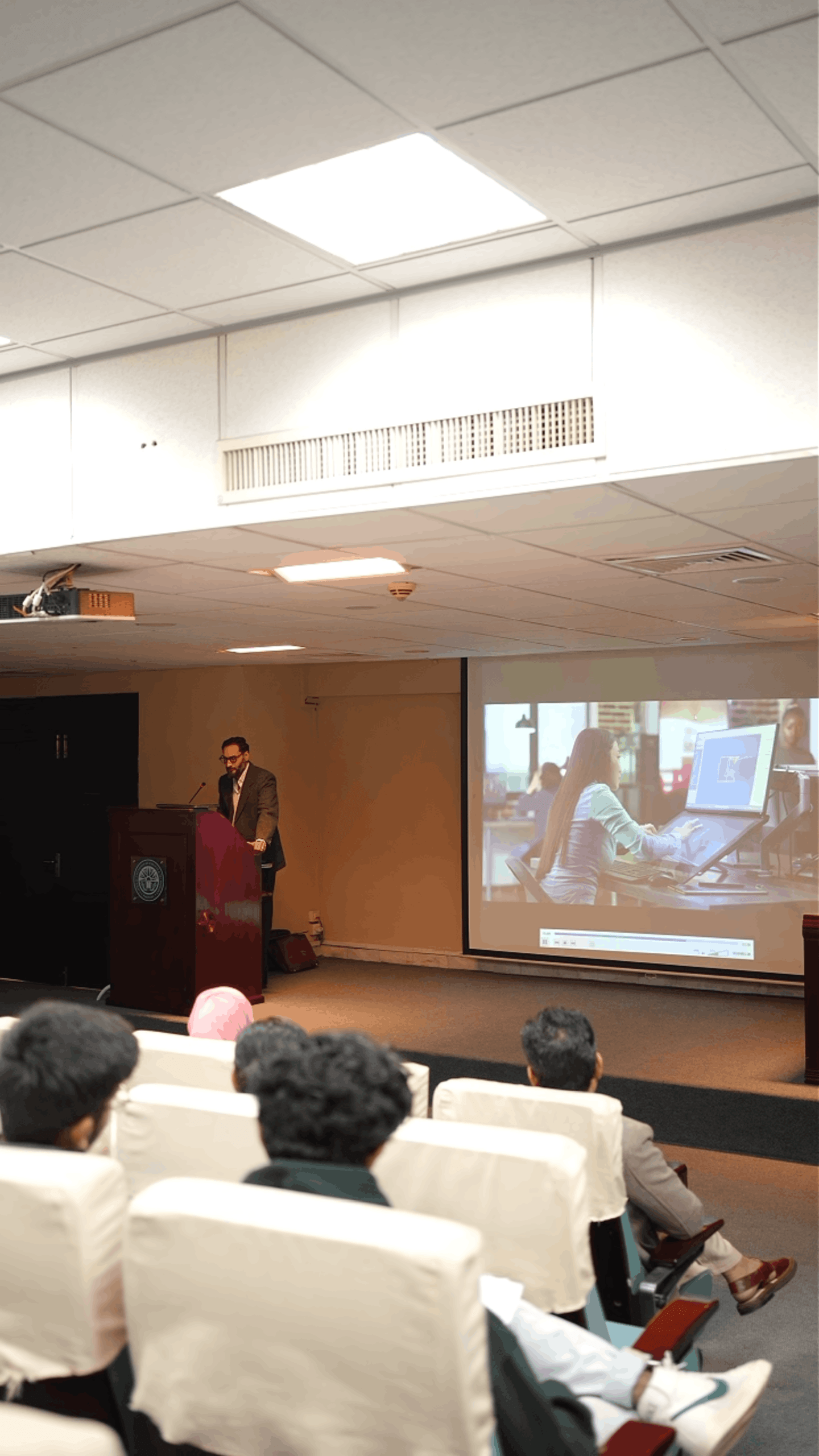
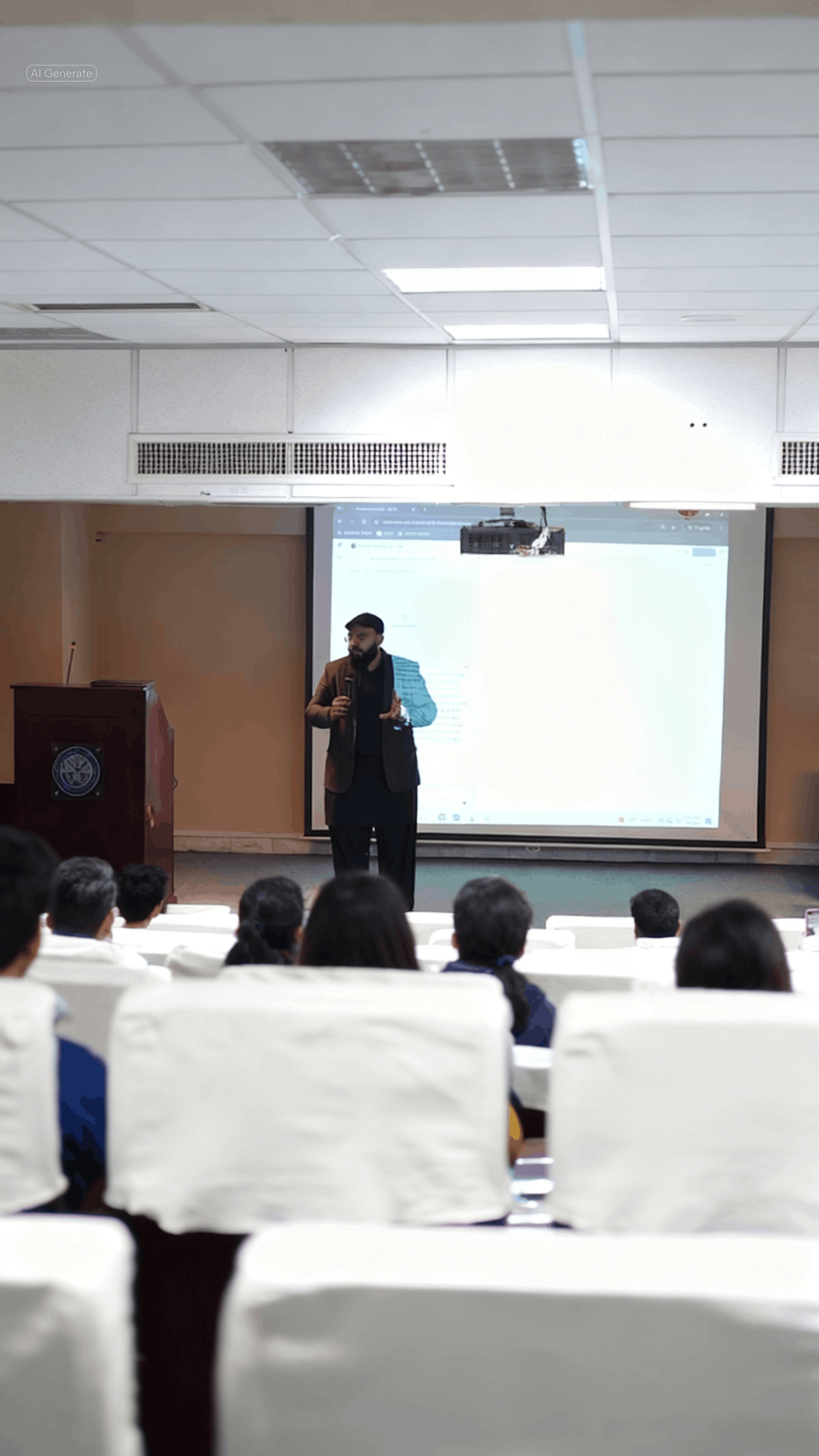
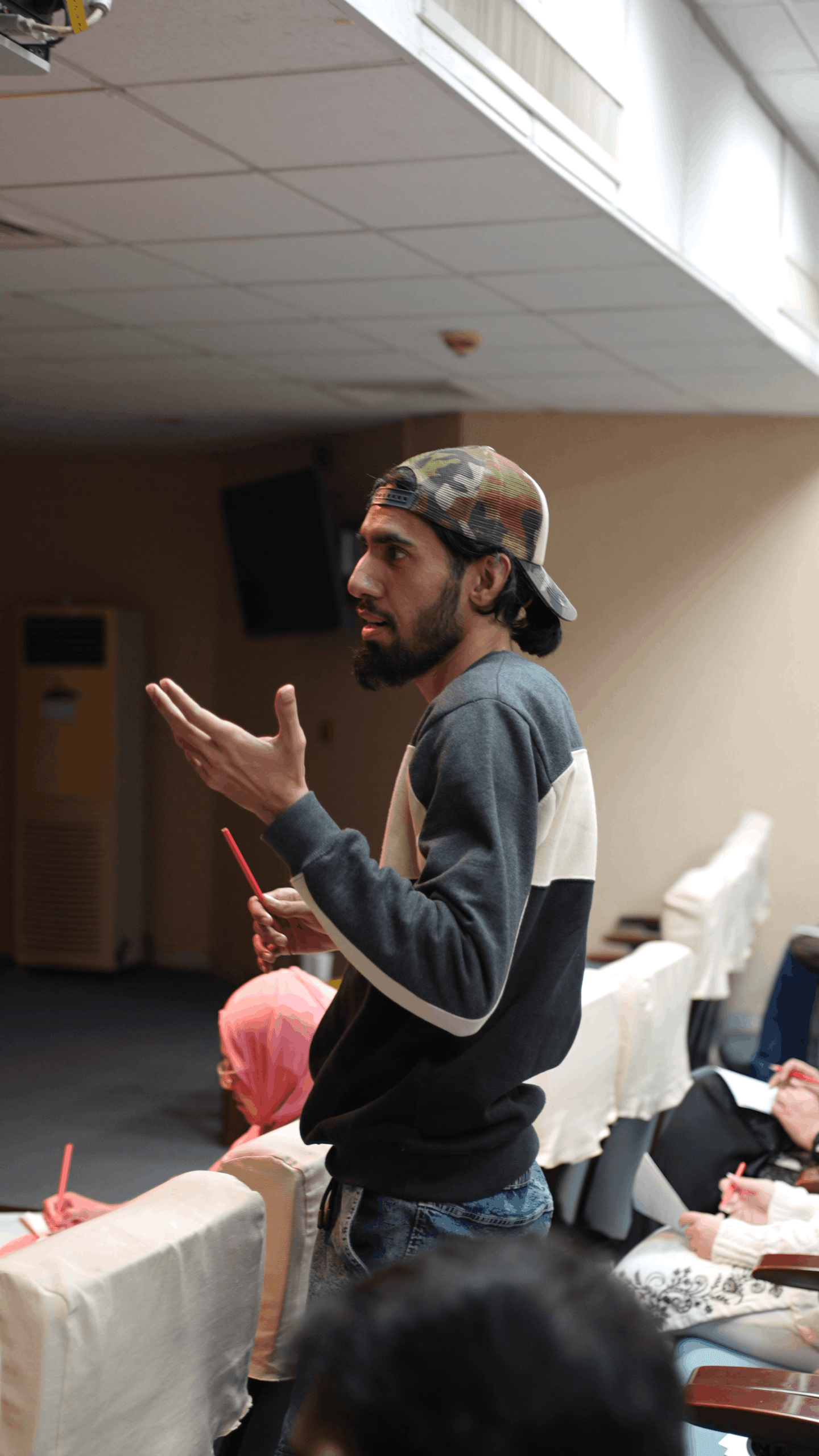
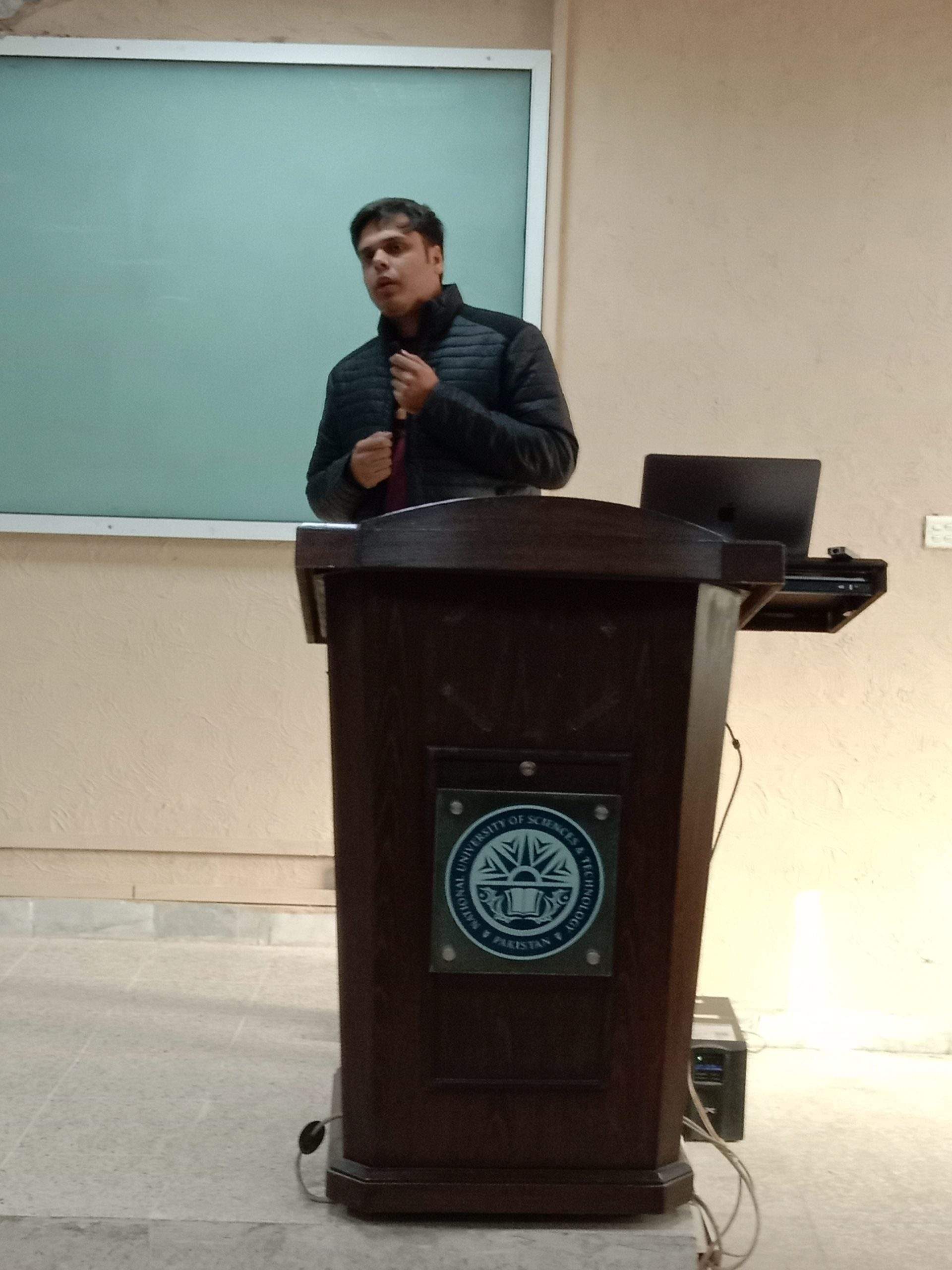
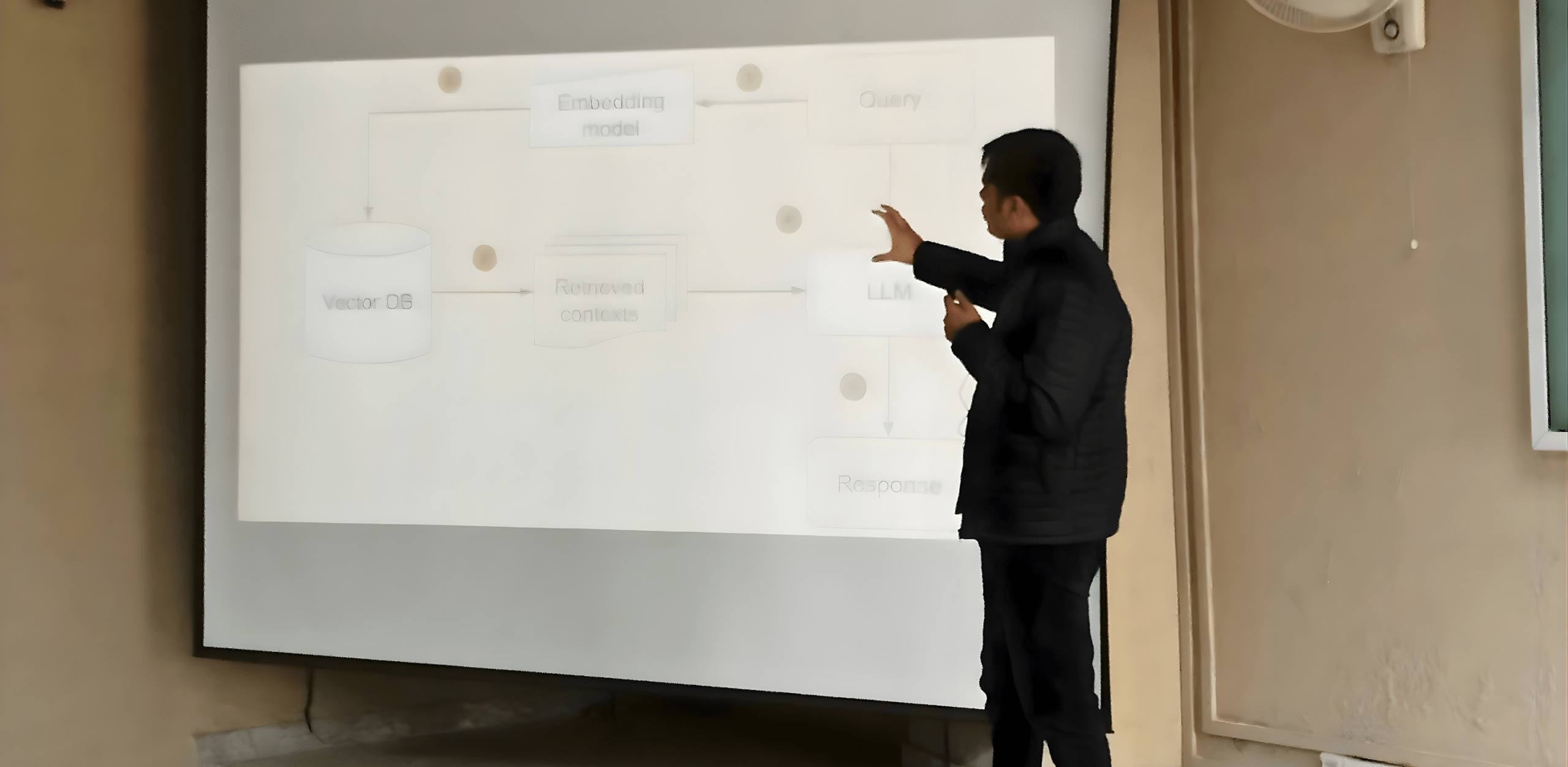
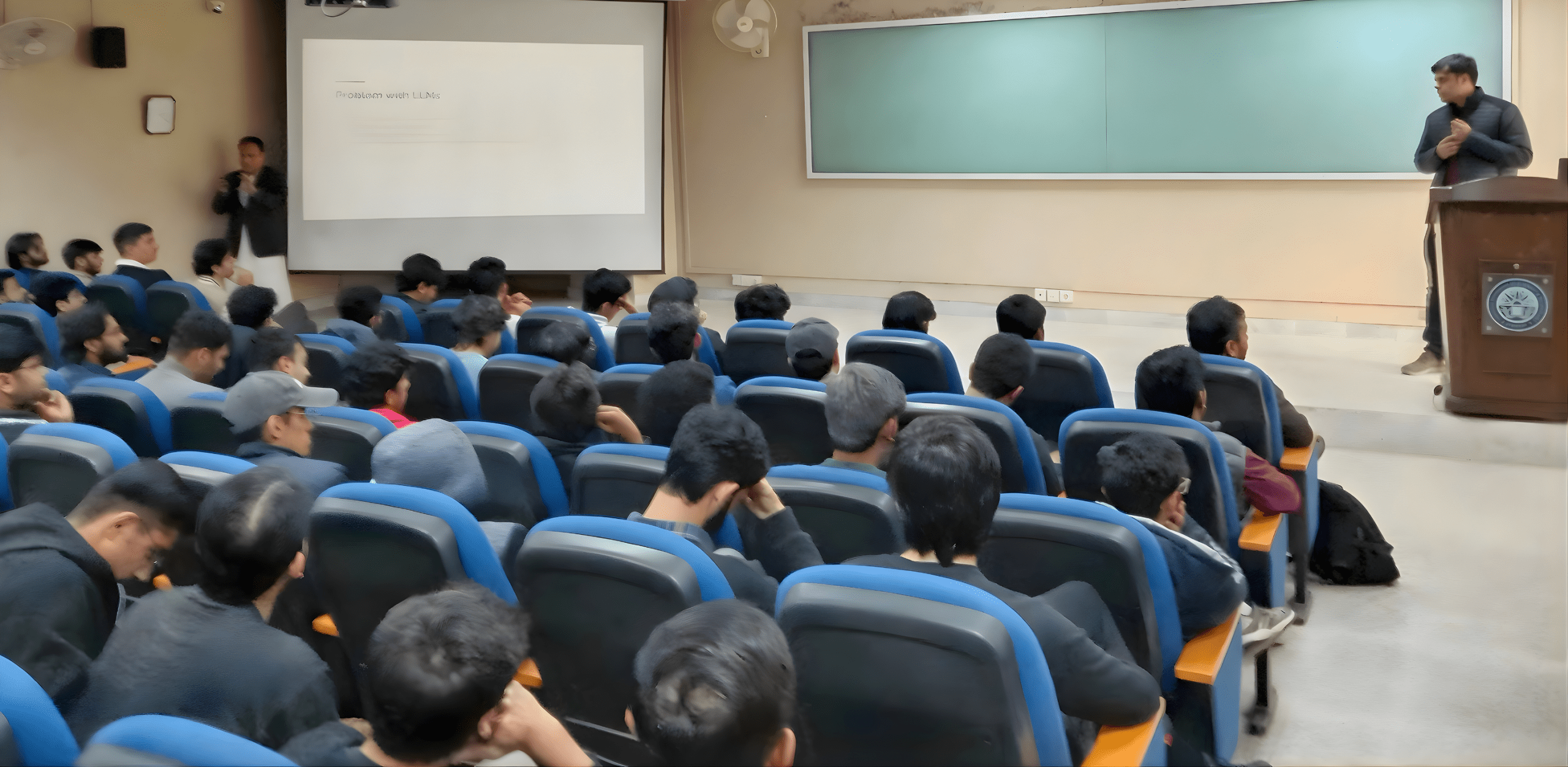
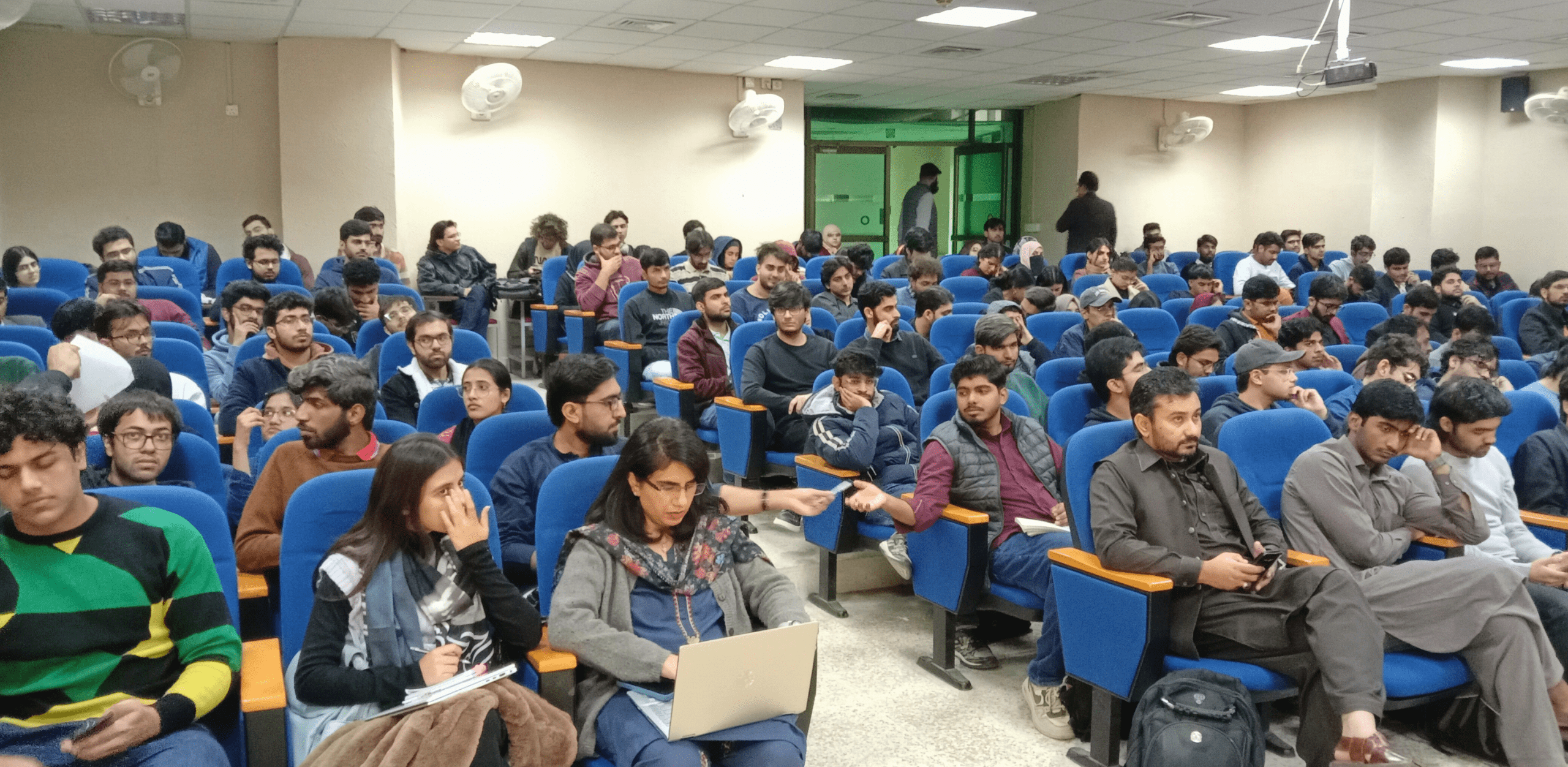
Event Pictures

Guest Speakers

csm_Prof_90c1be3dee-1
Prof. Dr. Karsten Berns

Head of Robotics Research Lab
RPTU Kaisersautern-Landau Germany

sultan
Dr. Muhammad Sultan

Associate Professor
Department of Agricultural Engineering, BZU, Multan

 
ms
Ms. Quratulain Ahmed

Ministry of Climate Change and Environmental Coordination

 
1646851261184
Muhammad Khurram Ehsan
Associate Professor at Bahria University
1517577301816
Sheraz Ahmed

Principal Researcher at Deutsches Forschungszentrum für Künstliche Intelligenz (DFKI)


Organizers

mmf-1-300x275
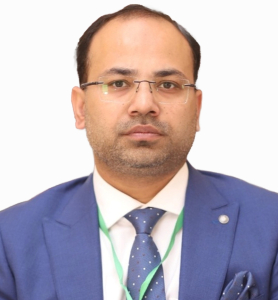
Dr. Muhammad Moazam Fraz

Director ICESCO Chair,
Professor and HoD ( AI & Data Science Department)
SEECS, NUST

 
OIP-1-300x275
Dr. Zuhair Zafar

Assistant Professor (SEECS, NUST)
Doctor of Engineering (Robotics)
TU Kaiserslautern, Germany

 
WhatsApp-Image-2025-07-15-at-15.59.50_196175f7
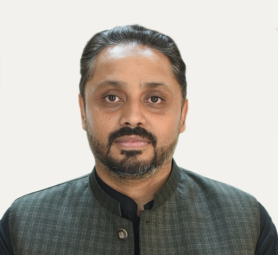
Dr. Muhammad Imran Malik

Associate Professor
HoD Department of Computer Science
SEECS, NUST


Partners

Contact us

Location
SEECS NUST, H-12 Islamabad

Email
vision@seecs.edu.pk

Phone Number
(051) 8862162

ideas to impact

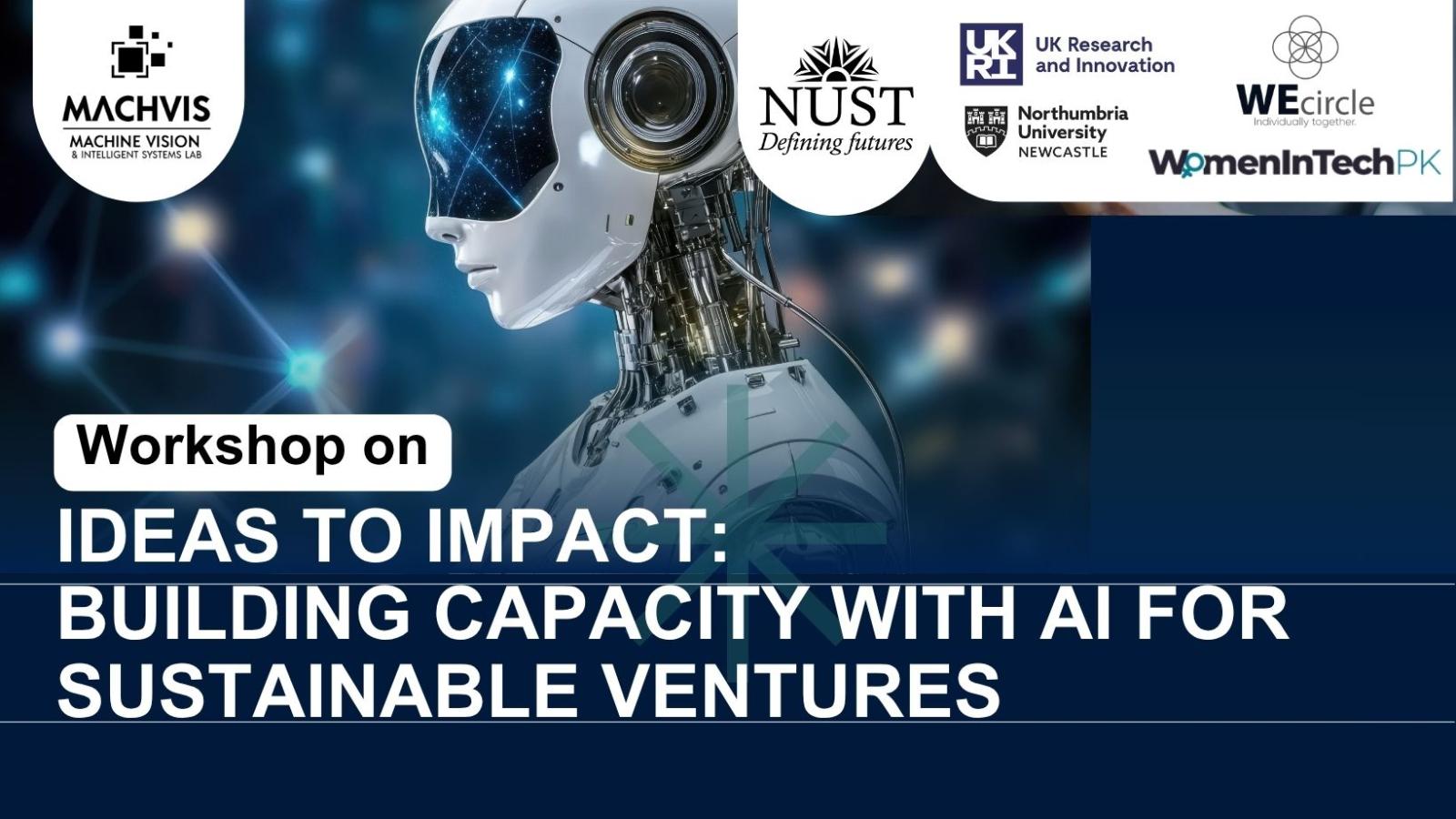
Ideas to Impact: Building Capacity with AI for Sustainable Ventures

Ideas to Impact

Building Capacity with AI for Sustainable Ventures

Date

19th November 2025 (Wednesday)
Venue:
Seminar Hall, NUST SEECS, Sector H-12, Islamabad

Time

10 AM - 5 PM

About The Workshop

Ideas to Impact: Building Capacity with AI for Sustainable Ventures is a full-day, hands-on training focused on using AI responsibly to develop and scale sustainability-driven business ideas. Participants will learn how to apply AI across the venture lifecycle—from ethical design and market validation to impact measurement and MVP development—while keeping sustainability priorities central, aligned with the S2Cool project’s mission of enabling efficient, affordable, and climate-positive solutions.
Gemini_Generated_Image_30pwj530pwj530pw

Workshop

Expected Outcome

Understand how to apply Responsible AI principles (ethics, bias, privacy, governance) in sustainability-focused ventures

Identify and prioritize high-impact sustainability problems where AI can add measurable value (e.g., energy efficiency, emissions reduction)

Conduct AI-enabled market research and validation to refine problem–solution fit and target segments

Develop a draft sustainable business model with clear impact KPIs (energy savings, CO₂ reduction, affordability, access)

Create an initial MVP plan and go-to-market roadmap for an AI-enabled sustainable venture

Produce a practical venture blueprint/pitch outline connecting solution design with measurable sustainability outcomes (aligned with S2Cool themes)

Who Should Attend:

1

Students (final-year/graduate) interested in AI + entrepreneurship + sustainability

 
2

Early-stage entrepreneurs and startup teams building climate-tech, energy-tech, agri-tech, health-tech, or circular economy solutions

 
3

Researchers and innovators looking to commercialize applied AI solutions with social/climate impact

 
4

Professionals from industry, NGOs, and government working on responsible innovation and sustainable development

 
5

Incubation/innovation ecosystem members (mentors, program managers) supporting impact ventures

 
6

Participants exploring solutions related to sustainable cooling, energy efficiency, and resilient communities


Training Schedule

Intensive One-Day Program: From Theory to Execution

09:00 AM –
11:00 AM
Responsible AI for Entrepreneurs: Ethics, Bias, Privacy, and Compliance
Trustworthy AI foundations for sustainability ventures: ethics-by-design, bias & fairness, privacy/data protection, transparency, and practical AI governance.
Dr Seemab Latif
Dr Seemab Latif CEO & Founder Aawaz.AI
11:00 AM –
01:00 PM
AI for Market Discovery and Validation
AI-assisted customer research, segmentation, demand sensing, and competitor analysis—applied to sustainable products and climate solutions.
Mr Walid Nazir
Mr Walid Nazir CEO & Founder Vivid Creations
☕ 01:00 PM – 02:00 PM — Lunch & Networking Break
02:00 PM –
04:00 PM
Designing Sustainable Business Models with AI (ESG + Impact Metrics)
Building sustainable value propositions and circular models; defining ESG/impact KPIs (energy efficiency, emissions, affordability).
Mr Uzair Farooq
Mr Uzair Farooq Lead System Engineer
04:00 PM –
06:00 PM
AI Venture Build: Prototyping an MVP and Go-to-Market
MVP planning and rapid prototyping for sustainability ventures: model selection, data strategy, and a go-to-market roadmap.
Ms Rabail Jaleel
Ms Rabail Jaleel CEO & Founder Fusion Creatives

This activity is funded by the UK Government through the Project: APP47457, titled “Super-efficient Sustainable Cooling Solution for All Applications (S2Cool)” under the Ayrton Challenge Programme of the UK Research and Innovation (UKRI); however, the views expressed do not necessarily reflect the UK Government’s official policies. The Project: APP47457 is implemented/led by Northumbria University UK together with partners.

Partners

Event Organizers

Moazam Fraz

Prof. Dr. Muhammad Moazam Fraz

S2Cool Project Focal Person
Naseer Bajwa

Dr Muhammad Naseer Bajwa

Post Doctoral Research Fellow

Testimonials

The session on Sustainable Business Models opened my eyes to how AI can actually reduce carbon footprints.

AH
Ahmed Hassan

Excellent workshop! Dr. Seemab's lecture on AI ethics was incredibly thorough and relevant.

SF
Sarah Fatima

Finally, a training that focuses on execution. The MVP prototyping session was a game-changer.

ZK
Zohaib Khan

As a tech founder, understanding the ESG metrics through AI has given me a new edge.

MJ
Mariam Javed

The networking opportunities here are unmatched. Met so many like-minded entrepreneurs.

US
Usman Sheikh

I appreciated the focus on practical tools. I can immediately apply these AI techniques.

AR
Ayesha Rehman

Great organization by the NUST team. The flow from ethics to go-to-market strategies was logical.

FM
Faisal Mahmood

Rare to find such high-quality instructors in one place. The market validation session was brilliant.

BA
Bilal Ahmed

The session on Sustainable Business Models opened my eyes to how AI can actually reduce carbon footprints.

AH
Ahmed Hassan

Excellent workshop! Dr. Seemab's lecture on AI ethics was incredibly thorough and relevant.

SF
Sarah Fatima

Finally, a training that focuses on execution. The MVP prototyping session was a game-changer.

ZK
Zohaib Khan

As a tech founder, understanding the ESG metrics through AI has given me a new edge.

MJ
Mariam Javed

Guest Speakers

seemab-300x275
Dr Seemab Latif

(WomeninTechPK, CEO & Founder Aawaz.AI)

ansab-wecircle
Ansab Saeed Siddiqui

CEO & Founder of WEcircle

walid-wecircle
Walid Nazir

CEO & Founder, Vivid Creations

uzairfarooq-pk
Uzair Farooq
Lead System Engineer & Digital Solutions Specialist
rabail-wecircle
Rabail Jaleel
CEO & Founder Fusion Creatives

Event Pictures

Contact us

Location
SEECS NUST, H-12 Islamabad

Email
vision@seecs.edu.pk

Phone Number
(051) 8862162

Digital Presence and Online Visibility

Uploaded on Events in SEECS's Website
Click Here
Shared on NUST LinkedIn Page
Click Here

NUST: Facebook

SEECS: Facebook

MachVIS: Facebook

MachVIS: LinkedIn

ICESCO Chair: Twitter

ICESCO Chair: Facebook

Copilot_20251111_110246

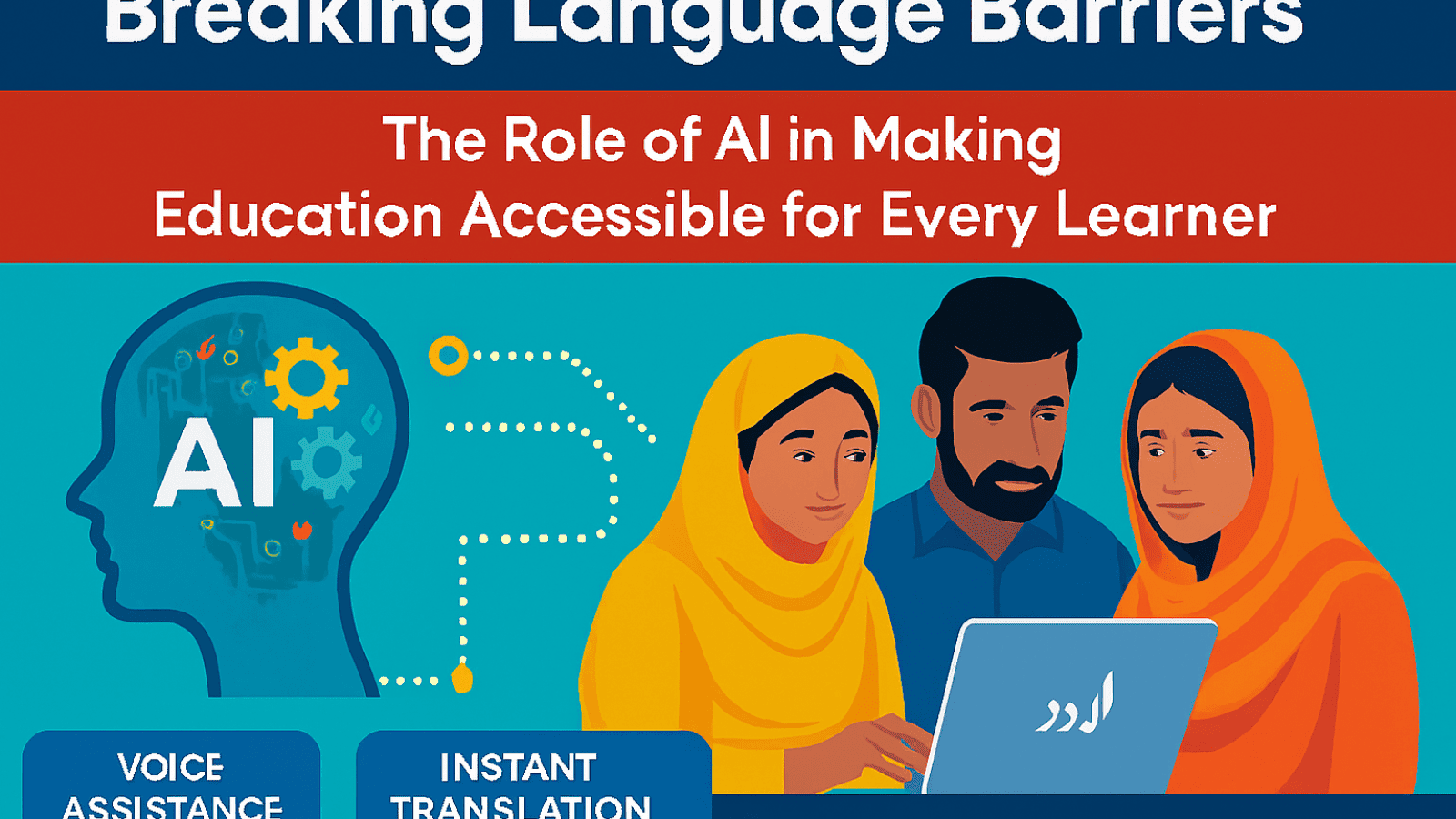
Breaking Language Barriers: The Role of AI in Making Education Accessible for Every Learner

Language barriers have long been a challenge in Pakistan’s education system. Many students are fluent in Urdu, Punjabi, Pashto, or Sindhi, yet most technical and vocational learning materials are in English. This often limits understanding and slows down skill development.

AI as a Tool for Inclusion

Generative Artificial Intelligence (AI) is helping bridge this communication gap by making learning materials accessible in local languages.

Major contributions of AI include:

  • Instant Translation: AI tools can quickly translate English content into Urdu or other regional languages without losing accuracy or context.
  • Simplified Explanations: Complex technical terms and concepts are rephrased in simpler, easy-to-understand language.
  • Voice Assistance: AI tutors can explain lessons through audio, supporting learners who prefer to listen rather than read.

Ba-Ikhtiyar Jawan’s Commitment to Equal Learning Opportunities

The Ba-Ikhtiyar Jawan Project integrates AI technology to make vocational and technical training available in both Urdu and English. This approach ensures that students from all regions including Karachi, Quetta, Peshawar, and Gilgit—can access the same quality of education and training materials.

By learning in their own language, students gain confidence, improve comprehension, and develop stronger professional skills.

Towards an Inclusive Future

Education is not only about knowledge; it is about equal access to opportunities. Through the use of AI, the Ba-Ikhtiyar Jawan Project is breaking down language barriers and creating a more inclusive, skilled, and empowered generation of Pakistanis ready to meet future workforce demands.

Copilot_20251111_105529

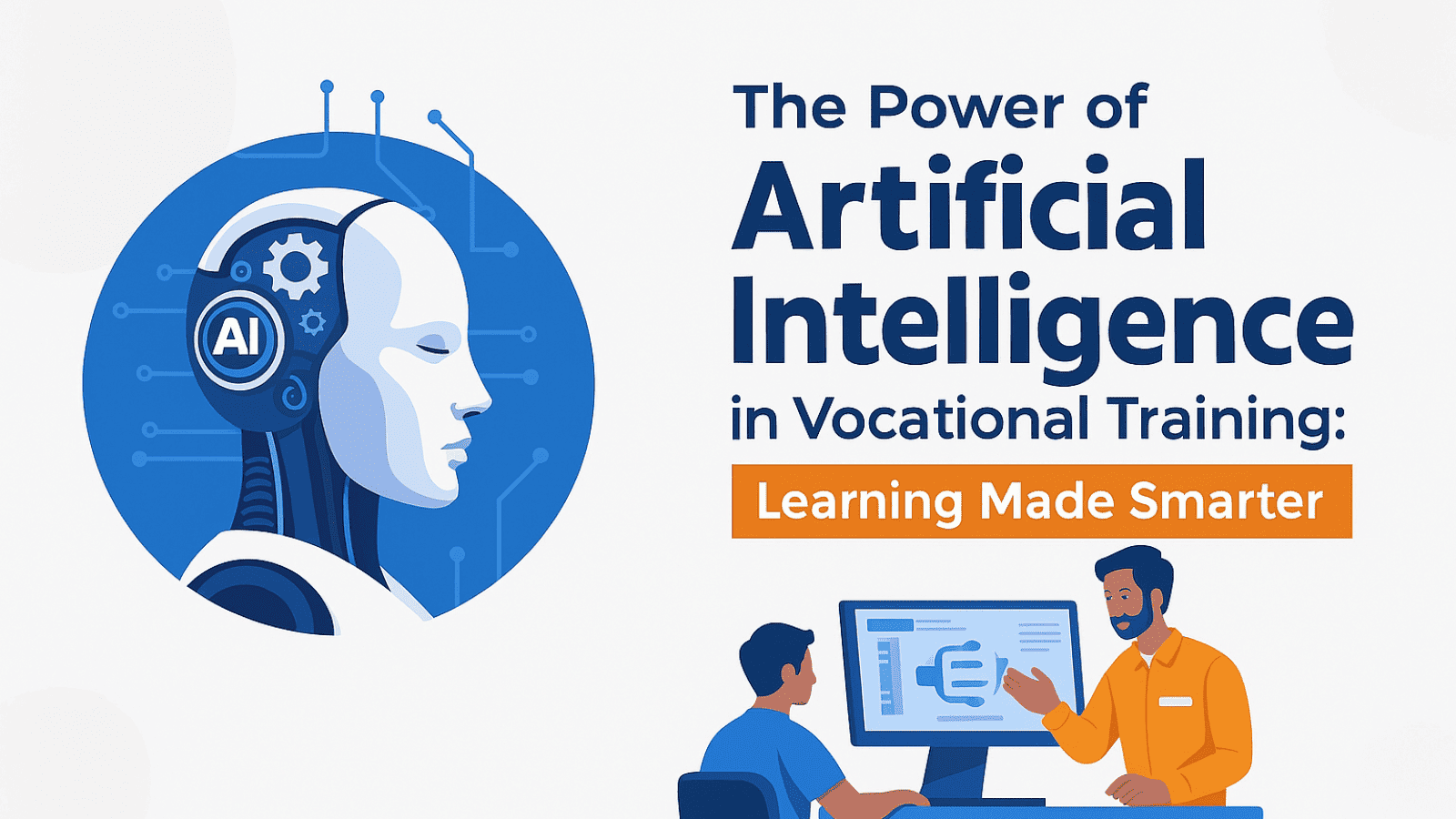
The Power of Artificial Intelligence in Vocational Training: Learning Made Smarter

In the modern era, technology is redefining every aspect of education and skill development. Among these innovations, Artificial Intelligence (AI) has emerged as one of the most transformative forces, particularly in the field of vocational training. Traditionally, vocational education relied heavily on observation, repetition, and manual practice. While these methods have been effective for decades, they often lack the flexibility, personalization, and interactivity required to meet the needs of today’s learners and industries.

AI is changing this landscape by making learning smarter, faster, and more accessible. Through intelligent digital tools and adaptive systems, it allows learners to engage more deeply with their subjects and develop hands-on skills with precision and confidence.

The Role of AI in Skill Development

Pakistan is home to a large population of young people who are eager to acquire technical and vocational skills. Thousands of students enroll each year in training programs such as auto mechanics, electrical work, plumbing, tailoring, carpentry, and welding. These programs are vital for building a skilled workforce that supports national economic growth and job creation.

However, many vocational institutes still depend on traditional classroom-based methods, where students observe instructors, take notes, and try to remember complex procedures without sufficient practice or feedback. In many cases, training materials are outdated, and students lack access to modern equipment and digital tools.

AI-powered learning is offering a new way forward. By integrating artificial intelligence into vocational education, learning becomes more interactive, personalized, and results-driven.

How AI is Transforming Learning

AI technologies enhance both teaching and learning in several ways.

  1. Instant Feedback and Error Correction:
    Traditional learning often depends on instructors noticing and correcting mistakes, which can delay learning for large classes. AI eliminates this gap by providing immediate feedback. When a student makes an error during a quiz, simulation, or digital exercise, the AI system instantly explains what went wrong and how to fix it. This not only speeds up learning but also encourages students to experiment without fear of failure.
  2. Personalized Learning Paths:
    No two students learn at the same pace or in the same way. Some grasp new concepts quickly, while others require additional explanation or practice. AI adapts to each learner’s performance and automatically adjusts lesson difficulty, provides targeted exercises, and tracks progress. This ensures that every student receives the support they need to master their skills.
  3. Data-Driven Progress Tracking:
    AI systems collect and analyze learning data to provide insights into student performance. Trainers and institutions can use this information to identify strengths, weaknesses, and areas that require more attention. This data-driven approach helps improve teaching strategies and ensures that no student is left behind.

Ba-Ikhtiyar Jawan Project: Leading the Digital Transformation

The Ba-Ikhtiyar Jawan Project is at the forefront of bringing this digital transformation to vocational education in Pakistan. With a strong focus on empowering youth through technology, the project integrates AI-based learning tools and modern digital content into training programs nationwide.

Through this initiative, vocational students now have access to AI-enabled learning resources that are up-to-date, practical, and available in multiple languages, including Urdu and English. This makes technical education more inclusive, allowing learners from different regions and backgrounds to understand complex concepts with ease.

Instructors benefit as well. AI helps trainers deliver lessons more effectively by automating repetitive tasks, assessing student progress, and offering personalized guidance. This allows teachers to focus on mentoring and hands-on instruction while AI handles the technical side of performance tracking and lesson customization.

Building a Skilled and Inclusive Future

The introduction of AI in vocational training under the Ba-Ikhtiyar Jawan Project is more than just a technological upgrade it represents a shift toward a more efficient, inclusive, and skill-oriented education system. By combining human expertise with AI-driven learning, the project is preparing young Pakistanis for the demands of the modern workforce, where adaptability and digital literacy are essential.

Moreover, AI-based learning ensures that students are not limited by language, geography, or outdated materials. Whether a student is learning from a training center in Karachi, a technical institute in Quetta, or an online program in Gilgit, they can now access high-quality, interactive, and personalized learning experiences.

This initiative not only improves skill acquisition but also boosts employability, entrepreneurship, and innovation among Pakistan’s youth.

Conclusion

The Ba-Ikhtiyar Jawan Project stands as a symbol of Pakistan’s commitment to modernizing vocational education through technology. By introducing AI into training systems, the project is empowering young learners to gain practical skills faster, understand better, and perform more effectively in their chosen trades.

AI is not replacing instructors it is strengthening them. It is helping create a future where learning is more intelligent, adaptive, and accessible to everyone. Through this powerful integration of technology and education, the Ba-Ikhtiyar Jawan Project is truly making vocational training smarter and shaping a more skilled, confident, and empowered generation for Pakistan.

35

Research Published in AICCSA 2025 – Copy

Publication Success

Congratulations!

Published in AICCSA 2025

AgriFormer: Advancing 3D LiDAR-based Biomass Prediction through Hierarchical Feature Learning

Authored By
Malik Shahzaib Khan
Faareh Ahmed
Abdul Wahab

This research was conducted at MachVis as part of the project:

LiDAR-Based Plant Phenotyping for Precision Agriculture ↗
Read on IEEE Xplore

Copilot_20251016_144038

How Generative AI Can Help Improve Education

Do You Remember School?

Think back to your school days.

Did you ever sit in class and feel like the teacher was going too fast? Or maybe too slow?

Maybe you wanted to ask a question but felt too shy, worried that others might laugh.

Now imagine an education system that adjusts to you.

One that goes at your pace, focuses on your strengths, and helps with your struggles.

A system that explains things in your own language gives extra practice when you need it and never runs out of patience.

Sounds like a dream? It isn’t. Thanks to Generative AI (GenAI), this dream is becoming a reality.

What Exactly is Generative AI? 

Think of GenAI like a master chef. This chef has studied thousands of recipes. If you ask them for dinner, they won’t just copy an old dish. They will create something new, based on your taste and the ingredients you have.

Generative AI works in the same way, but with information instead of food. It can create explanations, examples, and practice exercises designed just for you.

Behind this are Large Language Models (LLMs), AI systems trained on enormous amounts of text. That is why they can “talk” with us in natural language, explain complex ideas simply, and even answer follow-up questions just like a real tutor.
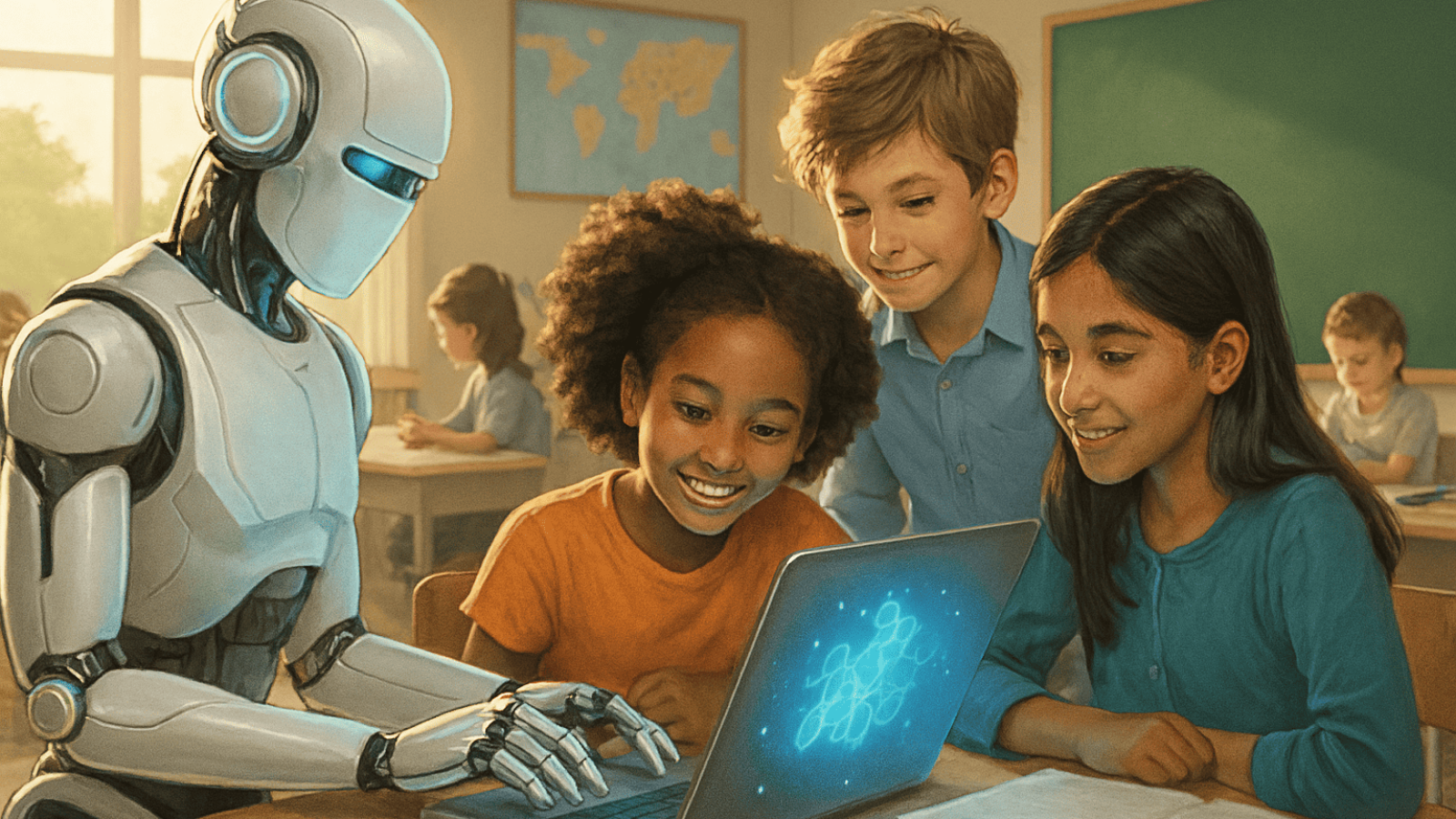
Goodbye “One-Size-Fits-All.” Hello Personalized Learning.

For too long, education has been like a factory: one lesson, one style, for every student. But we all know that is not how real people learn.

Here is how GenAI is changing the game:

  • Learn at Your Own Speed: If you have mastered something, you move ahead. If you are stuck, the AI slows down, gives examples, and gently quizzes you until you understand.
  • Content That Fits You: Textbooks are fixed. AI lessons are flexible. They can be simplified, made more detailed, or even connected to your personal interests so learning feels engaging.
  • A Tutor That Never Sleeps: Got a question at midnight? Your AI tutor is ready, calm, and endlessly patient.
  • Deep Personalization with Topic Mapping: Every course is broken into topics and subtopics. If a lesson has prerequisites, the system looks back at how you performed in those earlier topics. If you struggled there, the AI adjusts the new lesson, fills the gaps, and makes sure you are ready before moving forward.
  • Understanding at Every Level: You will not just be tested on memorization. The AI checks your understanding at different levels, whether you can recall basics, apply knowledge, or solve real-world problems.
  • LLMs as Judges and Guides: The system uses AI not only to explain but also to evaluate. It can detect knowledge gaps, highlight weak areas, and then generate personalized exercises to help you improve step by step.

This means no more being left behind and no more being held back.

How the Ba-Ikhtiyar Jawan Project is Bringing it to Pakistan

Here in Pakistan, the Ba-Ikhtiyar Jawan Project is taking this technology and applying it to a real challenge: vocational training for our youth.

At present, NAVTTC and TEVTA are offering vocational courses of three months, six months, and one year. While this is useful, when we look at countries like India, the UK, and others, we find that their vocational systems are more advanced. They provide training in multiple levels with updated content that matches global industry standards.
Our project will bridge this gap. We will not only follow the structure of the three-month, six-month, and one-year programs, but we will also identify the advanced topics that are being taught internationally but missing in Pakistan. These missing areas will be suggested, explained, and integrated into the curriculum.

In addition, we will also highlight and strengthen important topics that are present in the curriculum but not given enough focus. This ensures that learners are not only keeping pace with the world but also gaining the in-depth understanding needed to compete globally.

Here is what we are doing differently:

  • A Smarter Curriculum: With GenAI, we have created a large library of practice questions and answers designed to test real understanding, not just memory.
  • Your Personal Learning Roadmap: The system figures out what a student already knows, checks how they performed on related topics, and then adjusts step by step so no gaps are left behind.
  • Multi-Level Assessments: Learners are tested at different depths of understanding, from simple recall to critical thinking, so the training builds strong, job-ready skills.
  • Multilingual Access: Not everyone learns best in English. That is why our platform works in both Urdu and English, so no one is left behind because of language.
  • Global Standards, Local Relevance: By integrating missing advanced topics and refocusing on overlooked but important areas, we are making sure Pakistani students are trained to meet global demands while still learning in a culturally relevant way.

This is not just about teaching. It is about building confidence, curiosity, and practical skills.

Why This Matters

The traditional classroom has played its role for decades, but it was never built to address the diverse needs of every learner especially in vocational education, where practical skills and individual guidance are critical. Too often, students are taught in a one-size-fits-all system, where some advance while many others are left behind, unable to keep pace or find relevance in what they learn. This not only limits their personal growth but also holds back Pakistan’s potential for innovation and progress.

Through digitalization and the power of personalized learning, we have the opportunity to change this. By integrating AI tutors and adaptive platforms into vocational education, we can create learning experiences that adjust to each student’s strengths, support their weaknesses, and match the pace at which they learn best. Every learner whether in a major city, a small town, or a rural village can gain access to high-quality, tailored training that equips them with the skills demanded by today’s world.

For Pakistan, this transformation is vital. Millions of young people aspire to secure meaningful jobs, build careers, and contribute to the economy, yet they lack the consistent, skill-focused education needed to get there. By digitalizing vocational learning, we can bridge this gap providing not just knowledge, but confidence, employability, and opportunity.

This is not about replacing teachers or trainers. It is about empowering them with tools that reduce repetitive work, enhance their reach, and allow them to focus on mentoring and guiding learners in ways technology cannot. Together, personalized digital education and dedicated educators can unlock the potential of every young person, ensuring that no one slips through the cracks and that Pakistan’s workforce is ready for the future.

The Future is Here

How Generative AI Can Help Improve Education

Imagine you are a student trying to learn something new—say, writing better reports, understanding a difficult concept in science, or preparing for a job. Sometimes you need:

• someone to explain things more than once

• examples that match your way of understanding

• help catching mistakes in your work early

• ideas for projects or what to study next

Generative AI (GenAI) can help with these things in simple ways. It is a tool—a smart tool—that creates text, ideas, summaries, explanations, sometimes images. It learns from a lot of examples, and can give you help when you ask. It doesn’t replace your teacher or the real work you do, but it supports you so learning is easier, faster, and more adapted to your own pace.

Here are some easy-to-understand ways GenAI can enhance education:

1. Explain in multiple ways
Everyone learns differently. If you don’t understand something the first way, GenAI can try explaining with stories or simpler words. Or use steps, or show visuals. It helps build understanding.

2. Practice and feedback
When you write or solve problems, getting feedback helps. GenAI can check your essays for grammar, suggest ways to organize ideas, point out places where you might have confusion. It’s like having a helper who doesn’t get tired.

3. Extra study materials
Often students need more practice: quizzes, summaries, examples. GenAI can generate mock questions, summaries, cheat-sheets, even flashcards. That helps students review and feel more confident.

4. Customized learning paths
Suppose you are good at some topics but weak in others. GenAI can suggest what to study next, focus on your weak spots, and skip or move fast through things you already know. This saves time and energy.

5. Support in local language
Not everyone is fluent in English or technical terms. If GenAI can translate or explain in Urdu or regional language, it helps many students understand better and feel more comfortable asking questions.

6. Idea generation
Whether it’s projects, essays, or career choices, coming up with ideas can be hard. GenAI can suggest topics, show examples, help plan steps. It gives you a starting point so you can build on it yourself.

7. Access anywhere, anytime
Even outside class or office hours, GenAI can help. When teachers are busy or unavailable, students can use tools to clear doubts, revise, or try practice. Especially useful for remote areas or where resources are thin.

Challenges and Things to Watch

While GenAI offers many benefits, it’s not perfect. To make sure it helps rather than misleads, we must:

• Always check that information is correct. GenAI can sometimes give wrong or misleading data.

• Don’t use it to cheat. It’s a helper, not a substitute for your own work.

• Make sure students have access to internet/devices. Tools aren’t useful if people can’t reach them.

• Keep teachers and mentors involved. Human guidance, experience and judgement are still needed.

How Ba-Ikhtiyar Naujawan Internship Program Connects with GenAI and Education

Now, let’s see how Ba-Ikhtiyar Naujawan (BNIP) is already helping bridge the gap between education and practical skill, and how using GenAI ideas can strengthen its work.

What we know about BNIP:

• It is a program by the Government of Pakistan (Ministry of Planning, Development & Special Initiatives) to give 60,000 paid internships to young graduates all over Pakistan. 

•  

• Internships are for 6 to 12 months and include both on-job and off-job training (so you learn by working, but also with guided learning). 

• Interns get a monthly stipend of PKR 25,000 to PKR 40,000 so that doing the internship doesn’t cause too much financial hardship. 

• The program aims to equip graduates with marketable skills and reduce the gap that many feel between what they learned in school and what job employers expect. 

How BNIP could use GenAI ideas (or may already be doing so) to make the experience even better:

• Training interns to use GenAI tools: As part of the off-job training, interns could learn how to use GenAI for writing, designing, research, idea generation. This helps them be more productive in real tasks.

• Better feedback via GenAI: Mentors could use GenAI to help review intern work faster (drafts, reports, proposals) so interns get feedback quickly and improve.

• Personalised learning within BNIP: Using GenAI concepts, BNIP could suggest what each intern should focus on—areas where they are weak, skills they need more practice in.

• Support for remote or under-resourced interns: Interns in rural or remote areas may face lack of guidance. GenAI powered resources (in Urdu or local languages) can help fill that gap.

• Project help and idea brainstorming: Interns sometimes do projects. GenAI can help generate ideas, help plan project steps, suggest tools or resources.

Final Thoughts

Generative AI is not magic, but it is a strong helper. It can make learning easier, faster, clearer, and more tailored to each student or intern. For students, it reduces frustration. For mentors, it offers tools to give better guidance. For education overall, it means reaching more people with better quality support.

Ba-Ikhtiyar Naujawan is doing something very important in Pakistan by giving graduates real work experience, training, and financial help. If BNIP adopts some of the GenAI-friendly ideas—teaching how to use these tools, giving better feedback, tailoring learning paths—it can make its impact even stronger.

When young people have both experience (through internships) and smart tools and learninghelp (like GenAI), they are much more ready for jobs and life. That’s the future we hope for.