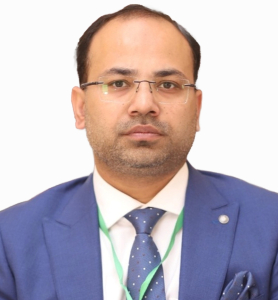
moazam fraz profile

Keynote in GIKI in IEEE Event by Prof. Dr. Muhammad Moazam Fraz

Event Highlight

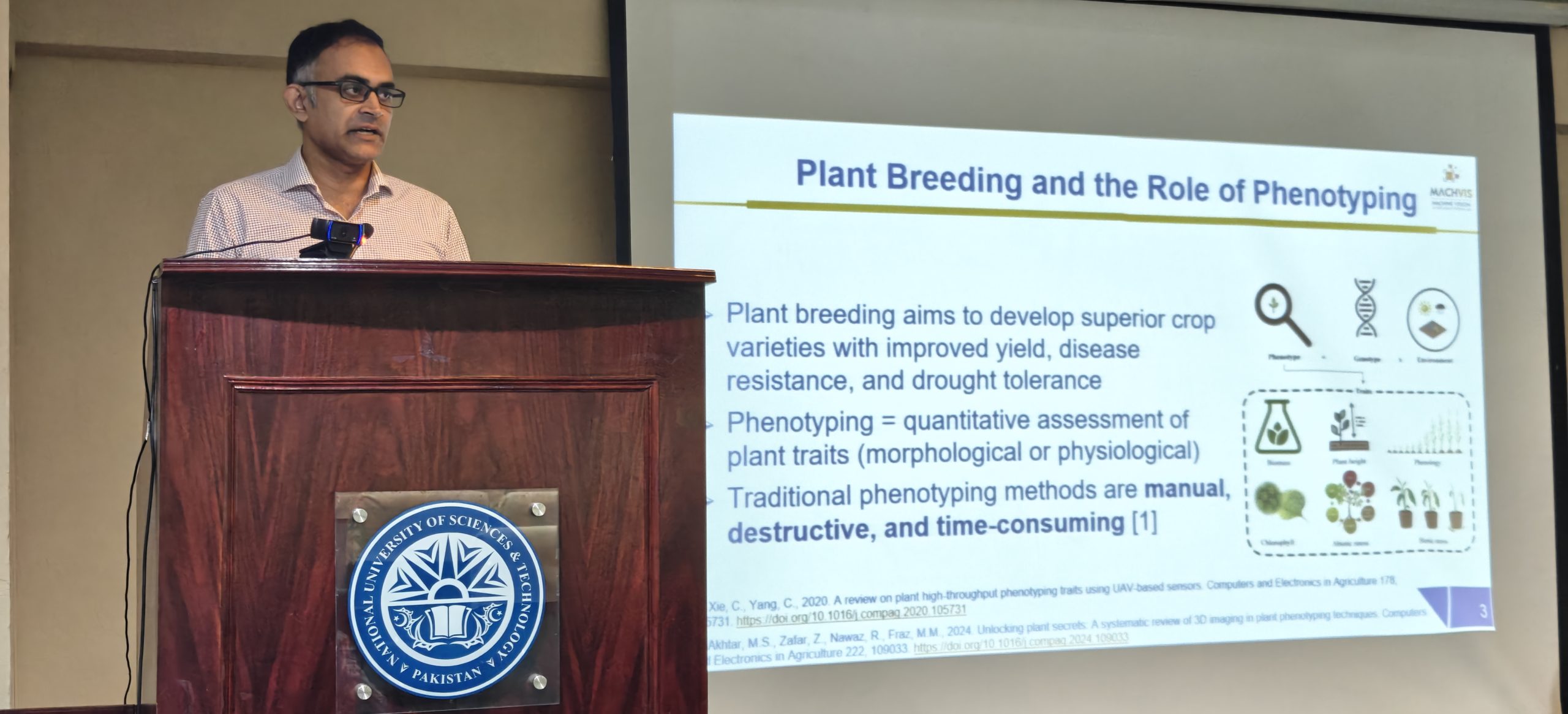
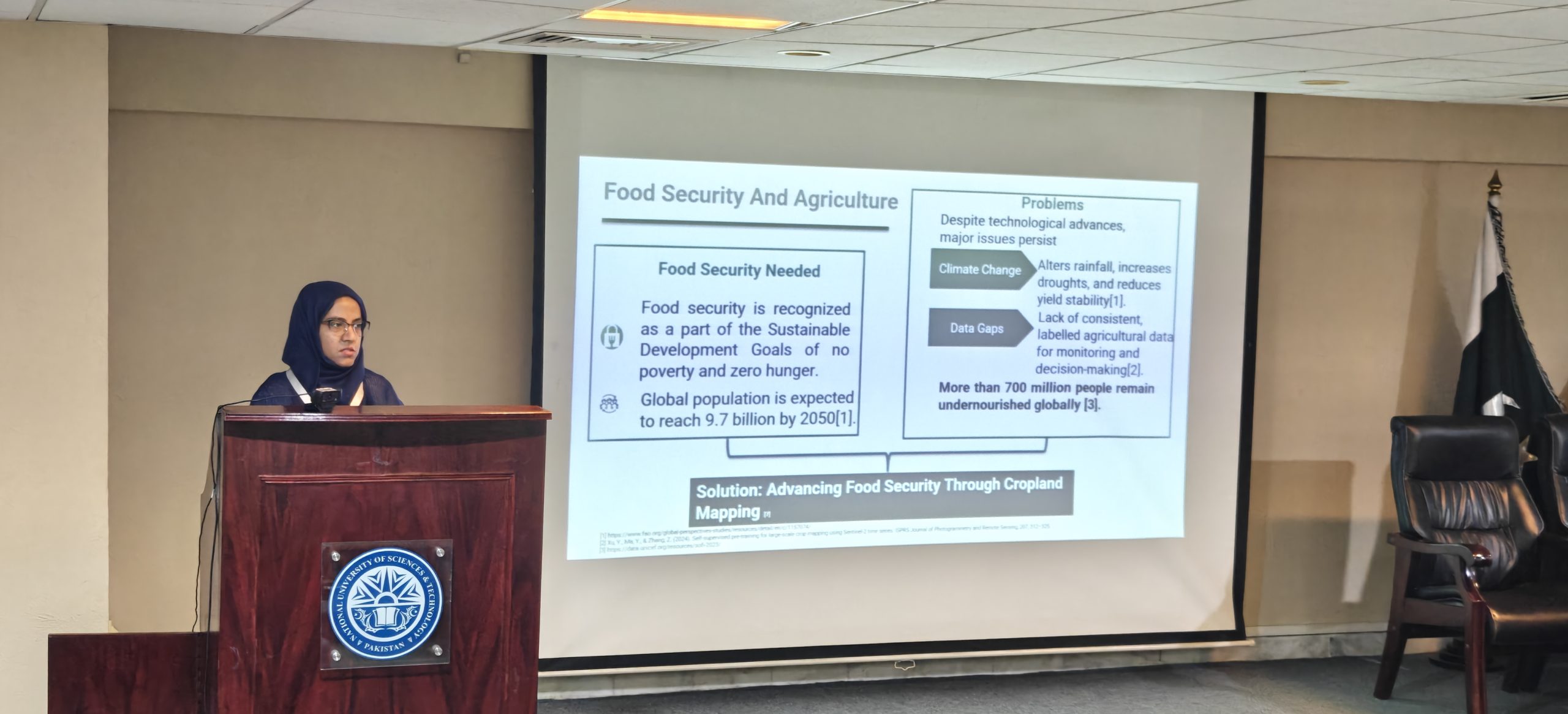
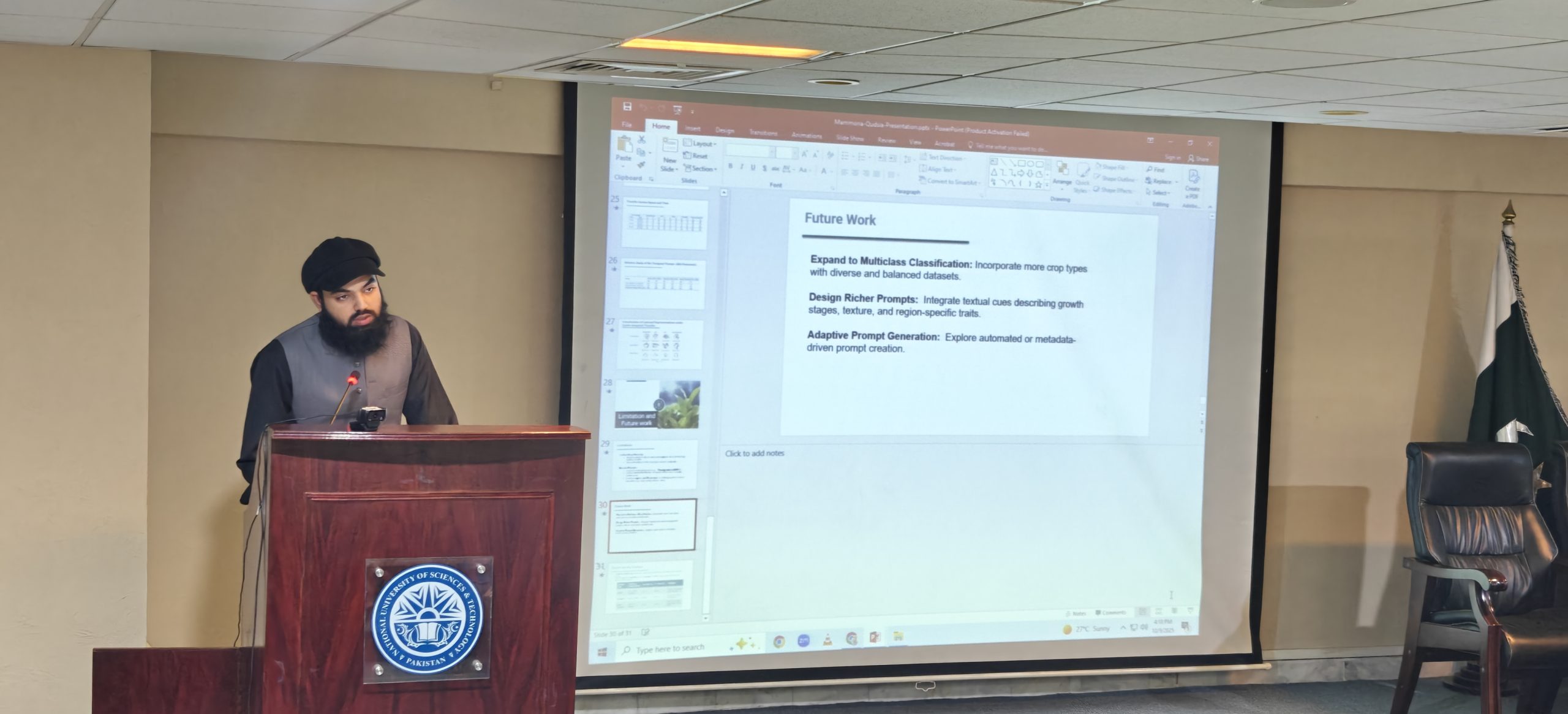
Prof. Dr. Moazam Fraz Delivers Keynote on AI in Agriculture at IEEE Student Summit

October 16, 2025 | GIK Institute, Pakistan

Distinguished academic and Associate Dean of NUST SEECS, Prof. Dr. M. Moazam Fraz, addressed the IEEE Region 10 Student Summit 2025 on October 16th, at the Ghulam Ishaq Khan Institute (GIKI).

Leading a session focused on technological resilience, Dr. Fraz presented a keynote detailing how advanced machine learning models are transforming modern agriculture.

Keynote Topic “Harnessing AI for Sustainable, In-Season Yield Estimation from Crop Traits in Wheat & Sunflower”

The talk explored methods for utilizing crop traits to predict yields during the growing season, a critical advancement for food security and sustainable farming practices. The summit gathered engineering students and professionals from across the region to discuss ethical and inclusive technology.

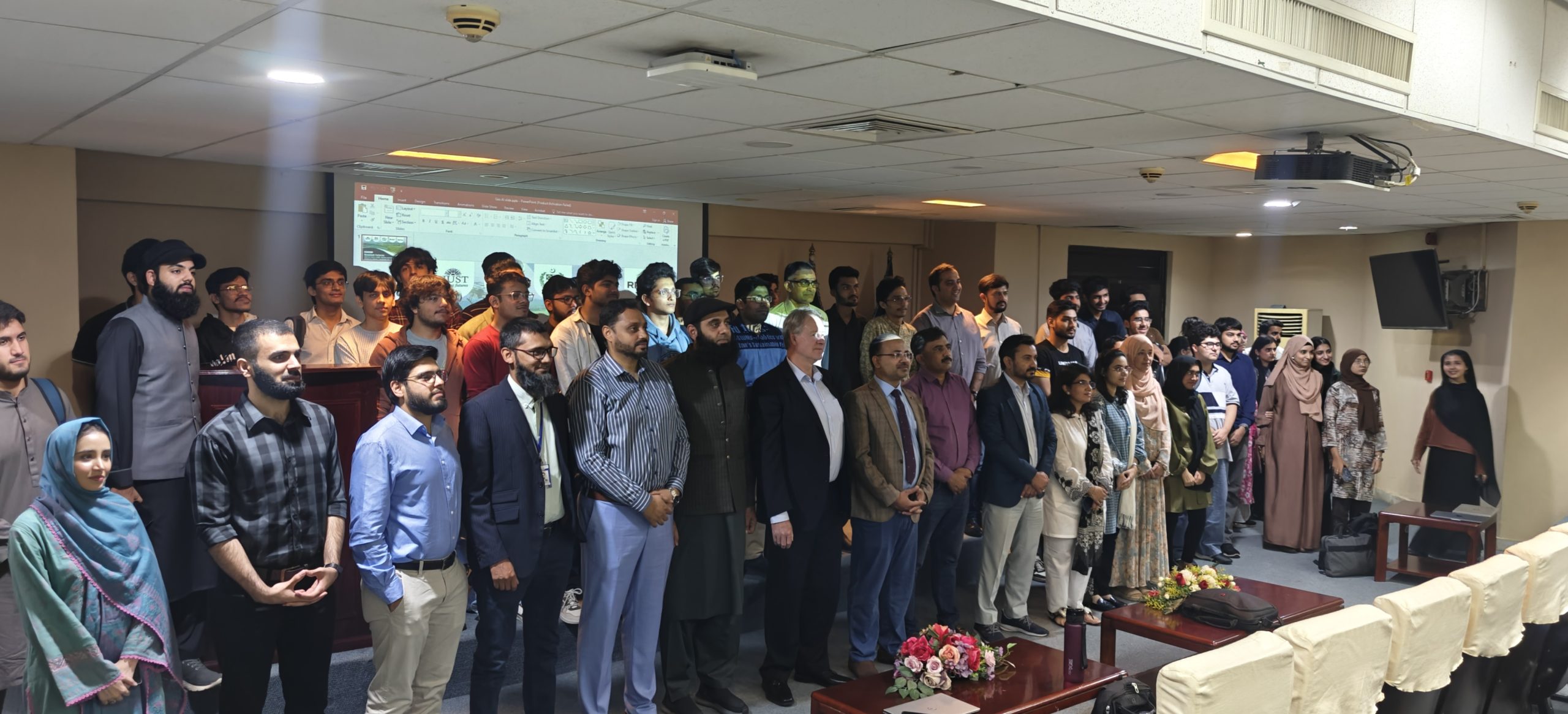
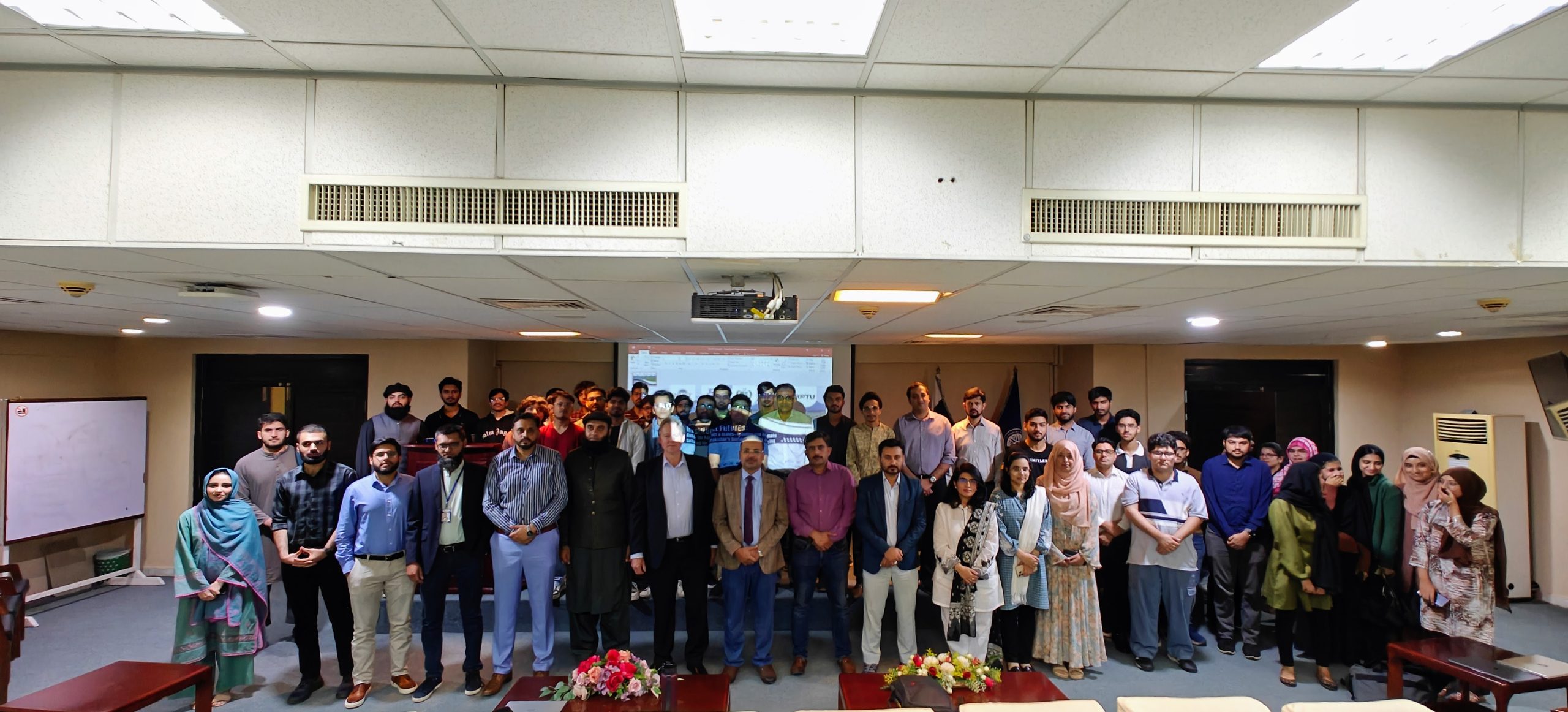
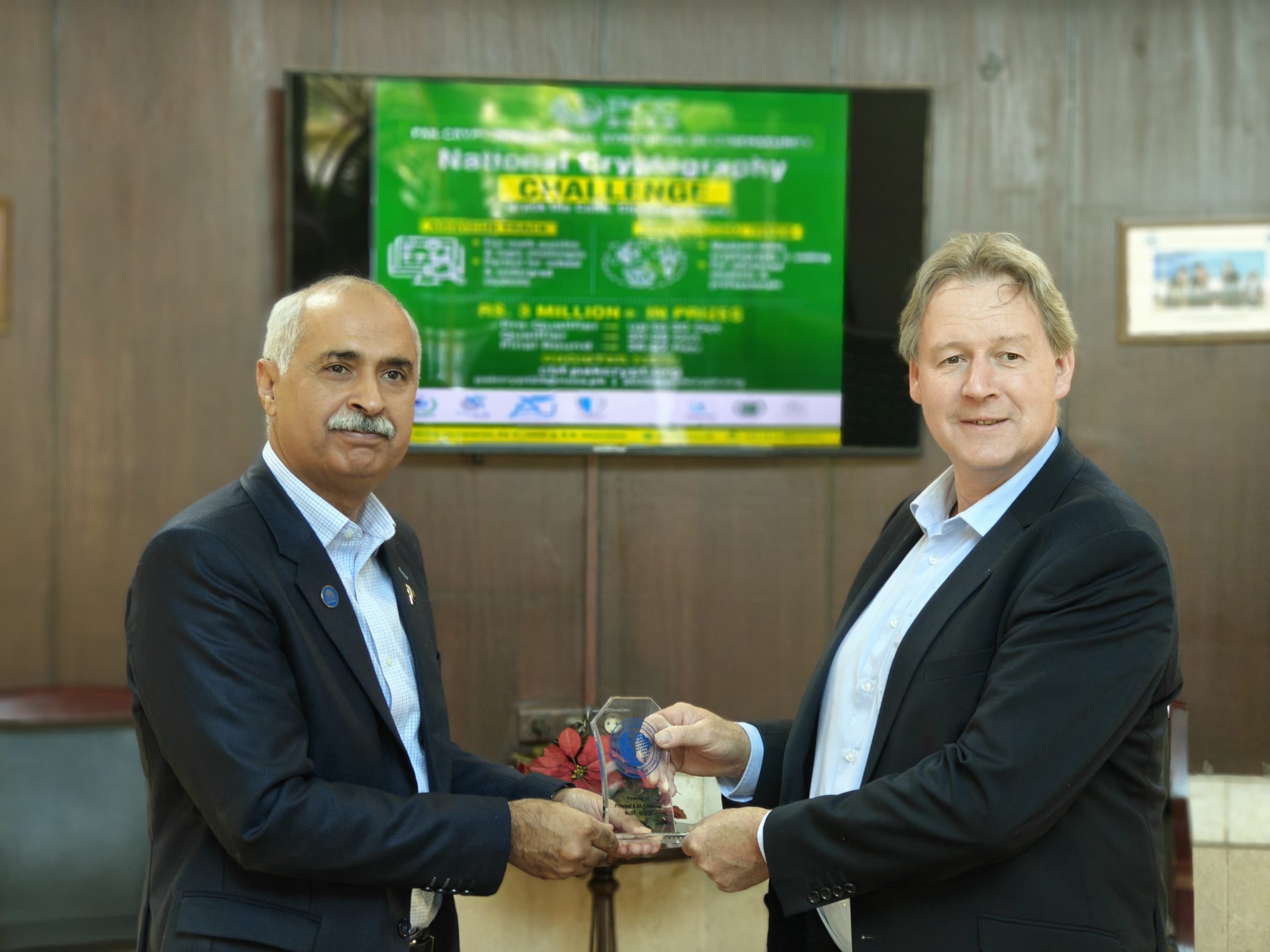
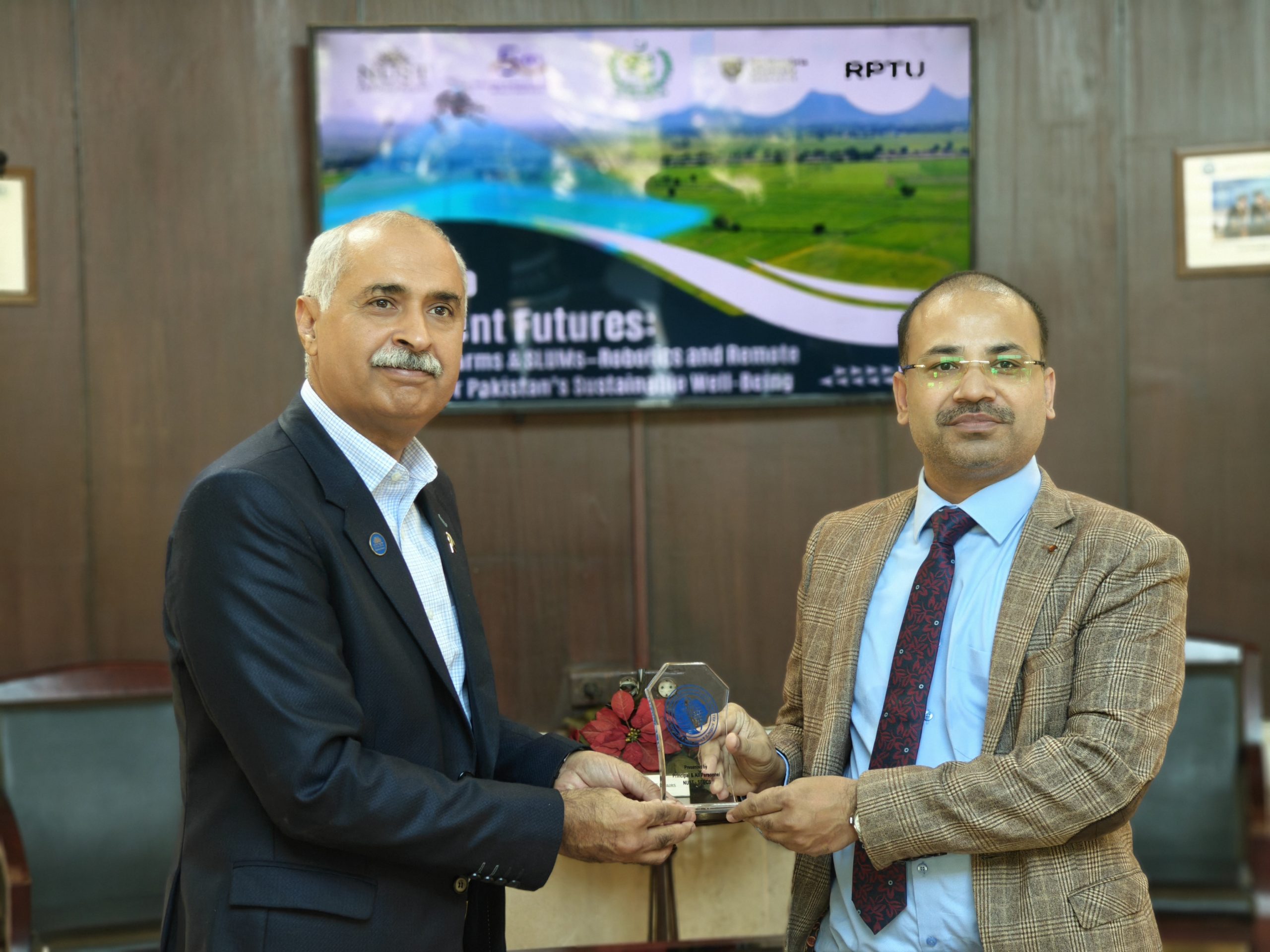
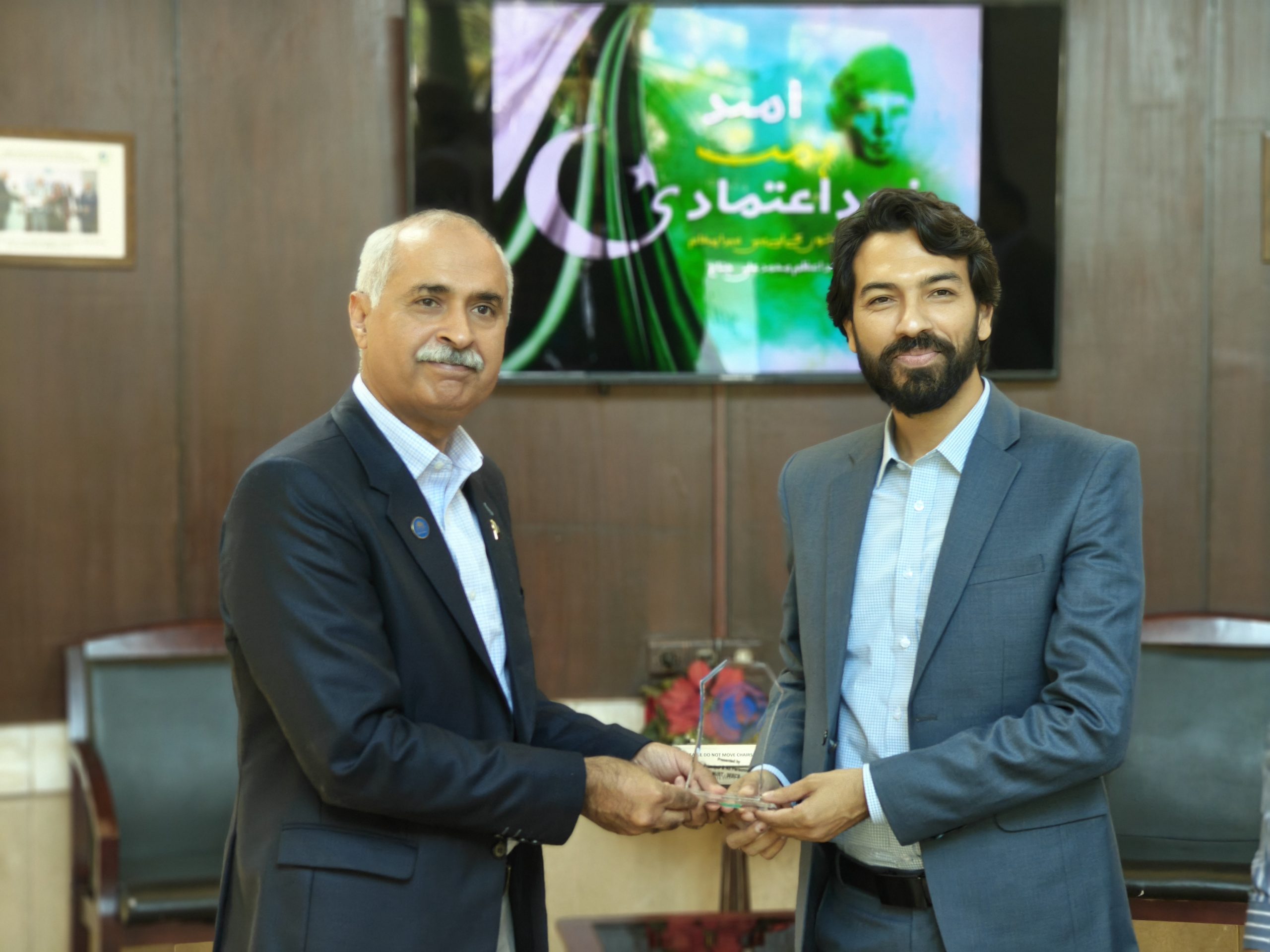
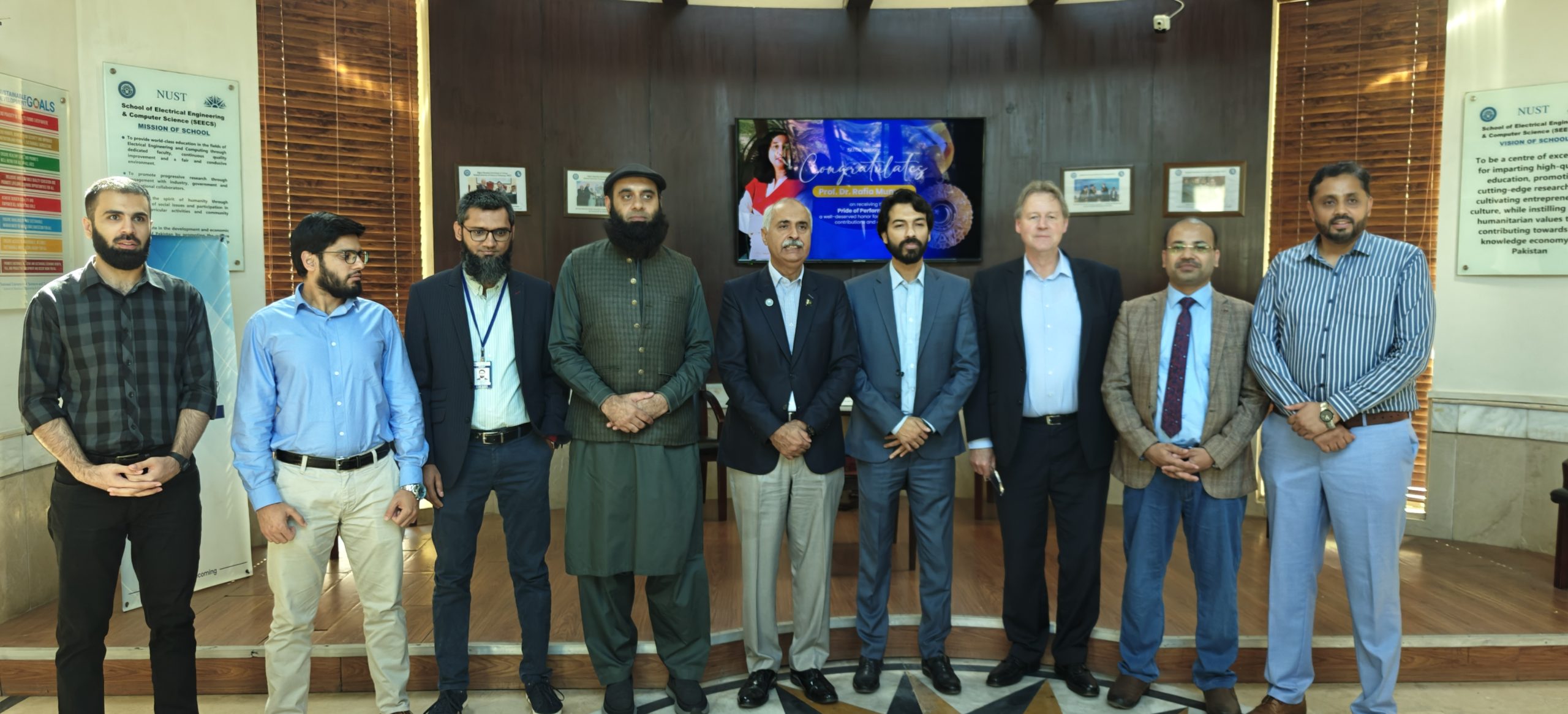
Data workshop

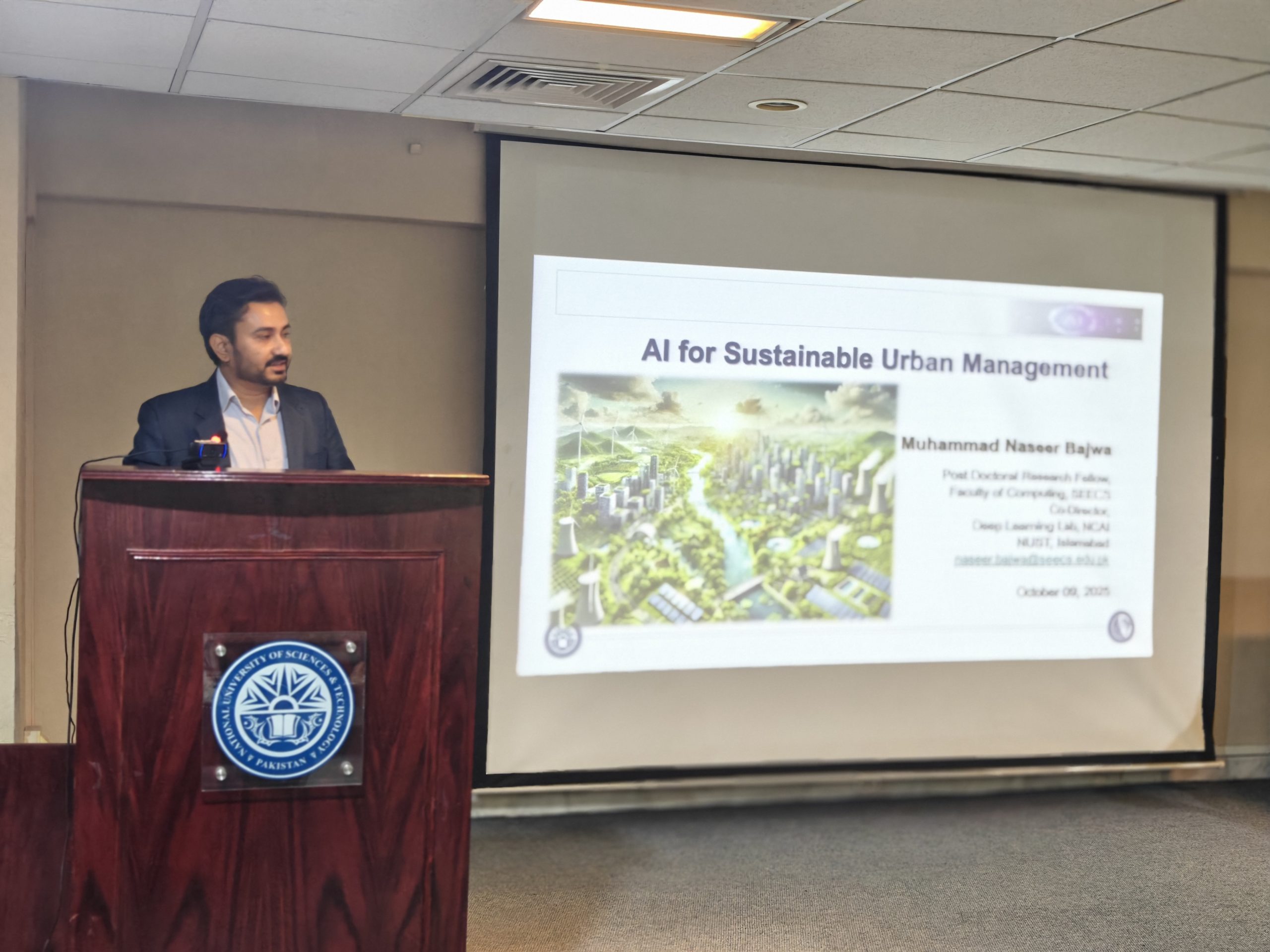
Resilient Futures: AI & Remote Sensing for Sustainable Agriculture and Urban Well-Being in Pakistan

Resilient Futures

GeoAI for Farms & SLUMs, Data-Driven Planning for Efficient Cooling in Communities and Agriculture

Date

9th October 2025 (Thursday)
Venue:
Seminar Hall, PG Block, SEECS

About The Workshop

Resilient Futures: GeoAI for Farms & SLUMs, Data-Driven Planning for Efficient Cooling in Communities and Agriculture is an applied training that equips participants with practical GeoAI, remote sensing, and resilience analytics skills to identify heat hotspots, assess vulnerability, and plan sustainable cooling interventions. Anchored in the S2Cool project mission, the training connects geospatial intelligence to real-world use-cases across agriculture and dense settlements—supporting evidence-based decisions that improve thermal comfort, reduce energy intensity, protect livelihoods, and strengthen climate resilience.
OIP-2

Workshop

Expected Outcome

Interpret and generate heat, vulnerability, and cooling-demand maps using GeoAI for prioritizing S2Cool-aligned interventions

Apply remote sensing indicators (e.g., temperature, vegetation/crop stress, water proxies) to support climate-smart farming and reduce post-harvest losses through targeted cooling needs assessment

Understand smart farm mechanization pathways and where automation/IoT can improve productivity and resource efficiency (energy and water)

Assess climate risks (heatwaves, floods, reliability risks) and integrate resilience considerations into cooling and infrastructure decisions

Define practical sustainability metrics linked to S2Cool outcomes (energy efficiency, emissions reduction, affordability, access, reliability)

Who Should Attend:

1

GIS/remote sensing professionals and students interested in GeoAI for climate and development

 
2

Agriculture stakeholders: agritech teams, extension services, researchers, and practitioners working on climate-smart farming, mechanization, and value chains

 
3

Urban planners, development practitioners, and NGOs focusing on informal settlements, public health, and livability

 
4

Engineers and project teams working on energy efficiency, sustainable cooling, cold-chain, and resilient infrastructure (S2Cool-relevant)

 
5

Government and policy professionals involved in climate adaptation, disaster risk reduction, and sustainability planning


Workshop Timeline

9:00 AM – 10:00 AM
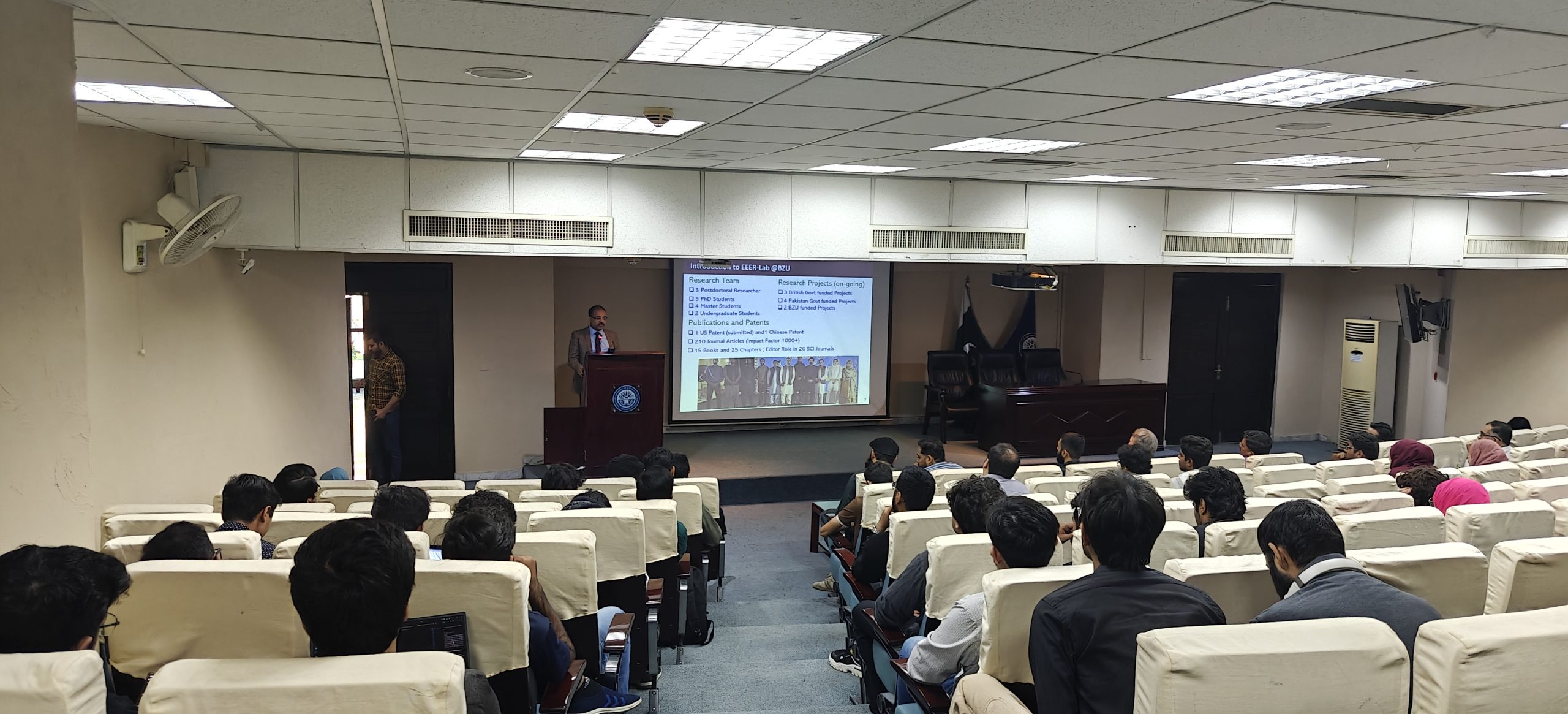
GeoAI for Heat, Vulnerability, and Cooling-Demand Mapping
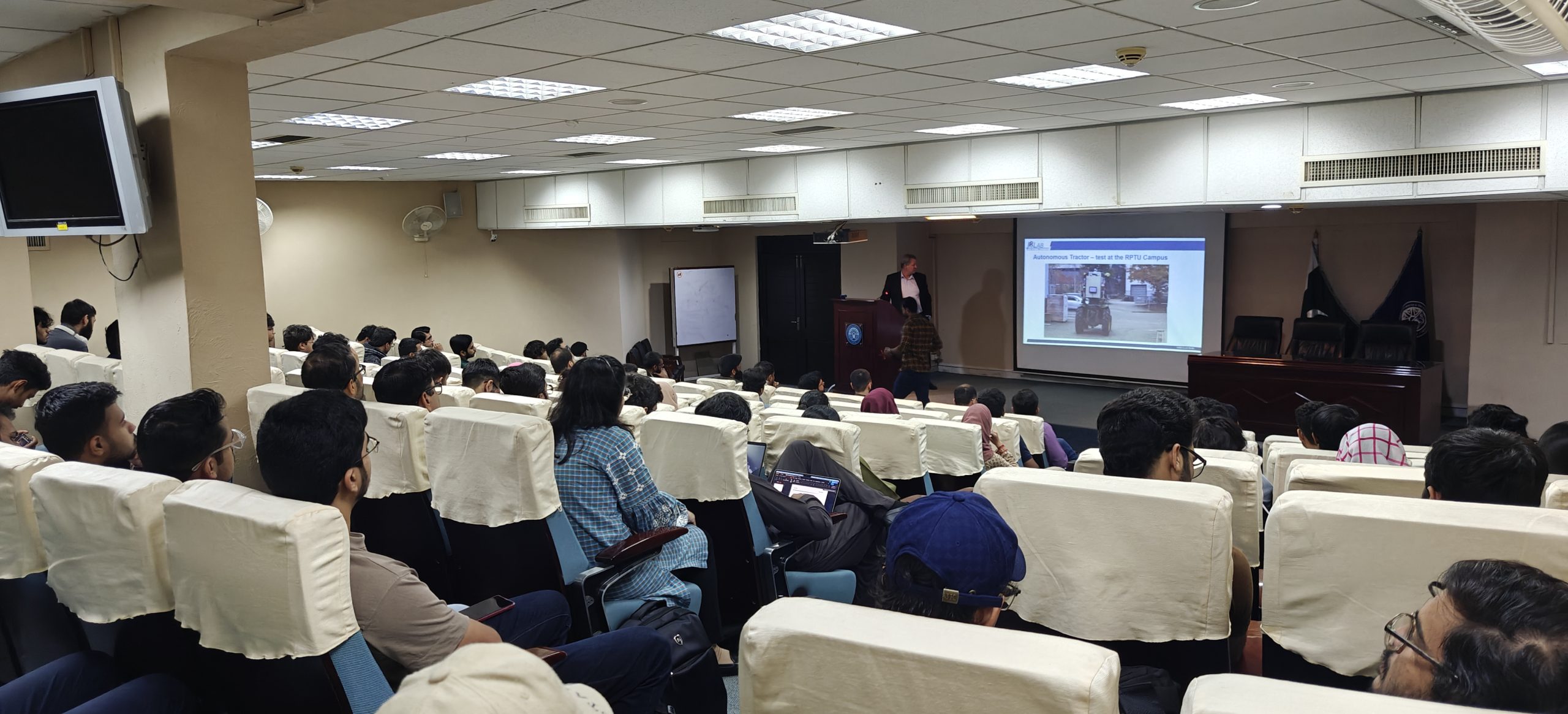
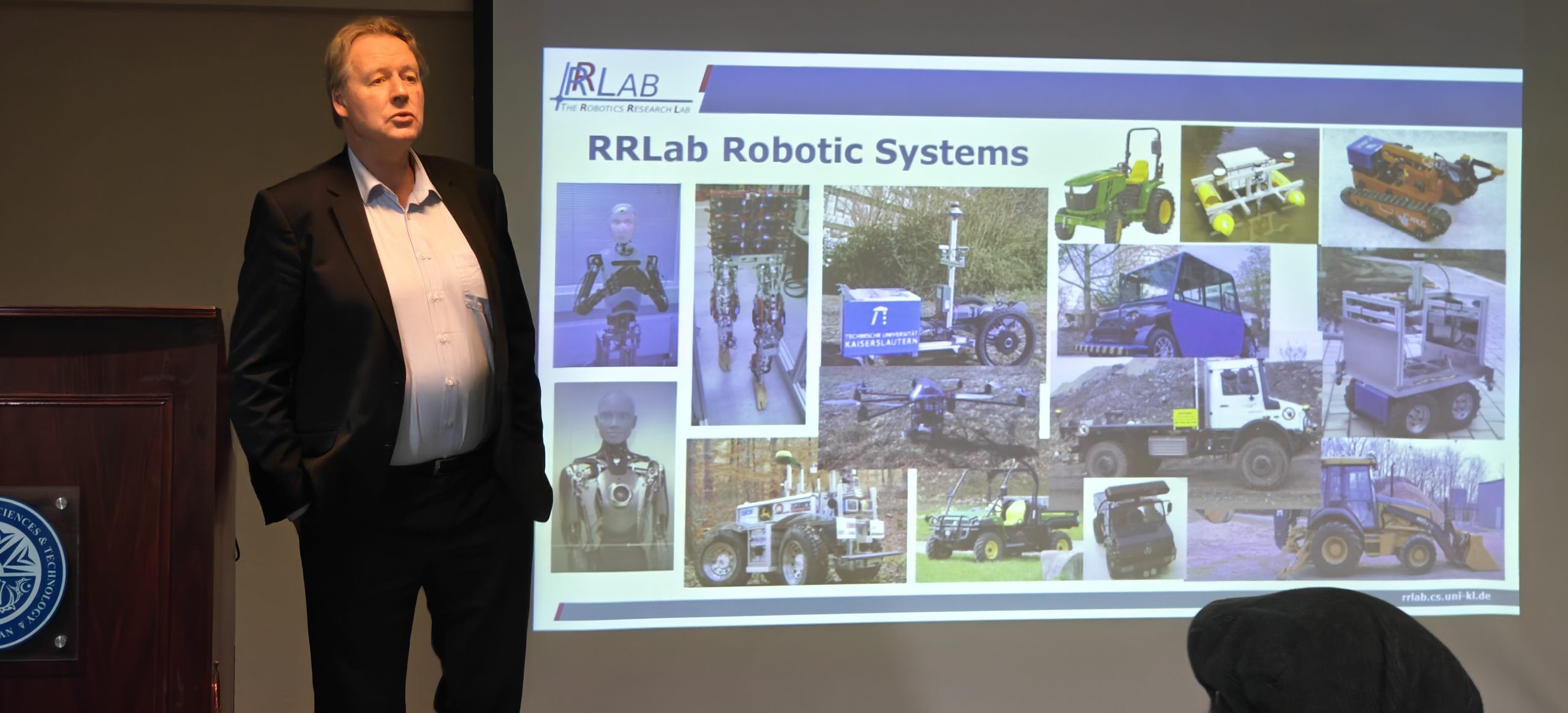
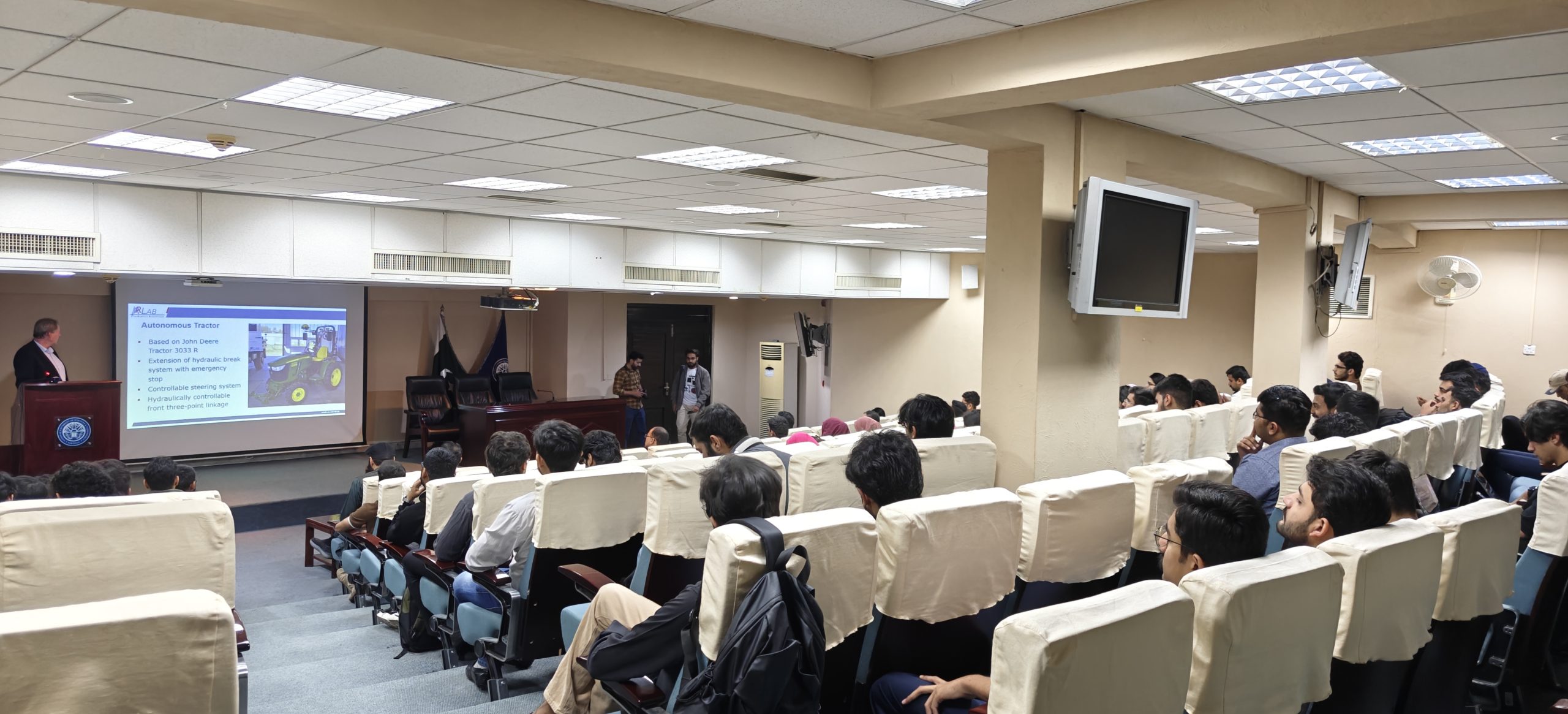
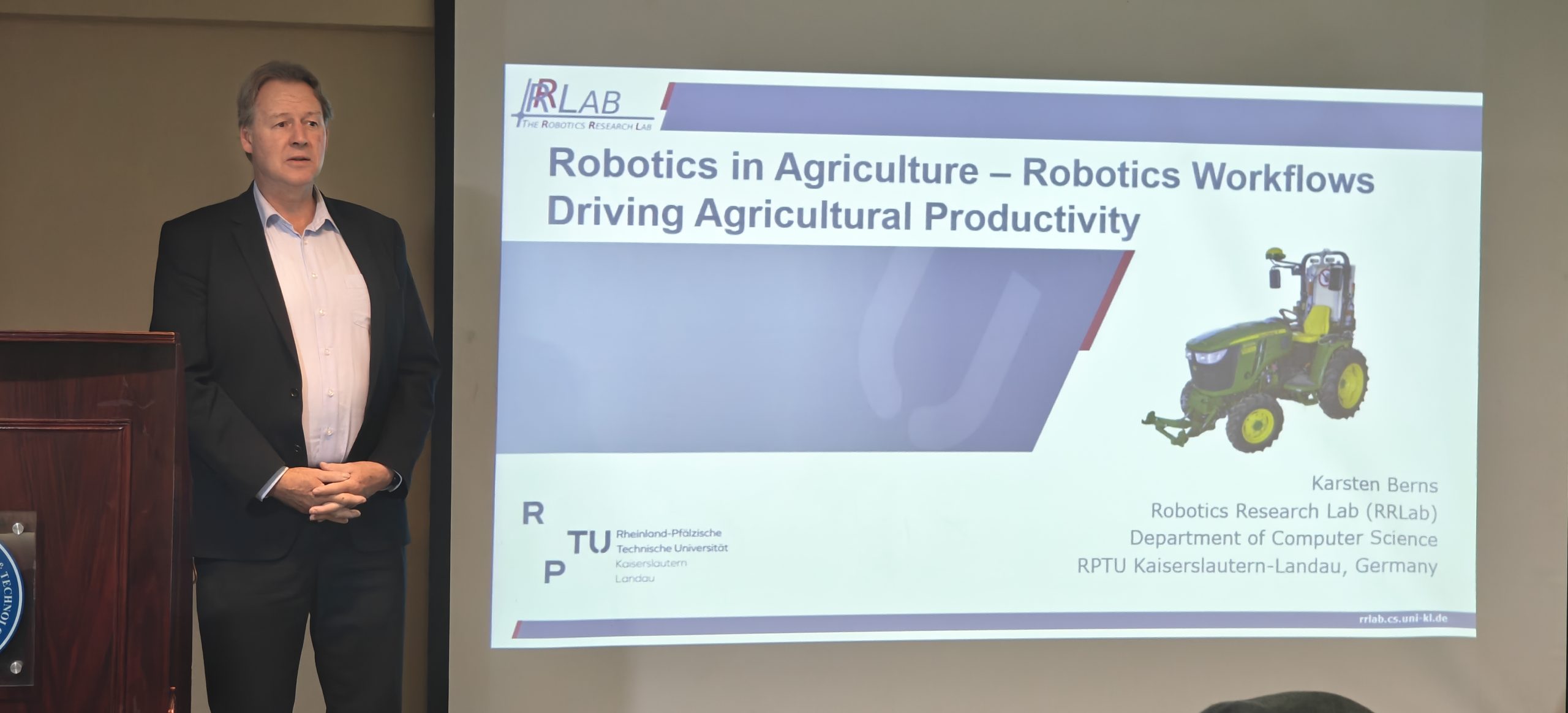
Karsten Berns
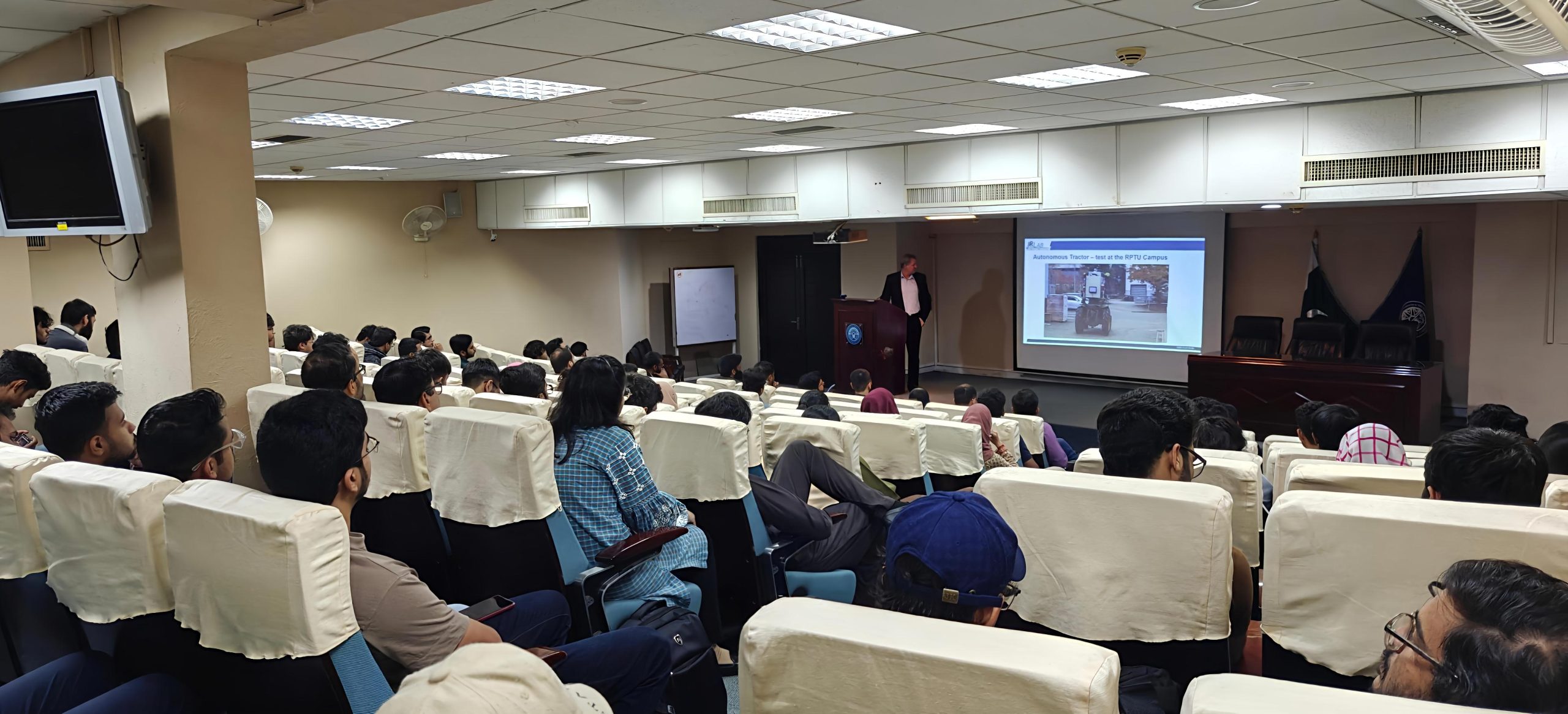
Prof. Dr. Karsten Berns RPTU, Germany
10:00 AM – 12:00 PM
Remote Sensing for Climate-Smart Farms
Sheraz Ahmed
Dr Muhammad Sheraz DFKI, Germany
12:00 PM – 01:00 PM
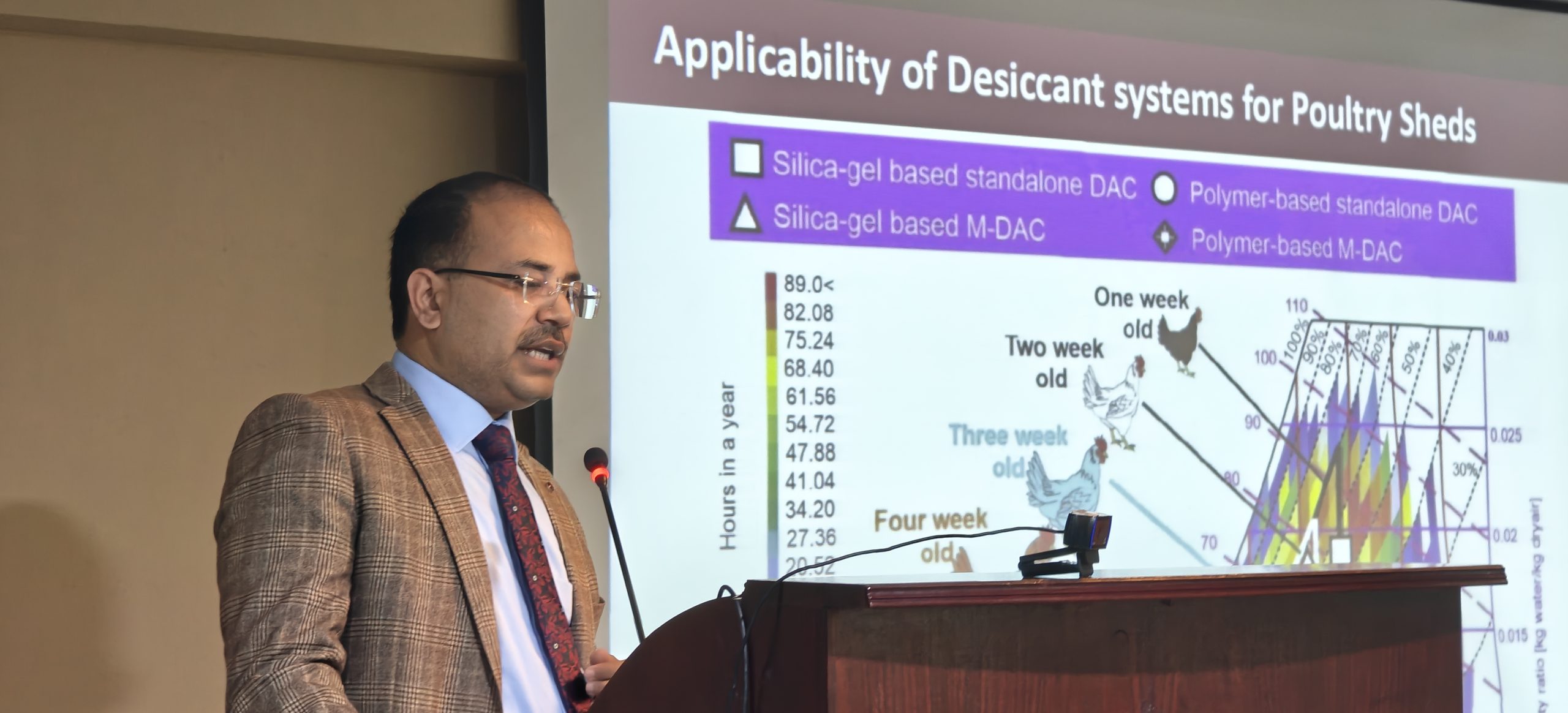
Smart Farm Mechanization
Muhammad Sultan
Dr. Muhammad Sultan BZU, Multan
☕ 01:00 PM – 01:30 PM — Refreshments & Break
02:00 PM – 03:00 PM
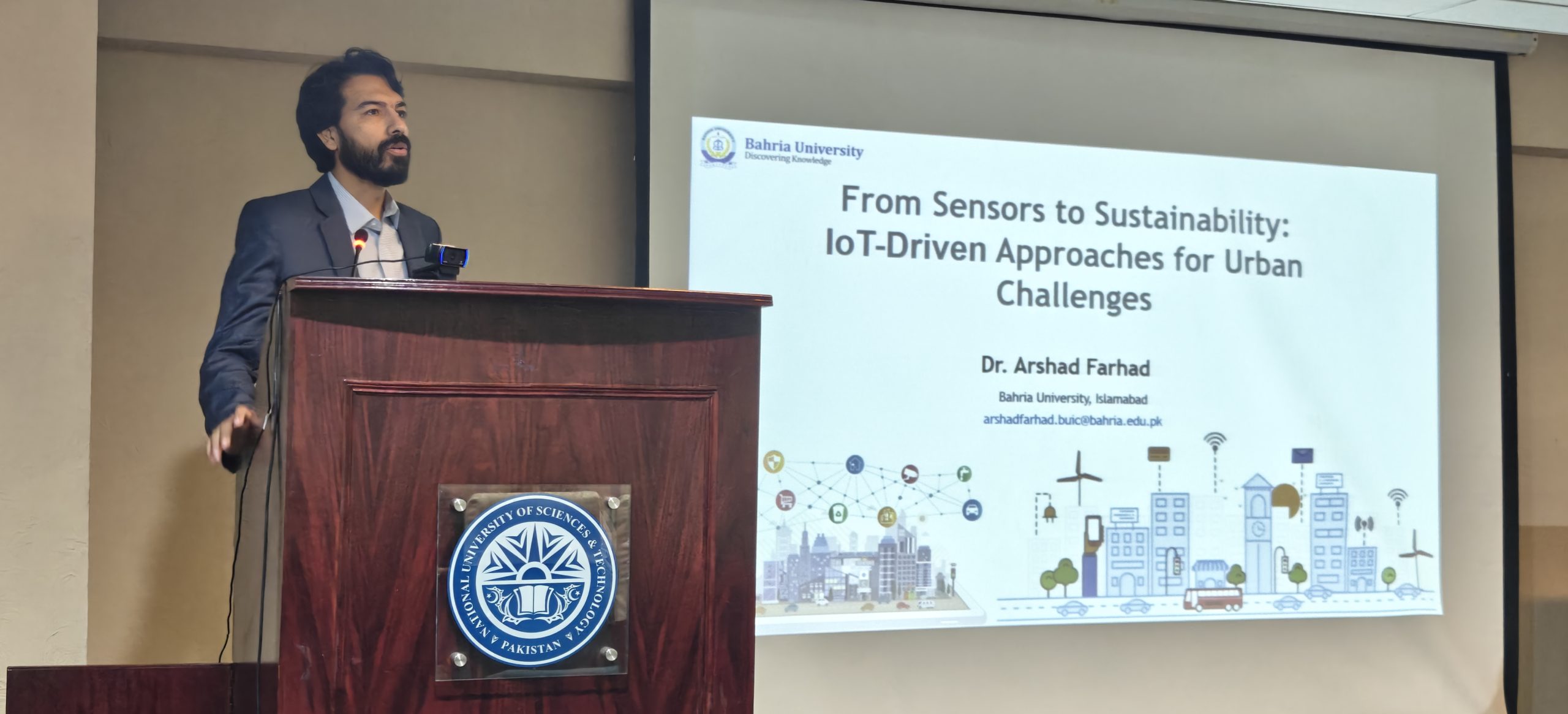
GeoAI for Informal Settlements: Cooling & Health
Khurram Ehsan
Dr. M. Khurram Ehsan Bahria University
03:00 PM – 04:00 PM
Climate Risk and Resilience Analytics
Zuhair Zafar
Dr Zuhair Zafar SEECS, NUST
04:00 PM – 05:00 PM
Climate & Water Sustainability
Quratulain Ahmed
Ms. Quratulain Ahmed Ministry of Climate Change

Organizers

moazam_fraz
Dr. Muhammad Moazam Fraz

Professor

dr naseer
Dr Muhammad Naseer Bajwa

Assistant Professor 

Partners

This activity is funded by the UK Government through the Project: APP47457, titled “Super-efficient Sustainable Cooling Solution for All Applications (S2Cool)” under the Ayrton Challenge Programme of the UK Research and Innovation (UKRI); however, the views expressed do not necessarily reflect the UK Government’s official policies. The Project: APP47457 is implemented/led by Northumbria University UK together with partners.

Testimonials

Dr. Sheraz’s session on remote sensing for crop stress was incredibly practical. I now see how we can use water proxies to reduce post-harvest losses significantly.

BA
Bilal Ahmed Agritech Specialist

The GeoAI for Informal Settlements talk by Dr. Khurram was an eye-opener. It perfectly mapped out how we can improve livability in dense areas through data.

SM
Sana Mir Urban Planner

Learning about smart farm mechanization from Dr. Sultan gave me a new perspective on energy efficiency. The S2Cool mission is exactly what the industry needs.

OK
Omar Khan Agricultural Engineer

Ms. Quratulain bridged the gap between policy and technical execution. The session on Climate & Water Sustainability was vital for our adaptation strategies.

AK
Ayesha Khan Policy Analyst

Dr. Zuhair’s analytics on heatwaves and floods provided the hard data we needed. This training equips you to make evidence-based infrastructure decisions.

FH
Fahad Hassan Infrastructure Consultant

Prof. Berns made GeoAI concepts so accessible. I can now apply cooling-demand mapping techniques directly to my thesis research on heat hotspots.

ZM
Zainab Malik GIS Researcher

Dr. Sheraz’s session on remote sensing for crop stress was incredibly practical. I now see how we can use water proxies to reduce post-harvest losses significantly.

BA
Bilal Ahmed Agritech Specialist

The GeoAI for Informal Settlements talk by Dr. Khurram was an eye-opener. It perfectly mapped out how we can improve livability in dense areas through data.

SM
Sana Mir Urban Planner

Learning about smart farm mechanization from Dr. Sultan gave me a new perspective on energy efficiency. The S2Cool mission is exactly what the industry needs.

OK
Omar Khan Agricultural Engineer

Event Pictures

Contact us

Location
SEECS NUST, H-12 Islamabad

Email
vision@seecs.edu.pk

Phone Number
(051) 8862162

Gemini_Generated_Image_uu6rquuu6rquuu6r

Personalized learning through GenAI

Do You Remember School?

Think back to your school days.

Did you ever sit in class and feel like the teacher was going too fast? Or maybe too slow?

Maybe you wanted to ask a question but felt too shy, worried that others might laugh.

Now imagine an education system that adjusts to you.

One that goes at your pace, focuses on your strengths, and helps with your struggles.

A system that explains things in your own language gives extra practice when you need it and never runs out of patience.

Sounds like a dream? It isn’t. Thanks to Generative AI (GenAI), this dream is becoming a reality.

What Exactly is Generative AI? 

Think of GenAI like a master chef. This chef has studied thousands of recipes. If you ask them for dinner, they won’t just copy an old dish. They will create something new, based on your taste and the ingredients you have.

Generative AI works in the same way, but with information instead of food. It can create explanations, examples, and practice exercises designed just for you.

Behind this are Large Language Models (LLMs), AI systems trained on enormous amounts of text. That is why they can “talk” with us in natural language, explain complex ideas simply, and even answer follow-up questions just like a real tutor.

Goodbye “One-Size-Fits-All.” Hello Personalized Learning.

For too long, education has been like a factory: one lesson, one style, for every student. But we all know that is not how real people learn.

Here is how GenAI is changing the game:

  • Learn at Your Own Speed: If you have mastered something, you move ahead. If you are stuck, the AI slows down, gives examples, and gently quizzes you until you understand.
  • Content That Fits You: Textbooks are fixed. AI lessons are flexible. They can be simplified, made more detailed, or even connected to your personal interests so learning feels engaging.
  • A Tutor That Never Sleeps: Got a question at midnight? Your AI tutor is ready, calm, and endlessly patient.
  • Deep Personalization with Topic Mapping: Every course is broken into topics and subtopics. If a lesson has prerequisites, the system looks back at how you performed in those earlier topics. If you struggled there, the AI adjusts the new lesson, fills the gaps, and makes sure you are ready before moving forward.
  • Understanding at Every Level: You will not just be tested on memorization. The AI checks your understanding at different levels, whether you can recall basics, apply knowledge, or solve real-world problems.
  • LLMs as Judges and Guides: The system uses AI not only to explain but also to evaluate. It can detect knowledge gaps, highlight weak areas, and then generate personalized exercises to help you improve step by step.

This means no more being left behind and no more being held back.

How the Ba-Ikhtiyar Jawan Project is Bringing it to Pakistan

Here in Pakistan, the Ba-Ikhtiyar Jawan Project is taking this technology and applying it to a real challenge: vocational training for our youth.

At present, NAVTTC and TEVTA are offering vocational courses of three months, six months, and one year. While this is useful, when we look at countries like India, the UK, and others, we find that their vocational systems are more advanced. They provide training in multiple levels with updated content that matches global industry standards.

Our project will bridge this gap. We will not only follow the structure of the three-month, six-month, and one-year programs, but we will also identify the advanced topics that are being taught internationally but missing in Pakistan. These missing areas will be suggested, explained, and integrated into the curriculum.

In addition, we will also highlight and strengthen important topics that are present in the curriculum but not given enough focus. This ensures that learners are not only keeping pace with the world but also gaining the in-depth understanding needed to compete globally.

Here is what we are doing differently:

  • A Smarter Curriculum: With GenAI, we have created a large library of practice questions and answers designed to test real understanding, not just memory.
  • Your Personal Learning Roadmap: The system figures out what a student already knows, checks how they performed on related topics, and then adjusts step by step so no gaps are left behind.
  • Multi-Level Assessments: Learners are tested at different depths of understanding, from simple recall to critical thinking, so the training builds strong, job-ready skills.
  • Multilingual Access: Not everyone learns best in English. That is why our platform works in both Urdu and English, so no one is left behind because of language.
  • Global Standards, Local Relevance: By integrating missing advanced topics and refocusing on overlooked but important areas, we are making sure Pakistani students are trained to meet global demands while still learning in a culturally relevant way.

This is not just about teaching. It is about building confidence, curiosity, and practical skills.

Why This Matters

The traditional classroom has played its role for decades, but it was never built to address the diverse needs of every learner especially in vocational education, where practical skills and individual guidance are critical. Too often, students are taught in a one-size-fits-all system, where some advance while many others are left behind, unable to keep pace or find relevance in what they learn. This not only limits their personal growth but also holds back Pakistan’s potential for innovation and progress.

Through digitalization and the power of personalized learning, we have the opportunity to change this. By integrating AI tutors and adaptive platforms into vocational education, we can create learning experiences that adjust to each student’s strengths, support their weaknesses, and match the pace at which they learn best. Every learner whether in a major city, a small town, or a rural village can gain access to high-quality, tailored training that equips them with the skills demanded by today’s world.

For Pakistan, this transformation is vital. Millions of young people aspire to secure meaningful jobs, build careers, and contribute to the economy, yet they lack the consistent, skill-focused education needed to get there. By digitalizing vocational learning, we can bridge this gap providing not just knowledge, but confidence, employability, and opportunity.

This is not about replacing teachers or trainers. It is about empowering them with tools that reduce repetitive work, enhance their reach, and allow them to focus on mentoring and guiding learners in ways technology cannot. Together, personalized digital education and dedicated educators can unlock the potential of every young person, ensuring that no one slips through the cracks and that Pakistan’s workforce is ready for the future.

The Future is Here

The future of learning is not about replacing teachers. It is about empowering them with the tools and support they need to reach every student effectively. No matter how skilled or dedicated a teacher may be, the limitations of time and resources make it difficult to give each learner the individualized attention they deserve. This is where technology and innovation can step in as powerful allies, extending the reach of educators and ensuring no student is left behind. Through the Ba-Ikhtiyar Jawan Project, we are proving that this vision of education is not reserved for wealthy nations or elite schools; it is possible here in Pakistan, for every student, whether they live in a bustling city, a small town, or a remote village. By making education adaptive and personalized, we do more than transfer knowledge; we give students the chance to grow in confidence, discover their potential, and build the skills they need for a brighter tomorrow. Most importantly, this approach is not limited to one field; it can be extended across all domains of vocational education, from technical trades to digital skills, ensuring that learners in every sector are equipped to succeed. When learning truly adapts to the learner, education becomes a pathway to opportunity, empowerment, and lasting change for individuals and communities alike.


Gemini_Generated_Image_ie4lz9ie4lz9ie4l

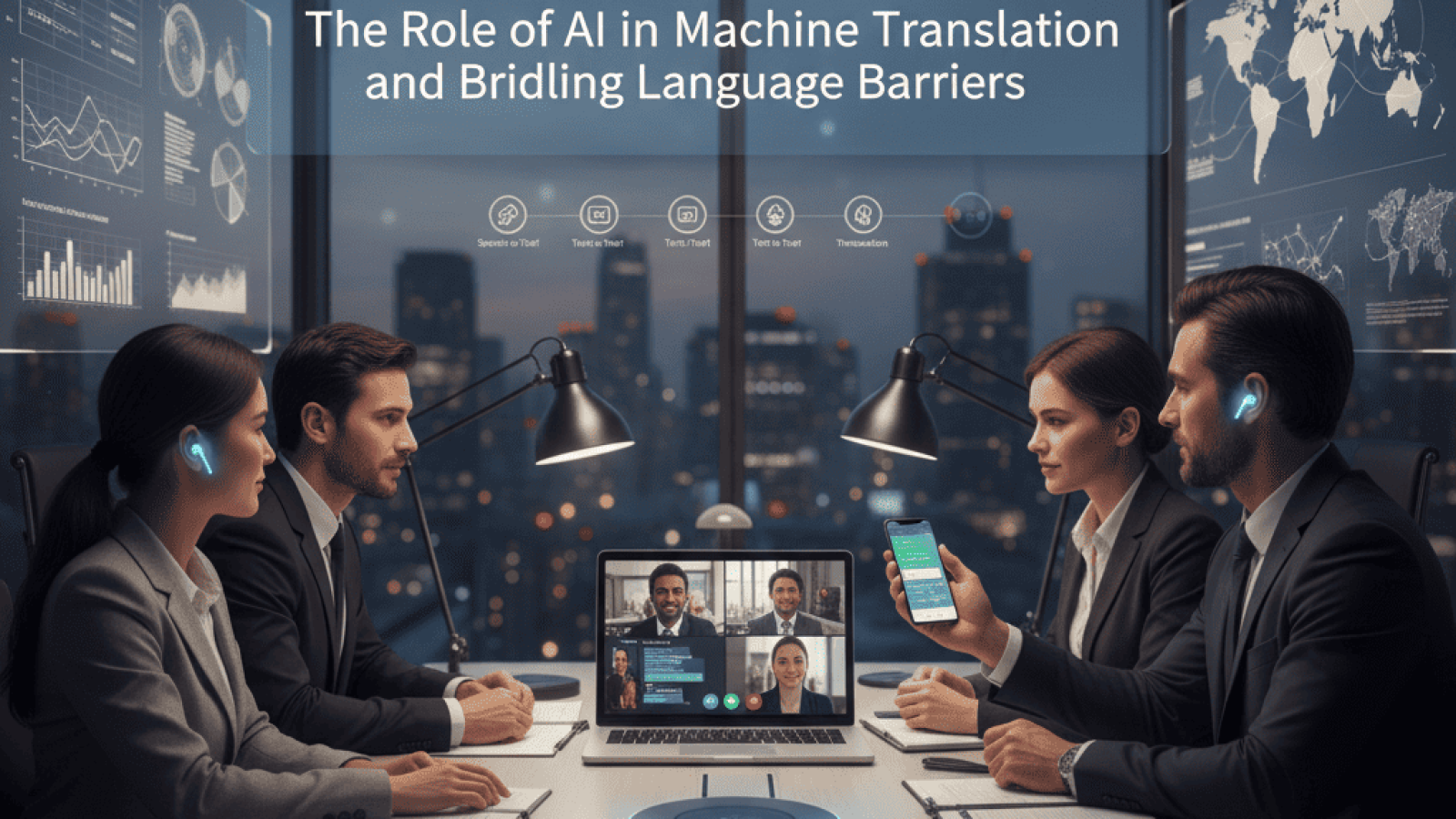
The Role of AI in Machine Translation and Bridging Language Barriers

Have you ever tried to read a manual or a guide but could not find one in your own language? There are a lot of books and educational resources in the world but a lot of them are written in languages that we cannot understand. That is where Artificial Intelligence (AI) comes in to make life easier.

What is Machine Translation?

Machine translation simply means using computers (or AI) to automatically convert text from one language to another. Think of tools like Google Translate—you type in a sentence in English, and instantly, you can see it in Urdu, Spanish, or any other language. AI does this by recognizing patterns in language and learning from huge amounts of text.
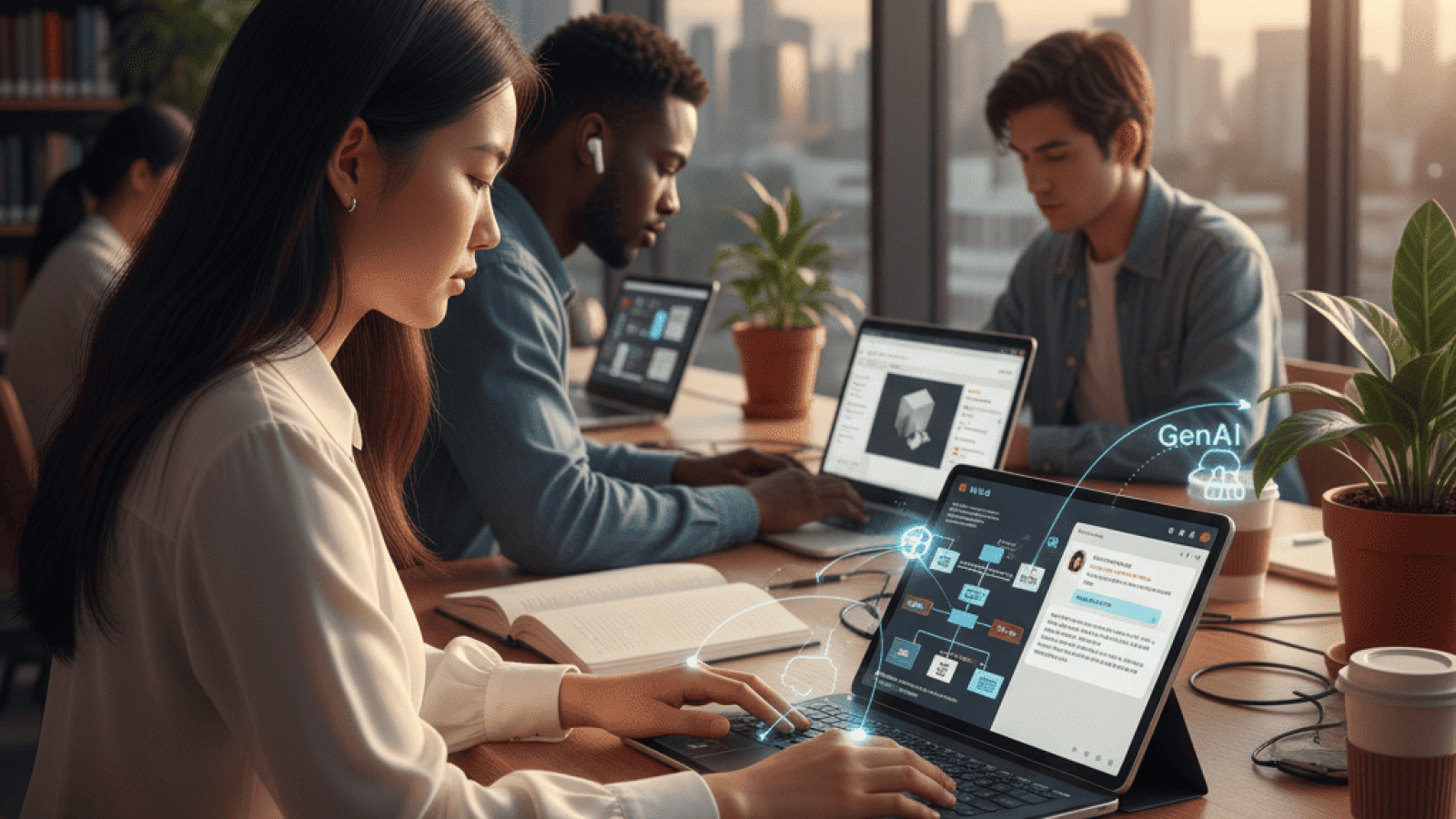
How AI Bridges Language Barriers

Translating one language into another is not an easy task. Unless you are fluent in both languages, you are unable to translate the context of a sentence from one language to another. In the past, many translation software were made to try to solve this problem, but they often gave broken translations or could not translate the context, i.e. what the sentence is about. But today, thanks to AI-powered models, translations are much more natural. This helps people from different countries and backgrounds share knowledge without needing to be fluent in another language.

For example:

  • A Japanese research paper can be read in English.
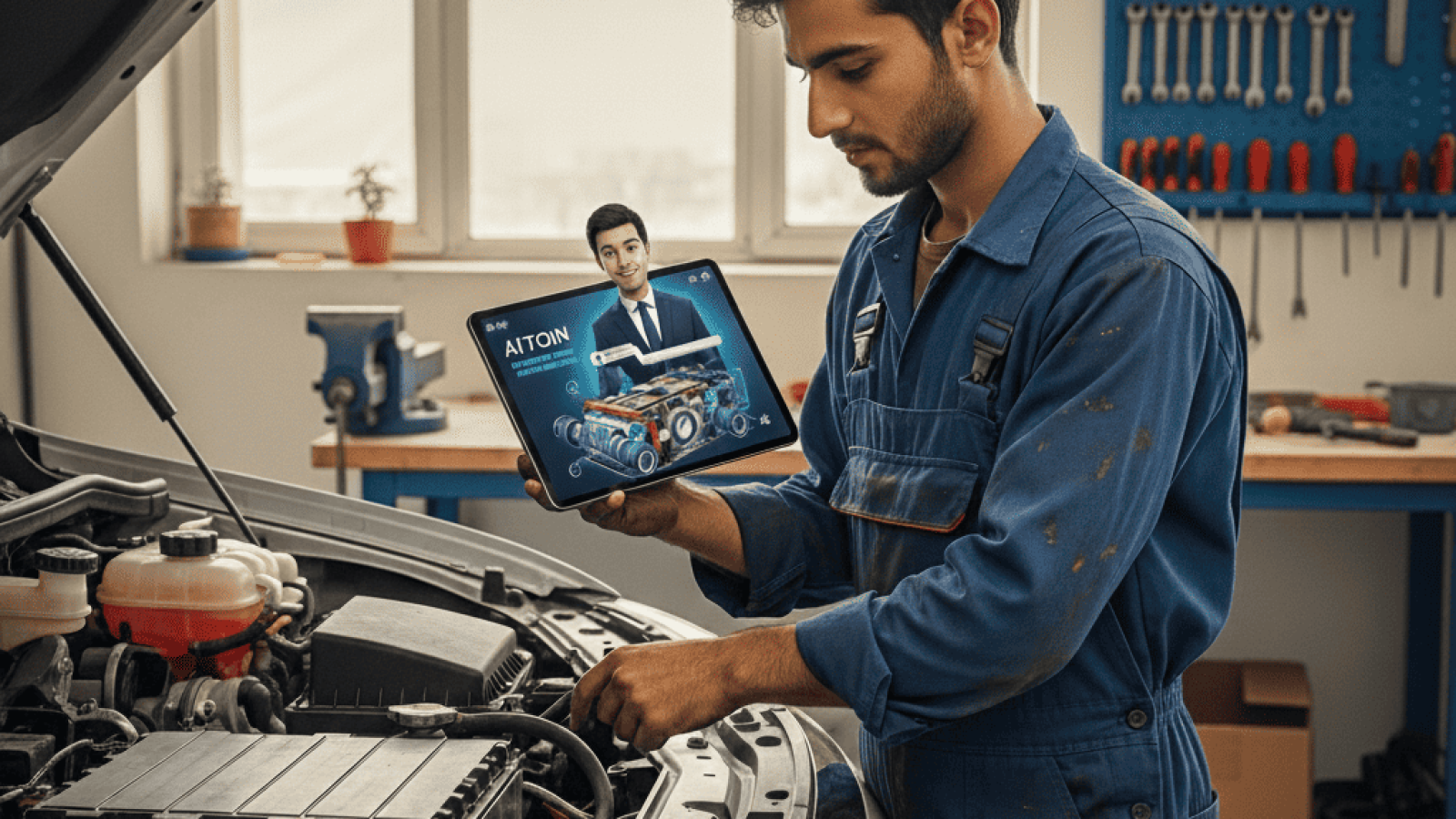
  • A mechanic in Brazil can understand a manual originally written in German.
  • Students can learn from global resources, no matter the language.

Why This Matters for Auto Electricians

Countries like Germany and Japan are famous for their educational advancements in automative technology and research. They have the most powerful and well-known companies regarding automotive vehicles like Volkswagen, BMW, Honda, Toyota, etc. One of the major problems of studying from their books is language. Almost all the major auto electrician books are written in their own languages and students who understand only English and Urdu cannot understand them. This creates a barrier to learning and growth.

This is where the Ba-Ikhtiyar Jawan Project comes in. It uses Artificial Intelligence (AI) to help students understand concepts from those non-understandable books and give translations to those that require it. It is a tool that can bridge the gap between the auto electrician students of Pakistan and the rest of the world.

The Bigger Picture

AI in machine translation is not just about convenience, it is about breaking down barriers. It allows knowledge to reach throughout the world, regardless of where someone is from or what language they speak. For auto electricians, this means better skills, better job opportunities, and ultimately, better services for their communities.

Gemini_Generated_Image_7k6gzn7k6gzn7k6g

The future of Learning with AI Tutors

Rethinking Education

Education has always been about unlocking human potential. Yet for decades, classrooms have followed the same “one-size-fits-all” model: one teacher, one lesson, one pace  for students with very different abilities and needs.

Perhaps you were the student who learned quickly but felt held back. Or maybe you needed extra time but the class had already moved on. In both cases, the rigid classroom left learners frustrated.

Now imagine a system that adjusts to you. Moving at your pace, giving explanations in your own style, and offering practice exactly when you need it. Thanks to Artificial Intelligence (AI), this is becoming reality.

The Rise of AI Tutors

AI tutors, powered by Generative AI (GenAI) and Large Language Models (LLMs), provide the kind of one-on-one support usually reserved for private tutoring. They can answer questions, simplify complex topics, and adapt lessons in real time.

What makes AI Tutors powerful?

  • 24/7 availability: Learning anytime, anywhere.
  • Endless patience: No limit on questions or repetition.
  • Adaptive pathways: Filling knowledge gaps before moving forward.
  • Personal relevance: Content shaped to interests, goals, and even preferred language.

In short, an AI tutor is like a personal coach in your pocket that is always ready to guide and encourage.

Teachers and AI: Partners, Not Rivals

AI will not replace teachers. Instead, it handles repetitive tasks such as grading, generating practice exercises, re-explaining concepts while teachers focus on mentorship, motivation, and critical thinking.

  • A teacher with 40 students can rarely give each one daily attention.
  • An AI tutor fills that gap in the background.
  • Together, they ensure no learner is left behind.

This partnership makes classrooms more engaging and effective.

Why This Matters for Pakistan

With 65% of its population under 30, Pakistan stands at a turning point. This youth bulge can be a huge strength but only if young people gain skills that match global standards.

The challenges are clear:

  • High dropout rates before secondary school.
  • Vocational training that lags behind international benchmarks.
  • Too few skilled teachers and resources.

AI tutors can bridge these gaps. Whether in Karachi, Khyber Pakhtunkhwa, or a remote village in Balochistan, learners can access the same quality of education in both Urdu and English.

The Ba-Ikhtiyar Jawan Project’s Role

The Ba-Ikhtiyar Jawan Project is putting this vision into action by applying AI tutors in vocational education.

Here’s how:

  • Adaptive curriculum: Updated to match global standards.
  • Skill mapping: Personalized practice to close gaps.
  • Multilingual learning: Urdu and English support.
  • Industry relevance: Courses aligned with new technologies like hybrid and electric vehicles.
  • Confidence building: Encouraging persistence and curiosity.

This isn’t just academic reform. It equips youth with employable skills, boosts confidence, and strengthens Pakistan’s economy.

A Glimpse of the Future

Picture a student in Multan practicing graphic design late at night, guided by an AI tutor that patiently explains concepts, suggests improvements, and offers feedback until the learner feels confident. At the same time, imagine a trainee in Gilgit working on electric vehicle repair, receiving clear, step-by-step instructions in Urdu, tailored to their pace and level of understanding. In both cases, the AI tutor does not replace the teacher; instead, it acts as an ever-available companion that reinforces classroom learning, fills gaps, and provides encouragement when challenges arise. By ensuring no learner feels stuck or left behind, this partnership between human care and technological support creates a learning environment that is flexible, inclusive, and empowering pointing toward a future of education where every student, regardless of location or background, can access guidance and opportunities to reach their full potential.

A Pathway to Opportunity

The impact extends beyond classrooms:

  • Students: Personalized learning builds confidence and ambition.
  • Teachers: More time for meaningful guidance.
  • Nation: A skilled, future-ready workforce to compete globally.

When education adapts to each learner, it becomes a pathway to empowerment and opportunity.

Conclusion: The Future is Now

The future of learning with AI tutors is already here. For Pakistan, this is not just about keeping up, it’s about leading.

Through the Ba-Ikhtiyar Jawan Project, personalized education is becoming a reality for every learner, whether in a city, a small town, or a remote village. With teachers and AI working together, education can truly unlock the potential of Pakistan’s youth.

The tools are ready. The vision is clear. The question is: are we ready to embrace it?

Gemini_Generated_Image_bjrrhcbjrrhcbjrr (2)

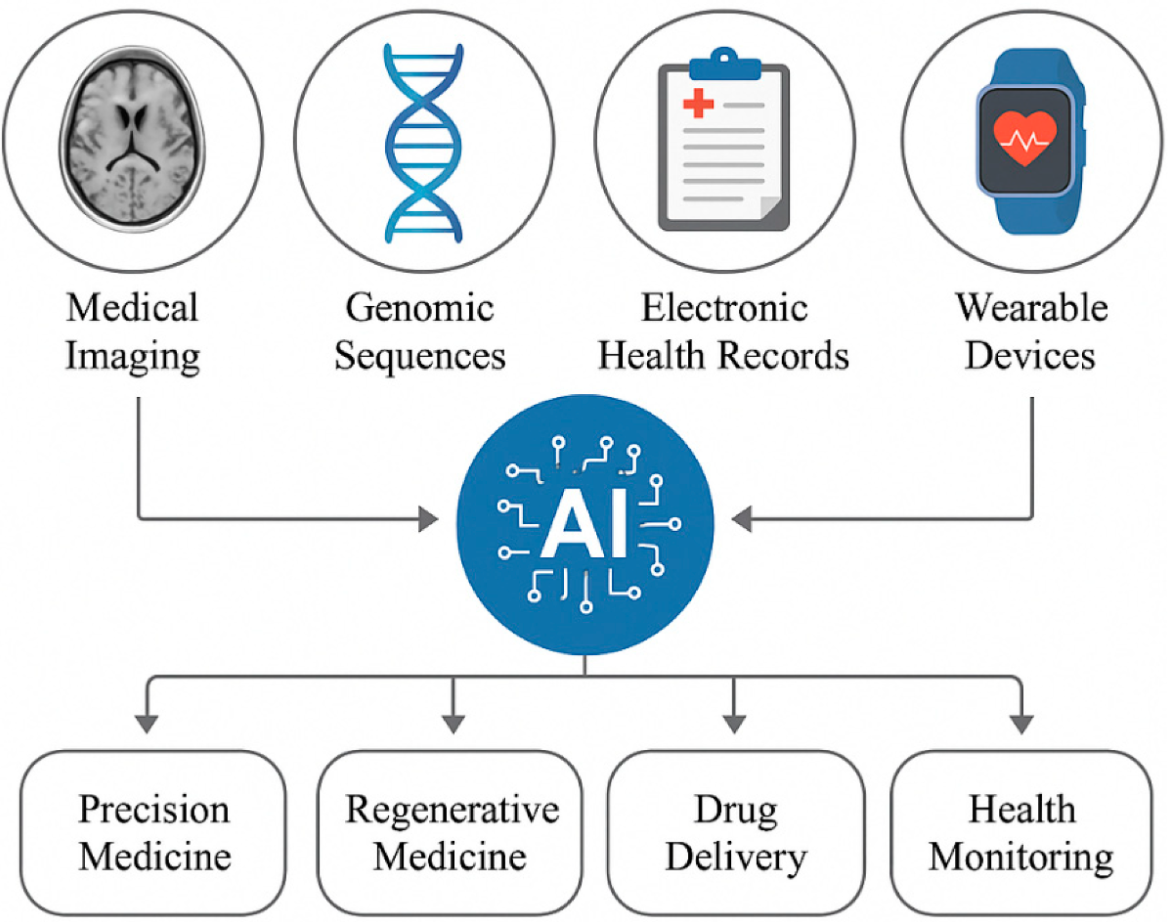
What Generative AI is and why does it matter

As students, we often find ourselves rushing to write emails to professors, preparing reports, or completing assignments. Let’s be honest—it can feel boring and time-consuming. But now, tools like ChatGPT, Gemini, and DeepSeek are transforming this experience.

Just a few years ago, artificial intelligence felt like something out of science fiction—exciting to hear about, but distant from our daily lives. Today, that is no longer the case. ChatGPT, for example, has become almost like a companion—someone we can talk to, share ideas with, and seek help from whenever we need. It listens, suggests creative solutions, and even supports our studies in new ways. Learning suddenly feels easier, more engaging, and far more interactive.

Among the many terms that frequently appear in discussions about artificial intelligence, one of the most popular is Generative AI, often shortened to GenAI. While it may sound new, the truth is that most of us are already using it without realizing it. ChatGPT, Gemini, DeepSeek, and similar platforms are all examples of GenAI tools. Unlike traditional AI, which was mainly limited to simple tasks such as predicting outcomes or classifying data, Generative AI goes further. It can come up with fresh ideas, generate images, flowcharts, and diagrams, understand complex problems in depth, and provide responses even to situations it has never directly encountered before.

This ability to create, rather than just recognize, is what makes Generative AI so powerful. It is already being applied in creative fields such as art, music, and storytelling, but perhaps its most meaningful impact is being felt in education. For students, Generative AI acts like a personal tutor that is available at all times. It allows them to ask questions in text, audio, or images, break down complicated topics into simpler explanations, visualize ideas through diagrams, and receive personalized learning recommendations. This is not simply about making studies easier—it is about making education more accessible, engaging, and effective for learners of all kinds.

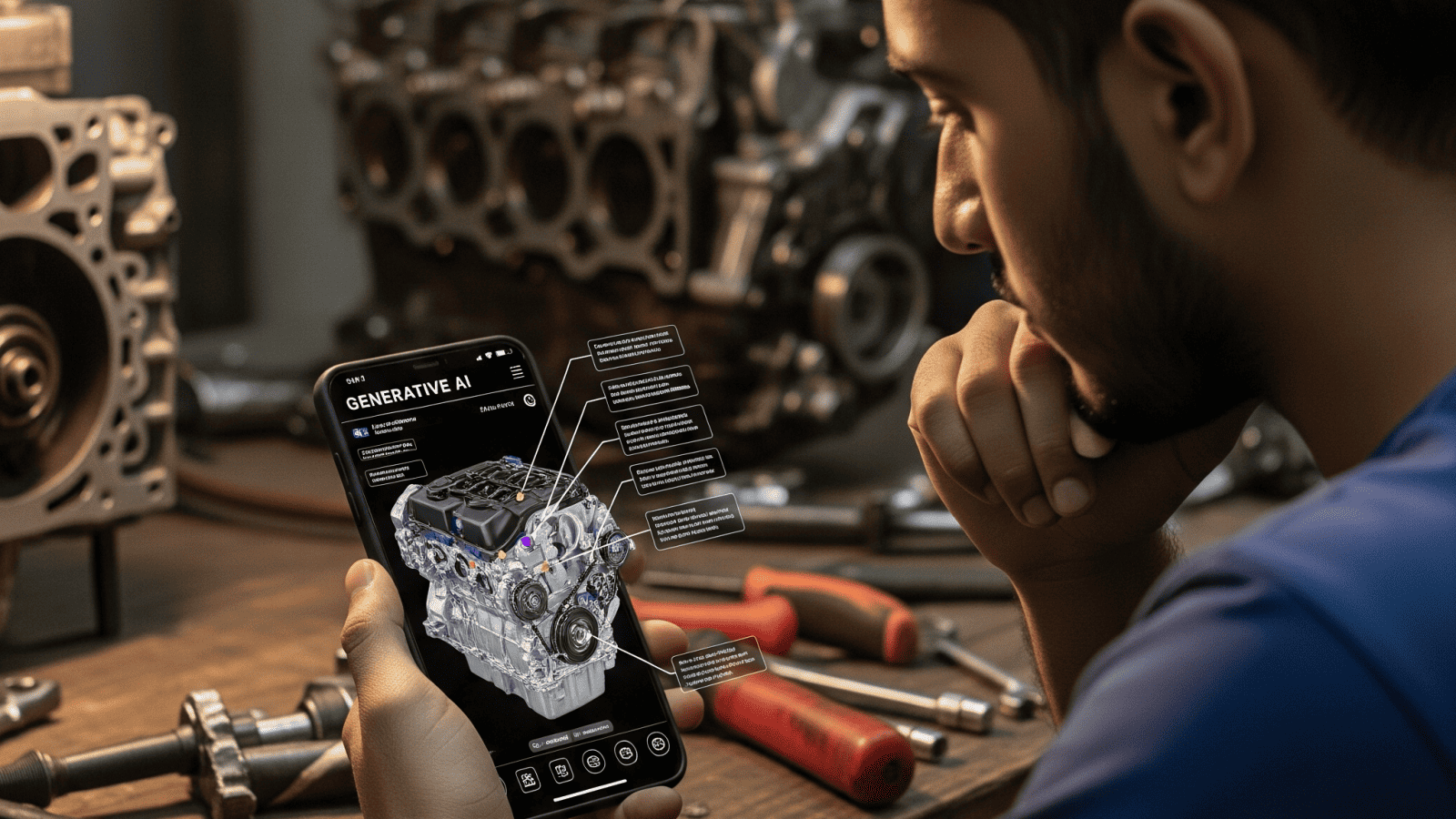
The Ba-Iktiyar Jawan Project is working to bring the benefits of Generative AI to learners across Pakistan. Its vision is to ensure that this powerful technology is not limited to those with expensive devices or costly training opportunities. As part of this initiative, a platform is being developed that functions much like ChatGPT, but is specifically designed for vocational learners—beginning with auto-electricians. This system will allow trainees to ask questions in Urdu and receive clear, step-by-step answers. It will offer personalized guidance tailored to each learner’s progress, while also supporting voice and image inputs for practical tasks such as interpreting wiring diagrams. Most importantly, it is being built to work smoothly even on low-end Android devices with limited internet connectivity.

In essence, this means that becoming a skilled auto-electrician will no longer require an expensive smartphone or access to costly courses. Instead, Generative AI will place knowledge, guidance, and personalized learning directly into the pockets of young people across the country, empowering them to build better futures with the tools they already have.

25

Real Time Face Detection & Privacy Preservation

Real Time Face Detection & Privacy Preservation

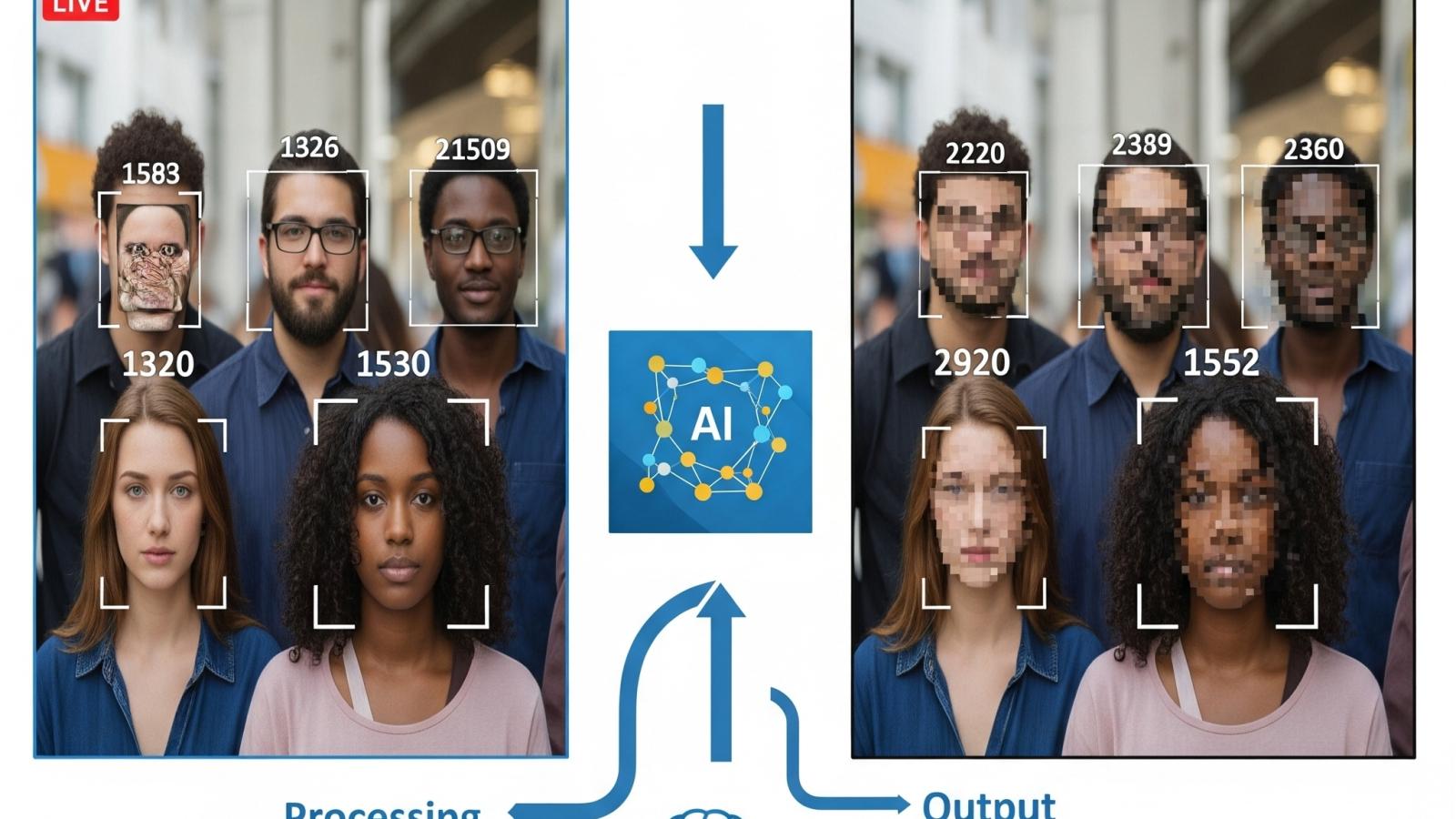
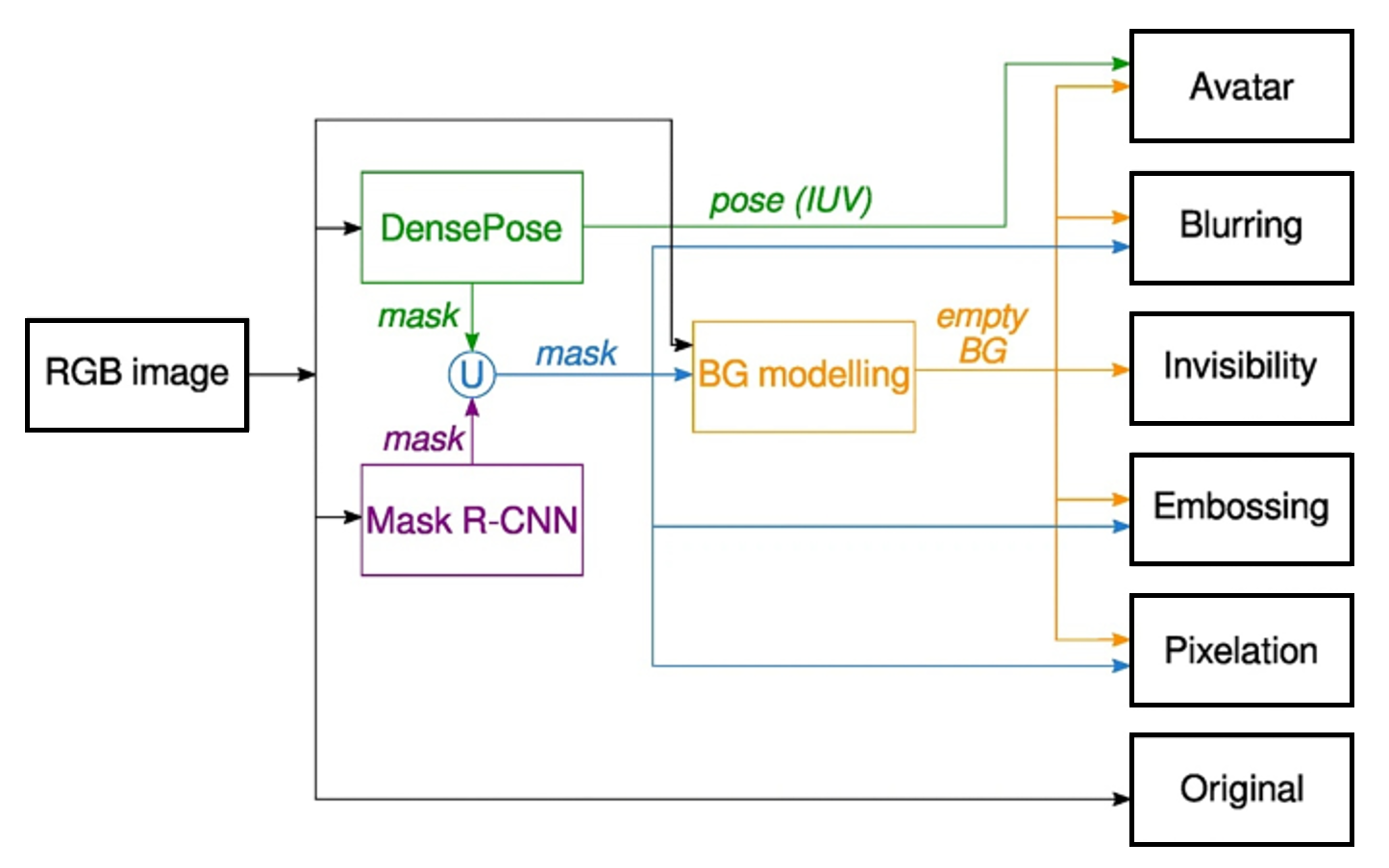
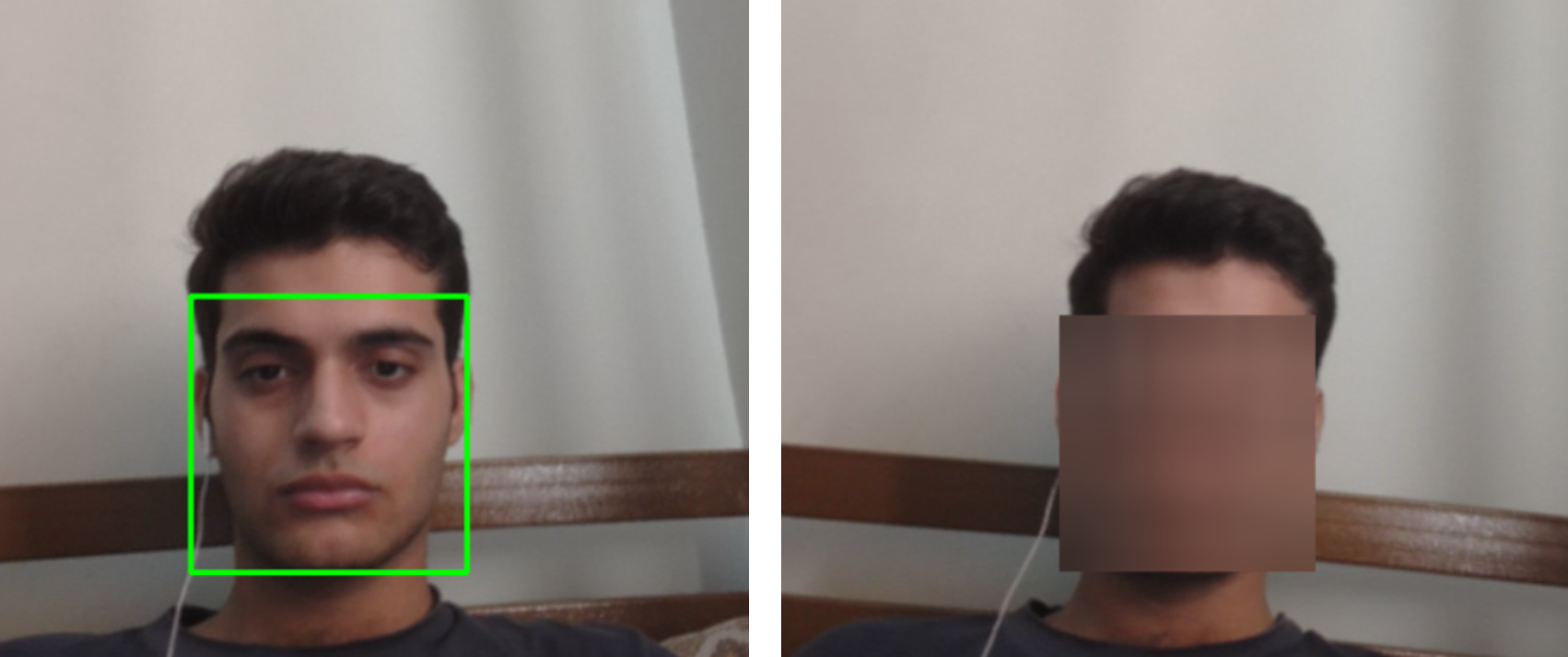
If you are walking through a crowded plaza, and your face, along with others, always remains anonymous, yet the video footage remains insightful, wouldn’t that be amazing? That’s the power of Real Time Face Detection & Privacy Preservation. Such a system understands when a face appears in front of the camera and automatically applies a blur to that region. Rather than pulling into manual edits frame by frame or risking privacy during surveillance, the approach intelligently balances the need to keep sensitive personal data safe while still preserving the situational awareness that video footage offers. Whether it is surveillance, public displays, or research footage, the system serves as a powerful tool for maintaining anonymity in an increasingly monitored world.

The project uses high-performance computer vision: OpenCV handles video capture and processing, while Mediapipe provides lightweight, real-time face detection. Each video frame is scanned for faces using Mediapipe’s optimized detection models. Once a face is detected, the region is isolated and blurred using OpenCV, usually through a Gaussian or pixelation filter. The system then fuses the blurred region back into the frame, producing a final output that’s safe for sharing, storage, or analysis. Because it works efficiently, the entire process runs in real time on standard hardware, achieving smooth blurring at video frame rates. Due to this, hands-free, immediate, and consistent privacy protection becomes an automated reflex rather than a manual chore.

This work is a commitment to ethical, humanitarian design. In many contexts (public transit, classrooms, protests, sensitive research environments) the automatic blurring of faces protects identities without compromising utility. It empowers content creators, researchers, and platforms to collect video data responsibly, without exposing individuals to misuse or privacy violations. The technology can integrate with live-streaming, archives, or CCTV systems with minimal friction. It’s not just about blurring faces, it’s about giving people assurance that their presence remains respectful of their privacy, while still enabling analysis, monitoring, or commentary. It’s a step toward a more thoughtful future in digital vision applications.

Faculty

Students

  • Abdullah Usama
  • Usama Athar
Gemini_Generated_Image_g3b9syg3b9syg3b9

An Expert-Guided Multimodal AI Ecosystem for Diagnostic Intelligence

An Expert-Guided Multimodal AI Ecosystem for Diagnostic Intelligence

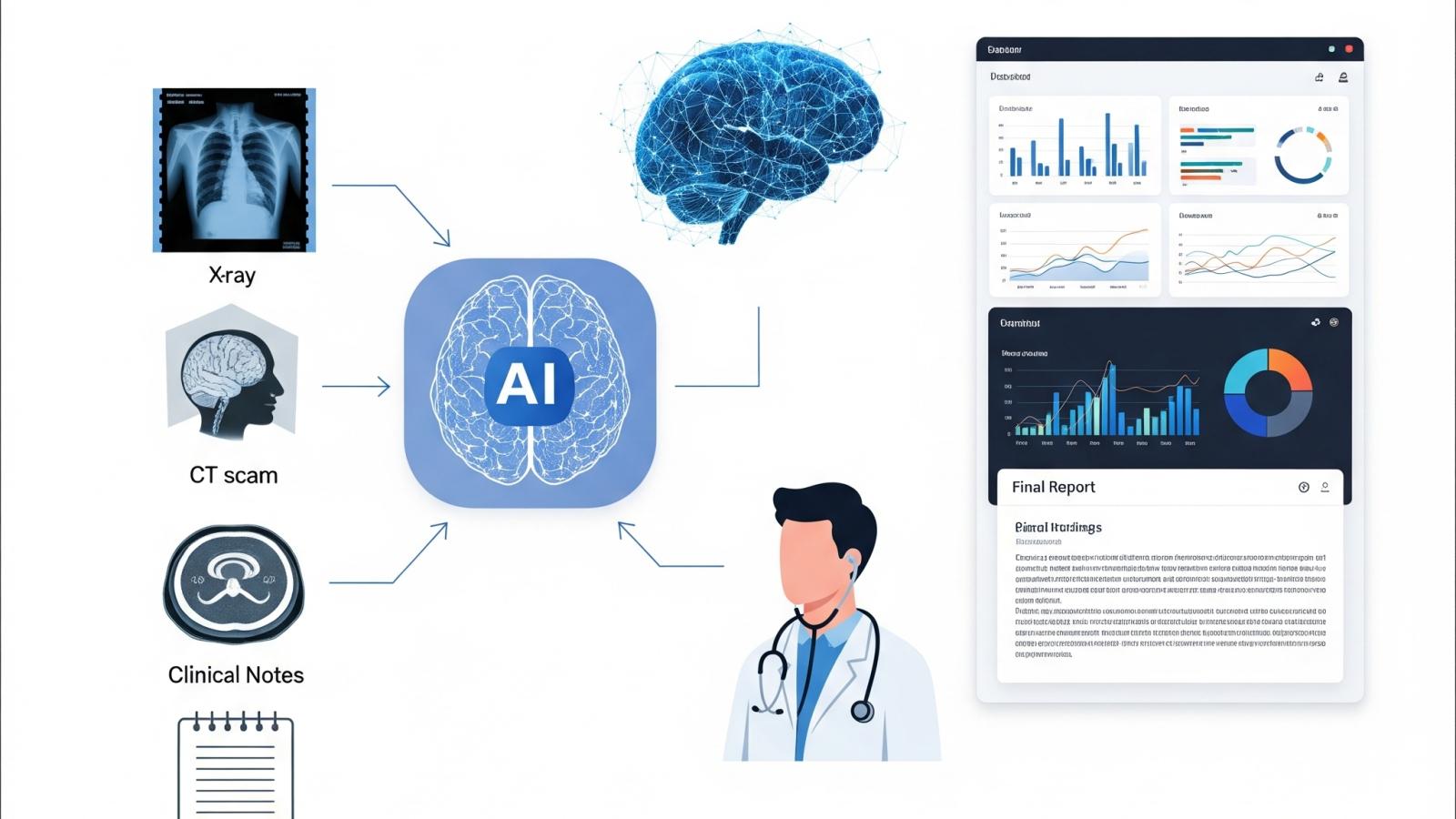
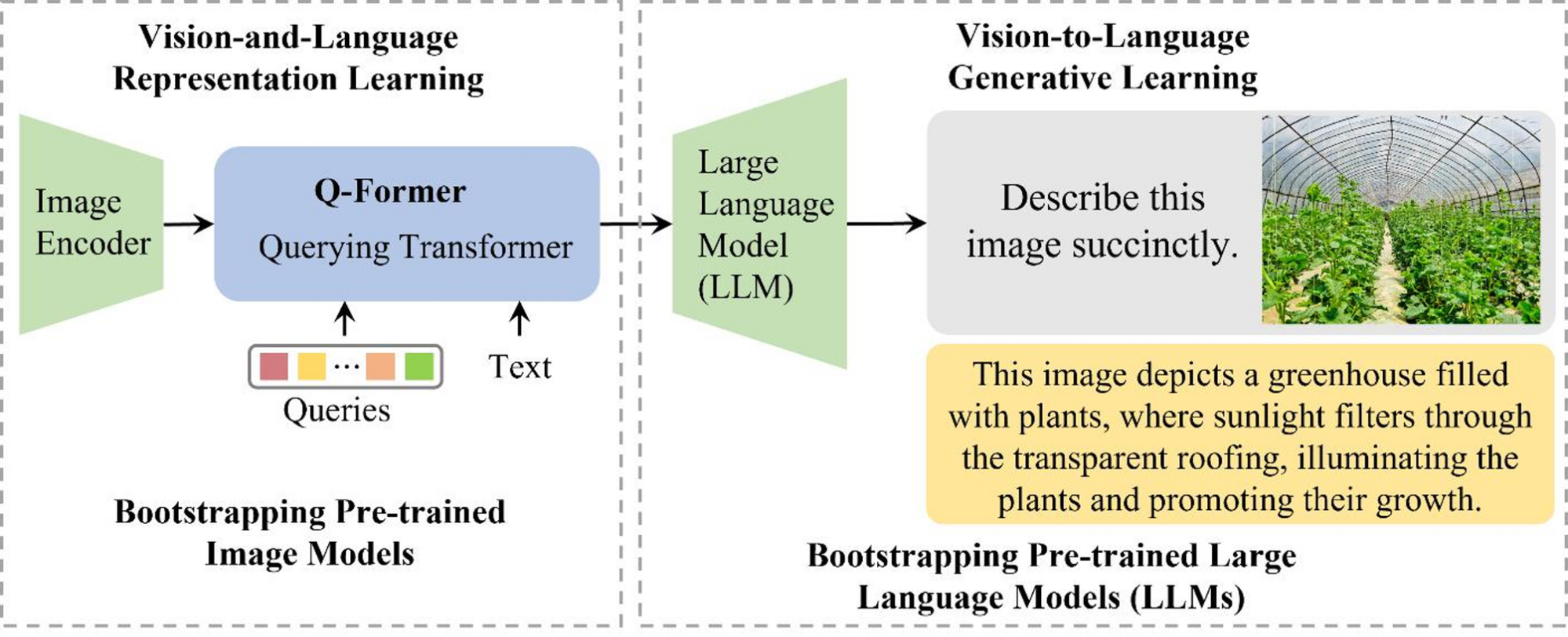
An Expert-Guided Multimodal AI Ecosystem for Diagnostic Intelligence is designed to tackle one of the most persistent challenges in modern radiology: the lack of fully integrated, adaptable, and interpretable AI systems for medical imaging. While deep learning models for tumor segmentation and natural language processing tools for report generation exist, they are often static, siloed, and difficult to translate into clinical workflows. This project aims to unify these pieces into a seamless pipeline that not only segments multi-modal MRI scans but also generates expert-level diagnostic reports, guided by continual learning and explainability. By creating an end-to-end ecosystem, the work bridges the gap between research prototypes and tools that radiologists can actually use in practice.

At the technical core of the project is the Mixture of Modality Experts (MoME+) segmentation model, enhanced with continual learning strategies such as Elastic Weight Consolidation and Replay Memory. This allows the system to adapt as new datasets or imaging modalities are introduced, avoiding the common pitfall of catastrophic forgetting. Segmentation outputs are then passed into a domain-adapted large language model (LLM) trained on synthetic and expert-reviewed clinical data. The LLM interprets tumor masks, extracts structured findings, and generates human-readable diagnostic reports. To ensure transparency, explainability methods like Grad-CAM overlays are integrated, allowing clinicians to see exactly where and how the model focused during segmentation.

The ecosystem is delivered through a modular, web-based platform built with a modern backend (Django, Flask, PostgreSQL) and a responsive frontend (React, Tailwind). Clinicians can upload MRI scans, visualize segmentation outputs, and instantly receive a draft diagnostic report, all within a secure and user-friendly interface. Deployed on cloud infrastructure and optimized for real-time inference, the system is designed to scale for use in hospitals, telemedicine services, and research institutions. The project contributes scientifically by advancing continual learning in medical imaging and by demonstrating how multimodal AI can be packaged into an interpretable, end-to-end diagnostic tool. In the long run, it offers a pathway toward more accessible, efficient, and intelligent radiology support systems that can reduce workload pressures while improving diagnostic consistency.

Faculty

Students

  • Ahmed Sultan
  • Farhan Kashif
Gemini_Generated_Image_397o8n397o8n397o

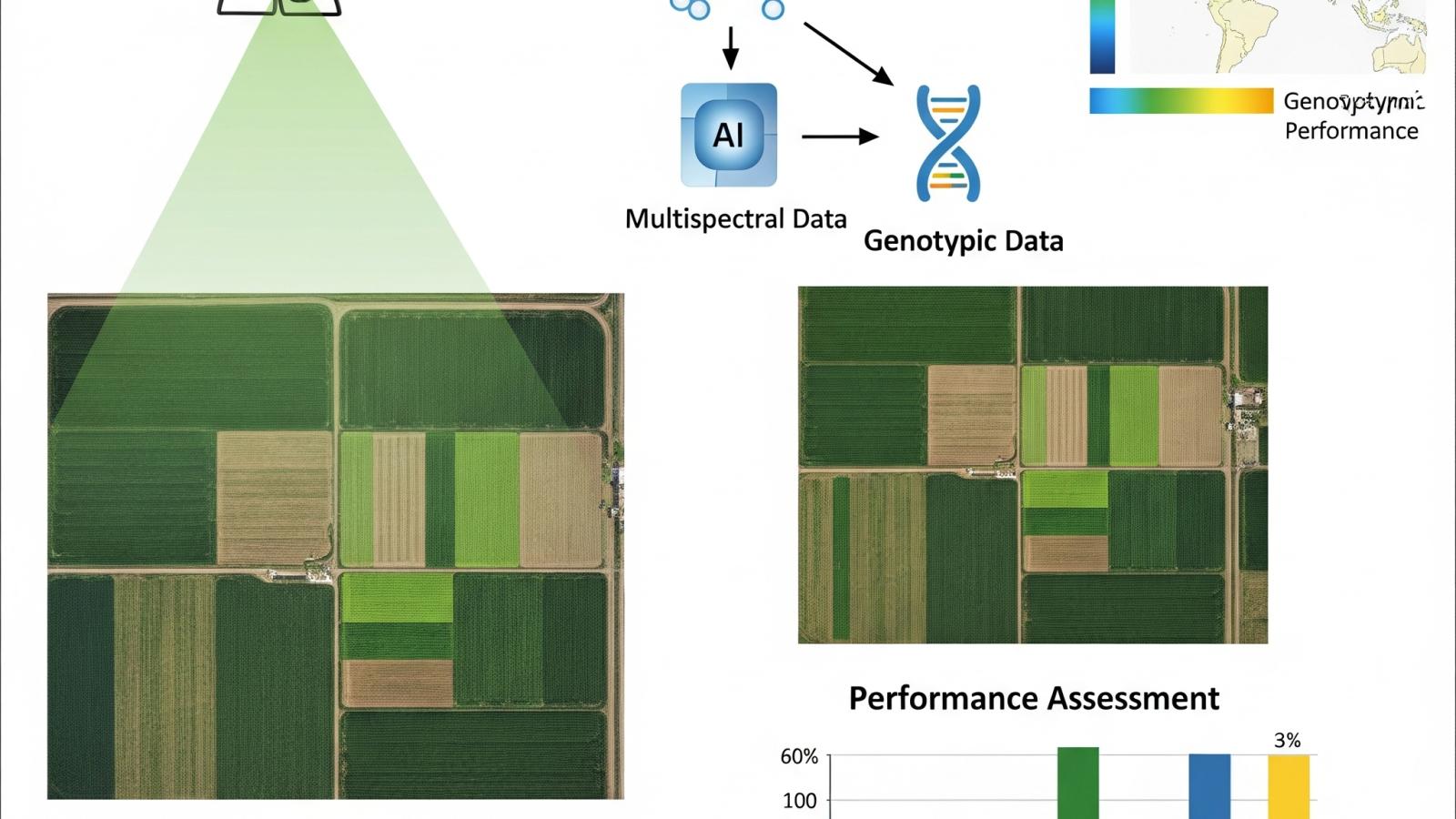
Analyzing UAV-Based Multispectral Data for Genotypic-Aware Crop Performance Assessment

Analyzing UAV-Based Multispectral Data for Genotypic-Aware Crop Performance Assessment

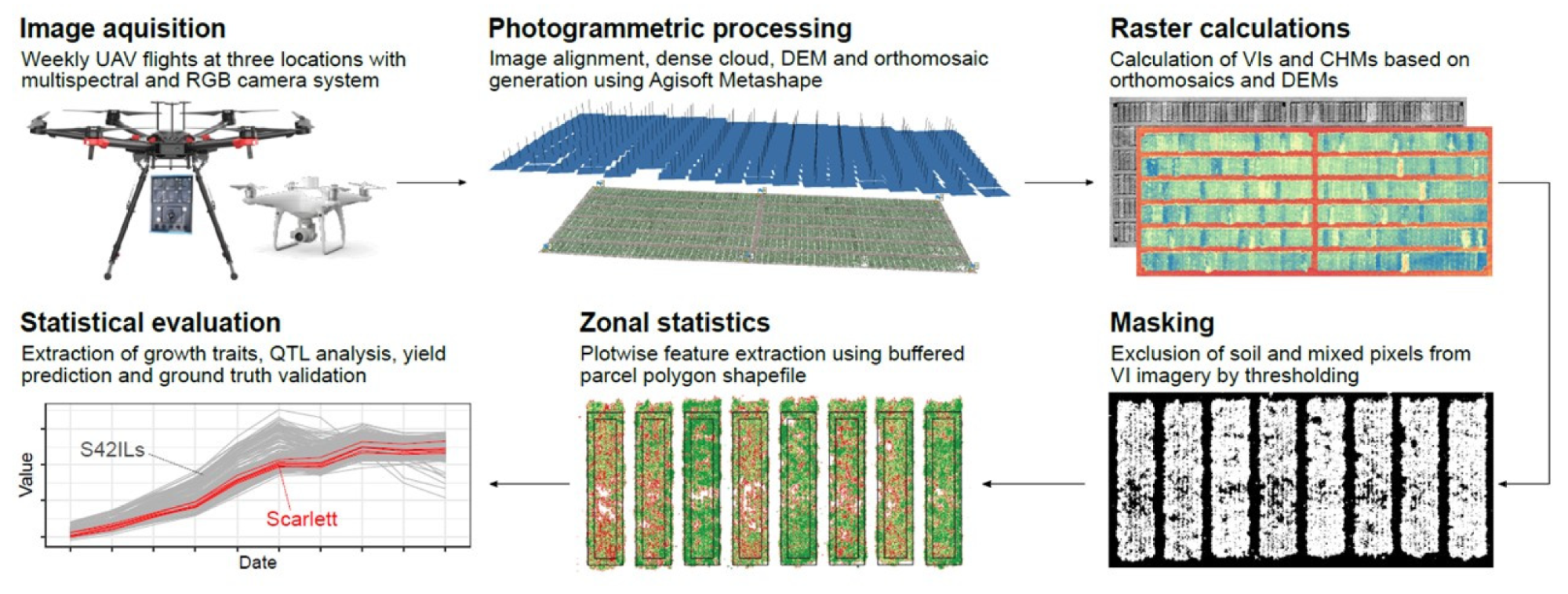
What if we rethink how crop monitoring is done in experimental and breeding trials? Instead of treating entire research fields as uniform blocks, this work drills down to the level of individual genotypes, using UAV-mounted multispectral sensors to capture detailed spectral and morphological traits across hundreds of wheat plots. Traditional monitoring methods often mask critical differences among varieties, making it hard for breeders to identify which lines truly outperform others under diverse environmental conditions. By integrating UAV imagery with advanced trait extraction, the project creates a pipeline that can evaluate crop health and performance with unprecedented granularity.

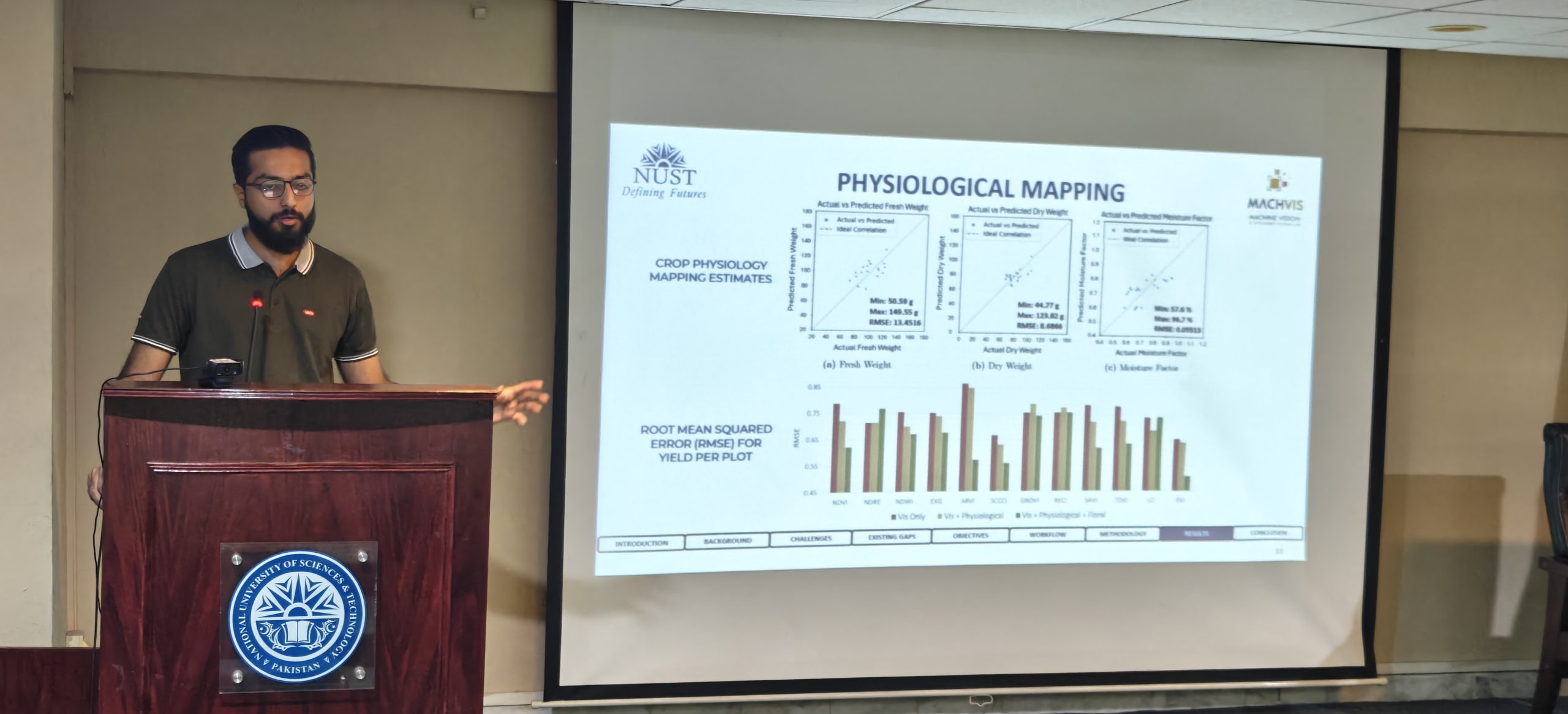
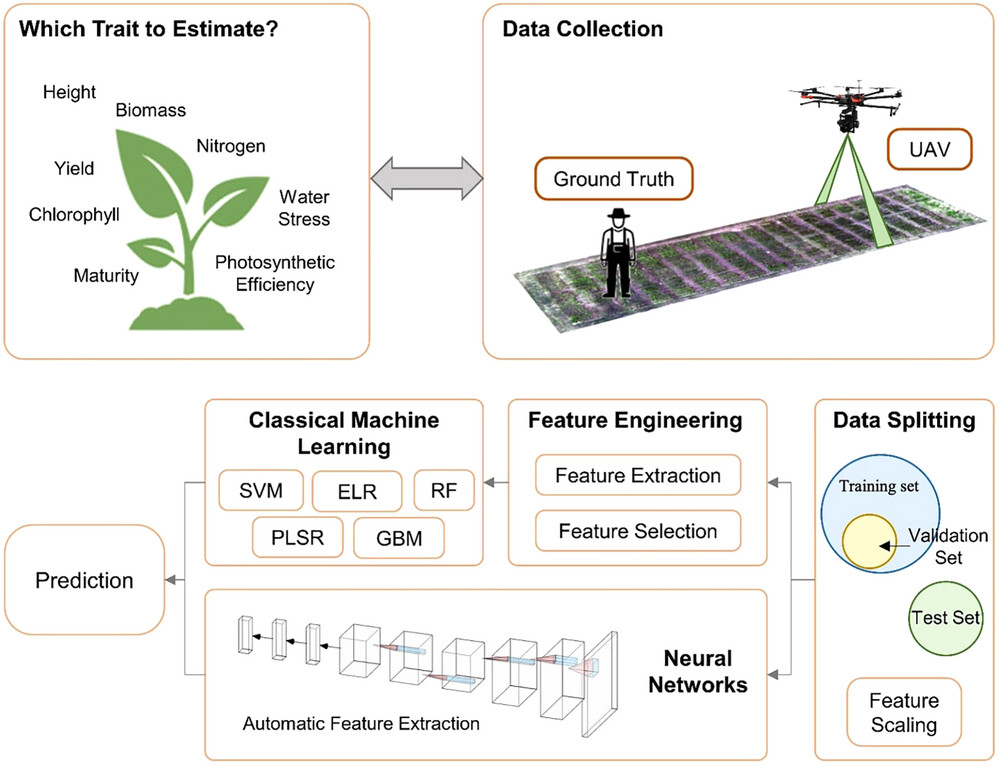
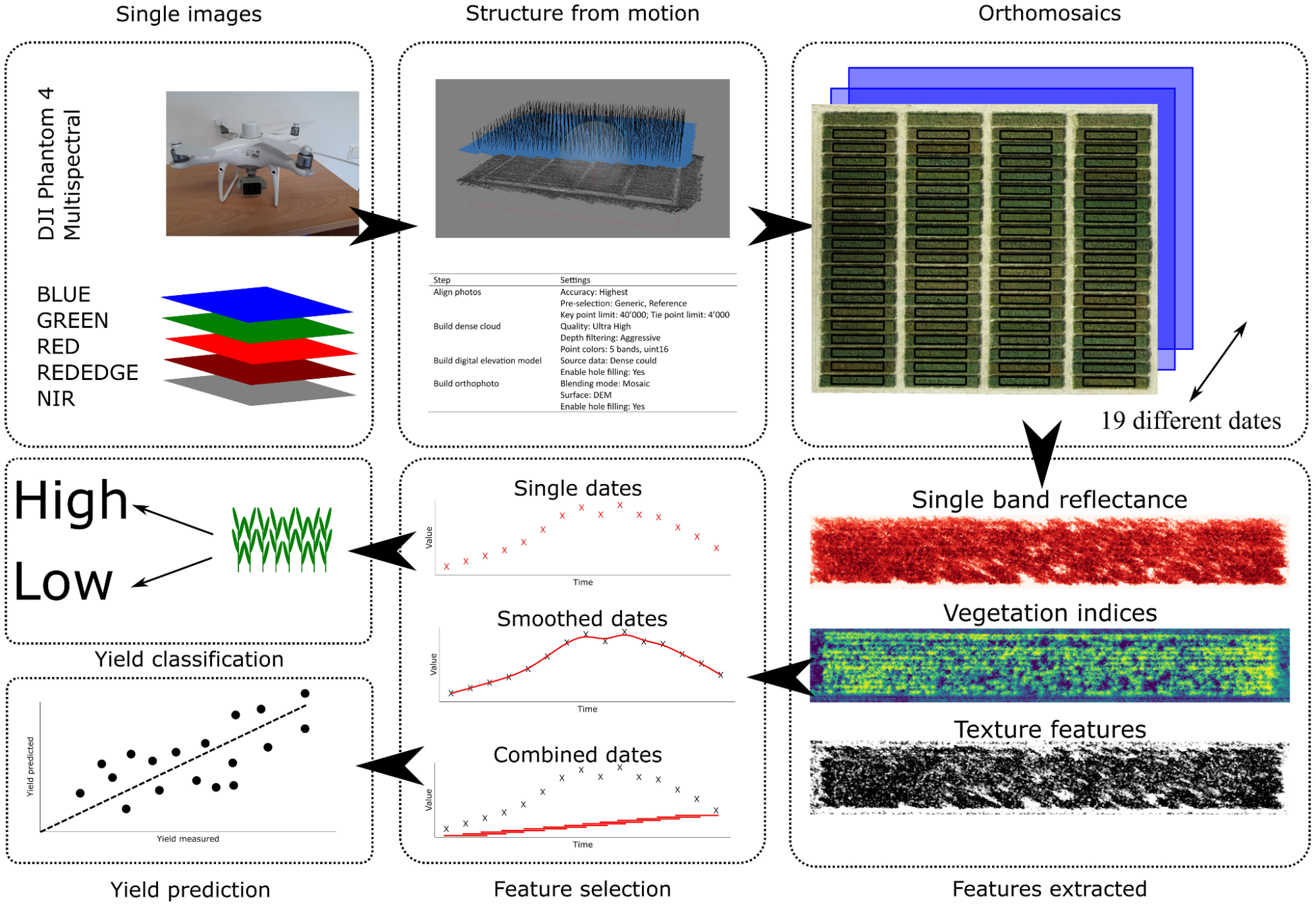
We combine UAV-based remote sensing with statistical filtering and machine learning models. Over the course of a full growing season, drone flights captured temporal reflectance data from wheat plots, covering more than 100 genotypes. From this imagery, vegetation indices and morphological traits are extracted and analyzed to reveal genotype-specific differences in growth patterns and stress responses. These traits are then tested for yield relevance using statistical models, followed by the development of machine learning regressors and deep learning architectures (LSTMs, temporal CNNs) for yield prediction. By merging feature-driven and image-driven approaches, the system identifies which traits matter most and also learns growth dynamics directly from spectral time series.

The impact of this work lies in its ability to accelerate breeding decisions and improve agricultural resilience. The integrated decision-support platform allows breeders to visualize predicted yields, assess trait-level contributions for each genotype, and make informed choices on which varieties to advance. By reducing reliance on manual ground-truthing and shifting toward automated UAV-based data collection, the approach lowers labor costs while scaling to large breeding programs. The insights generated can help pinpoint stress-tolerant, high-yielding genotypes, guide efficient resource management, and ultimately contribute to global food security. Moreover, the framework is designed to be scalable and adaptable, paving the way for genotype-aware monitoring in other staple crops.

Faculty

Students

  • Muhammad Tayyab Iftikhar
  • Muhammad Hissan Umar
  • Abdullah Imran
Gemini_Generated_Image_e5v597e5v597e5v5

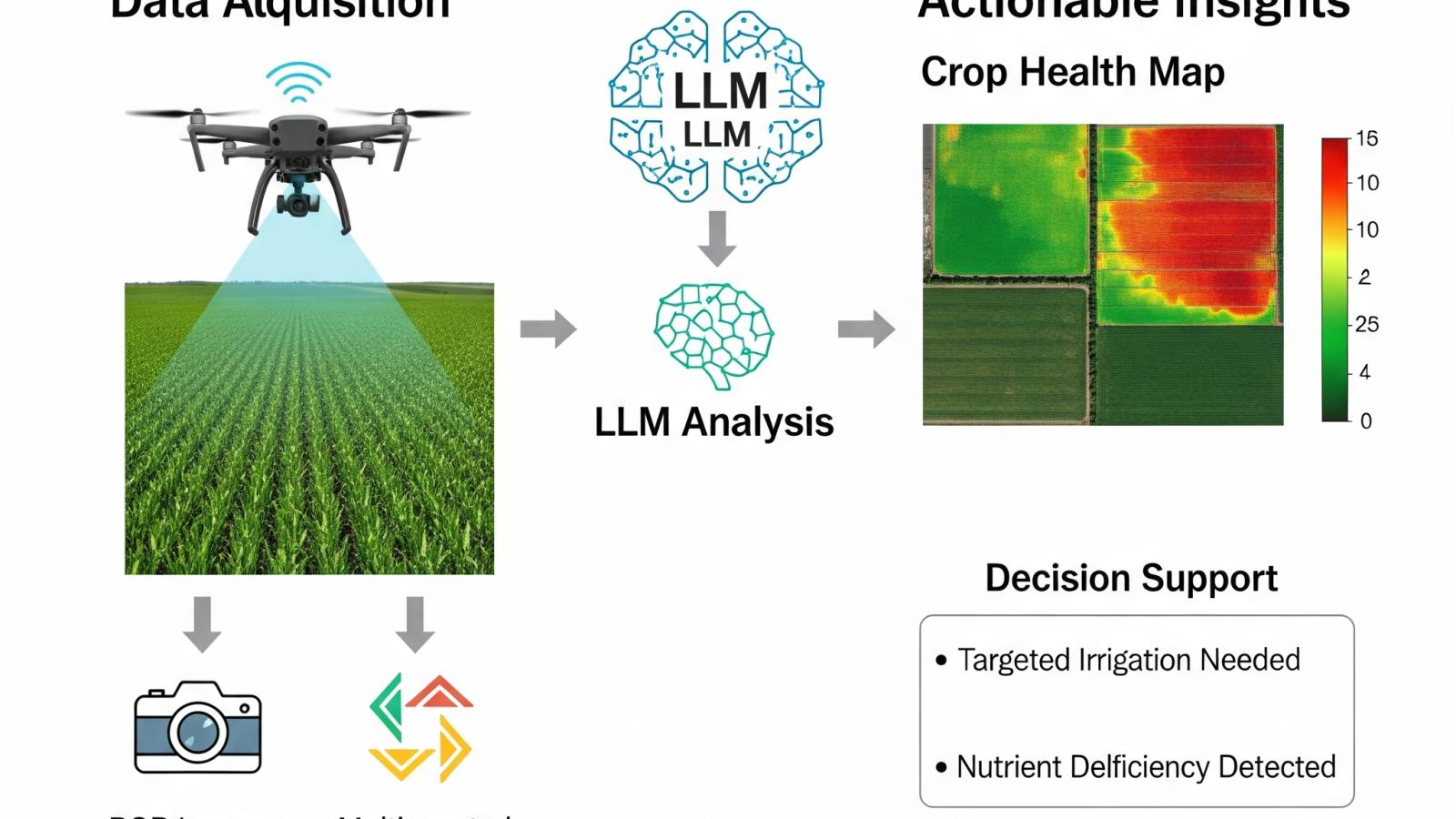
From Drones to Decisions: LLM-Based Crop Health Insights from RGB and Multispectral Data

From Drones to Decisions: LLM-Based Crop Health Insights from RGB and Multispectral Data

This project addresses one of the most pressing challenges in Pakistani agriculture: the lack of timely, automated systems for monitoring crop health and growth. While drones equipped with RGB and multispectral cameras are increasingly available, most existing tools stop at producing raw imagery or vegetation indices, leaving farmers without actionable insights. This project bridges that gap by creating an AI-powered pipeline that ingests UAV imagery (either RGB, multispectral, or both) and transforms it into farmer-friendly recommendations. By training separate models for each data type and then introducing an attention-based fusion mechanism, the system flexibly adapts to different sensor setups while ensuring accurate phenology detection and yield forecasting. Instead of overwhelming farmers with technical details, the outputs are passed through a language model that translates them into clear information.

High-resolution RGB data is processed with CNNs to extract texture and spatial features, while multispectral imagery is converted into vegetation indices such as NDVI, NDRE, and GNDVI, then fed into structured classifiers. These complementary representations are integrated using a cross-attention fusion model, which learns to prioritize the most informative signals for each phenological stage. Predictions are augmented by metadata, enabling the generation of temporal growth maps and yield estimates across different fields. To make these technical outputs truly usable, a lightweight large language model (LLM) formats them into natural language reports. For example, instead of saying “NDVI decreased by 15%”, the system might explain, “The crop canopy is thinning earlier than expected, suggesting possible water stress”.

The impact of this project extends beyond proof-of-concept research. Farmers and agronomists gain an accessible web interface where they can upload drone imagery, receive instant model predictions, and view interpretive reports tailored to their crops. By enabling early detection of stress, accurate stage tracking, and reliable yield forecasting, the system helps reduce input waste, optimize irrigation and fertilization schedules, and ultimately increase productivity. For Pakistan, where agriculture contributes nearly 20% of GDP but still faces massive inefficiencies due to low adoption of digital tools, this project demonstrates how modern AI can be adapted to local constraints and translated into practical, farmer-readable outputs.

Faculty

Students

  • Saleha Zainab Fatima
  • Munazza Raees Butt

Publications

  • Fatima, S.Z., Raees, M., Athar, U., Asif, M.D.A., Zafar, Z., Khurshid, H., Berns, K. and Fraz, M.M., 2025, November. Semi-Supervised Contrastive Representation Learning for Sunflower Phenology Estimation. In 2025 20th International Conference on Emerging Technologies (ICET) (pp. 1-7). IEEE. https://doi.org/10.1109/ICET66147.2025.11321433