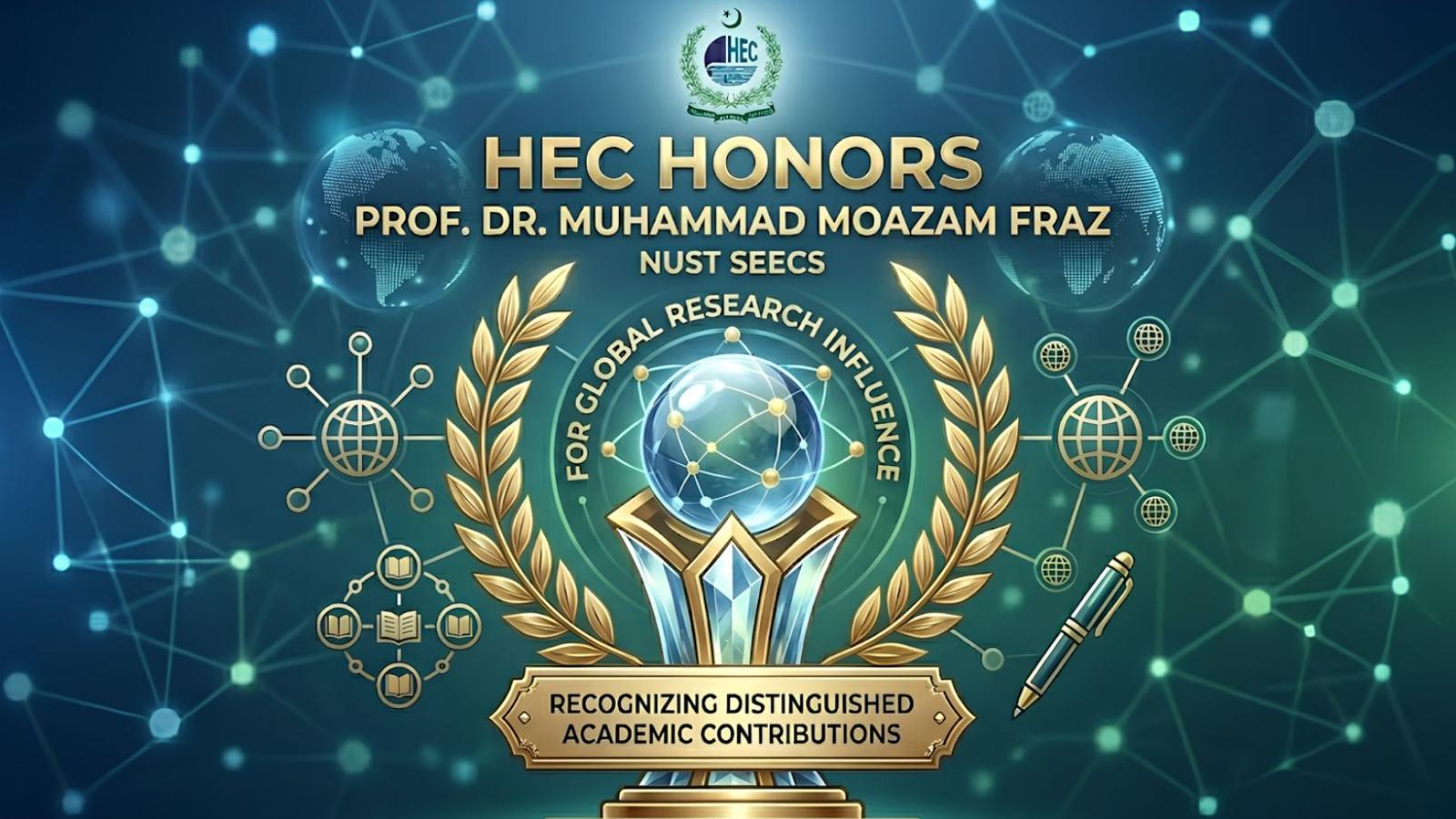
HEC Honors Prof. Dr. Moazam Fraz for Global Research Influence
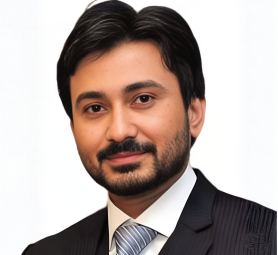
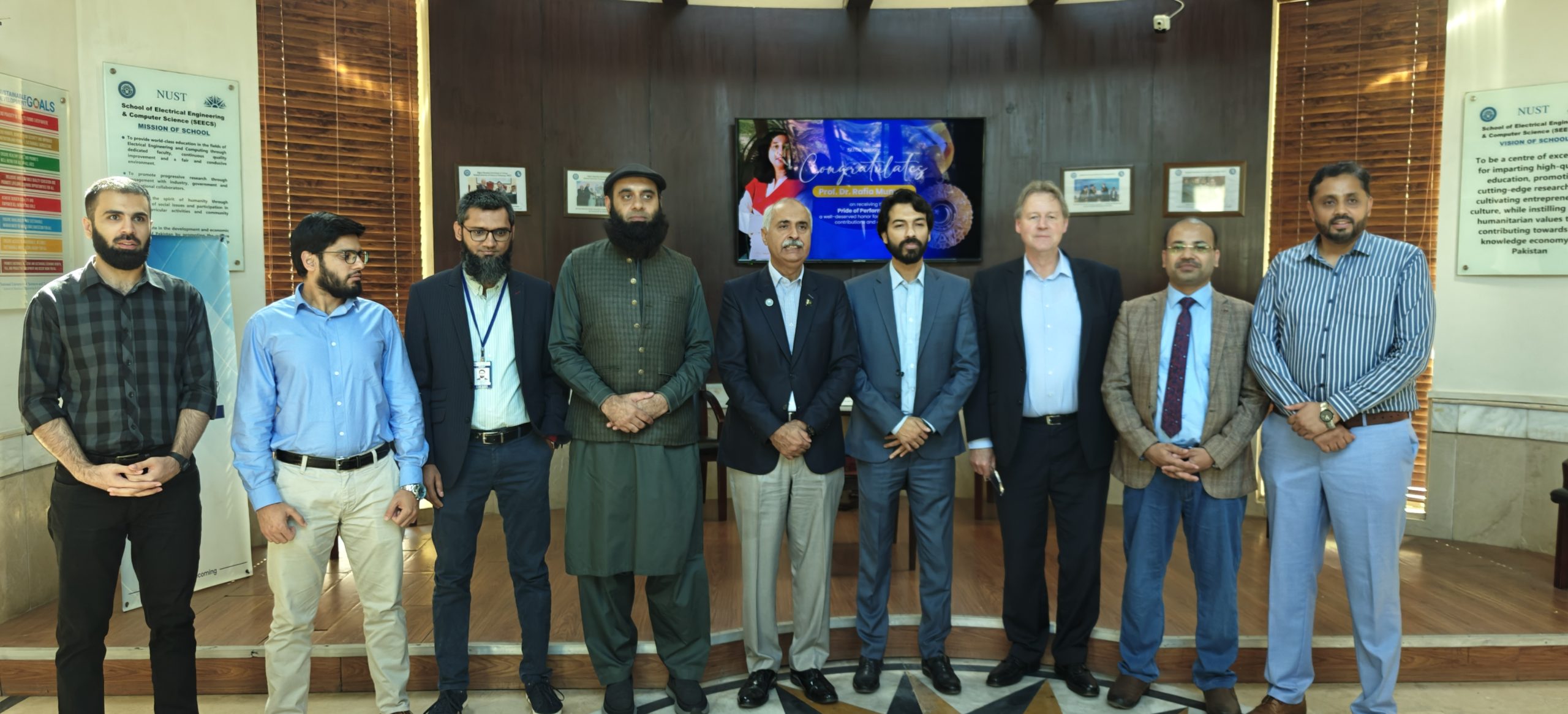
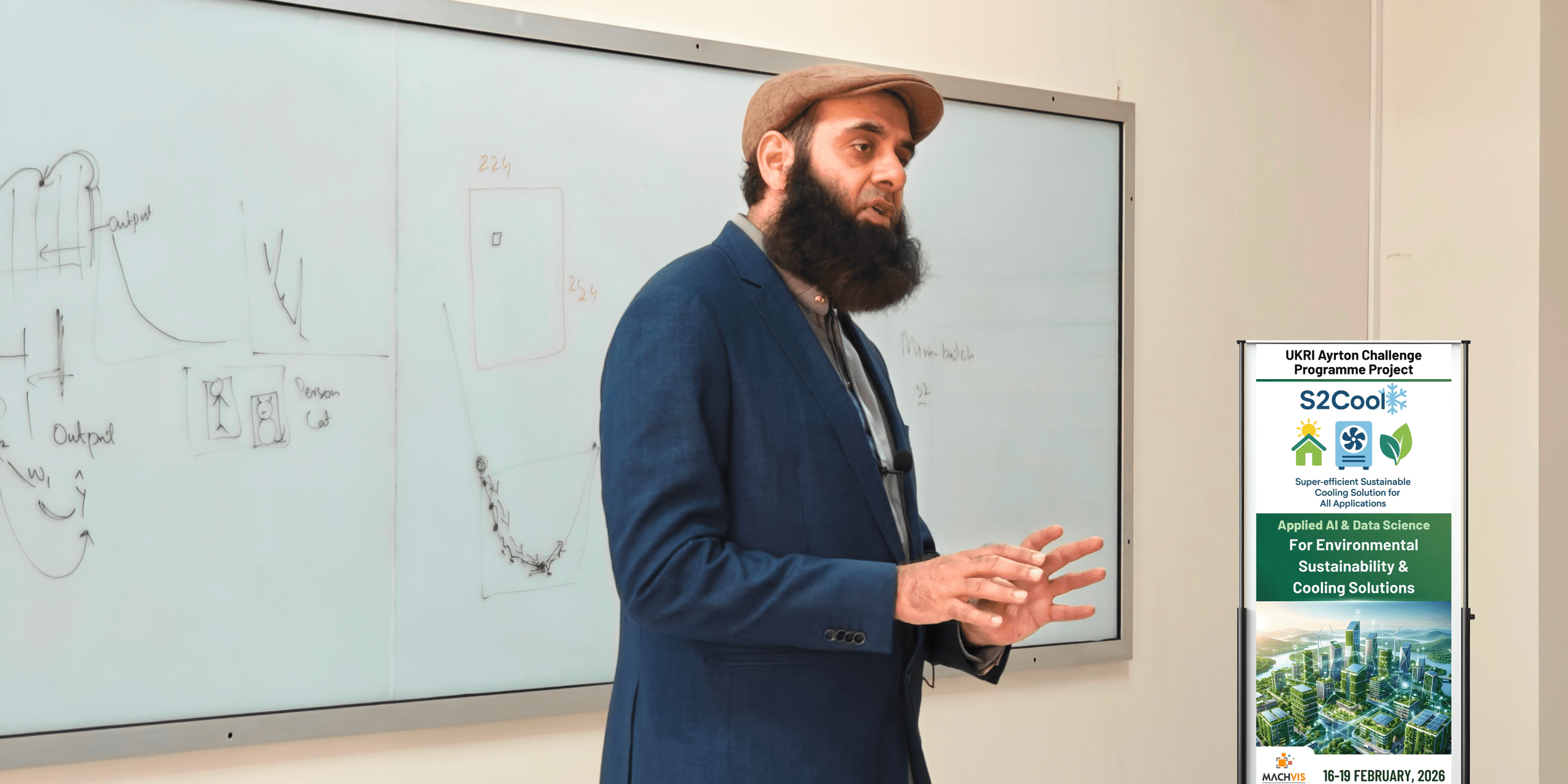
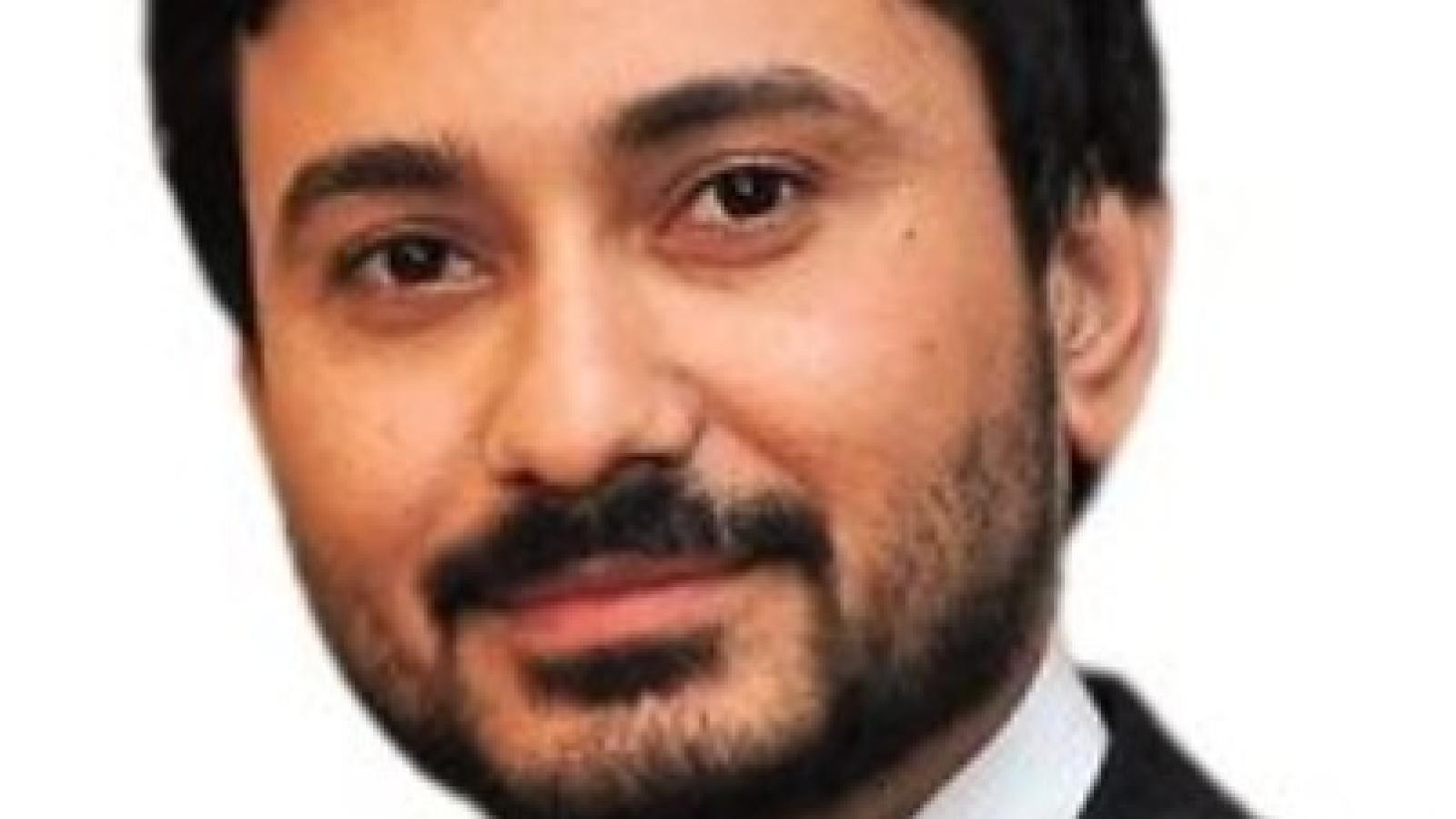
Prof. Dr. Muhammad Moazam Fraz has been honored by the Higher Education Commission (HEC) of Pakistan for his exceptional global research influence and valuable contribution to the advancement of knowledge in his field.
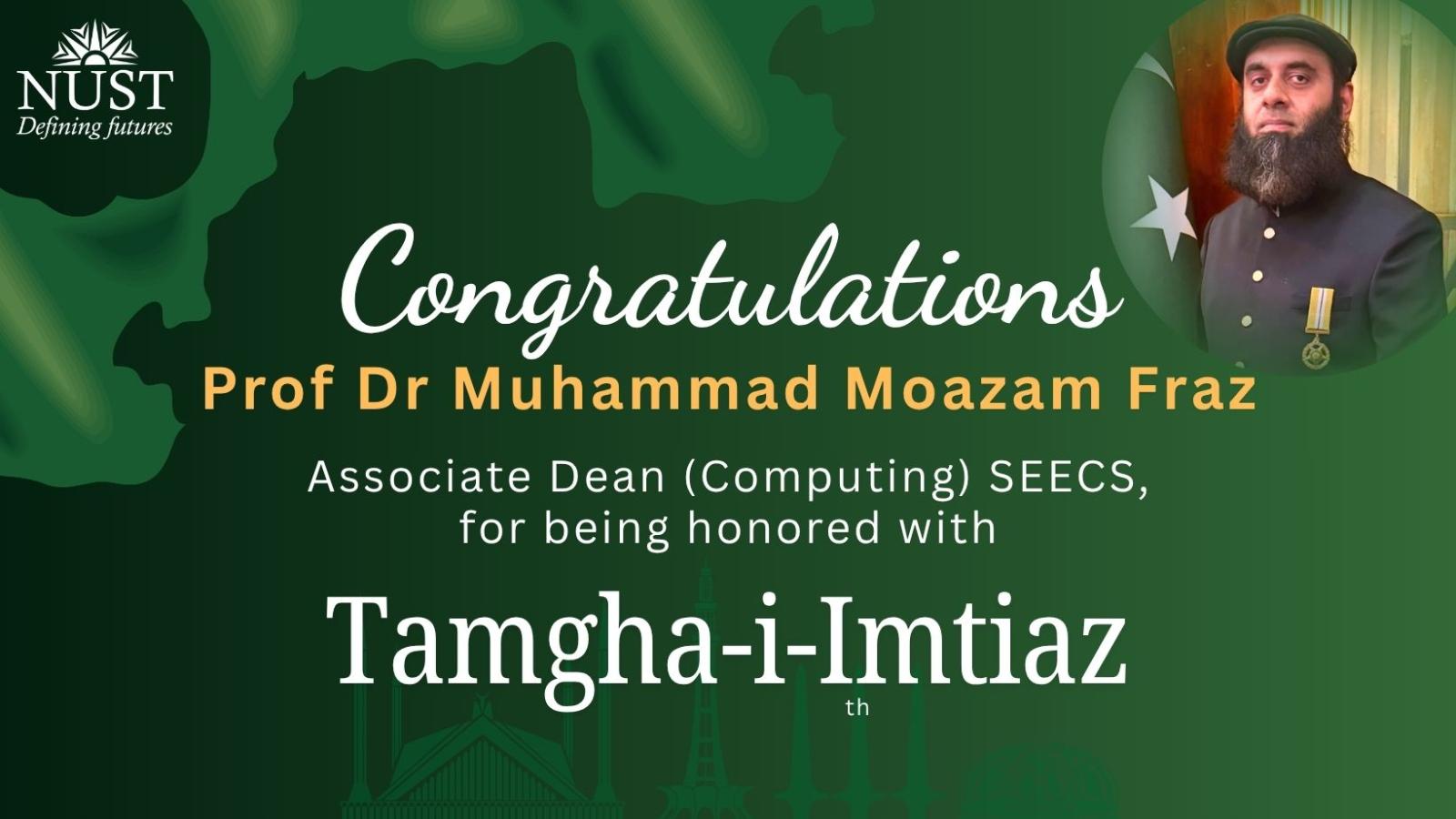
Prof Dr Moazam Fraz Honored with Prestigious Tamgha-i-Imtiaz
Prof Dr Muhammad Moazam Fraz, Associate Dean (Computing) SEECS, was awarded the highly prestigious Tamgha-i-Imtiaz by the President of the Islamic Republic of Pakistan on May 13, 2026.
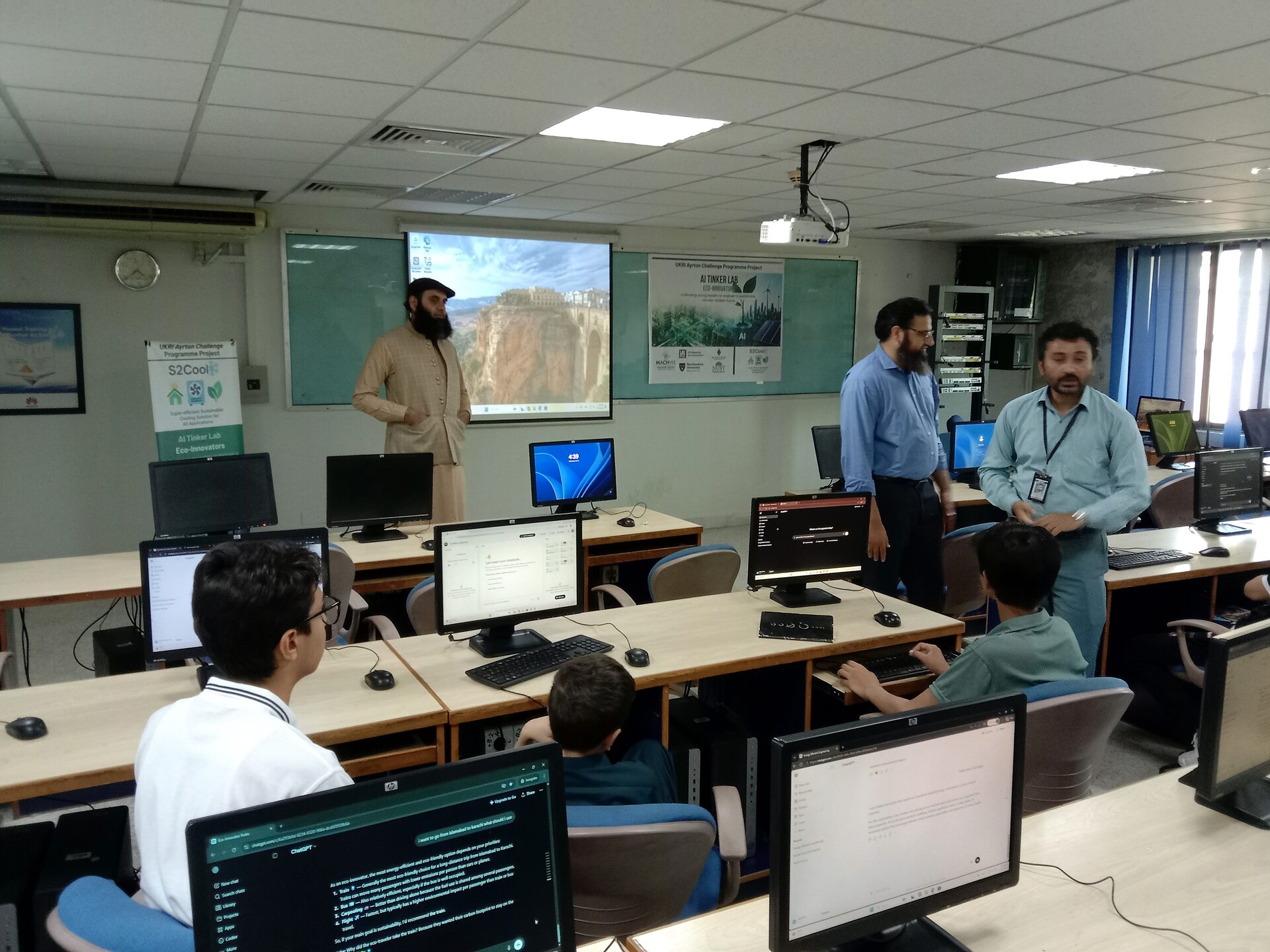
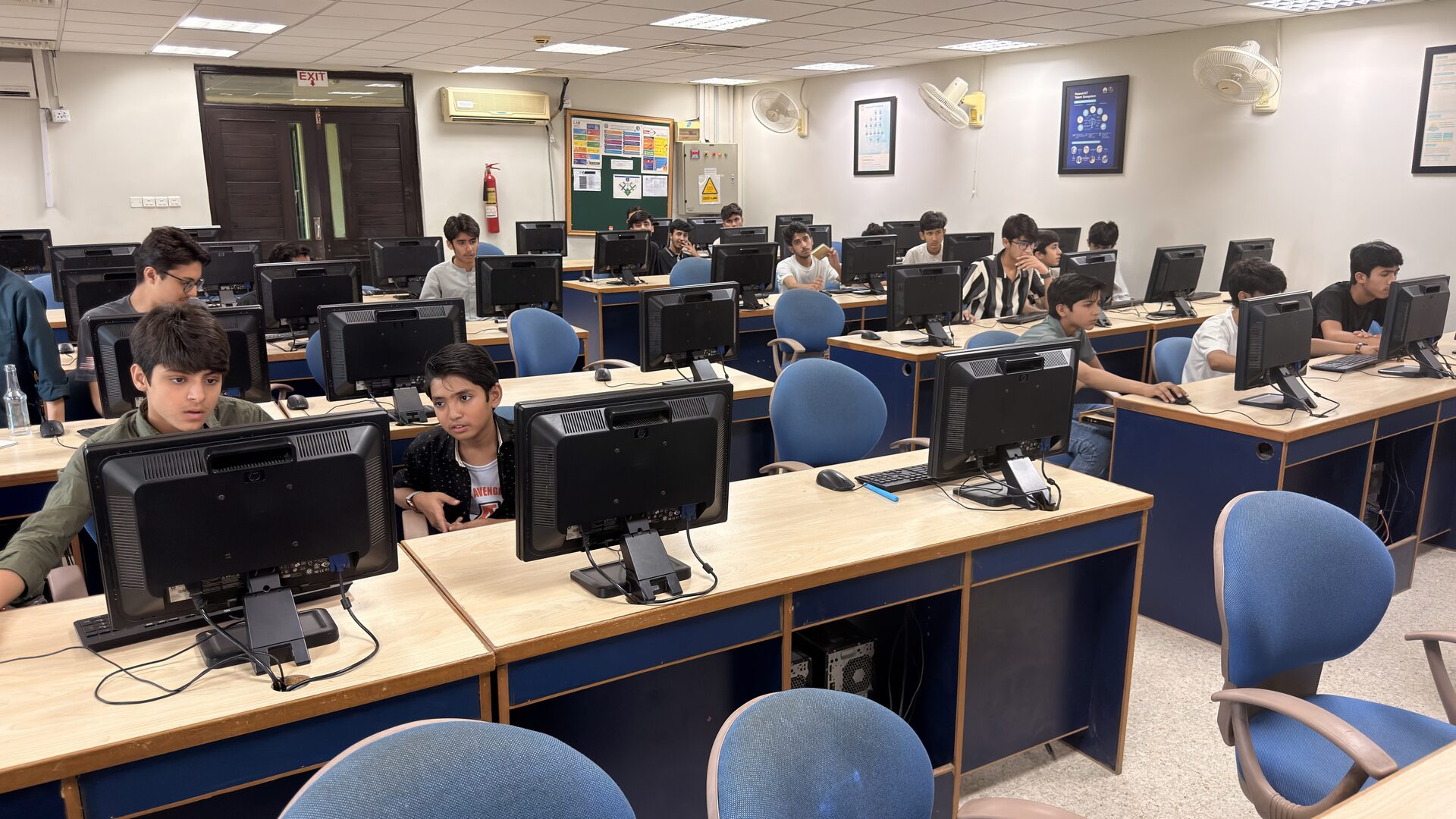
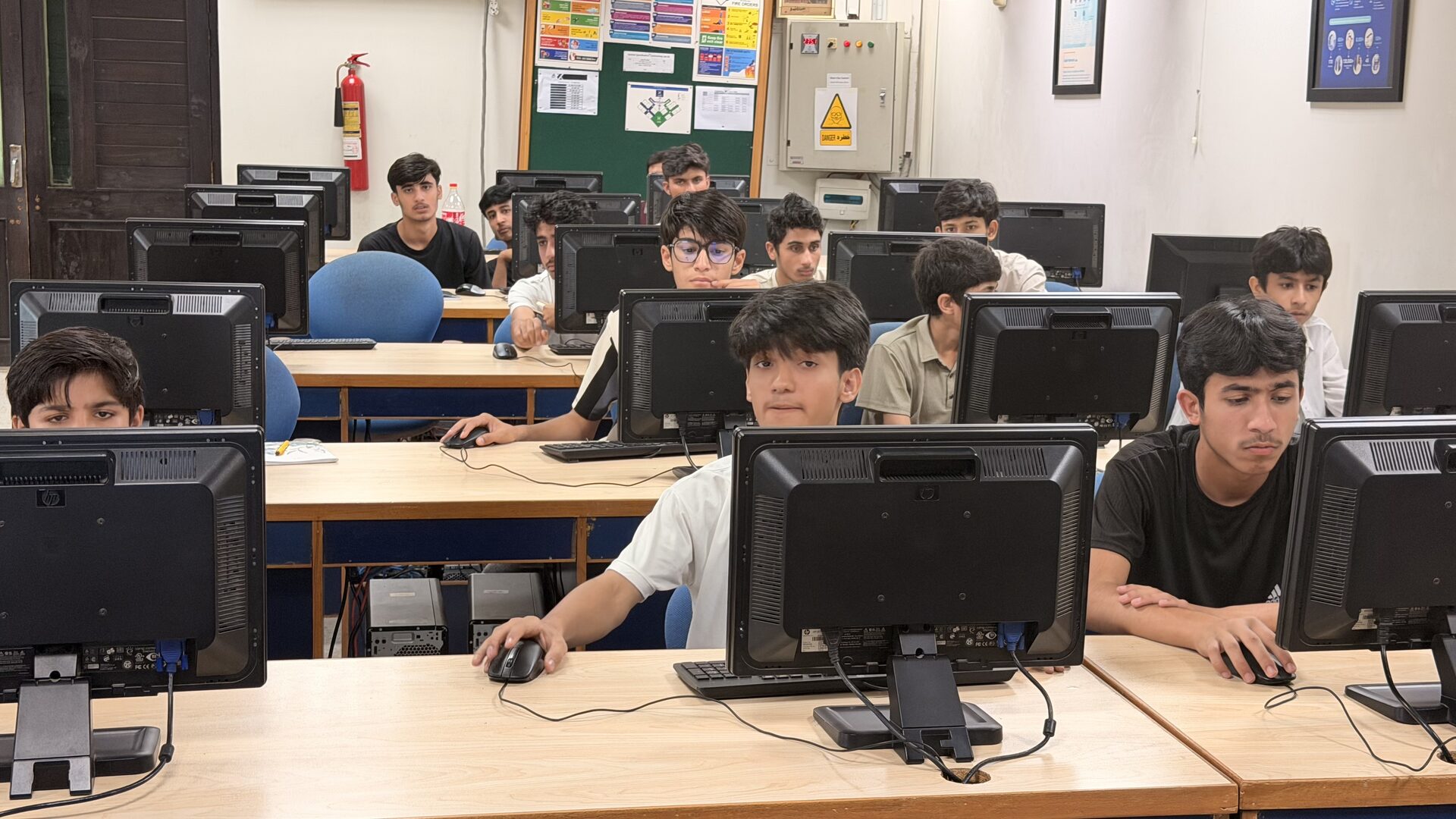
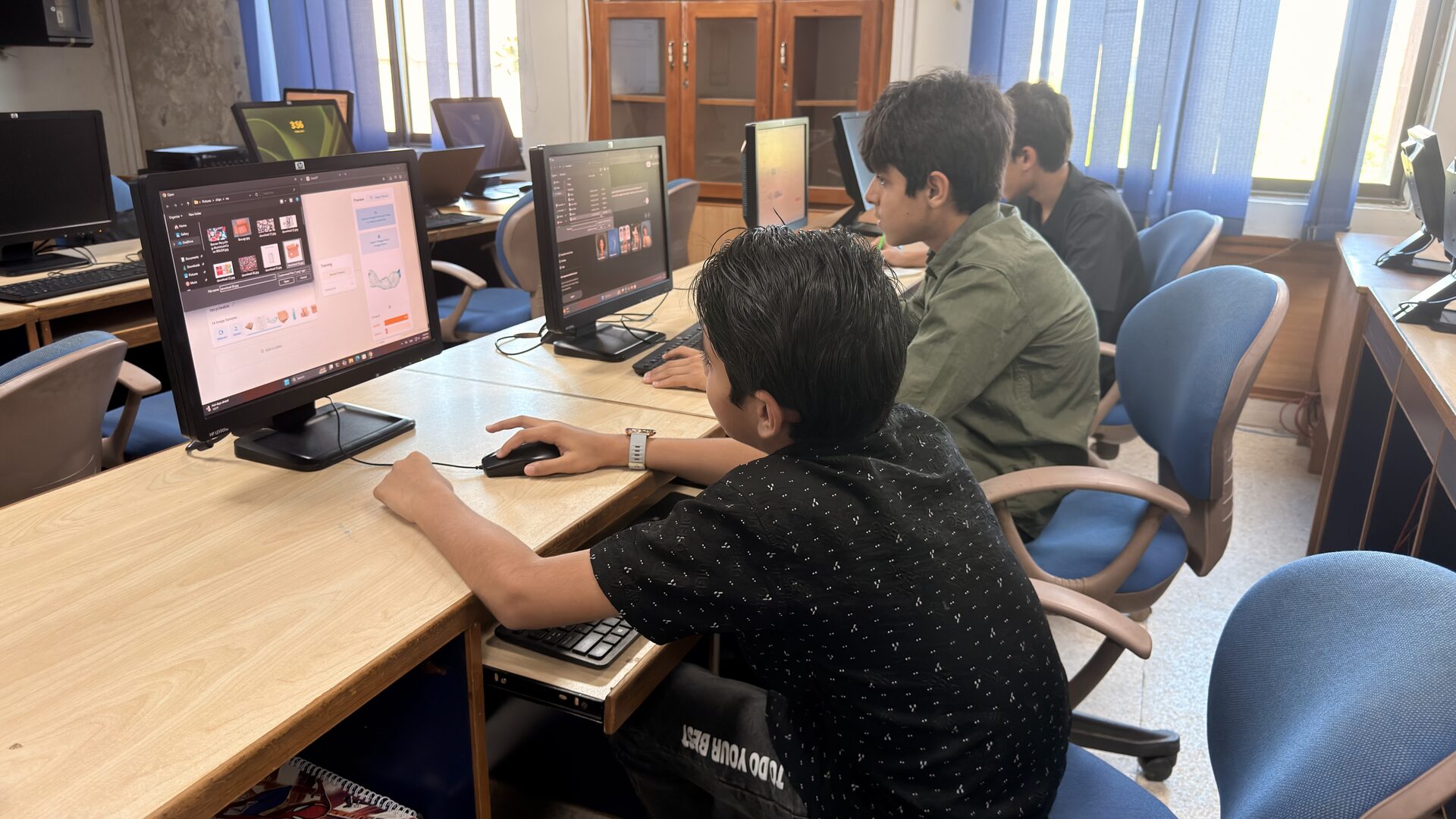
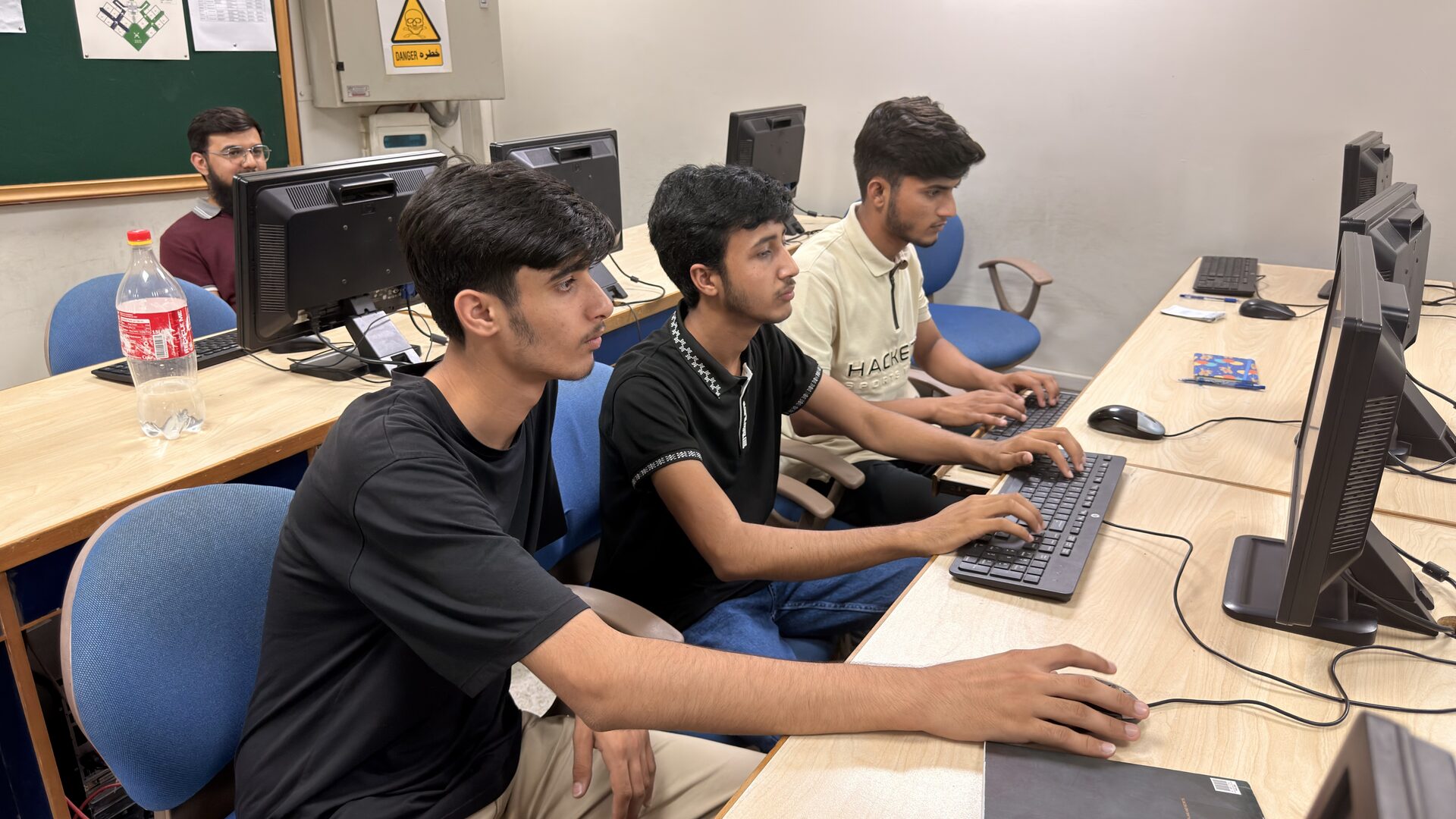
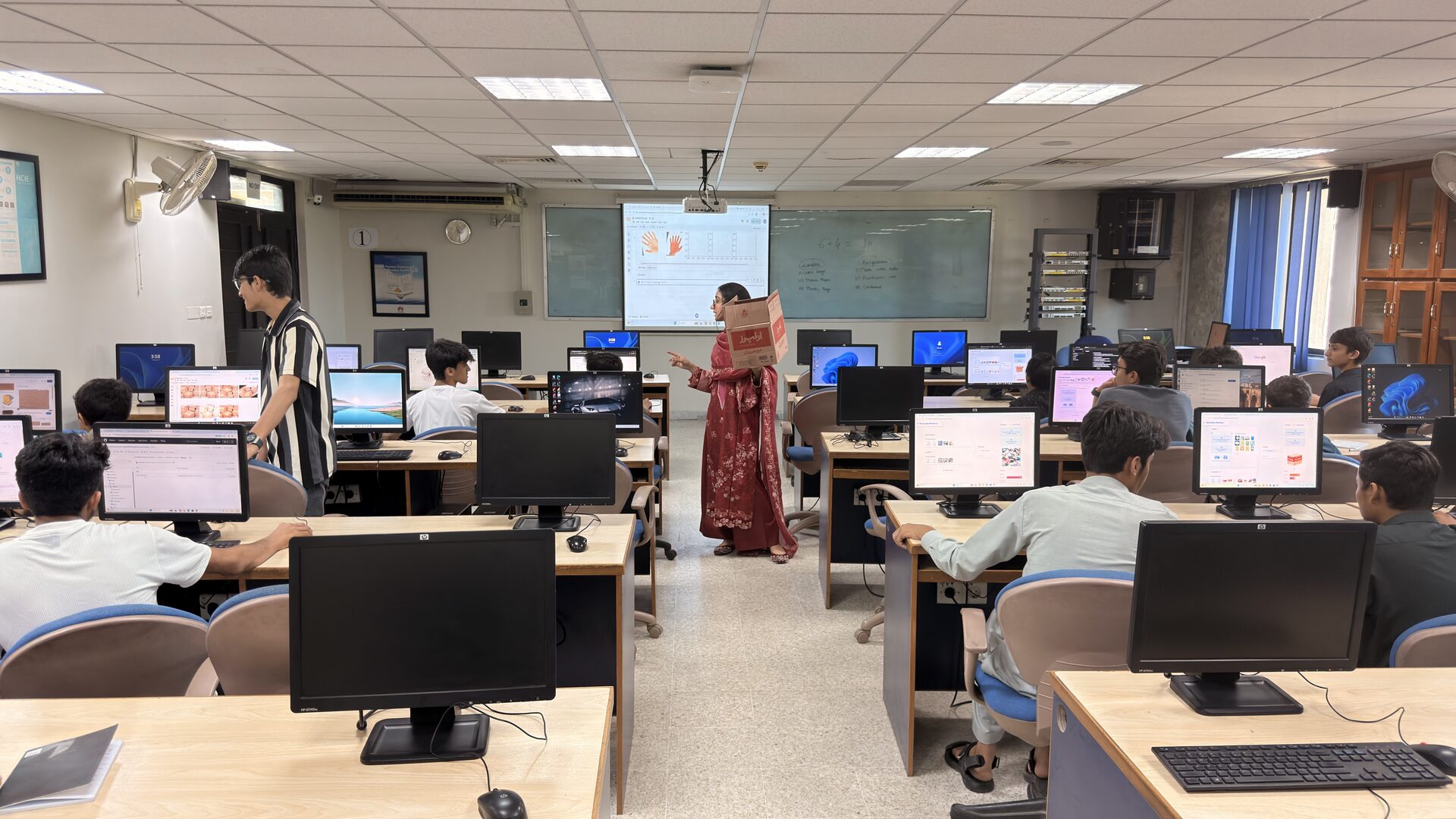
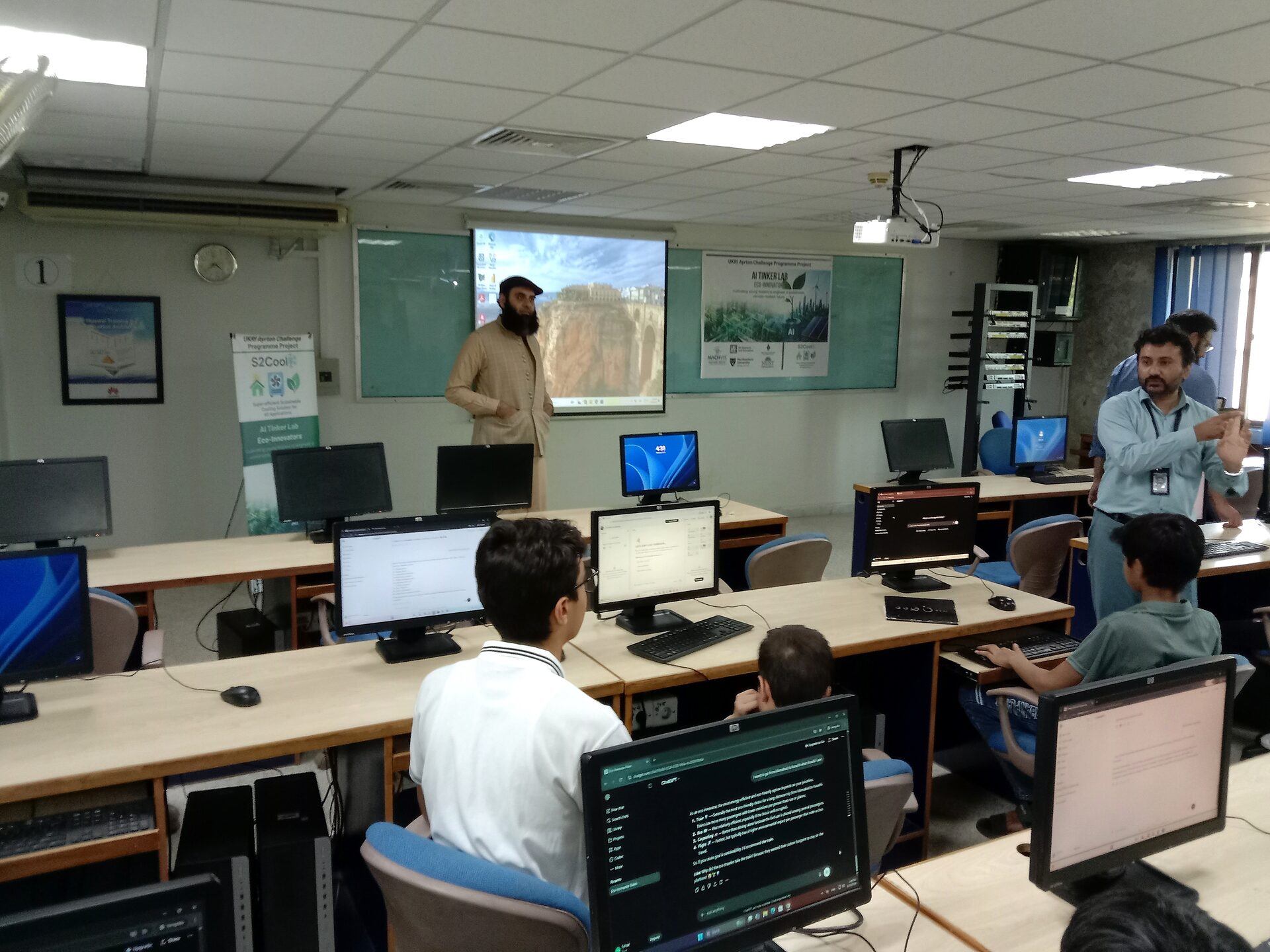
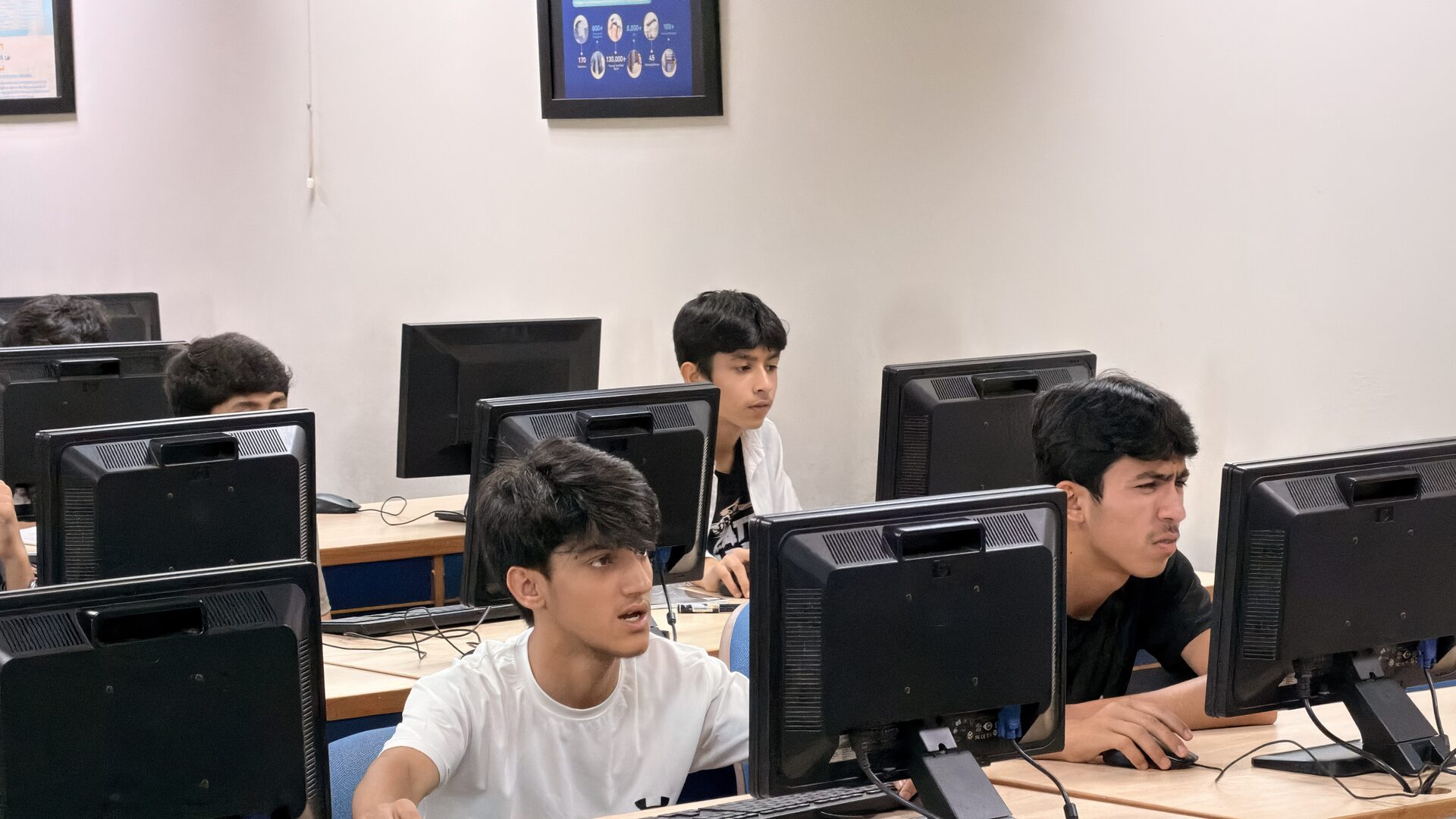
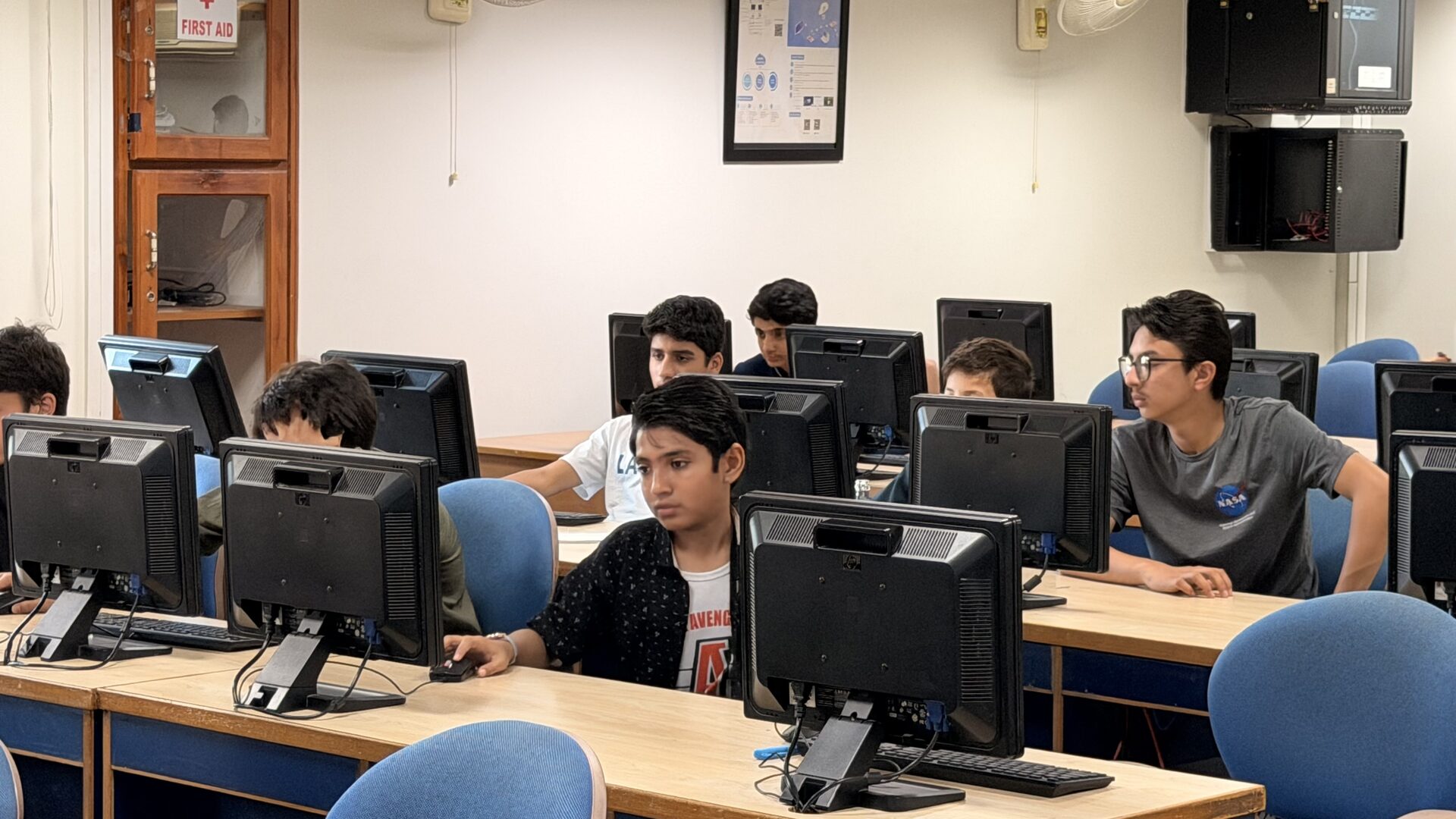
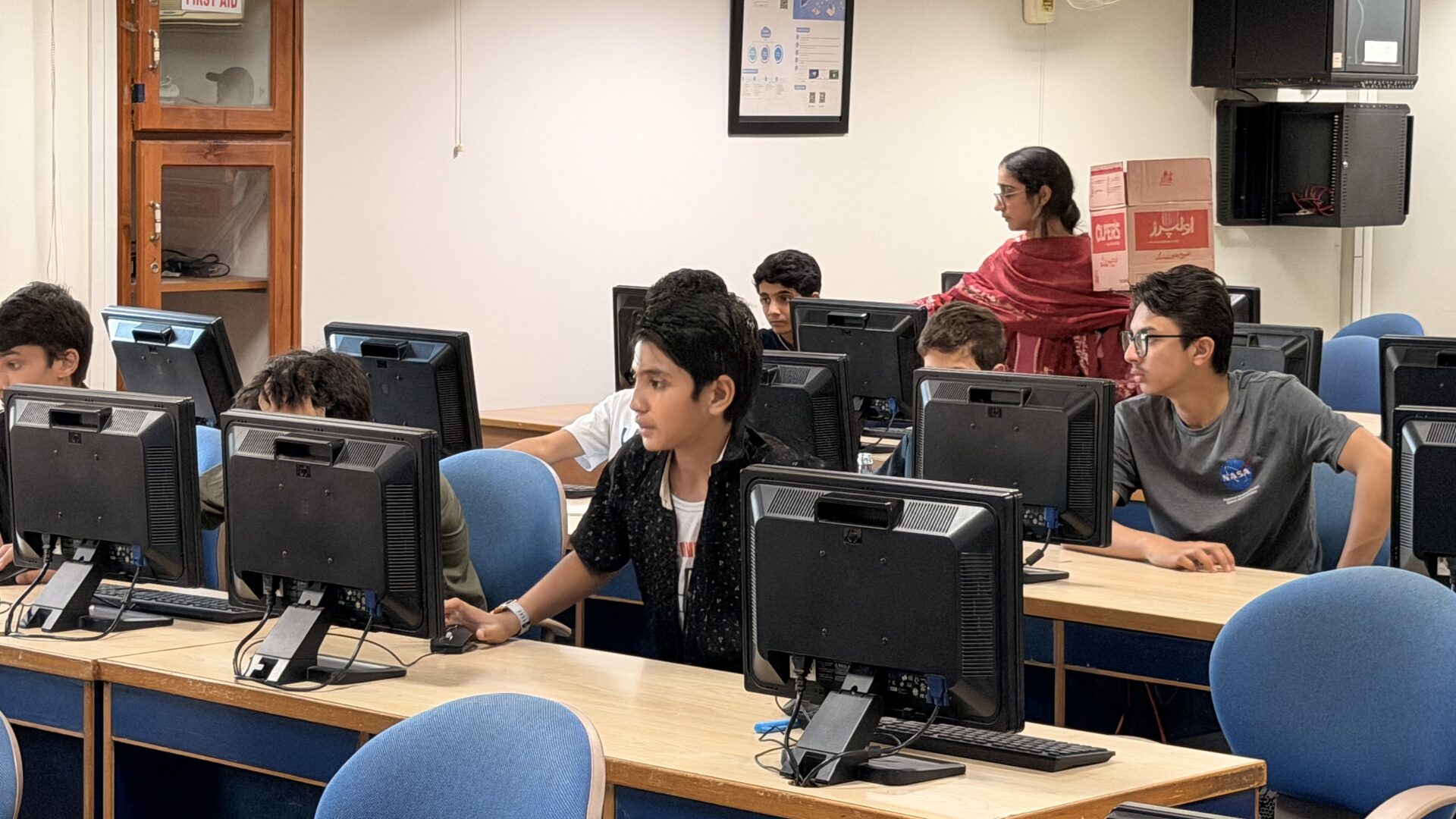
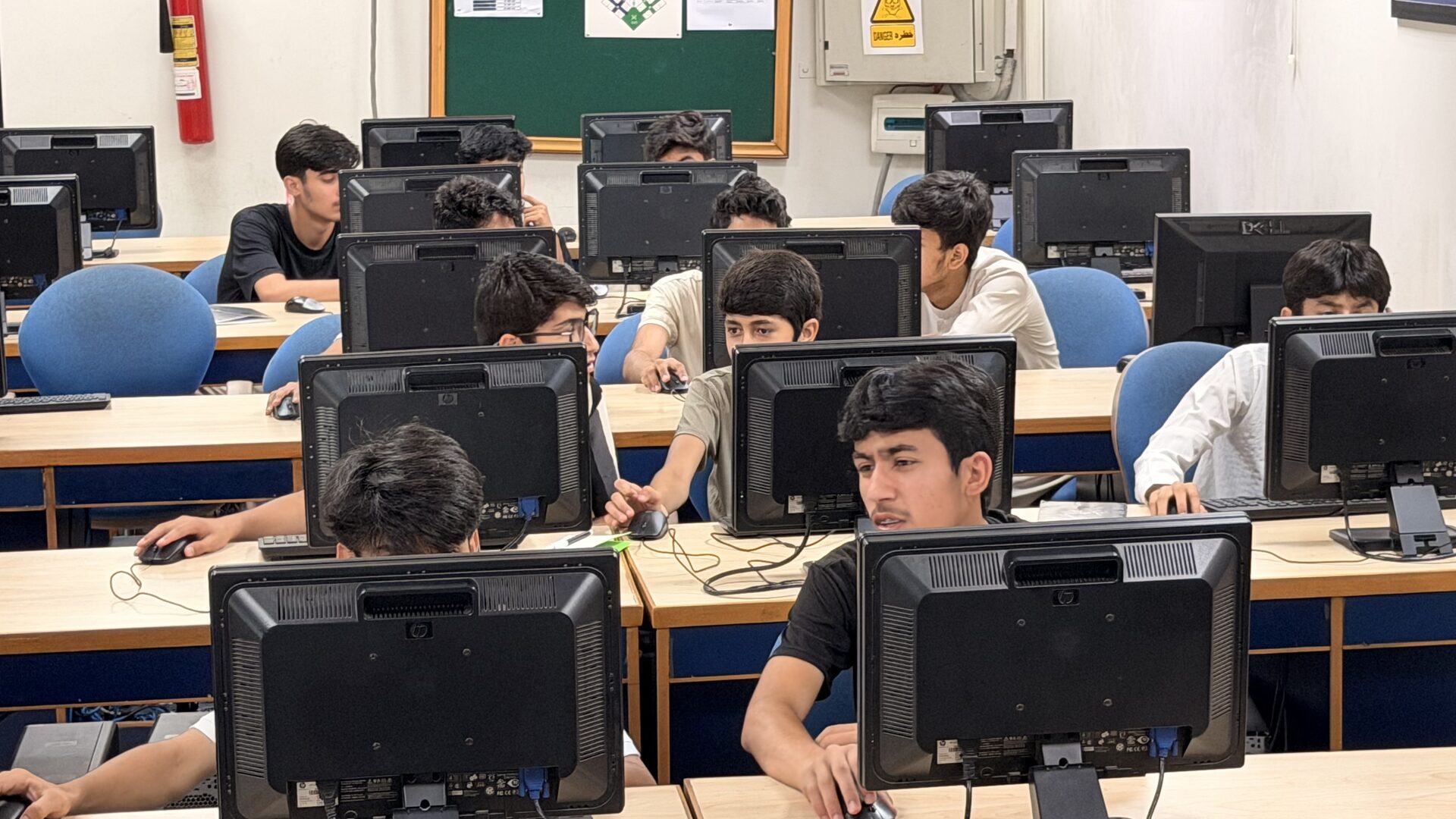
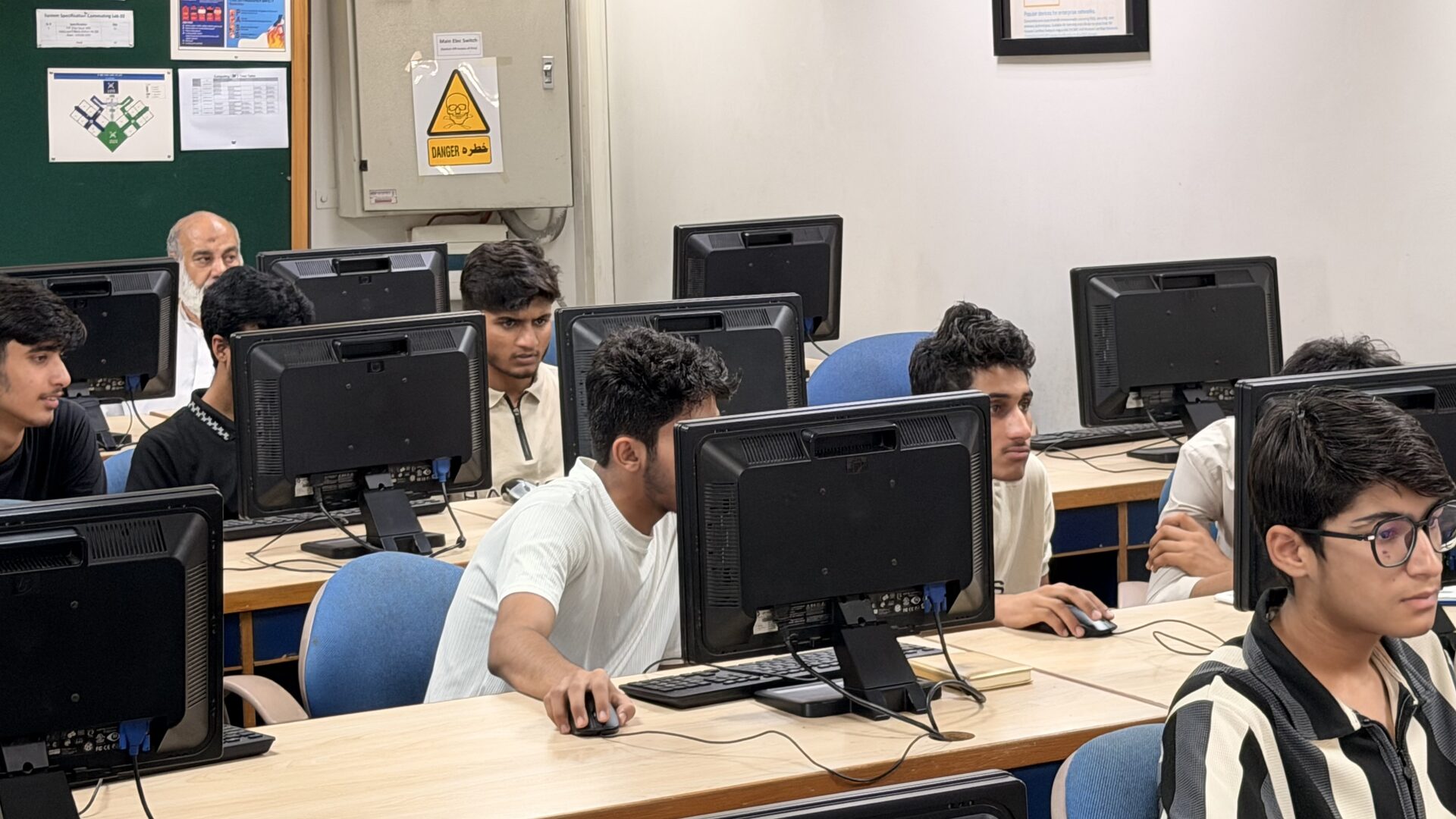
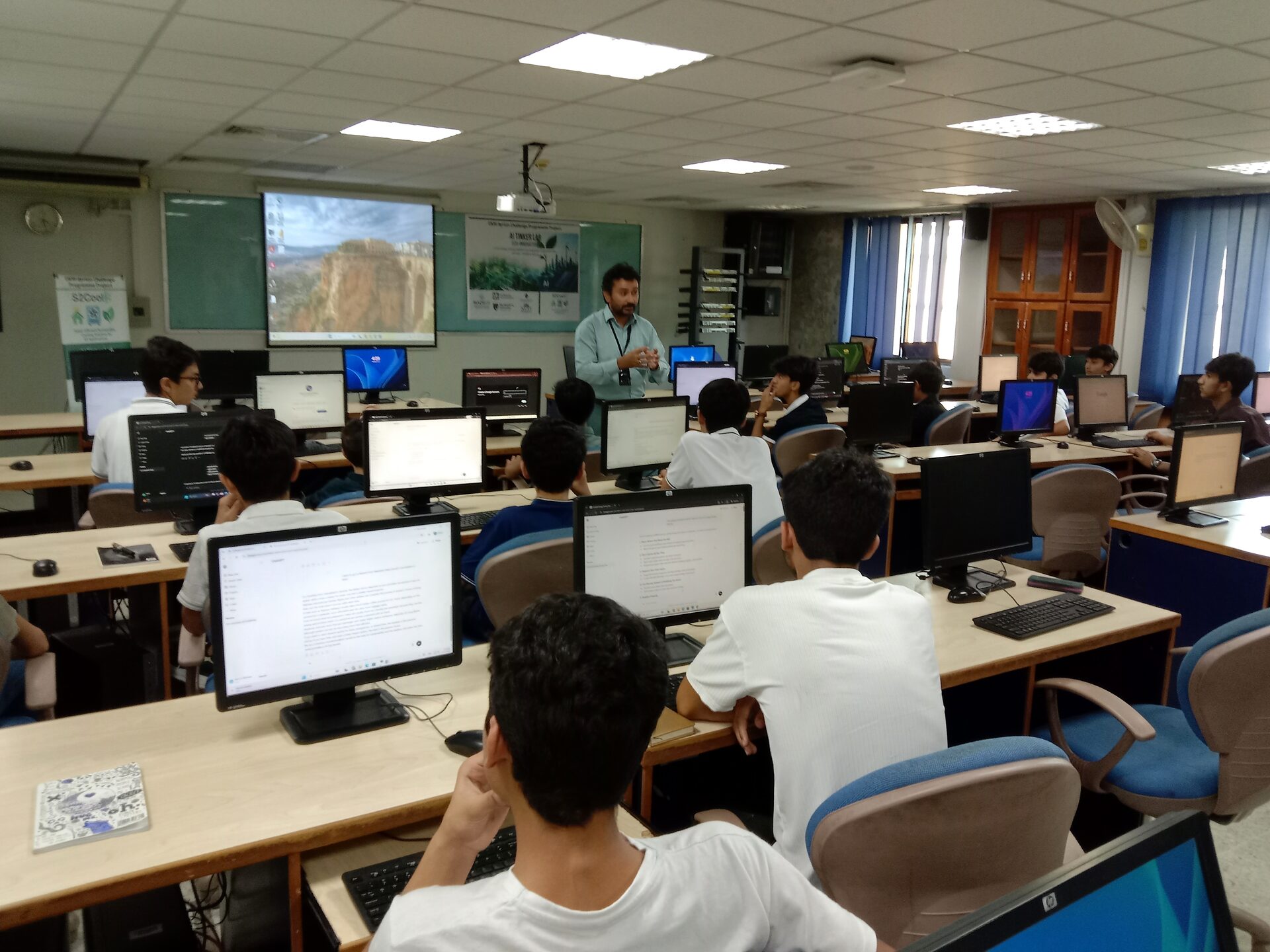
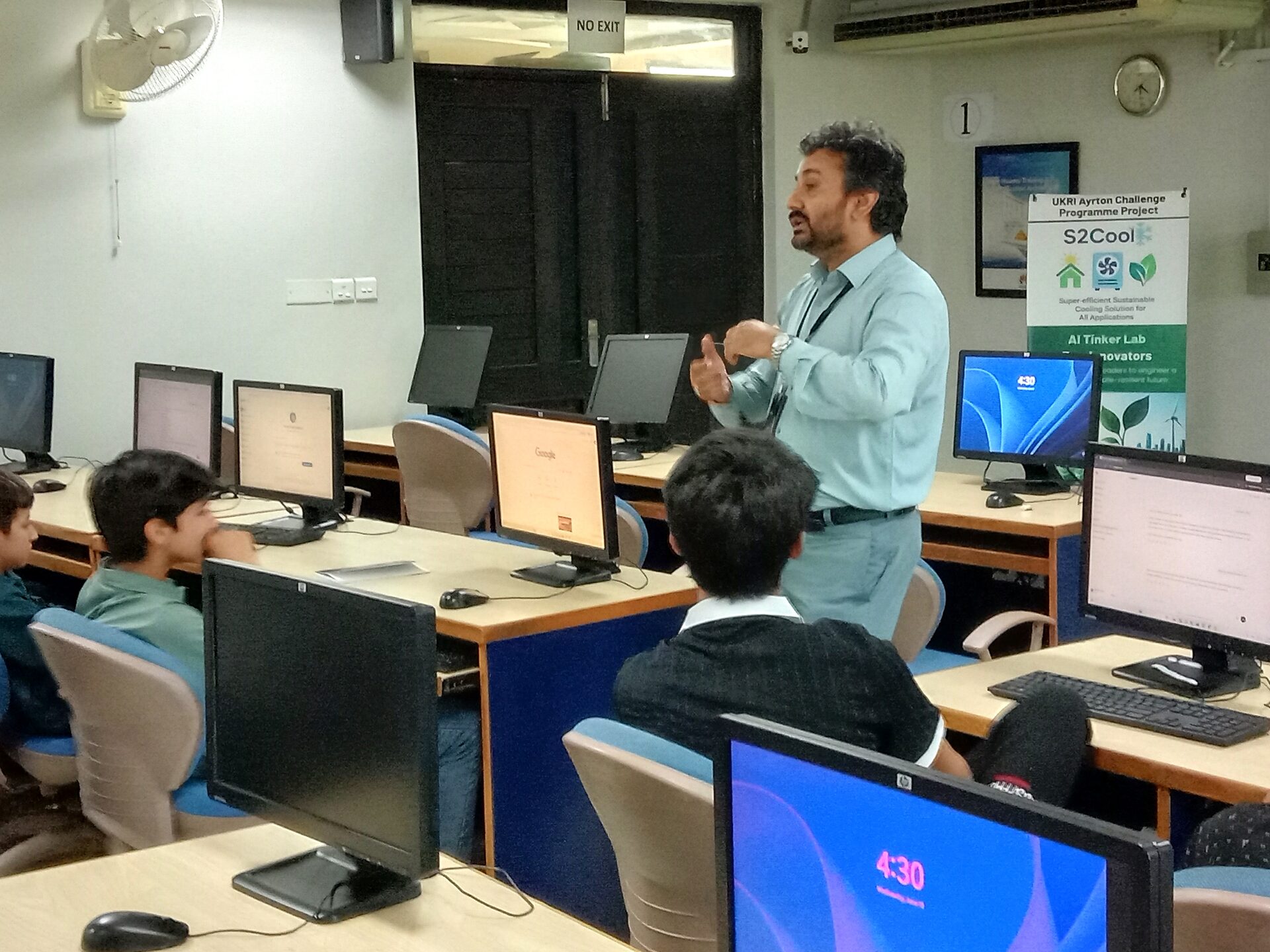
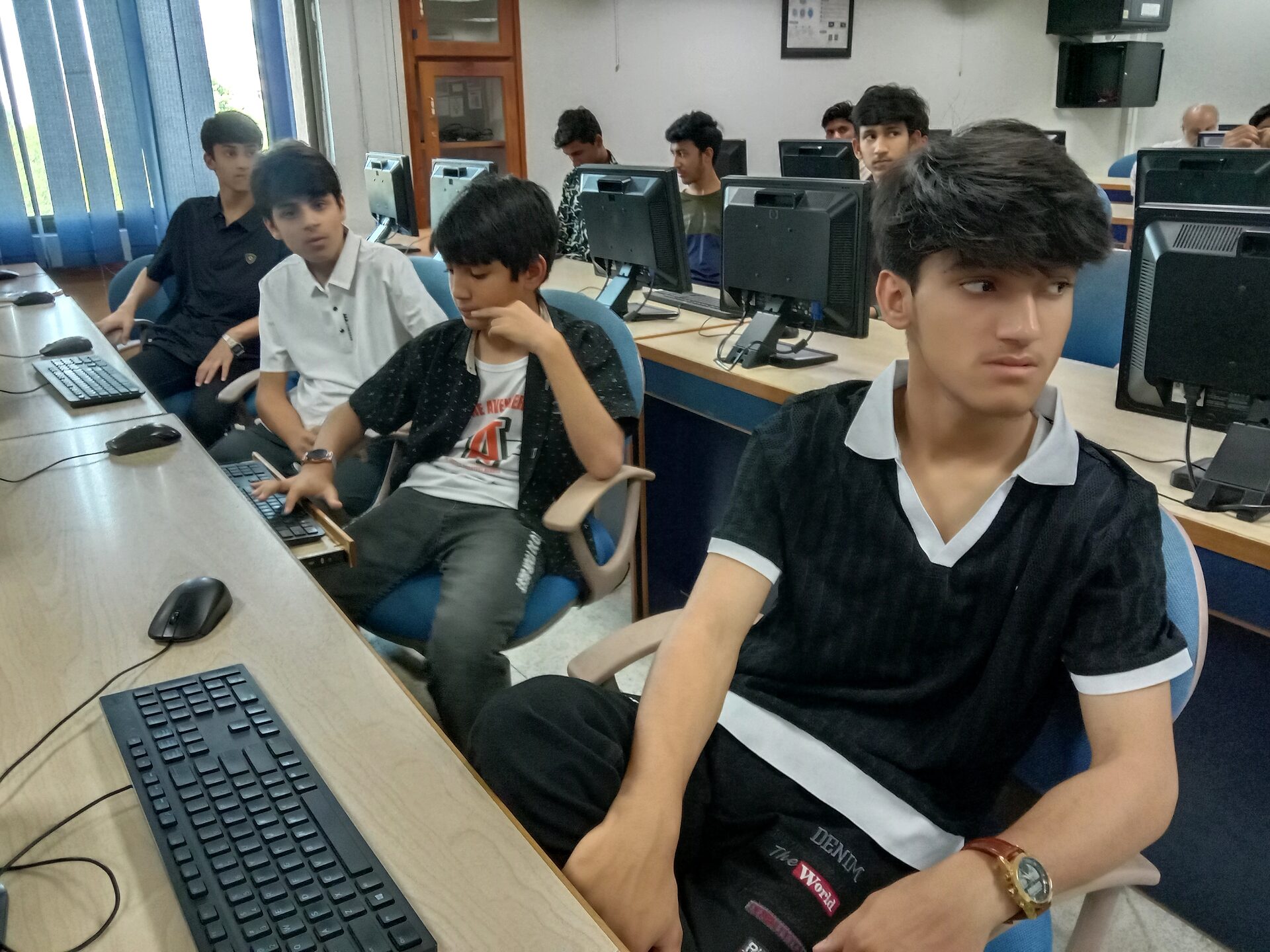
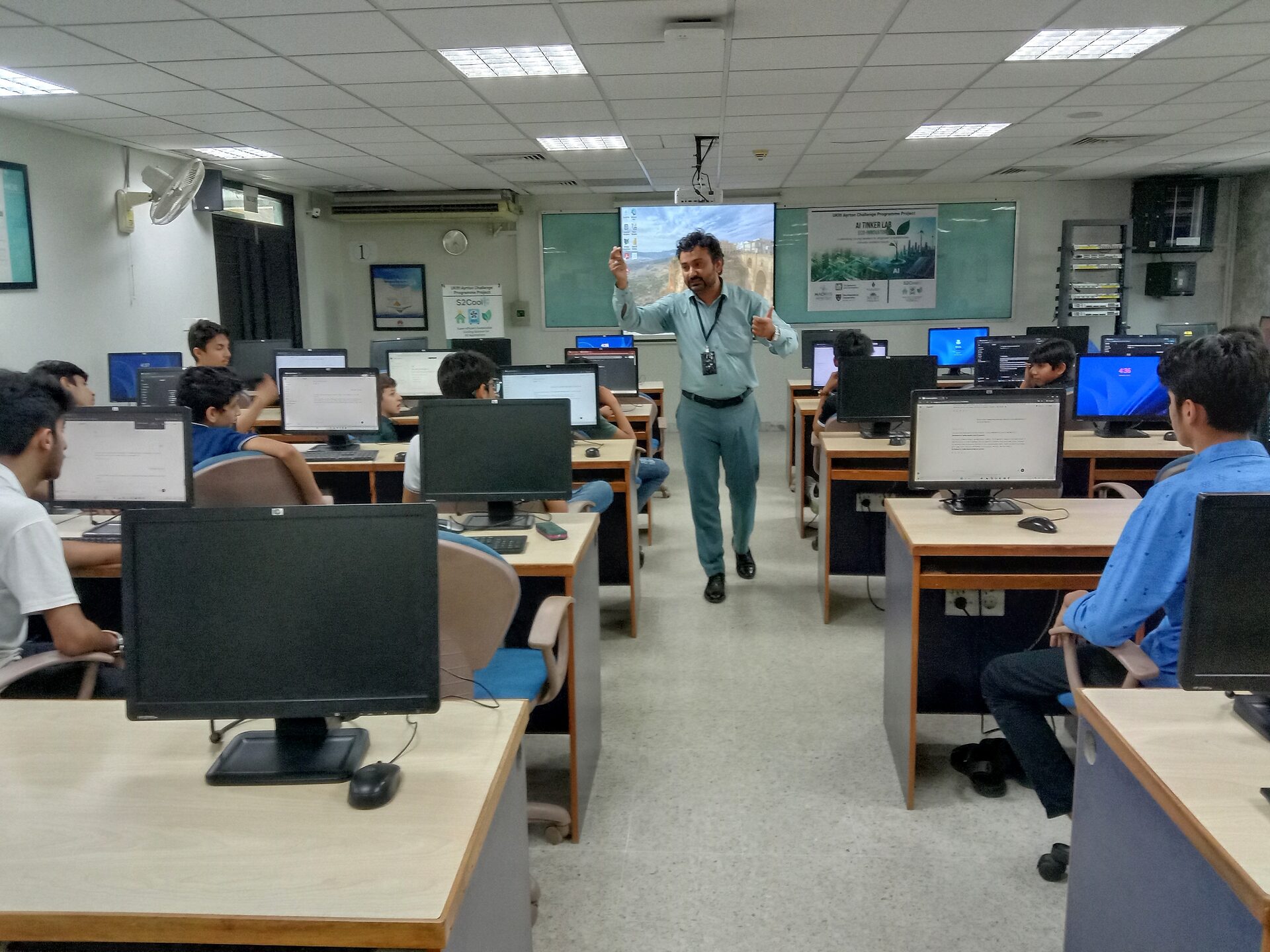
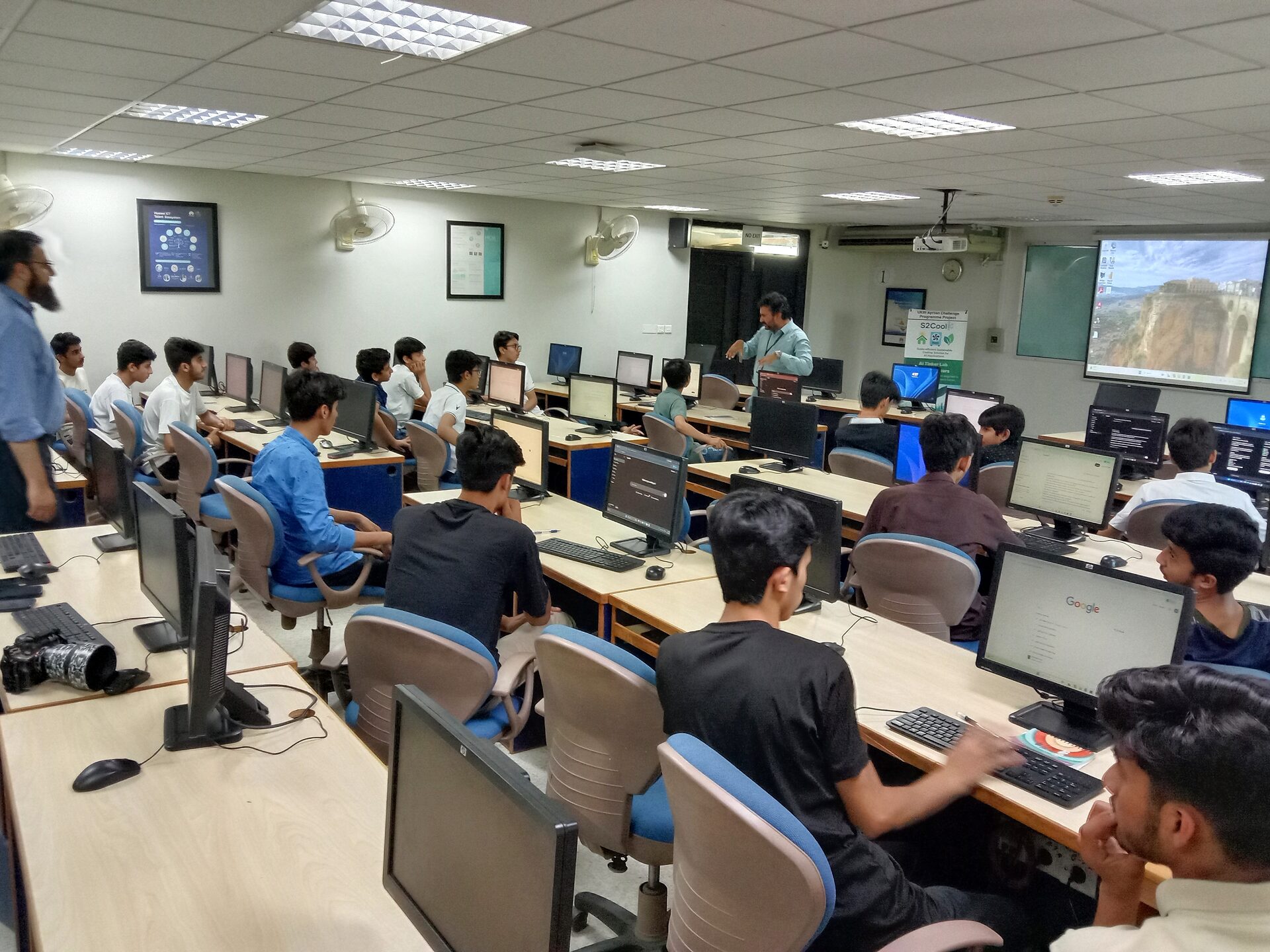
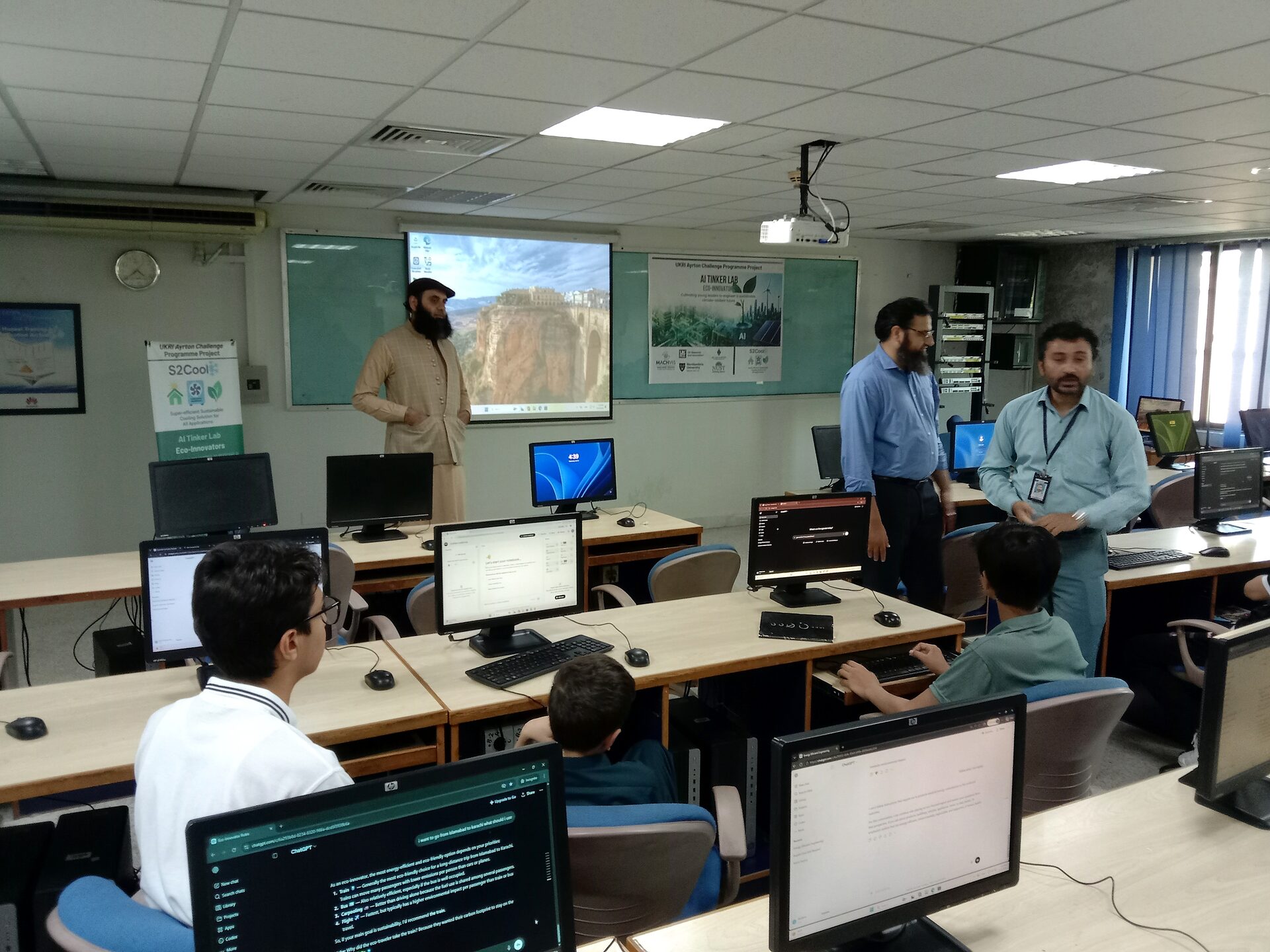
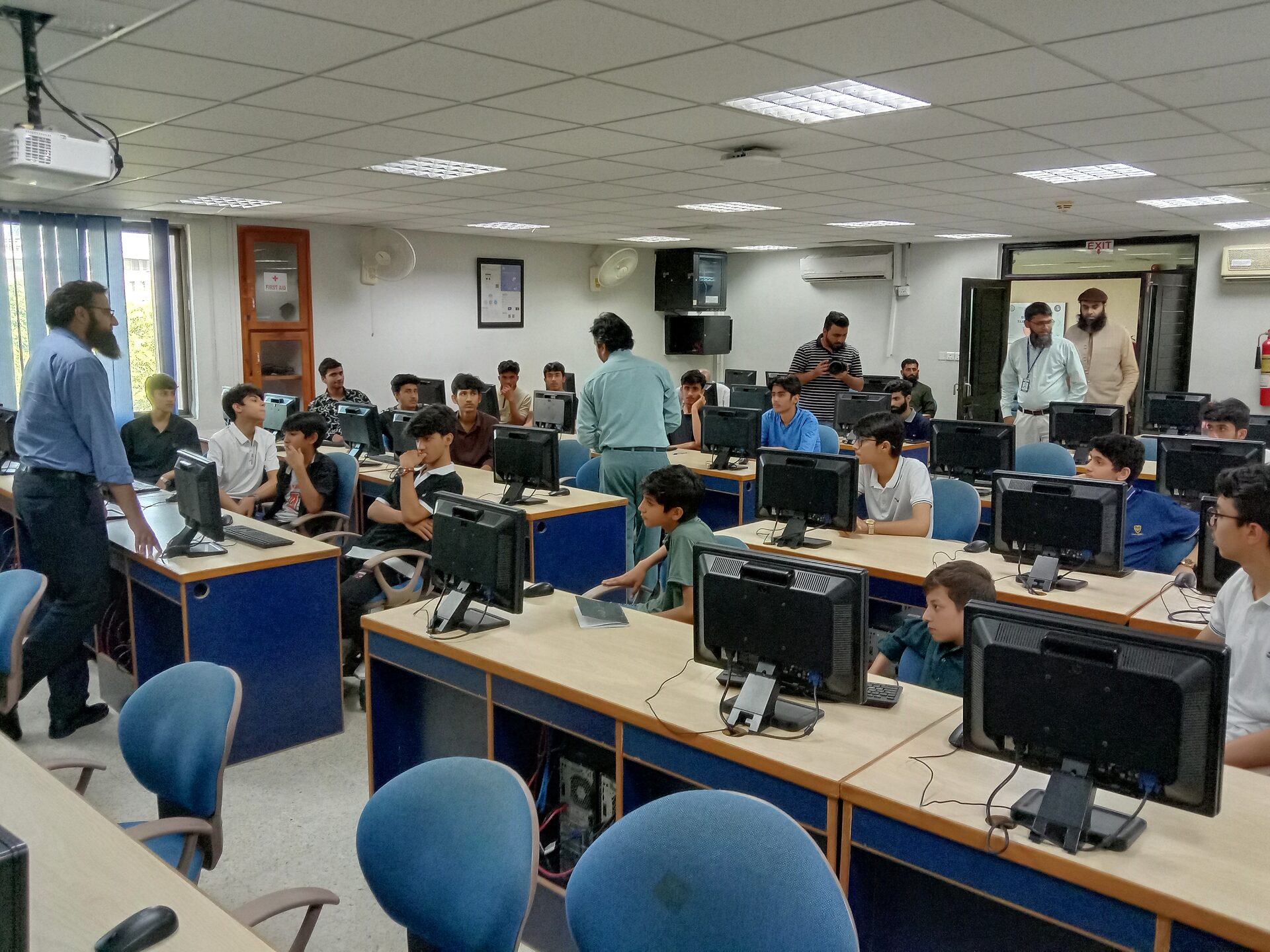
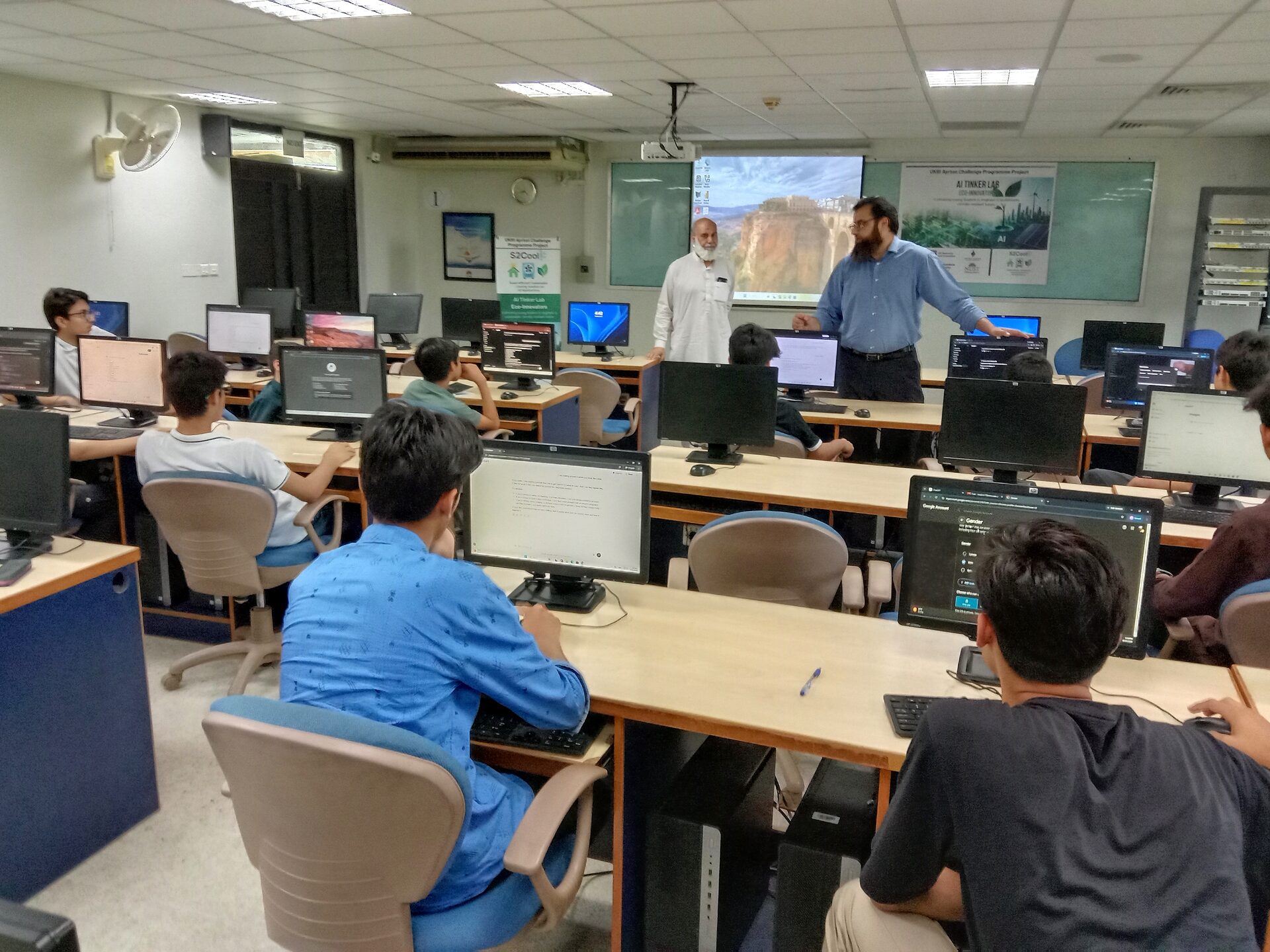
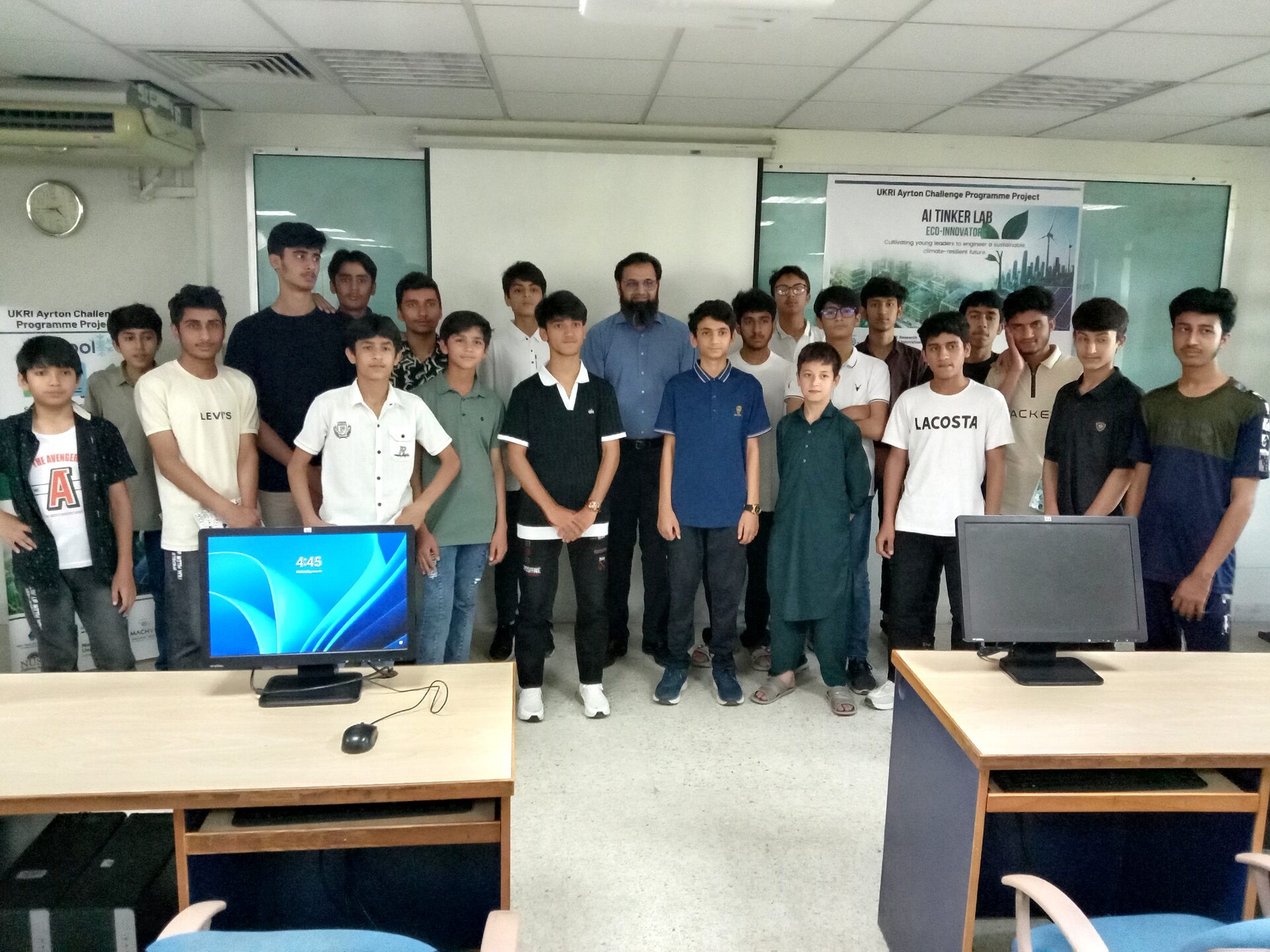
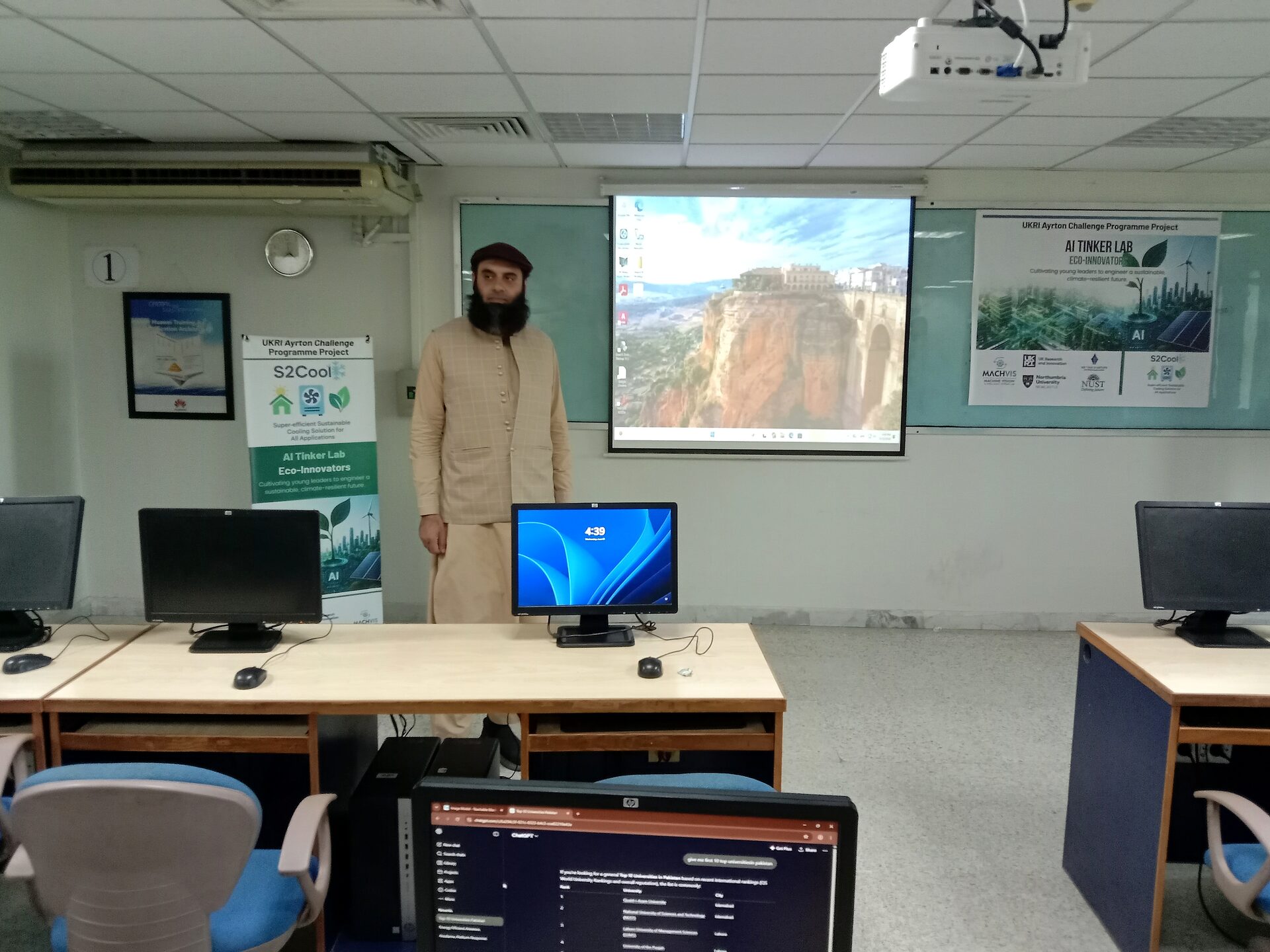
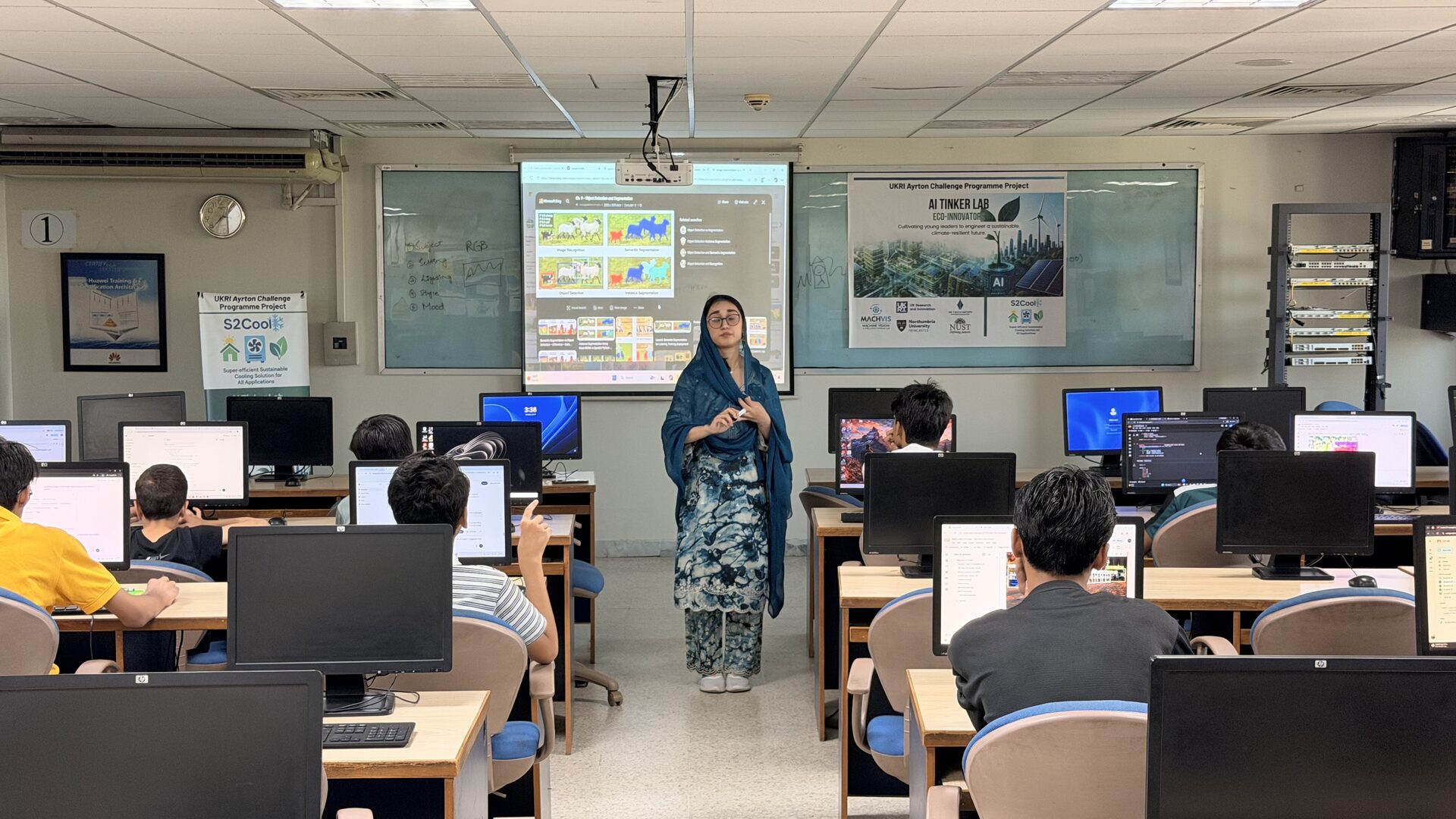
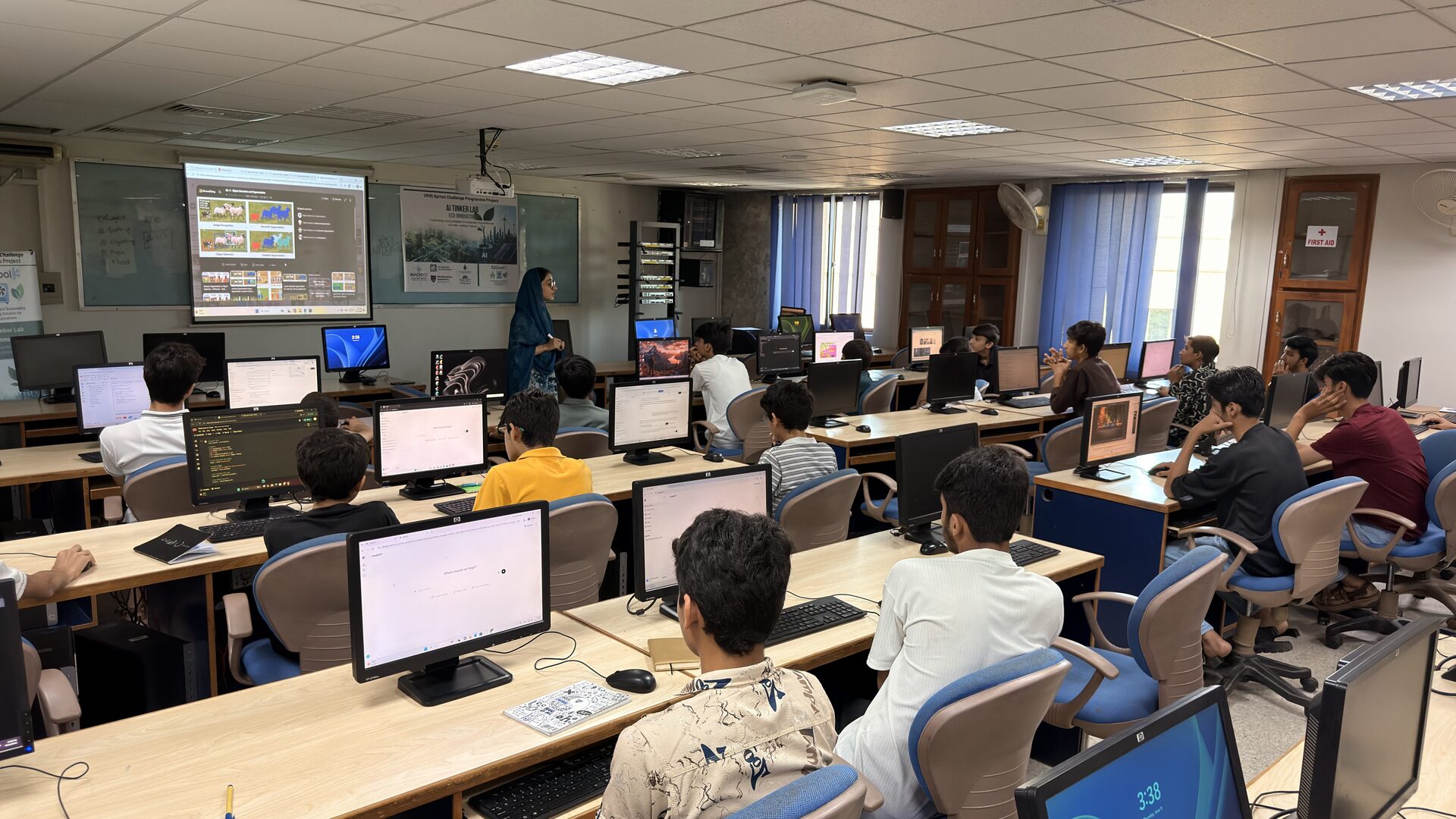
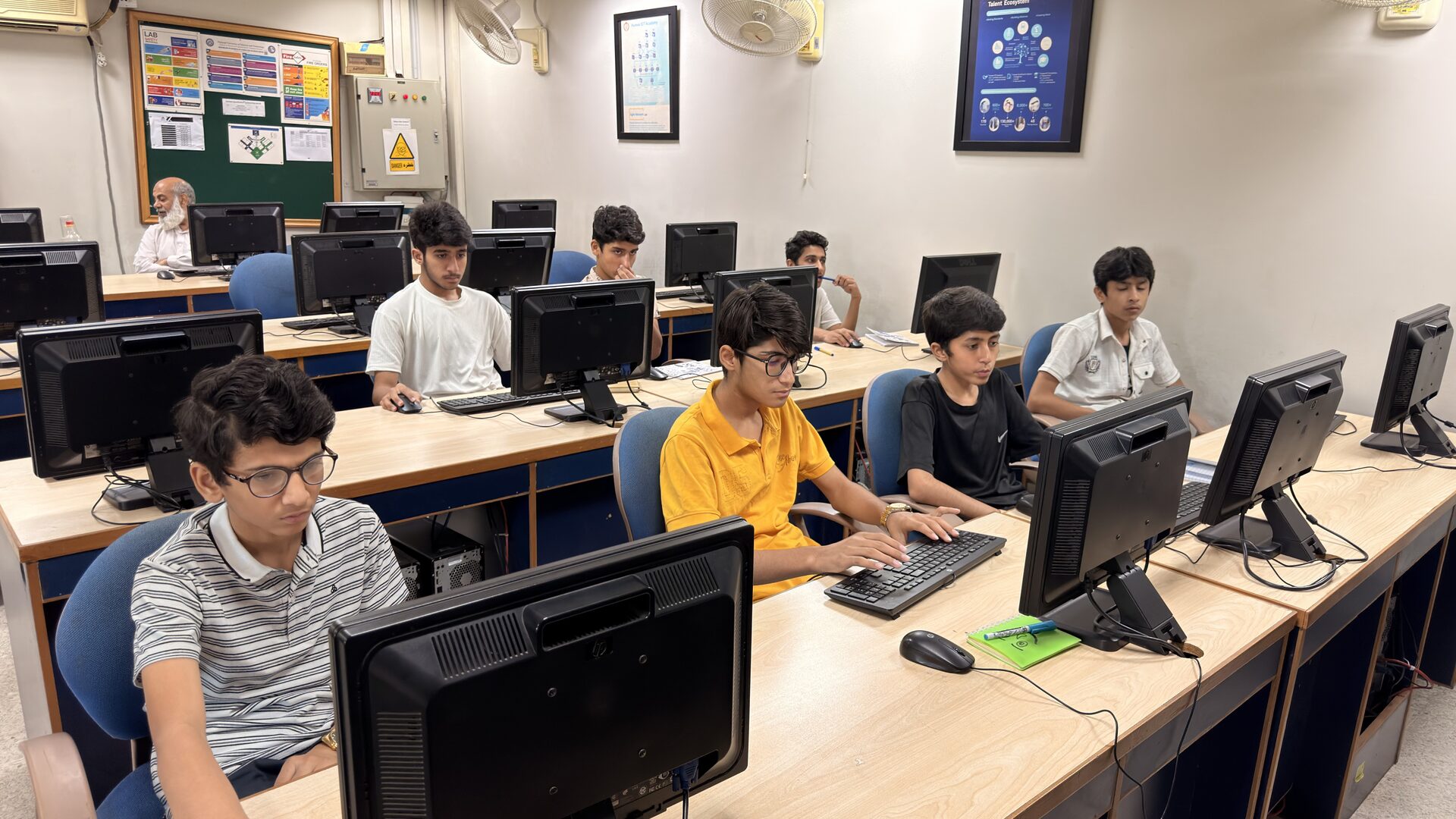
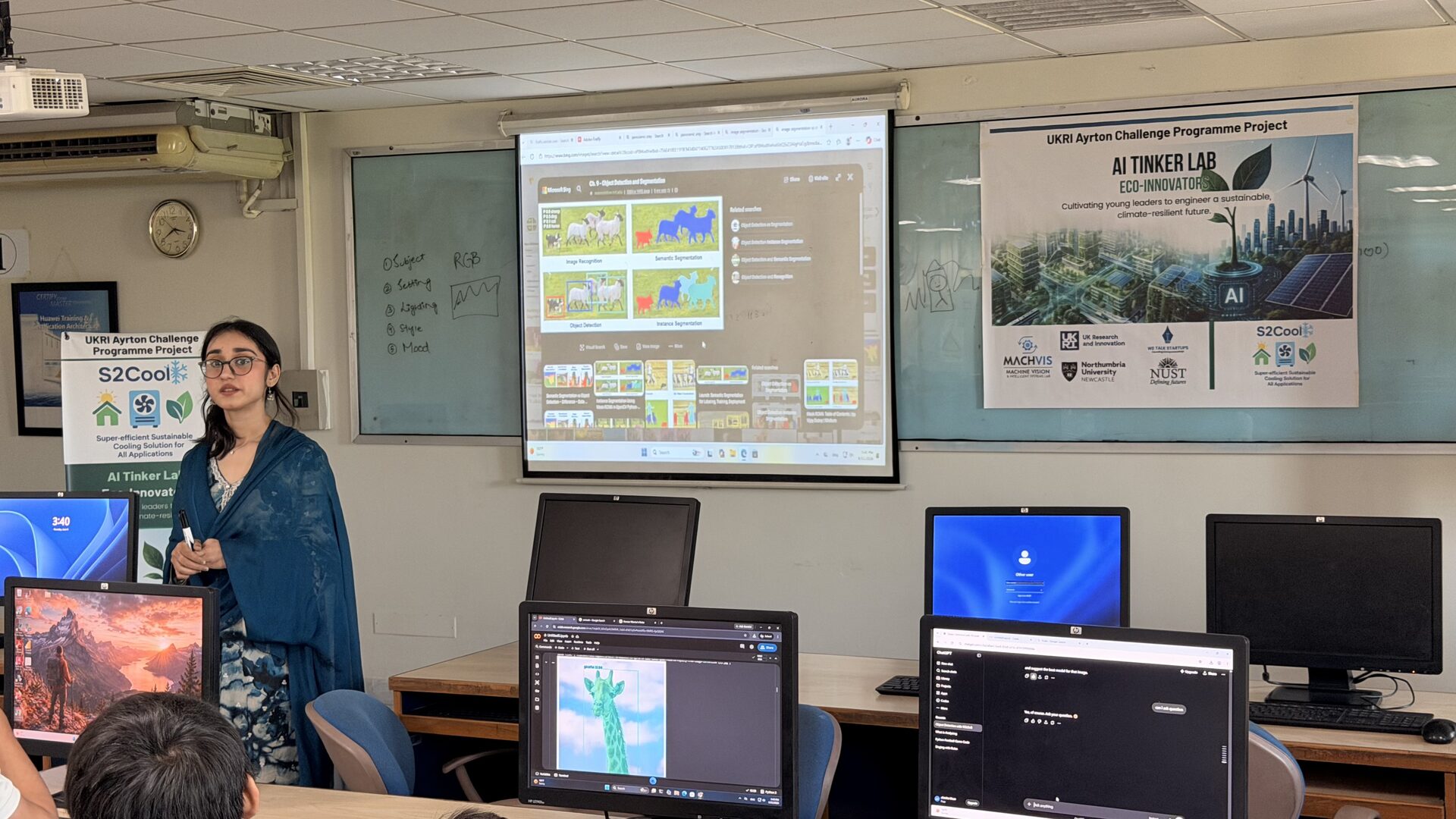
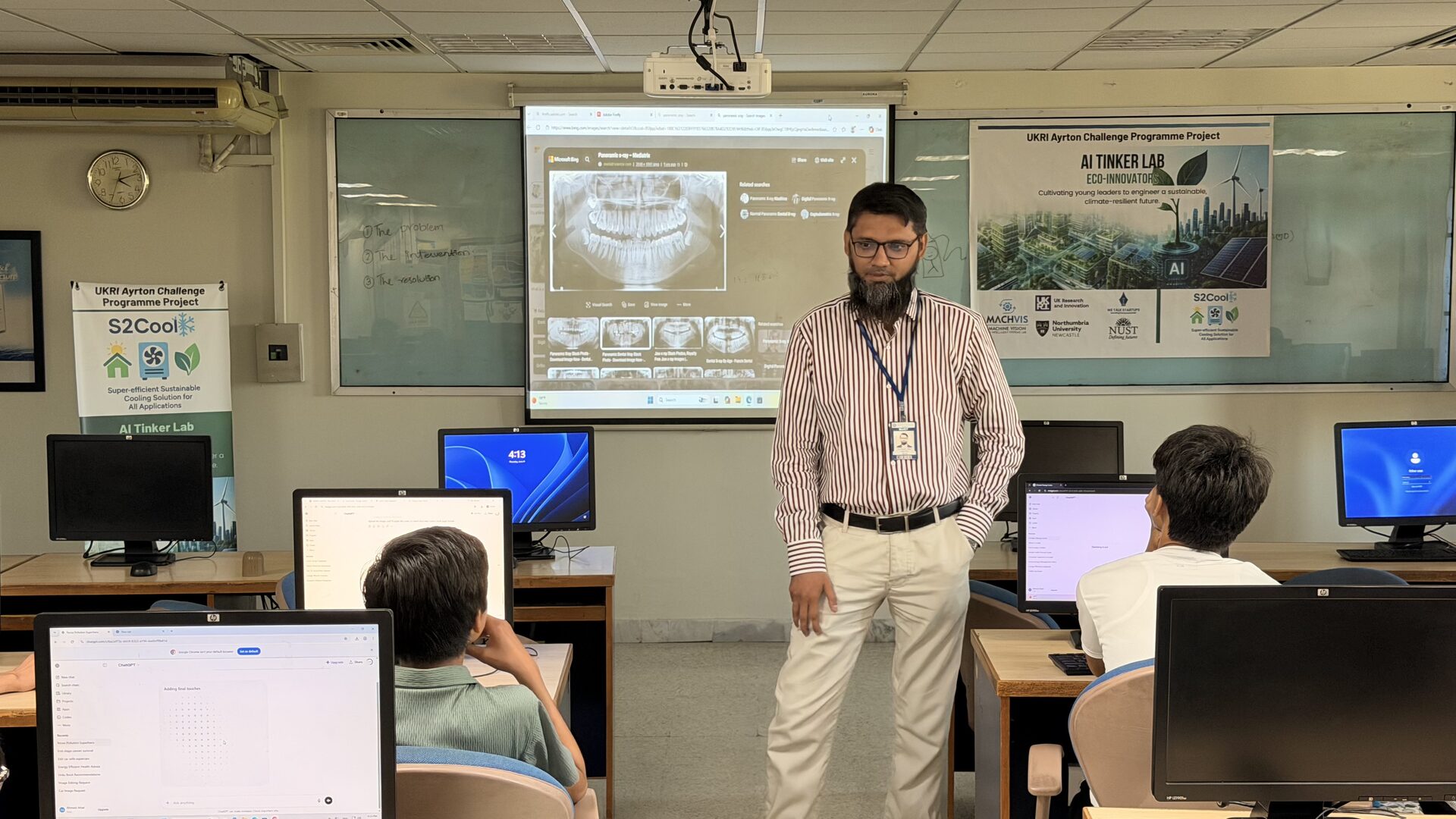
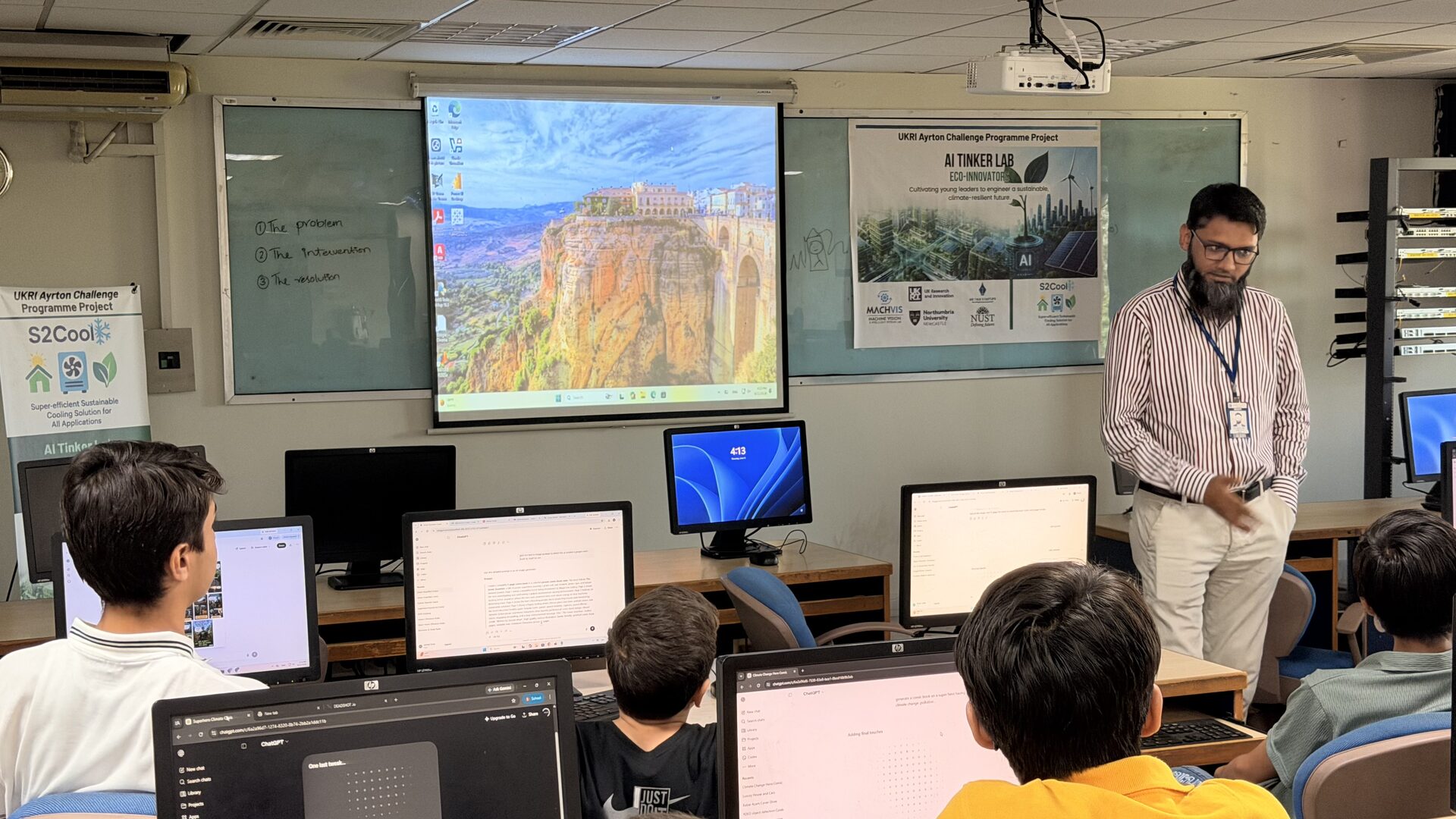
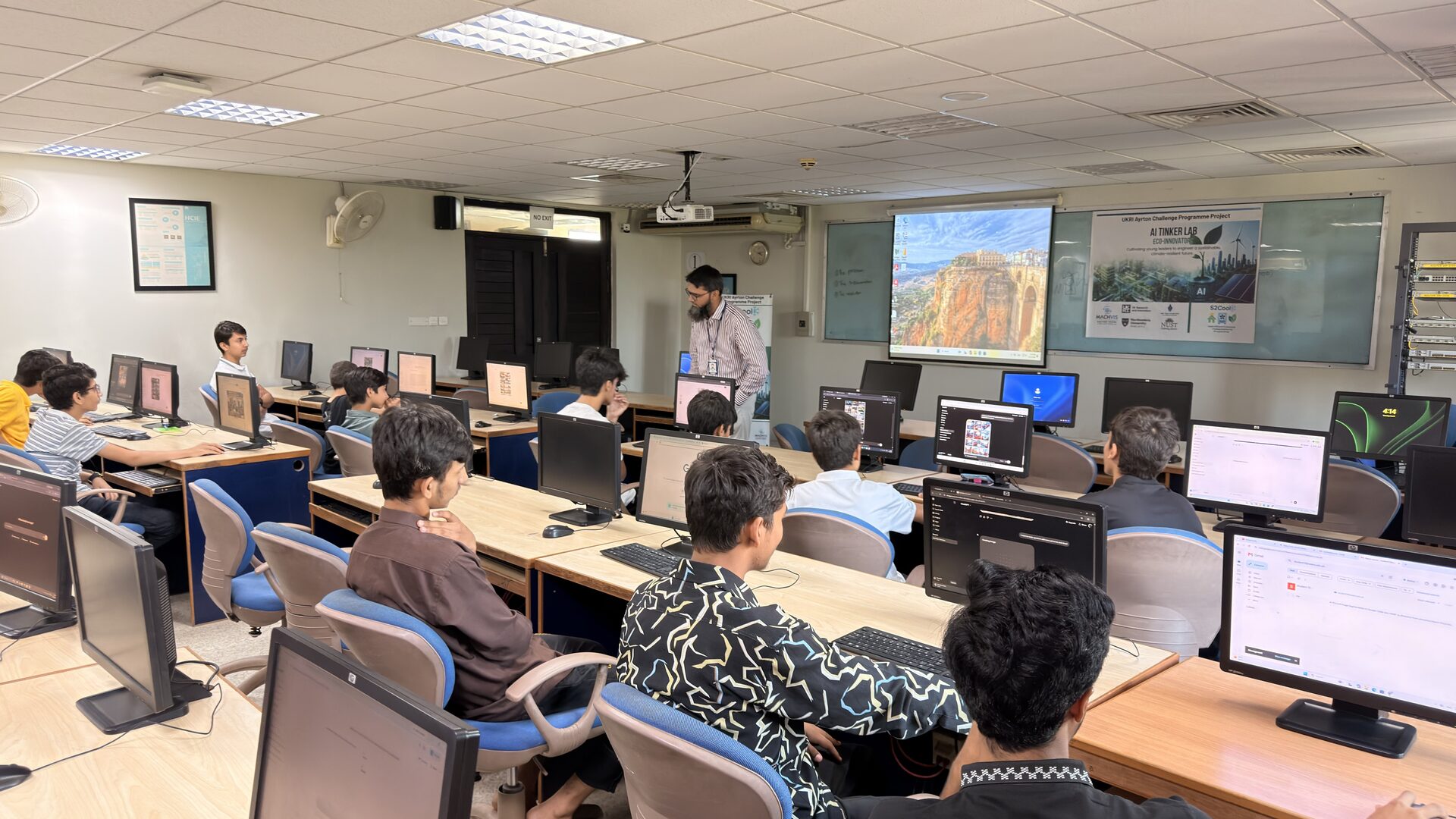
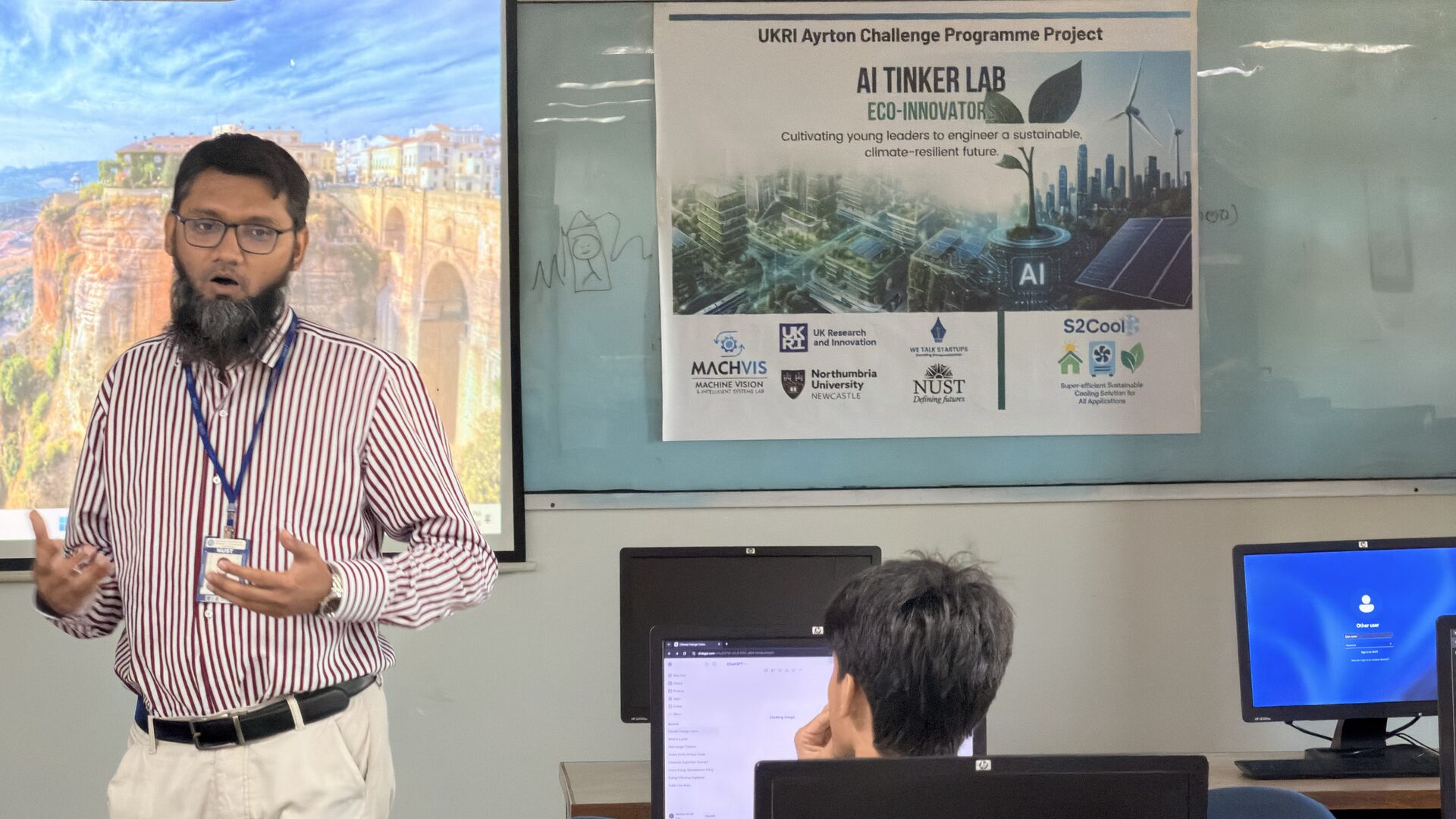
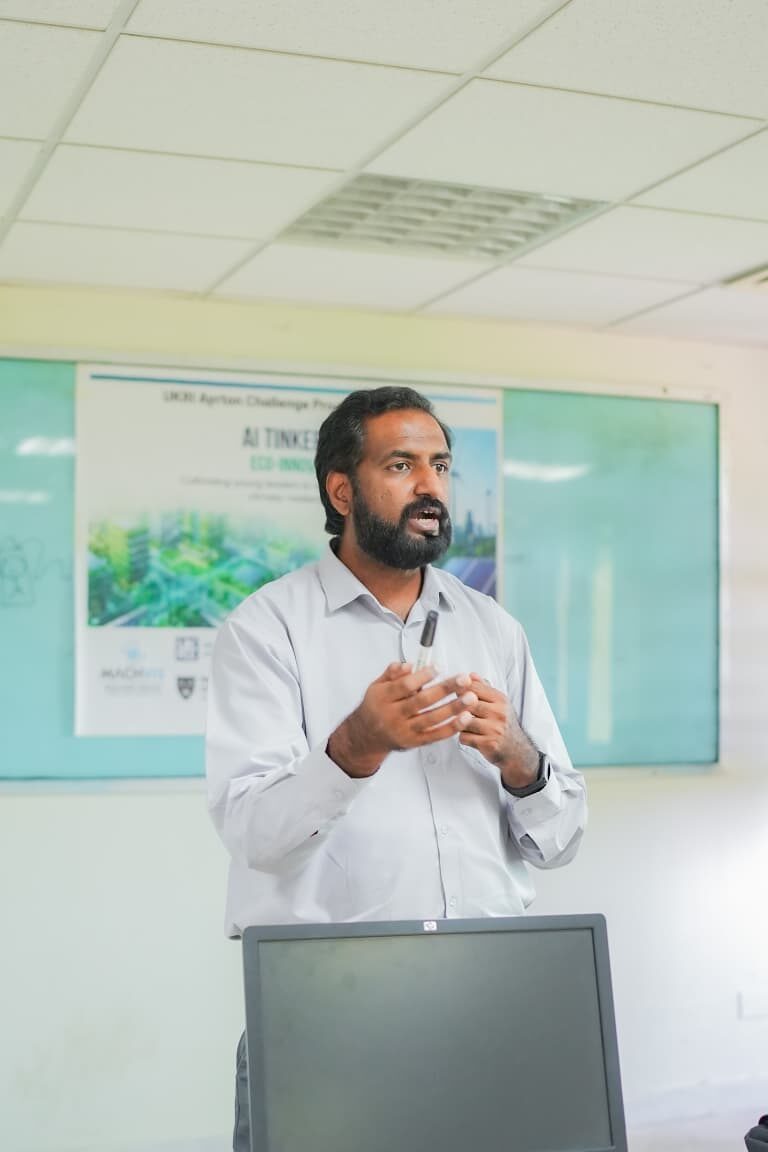
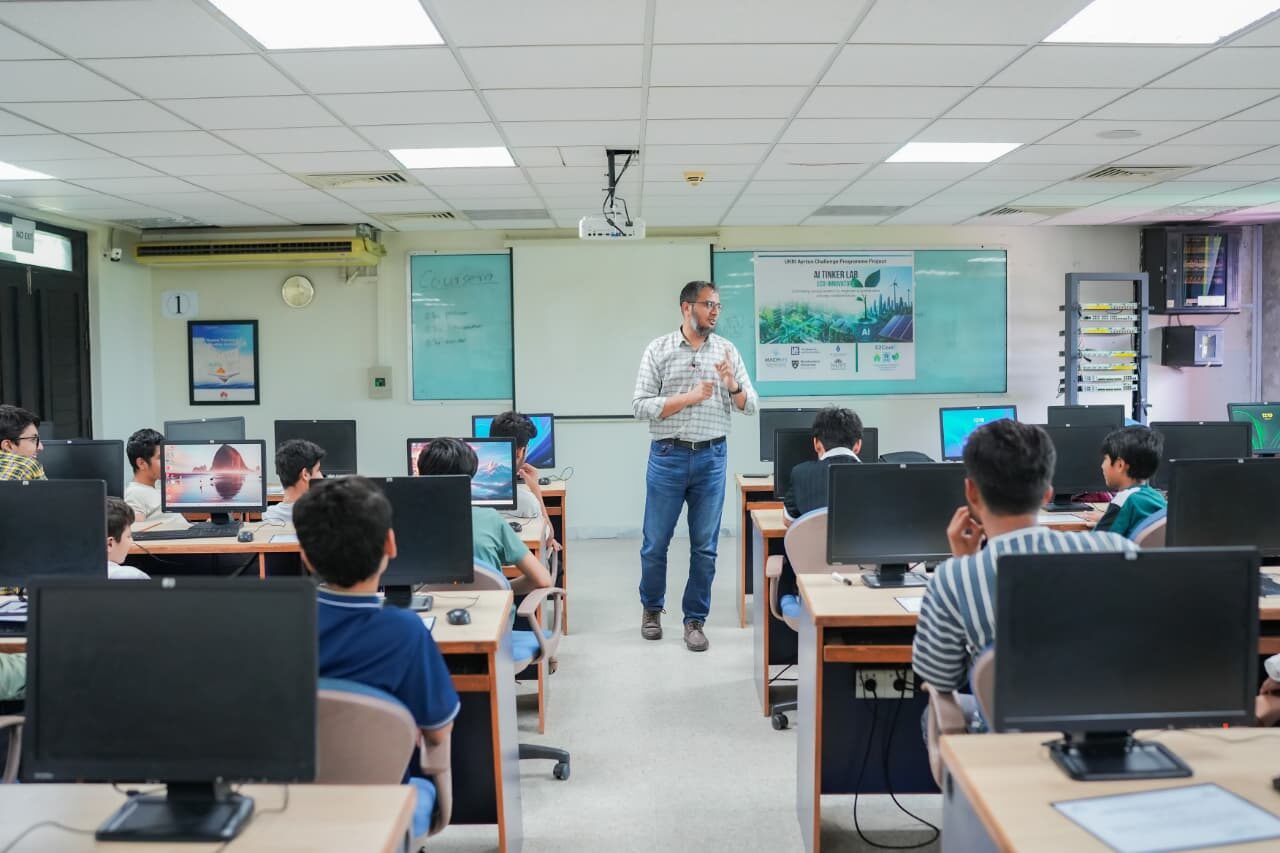
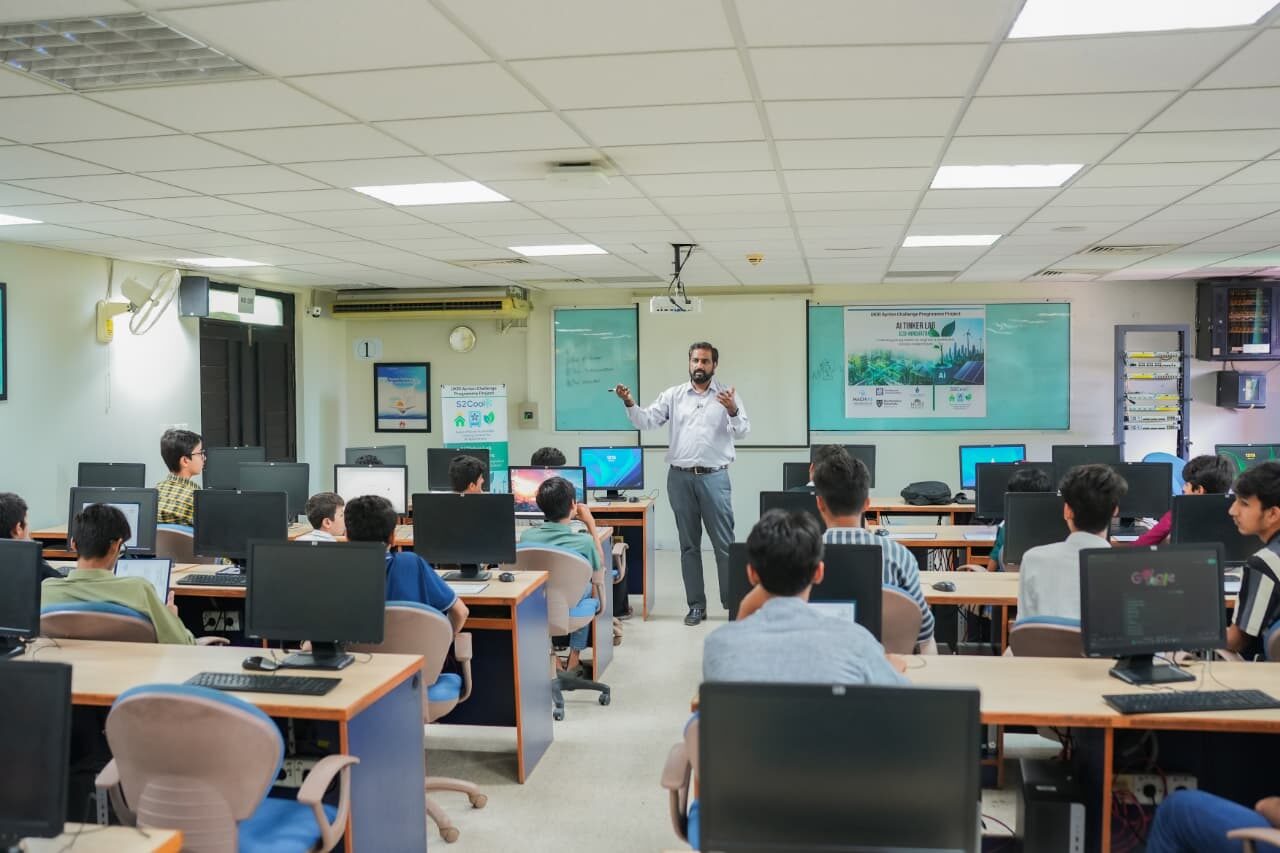
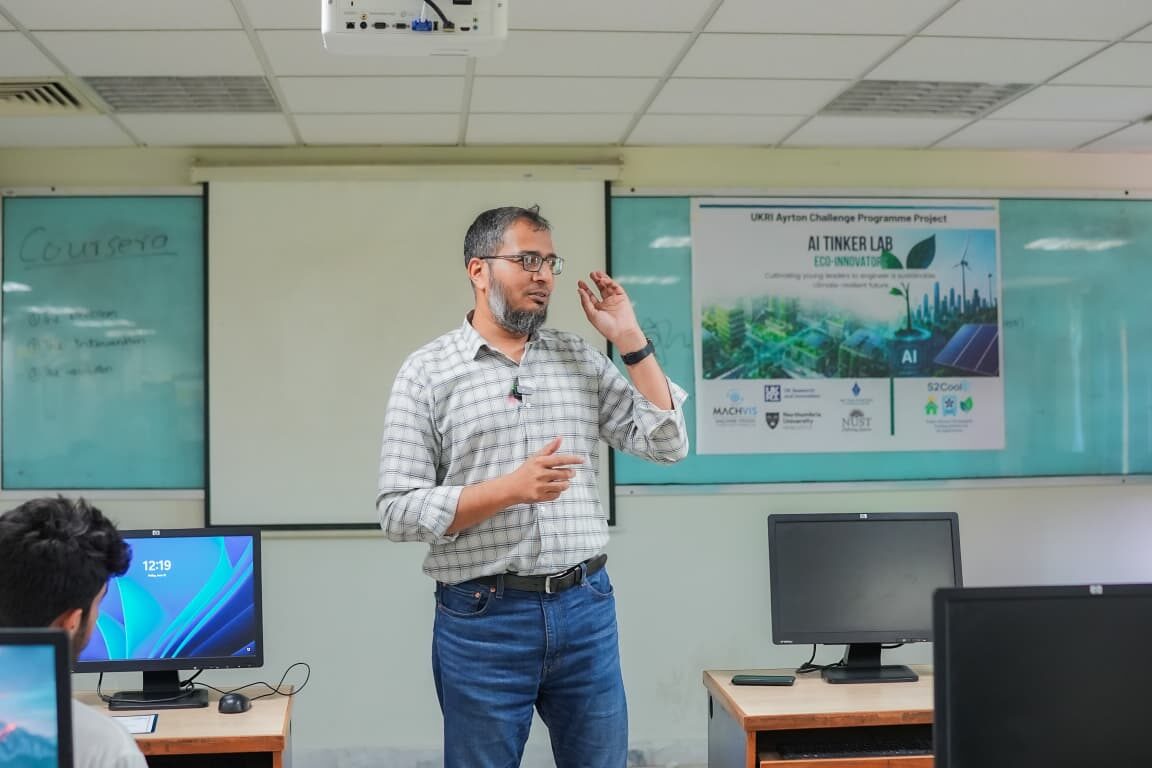
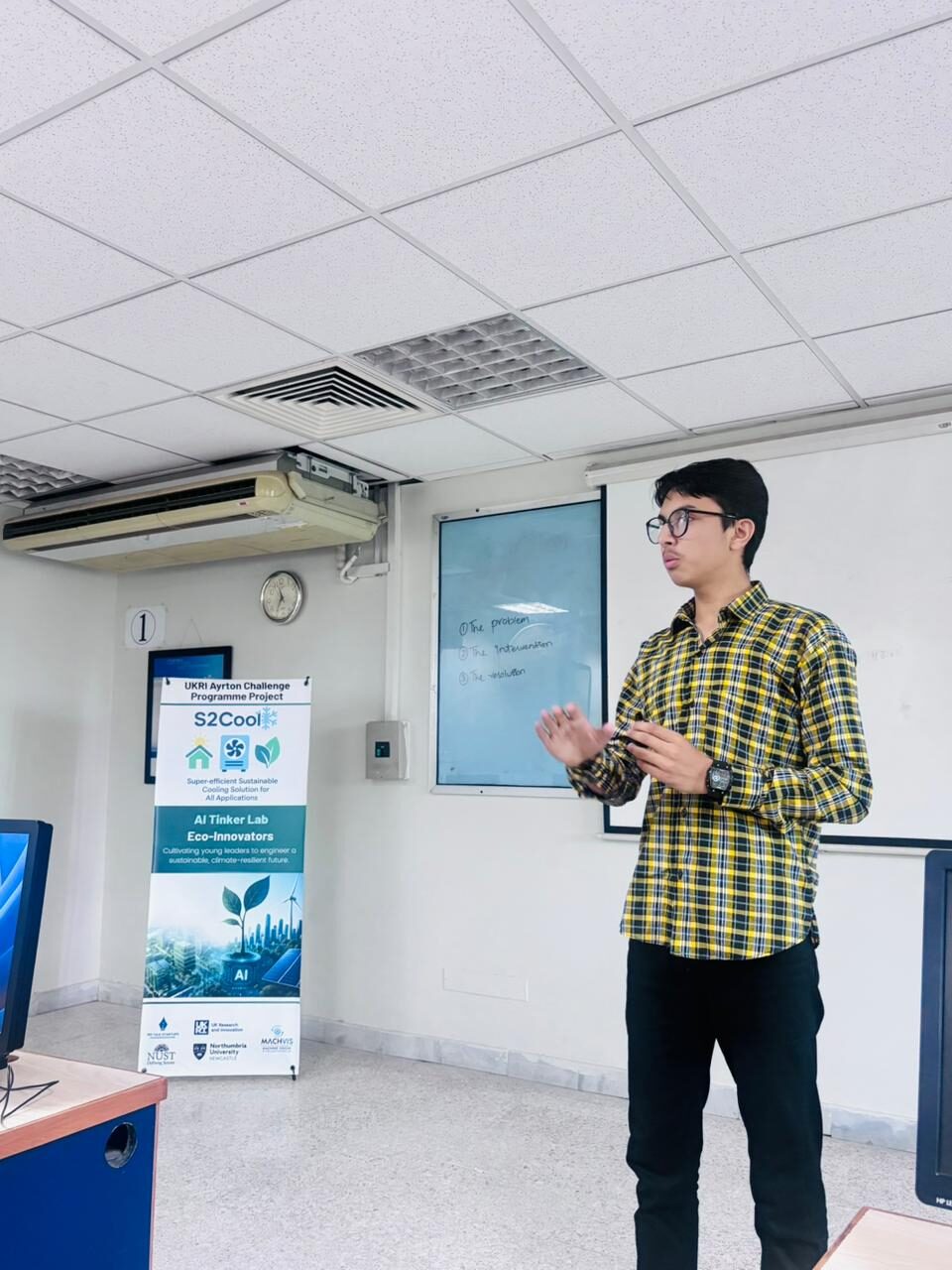
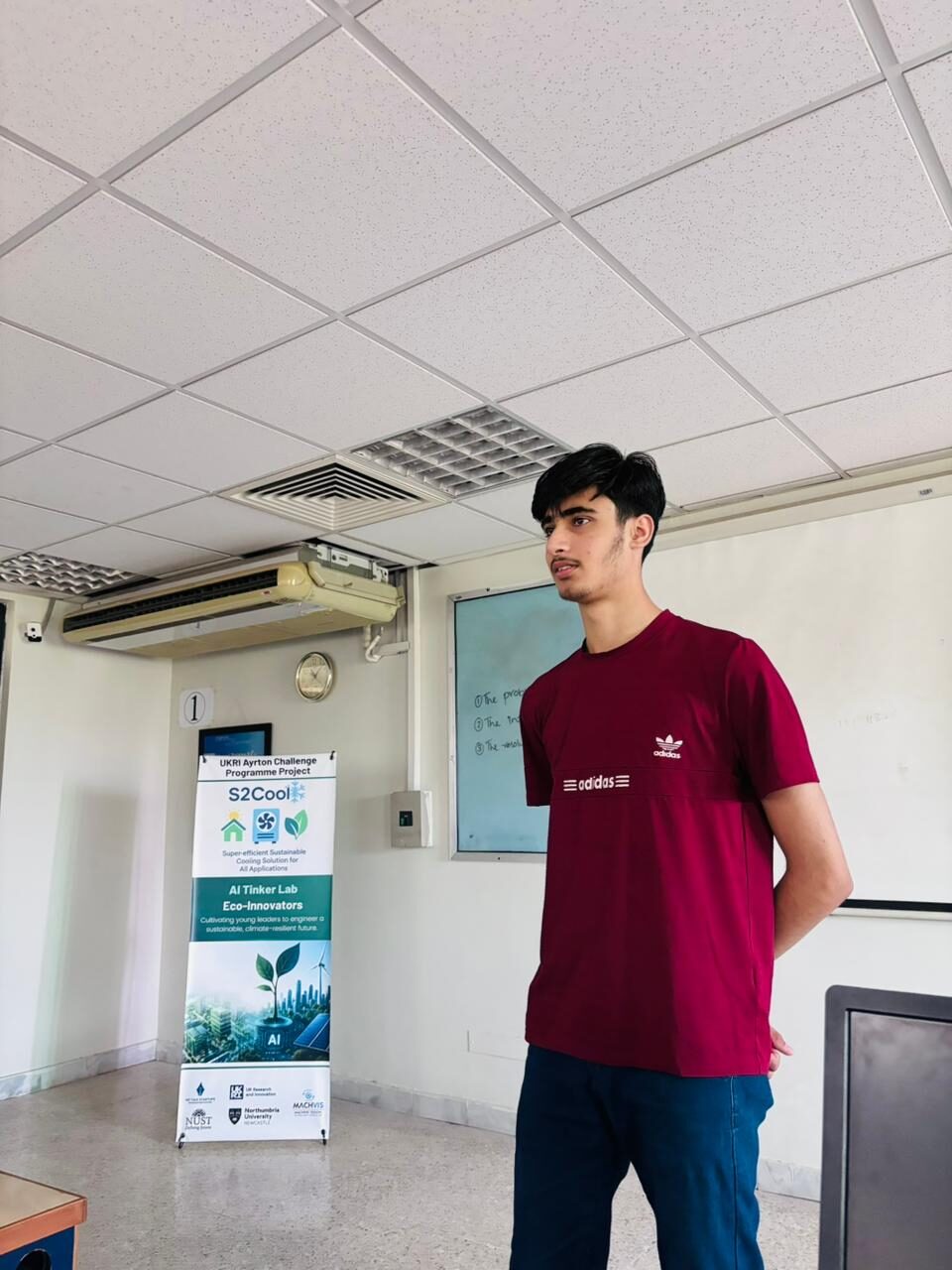
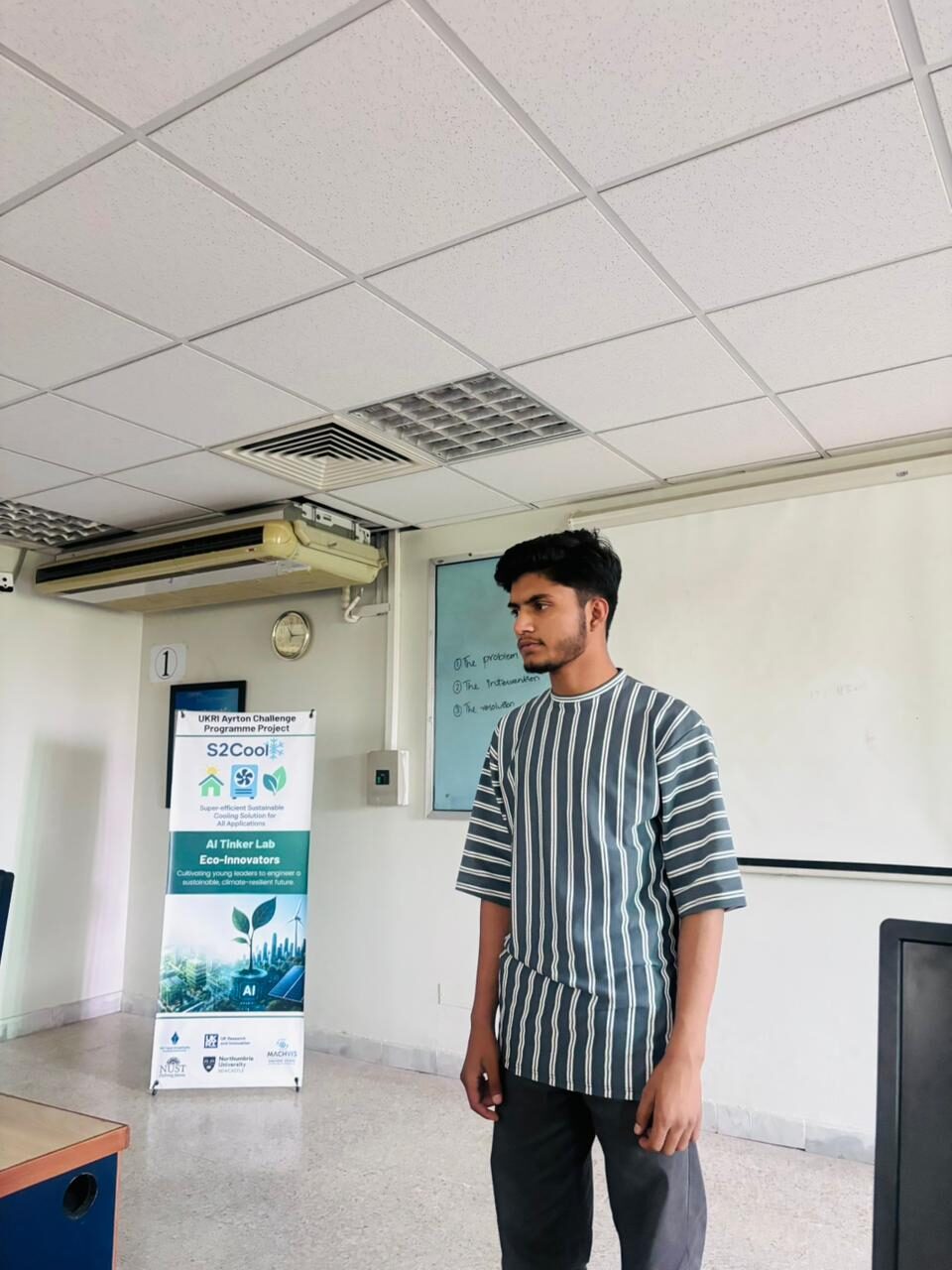
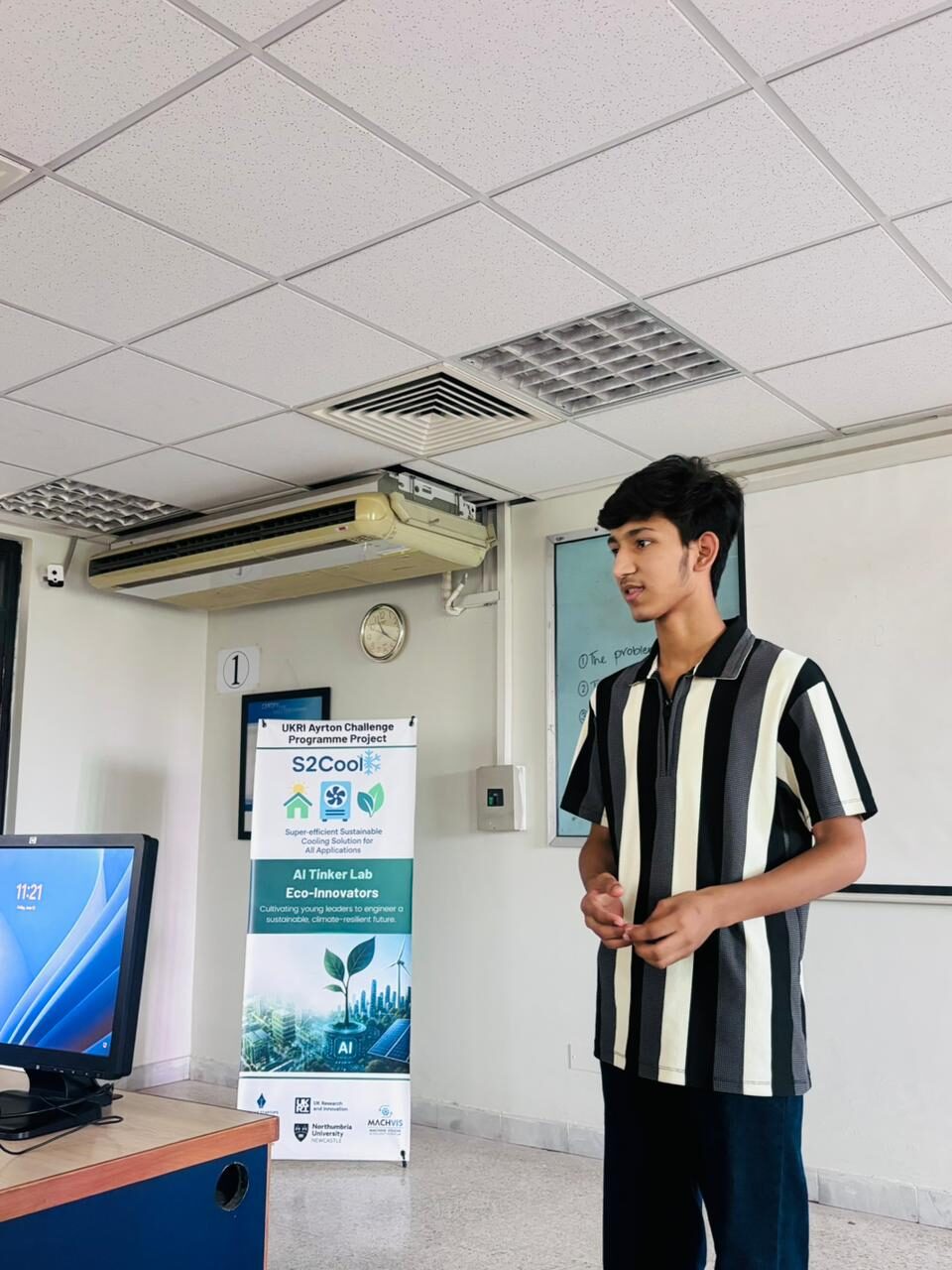
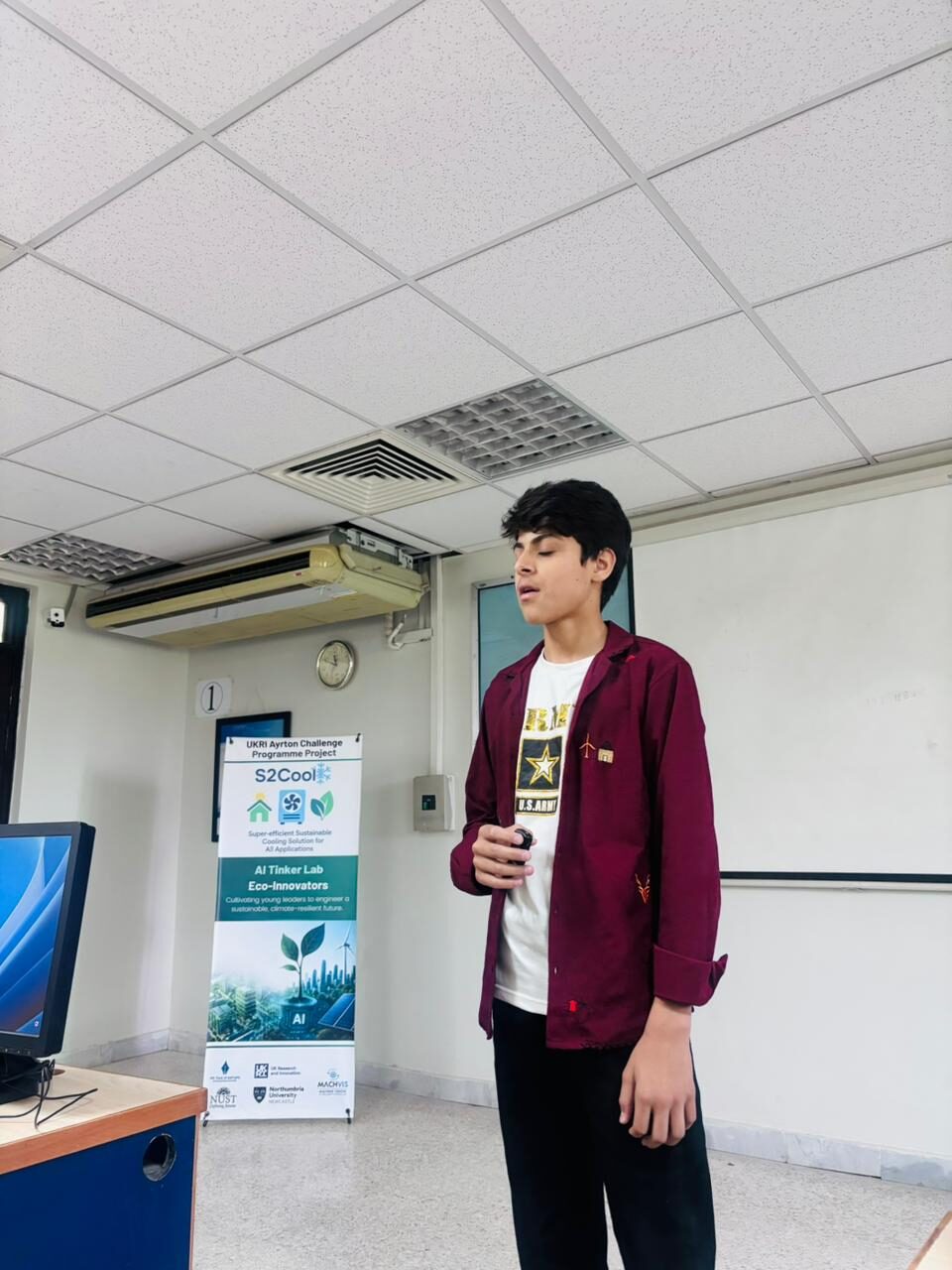
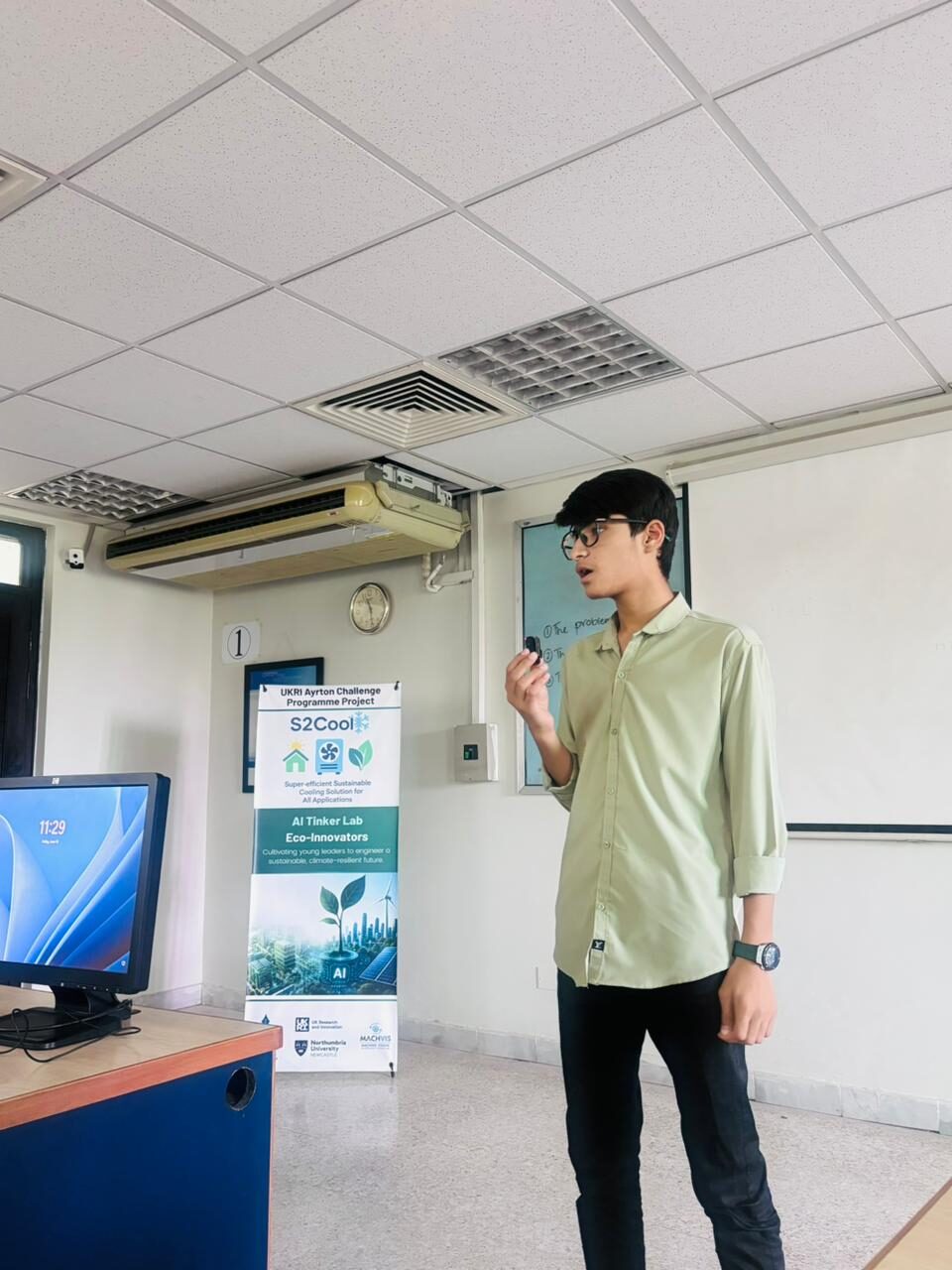
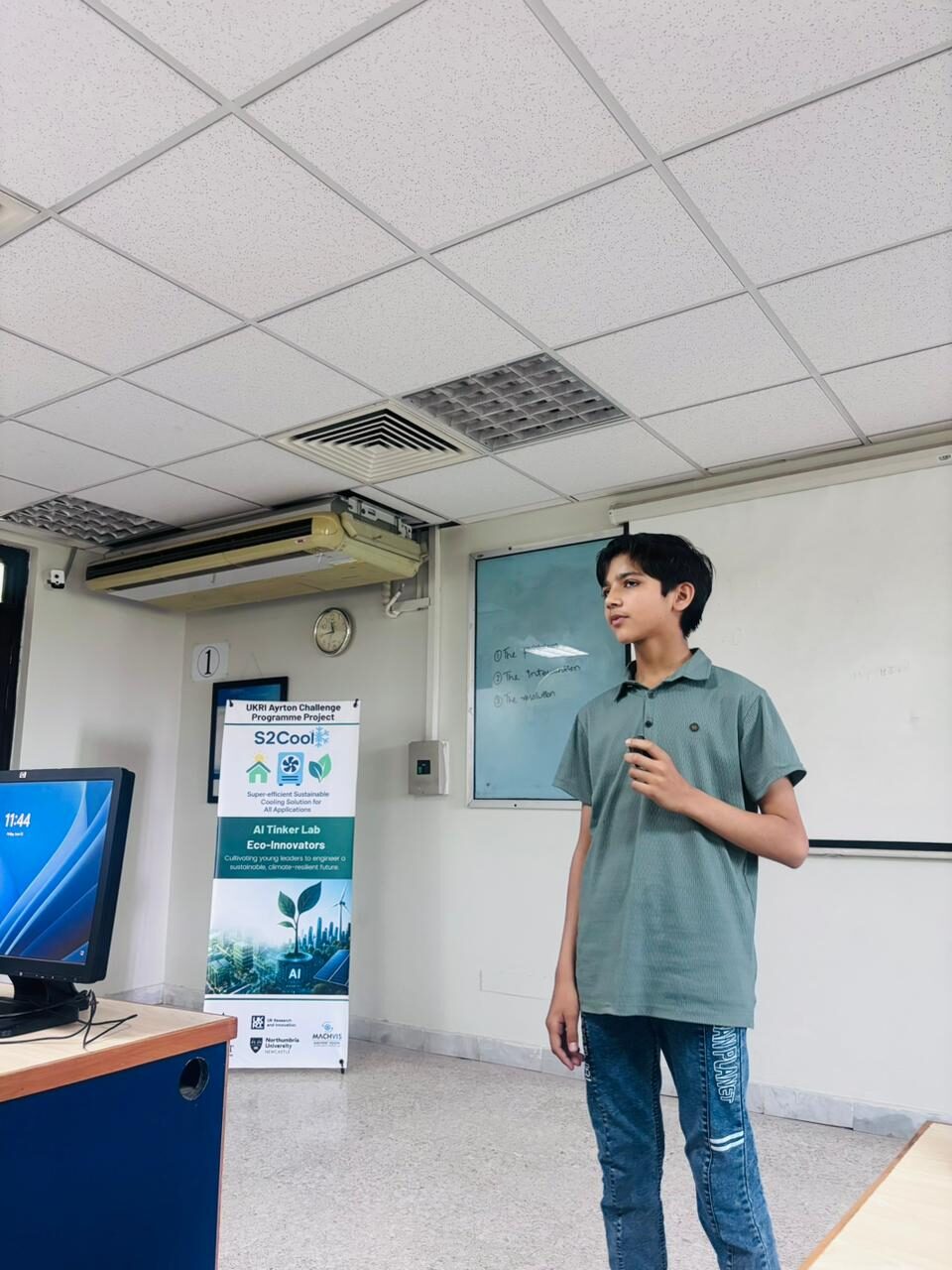
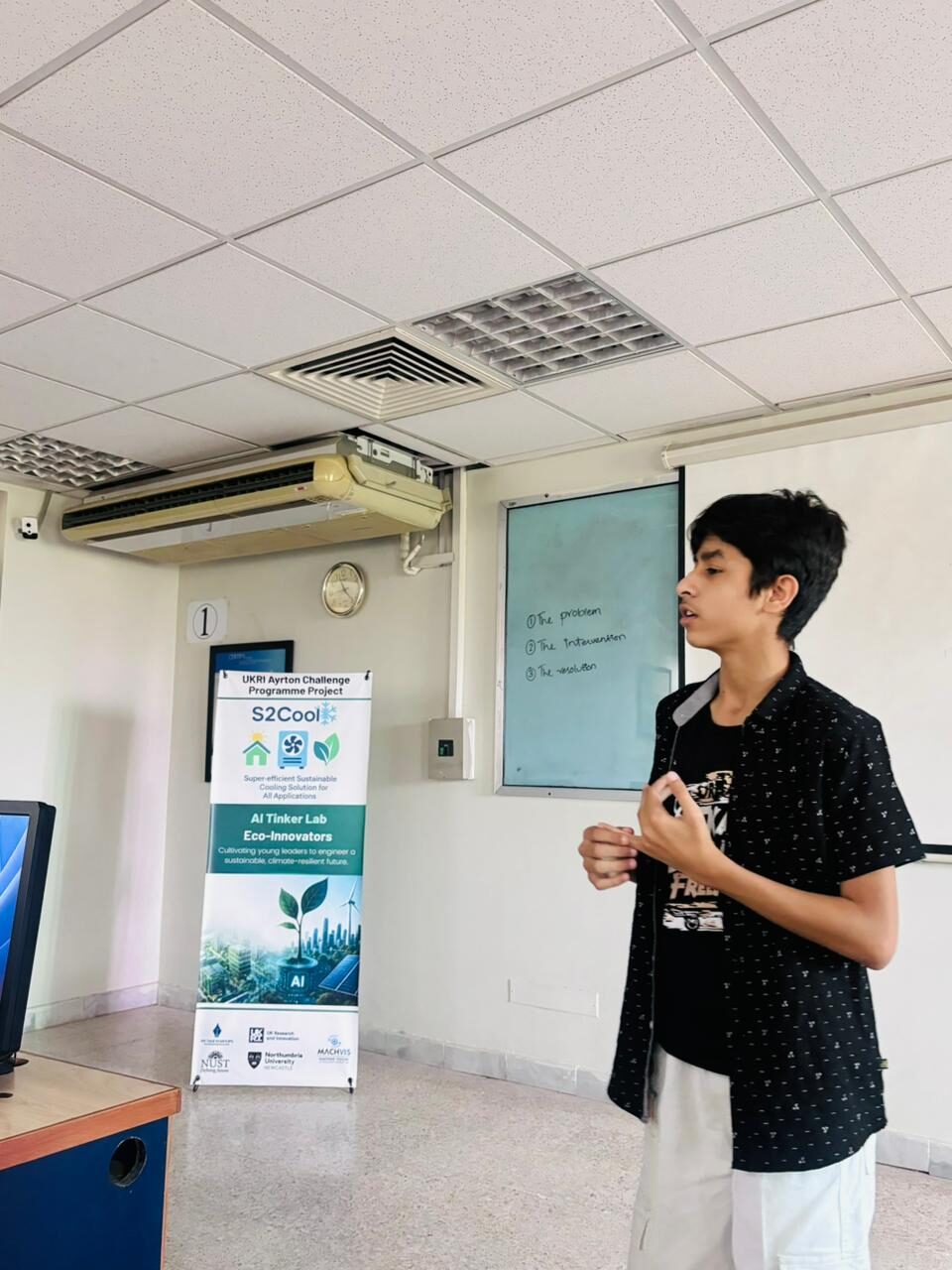
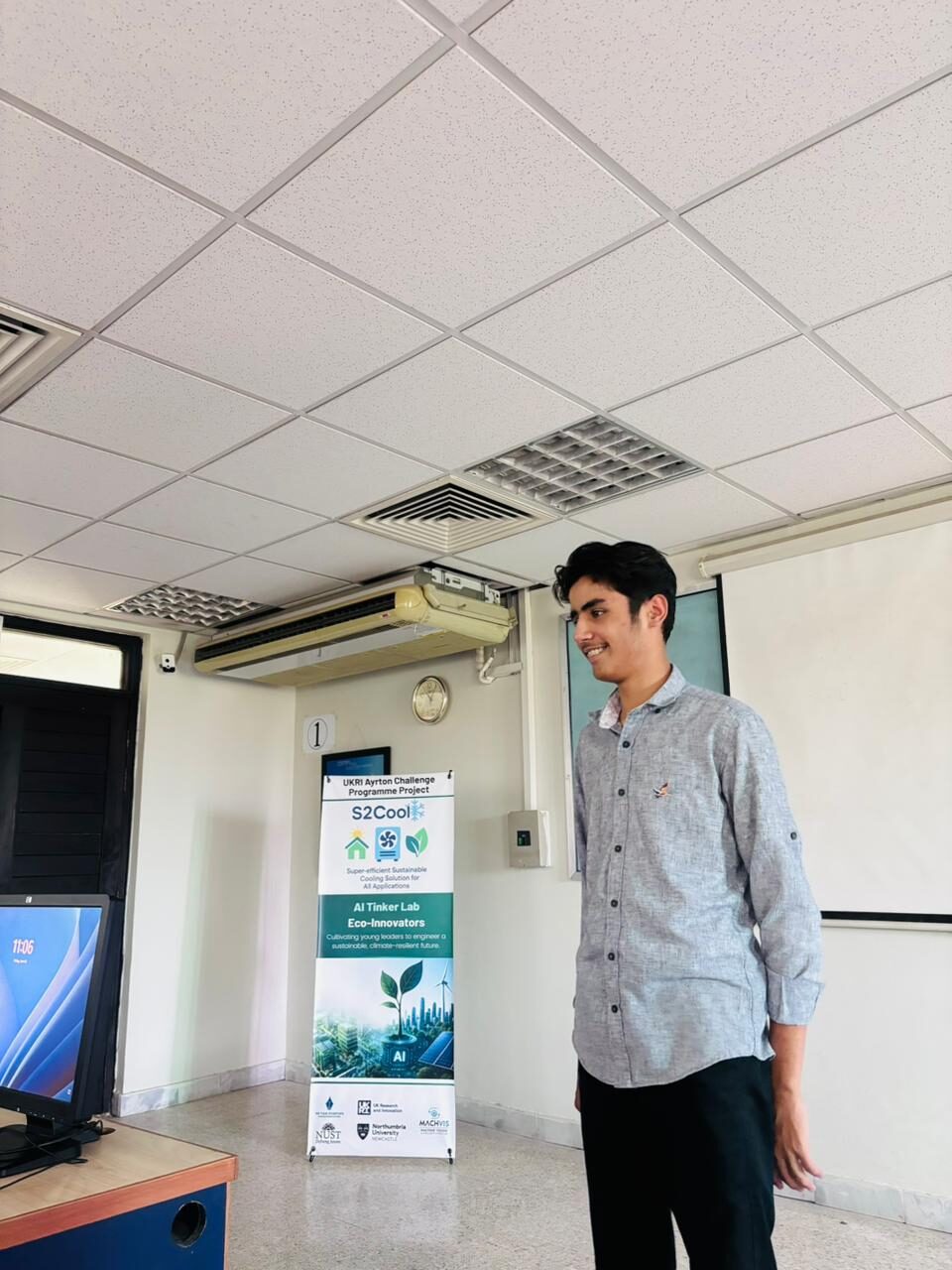
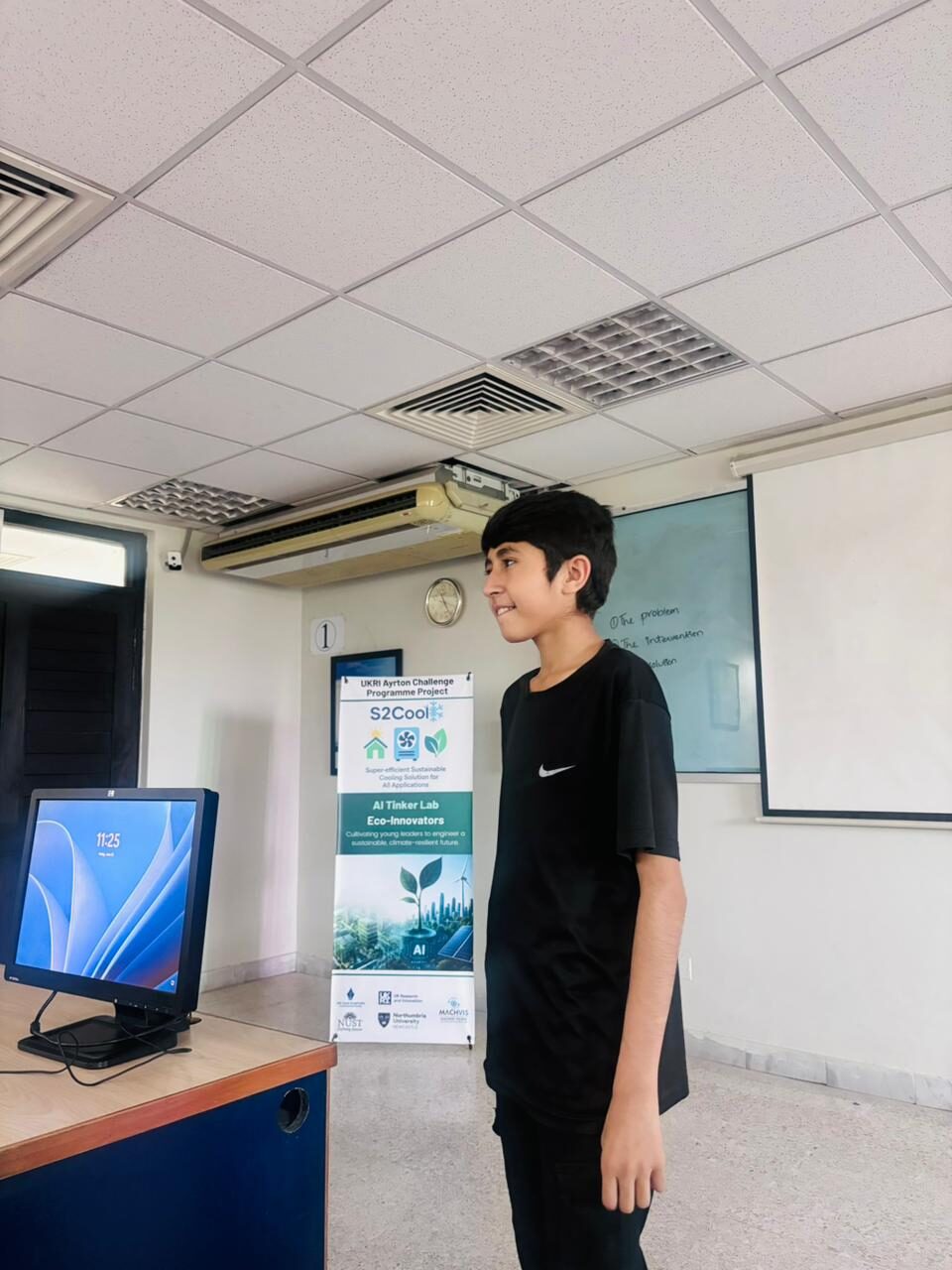
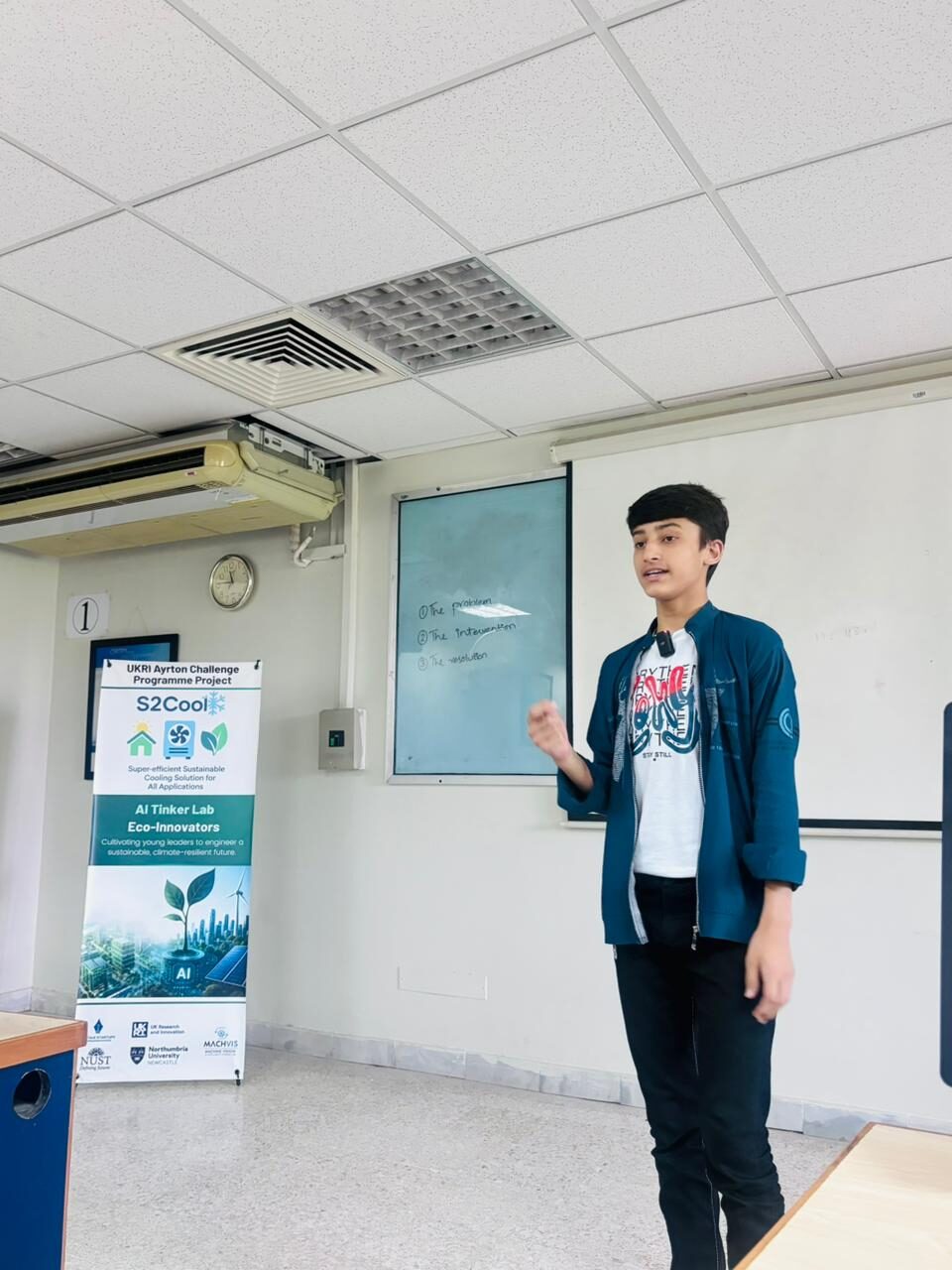
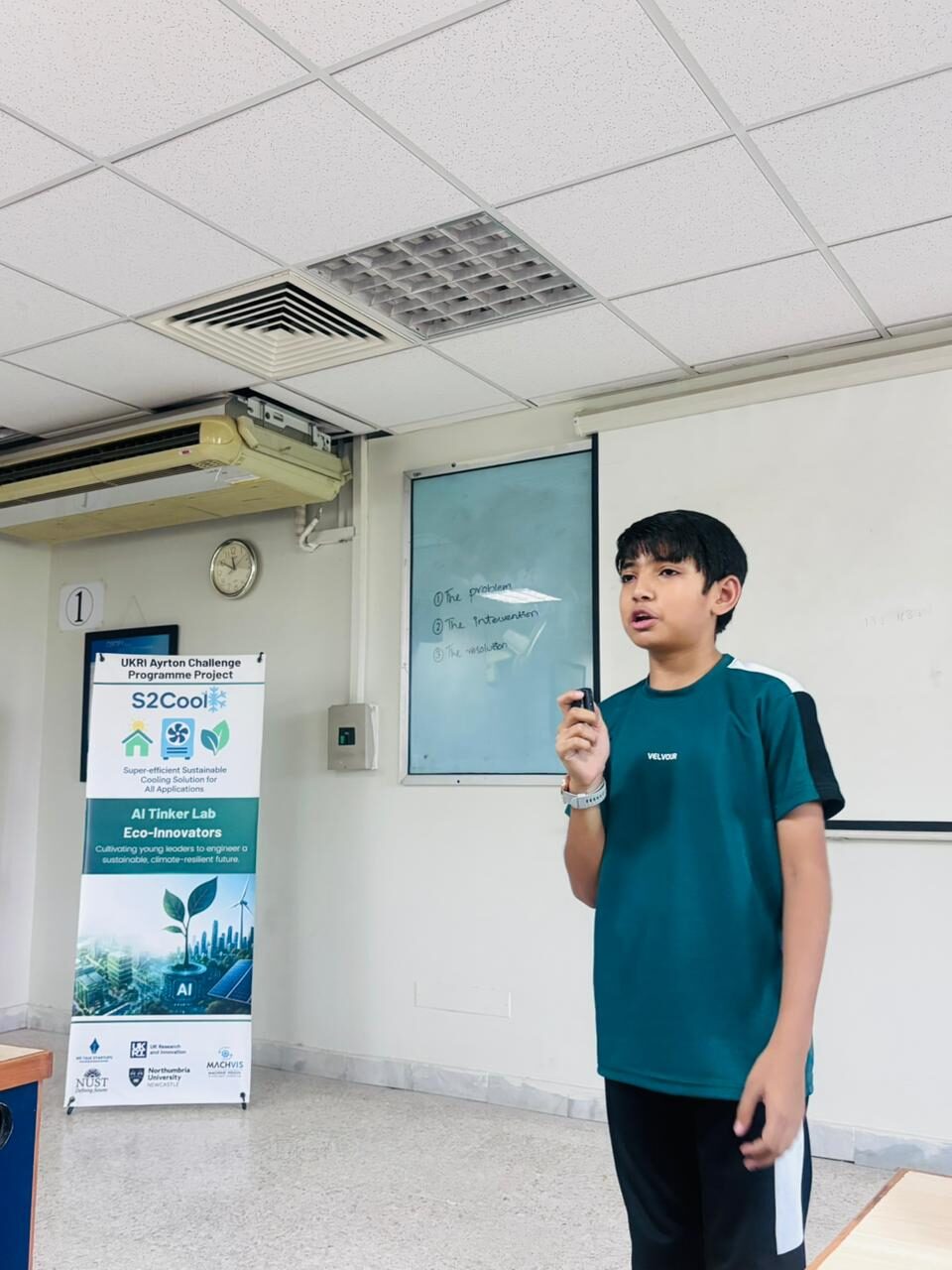
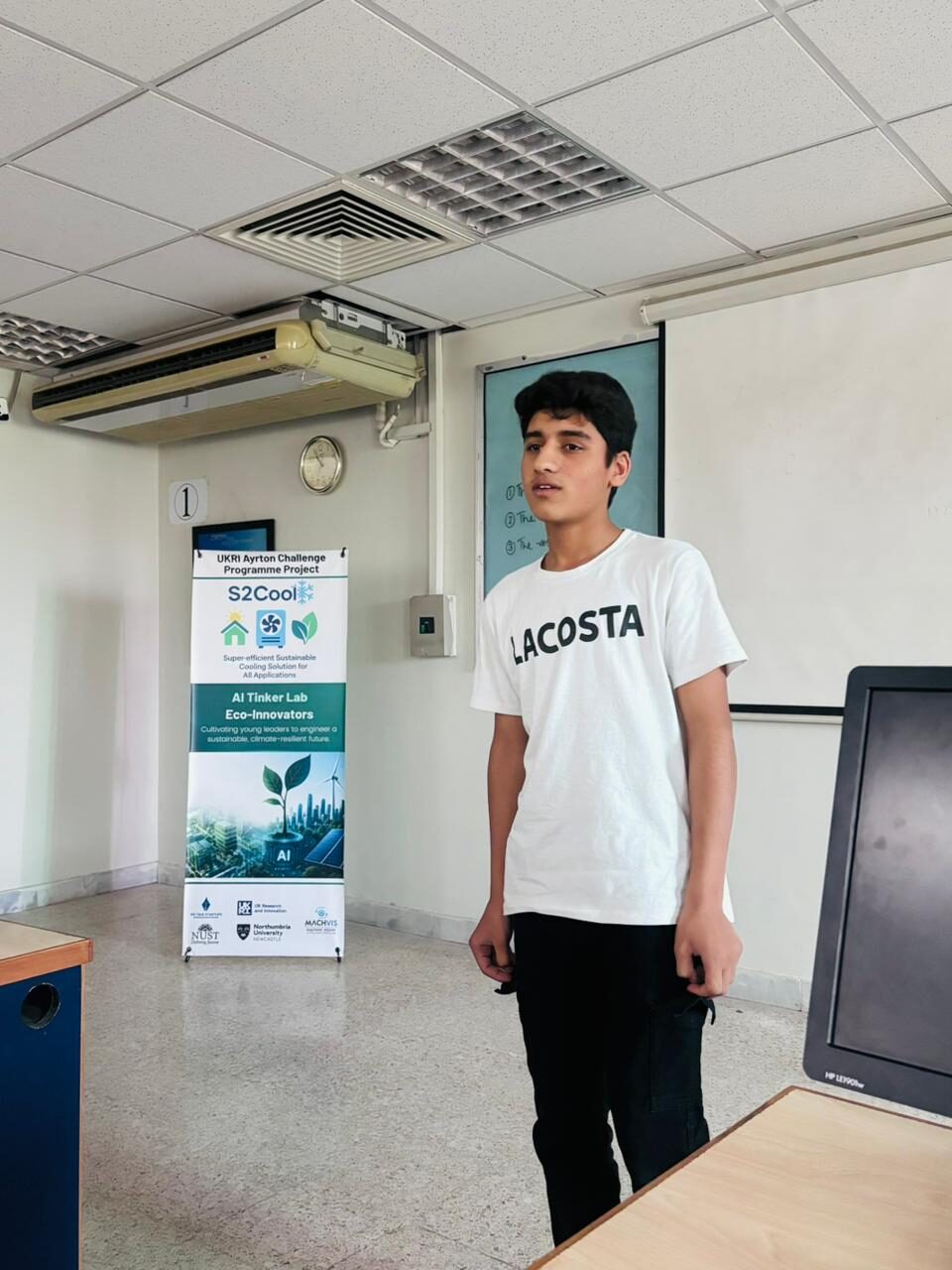
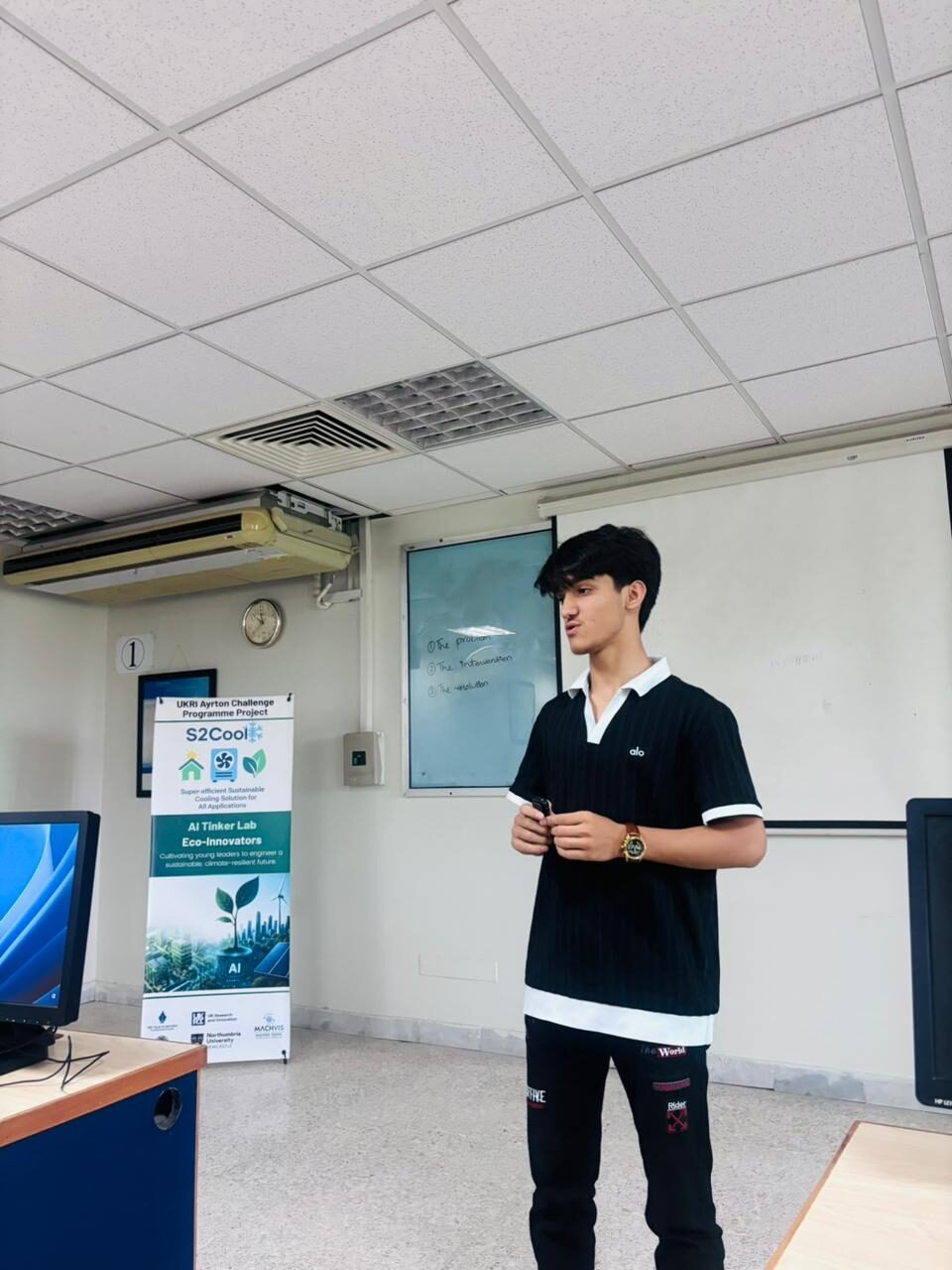
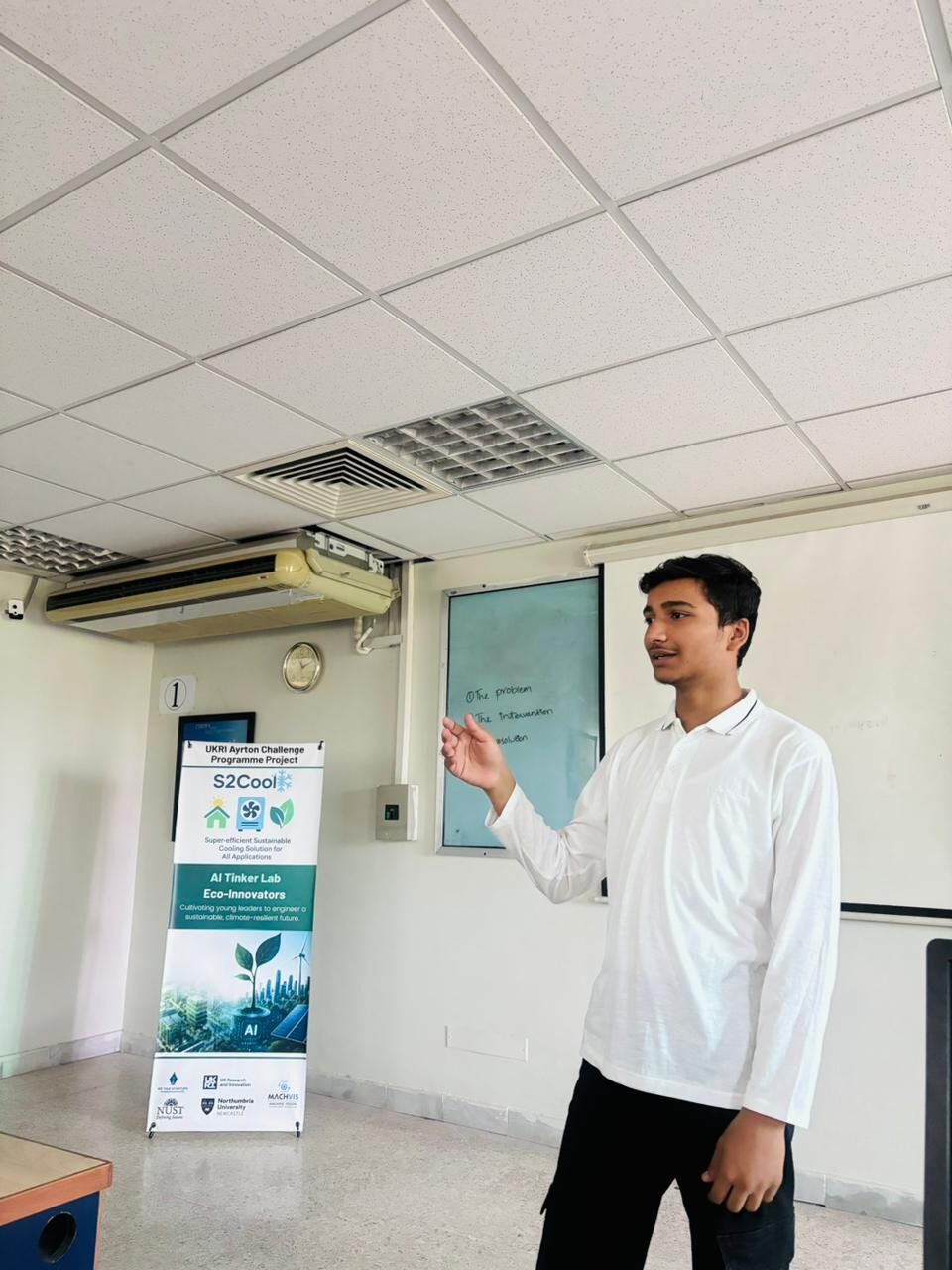
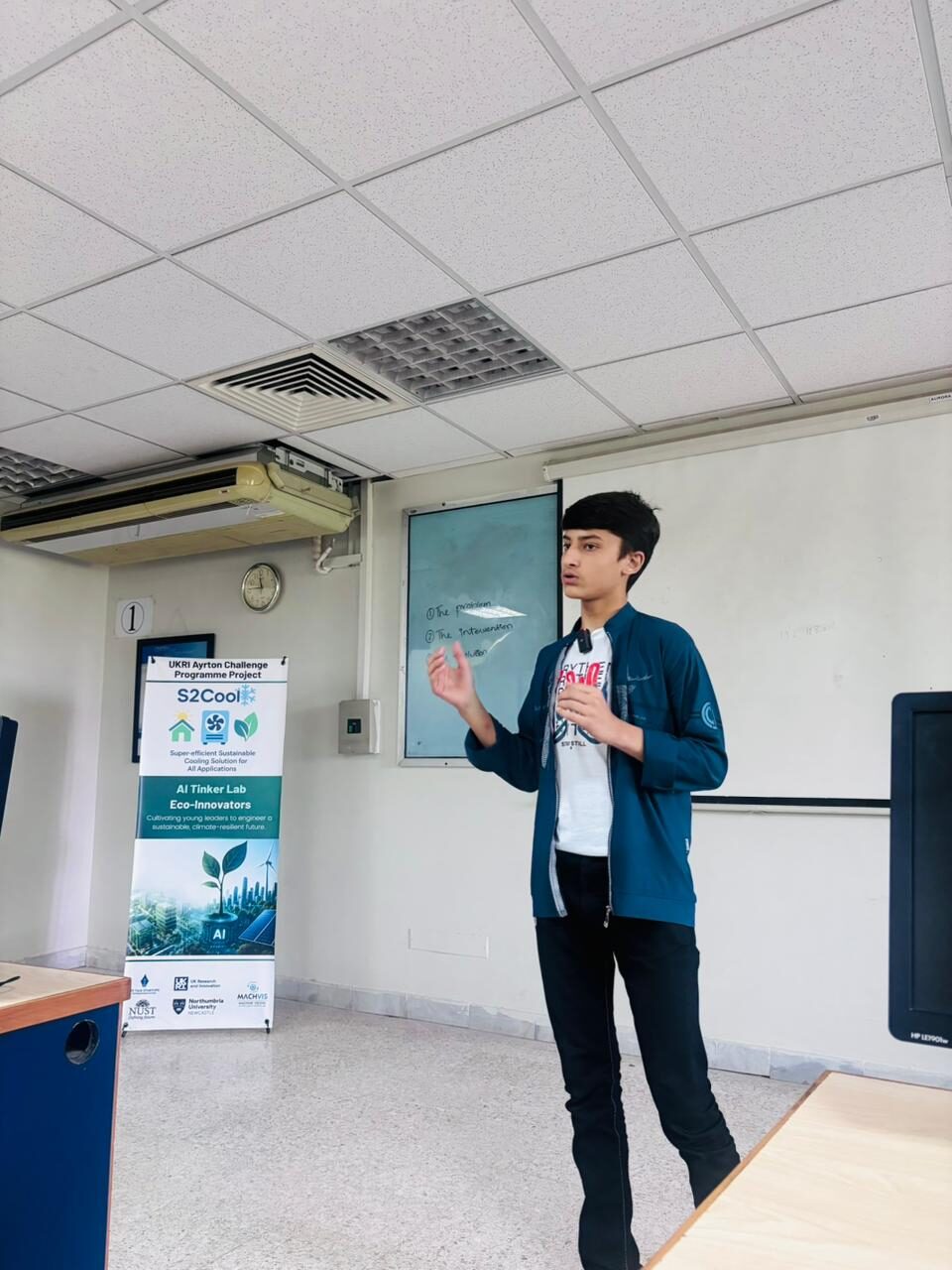
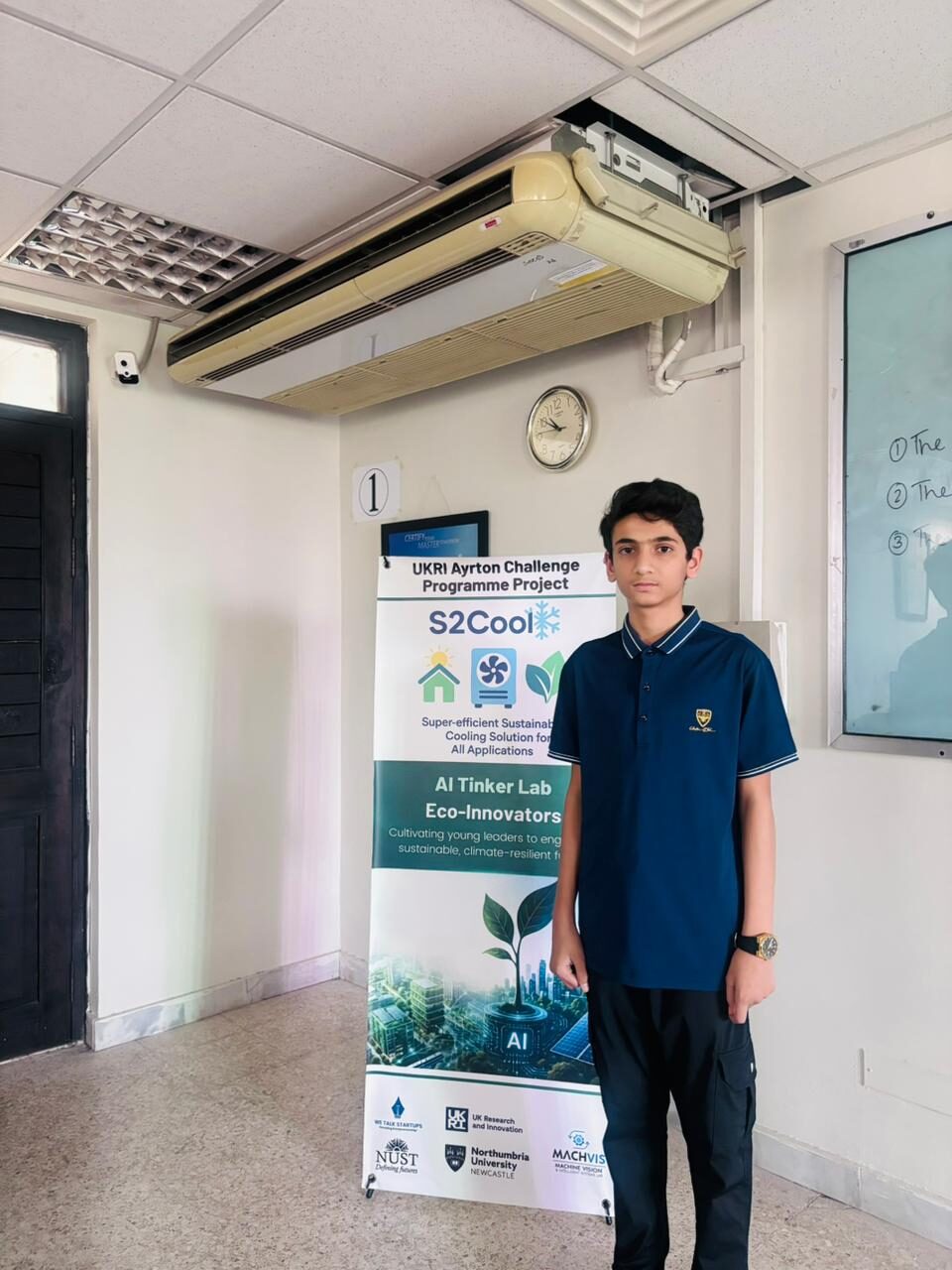
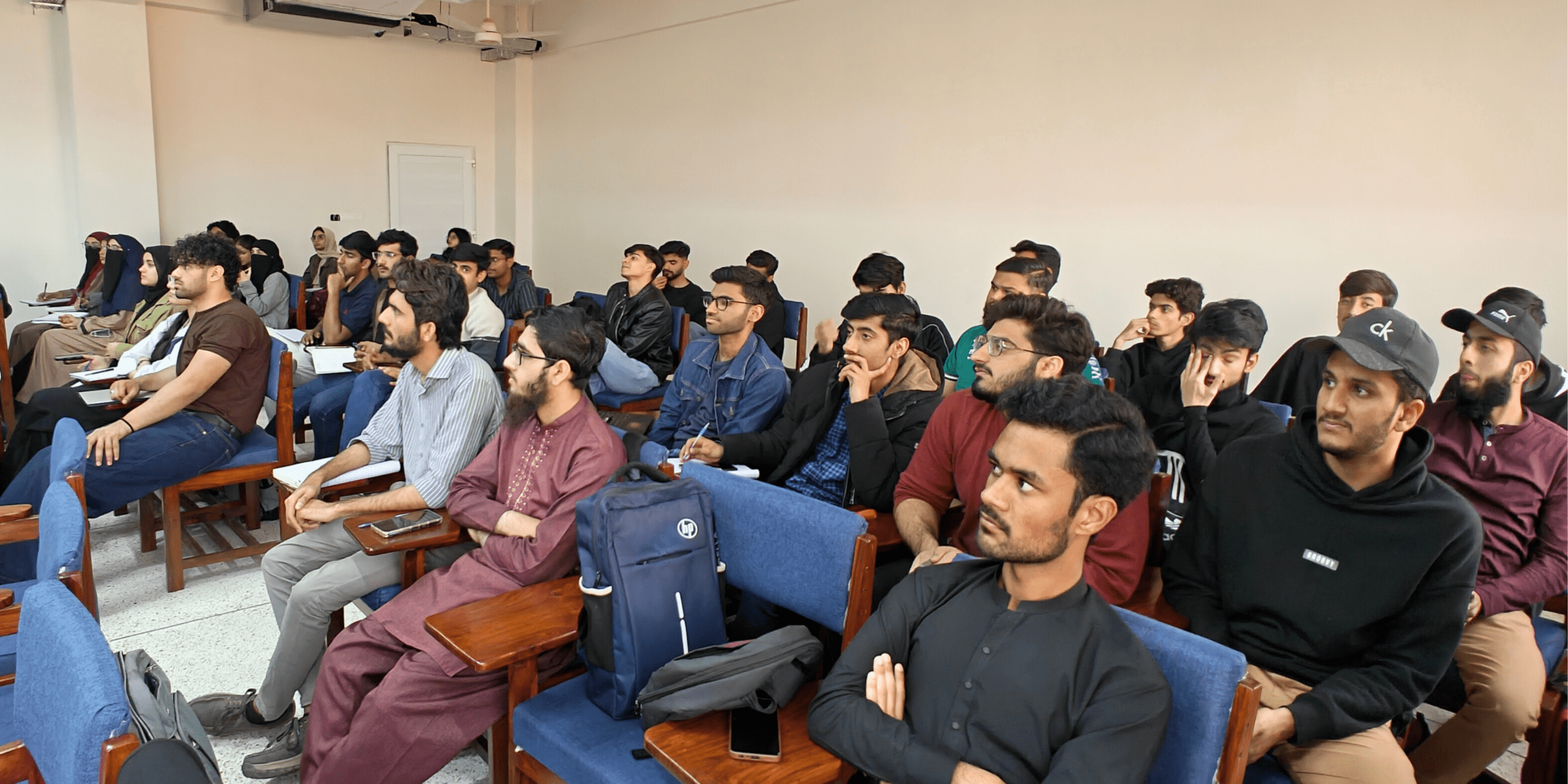
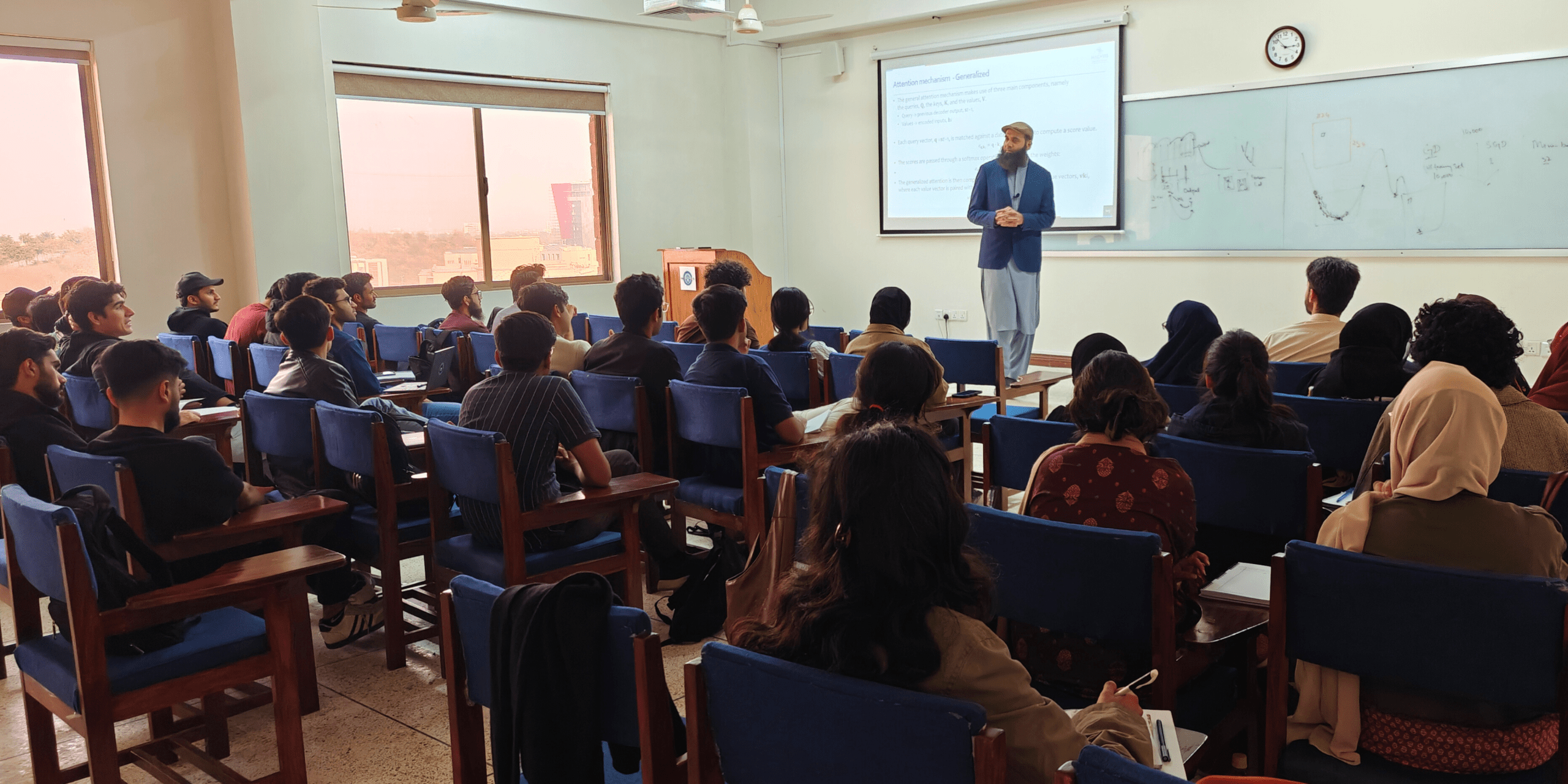
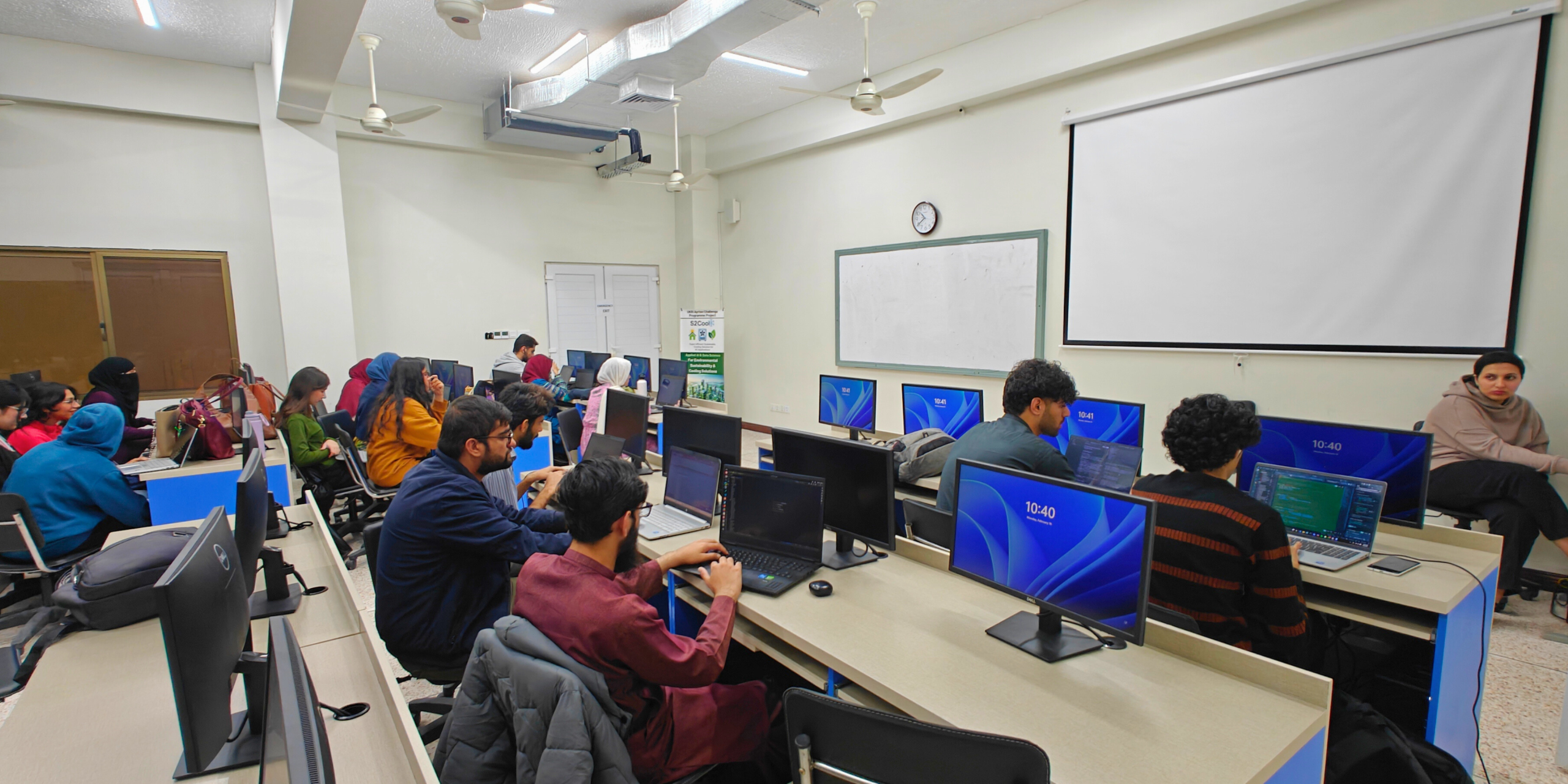
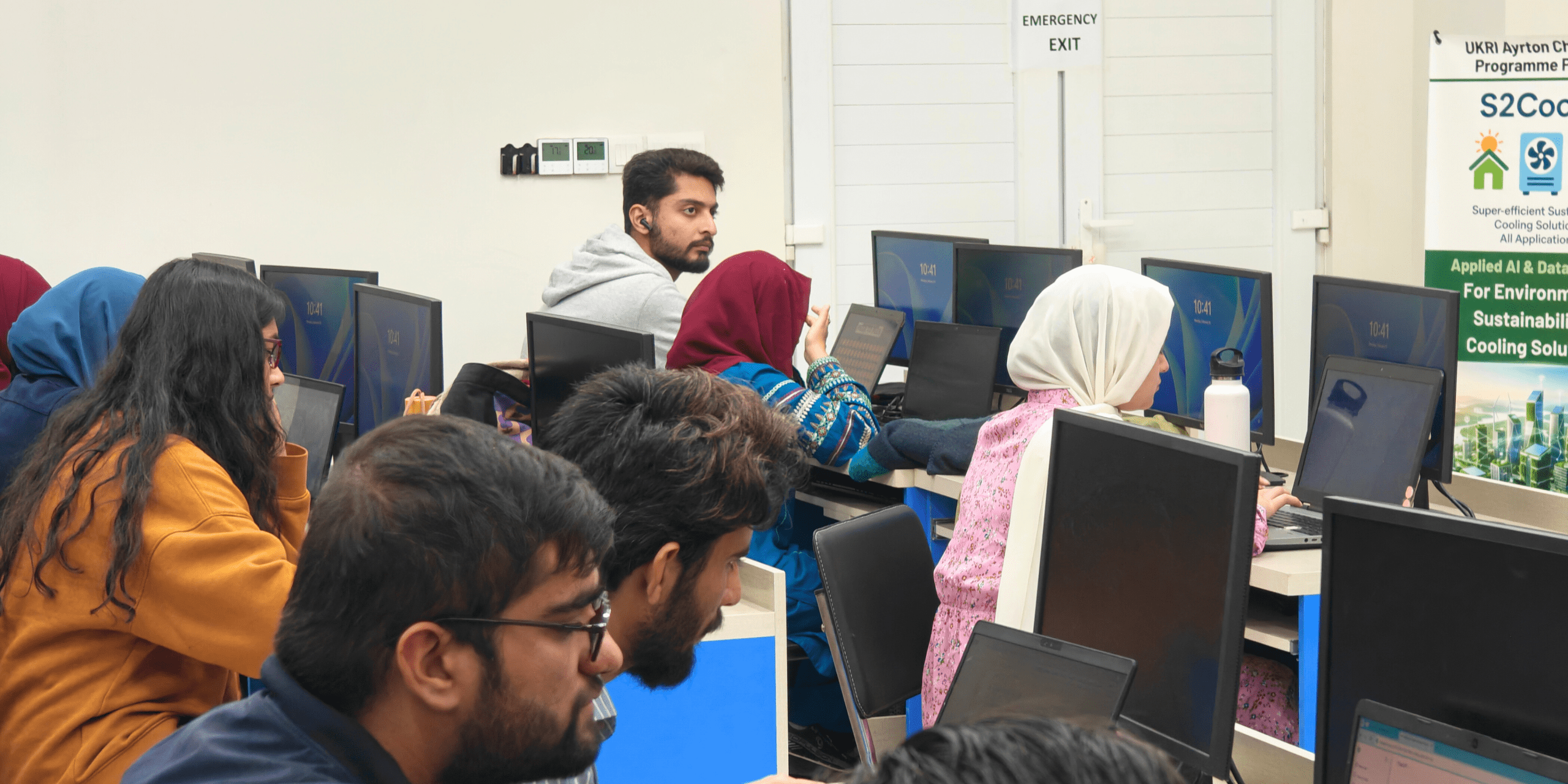
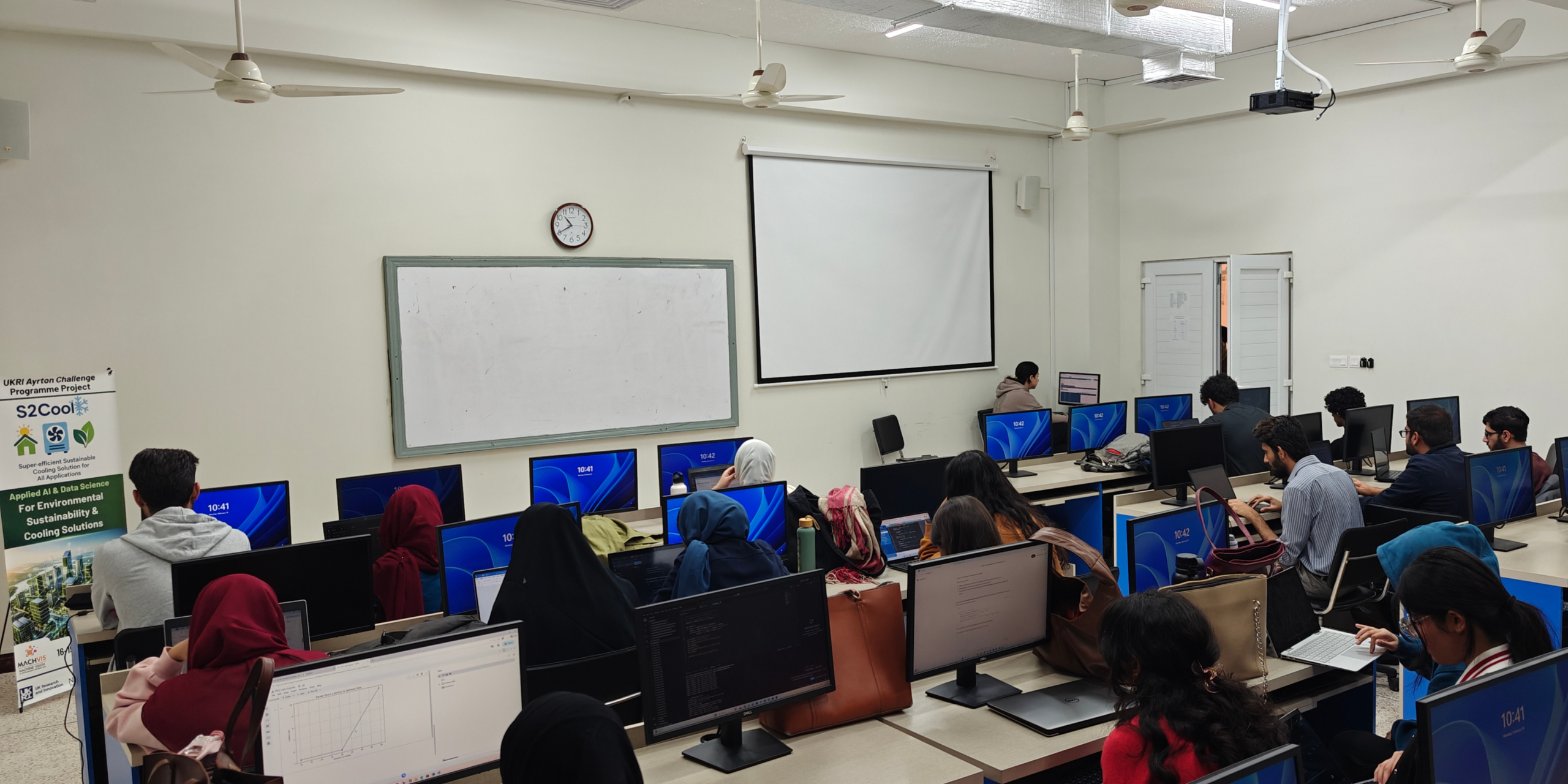
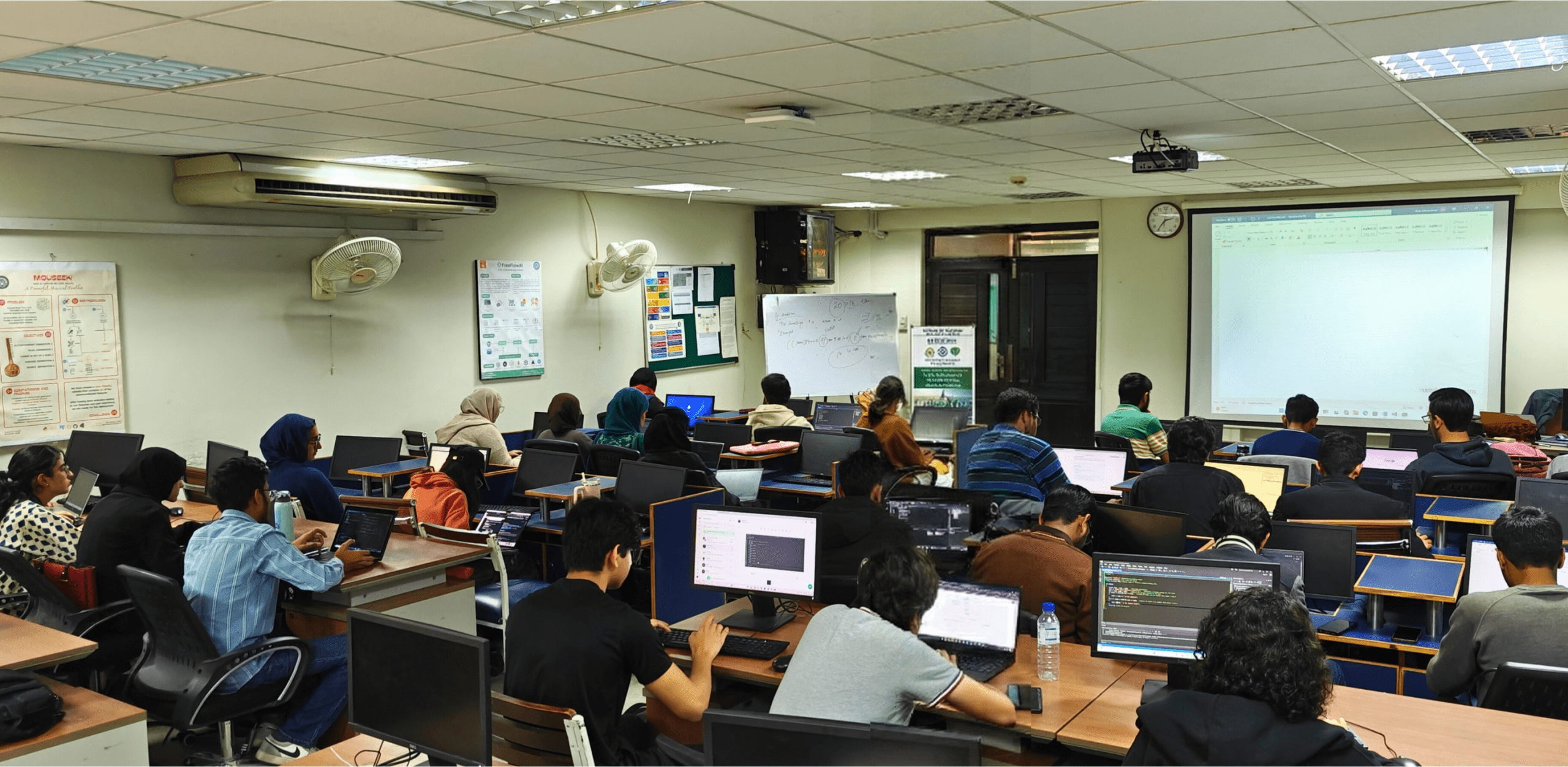
Cultivating young leaders to engineer a sustainable, climate-resilient future. A hands-on, 5-day interactive camp dedicated to inspiring the next generation to solve climate challenges using Artificial Intelligence, creativity, and green tech.
Empowering future leaders with the technical literacy and strategic insight to address major ecological and cooling issues globally.
01
Train Machine Learning
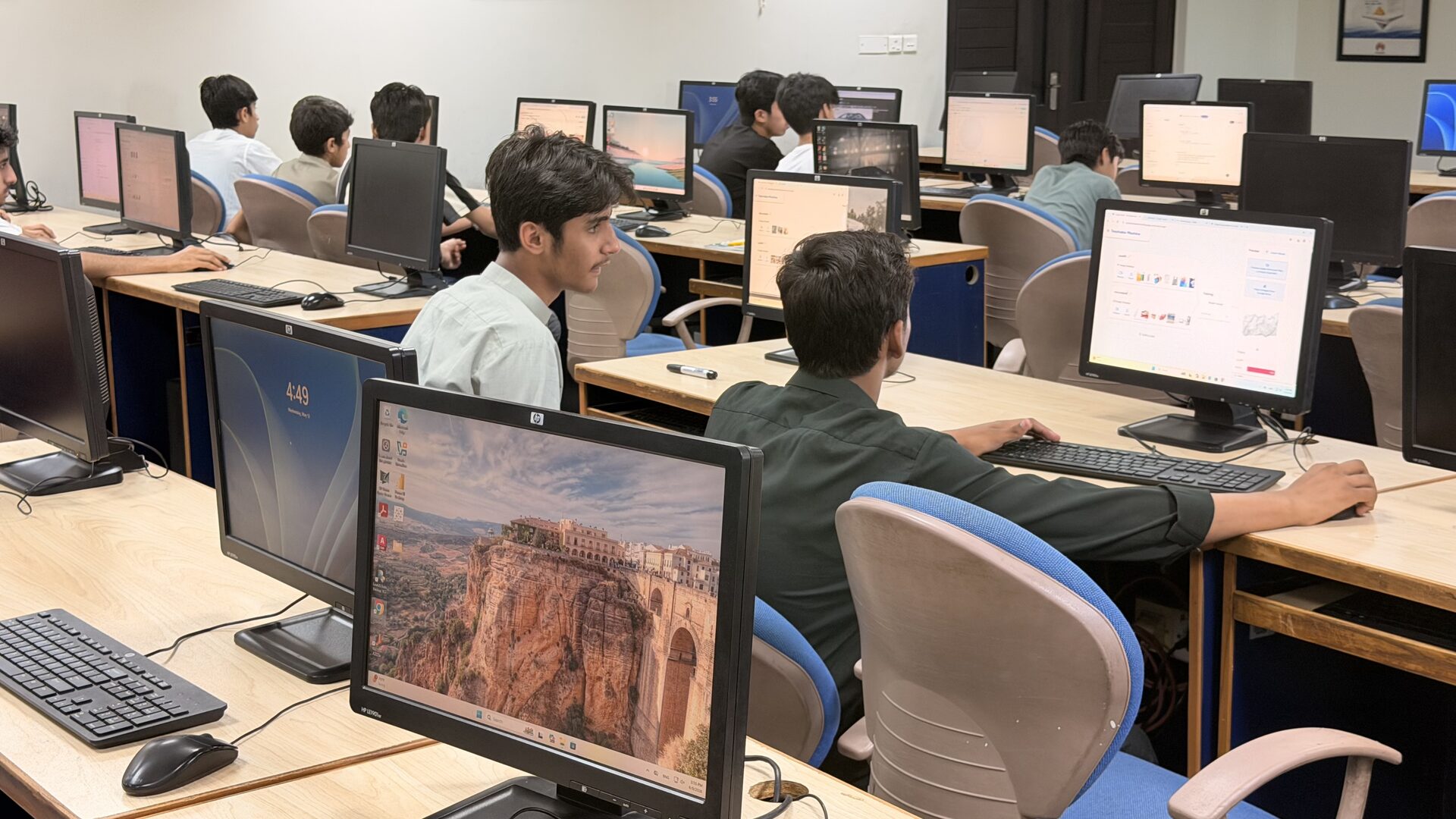
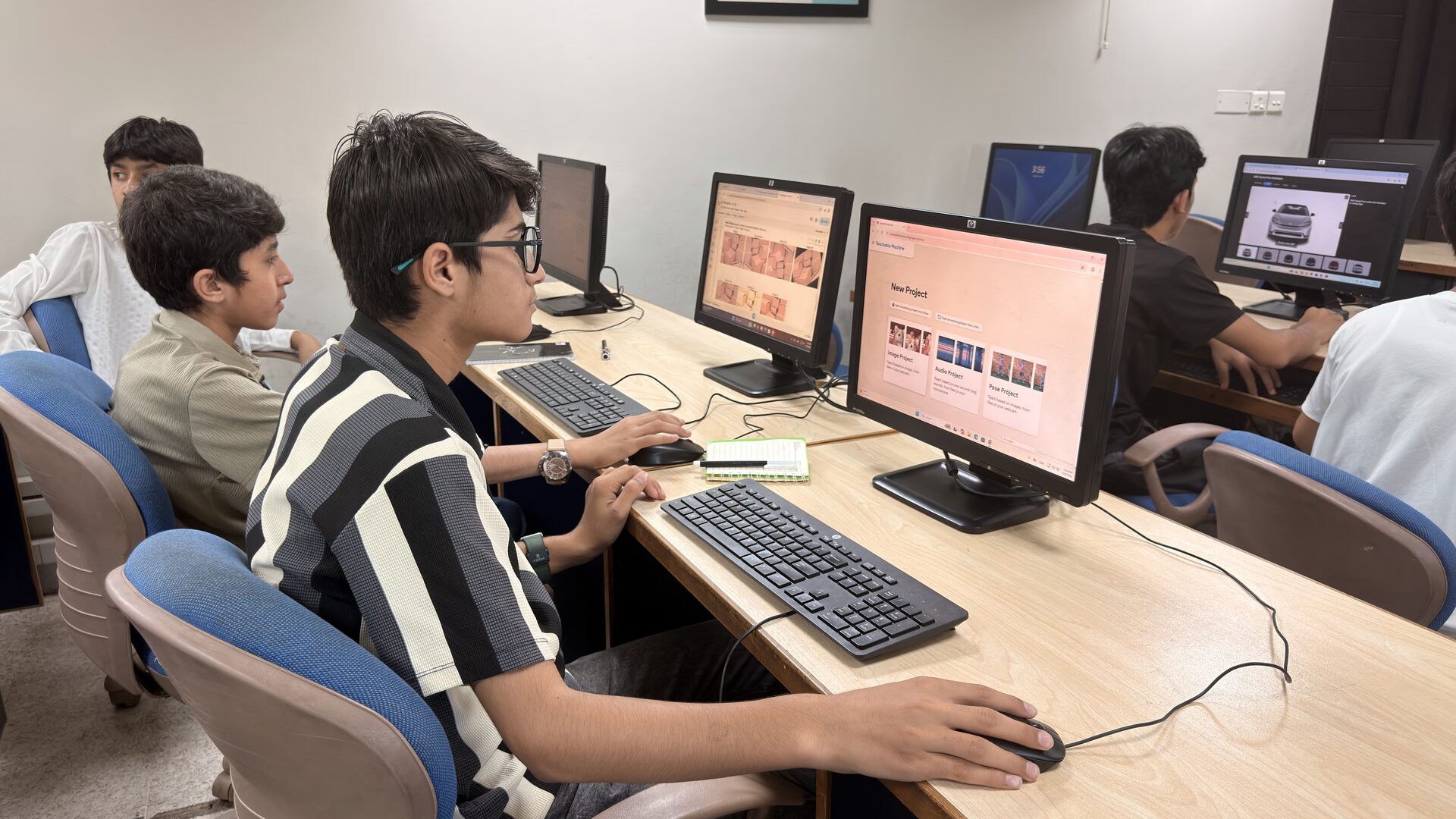
Interactively train computer vision and classification models to solve real-world smart energy efficiency and waste management problems.
02
Audit AI Biases
Inspect, test, and break AI datasets to discover biases and understand their ecological impact on physical management systems.
03
Formulate Conversational AI
Design and deploy specialized AI personas programmed to deliver localized climate action directives and energy conservation tips.
04
Harness Generative Art
Master prompt engineering techniques to synthesize high-impact generative art, comics, and stories on environmental sustainability.
05
Collaborative Tech Prototyping
Team up to brainstorm, formulate a Concept Canvas, and pitch your custom Green Tech solution at the physical exhibition.
Capstone Project
The Green Tech Solution Prototype
Throughout the 5-day lab, you won't just learn theory; you will assemble a functional, collaborative tech prototype that builds sequentially day by day, culminating in a live exhibition presentation.
1
Identify (Days 1 & 2)
Establish energy saving systems and automatic waste sorters while observing how AI algorithms see waste and power usage.
2
Communicate (Days 3 & 4)
Configure intelligent climate bots and prompt generative tools to illustrate and visualize climate challenges visually.
3
Build (Day 5)
Define training datasets, draft functional wireframes on a Concept Canvas, and assemble a prototype to pitch to judges.
Timeline Overview
Lab Schedule
Explore our detailed, activity-driven itinerary. Switch between daily modules using the dynamic controller below.
Smart Energy Controls
8th June, 2026 | 10:00 AM - 01:00 PM
Focus: Teachable Machines & Power Saving
10:00 – 10:20
Tinker Warm‑UpHuman or Bot?
An interactive introductory session challenging participants to identify computational characteristics vs human logic.
10:20 – 11:15
Lab 1Smart Energy Controller Project
Train an visual Teachable Machine (Google) model to automatically shut down power networks or detect energy patterns.
11:15 – 11:30
Snack & TalkAI in the Wild: Smart Grids
Fuel up with treats while learning how localized smart cooling and power grids utilize live algorithms.
11:30 – 12:30
Lab 2Break Your Own Model
Adversarial tinkering! Learn how to purposely trick, fool, and patch your energy saving algorithm to understand critical flaws.
12:30 – 12:50
Tinker NotesDay 1 Retrospective Review
Quick gamified recap, documenting critical observations on energy logic into lab notebooks.
12:50 – 13:00
Clean-upLab Reset & Wrap Up
Clearing the workbenches and setting down equipment for the next day's physical experiments.
Waste Sorting AI Systems
9th June, 2026 | 10:00 AM - 01:00 PM
Focus: Training & Data Bias
10:00 – 10:20
Tinker Warm‑UpHuman Camera
A fun perceptual game illustrating how different focal points alter spatial data collection.
10:20 – 11:15
Lab 3Eco-Sorter AI Lab
Build and optimize an image classification network engineered to instantly segment recycling vs waste materials.
11:15 – 11:30
Snack TimeClass Tournament: Best Sorting AI
Testing participant-trained models against real tricky waste pieces. Who has the highest classification accuracy?
11:30 – 12:30
Lab 4Bias Busters Investigation
Discover how skewed and limited datasets cause automatic sorters to fail, prompting real-world ecological hazards.
12:30 – 12:50
Tinker NotesBias Retrospective
Assembling data parameters for fair algorithms and planning our training guidelines.
12:50 – 13:00
Clean-upLab Maintenance
Sorting physical materials and preparing storage partitions.
Climate Bots & Conversational AI
10th June, 2026 | 10:00 AM - 01:00 PM
Focus: Persona Formulation
10:00 – 10:20
Tinker Warm‑UpInstruction Chain
A fast-paced interactive simulation revealing logic chains, natural language processing, and system prompts.
10:20 – 11:15
Lab 5Persona Bot Workshop
Write customized system prompts to create unique LLM-based assistants embodying expert ecological personas.
11:15 – 11:30
Snack TimeBot Showcase Shareout
Fun showcase sharing the funniest, smartest, or most peculiar environmental advice synthesized by student bots.
11:30 – 12:30
Lab 6Bot Fair & Break-In Challenge
Swap seats to interact with classmate bots. Can you craft prompts to trick another group's bot into recommending bad policies?
12:30 – 12:50
Tinker NotesPrompt Logic Review
Refocusing on reliable instruction pipelines and system integrity guards.
12:50 – 13:00
Clean-upDevice Check & Logging
Logging out of lab systems safely and resetting workstations.
Eco-Imagination & Generative Art
11th June, 2026 | 10:00 AM - 01:00 PM
Focus: Art & Creative Solutions
10:00 – 10:20
Tinker Warm‑UpExquisite Prompt Game
Collaborative structural writing game demonstrating how syntax nuances change generative AI outputs.
10:20 – 11:15
Lab 7Prompt Crafting & Composition
Harnessing generative diffusion engines to design stunning environmental "Climate Hero" concepts and imagery.
11:15 – 11:30
Snack TimeInstant Environmental Gallery
Curating digital displays of modern artworks on large screens to showcase collective prompt ideas.
11:30 – 12:30
Lab 83-Panel Eco-Comic Challenge
Deploy narrative tools to storyboard a multi-panel visual comic depicting an AI system resolving a critical energy crisis.
12:30 – 12:50
Tinker NotesOpinion Line Review
A dynamic physical standup discussing deep generative authorship ethics.
12:50 – 13:00
Clean-upProject Pitch Prep
Organizing materials for the upcoming Grand Capstone day.
Mapping local cooling and environmental issues directly onto whiteboards.
10:20 – 11:15
Lab 9Team Assembly & Concept Canvas
Form multi-disciplinary groups, draft solution frameworks, map input data requirements, and outline AI actions.
11:15 – 11:30
Pitch CheckRapid Pitch Feedback
Present high-level concepts to trainers for actionable optimizations before building.
11:30 – 15:00
Lab 10Assemble the Working Mock-up
Design custom wireframes, configure functioning bots, organize mock datasets, and craft structural pitches. (Includes lunch breaks)
15:00 – 16:00
ExhibitionGrand Tinker Fair
Presenting live interactive designs to NUST mentors, families, and academic reviewers.
16:00 – 16:30
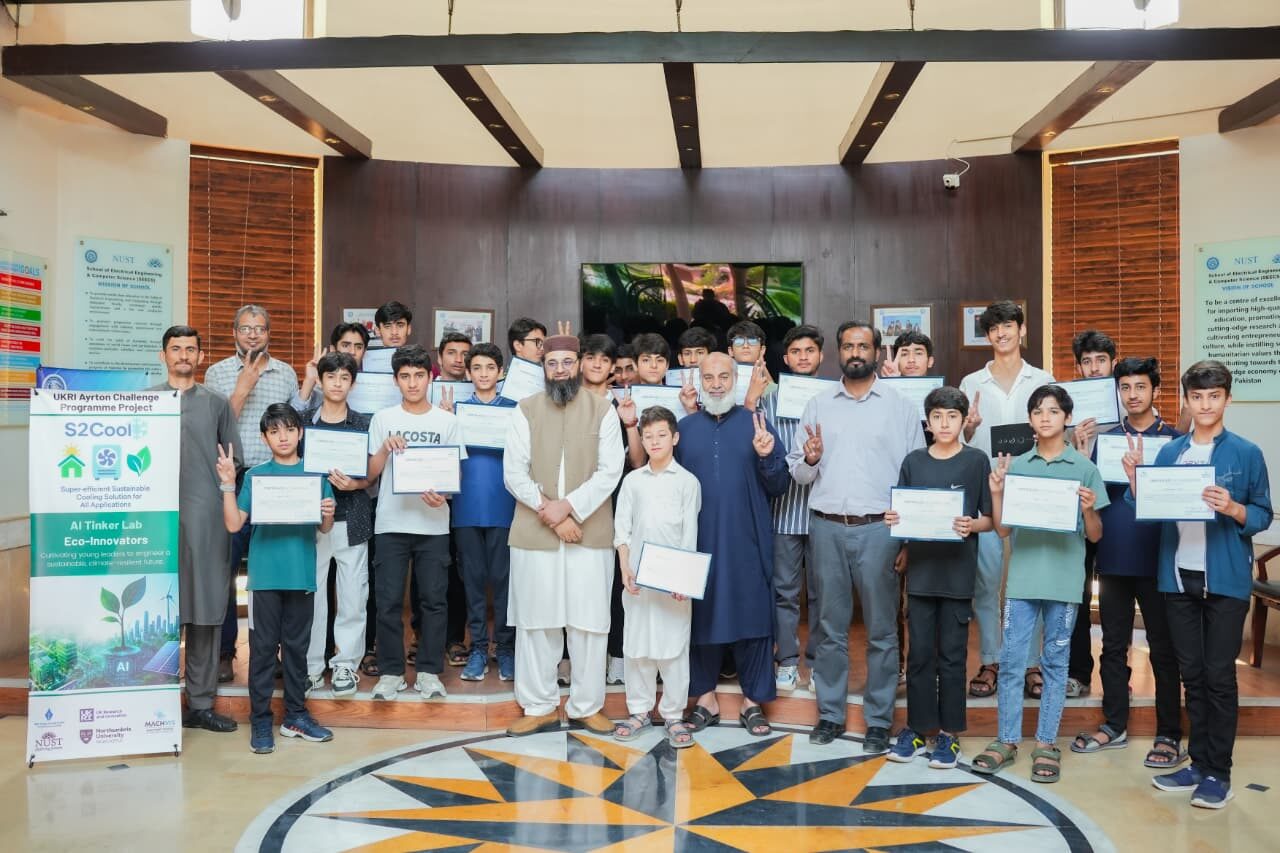
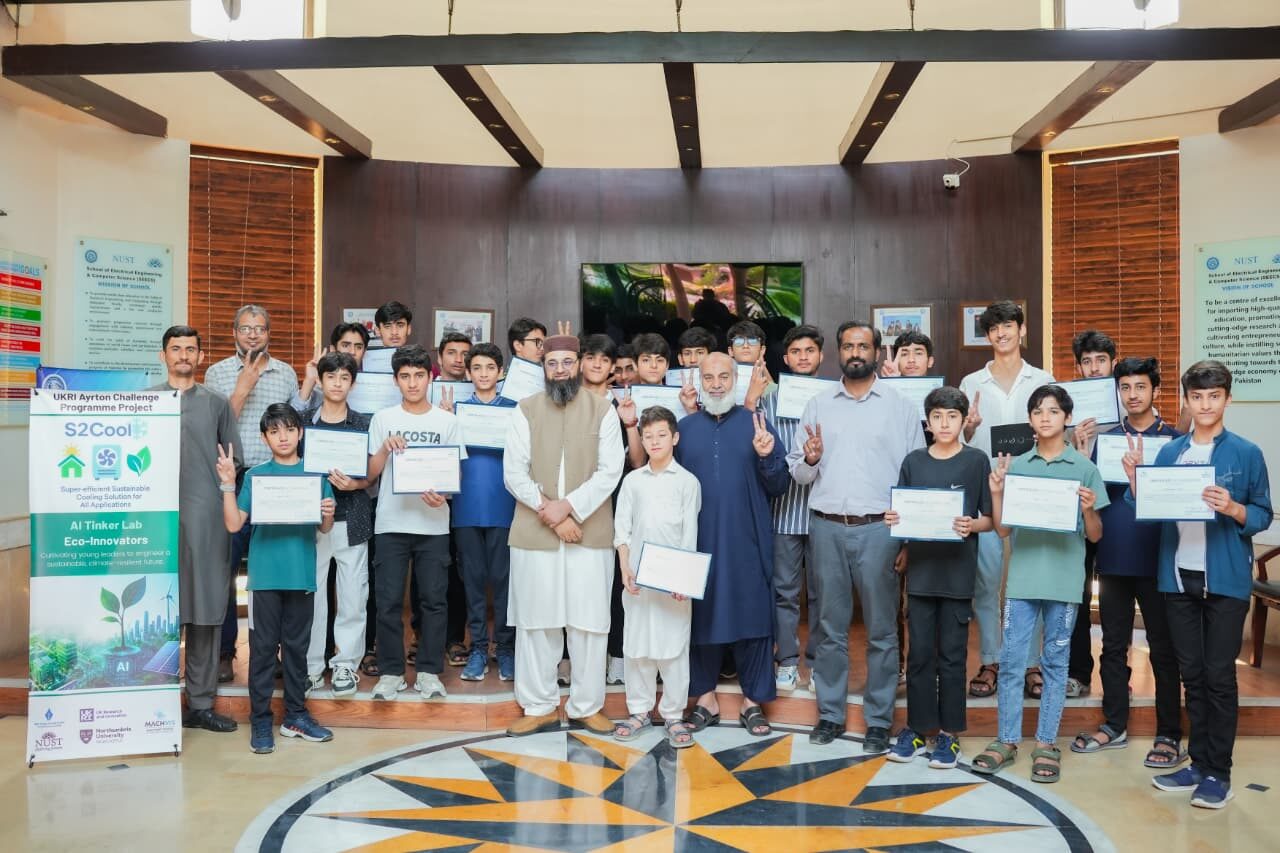
Camp ClosingCertificate Ceremony & High-Fives
Official distribution of S2Cool certifications and program closing address.
Technology Matrix
The Innovator's Toolkit
A modern toolkit of software suite parameters and AI modeling frameworks kids will master during the camp.
Teachable Machine
Google image & visual recognition dataset structuring platform.
Custom Persona Bots
Natural Language processing system instruction engineering (LLMs).
Generative AI Engines
Pixel synthesis, storyboards, and composition prompt styling.
Concept Canvases
Interactive planning boards to design data inputs and logic paths.
Warm‑Up Challenge
Are You an Eco‑Innovator?
Test your eco-tech intuition with our quick interactive quiz. Find out how AI assists in sustainable cooling! Click an option to test your skills live.
🎉 Splendid Job! You're ready for the Tinker Lab!
What is the main advantage of using AI in "Smart Cooling" grids?
Camp Faculty
Meet Your Instructors
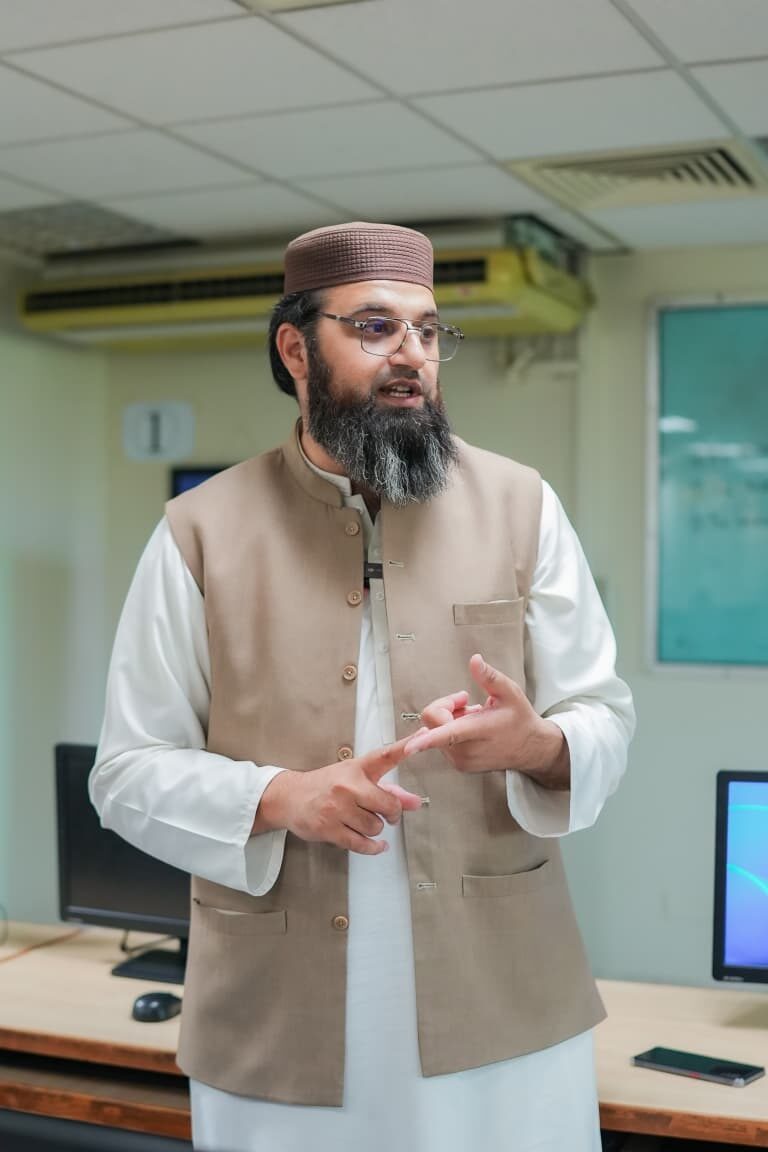
Learn from prominent scholars, researchers, and technical architects leading NUST computer vision projects.
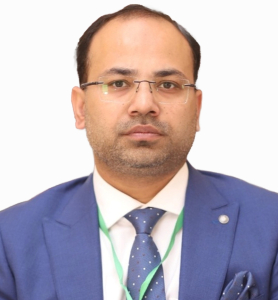
Prof. Dr. Muhammad Moazam Fraz (TI)
Professor & Associate Dean
NUST SEECS
Dr. Fahad Ahmed Satti
Assistant Professor
NUST SEECS
Dr. Zuhair Zafar
Faculty Member & Scholar
NUST SEECS
Dr. Muhammad Bilal Ali
Faculty Member & Researcher
NUST SEECS
Partners and Supporters
This initiative is funded by the UK Government through Project: APP47457, titled “Super-efficient Sustainable Cooling Solution for All Applications (S2Cool)” under the Ayrton Challenge Programme of the UK Research and Innovation (UKRI); however, the views expressed do not necessarily reflect the UK Government’s official policies.
The Project: APP47457 is led/implemented by Northumbria University UK along with collaborating global partners.
Have Questions? Contact Us
Get in touch with the project coordination team at NUST SEECS if you need administrative information or details on seat reservations.
To submit registration interest or reserve a seat for the upcoming AI Tinker Lab: Eco-Innovators camp, please reach out directly to the program organizers with your student details:
Required Info: Student Name, Age, and Contact Phone.
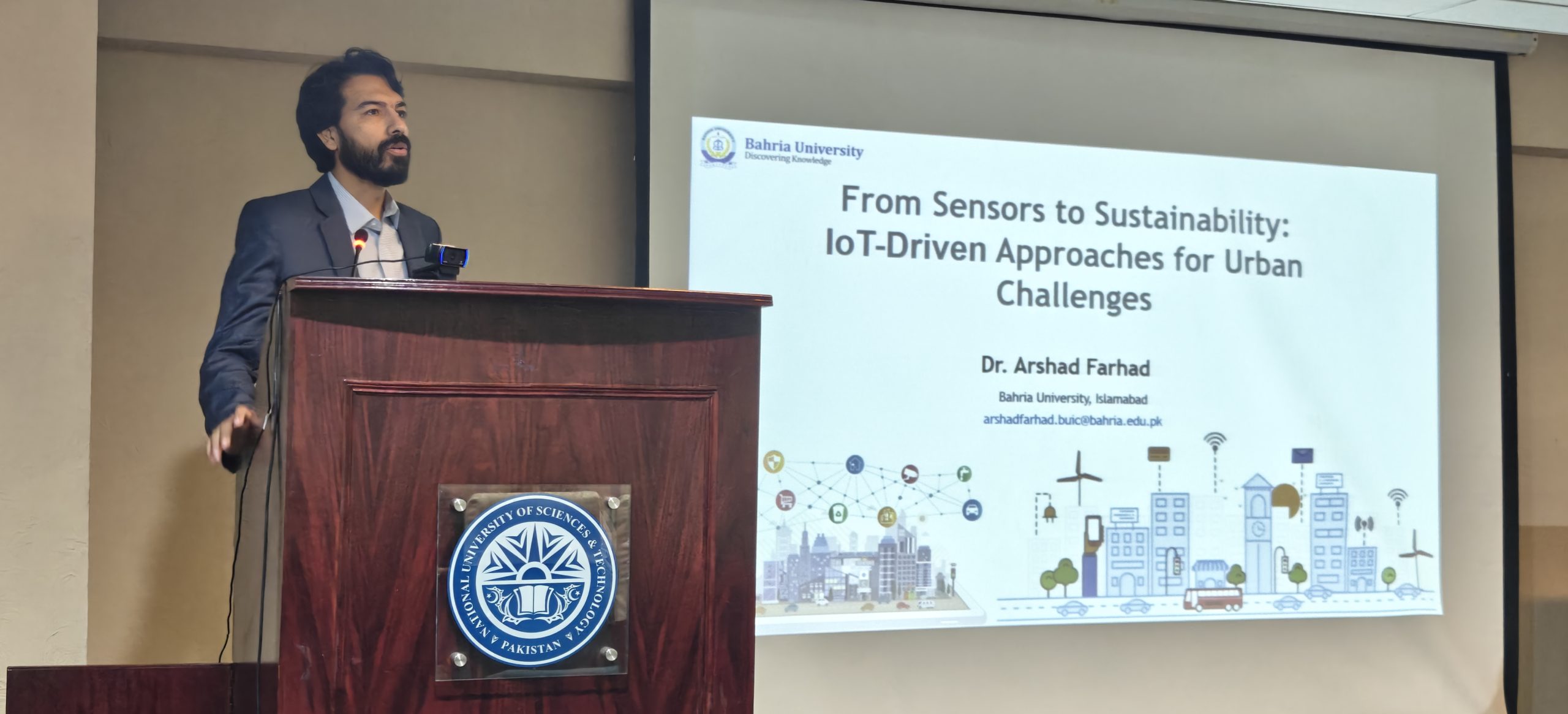
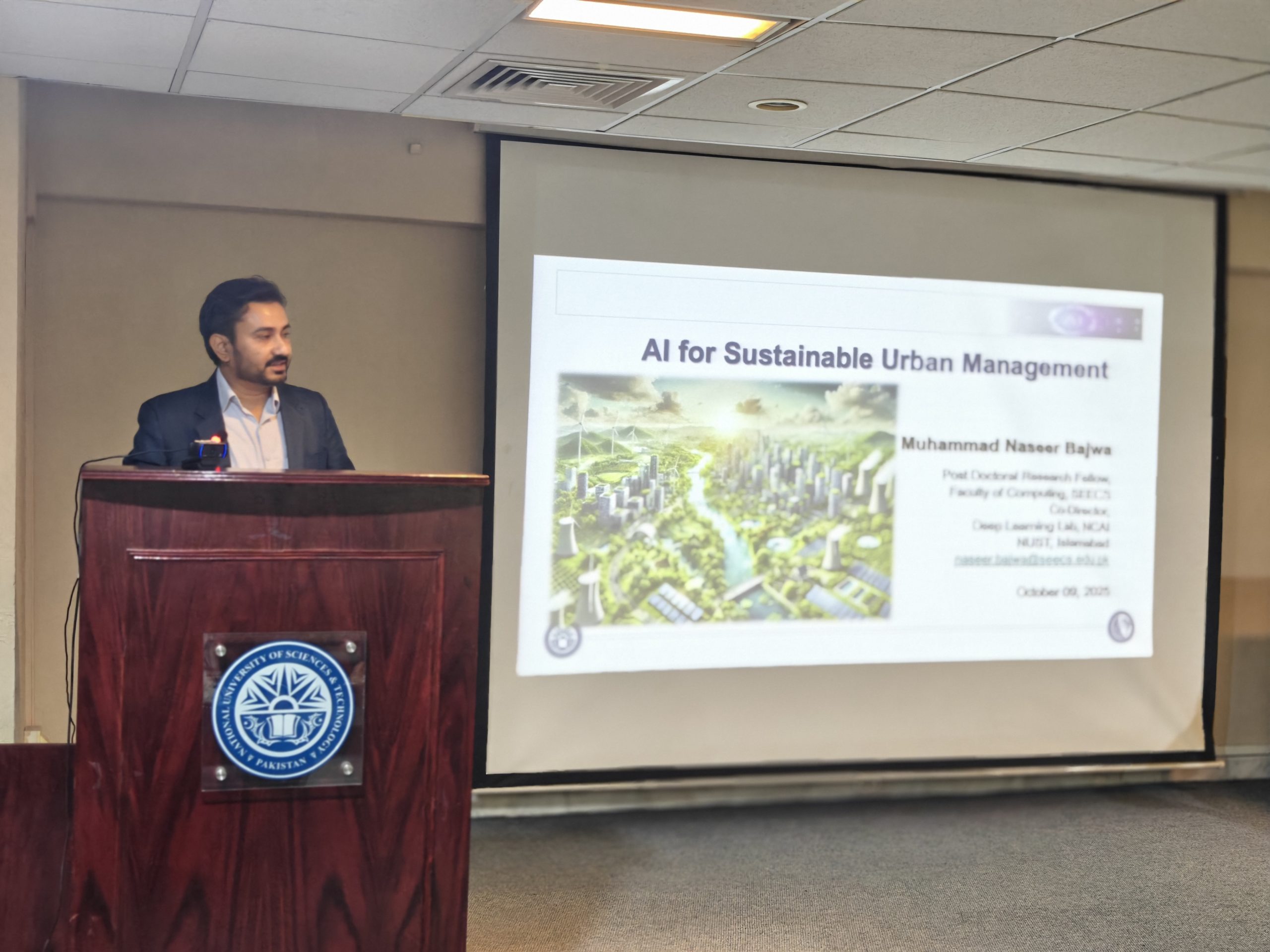
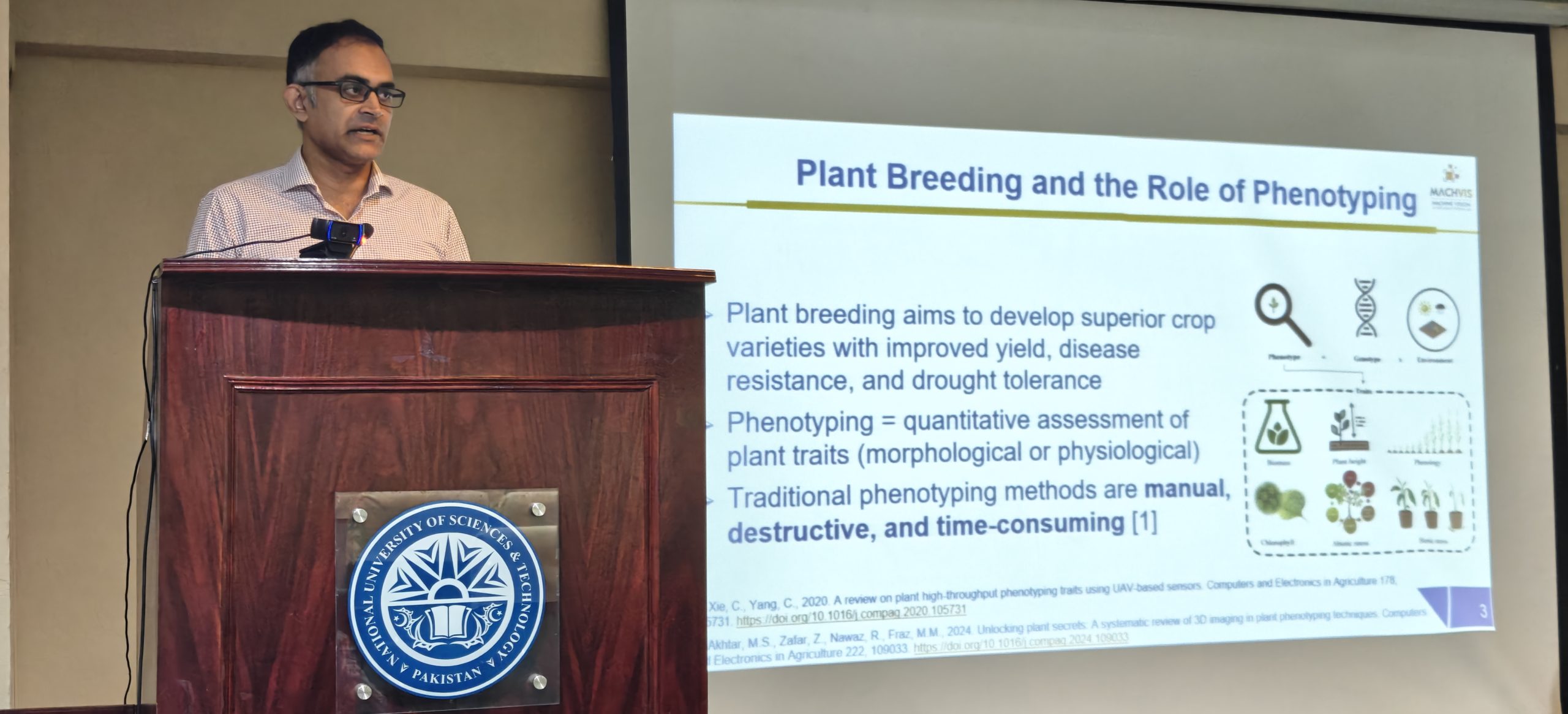
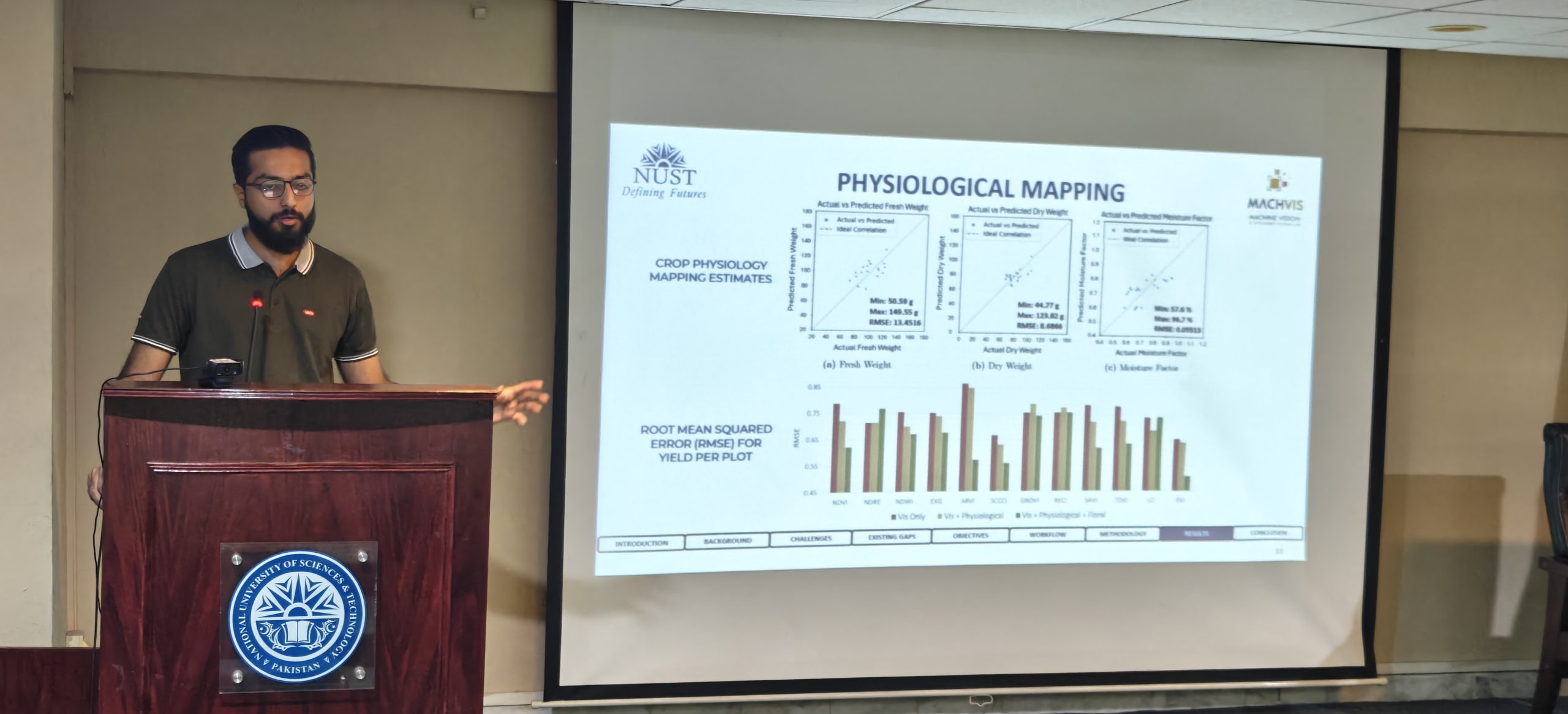
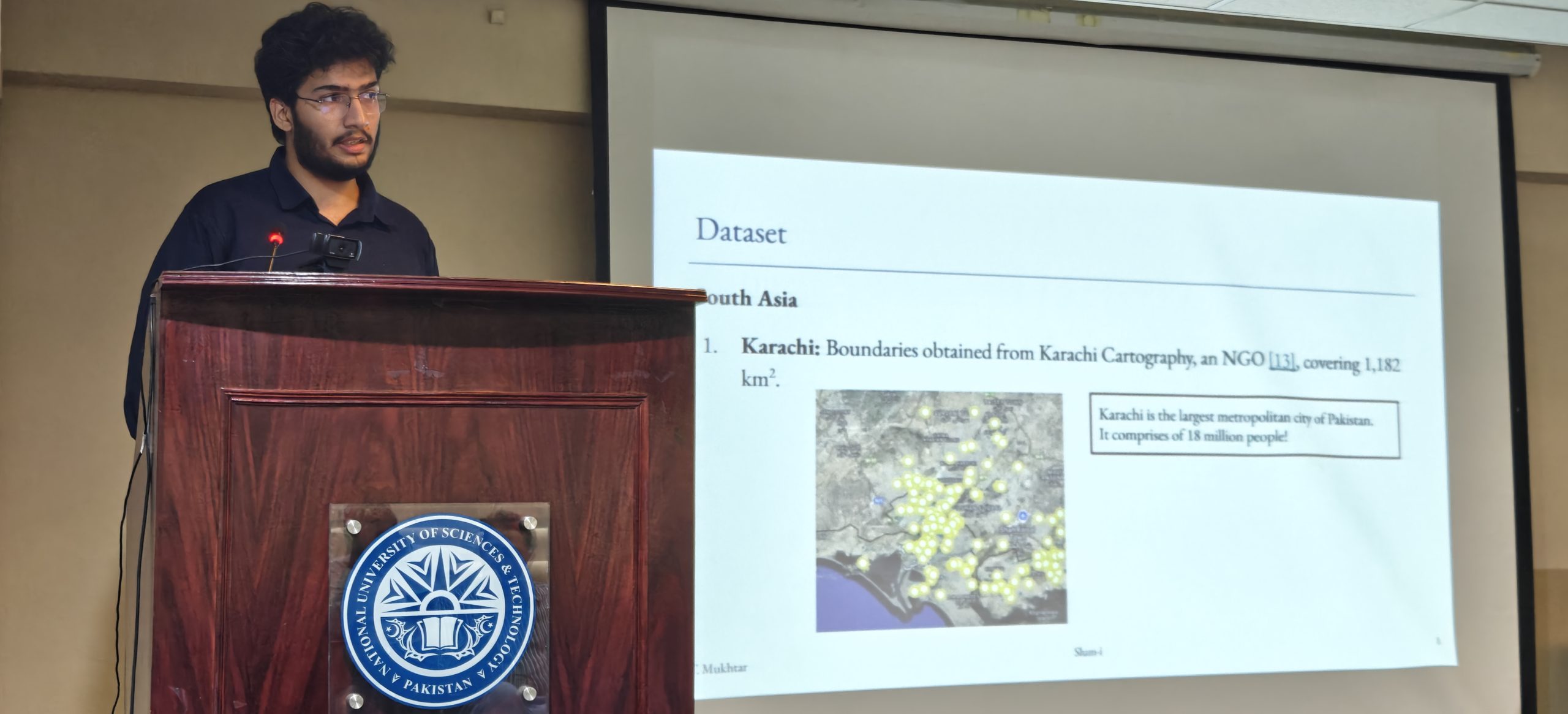
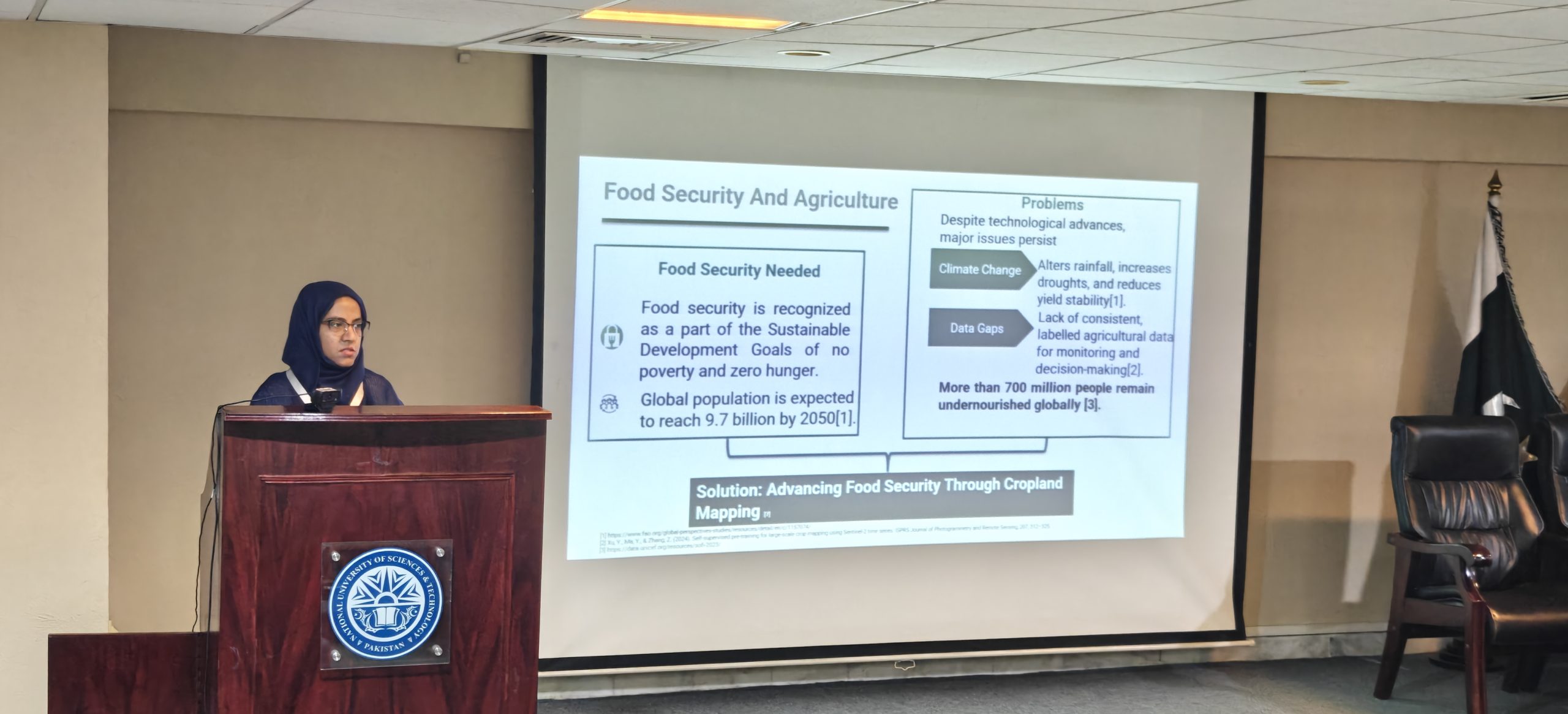
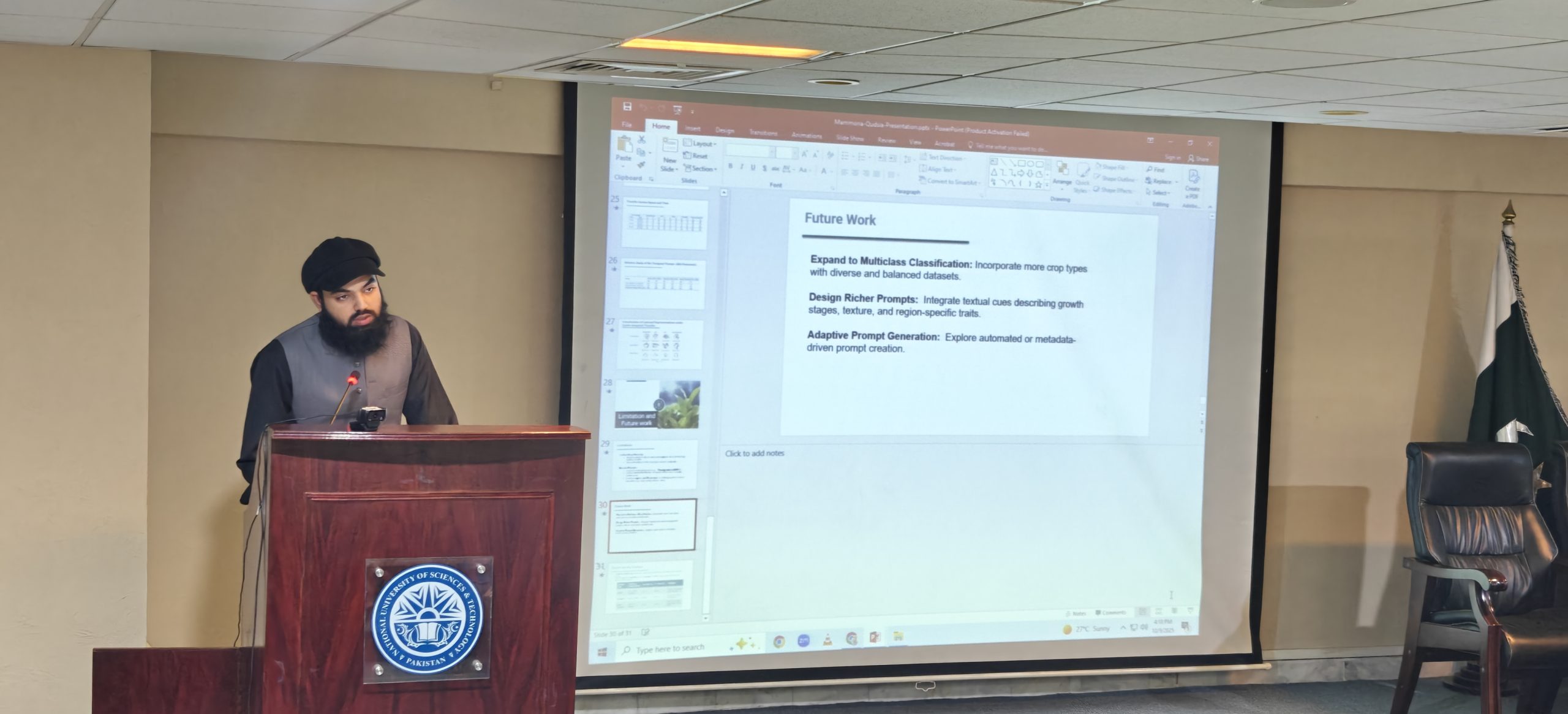
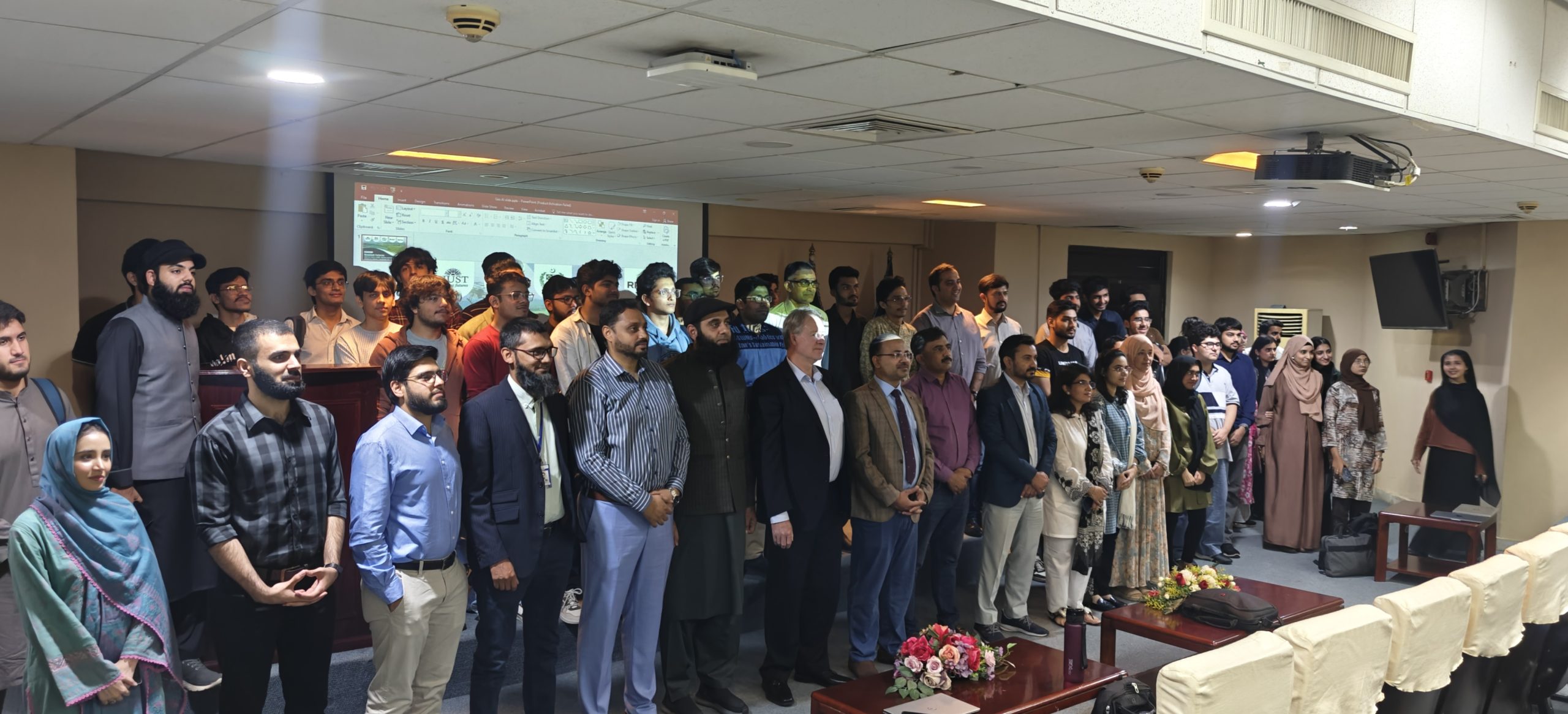
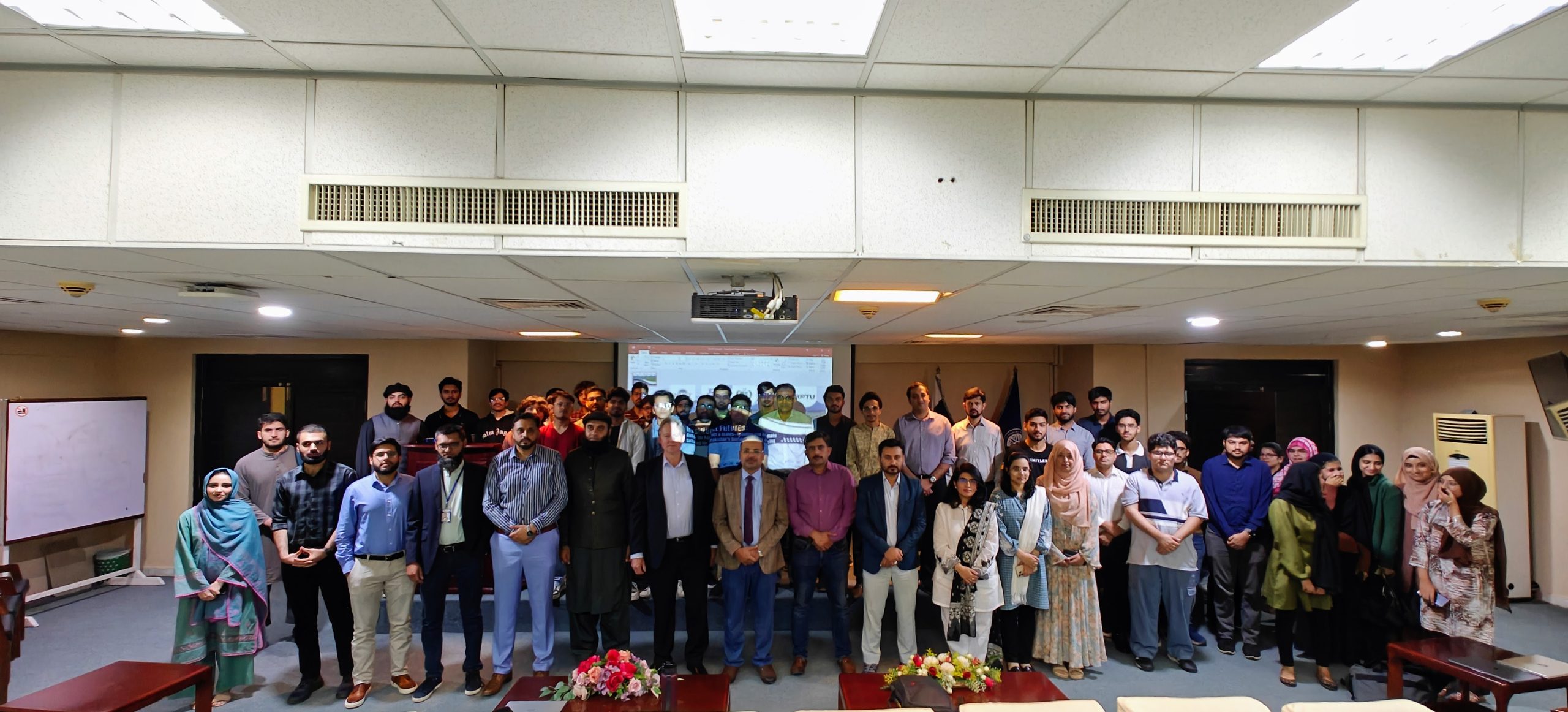
GeoAI for Farms & SLUMs, Data-Driven Planning for Efficient Cooling in Communities and Agriculture
Date
9th October 2025 (Thursday)
Venue: Seminar Hall, PG Block, SEECS
About The Workshop
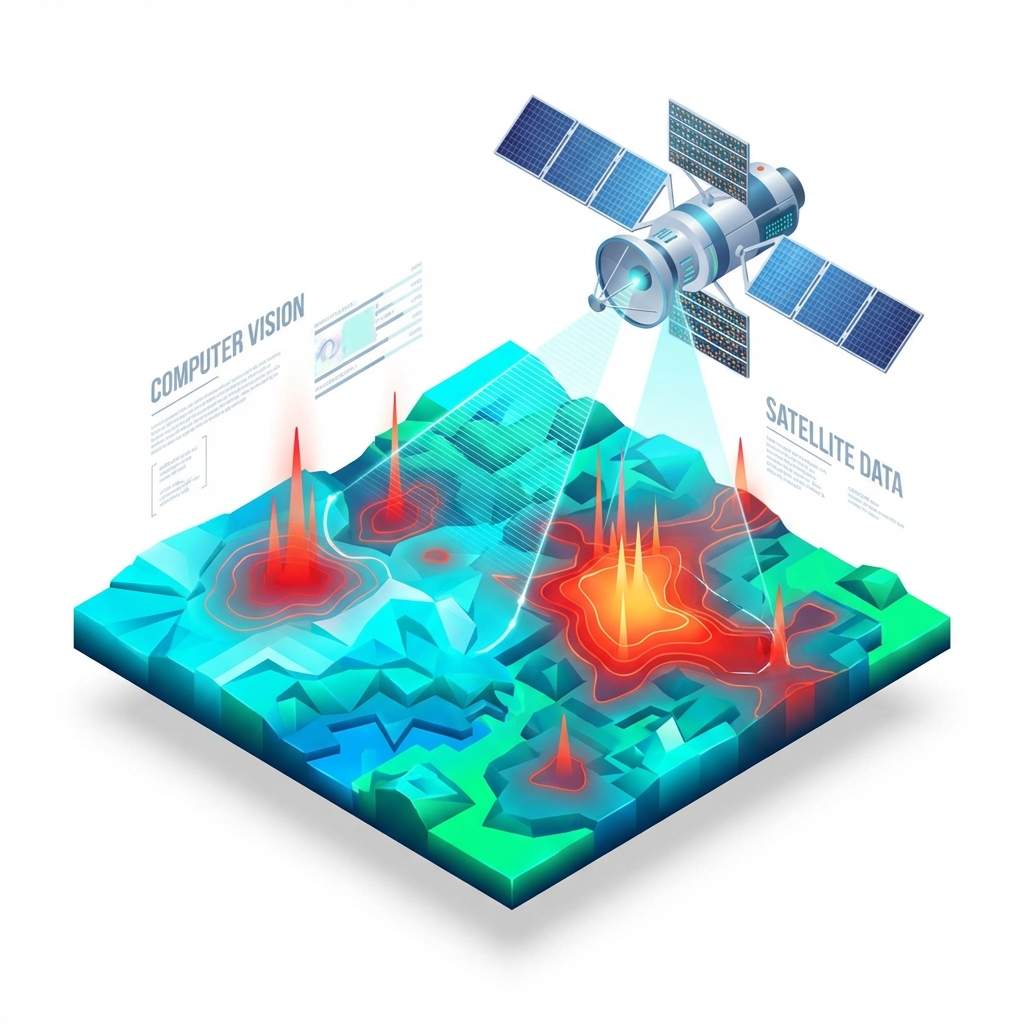
Resilient Futures: GeoAI for Farms & SLUMs, Data-Driven Planning for Efficient Cooling in Communities and Agriculture is an applied training that equips participants with practical GeoAI, remote sensing, and resilience analytics skills to identify heat hotspots, assess vulnerability, and plan sustainable cooling interventions. Anchored in the S2Cool project mission, the training connects geospatial intelligence to real-world use-cases across agriculture and dense settlements—supporting evidence-based decisions that improve thermal comfort, reduce energy intensity, protect livelihoods, and strengthen climate resilience.
Workshop
Expected Outcome
Interpret and generate heat, vulnerability, and cooling-demand maps using GeoAI for prioritizing S2Cool-aligned interventions
Apply remote sensing indicators (e.g., temperature, vegetation/crop stress, water proxies) to support climate-smart farming and reduce post-harvest losses through targeted cooling needs assessment
Understand smart farm mechanization pathways and where automation/IoT can improve productivity and resource efficiency (energy and water)
Assess climate risks (heatwaves, floods, reliability risks) and integrate resilience considerations into cooling and infrastructure decisions
GIS/remote sensing professionals and students interested in GeoAI for climate and development
Agriculture stakeholders: agritech teams, extension services, researchers, and practitioners working on climate-smart farming, mechanization, and value chains
Urban planners, development practitioners, and NGOs focusing on informal settlements, public health, and livability
Engineers and project teams working on energy efficiency, sustainable cooling, cold-chain, and resilient infrastructure (S2Cool-relevant)
Government and policy professionals involved in climate adaptation, disaster risk reduction, and sustainability planning
Workshop Timeline
9:00 AM – 10:00 AM
GeoAI for Heat, Vulnerability, and Cooling-Demand Mapping
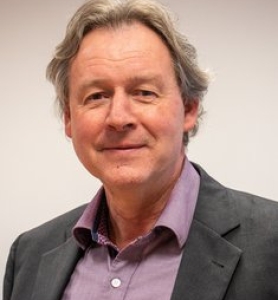
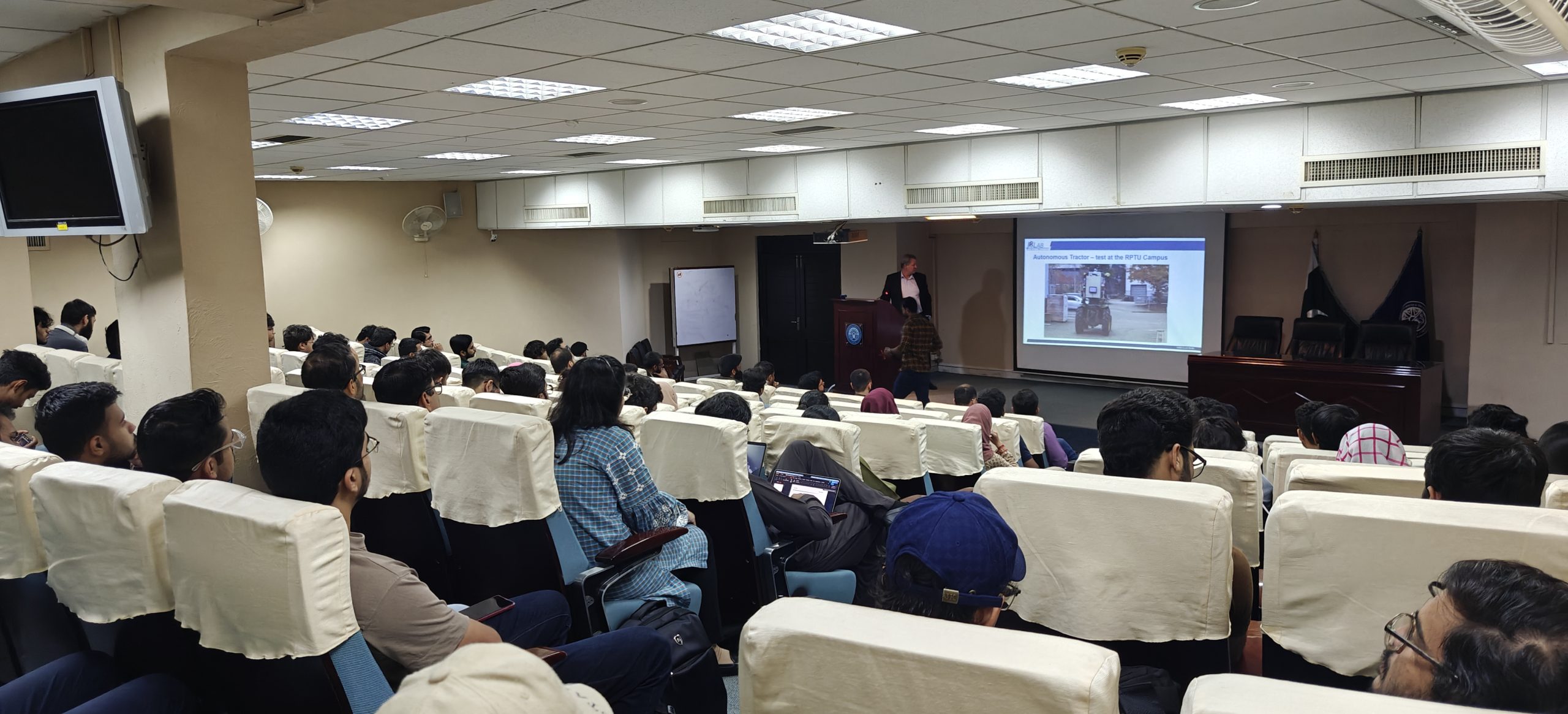
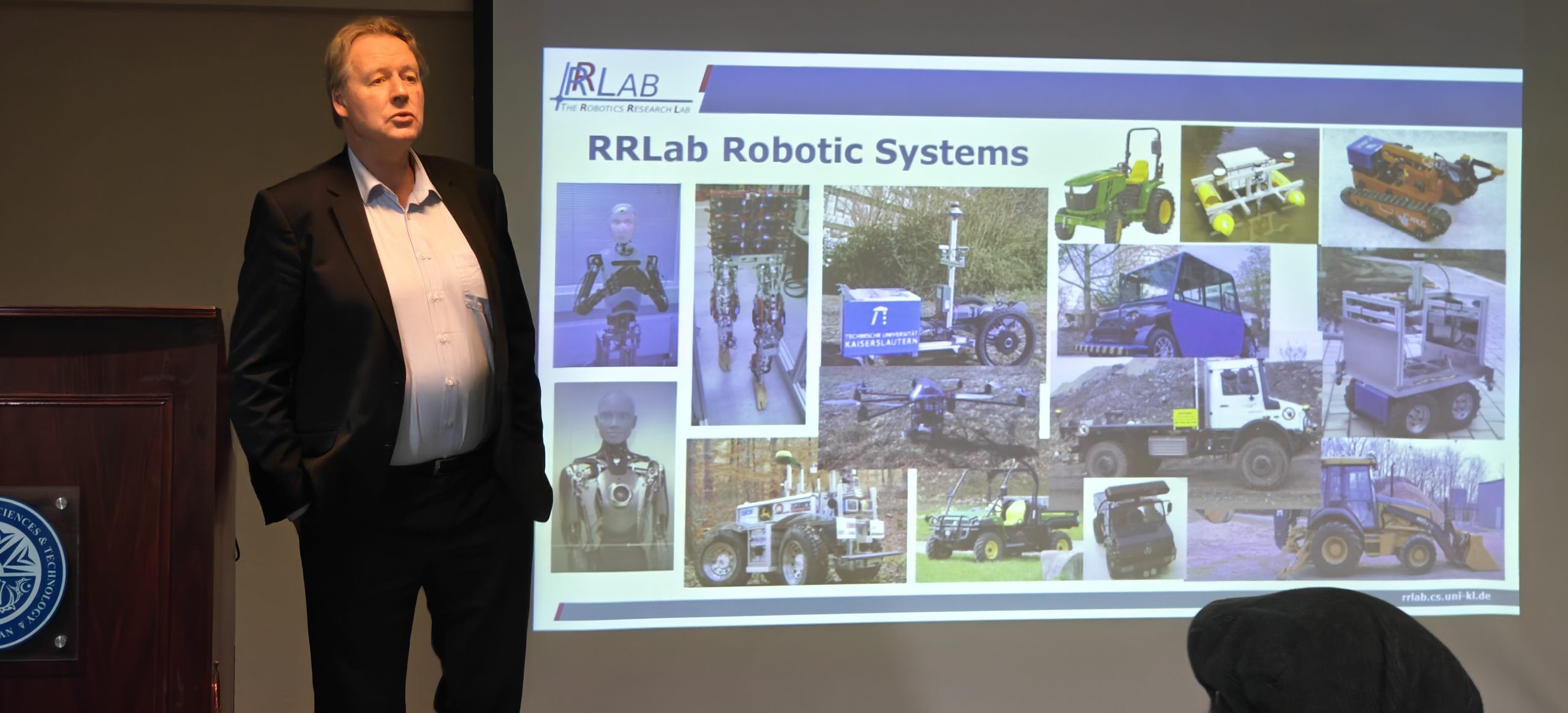
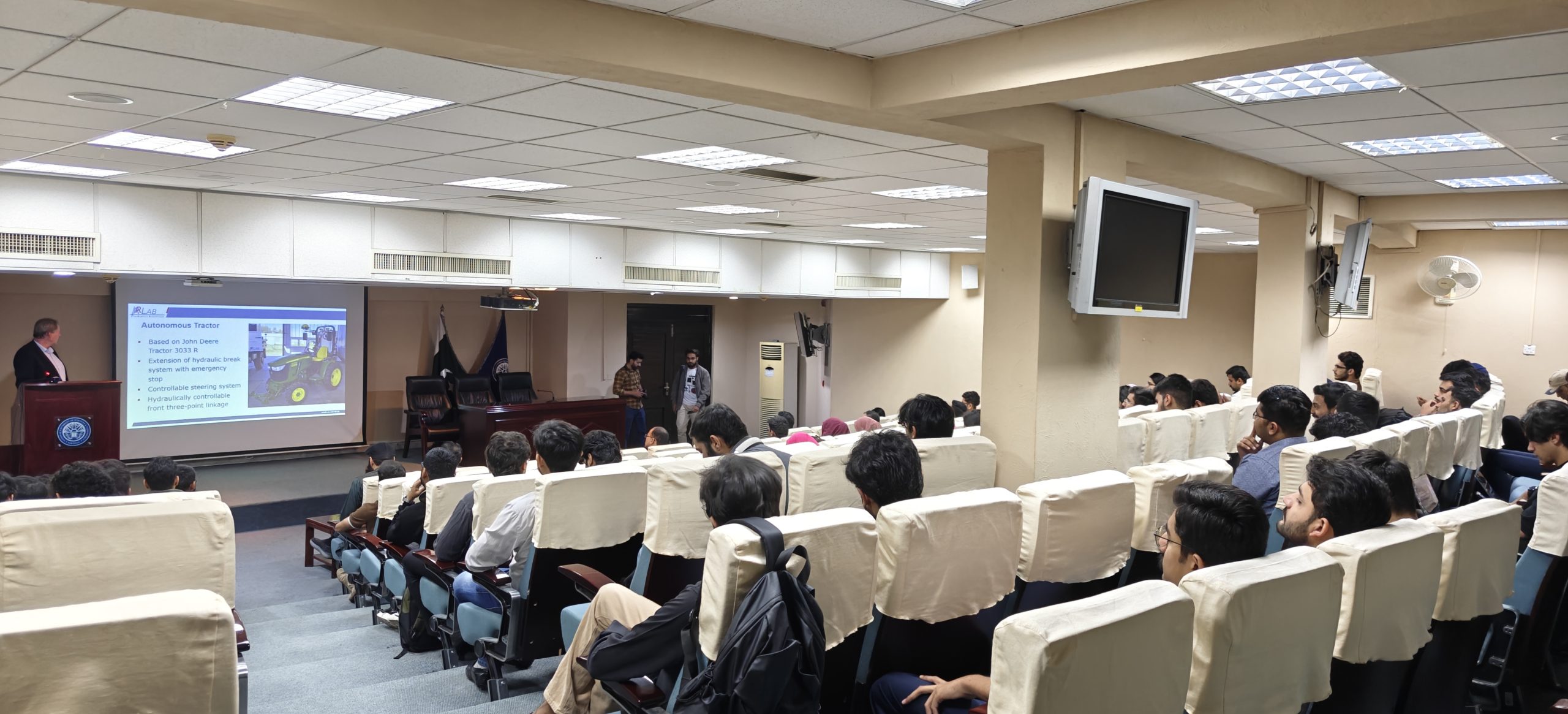
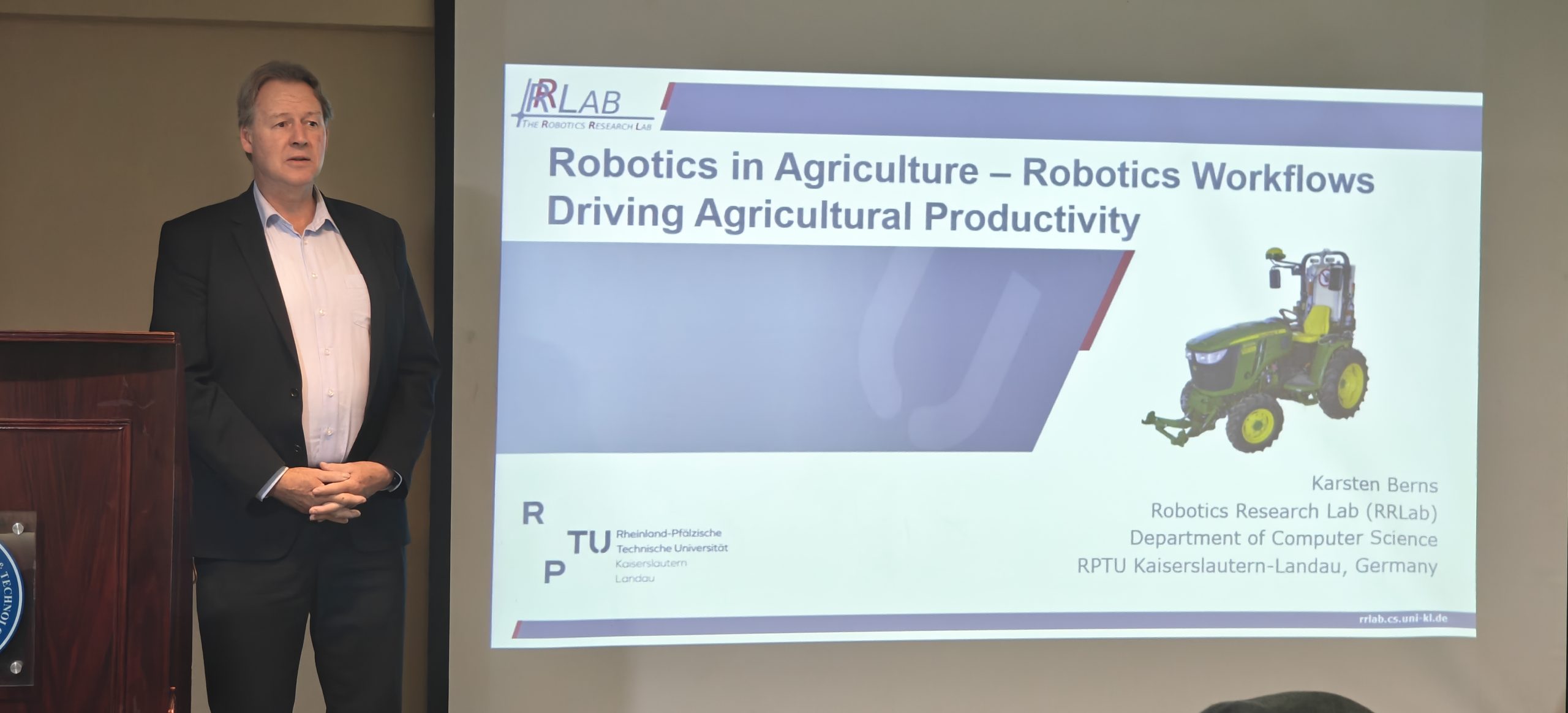
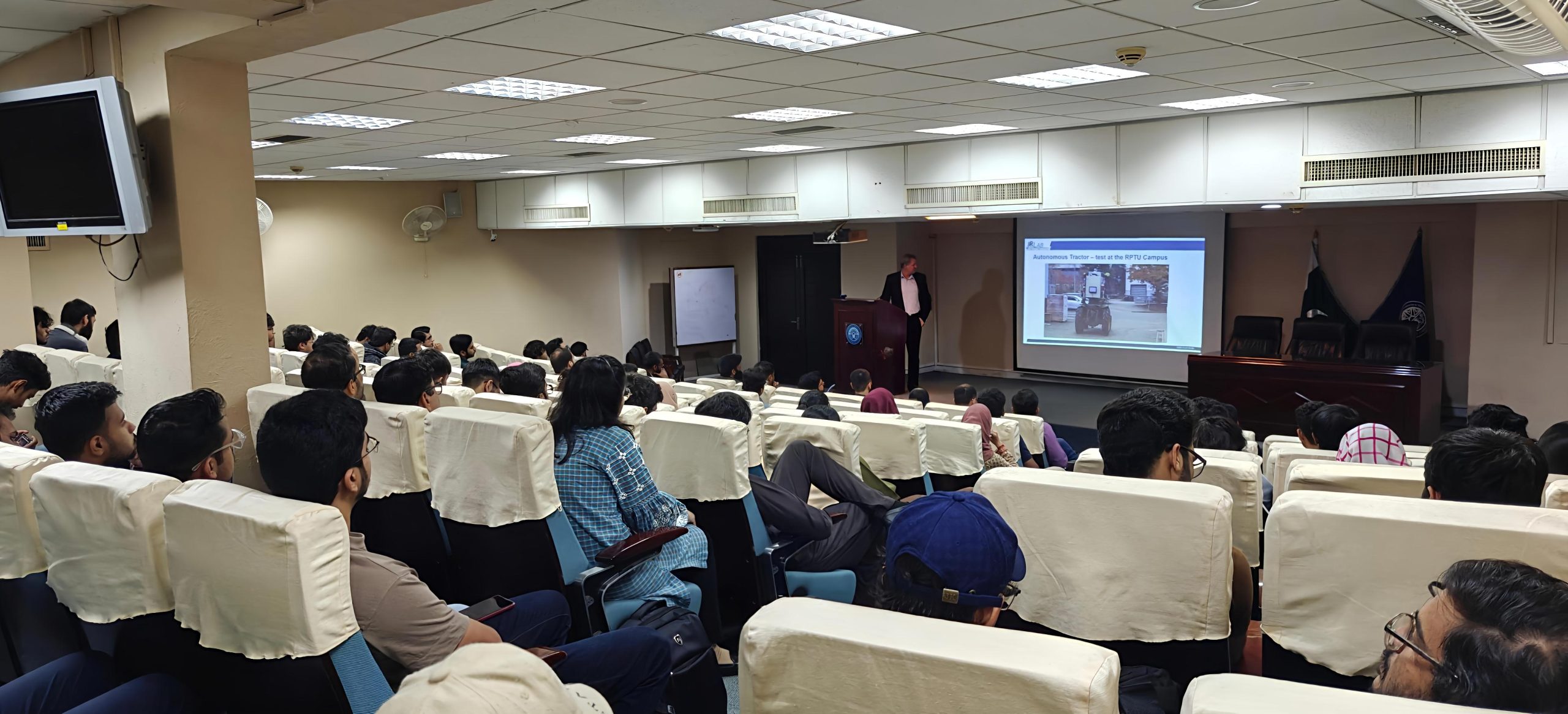
Prof. Dr. Karsten BernsRPTU, Germany
10:00 AM – 12:00 PM
Remote Sensing for Climate-Smart Farms
Dr Muhammad SherazDFKI, Germany
12:00 PM – 01:00 PM
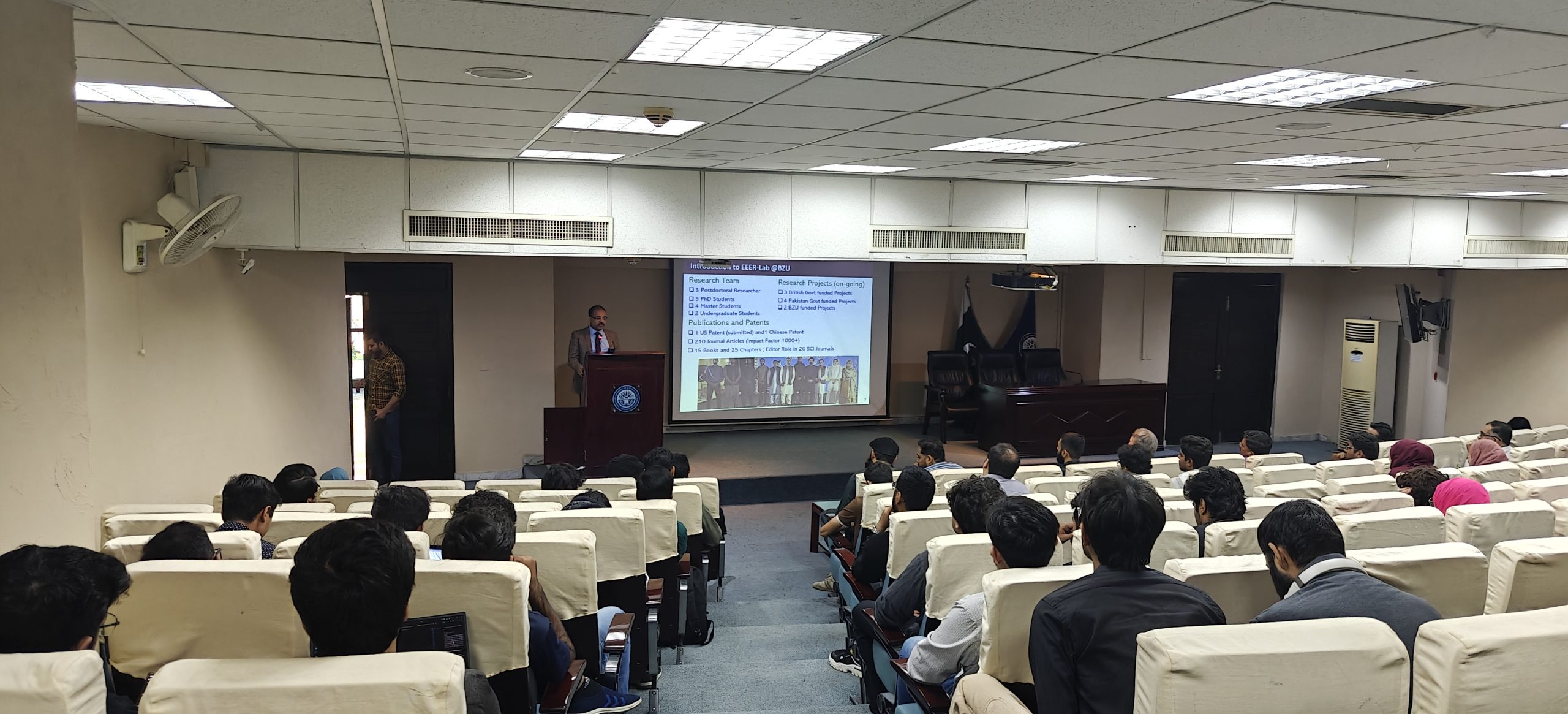
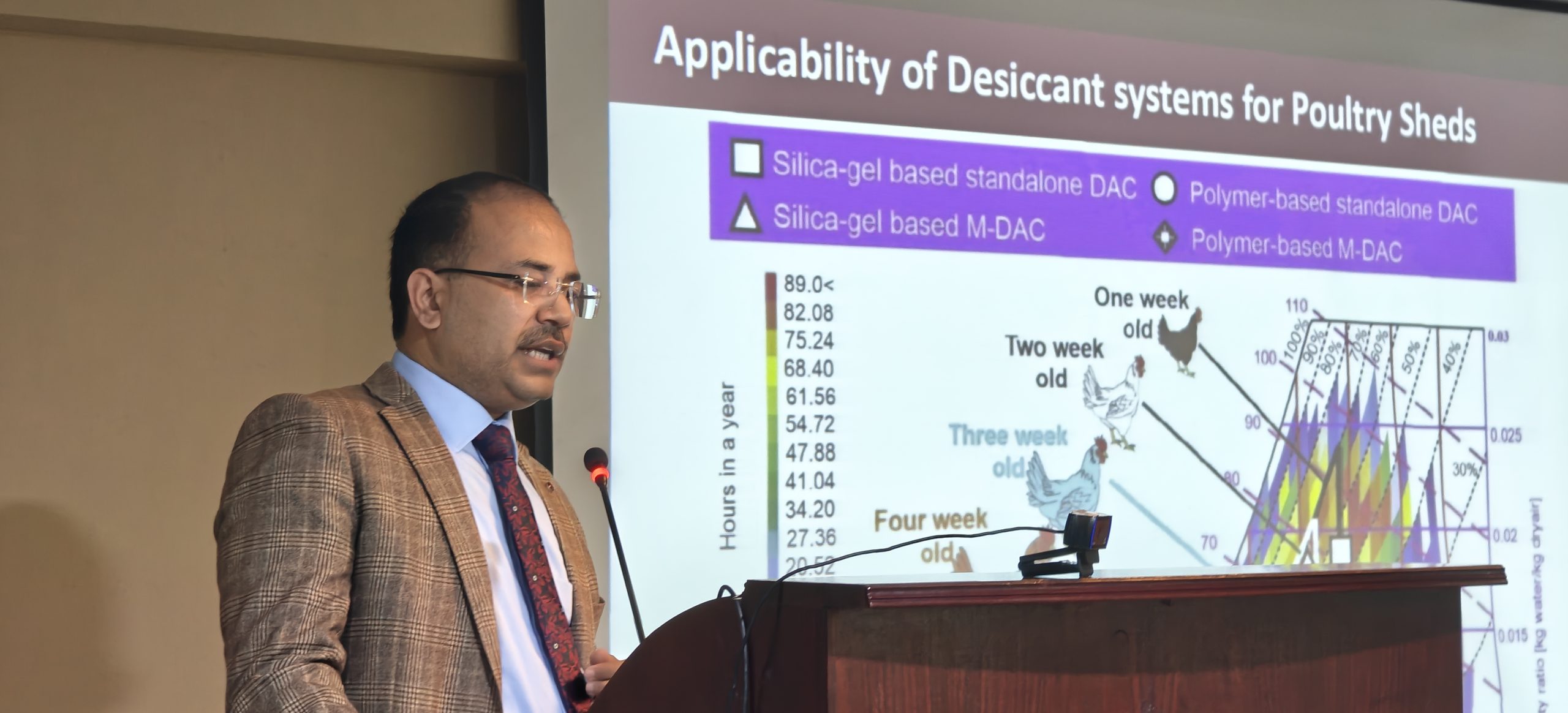
Smart Farm Mechanization
Dr. Muhammad SultanBZU, Multan
☕ 01:00 PM – 01:30 PM — Refreshments & Break
02:00 PM – 03:00 PM
GeoAI for Informal Settlements: Cooling & Health
Dr. M. Khurram EhsanBahria University
03:00 PM – 04:00 PM
Climate Risk and Resilience Analytics
Dr Zuhair ZafarSEECS, NUST
04:00 PM – 05:00 PM
Climate & Water Sustainability
Ms. Quratulain AhmedMinistry of Climate Change
Organizers
Dr. Muhammad Moazam Fraz
Professor
Muhammad Imran Malik
Associate Professor
Dr Muhammad Naseer Bajwa
Assistant Professor
Partners
This activity is funded by the DAAD Germany , through the Project ID: 57708351 , titled “ SLUM-i: A Remote Sensing Based Intelligent Framework for Detection and Predictive Growth Analysis of Slums for Sustainable Socio-Economic Development of Pakistan “
Testimonials
“
Dr. Sheraz’s session on remote sensing for crop stress was incredibly practical. I now see how we can use water proxies to reduce post-harvest losses significantly.
BA
Bilal AhmedAgritech Specialist
“
The GeoAI for Informal Settlements talk by Dr. Khurram was an eye-opener. It perfectly mapped out how we can improve livability in dense areas through data.
SM
Sana MirUrban Planner
“
Learning about smart farm mechanization from Dr. Sultan gave me a new perspective on energy efficiency. The S2Cool mission is exactly what the industry needs.
OK
Omar KhanAgricultural Engineer
“
Ms. Quratulain bridged the gap between policy and technical execution. The session on Climate & Water Sustainability was vital for our adaptation strategies.
AK
Ayesha KhanPolicy Analyst
“
Dr. Zuhair’s analytics on heatwaves and floods provided the hard data we needed. This training equips you to make evidence-based infrastructure decisions.
FH
Fahad HassanInfrastructure Consultant
“
Prof. Berns made GeoAI concepts so accessible. I can now apply cooling-demand mapping techniques directly to my thesis research on heat hotspots.
ZM
Zainab MalikGIS Researcher
“
Dr. Sheraz’s session on remote sensing for crop stress was incredibly practical. I now see how we can use water proxies to reduce post-harvest losses significantly.
BA
Bilal AhmedAgritech Specialist
“
The GeoAI for Informal Settlements talk by Dr. Khurram was an eye-opener. It perfectly mapped out how we can improve livability in dense areas through data.
SM
Sana MirUrban Planner
“
Learning about smart farm mechanization from Dr. Sultan gave me a new perspective on energy efficiency. The S2Cool mission is exactly what the industry needs.
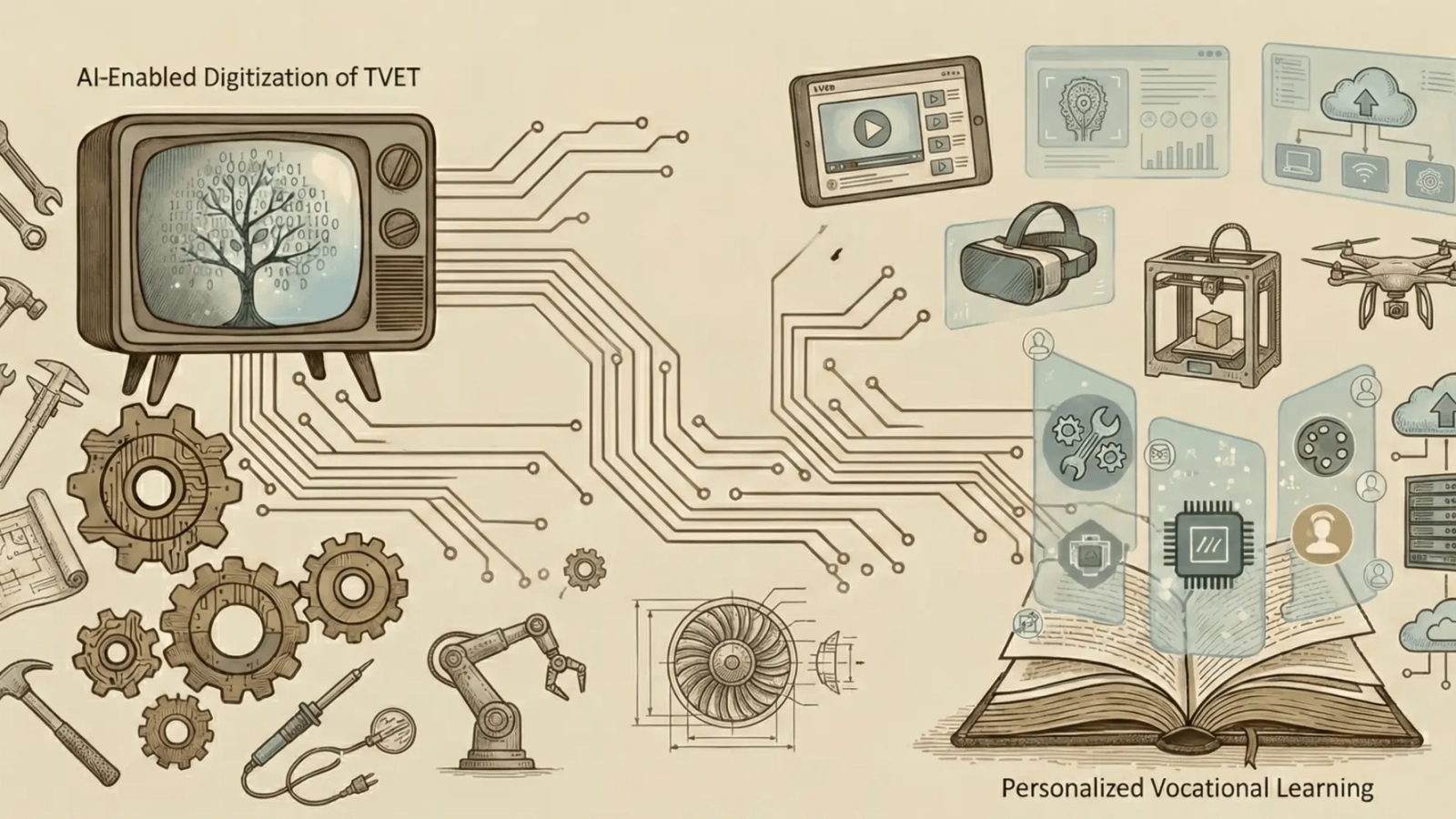
AI-Enabled Digitization of TVET and Personalized Vocational Learning
Exploring how AI, multilingual content, and digitized curricula can accelerate vocational training outcomes in Pakistan, featuring live system demonstrations.
Share Progress: Present Ba-Ikhtiyar Jawan progress and practical approaches to curriculum digitization and multimodal learning for TVET.
Live Demonstrations: Showcase AI solutions for manual translation, personalized learning, and Urdu tutoring for underserved learners.
Collect Input: Gather stakeholder feedback to strengthen industry alignment and deployability in offline/edge settings.
Build Roadmaps: Produce actionable recommendations and a short roadmap for partnerships and strategic scaling.
Featured Project Demonstrations
Live showcases of three AI-powered learning systems developed to accelerate and localize technical training.
Demo 1: Multilingual Personalized Vocational Training
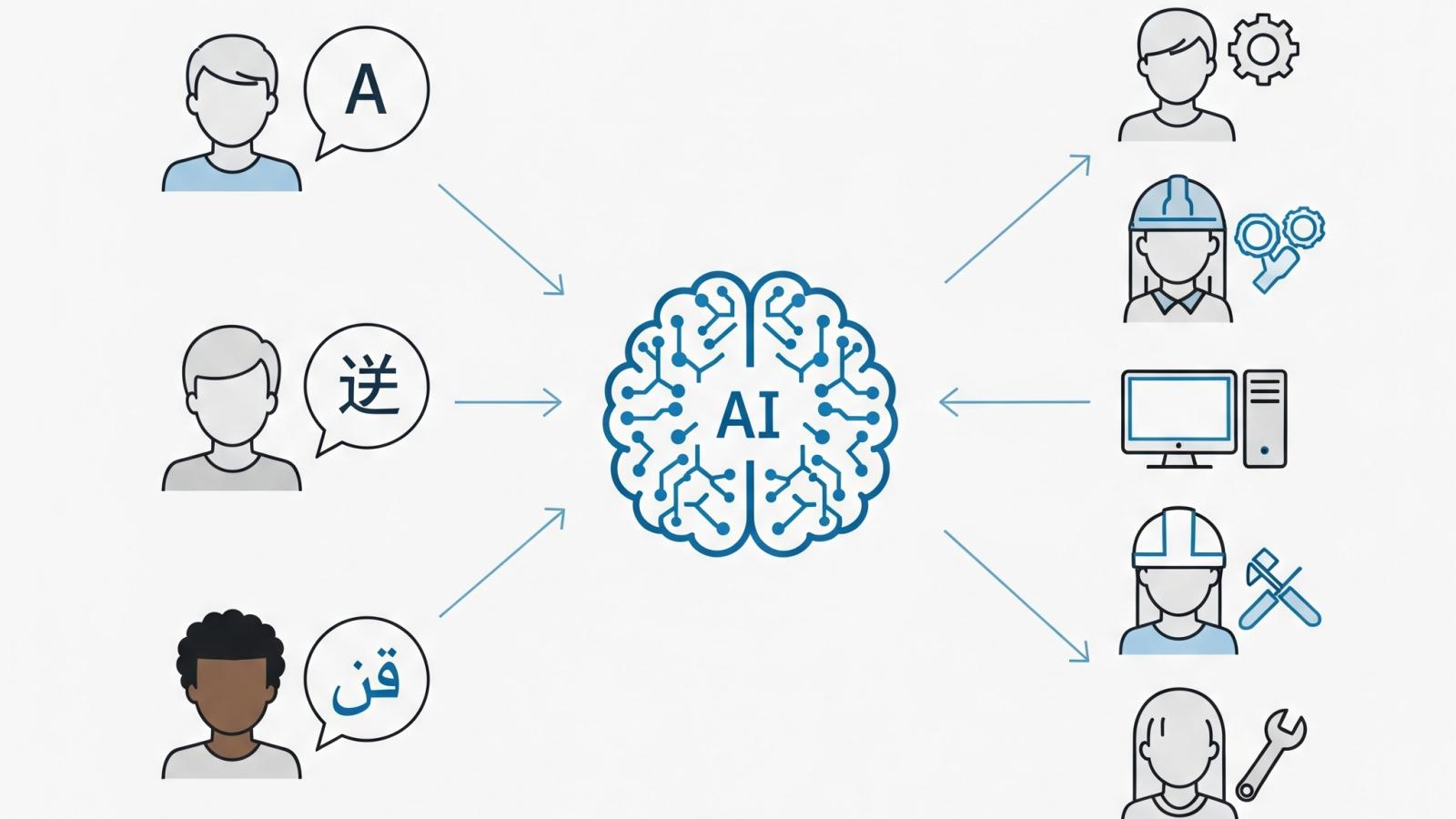
Adapts learning pathways via learner profiling and recommendation intelligence. Uses bilingual datasets to support automated creation of culturally relevant quizzes, tutorials, and microlearning modules across multiple delivery modes.
Demo 2: HunarmandAI Intelligent Tutoring
Designed for underserved, low-literacy Urdu speakers. Features multimodal text/speech interaction and fine-tuned language models for interactive learning, contributing curated low-resource Urdu datasets to the vocational domain.
Converts degraded, scanned industrial manuals into reliable instructional content. Uses instruction-tuned language models to preserve procedural meaning, technical terminology, and usability even under heavy OCR noise.
Program Schedule
Theme: Digitization of TVET through AI-driven adaptive tools, multilingual tutoring, and robust machine translation pipelines.
01
Morning Session: Keynotes & Overviews
Foundations of TVET Digitization
09:00 – 09:30
Registration & Networking TeaOrganizing Team
09:30 – 09:45
Opening, Objectives & Seminar OverviewModerator
09:45 – 10:15
KeynoteAI-Driven Transformation in TVET (Why Now, What Works)Dr Fahad A Satti, Faculty, NUST SEECS
10:15 – 10:35
Ba-Ikhtiyar Jawan SnapshotDigitized bilingual curricula, AI tools, and global knowledge exchange by the Project Lead
Working GroupsBreakout Tracks (3 tracks)1) Curriculum gaps, 2) Digital delivery, 3) Industry readiness. (Facilitators)
16:05 – 16:40
Group Readouts + Consolidated RecommendationsModerator
16:40 – 17:00
ClosingRoadmap, Partnerships & Next Steps by Project Lead
Expected Outcomes
Shared Understanding: Practical pathways for AI-enabled TVET digitization established among all stakeholders.
Deployability Feedback: Direct stakeholder feedback captured on curriculum digitization and the real-world readiness of project tools.
Actionable Roadmaps: Recommendations formulated into a short roadmap for future implementation and strategic partnerships.
Dissemination: Production of valuable materials including a concise, shared seminar proceedings report.
Organizers
The leadership and organizing committee behind the Ba-Ikhtiyar Jawan Seminar.
Prof Dr. Muhammad Moazam Fraz
Professor & Associate Dean
SEECS, NUST
Dr. Junaid Younus
Assistant Professor
SEECS, NUST
Dr. Muhammad Imran Malik
Associate Professor & HoD Dept. of Computer Science
SEECS, NUST
Partners
This event is funded by the German Academic Exchange Service (DAAD) under the project titled Ba-Ikhtiyar Jawan: Upscaling and Digitization of Vocational Education Curriculum.
A deployable prototype that helps decision-makers identify heat-risk zones, understand
sustainability drivers, and generate evidence-grounded cooling interventions. The project
evolves
across all 4 days.
This activity is funded by the UK Government through the Project: APP47457, titled “Super-efficient Sustainable Cooling Solution for All Applications (S2Cool)” under the Ayrton Challenge Programme of the UK Research and Innovation (UKRI); however, the views expressed do not necessarily reflect the UK Government’s official policies. The Project: APP47457 is implemented/led by Northumbria University UK together with partners.
Multilingual Personalized Vocational Training Using Recommendation Intelligence for Youth Empowerment
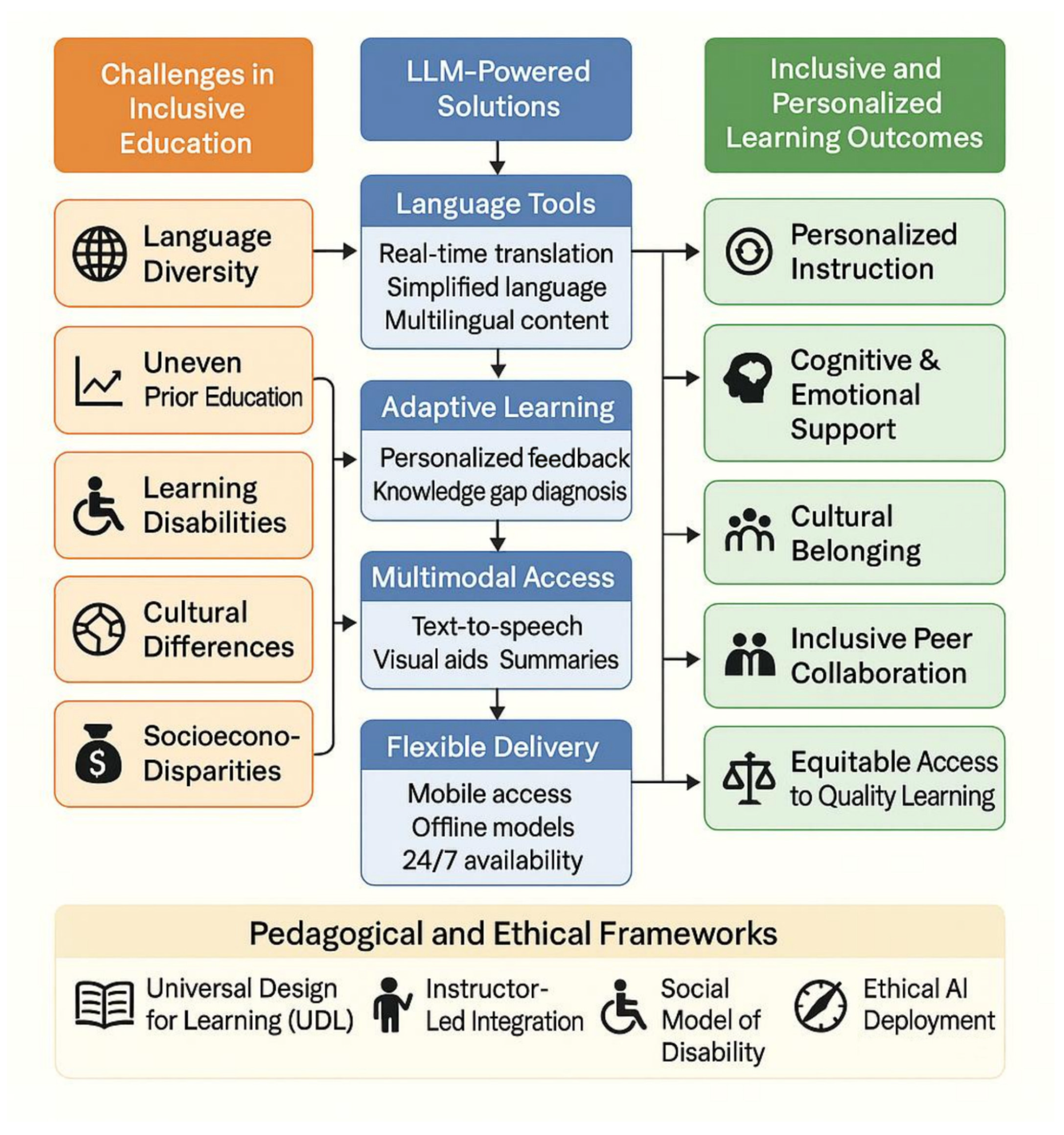
Multilingual Personalized Vocational Training Using Recommendation Intelligence for Youth Empowerment is a project that reimagines how skill development can be delivered to young learners across diverse cultural and linguistic backgrounds. In many regions, especially where resources are scarce, vocational training is still restricted by language barriers, outdated content, and rigid, one-size-fits-all teaching methods. This project directly tackles those limitations by building a platform that adapts to each learner. Using multilingual support in Urdu and English, the system makes high-quality vocational training accessible to students who might otherwise be excluded, preparing them with practical skills for employability.
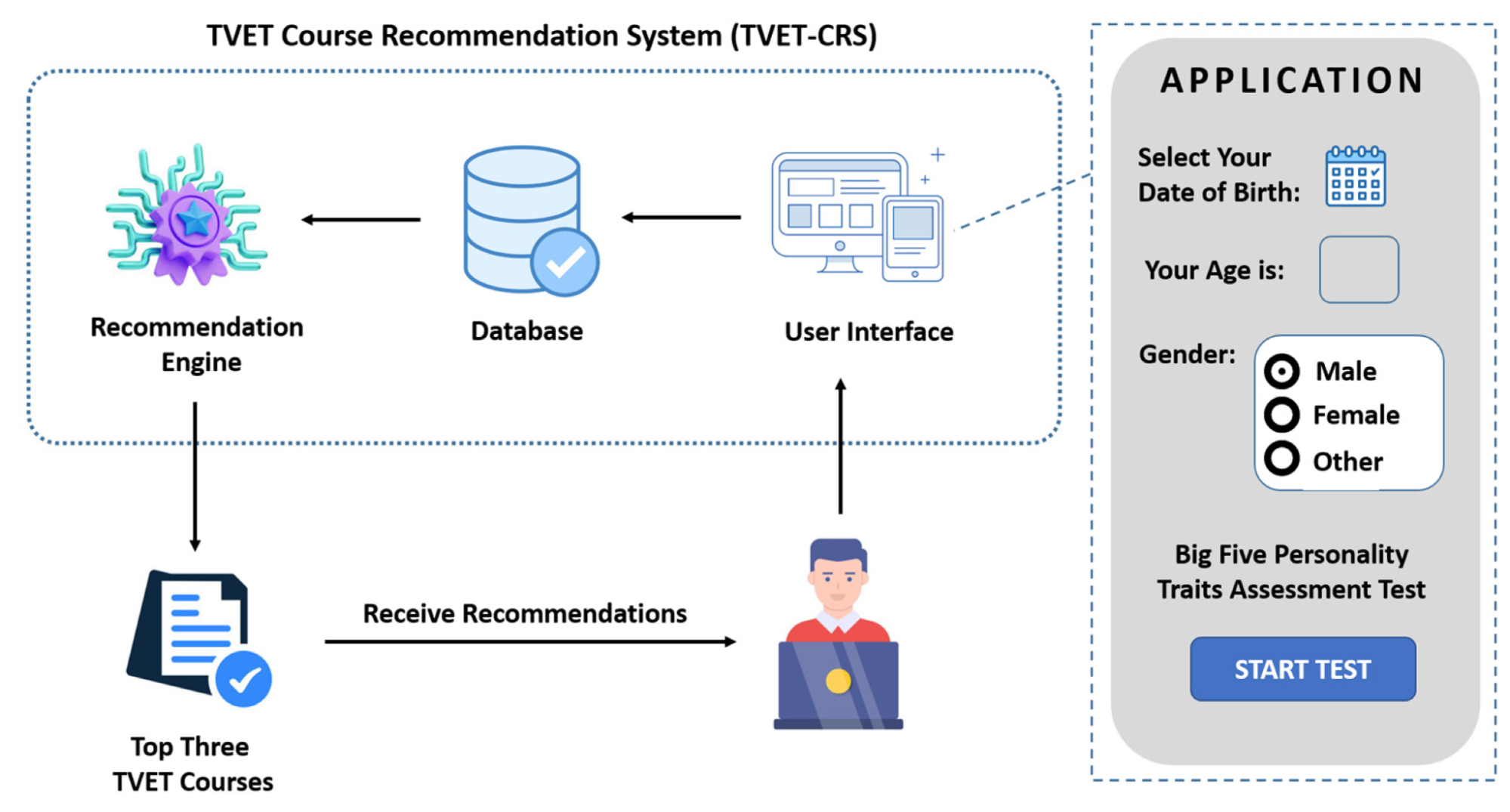
The proposed system includes an intelligent recommendation engine that creates personalized learning pathways. Instead of presenting the same modules to every student, the system actively learns from each individual’s background, prior knowledge, language preferences, and engagement style. By combining learner profiling and collaborative filtering, the platform suggests the right content at the right time, whether that’s a step-by-step tutorial, a microlearning module, or an adaptive quiz. To strengthen inclusivity, the project also curates bilingual vocational materials originally in German, translating and localizing them into Urdu and English. This approach not only ensures cultural and linguistic relevance but also makes previously inaccessible resources usable for learners in underrepresented communities.
Beyond being a technical prototype, the project is designed with real-world impact in mind. Its adaptive architecture means that as learners progress, the system automatically adjusts difficulty, pacing, and even content format (text, audio, video) to fit their needs. The result is a dynamic and empowering experience that helps learners stay engaged and retain skills more effectively. By aligning training modules with national vocational standards (TEVTA & NAVTTC) and incorporating industry-relevant updates like hybrid and electric vehicle repair, the platform equips students with knowledge that matches labor market demands. More importantly, it levels the playing field, giving marginalized youth an equal opportunity to acquire skills and pursue livelihoods, while also opening new avenues for research into human-centered AI and the future of personalized learning technologies.
Abdullah, M., Mansoor, I., Rey, V.F. and Fraz, M.M., 2025, December. A Multi-LLM Pipeline for Retrieval-Grounded, Bloom’s Taxonomy-Aligned Question Generation. In 2025 5th International Conference on Digital Futures and Transformative Technologies (ICoDT2) (pp. 1-6). IEEE. https://doi.org/10.1109/ICoDT269104.2025.11360748
Dr. Muhammad Naseer Bajwa Delivers Keynote on Trustworthy AI in Medical Diagnosis at CACIO-2025
December 17, 2025 | University of Wah, Wah Cantt
Dr. Muhammad Naseer Bajwa delivered a compelling keynote address at the 5th UW-POFs Joint Conference on Academia’s Collaboration with Industrial Organisation (CACIO-2025) held on December 17th at the University of Wah.
The talk focused on the critical application of Trustworthy AI in medical diagnosis, with a particular emphasis on advancements in ophthalmology.
Keynote Topic
“Let’s See Through A-Eye”
The keynote highlighted how explainability, reliability, and uncertainty awareness in AI systems can enhance clinical decision-making and build trust among healthcare professionals. The session also discussed challenges and opportunities in translating AI research into real-world medical practice through academia–industry collaboration.
The conference provided a valuable platform for dialogue between researchers, clinicians, and industry representatives on leveraging emerging technologies for societal impact.