Reinforcement Learning Unleashed

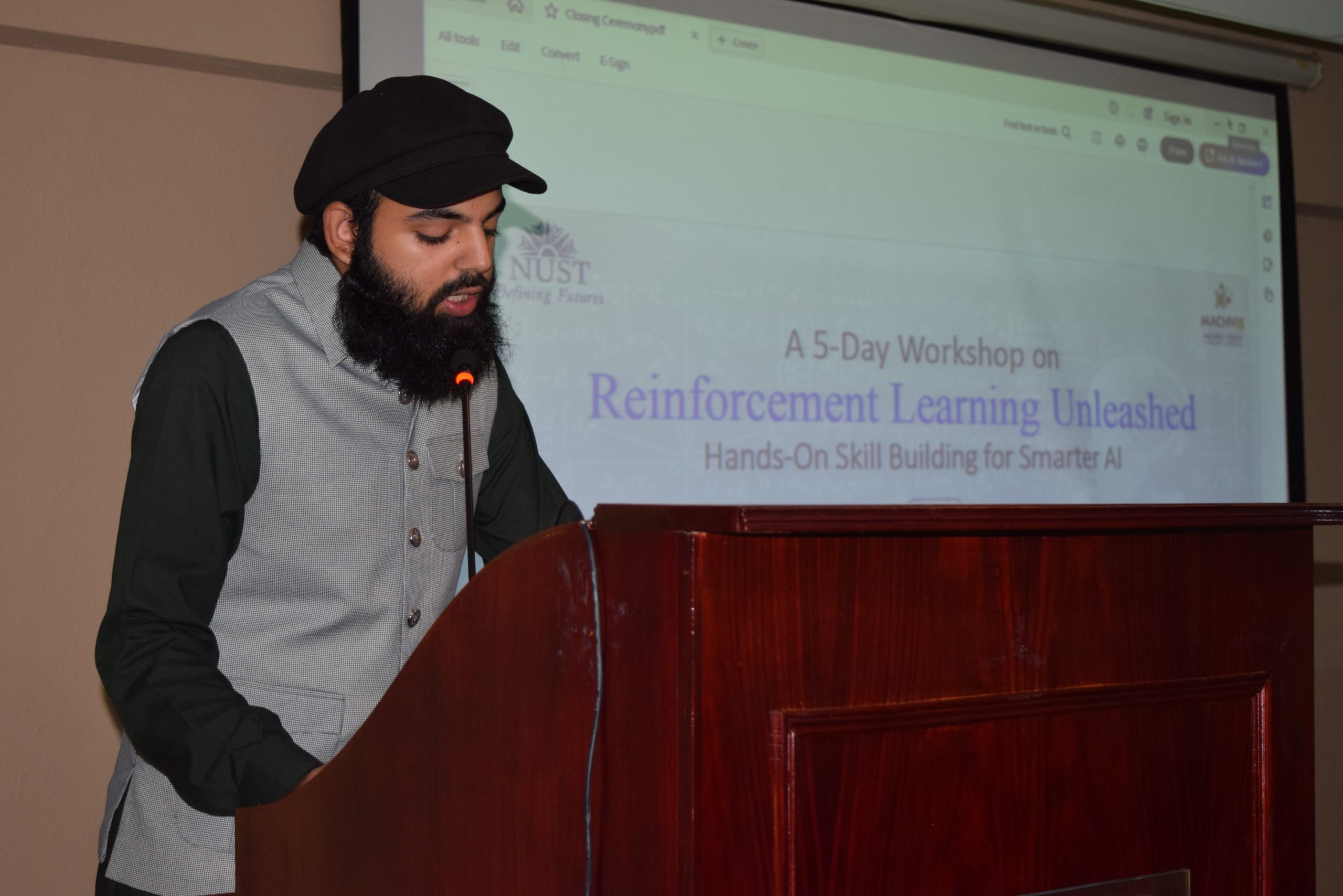
Reinforcement Learning Unleashed: Hands-On Skill Building for Smarter AI

A 5-day Boot Camp on

Reinforcement Learning Unleashed: Hands-On Skill Building for Smarter AI

Bridging AI and sustainability through smart decision-making agents.

Date

18 August – 22 August 2025

Session 1 Time (Lecture)

10:00am to 12:00pm

Session 2 Time (Lab/Hands on):

2:00pm to 4:00pm

Venue

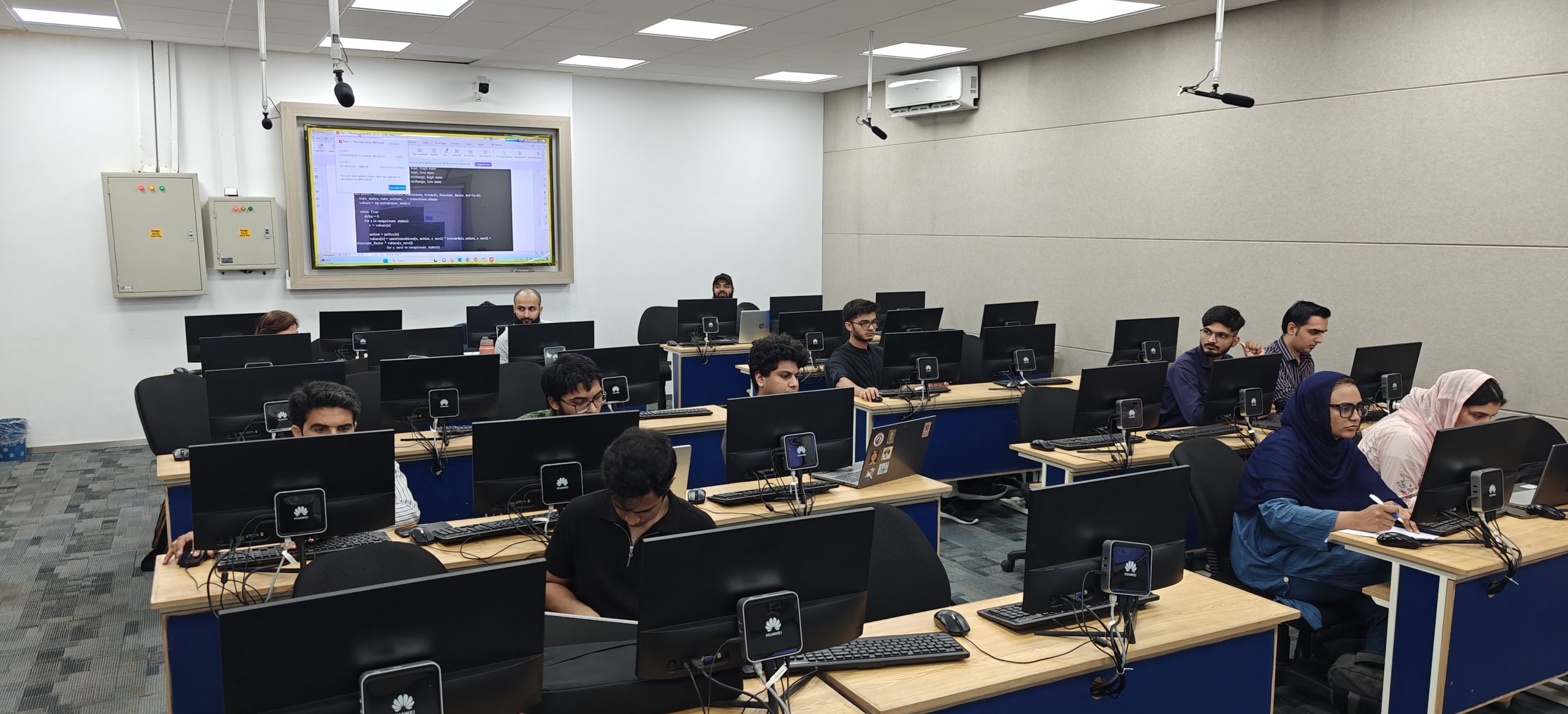
Smart Classroom, SEECS, NUST
About The Workshop

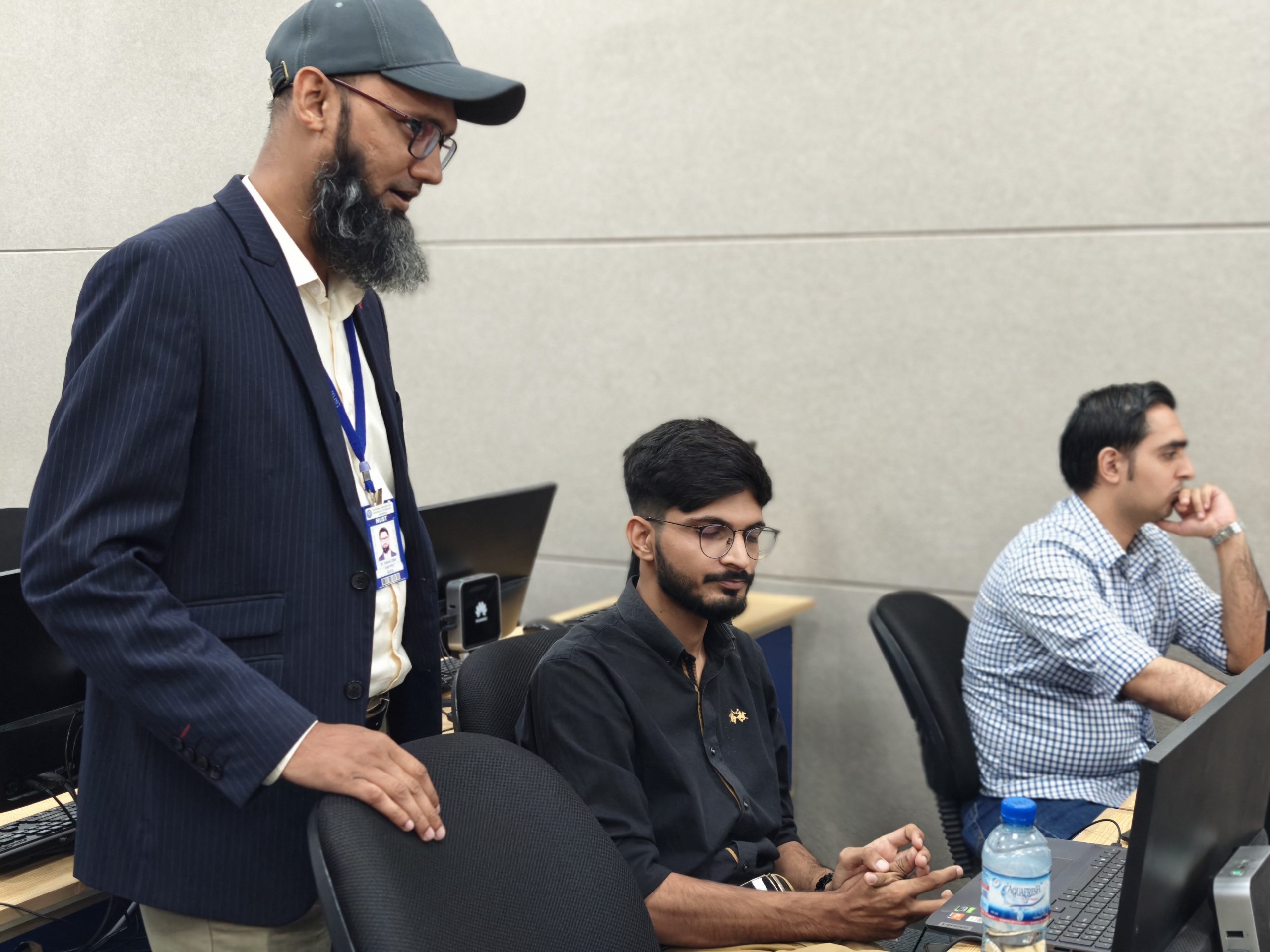
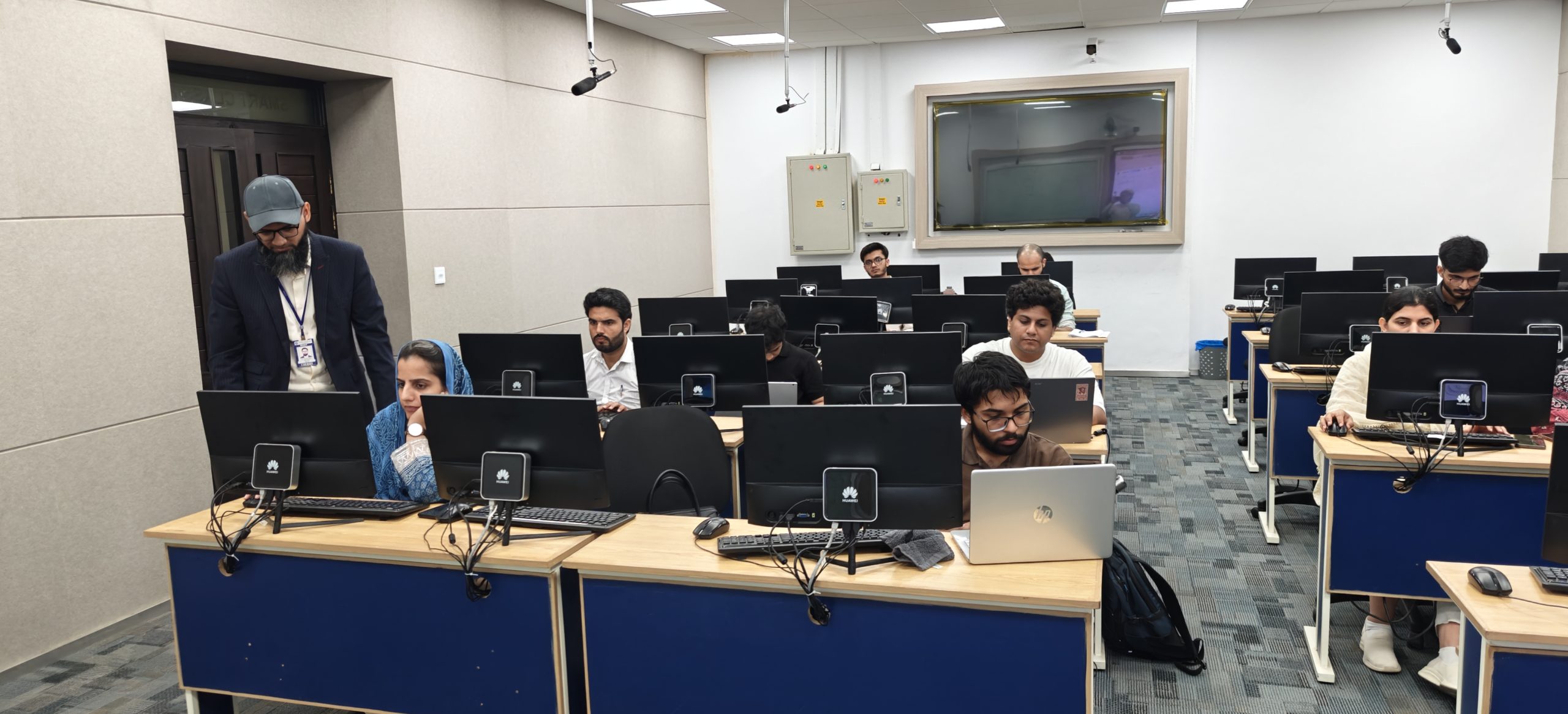
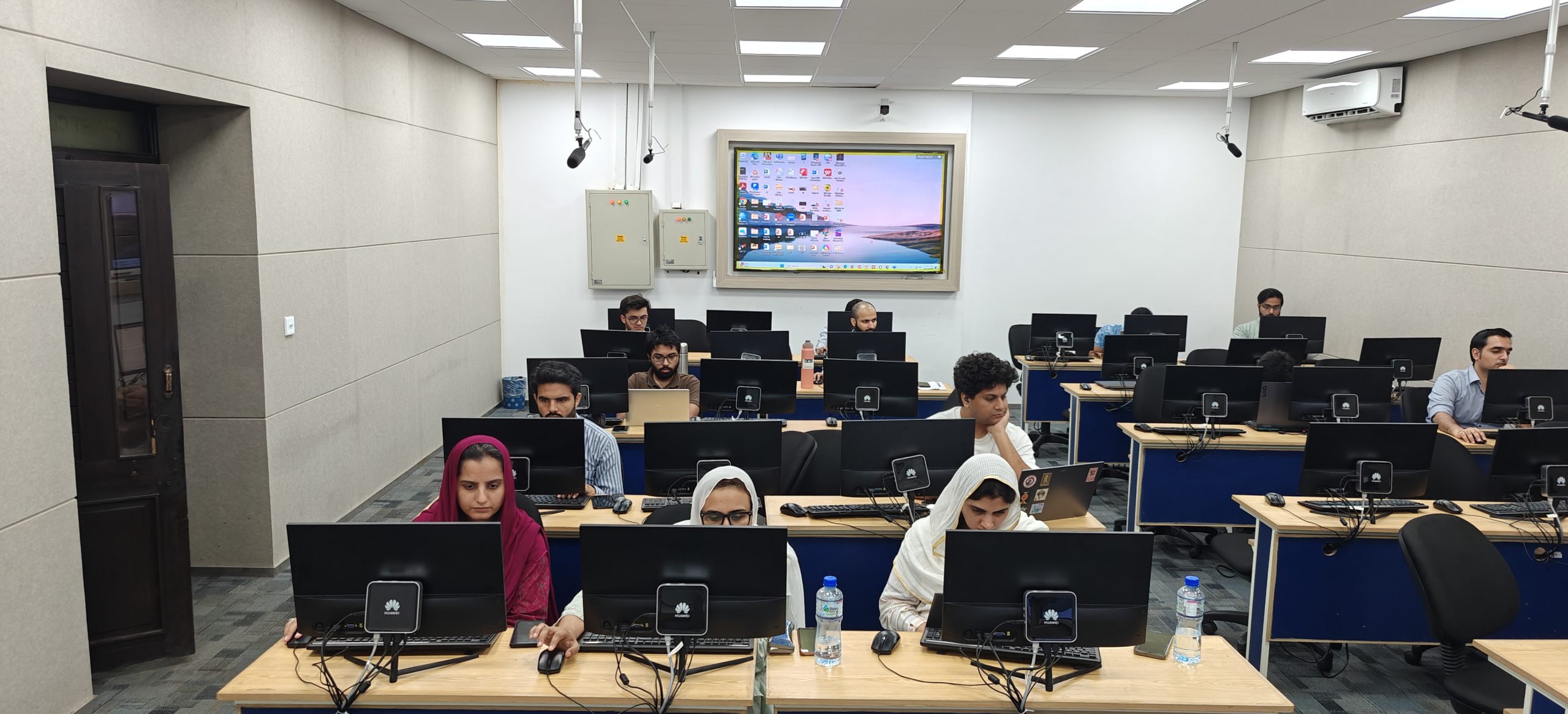
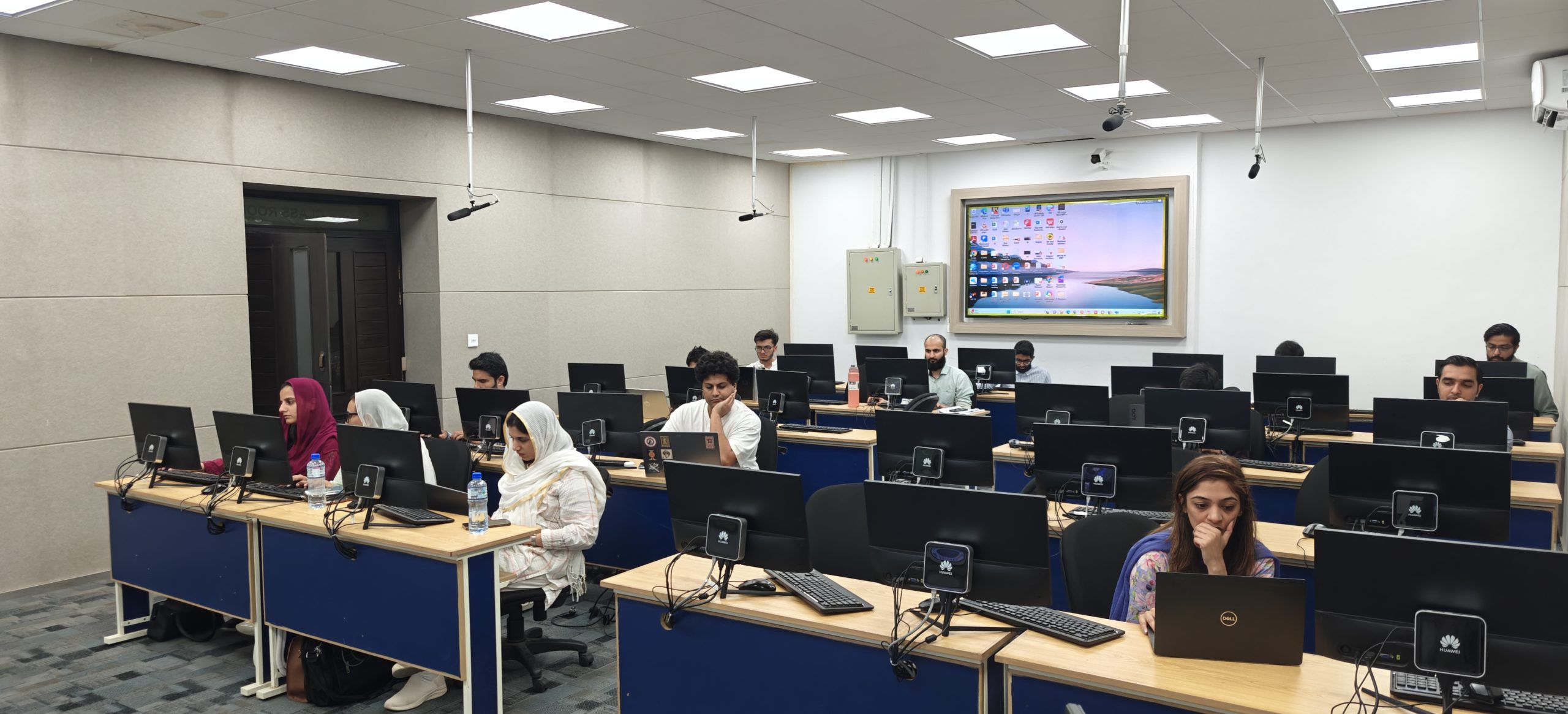
This immersive 5-day workshop offers a comprehensive and hands-on introduction to reinforcement learning (RL), designed to bridge the gap between theoretical foundations and real-world applications — including those critical to building a more sustainable future. Ideal for students, educators, and professionals, this workshop emphasizes experiential learning through clear conceptual explanations, coding exercises, and project-based tasks.

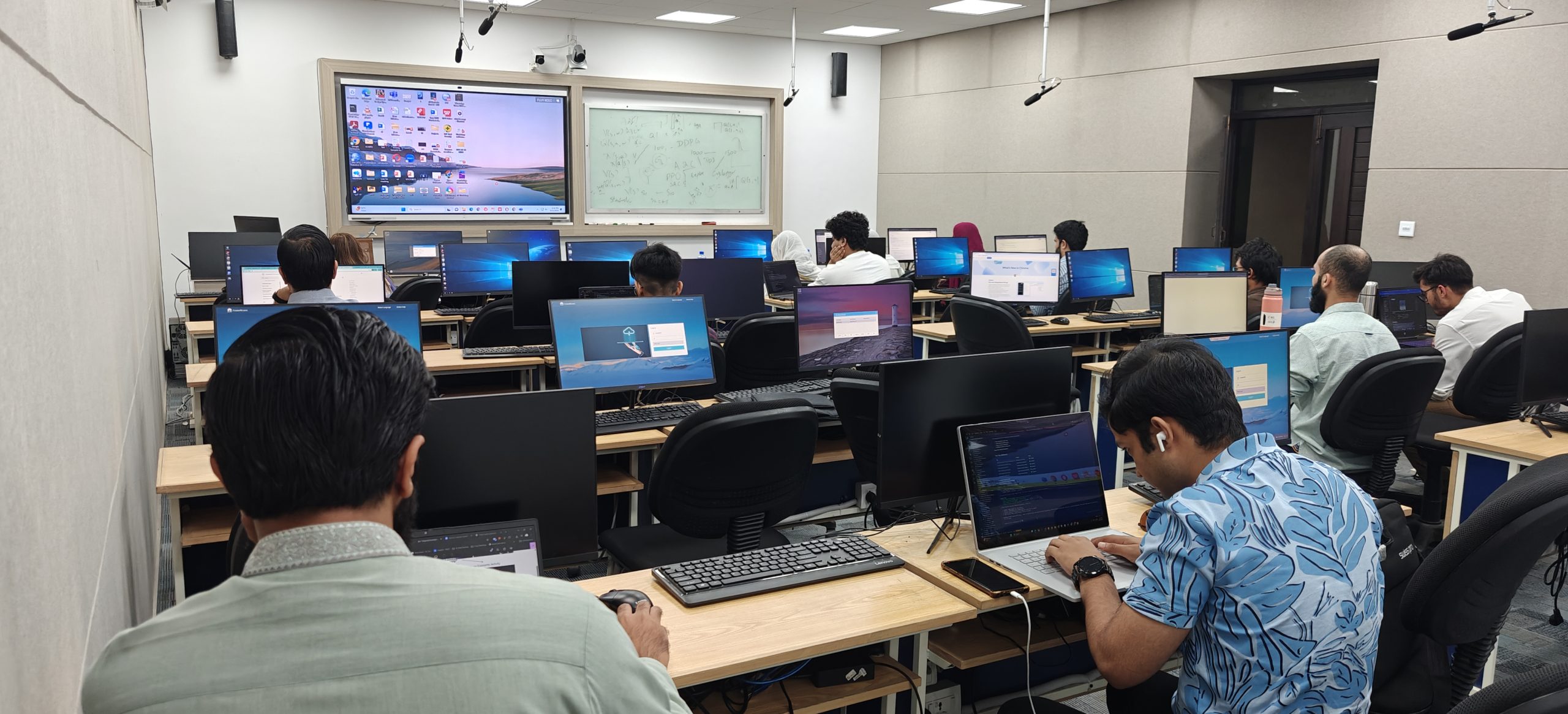
Participants will explore key RL concepts such as Markov Decision Processes, policy optimization, and deep RL, while applying them to impactful domains like energy optimization, smart transportation, resource-efficient robotics, and climate-aware decision systems. The course incorporates interactive notebooks and algorithm implementations in Python using frameworks such as Gymnasium, PyTorch, and Stable-Baselines3. Beyond just learning, participants will engage with open-ended projects that reflect sustainability challenges and explore how intelligent agents can support responsible, long-term decision-making. The workshop encourages reproducible research and real-world innovation aligned with global sustainability goals.
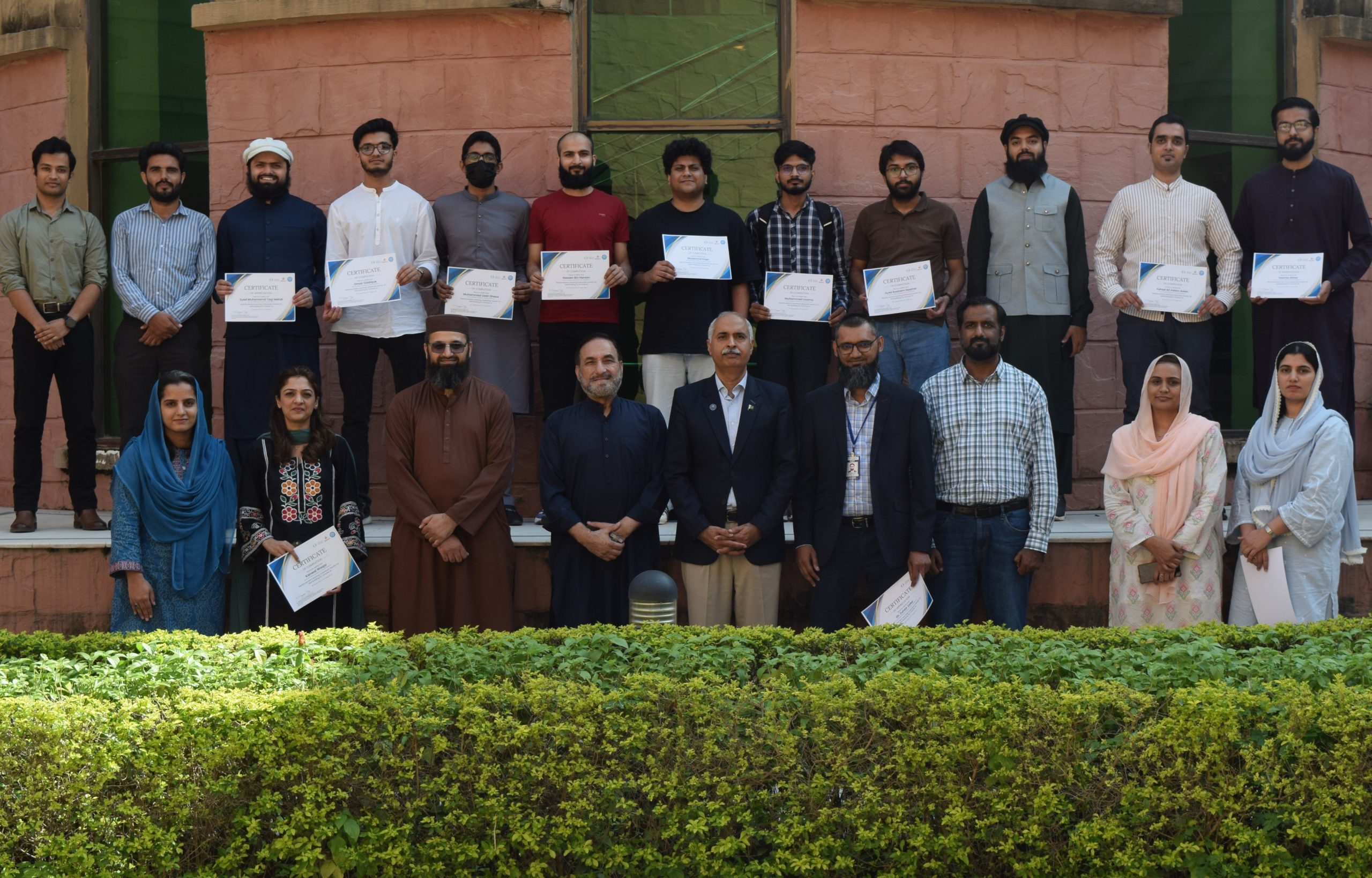
WhatsApp Image 2025-07-15 at 17.32.32_f71def19

Workshop

Learning Outcomes

Grasp the theoretical foundations of RL and understand how they can be applied to sustainability challenges in energy systems, environment monitoring, and autonomous systems.

Gain fluency in implementing RL algorithms from scratch and through modern toolkits with a focus on resource-aware optimization and decision-making.

Design and evaluate RL agents in simulated and real-world settings that model sustainable development scenarios (e.g., energy usage minimization, green logistics).

Explore how RL is enabling next-generation intelligent systems to align with environmental and societal objectives — preparing for research or careers in AI, robotics, and sustainable technologies.

Who Should Attend

1

Students and Scholars

Especially those in AI, robotics, data science, or environmental technology who are keen to apply RL to real-world sustainability problems.

2

Educators and Researchers

Seeking to integrate RL and sustainability into teaching, curriculum design, or cross-disciplinary research in AI for social good.

3

Industry Professionals and Engineers

Working in sectors like clean energy, mobility, agriculture, smart manufacturing, or urban planning, where intelligent systems can drive efficiency and sustainability.

4

Sustainability-Driven Innovators and AI Enthusiasts

With a passion for using RL to address climate change, optimize resource use, and develop intelligent systems for long-term impact.

5

Data Scientists and Machine Learning Practitioners

Looking to extend their skillset into RL while solving complex, dynamic problems with sustainability outcomes in mind.

6

Project Developers

Interested in competing in or designing sustainability-themed RL challenges (e.g., smart grid simulation, waste management automation).

Detailed Activities / Topic Plan

Day 1

18th August
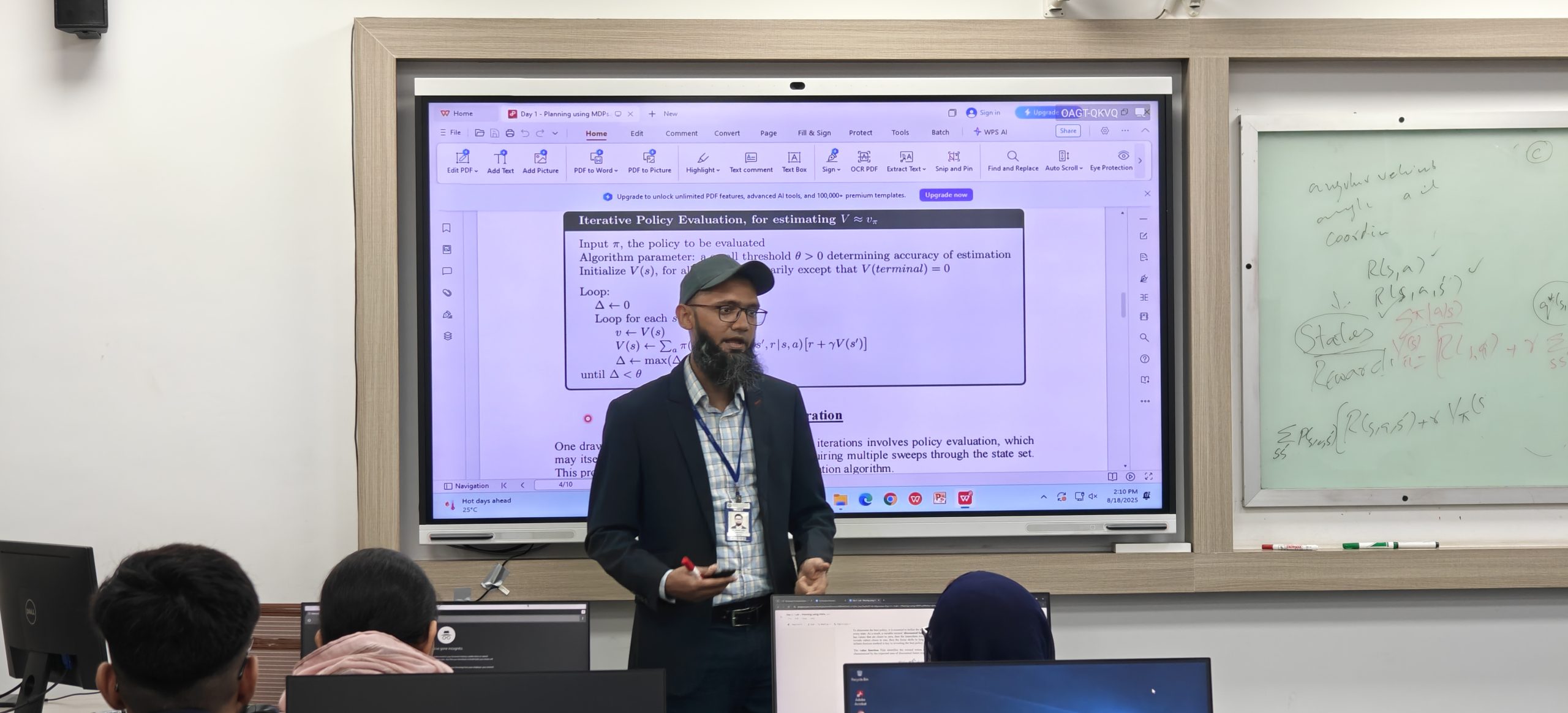
Planning Using Markov Decision Processes
- Iterative Policy Evaluation
- Policy Iteration
- Value Iteration

Day 2

19th August
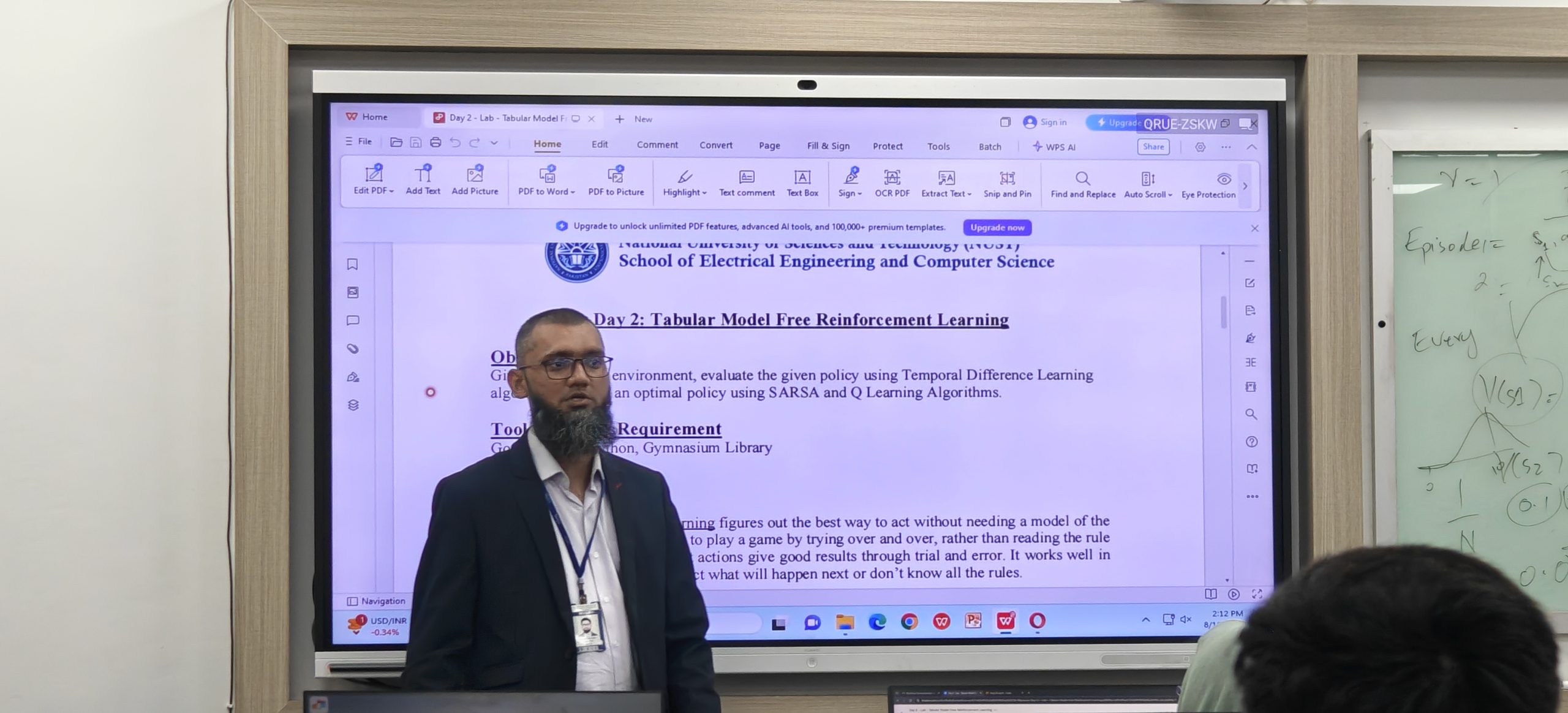
Tabular Reinforcement Learning

- Montel Carlo Prediction and Control
- Temporal Difference Learning
- SARSA Algorithm for Control

Day 3

20th August

Value Function Approximation

- Incremental VFA Methods
- Deep Q Networks
- Double Deep Q Networks

Day 4

21st August

Policy Gradient Methods

- Advantage Actor Critic (A2C)
- Deterministic Policy Gradient (DPG)
- Deep Deterministic Policy Gradient (DDPG)
- Proximal Policy Optimization (PPO)

Day 5

22nd August

Reinforcement Learning Project

- Atari Game Solving
- MuJoCo Environments

Resource person
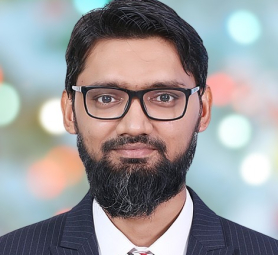
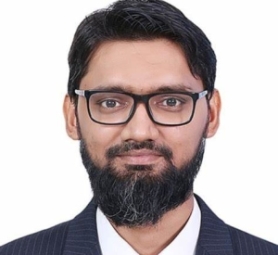
WhatsApp Image 2025-07-15 at 17.55.21_bb7584a5
Dr. Zuhair Zafar

Assistant Professor (SEECS, NUST)
Doctor of Engineering (Robotics)
TU Kaiserslautern, Germany

Organizers
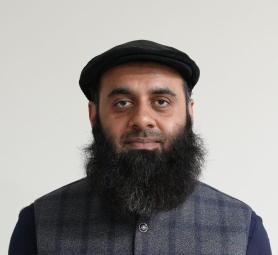
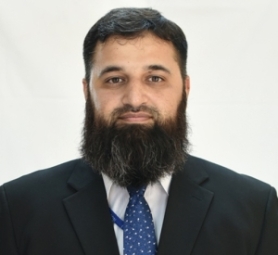
WhatsApp Image 2025-07-15 at 17.55.21_7fbb1bcc
Prof Dr. Muhammad Moazam Fraz

Director ICESCO Chair,
Professor and HoD ( AI & Data Science Department)
SEECS, NUST

WhatsApp Image 2025-07-15 at 17.55.21_bb7584a5
Dr. Zuhair Zafar

Assistant Professor (SEECS, NUST)
Doctor of Engineering (Robotics)
TU Kaiserslautern, Germany

Collaborators

Testimonials

“This workshop was a game-changer. The hands-on approach to reinforcement learning was exactly what I needed to bridge the gap between theory and practical application. I'm already incorporating these concepts into my projects at work”
Aisha KhanData Scientist
“The 5-day Reinforcement Learning workshop was very useful and easy to follow. I learned step by step, practiced with coding, and now feel more confident about using RL in real projects.”
Noman ZahoorMachine Learning Engineer
“Overall training content was very useful, covered all topics which were included in training outline.”
Nighat BatoolElectrical Engineer
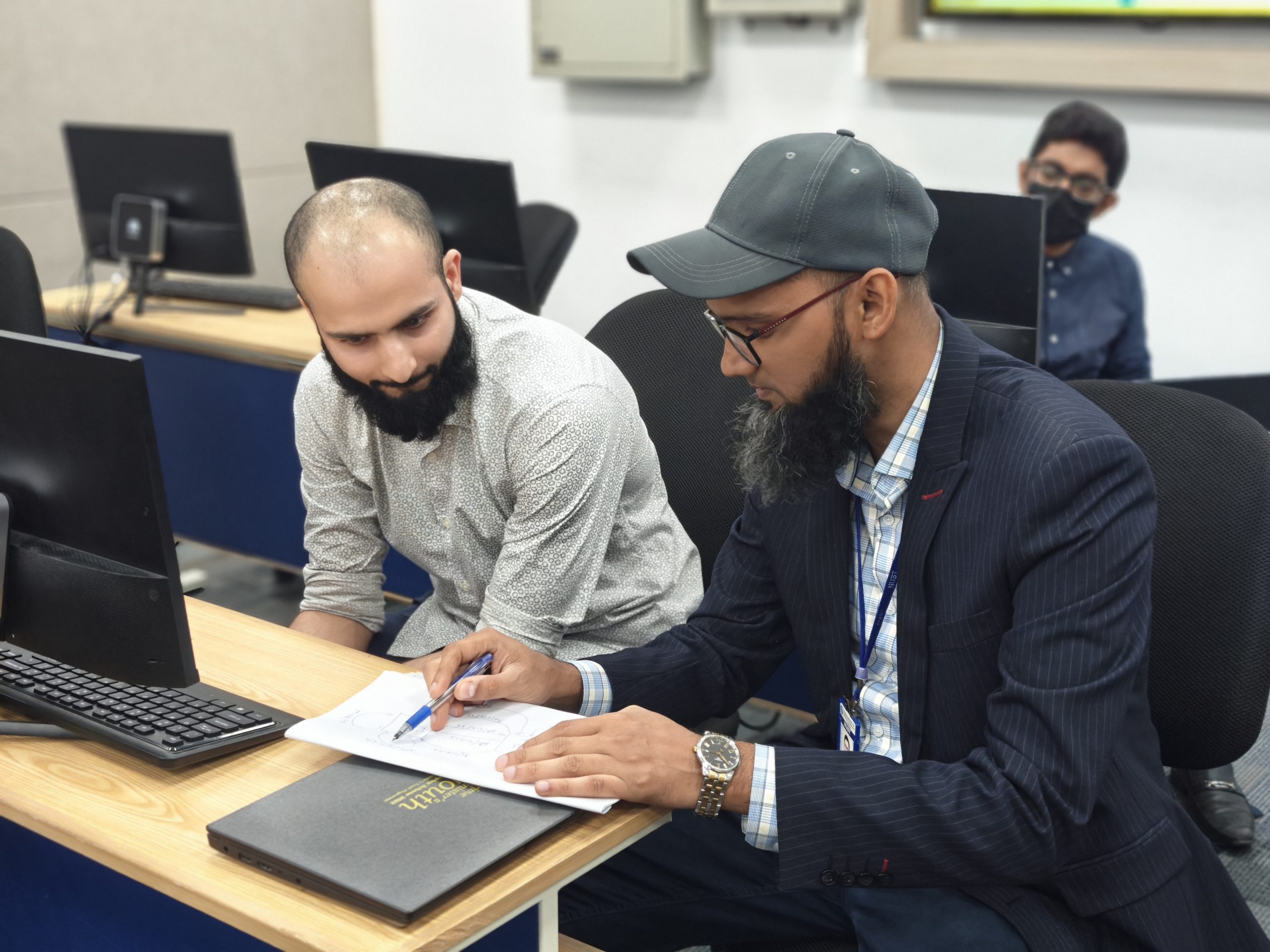
“The workshop was very well-structured. The hands-on lab sessions with Dr. Zuhair Zafar, where he addressed individual queries and gave direct feedback, were especially valuable. Overall, a great learning experience!”
Omair SiddiqueCybersecurity Analyst
“As someone from a non-CS background, I was a bit intimidated, but the instructors made the material accessible and engaging. The content on smarter AI has opened up new possibilities for applying these technologies in my field, particularly in optimizing resource allocation”
Farhan AliCloud Architect
“I attended this workshop to understand the future of AI from a business perspective. The insights on reinforcement learning were fascinating. I now have a much clearer idea of how to leverage AI to personalize customer experiences and create more effective marketing strategies.”
Sana BaigAI Research Scientist
“The workshop's focus on building 'smarter AI' was incredibly relevant to my interest in medical diagnostics. The practical skills I gained will be invaluable for a research project I'm planning on using reinforcement learning to analyze patient data”
Hafsa RehmanNetwork Engineer
“I’ve been looking for ways to integrate modern technology into my curriculum. The session on hands-on skill-building for AI gave me concrete ideas for developing interactive learning modules for my students. The instructors were excellent and very supportive”
Hira MehmoodDatabase Administrator
“This was an excellent deep dive into a complex topic. The structured learning paths and practical exercises helped solidify my understanding of reinforcement learning algorithms. I feel much more confident in tackling real-world challenges in my work”
Usman QureshiFull-Stack Developer
“I never thought AI could be so relevant to architecture, but the workshop showed me how reinforcement learning can be used in design optimization and material selection. I'm excited to explore these tools in my professional practice”
Saba NoorFinancial Consultant
“The advanced topics covered were highly valuable for my research. The insights from the industry experts were particularly useful, providing a fresh perspective on the challenges and future directions of reinforcement learning”
Ali RazaCivil Engineer
“While my focus is on creative work, I’m aware of AI’s growing role in our industry. This workshop helped me understand how AI can assist in content creation and user experience. It was a perfect blend of technical knowledge and practical application”
Mahnoor HassanDigital Marketing Manager

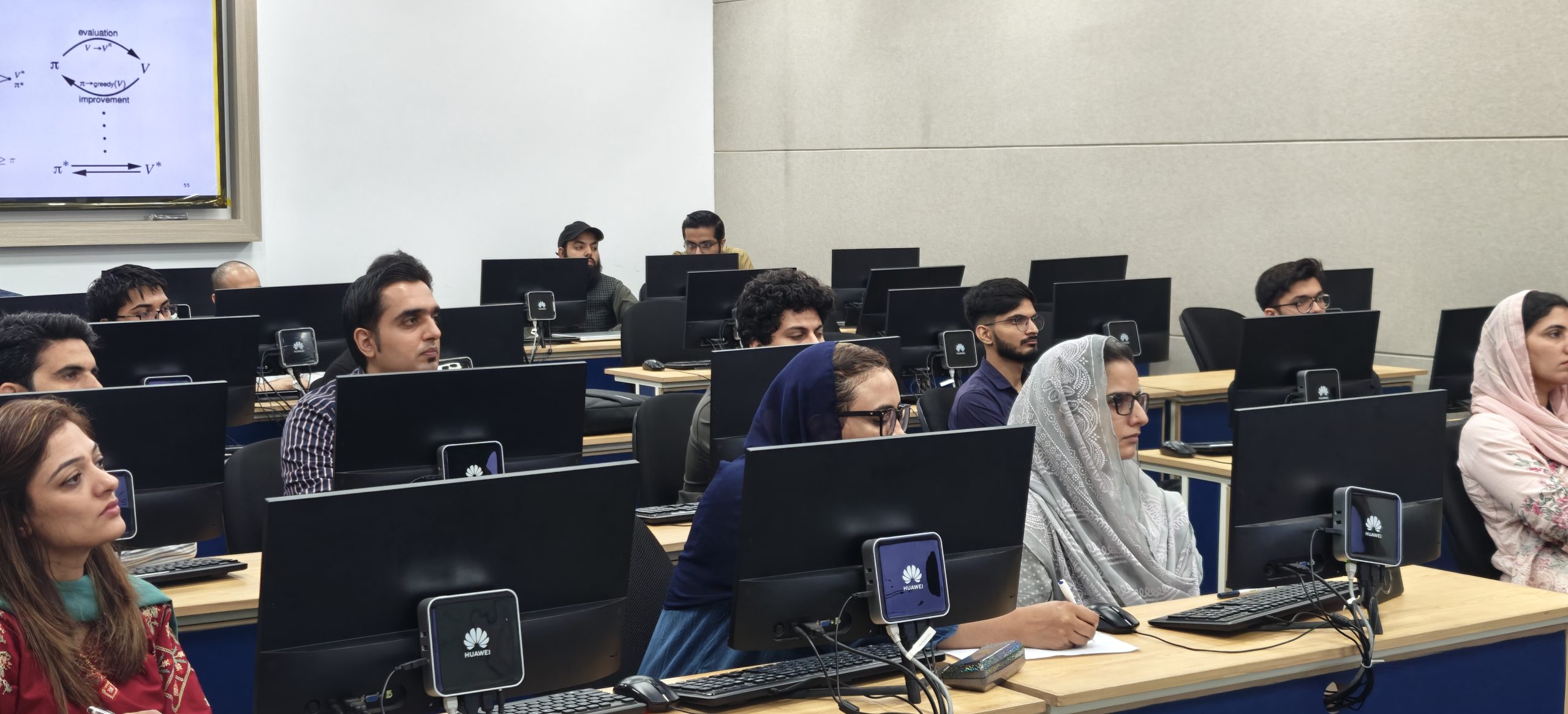
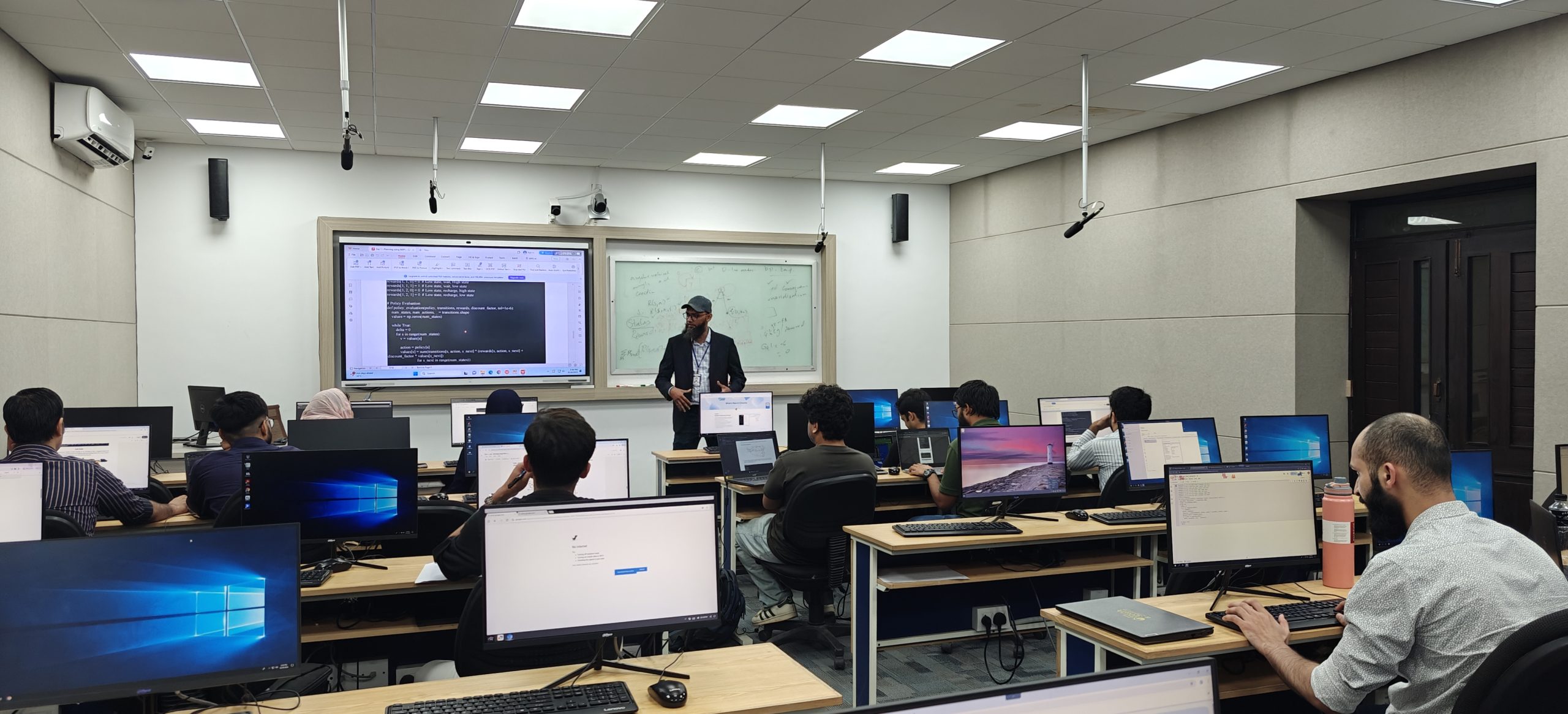
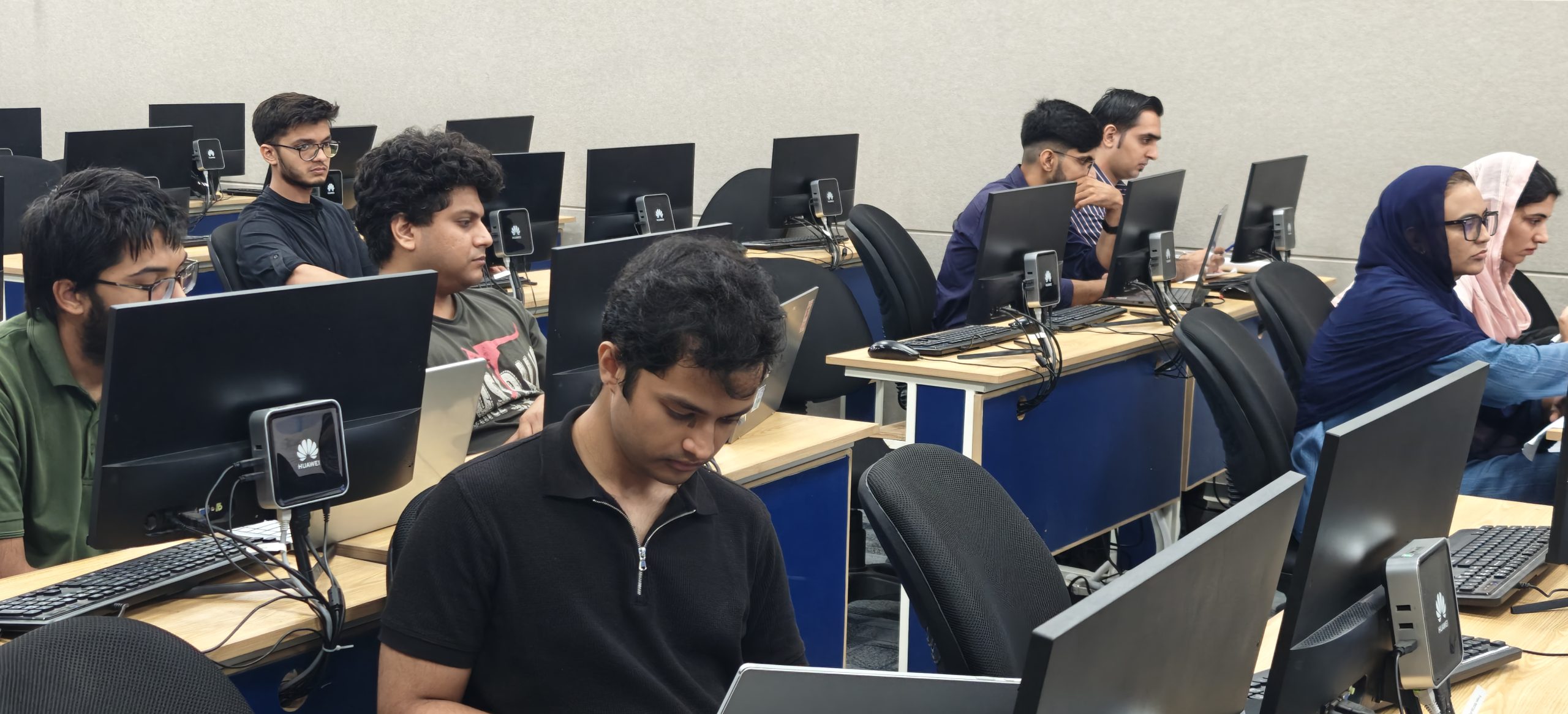
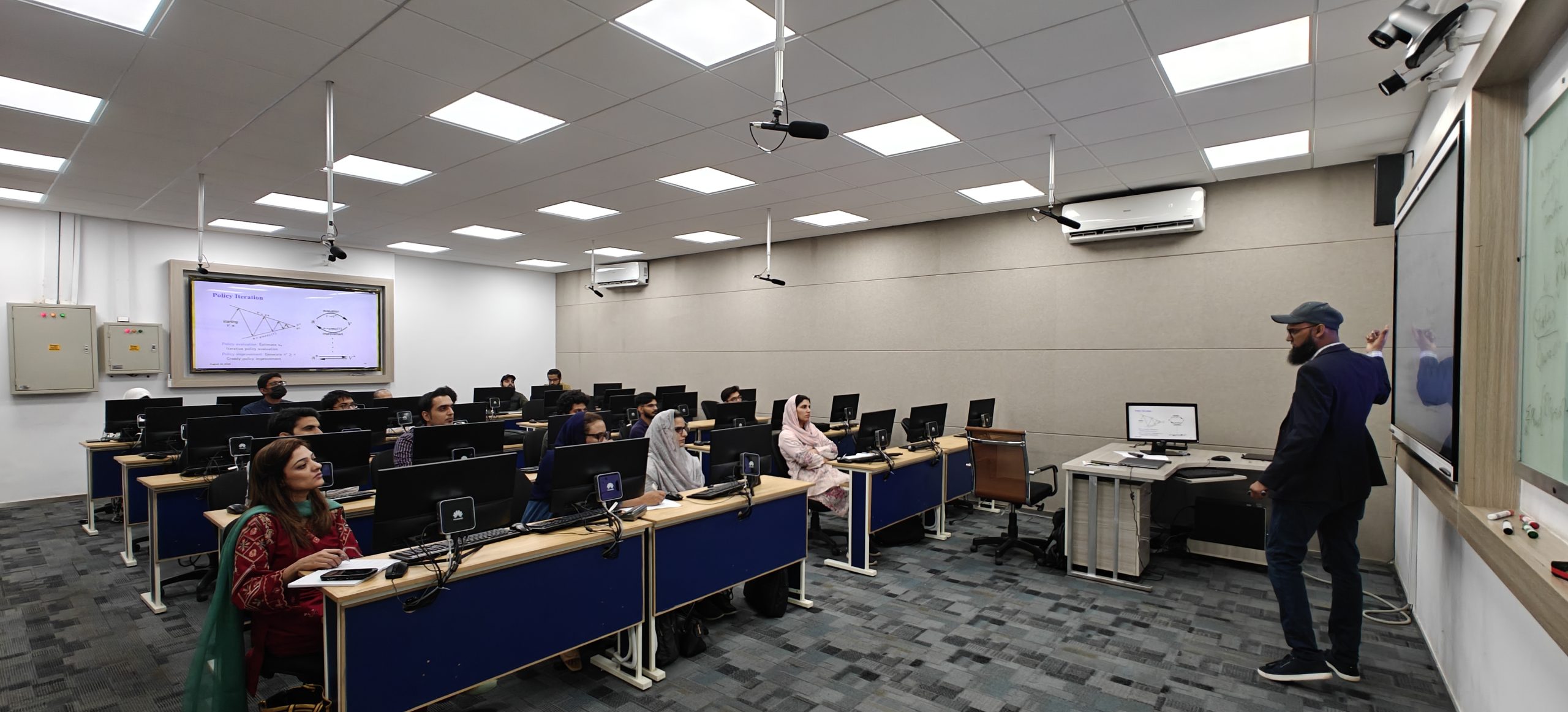
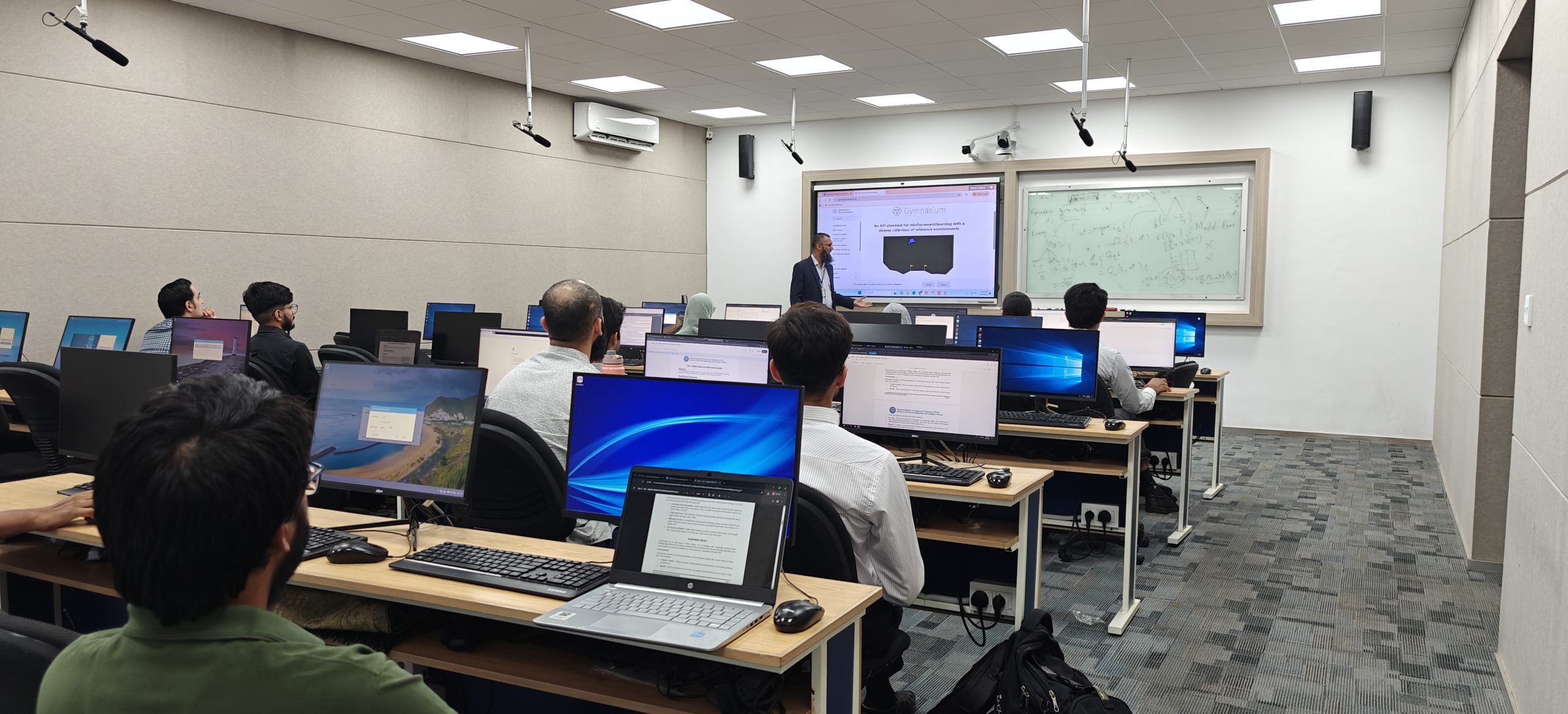
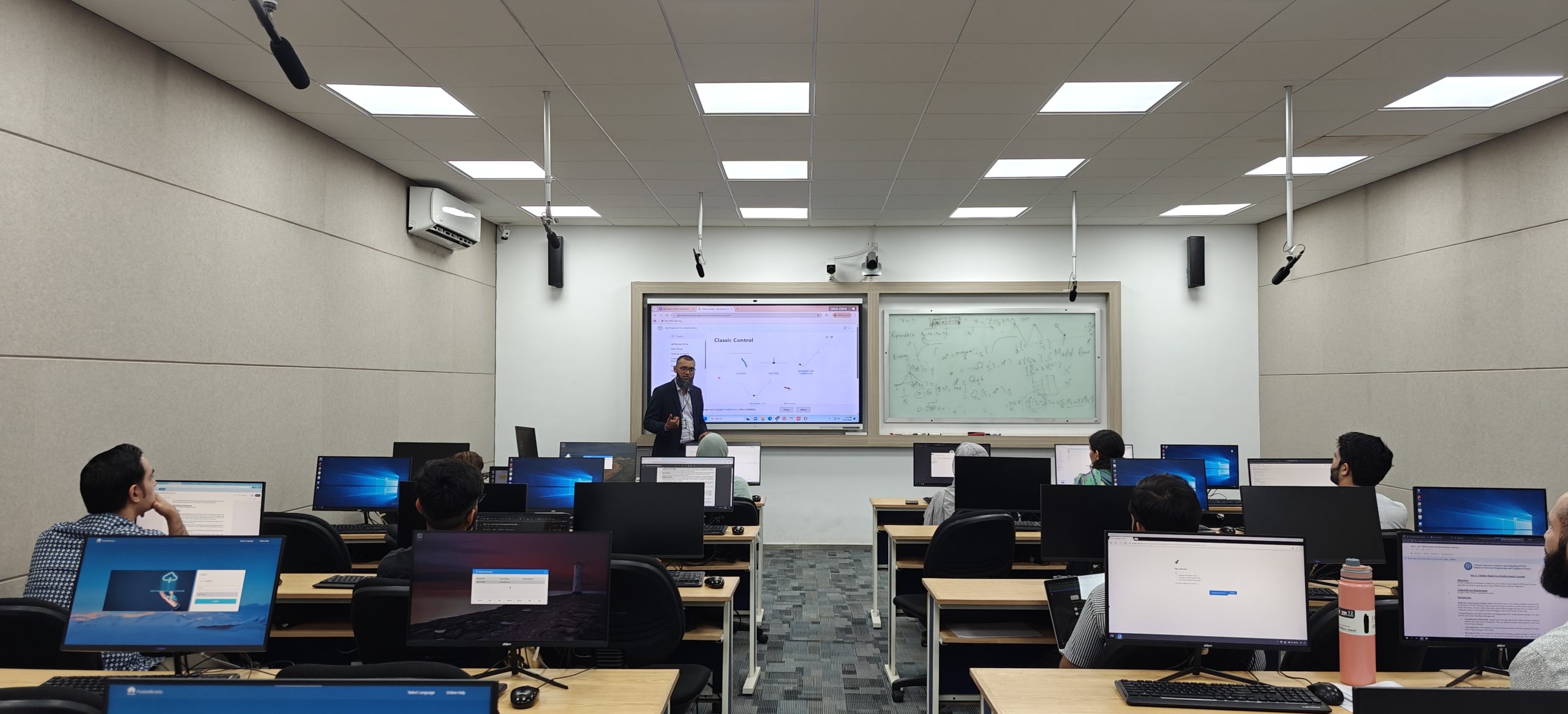
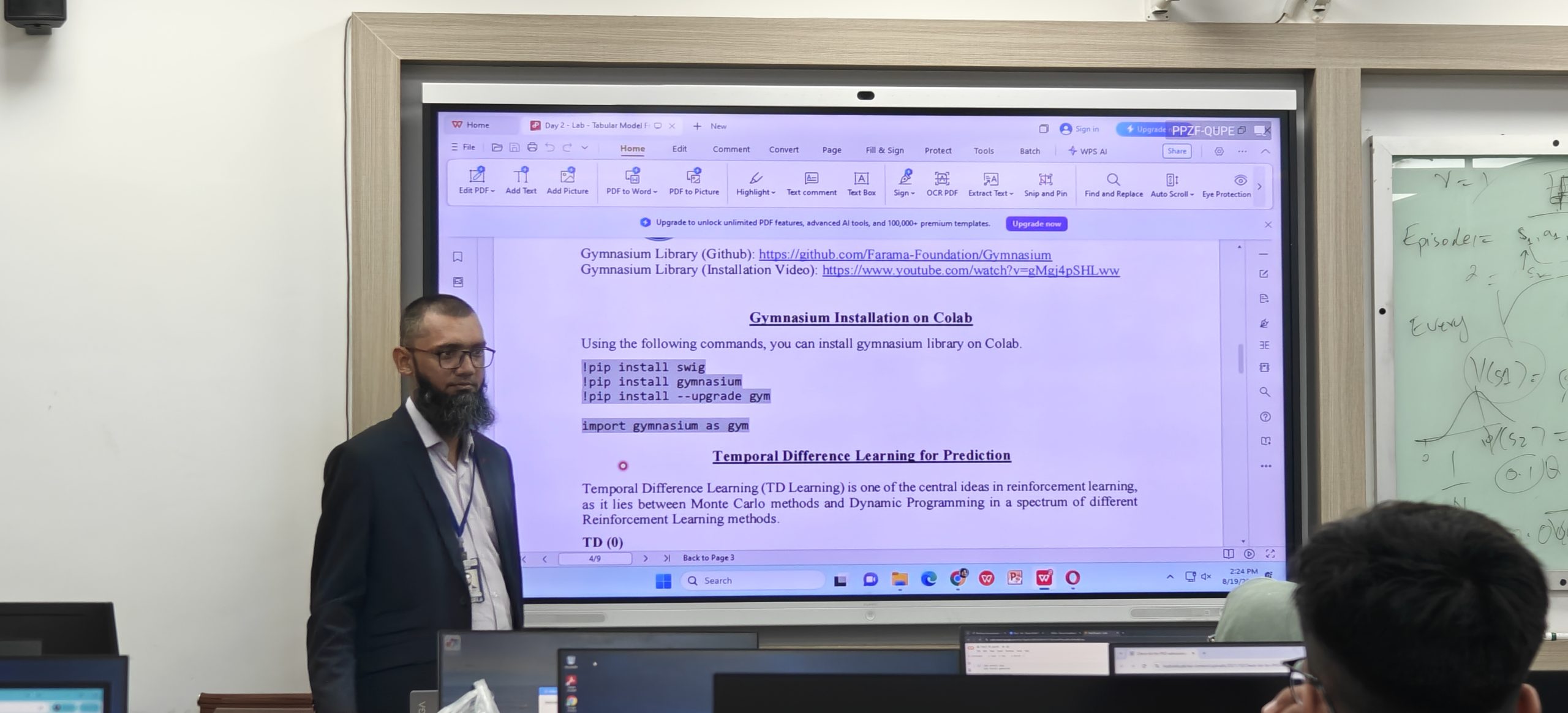
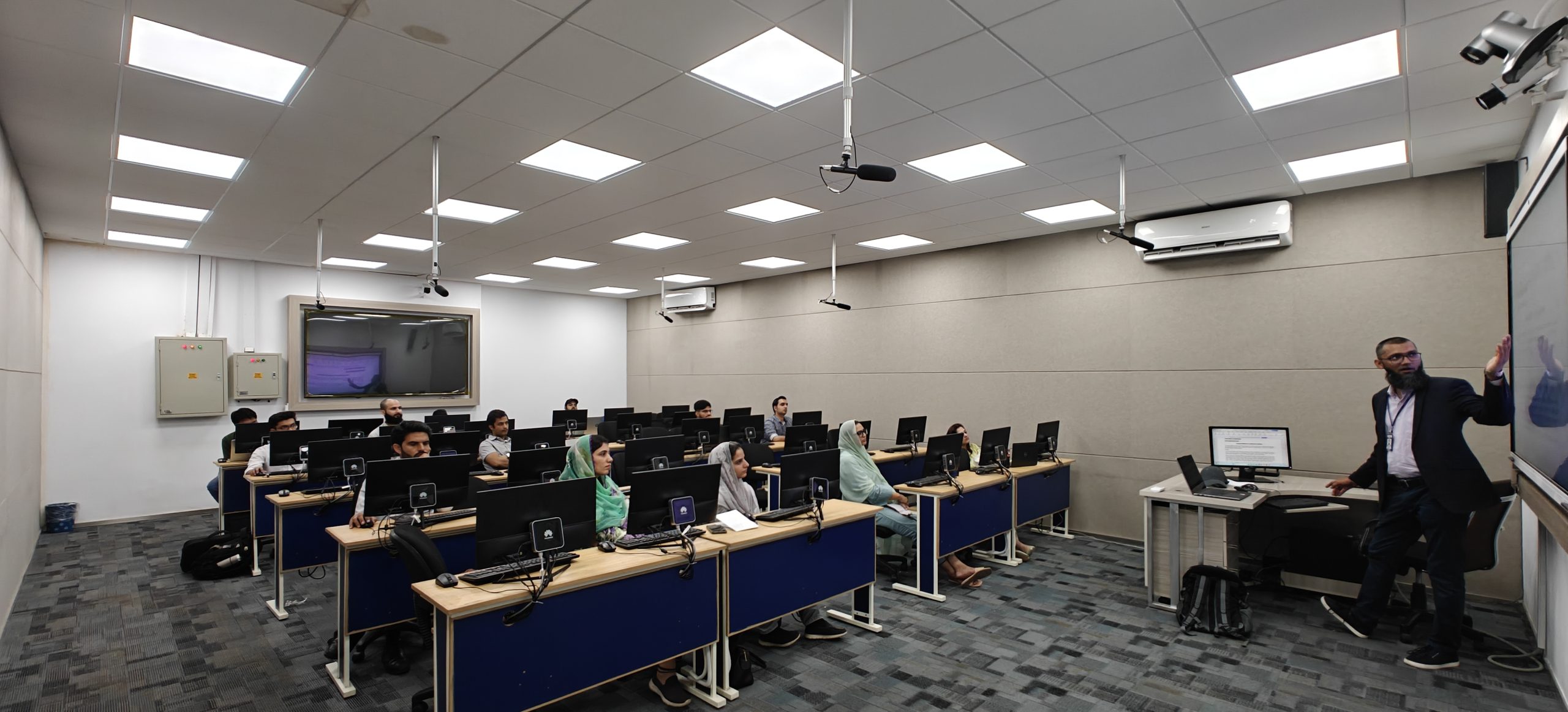
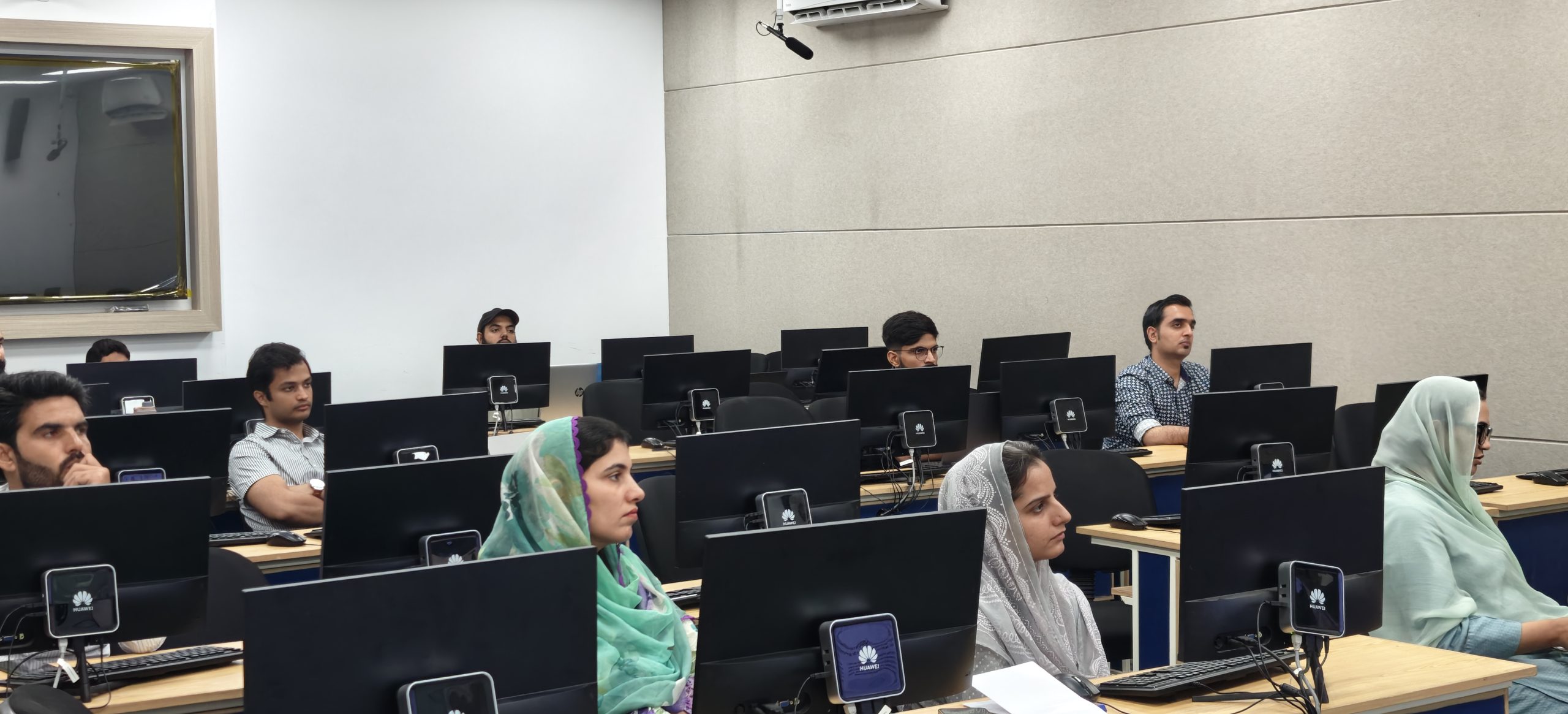
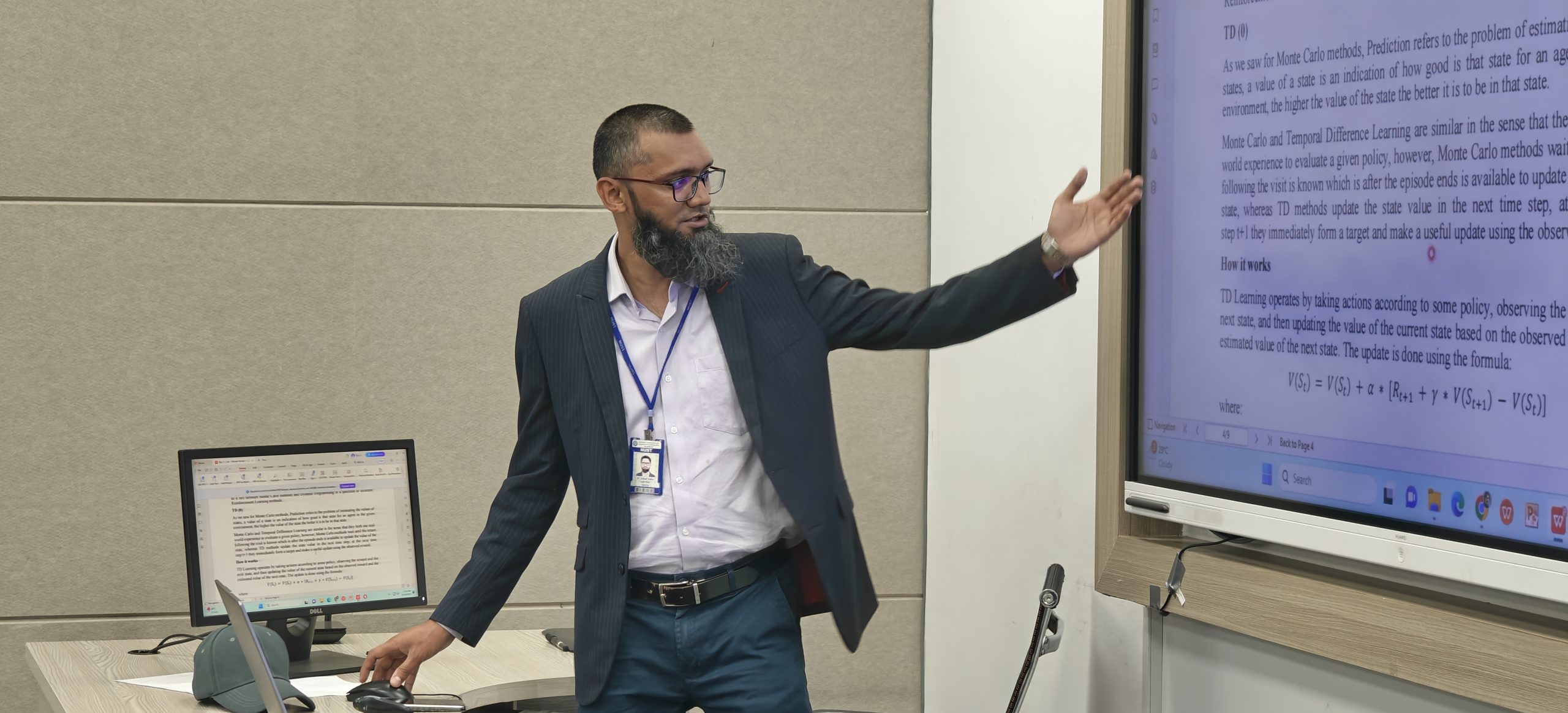
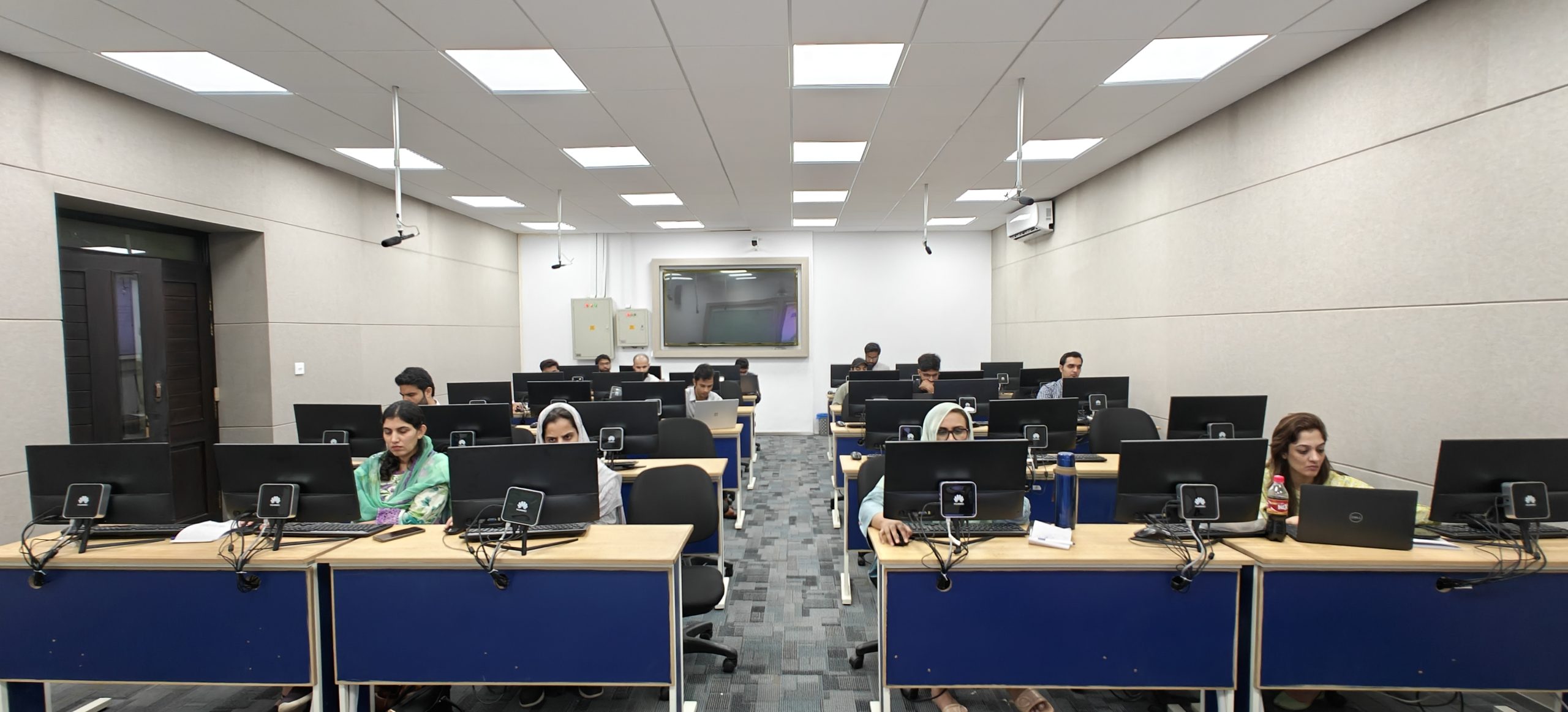
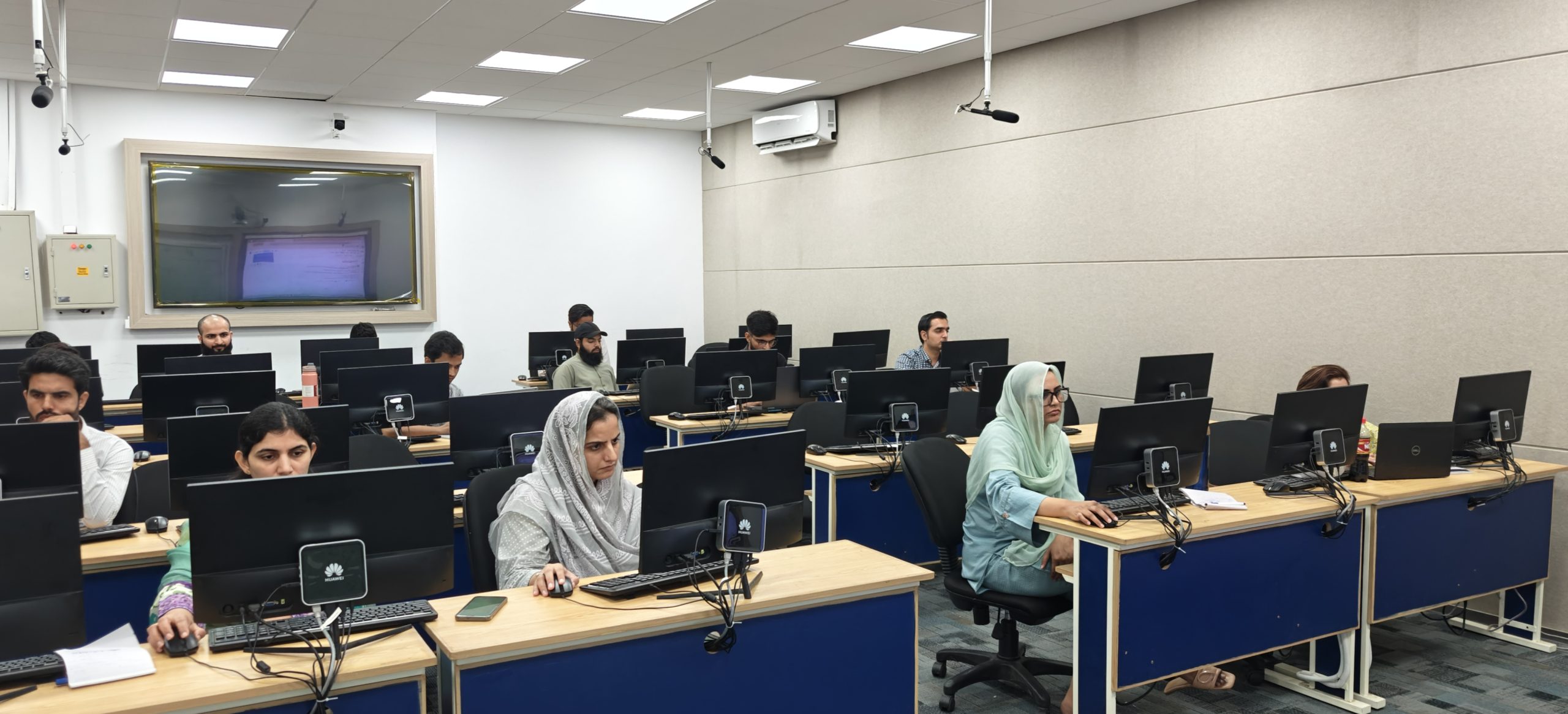
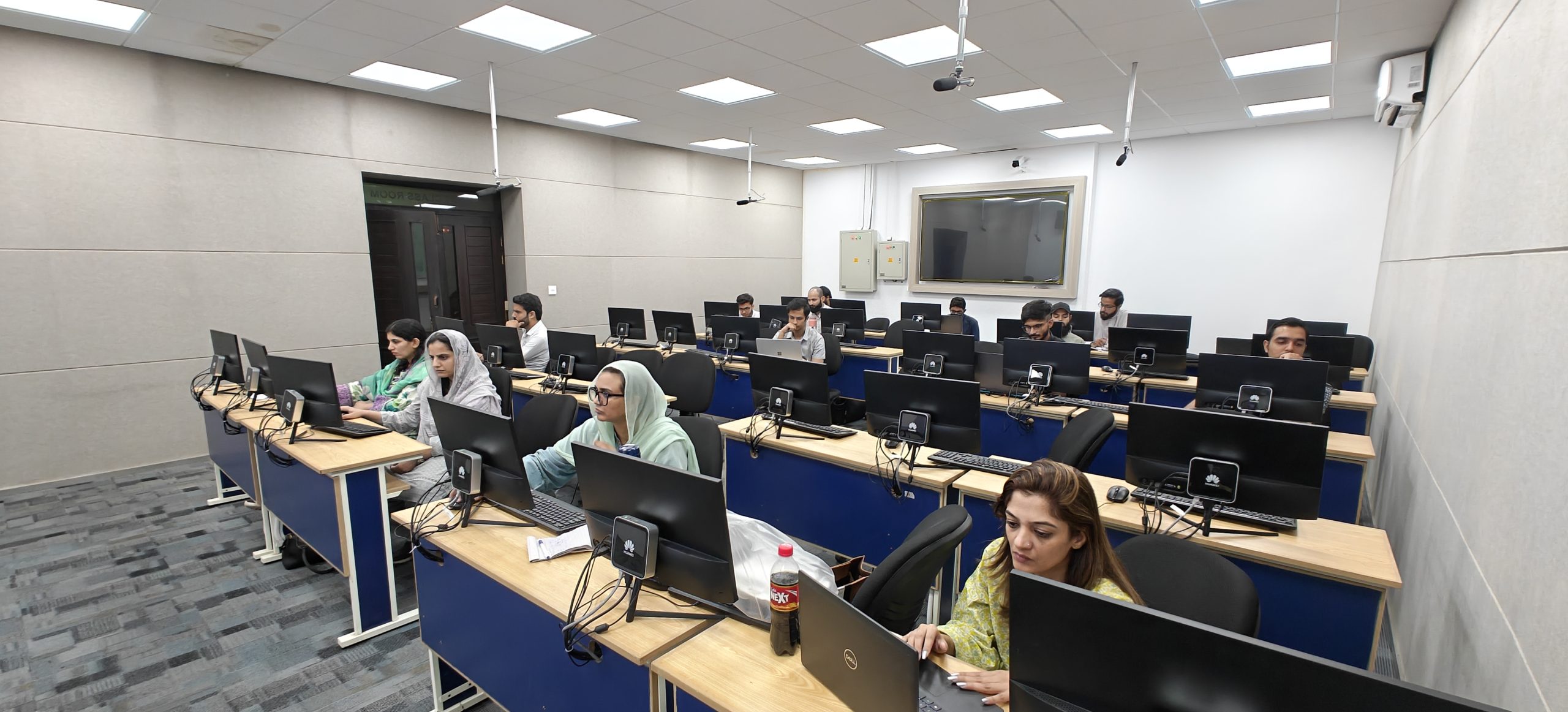
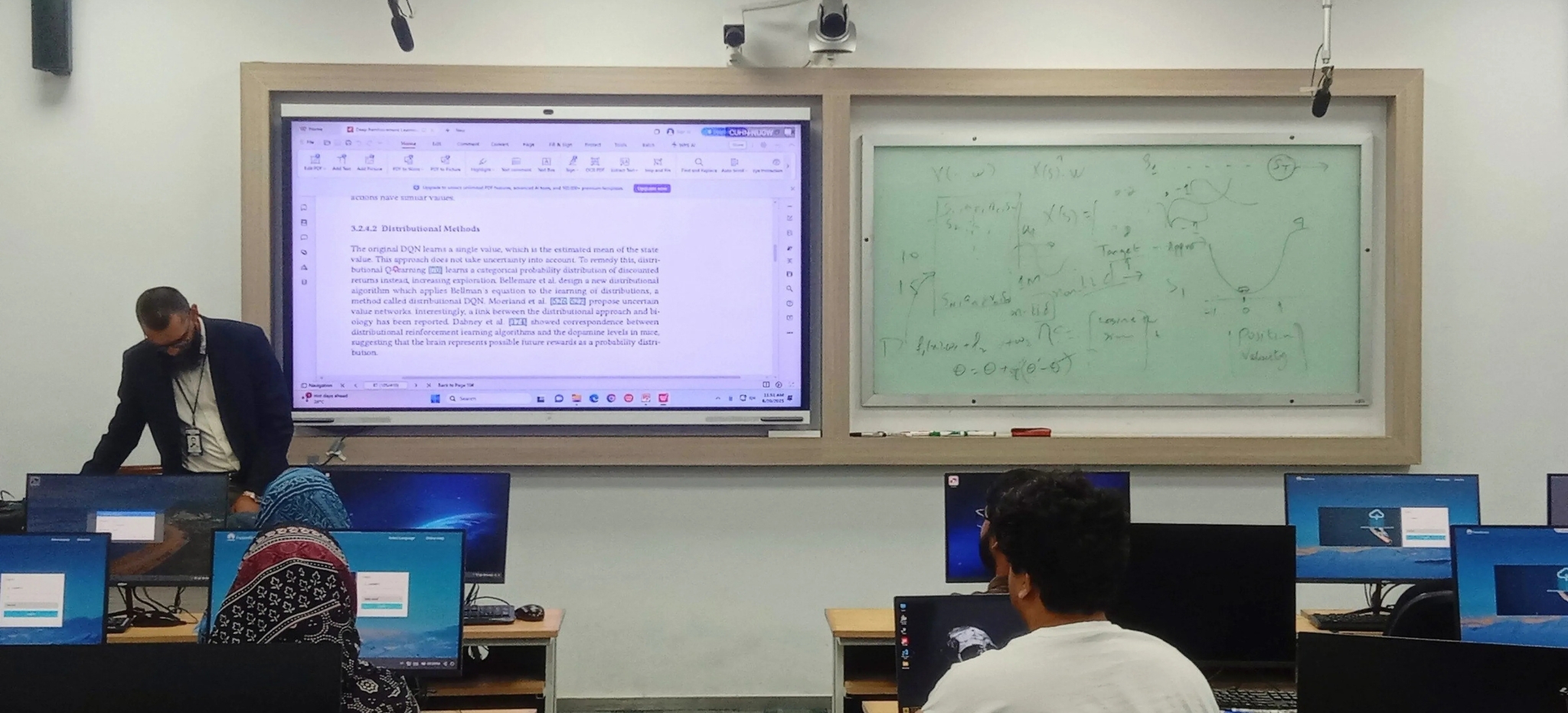
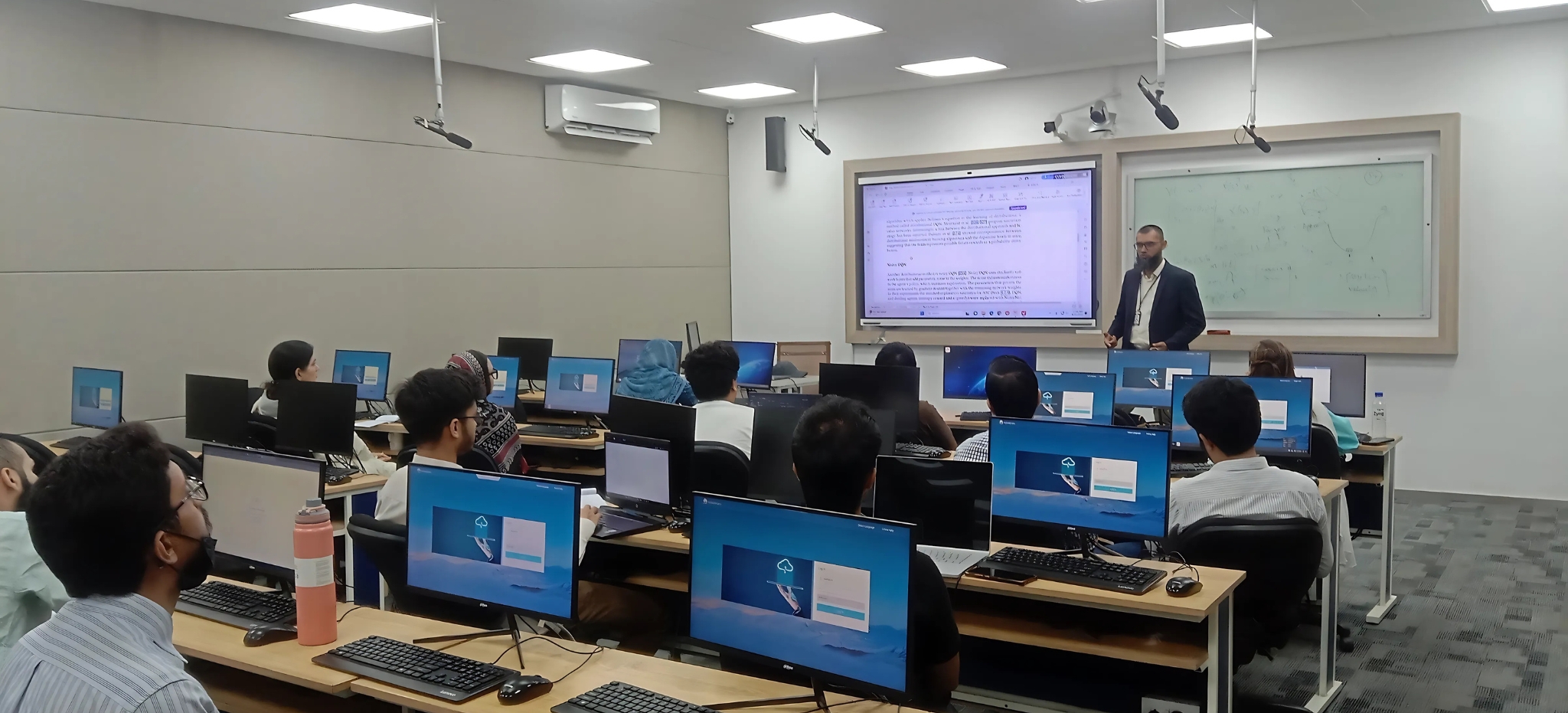
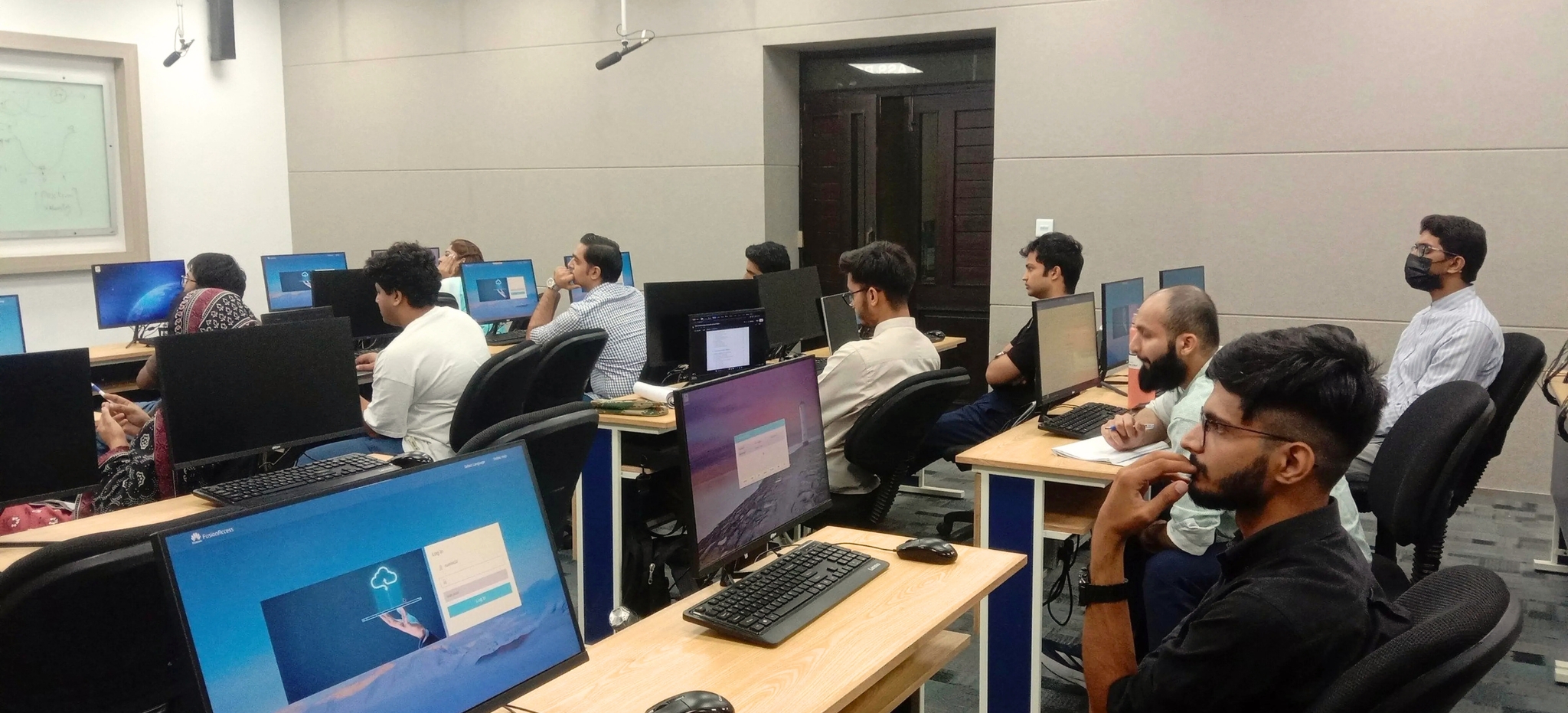
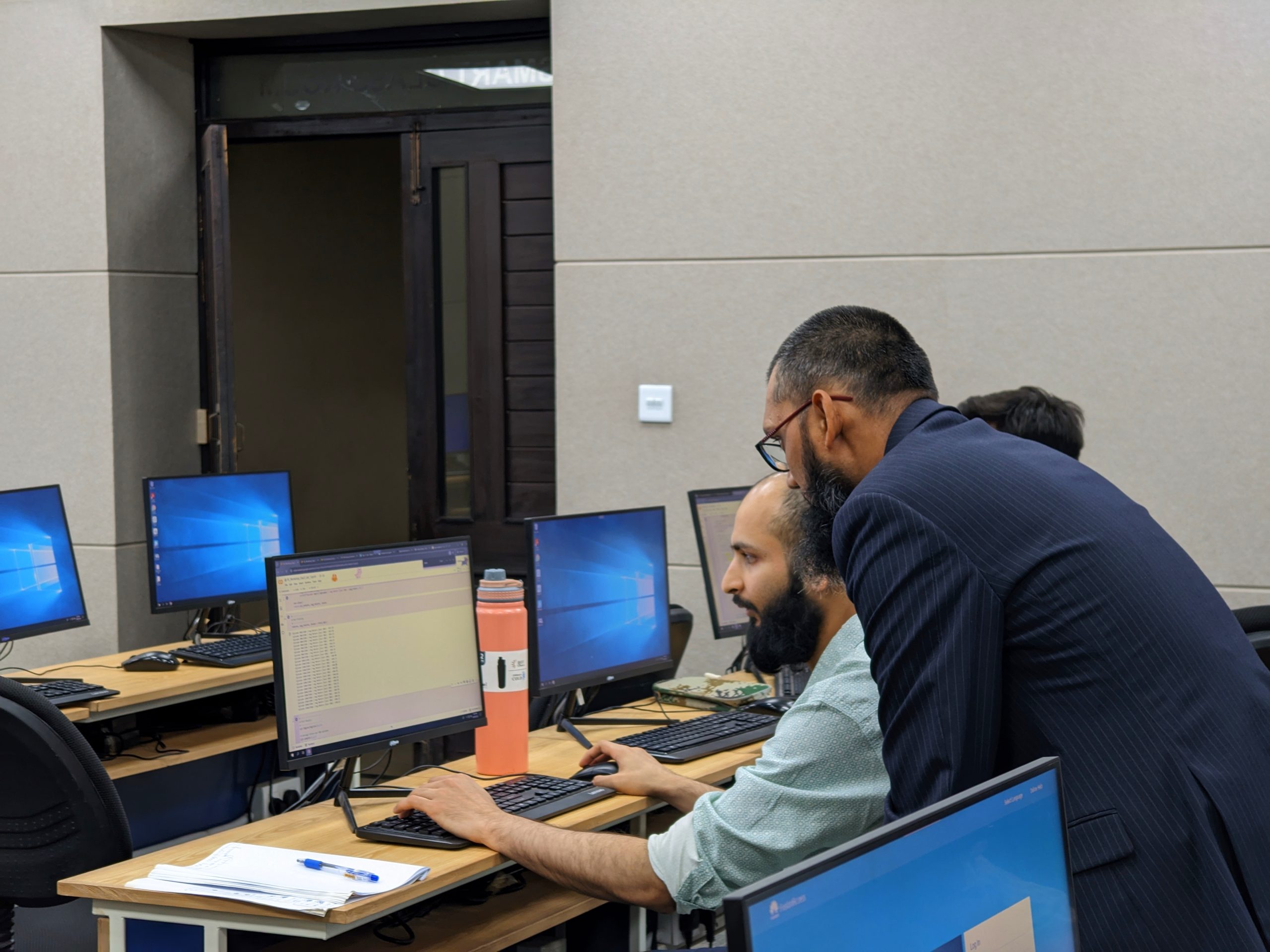
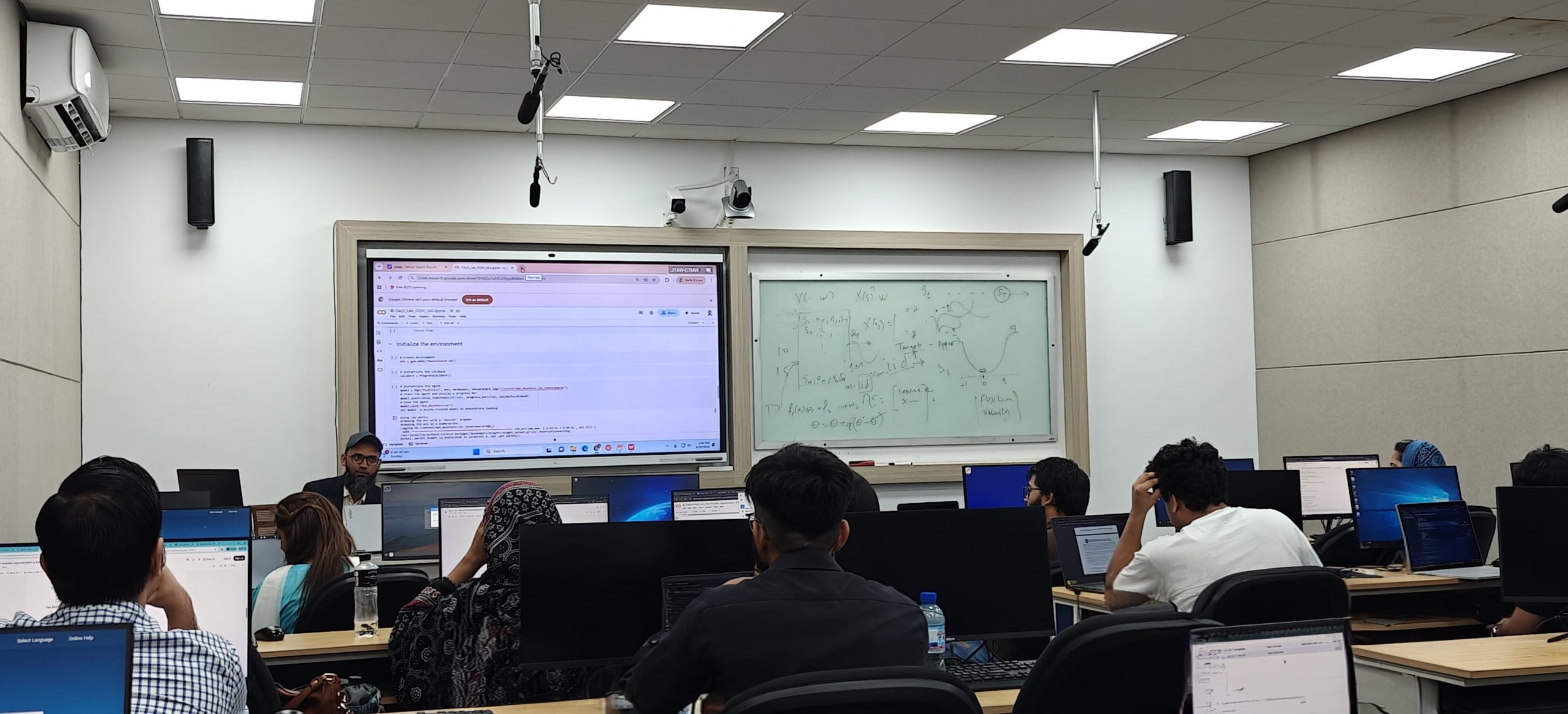
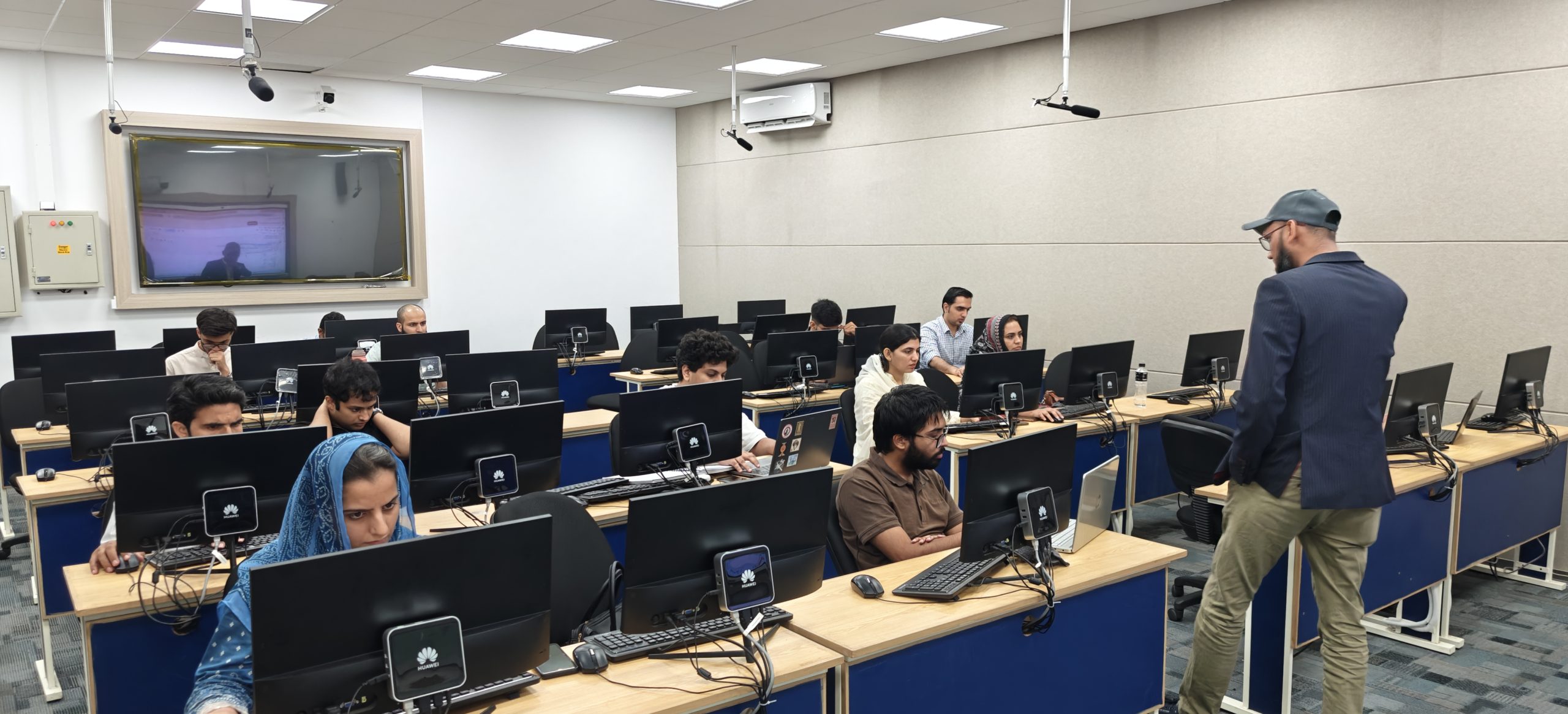
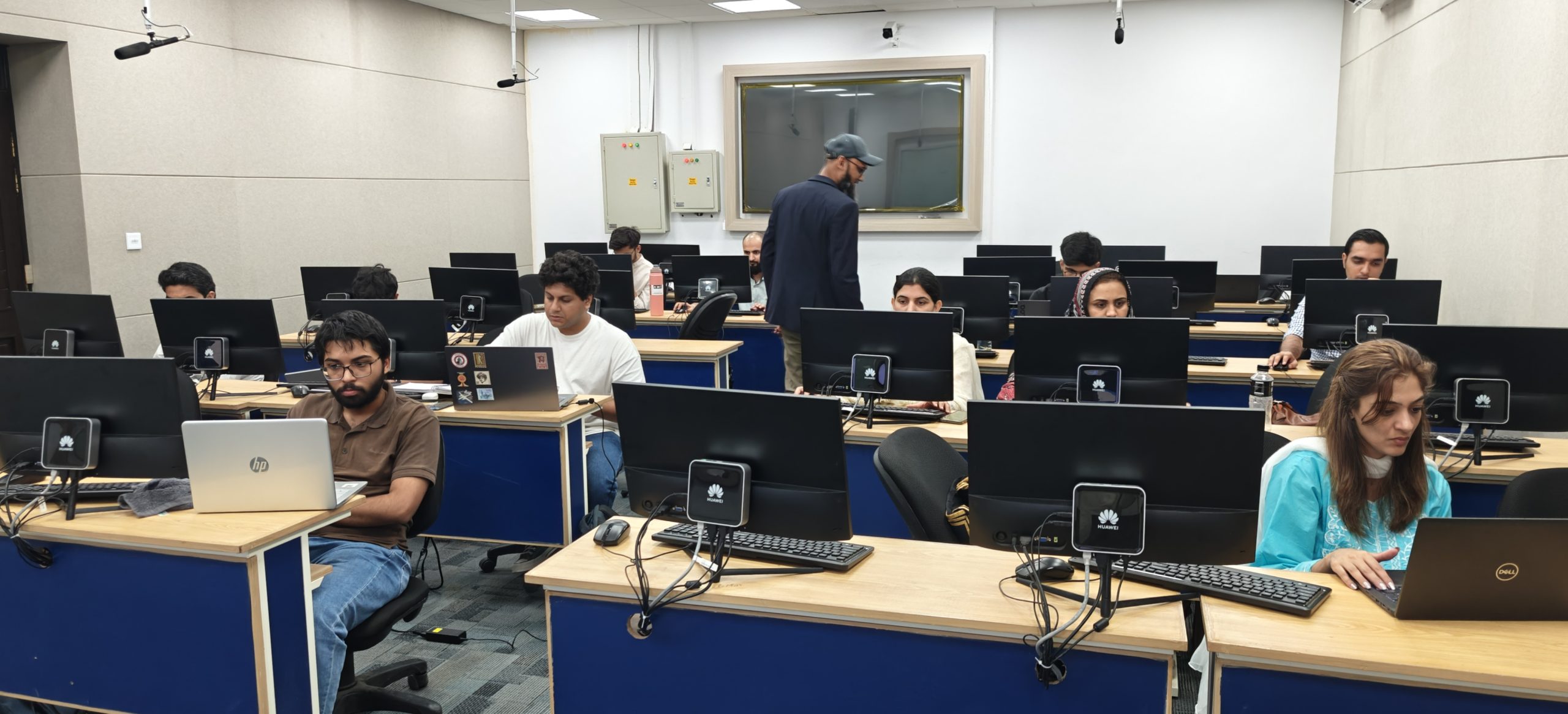
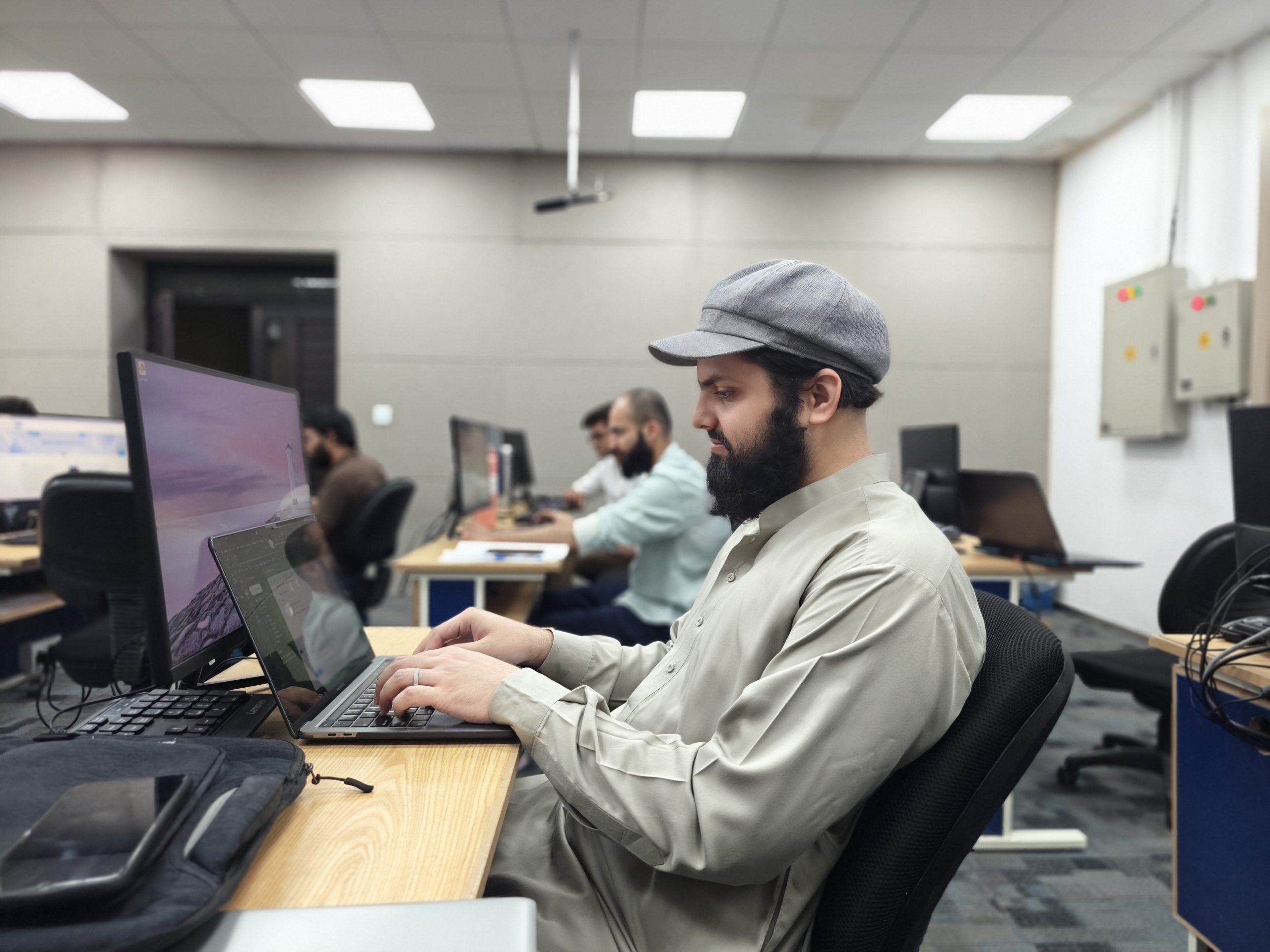
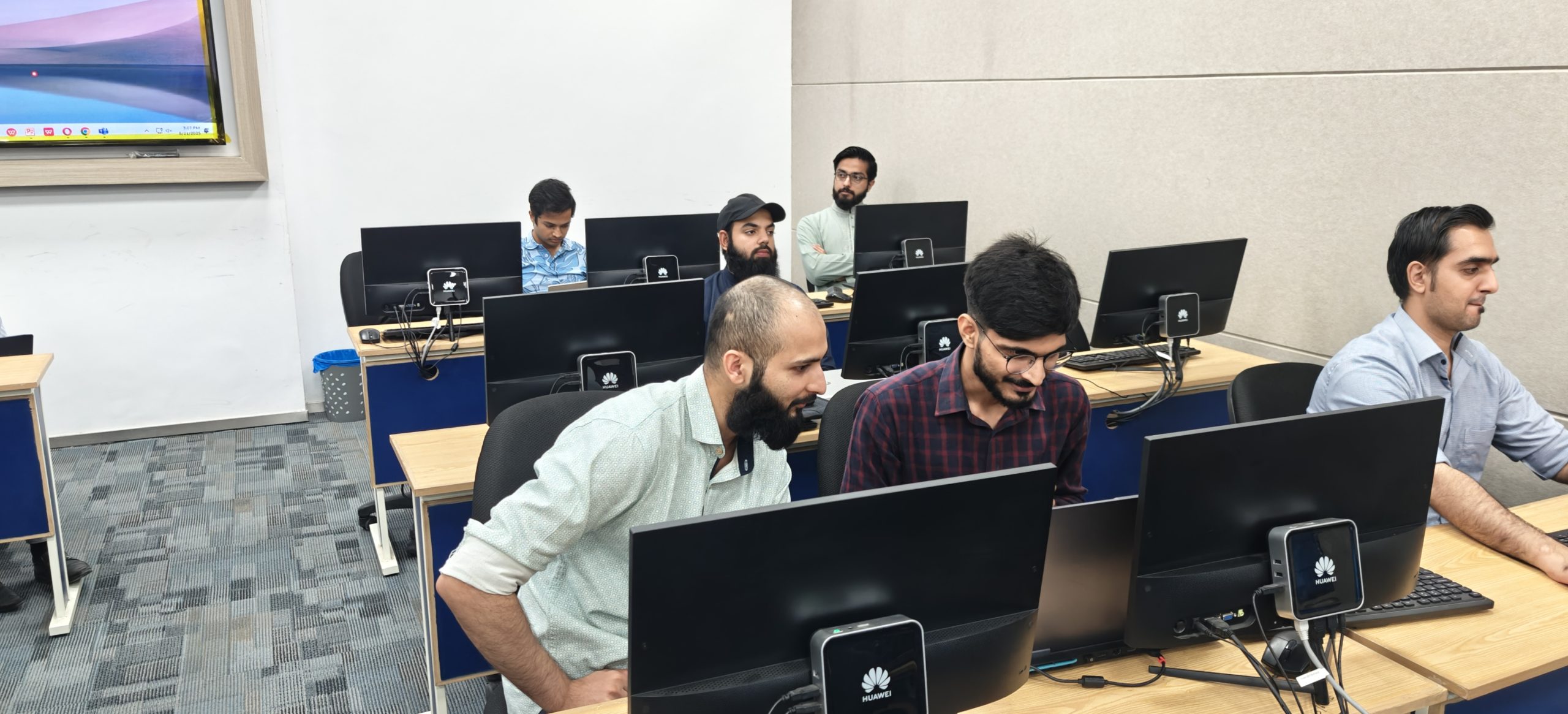
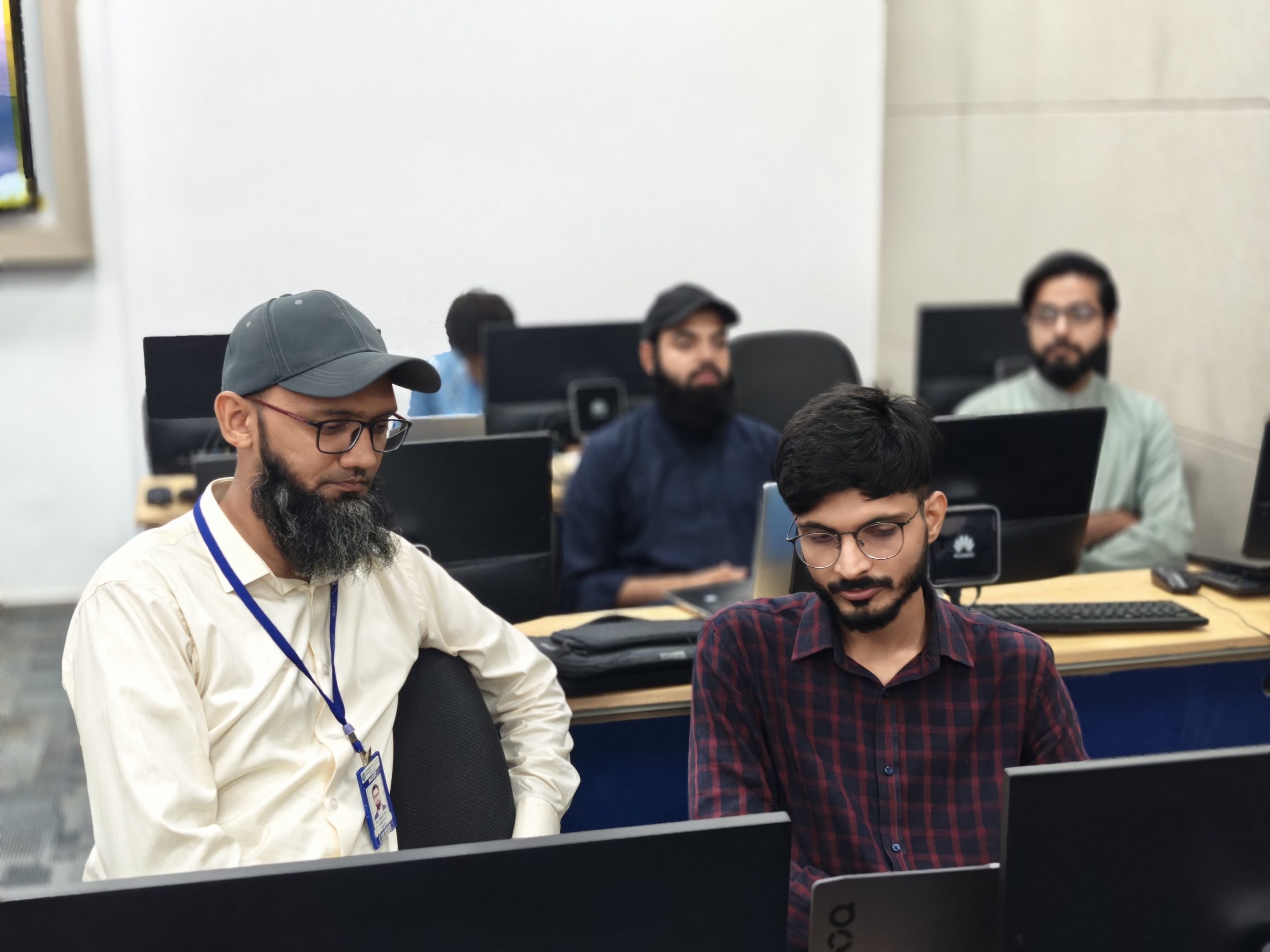
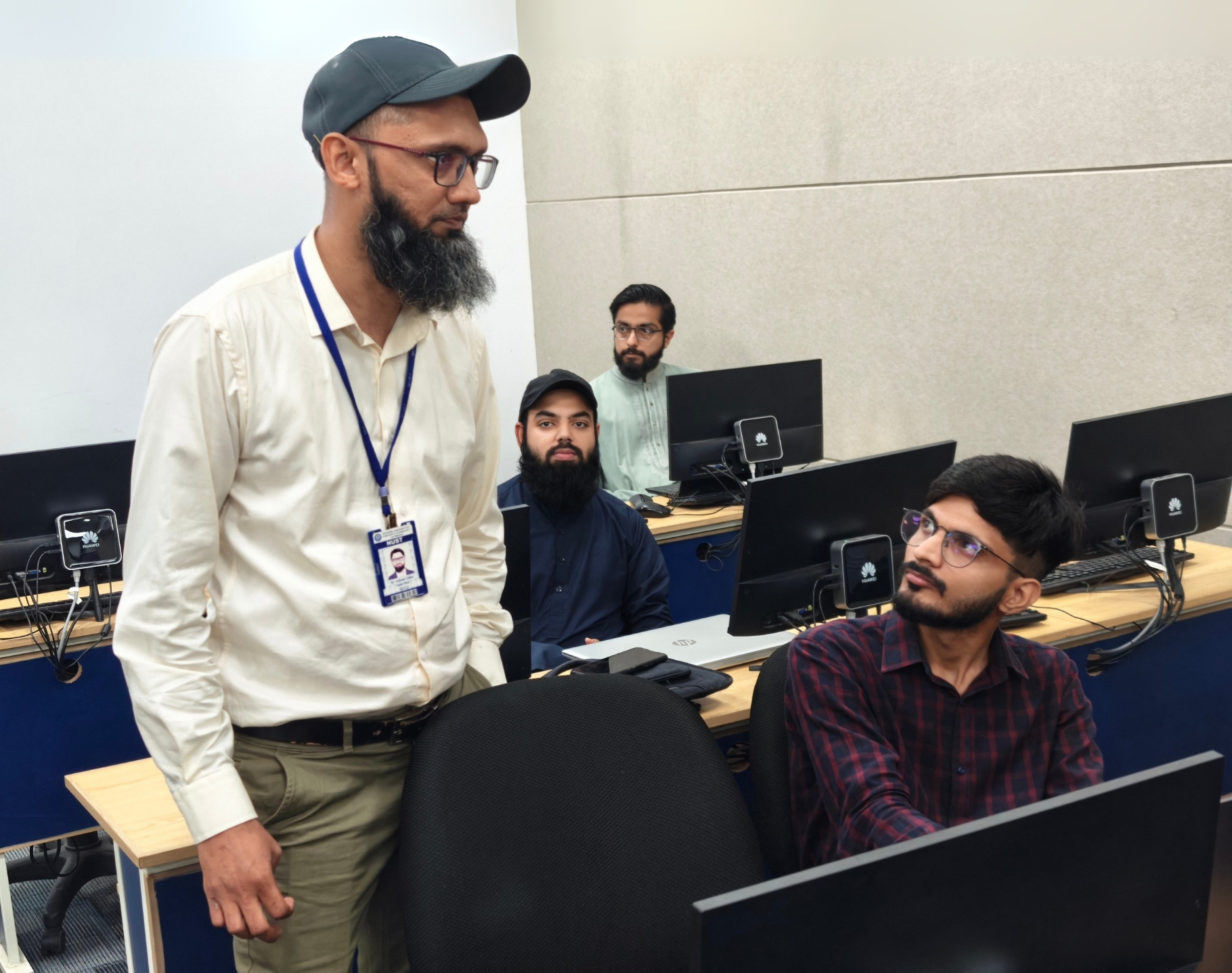
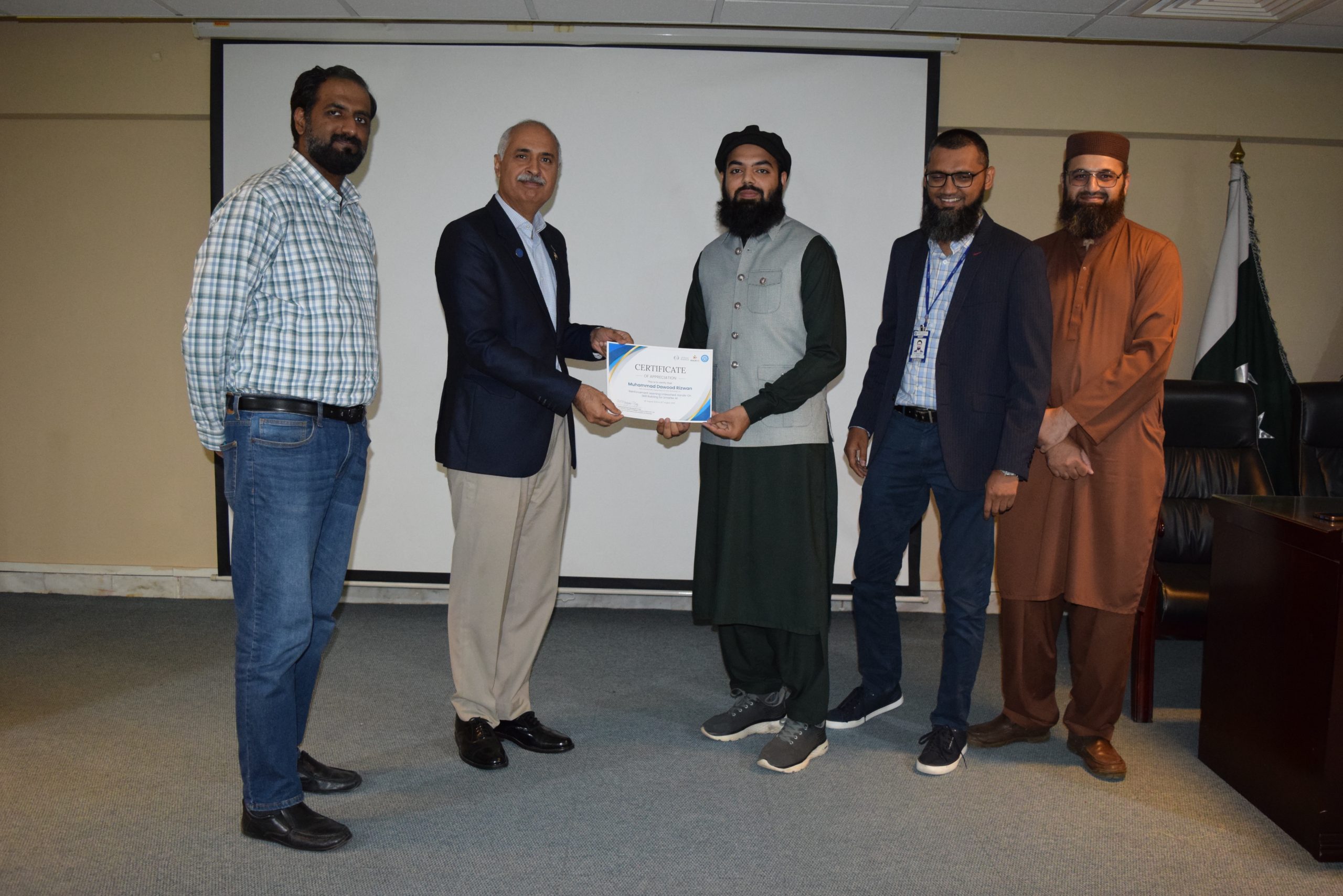
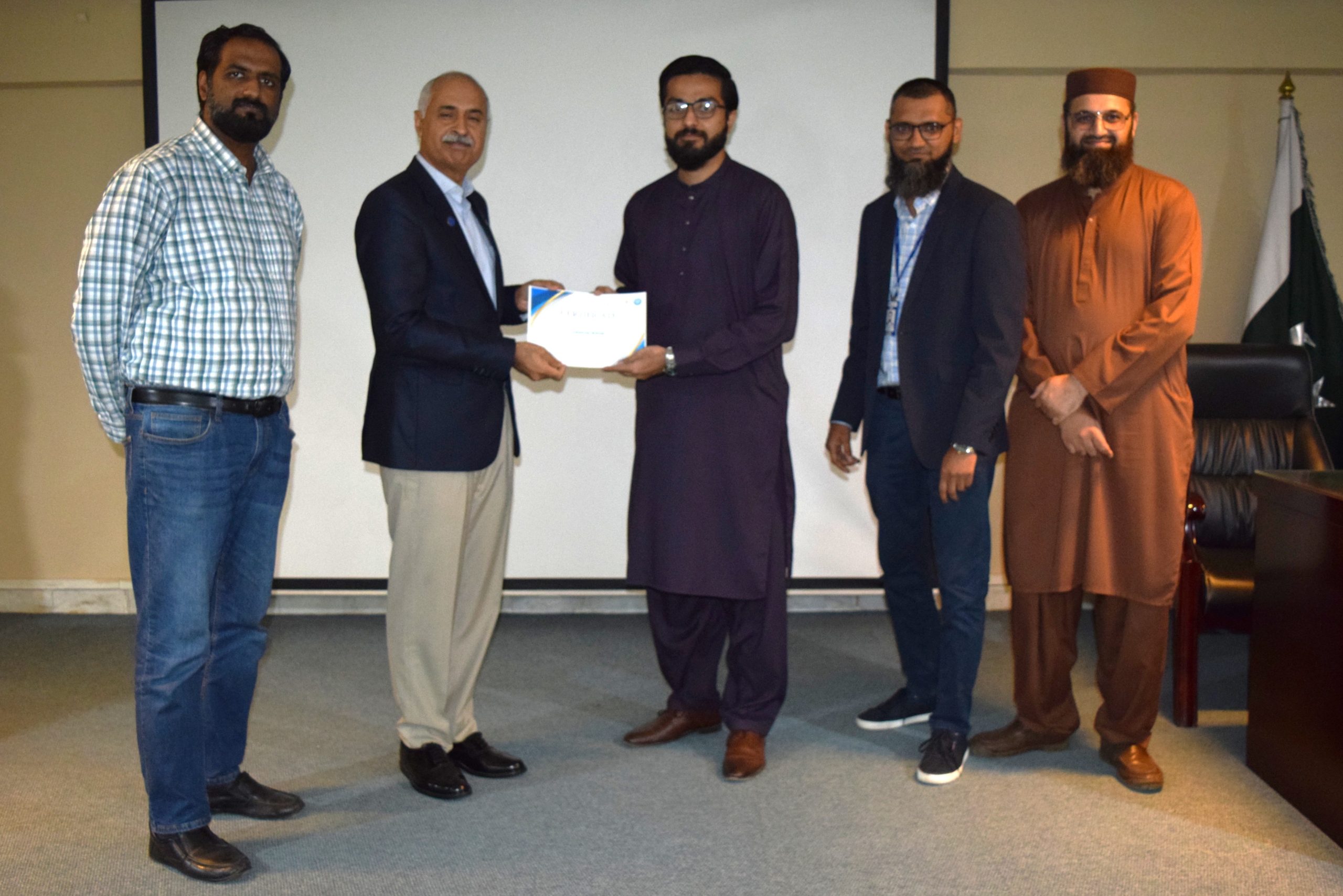
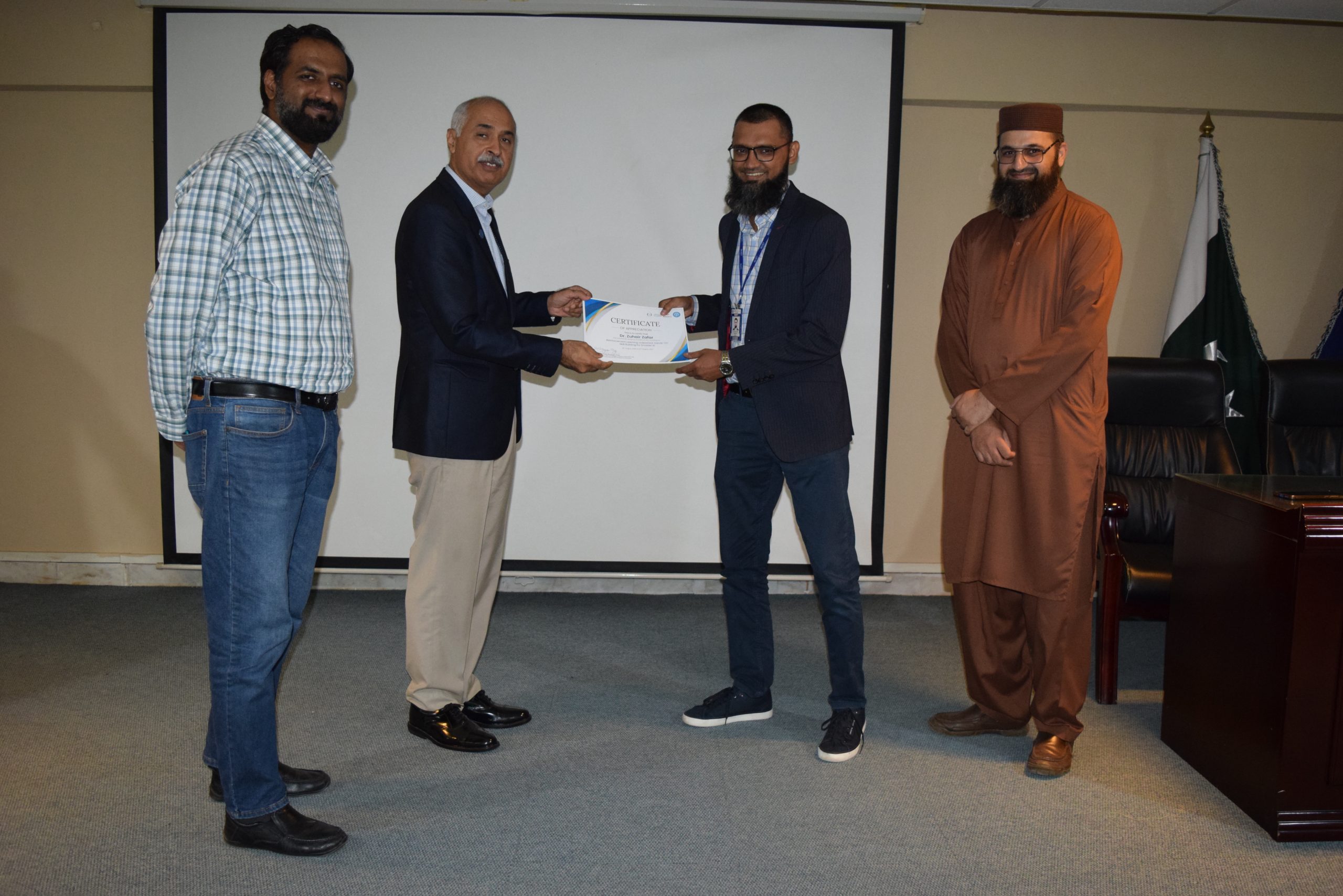
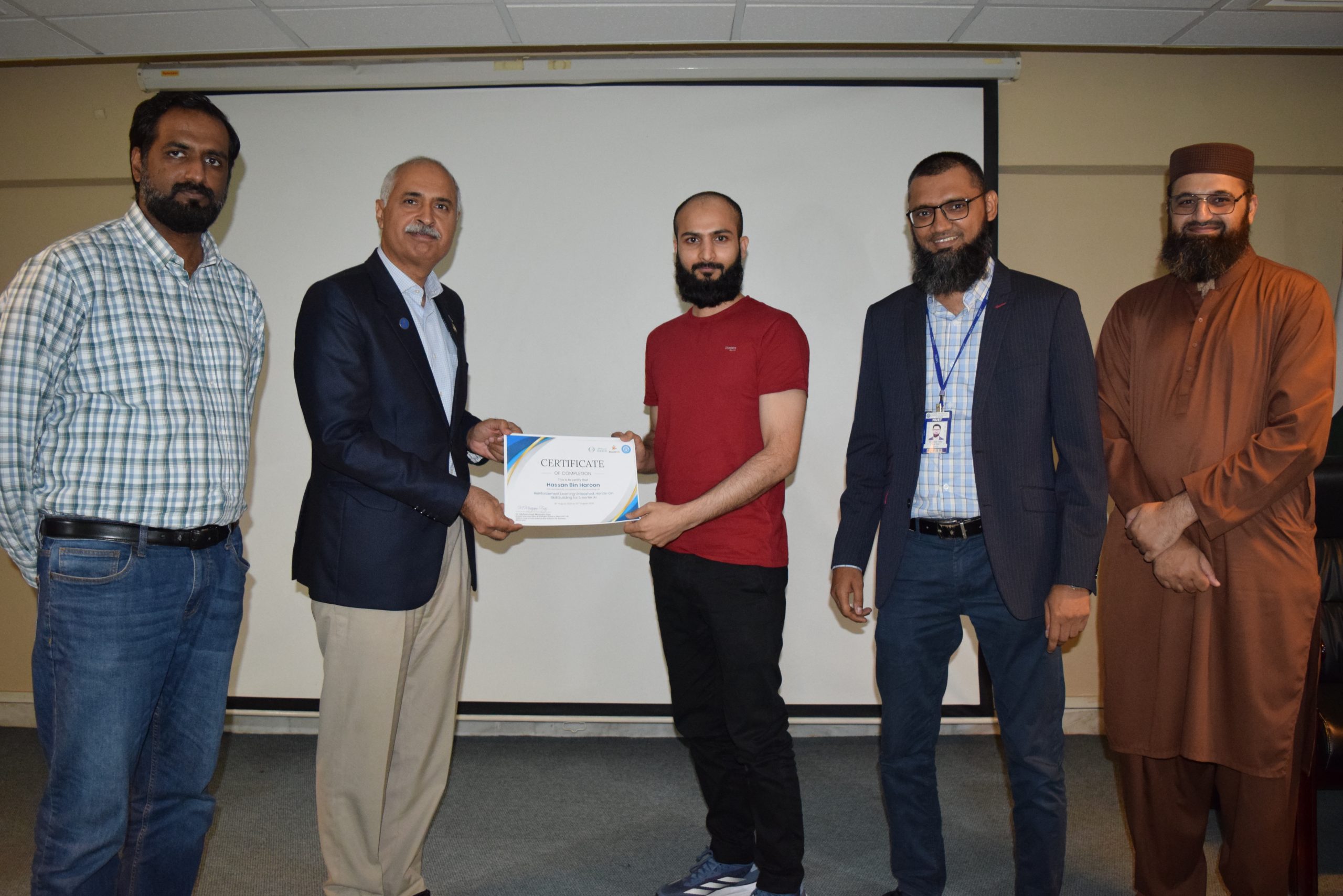
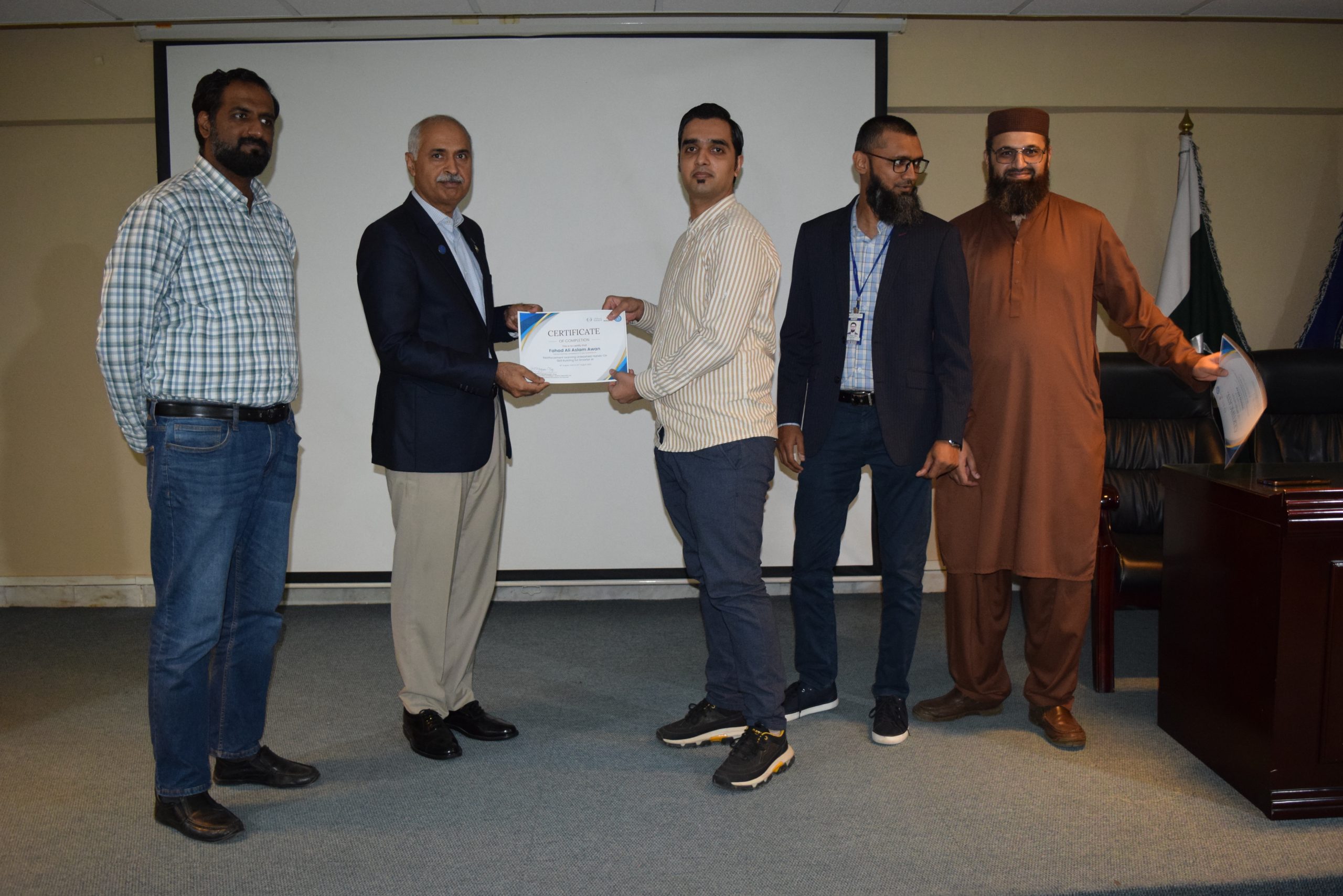
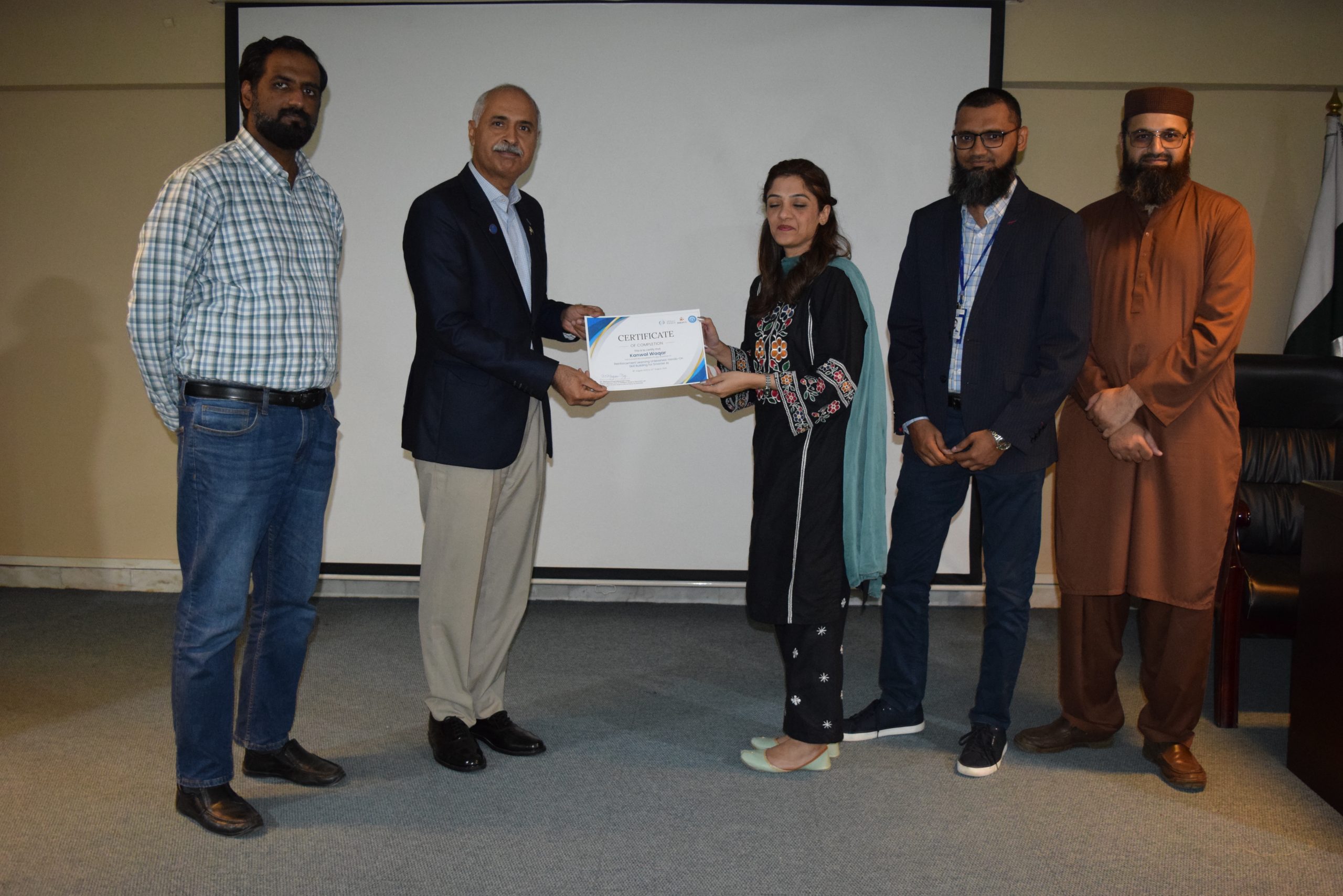
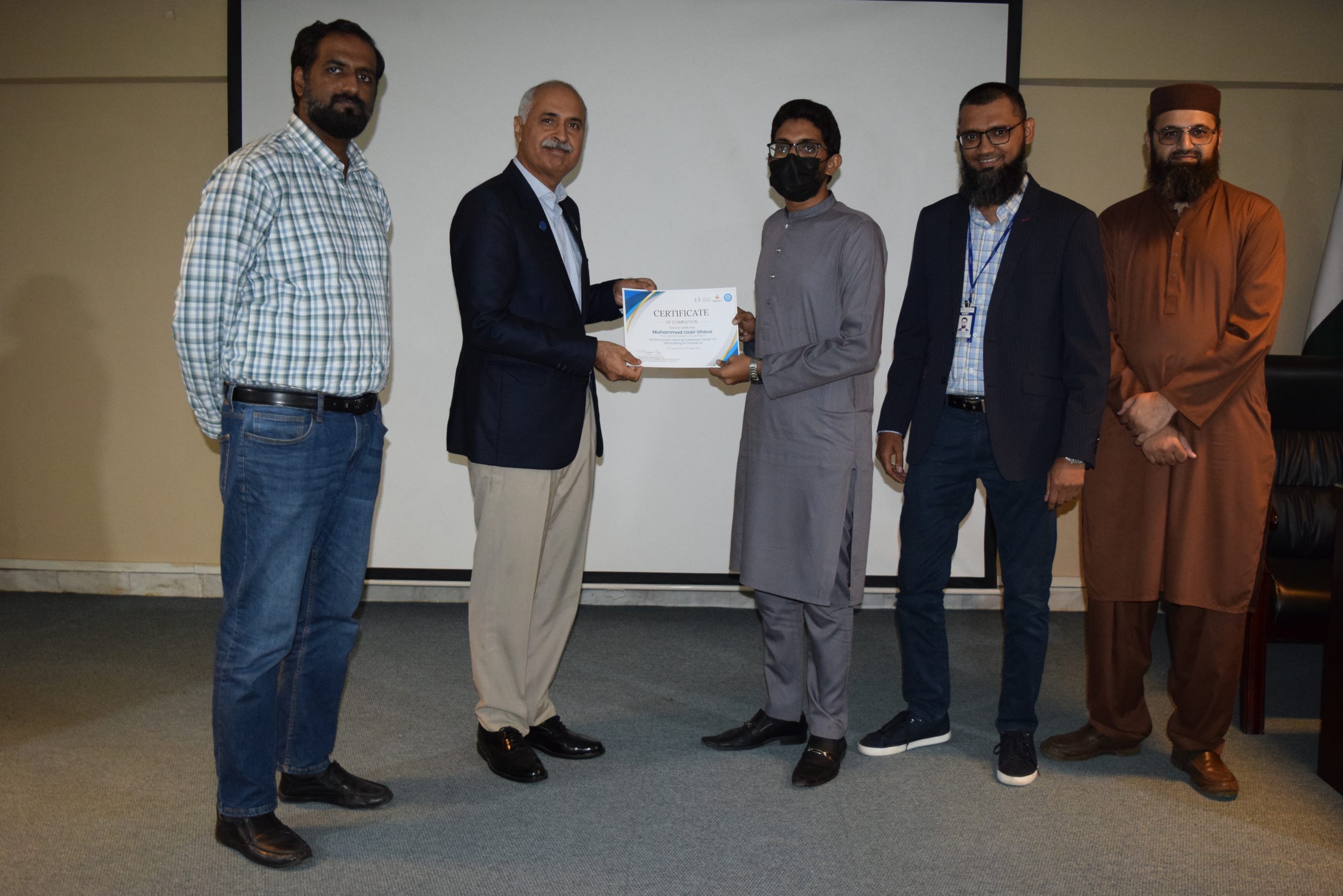
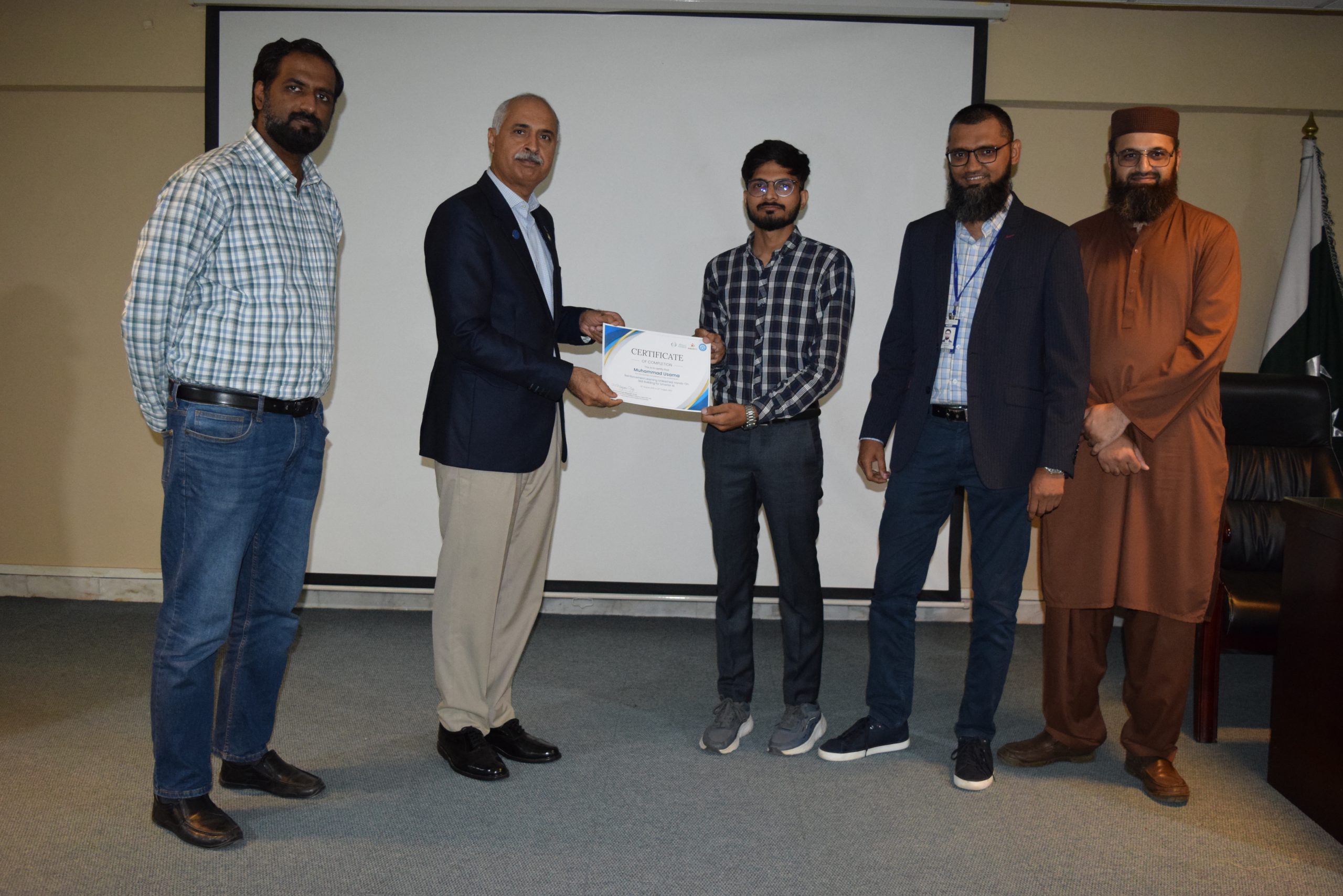
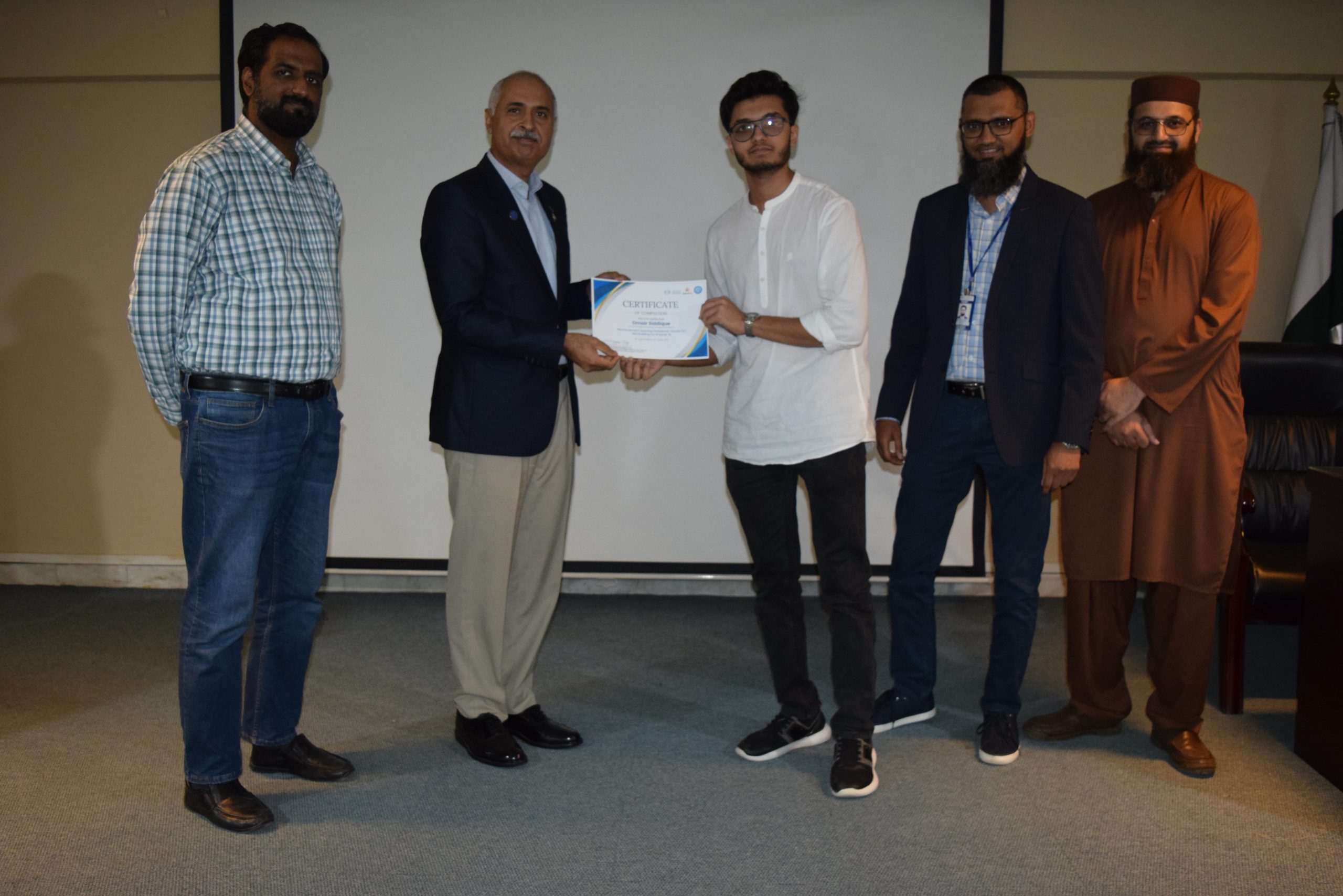
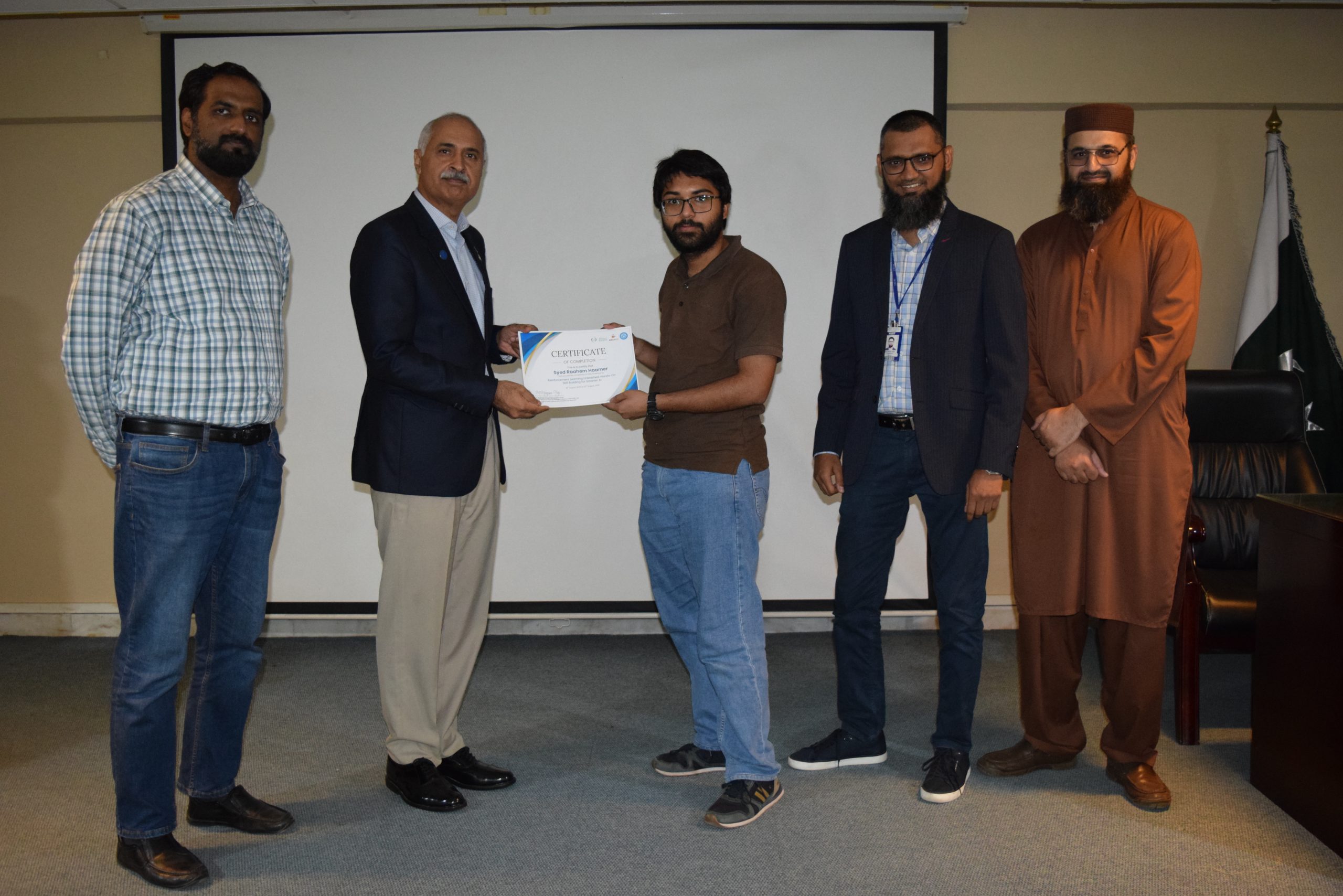
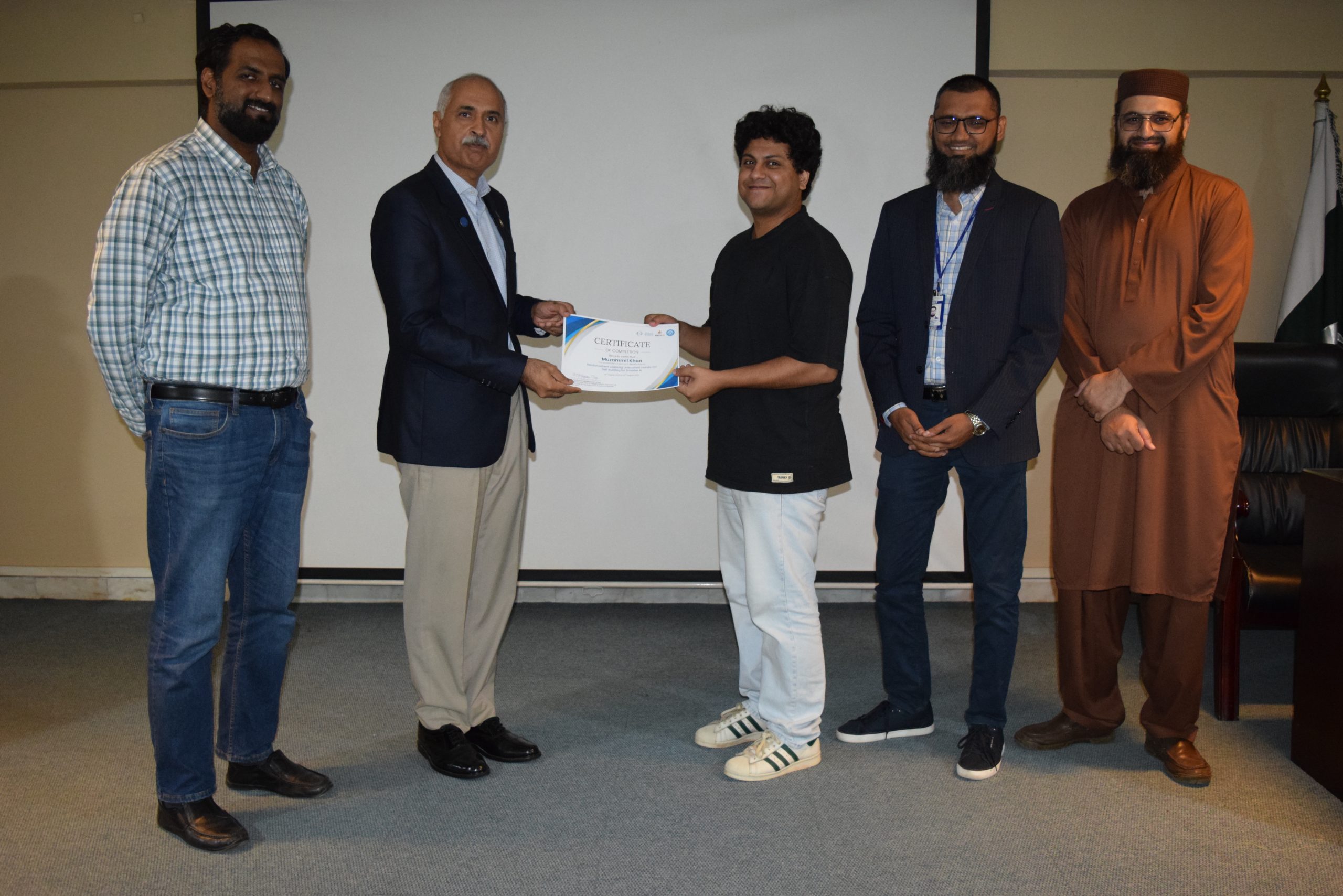
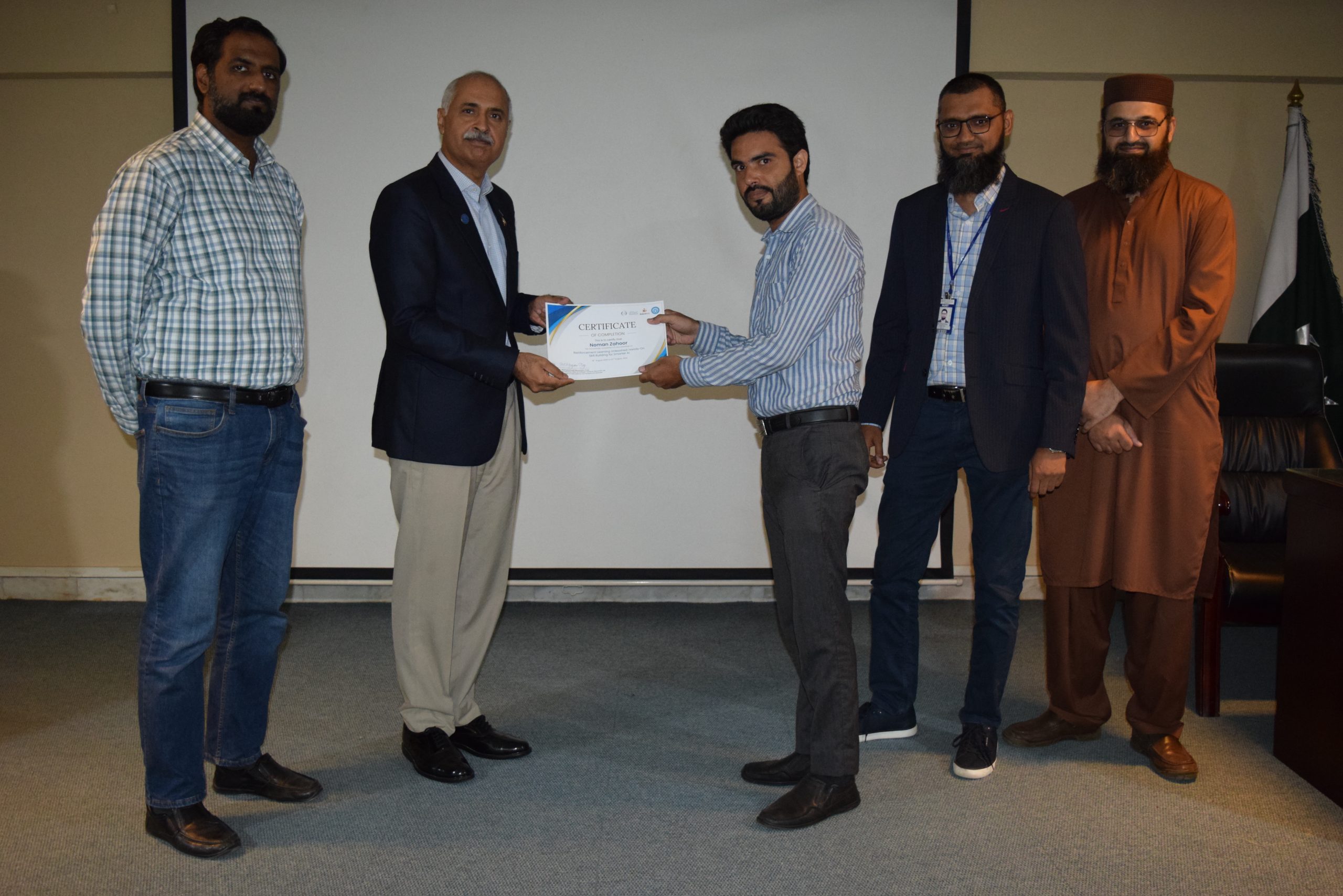
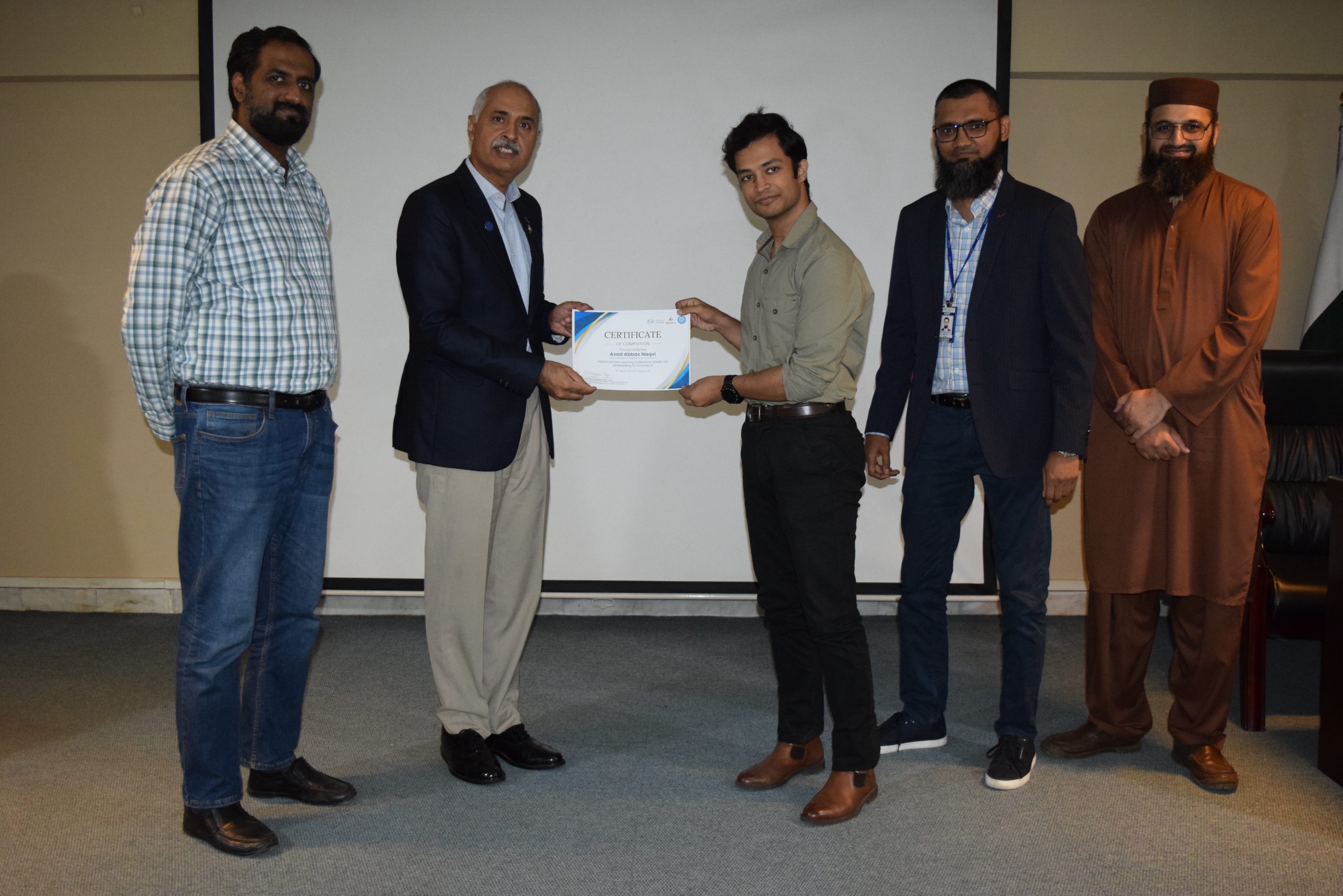
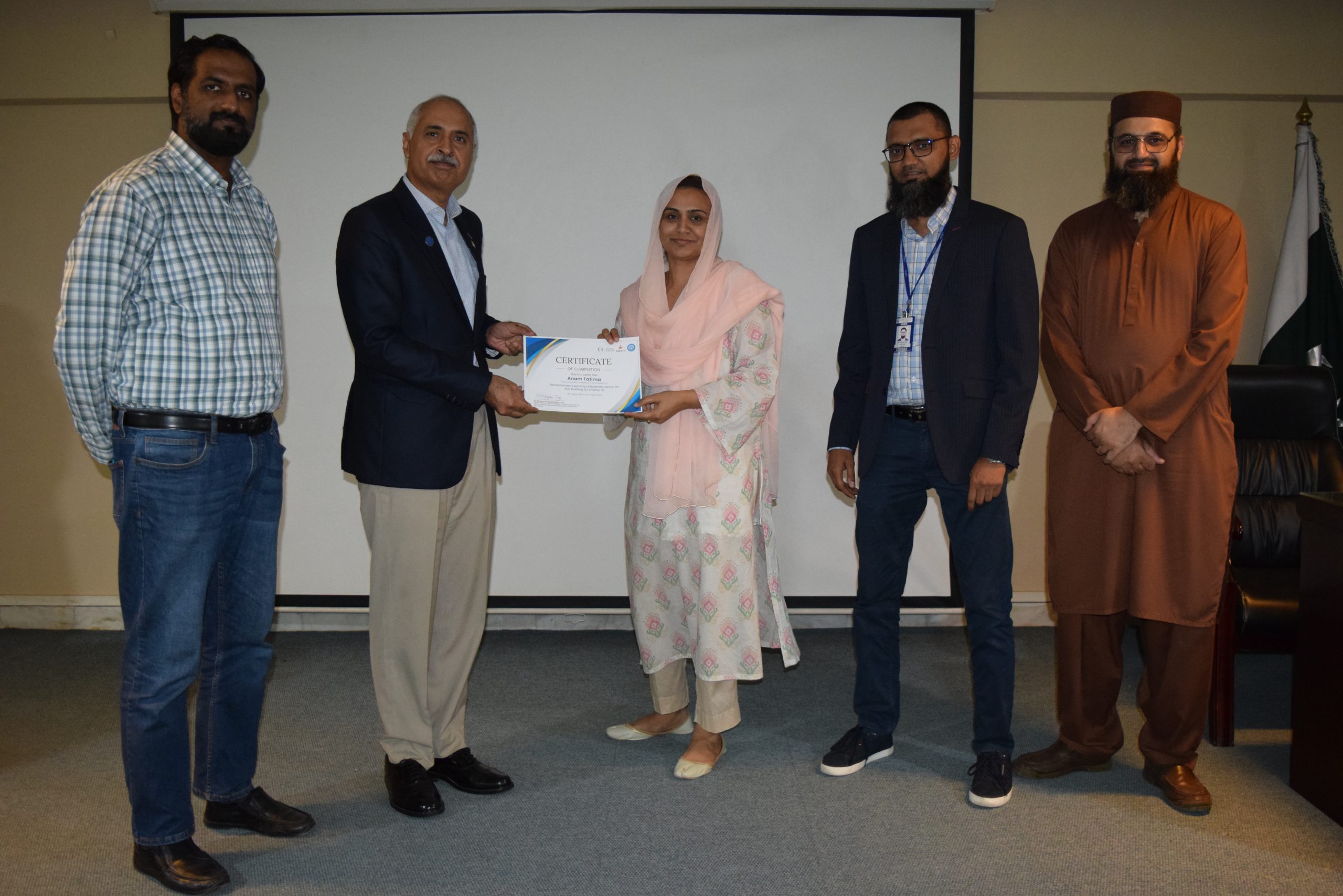
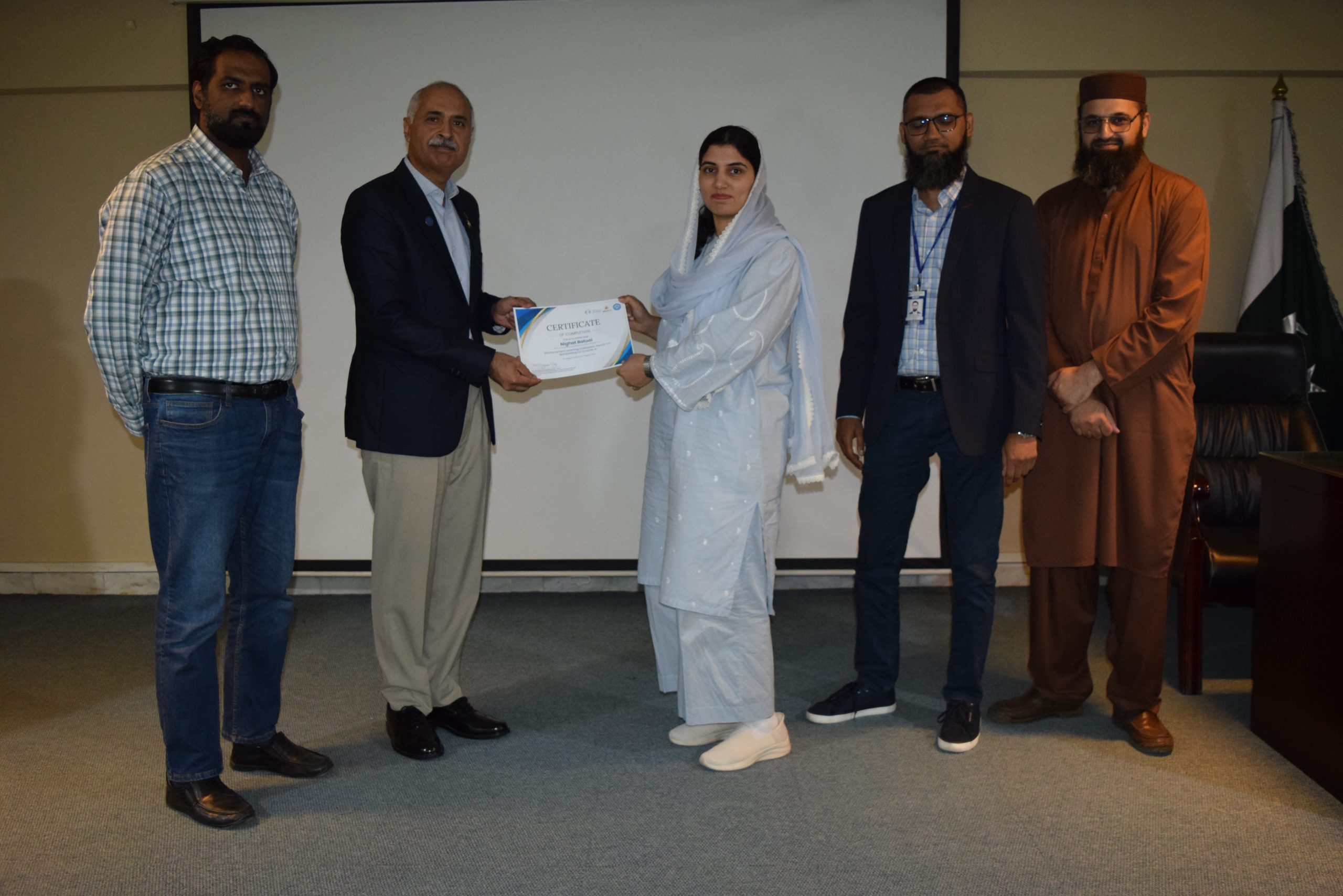
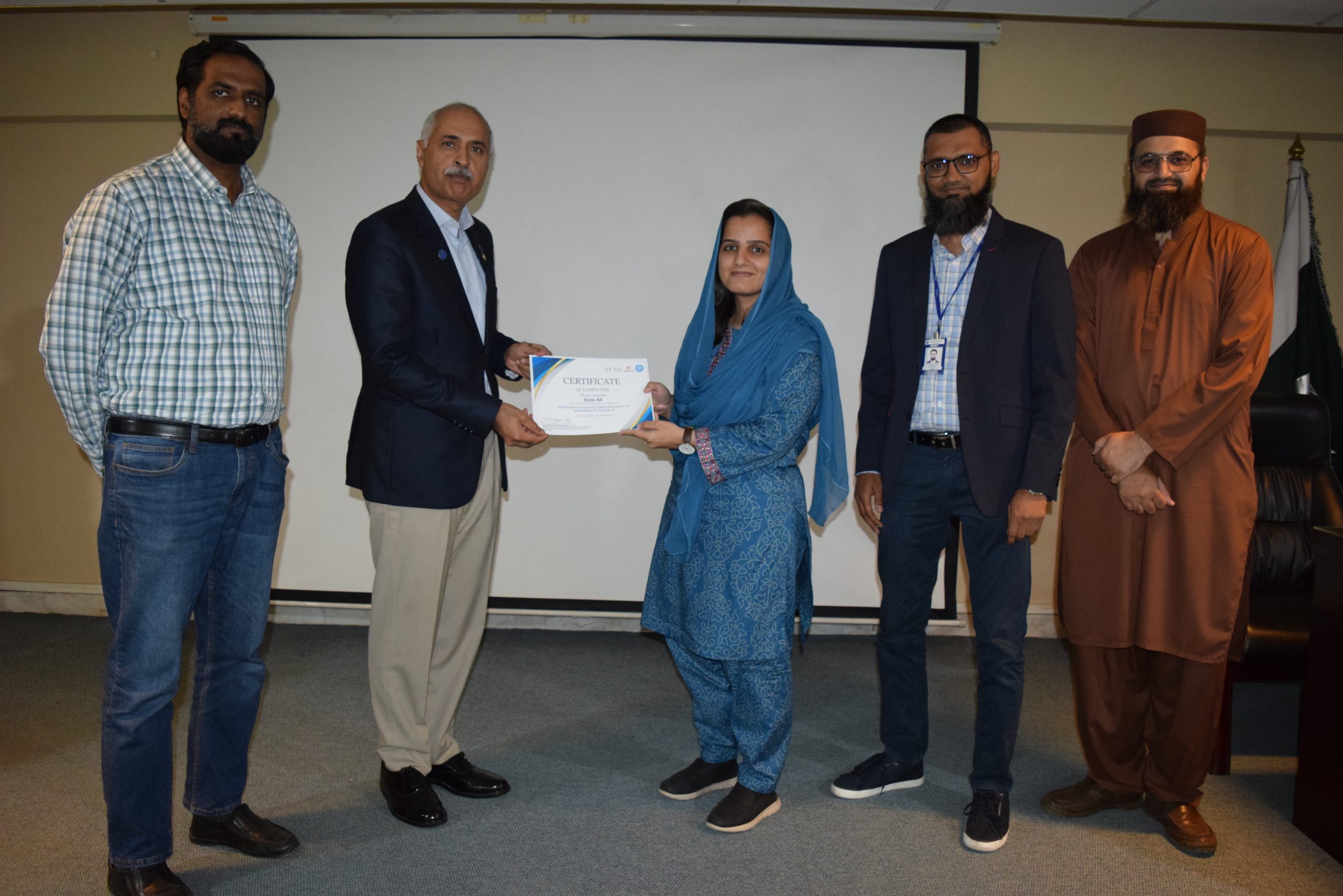
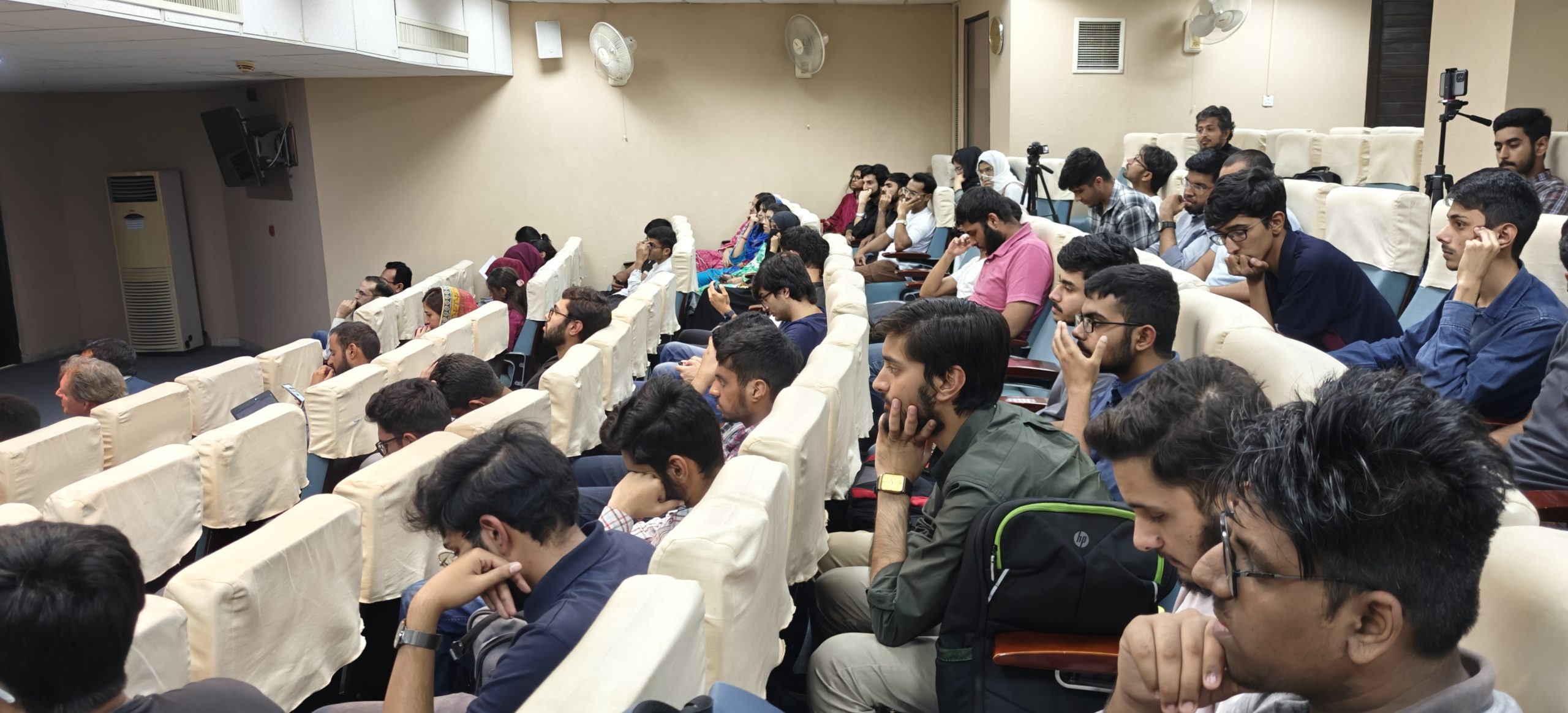
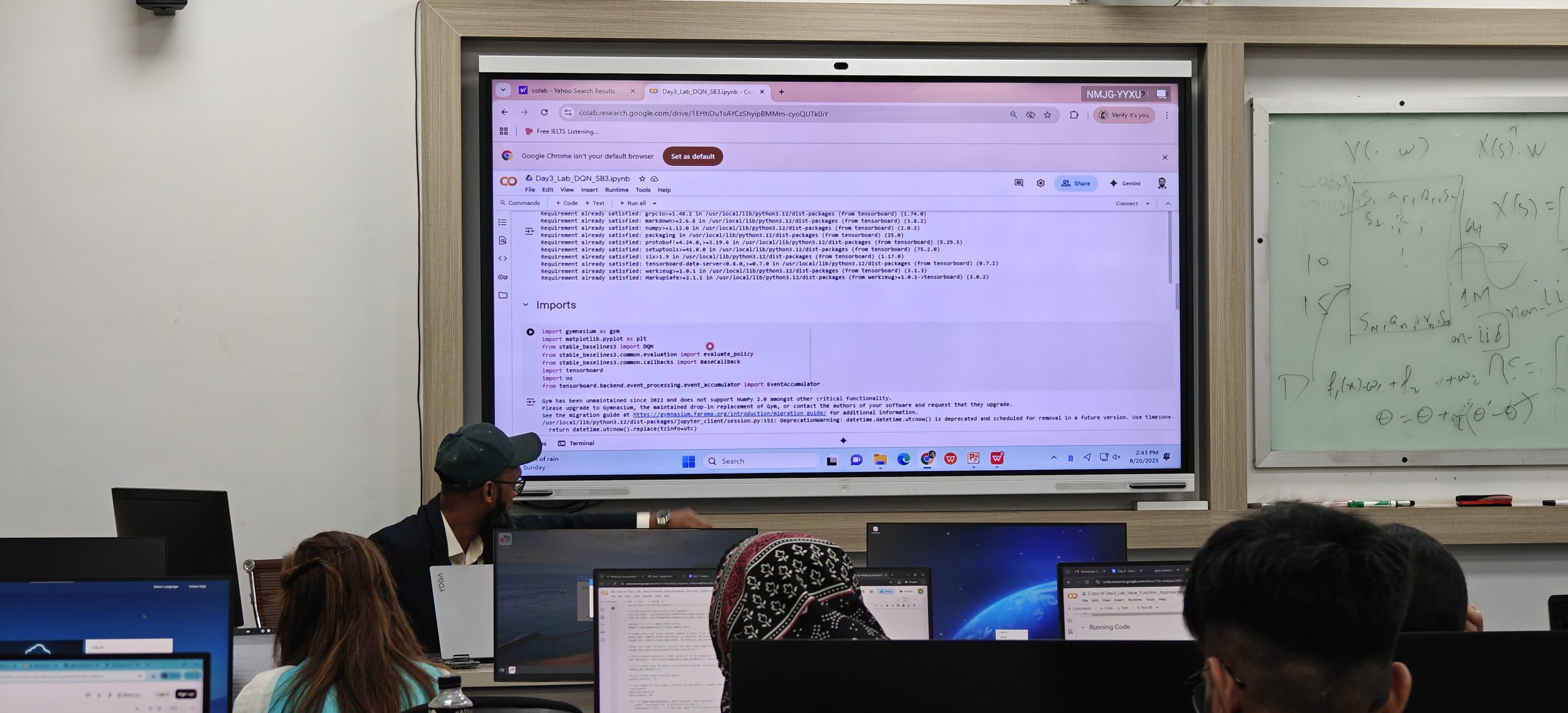
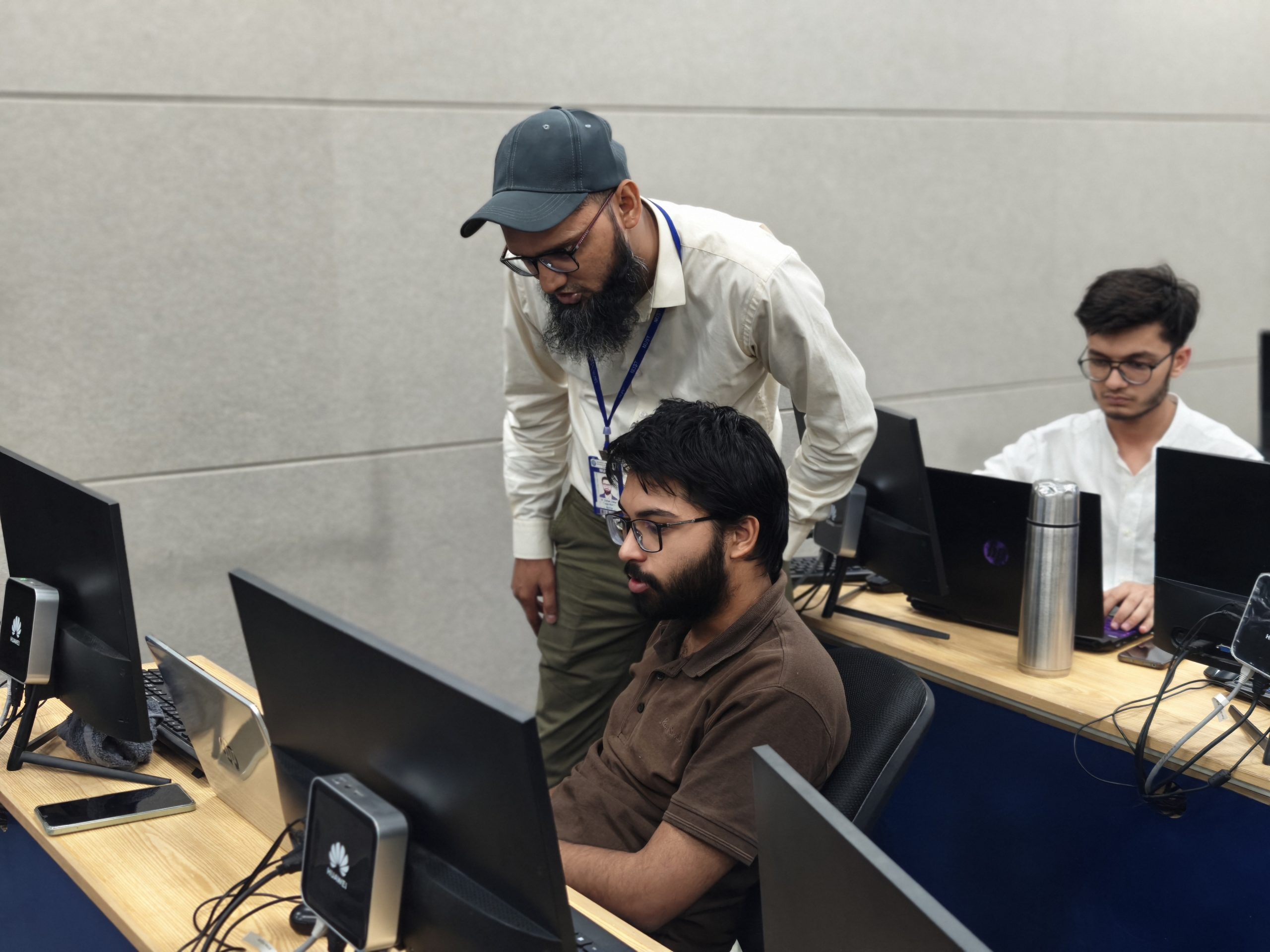
Event Pictures
Registration:

Registration Fee: PKR 10,000 (8000 Pkr for SEECS students only)

Last Date to Register : 15th Aug 2025

Digital Presence and Online Visibility

Uploaded on Events in SEECS's Website
Click Here
Shared on NUST LinkedIn Page
Click Here

NUST: Facebook

SEECS: Facebook

MachVIS: Facebook

MachVIS: LinkedIn

ICESCO Chair: Twitter

ICESCO Chair: Facebook

37

GeMorph: Generating 3D Facial Models from Genomic Data

GeMorph: Generating 3D Facial Models from Genomic Data

Law enforcement agencies in Pakistan face substantial backlogs, processing times of 4–6 months in murder cases and conviction rates of only 0.2% in rape cases, due to resource constraints and database limitations. Meanwhile, generating accurate phenotypic predictions from high-dimensional genomic data presents challenges in model training, data sparsity for non-European ancestries, and privacy/security of sensitive genetic information.

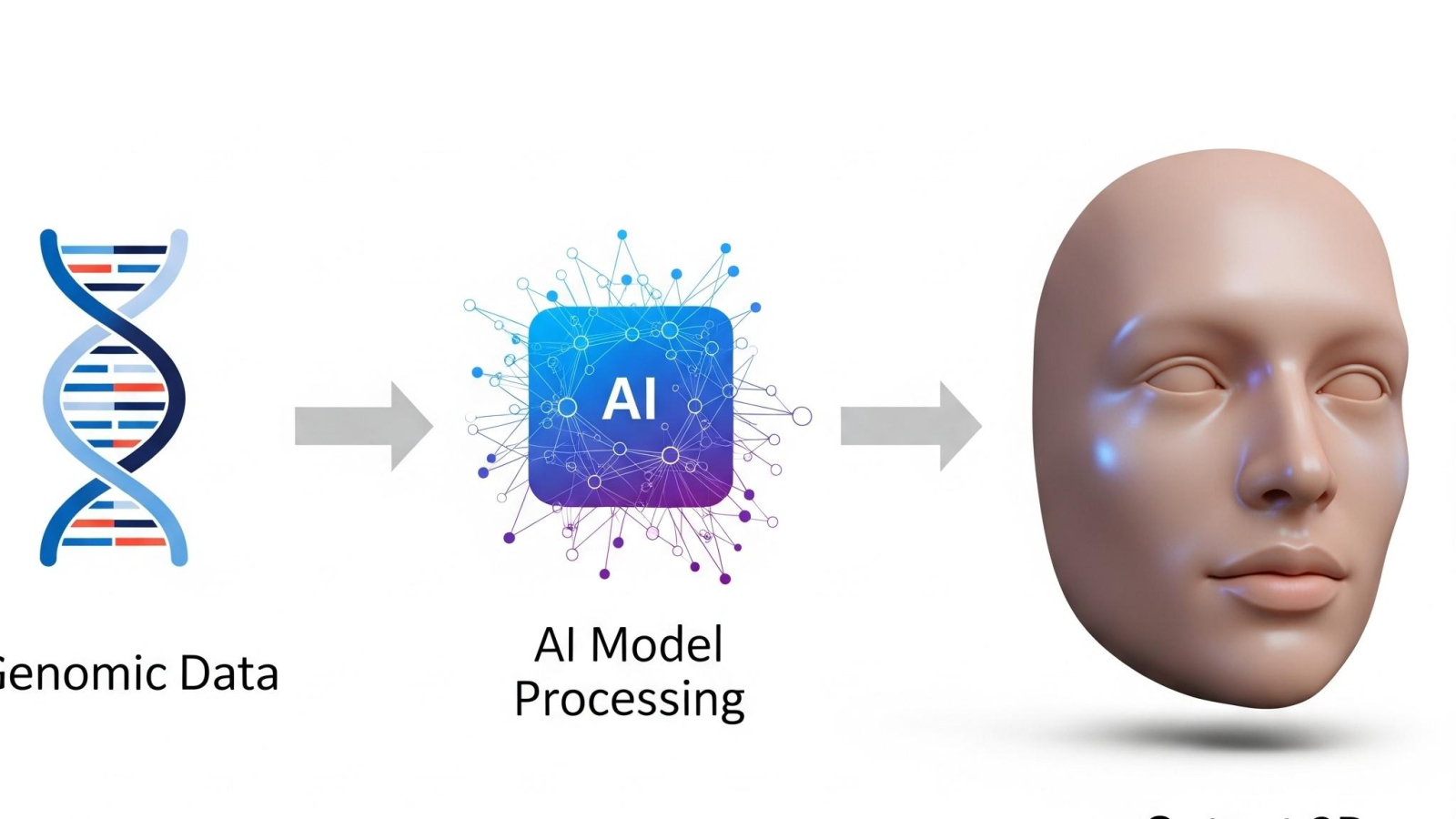
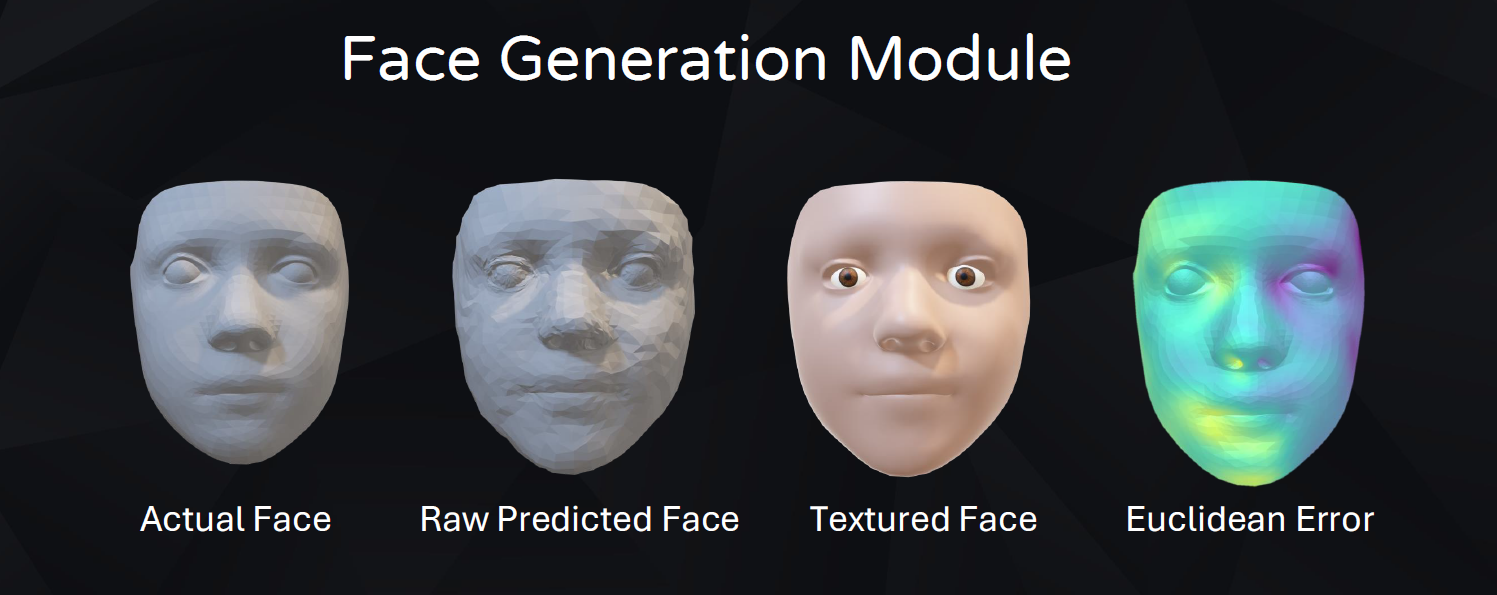
GeMorph addresses a critical gap in forensic investigations by transforming raw genomic data into fully textured 3D facial models. Traditional DNA profiling methods rely on matching samples against existing databases, but when no match is found, investigations often stall. GeMorph overcomes this limitation by leveraging SNP analysis, advanced machine-learning pipelines (including classification models for eye, hair, and skin pigmentation, and diffusion-based facial generation), and texture-mapping techniques to produce 3D facial composites directly from DNA samples.

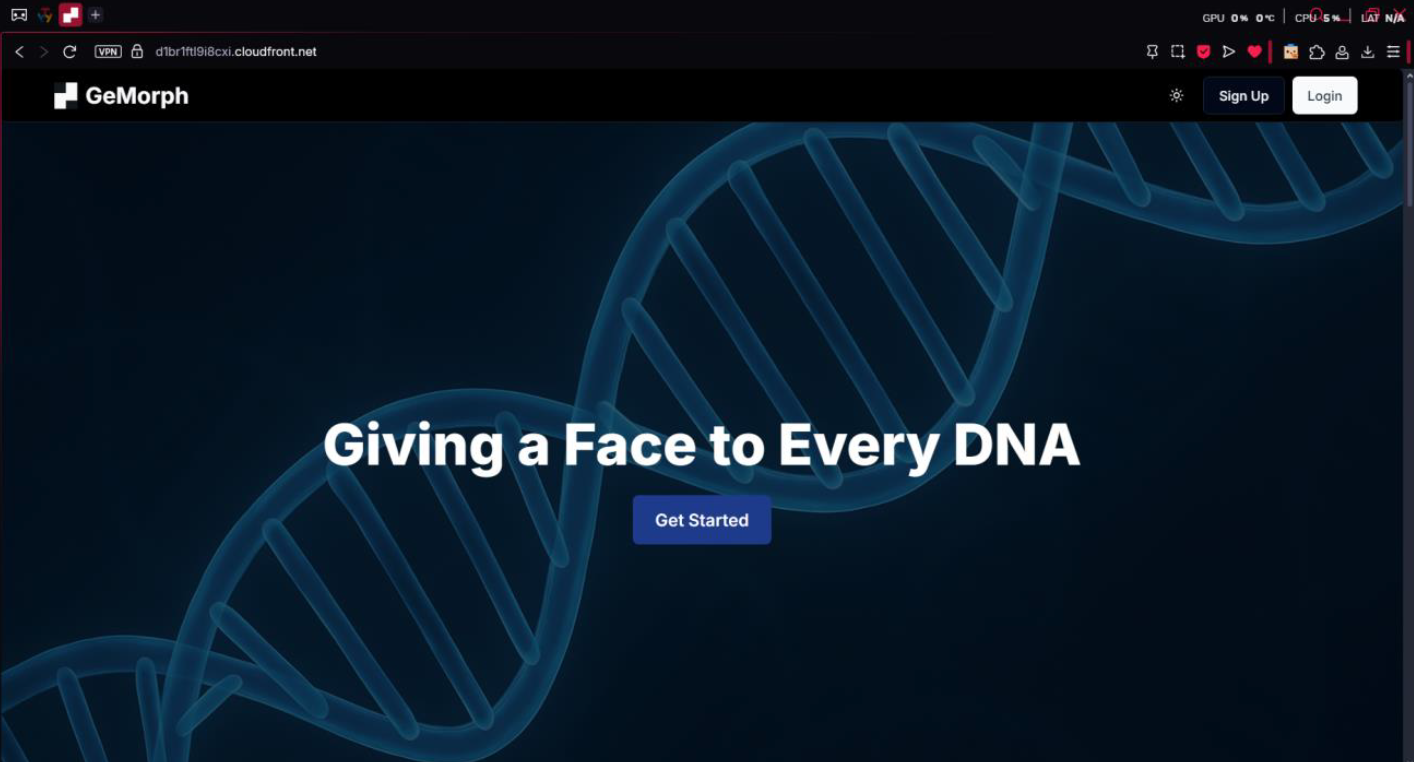
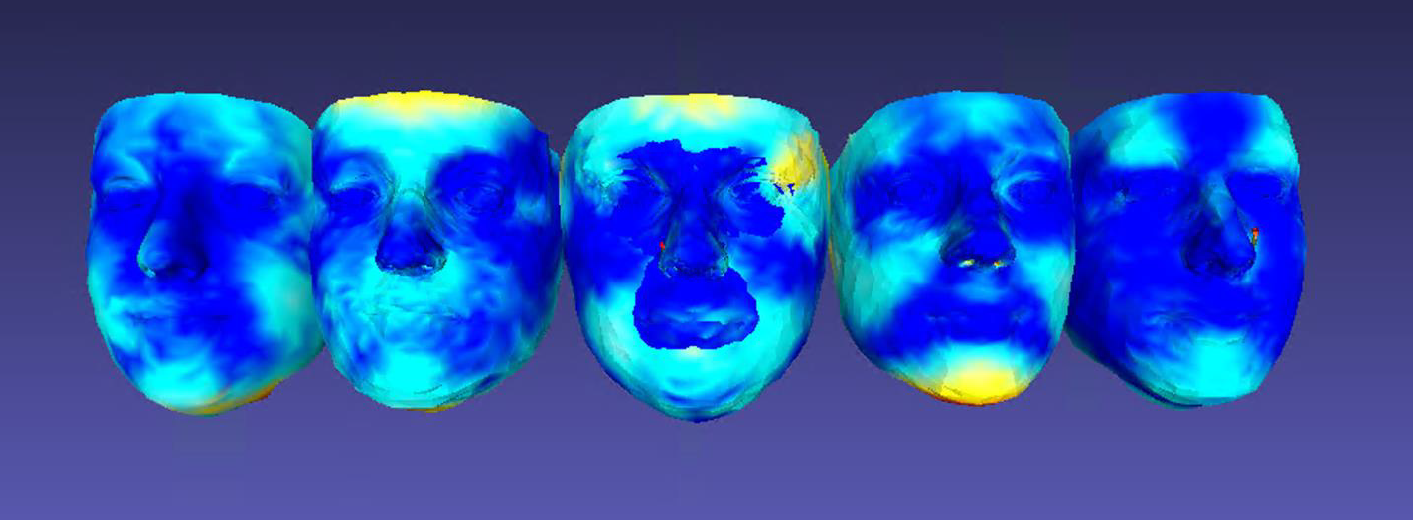
GeMorph’s workflow begins with DNA data preprocessing, including quality control and strand correction. Separate classification pipelines then process this data to predict traits like eye color, hair color, skin tone, gender, and ancestry, providing categorical predictions and confidence scores. A conditional autoencoder model then uses these outputs, along with the DNA data, to refine an average-face template and generate individualized 3D facial meshes, which are texture-mapped to reflect the predicted pigmentation traits. The system is integrated into a secure offline desktop application for on-premises use, with a liaison website for case intake and tracking. Unlike commercial ‘black box’ services (Parabon Snapshot), GeMorph is built for transparency and extensibility, with modular, auditable pipelines. It delivers a unified system for phenotype prediction and 3D face generation, producing a comprehensive report that compiles all predictions in a clear, interpretable format.

Faculty

Students

  • Syed Ahsan Ullah Tanweer
  • Navaira Rehman
  • Syeda Fatima Roshan Haneef (ASAB)
35

Research Papers Published in APAN58

Research Publications

Asia Pacific Advanced Network (APAN Conf 2024)


Author:
Reeha Khan

Enhanced Cephalometric Landmark Detection Using Multi-scale Feature Learning and Heatmap Regression


Read Paper


Author:
Usama Aleem Shami

SPOTifying the Sentinel-2 Imagery: Harnessing the Power of Attention in Real World Single Image Super-Resolution


Read Paper


Author:
Muhammad Salman Akhtar

Deciphering Crop Dynamics: Leveraging Field Geometry for Precise Image Registration and Enhanced Insights


Read Paper

35

Research Papers Published in ICET 2024

Research Publications

2024 19th International Conference on Emerging Technologies (ICET)
Author: Kanwal Aftab

Analyzing Fish Wellness Using Spatiotemporal Data & Behavior Recognition

Read Paper
Author: Muhammad Ali

Water Stress Diagnosis in Rainfed Wheat Through UAV Multispectral Imagery and IoT Data

Read Paper
Author: Usama Athar

Analyzing Phenological Progression in Wheat Genotypes Through UAV Multispectral Imagery

Read Paper
35

Research Papers Published in FIT 2024

FIT 2024 Research Publications

Author: Hannan Arif

Cross-Platform Integration in Legacy Mobile Apps for Code Reuse and Reduced Development Efforts

Read Paper
Author: Usama Athar

Merging UAV-Derived Metrics with Crop Physiology to Estimate Sunflower Yield

Read Paper
Author: Tayyib Ul Hassan

Resolving Community Parking Issues: An IoT Enabled Statistical and Deep Learning Approach for Enhanced Urban Parking Management

Read Paper
35

Research Papers Published in ICoDT2 2024

Research Publications

2024 4th International Conference on Digital Futures and Transformative Technologies (ICoDT2)
Author: Usama Aleem Shami

Bridging the Resolution Gap in Remote Sensing: A Comparative Analysis of Deep Learning Models for Real-World Single Image Super-Resolution
Read Paper
Author: Noor Us Sabah

Enhancing Cotton Crop Mapping in Pakistan: Integrating Transfer and Active Learning with Remote Sensing Technologies

Read Paper
Author: Faiqa Mehboob

Content-Aware Entity Alignment: Utilizing Structural and Semantic Similarities for Enhanced Inter-Knowledge Graph Integration

Read Paper
17

Enhancing Aquaculture Sustainability Through Automated Biomass Estimation, Disease Detection, and Behavior Analysis

Enhancing Aquaculture Sustainability Through Automated Biomass Estimation, Disease Detection, and Behavior Analysis

Aquaculture has grown over the past decade now producing 88 million tons annually which is 49 \% of the global fish production. By addressing production challenges and introducing automated methods, production can increase even further. Among such challenges are infectious diseases which have a profound impact. To alleviate this negative impact, prevention and early detection of diseases are of utmost importance. The latter includes both the tracking of health, for example in the form of growth monitoring, as well as the recognition of early signs of disease such as behavioral or physiological symptoms. With the development of modern technology such as data science and AI the growing aquaculture industry is switching from manual monitoring and controlling to machine-driven solutions. AI has automated information extraction from images and accurate data interpretation have facilitated better decision making and higher profitability in fish farms. 

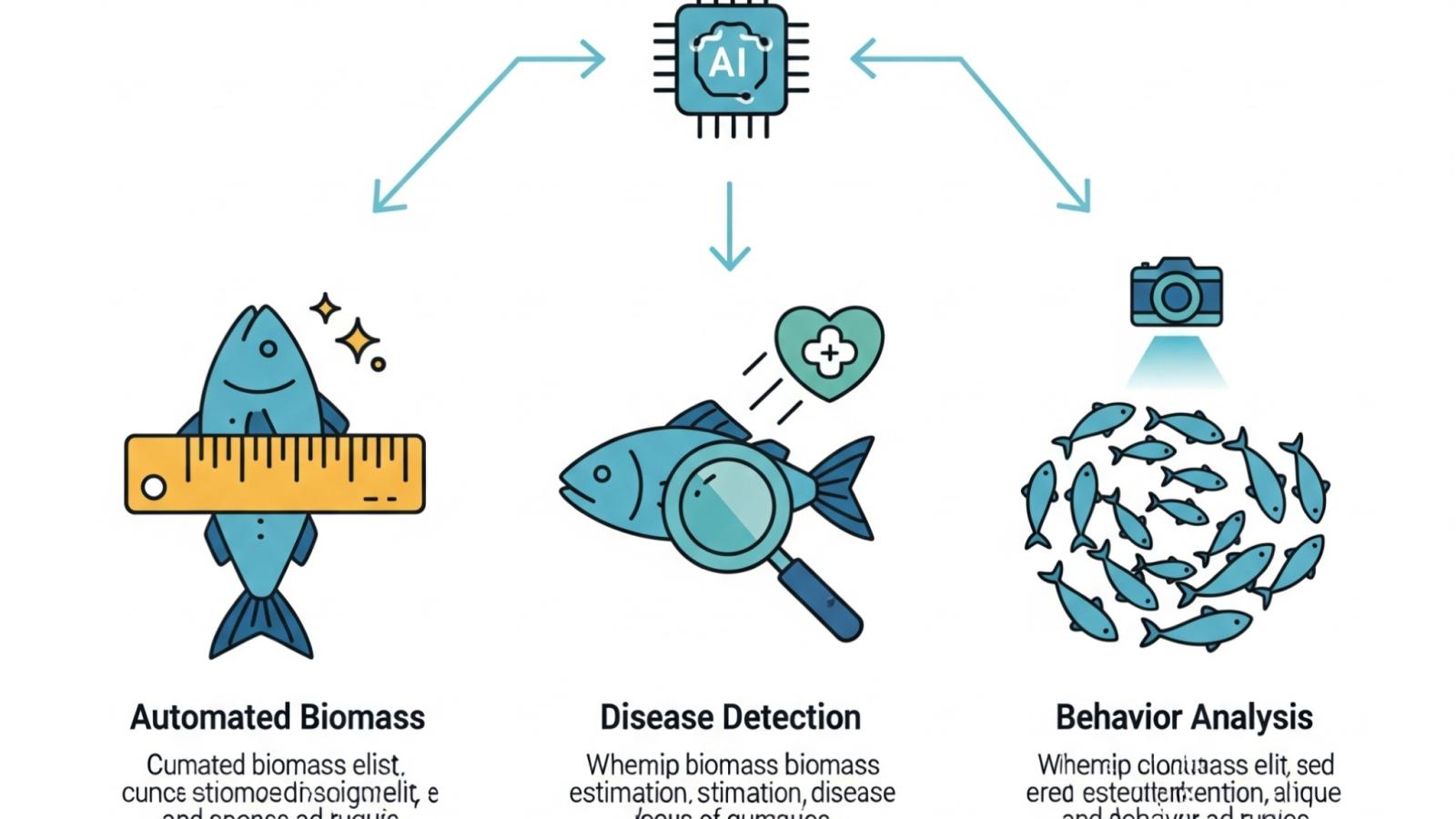
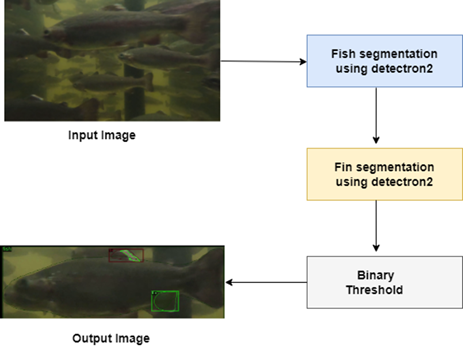
The goal of this thesis work is to utilize machine learning and computer vision for the early detection and prevention of fish diseases in aquaculture. My research work comprises of three main modules. The first module focuses on fish biomass estimation, utilizing deep learning algorithms to segment fish, classify them into five species, and estimate their biomass. The second module aims at detecting disease symptoms, employing a deep learning algorithm to classify fish into healthy and unhealthy categories, and subsequently identifying symptoms and locations of bacterial infections if a fish is classified as unhealthy. We expanded the capabilities of this module for real-time detection of flavobacterium in trout through the analysis of underwater footage.  

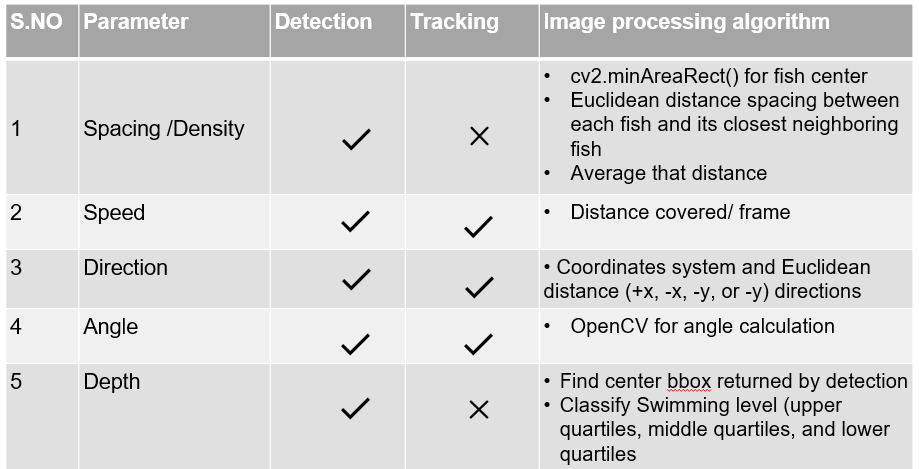
The third module focuses on analyzing fish behavior in real time, Unlike the previous scenario where symptoms were physically visible, such as changes in color, bleeding or visible injuries, behavioral symptoms are not as prominent. Fish are sensitive to environmental changes and they exhibit a series of responses to changes in environmental factors. For example, when fish are stressed, they undergo various metabolic changes, all of which are expressed externally by variations in their behavior. Hence any kind of change in feeding behavior, swimming or skin color is a sign of unfavorable conditions, stress. Analyzing unusual behavior can provide an early warning of its health status. In this project 5 parameters (fish density, speed, direction, angle and depth) are calculated that give insights into fish health. Additionally, to overcome the typical scarcity of available data in this field, with the help of our industry partners we collected and prepared datasets from scratch. And using these algorithms industrial software solutions can be developed for an improved fish health monitoring in fish farms. These advances will facilitate the production of environmentally and economically more sustainable fish, while promoting animal welfare.

Module 1: Biomass estimation and disease detection (Out of water application)
Module 2: Real time flavobacterium and behavior analysis (Underwater application) Flavobacterium

Video

Behavior analysis

Faculty

Student

  • Kanwal Aftab

Selected Publications

  1. Aftab, L. Tschirren, B. Pasini, P. Zeller, B. Khan, M. M. Fraz. “Intelligent Fisheries: Cognitive Solutions for Improving Aquaculture Commercial Efficiency Through Enhanced Biomass Estimation and Early Disease Detection”, In Cognitive Computation, 1-23 (2024) https://doi.org/10.1007/s12559-024-10292-2
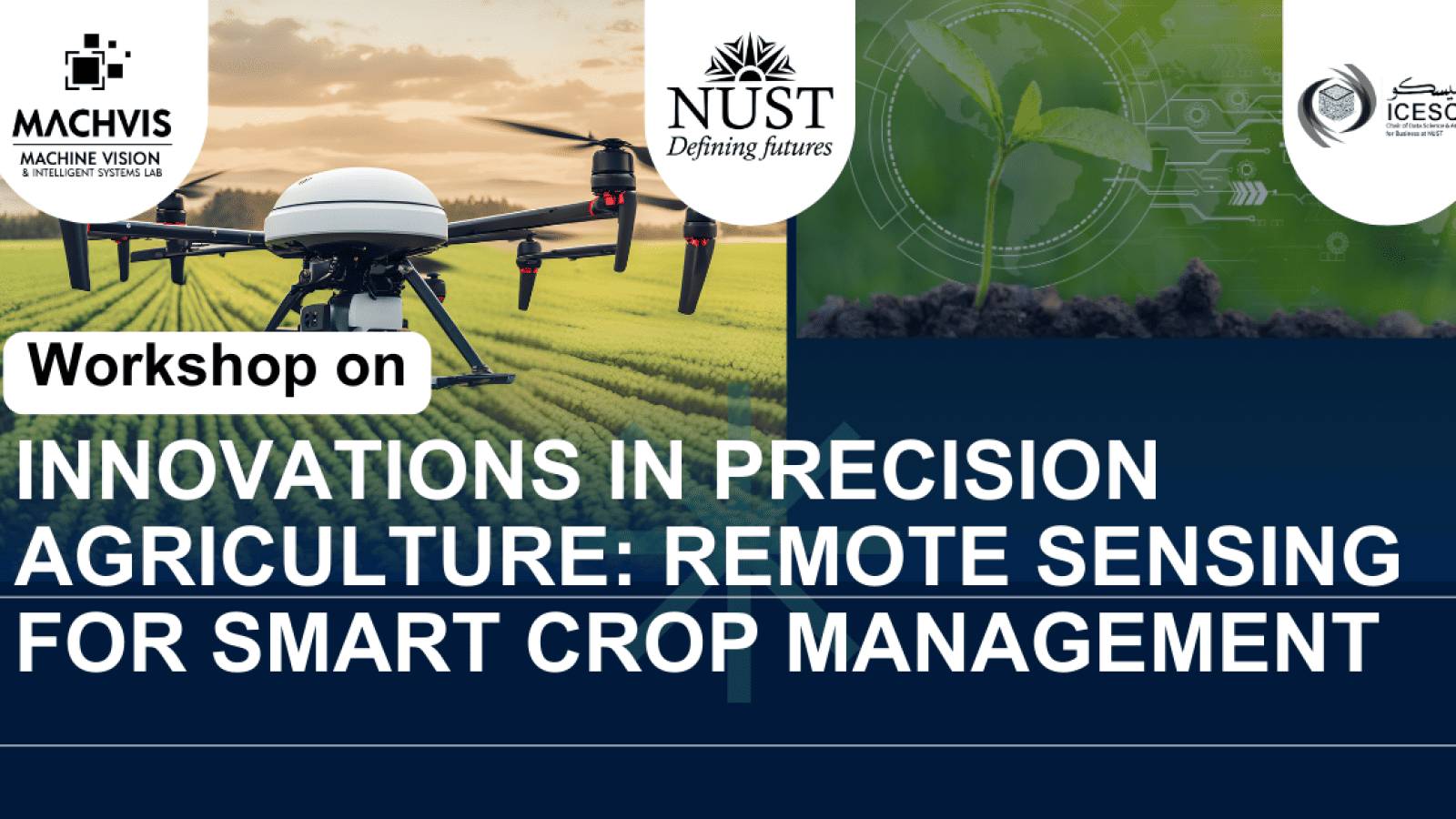
Innovations-in-Precision-Agriculture-Remote-Sensing-for-Smart-Crop-Management-2

Innovations in Precision Agriculture: Remote Sensing for Smart Crop Management

Innovations in Precision Agriculture:

Remote Sensing for Smart Crop Management

Date

Day 1 - Tutorial Sessions:
TUIL Lab, SMRIMMS Building (First Floor),
23rd Oct 2024, 9:30 am – 4:30 pm
Day 2 - Keynote & Symposium: SEECS Seminar Hall,
24th Oct 2024, 9:30 am – 4:30 pm

About The Workshop

In an era of increasing global food demand and environmental challenges, precision agriculture has emerged as a transformative approach to optimizing crop management. This workshop, Innovations in Precision Agriculture: Remote Sensing for Smart Crop Management, aims to explore the latest advancements in the use of remote sensing technologies to enhance crop monitoring, decision-making, and sustainable agricultural practices. Participants will delve into cutting-edge techniques such as multispectral, hyperspectral, and thermal imaging, combined with satellite, UAV, and IoT data integration. The workshop will highlight the practical applications of these technologies, such as real-time crop health monitoring, early detection of diseases, water stress management, and efficient resource utilization.

OIP-2

Workshop

Expected Outcome

Hands-on experience with remote sensing tools and data analytics for agriculture.

Learn to apply innovations to boost yields, reduce environmental impact, and improve decision-making.

Access expert insights through case studies, industry trends, and future perspectives in smart crop management.

Who Should Attend:

1

Students and researchers interested in precision farming technologies.

2

Farmers and agronomists seeking to enhance crop management with data-driven tools.

3

Technology enthusiasts eager to explore the intersection of tech and agriculture.

Guest Speakers

csm_Prof_90c1be3dee-1
Prof. Dr. Karsten Berns

Head of Robotics Research Lab
RPTU Kaisersautern-Landau Germany

haris
Dr. Haris Khurshid

Scientific Officer
Pakistan Agricultural Research Council

download
Dr. Shahzad Rasool

Assistant Professor
SINES, NUST

csm_Jakub_Pawlak_48b0a9b2dd
Mr. Jakub Pawlak

PhD Researcher
Robotics Research Lab, Germany

Trainers

Innovations in Precision Agriculture Remote Sensing for Smart Crop Management (7)
Mr. Abdalla Mohamed

PhD Researcher
Robotics Research Lab, Germany

WhiteBackground-1-e1723587912625 (1)
Muhammad Salman Akhtar

PhD Researcher
MachVIS lab

Organizers

dr_moazam_fraz_profile_2
Dr. Muhammad Moazam Fraz

Director ICESCO Chair
PhD
Kingston University London, UK

OIP-1-300x275
Dr. Zuhair Zafar

Assistant Professor
PhD (Computer Science)
Universität Kaiserslautern

download-3-300x275
Dr. Fahad Ahmed Satti

Assistant Professor
PhD (Software Engineering)
Kyunghee University

Partners

Day-1: October 23, 2024 (Wednesday) (TUIL Lab, SMRIMMS Building (First Floor))

Tutorials for Interested Students and Researchers

Day-2: October 24, 2024 (Thursday) (Seminal Hall, SEECS) (Morning Session)

Day-2: October 24, 2024 (Thursday) (Seminal Hall, SEECS)

October 24, 2024 (Thursday) (Seminal Hall, SEECS) (Afternoon Session)

Contact us

Location
SEECS NUST, H-12 Islamabad

Email
vision@seecs.edu.pk

Phone Number
(051) 8862162

Digital Presence and Online Visibility

Uploaded on Events in SEECS's Website
Click Here
Shared on NUST LinkedIn Page
Click Here

NUST: Facebook

SEECS: Facebook

MachVIS: Facebook

MachVIS: LinkedIn

ICESCO Chair: Twitter

ICESCO Chair: Facebook

fellowship

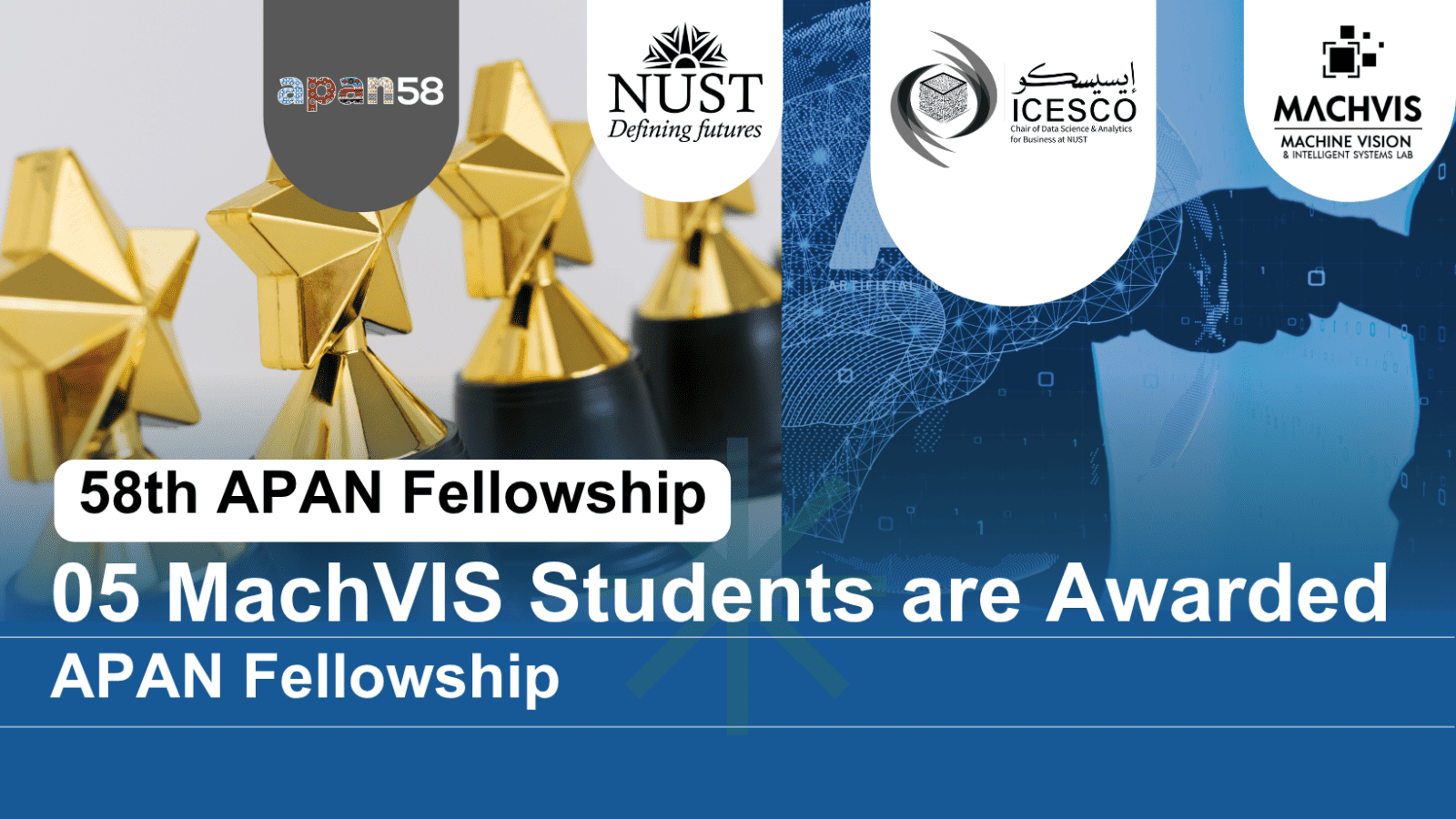
MachVIS students awarded APAN Fellowship

58th APAN Fellowship

05 Students of Machine Vision and Intelligent Systems Lab at NUST SEECS are awarded with APAN fellowships to co-organize, attend and present their work in 58th Asia Pacific Advanced Network (APAN) Conference held in Islamabad.

About APAN Fellowship

The APAN Fellowship Program has been a vital initiative for fostering global collaboration, allowing students, early-career researchers, and professionals from the Asia-Pacific region to participate in APAN conferences. These fellowships offer selected individuals a chance to engage with the wider research community, share their work, and contribute to advanced networking and computing technologies. Fellows have historically been chosen based on their academic merit and research relevance, providing them with access to networking opportunities, workshops, and knowledge exchange with leaders in their fields.

Although the fellowship program for APAN 58 has concluded, the event left a lasting impact, particularly through the contributions of fellows and participating institutions​

 
OIP (1)

05 MachVIS Students who are Awarded APAN Fellowship

1654086379838 (1)
USAMA ATHAR


WhatsApp Image 2024-09-03 at 00.16.56_cb36a202
MAMOONA QUDSIA
IMG_20240907_222549
MUHAMMAD ANWAAR KHALID
UsamaShami_APAN58[1]
USAMA ALEEM SHAMI
1706090151189
HINA NAEEM
Forests of the future

58th APAN Meeting in the session on Generative AI in Medicine

58th APAN Meeting

Generative AI in Medicine
Transforming Education Through Generative AI in Medicine: Innovations, Insights, and implications

Date

August 27th, 2024

About APAN

The Asia Pacific Advanced Network (APAN) is a collaborative network organization that promotes the development of advanced research and education networks across the Asia-Pacific region. APAN provides a platform for academic, research, and educational institutions to collaborate on various initiatives in science, technology, and innovation. It facilitates the exchange of knowledge, data, and ideas through conferences, training, and workshops. APAN 58th, held at Islamabad, Pakistan on August 26 to August 30, 2024, focused on fostering collaboration in advanced networking technologies and research, driving innovation in areas such as cloud computing, cybersecurity, and internet technology.


pexels-rdne-stock-project-7414212-scaled.jpg

Key Discussion Points:

1

Artificial Intelligence (AI) and High-Performance Computing (HPC) Synergies

2

Cross-Border Collaboration and Network Security

3

The Role of Education and Research Networks in Technological Advancements

4

Sustainable Technologies for Societal Well-Being

Keynote Speakers and their Addresses

Opening Remarks and Introduction

Prof.Dr. Muneer Gohar Babar (International Medical University Malaysia), Dr Saima Nisar (MC, School of Business and Management, Xiamen University Malaysia)


Prof. Dr. Muhammad Moazam Fraz
Can AI see what orthodontists miss? The Quest for Advancing Orthodontic Diagnosis with AI-Powered Cephalometric Landmark Detection
Prof Thaw Zin (Universiti Tunku Abdul Rahman)
Students' Adaptability and Responsible Use of Artificial Intelligence-Assisted Learning in Medical Education
Assoc. Prof. Dr Kim Yun Jin (Xiamen University Malaysia)
PBL Method in Acupuncture education
Prof Dr Kapil Kumar (Samrat Prithviraj Chauhan College of Pharmacy)
Closing remarks
Dr. A.K. Azad (University College MAIWP International)
Application of AI on High Throughput screening on biopharmaceutical drug manufacturing process