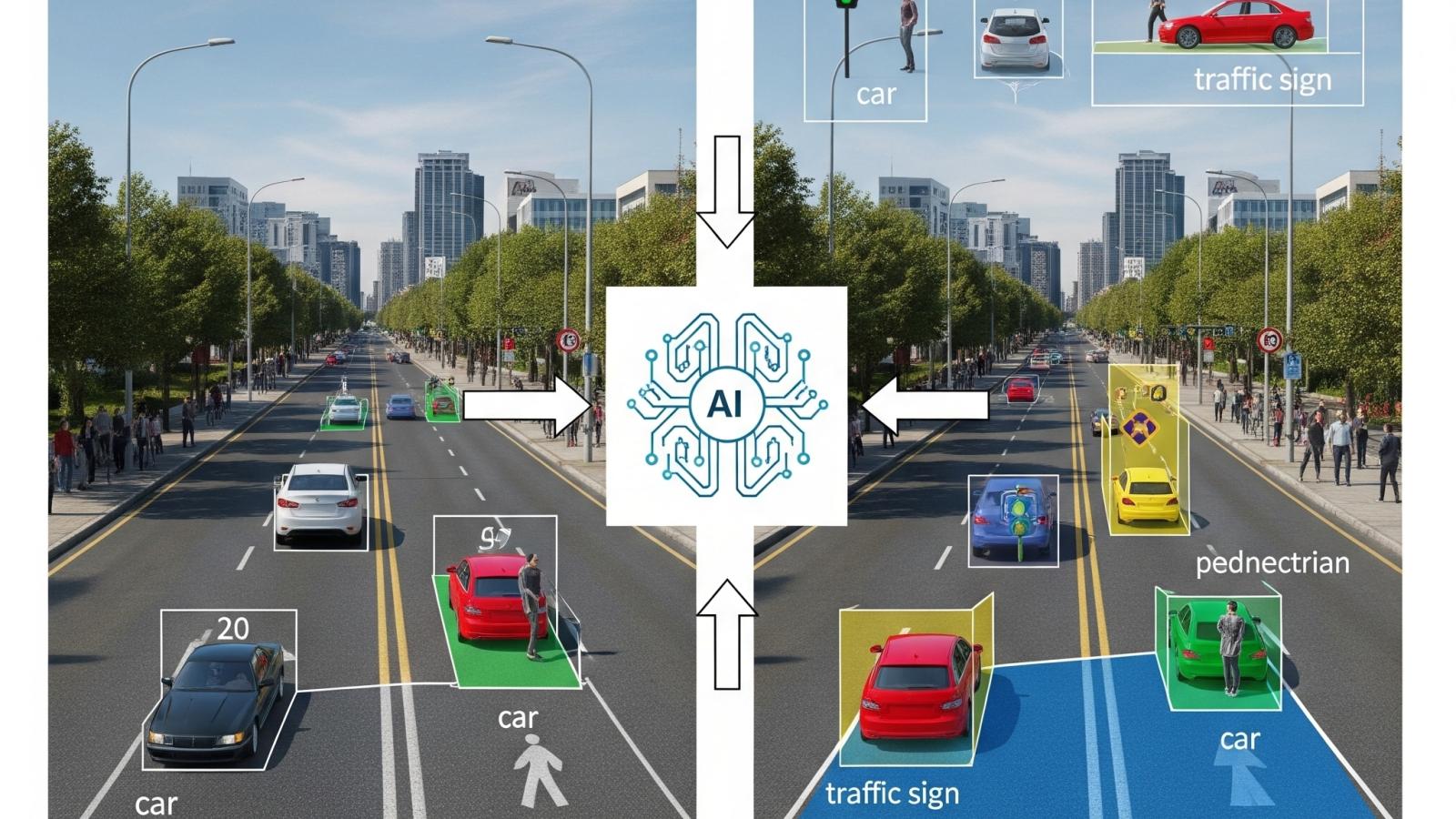
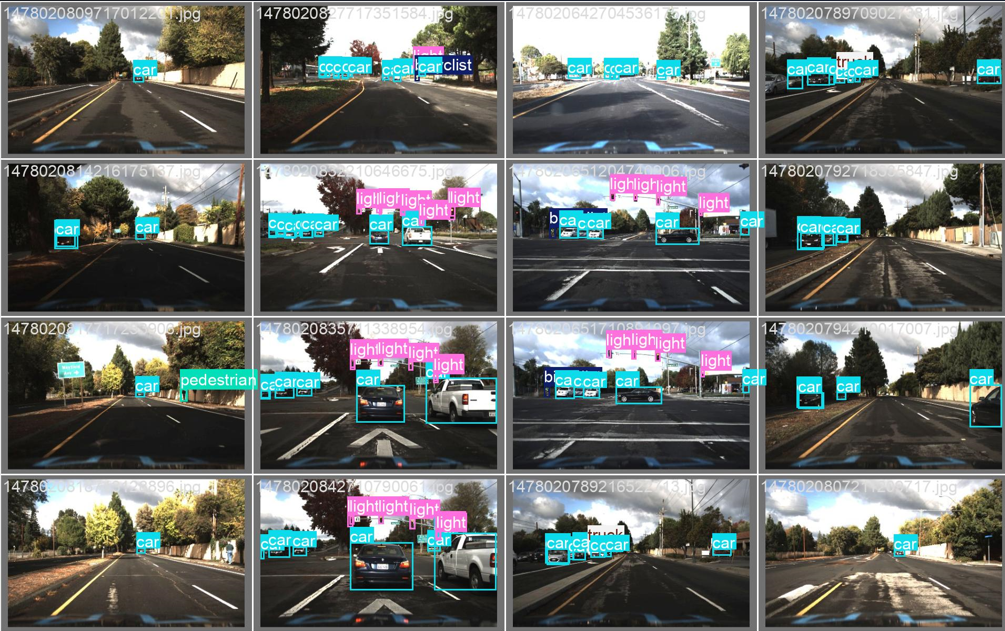
In this project, we develop a forward-looking framework designed to bring advanced perception capabilities to self-driving car systems. State-of-the-art object detection models like YOLOv8 are fast, powerful, and architecturally streamlined to run in real-time, which makes them ideal for embedded automotive applications. We first explore the dataset, configure directories, and execute training, all within a single coherent workflow. The dataset contains paired driving images and label files in CSV format, giving a clean and practical base for training a vehicle detection system. As training proceeds, the system outputs model weights, performance logs, and metrics into designated directories, creating full visibility from data input to trained model outputs, and delivering an end-to-end experience suitable for experimentation or benchmark comparisons.
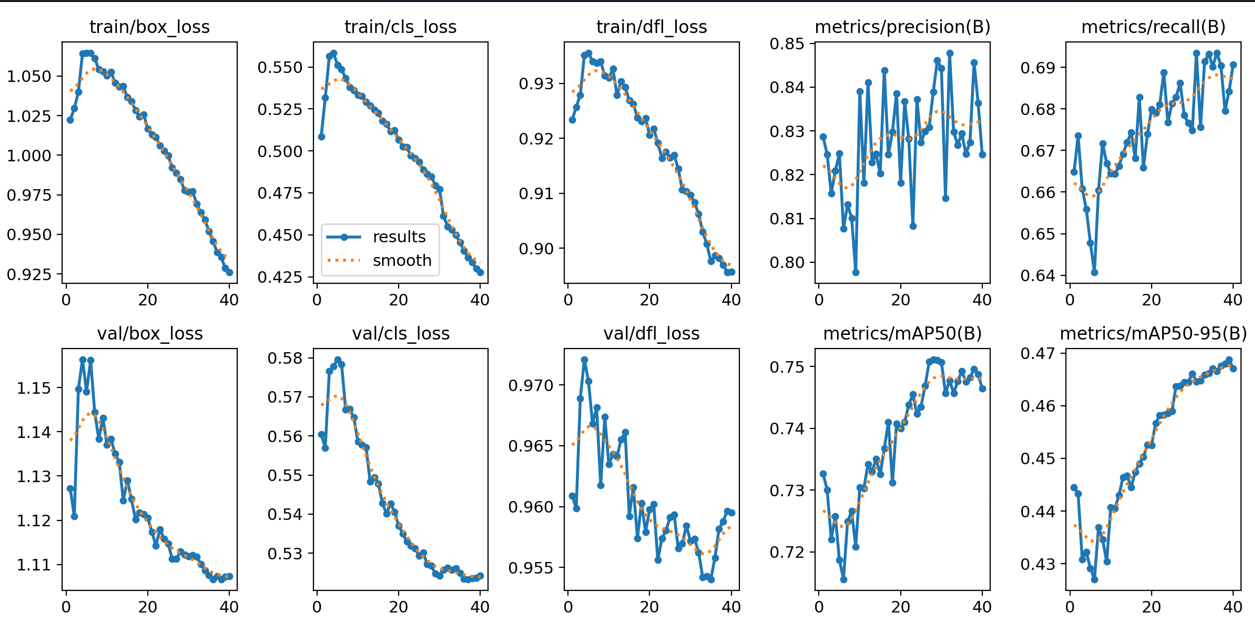
The second dimension that makes this project stand out is its emphasis on reproducibility and hands-on usability. This project not only streamlines the train-and-evaluate cycle but also provides real-time visualizations of model performance. Embedded images, placed directly in the notebook, illustrate detection results and performance trends, making it easier for users to interpret how the model learns, where it misfires, and where it shines. This feedback loop is essential when fine-tuning object detection models for complex real-world settings, where scenes may contain vehicles of various shapes, sizes, and occlusion conditions. Since YOLOv8 is optimized for deployment, the resulting model files are compact and inference-ready, positioning this workflow as a launching pad for developers who intend to deploy detection models on edge hardware in actual vehicles, be it in research prototypes, campus shuttles, or scaled-up autonomous vehicles.
The open nature and clean licensing of this project amplify its long-term value. Whether you want to integrate semantic segmentation modules, experiment with additional sensor inputs like lidar or thermal cameras, or customize post-processing logic for lane-level density mapping or near-miss detection, this codebase forms a robust starting point. Its modular structure means that expanding functionality (multi-class segmentation, real-time tracking, seamless integration into ROS pipelines) can be achieved with incremental enhancements. In deploying this pipeline in simulated or real driving environments, stakeholders can test detection thresholds, latency benchmarks, and edge-device performance, bridging the gap between the experimental and the deployable. This project not only demonstrates how to train a YOLOv8-based perception system but also lays down a foundational stepping stone for building intelligent, road-ready AI systems for autonomous vehicles.
Clothiq: One Stop Platform for Clothing Recommendations
Over the last few years, online shopping has taken a boom in Pakistan, but it has also created problems for both the buyer and the seller. With such a large number of online stores and platforms, one may find it challenging to identify the most suitable clothing item. Also, most e-commerce platforms and stores rely primarily on keyword-based search engines, which can produce inappropriate or incorrect results, particularly when consumers search in common language. For example, if someone searches for a “Blue Shalwar Kameez with a front pocket”, they may receive inaccurate results since the search engines struggle to understand natural language queries and rely heavily on specific keywords. This divergence frustrates shoppers and reduces the overall efficiency and enjoyment of the online purchasing process. On the other hand, sellers also face many challenges. One such challenge is low visibility of their products that they sell due to inefficient search optimization algorithms, which leads to poor sales and missed opportunities.
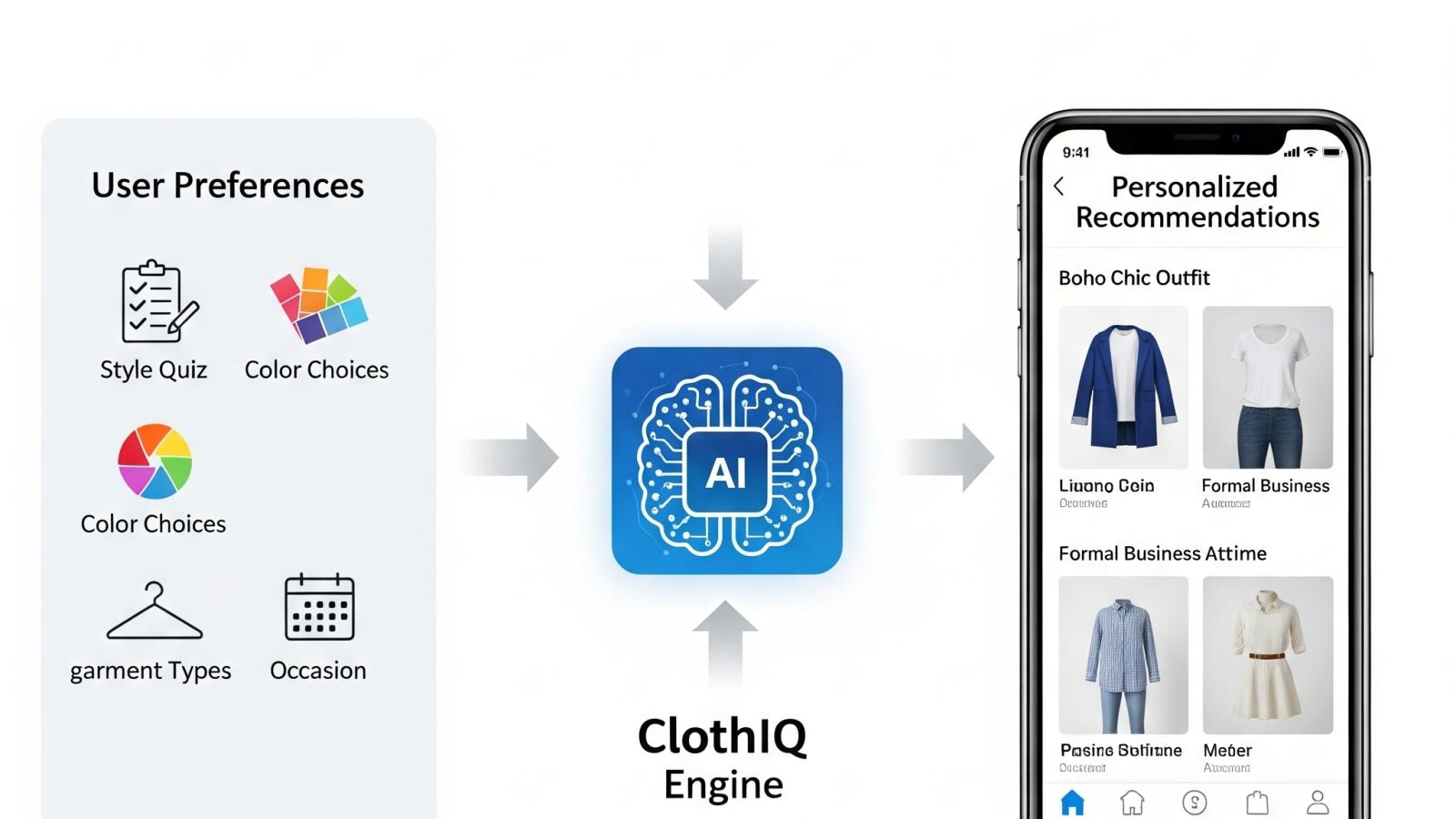
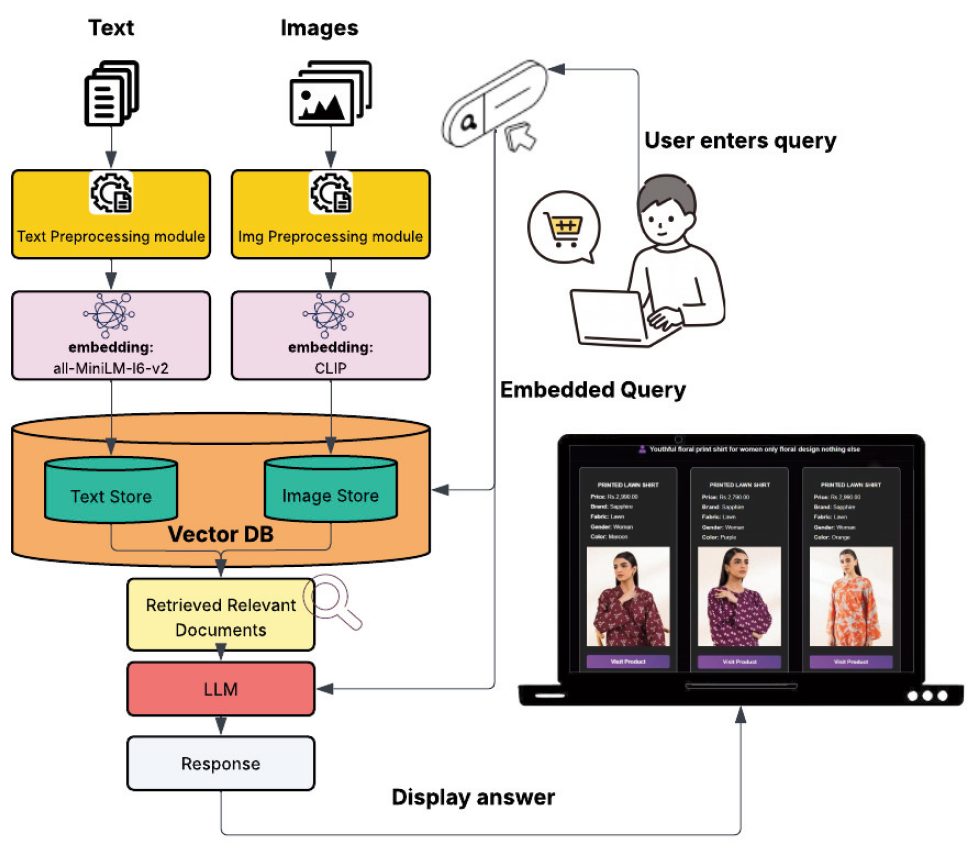
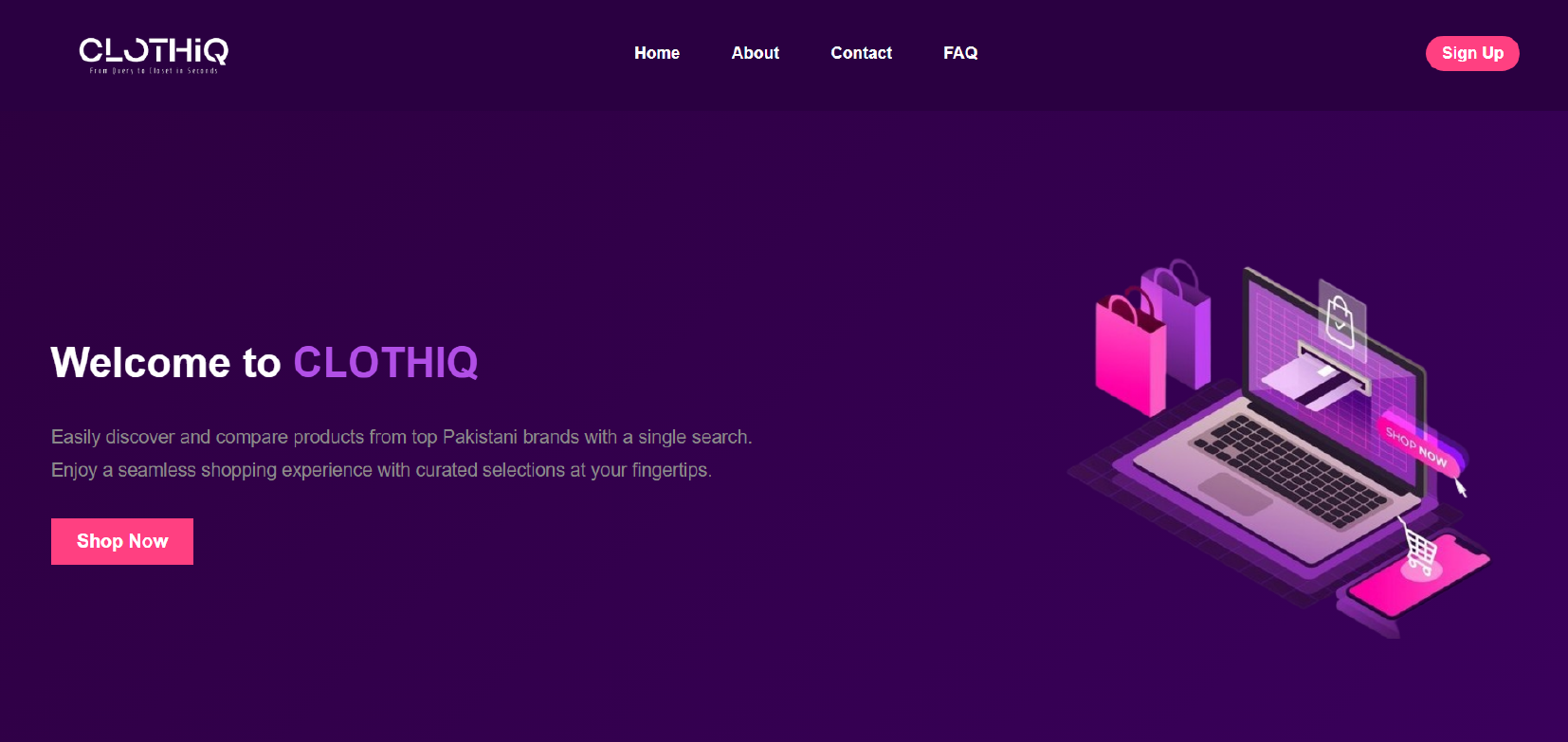
This project presents the development and implementation details of ”Clothiq”, an intelligent system that provides a one-stop platform for people to search clothing items online. Traditional online clothing search often requires users to manually navigate various websites, a time-consuming and inefficient process. This project proposes a novel approach utilizing Large Language Models (LLMs) in conjunction with Retrieval-Augmented Generation (RAG) to streamline seller recommendation for specific clothing items. The system will showcase product listings from nearby active sellers, allowing users to seamlessly access the desired product with a single click. This innovative solution has the potential to revolutionize online clothing search, offering a faster and more efficient way for users to find the items they desire.
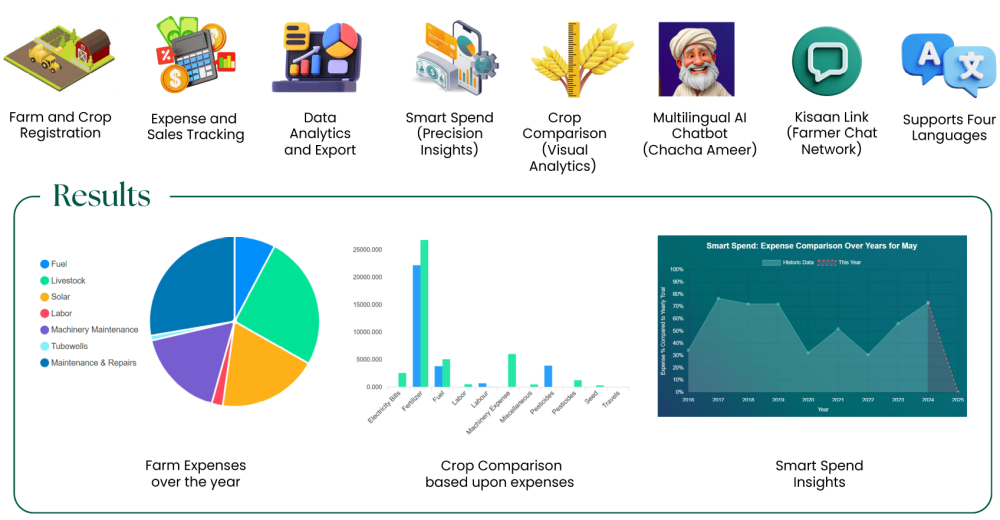
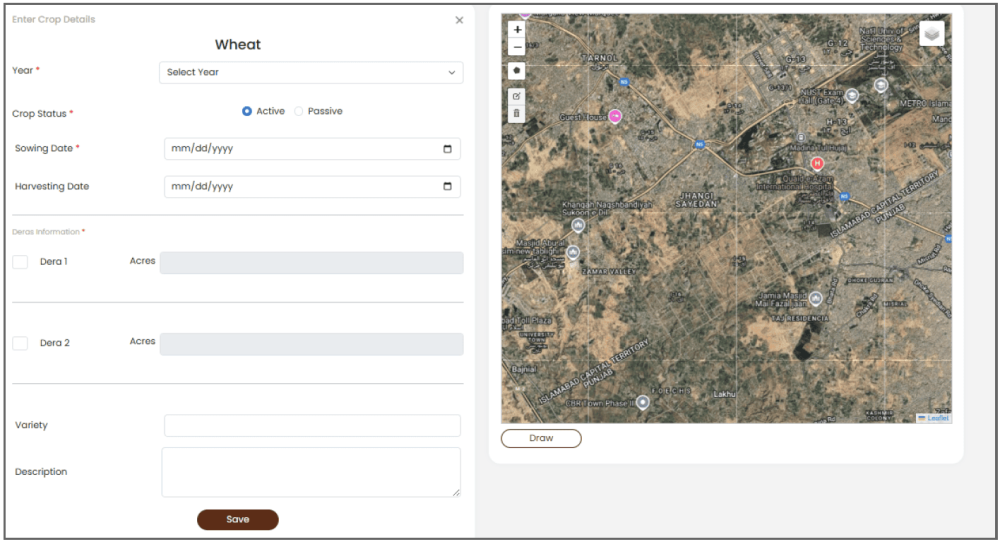
The agricultural sector in Pakistan faces significant challenges due to inconsistent planning, lack of data-driven decision-making, and limited access to expert guidance for farmers. This project, titled Cultivating Profits, introduces an AI-powered web-based platform designed to enhance farm profitability through intelligent automation and user-centric features. At its core is a Large Language Model (LLM)-powered chatbot, Chacha Ameer, which provides real-time assistance to farmers in natural language, answering queries related to crop management, expenses, and subsidies.
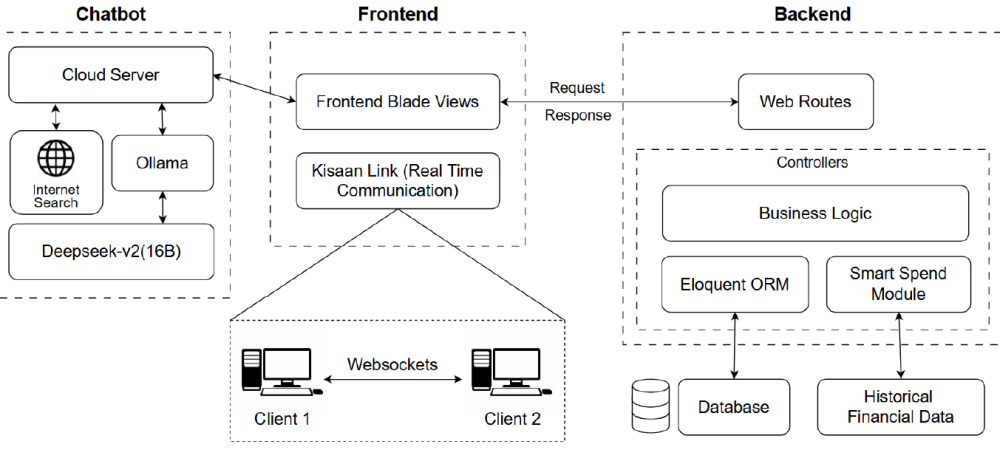
The system features a responsive and interactive frontend, a robust Laravel-based backend, and a structured relational database for secure and efficient data handling. Notable modules include Smart Spend, which provides AI-driven recommendations by analyzing historical expense trends against current input costs, and Kisaan Connect, a real-time messaging feature that enables communication between registered farmers using WebSockets. The platform supports multilingual interfaces, voice-to-text, and text-to-speech features to enhance accessibility. Key development challenges such as limited agricultural data, computational limitations, and regional language support were addressed using synthetic data generation, cloud-based model hosting, and localized UX design. The system was evaluated through controlled simulations and qualitative surveys, demonstrating its potential to digitally empower local farmers and promote informed, data-driven agricultural practices in Pakistan.