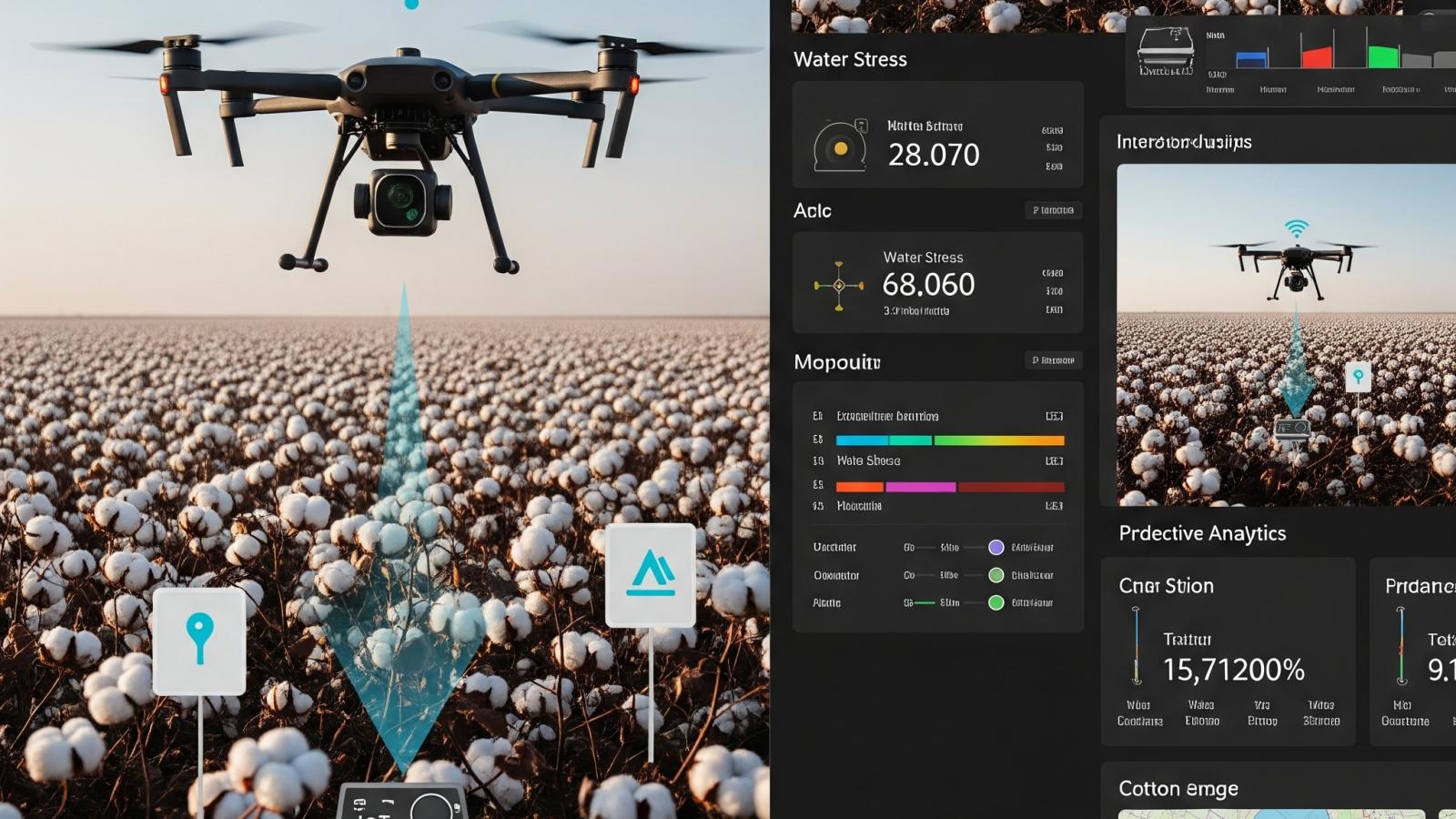
Healthy, sustainable and inclusive food system is critical for developing effective food chain of the world. In spite of having tremendous potential in agriculture, the world is facing food shortage due to various reasons. One of the reasons is lower yield of crops due to pest attacks. The aim of this project is to develop a prototype that can timely detect health of crop and give information about pest infested areas of crop. After collecting multispectral data of different crops using the Sentera Single NDVI sensor from a drone, it is processed it to detect pest-infested regions. The web application highlighting pest-infested regions makes it easier for farmers and agricultural experts to monitor their crops’ health and take necessary actions to prevent pest infestations, thereby improving crop yield and reducing financial losses.
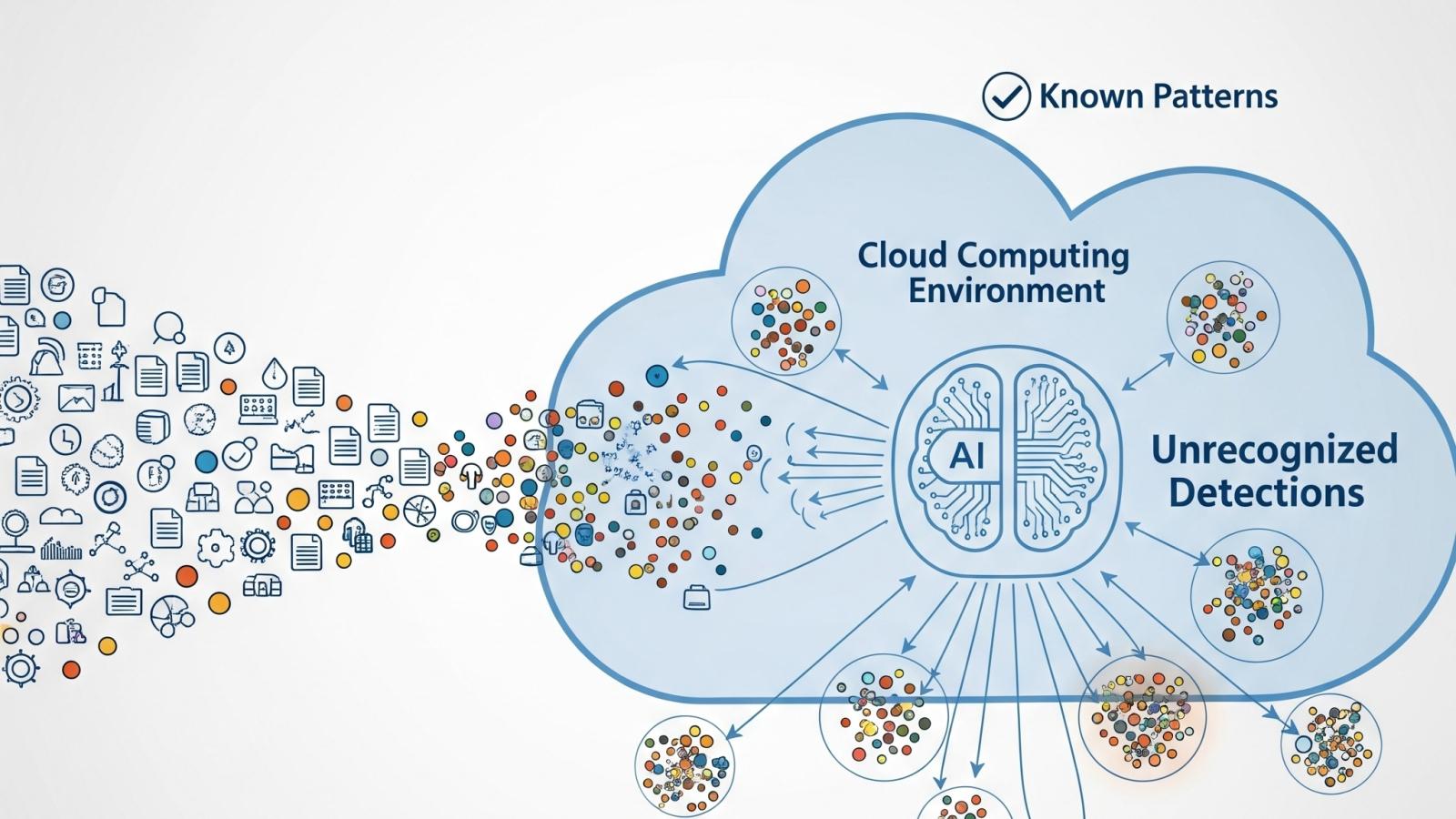
Clustering Large Online Unrecognized Detection (CLOUD)
Supervised techniques for recognizing detected objects (faces, vehicles, animals, birds etc) are inherently constrained (they can only recognize objects they are trained to recognize) especially in real-time or live videos. This is because of the uncertainty involved due to limited knowledge of future encounters. While current unsupervised techniques do mitigate this issue up to some extent, they themselves are limited due to the assumptions they make (either the number of clusters are known or enough samples exist that represent the true underlying data distribution). In many real-life problems, such as Computer Vision based TV Analytics, we have no prior knowledge available about the entities appearing. Reducing these constraints, in terms of prior assumptions, will allow real-time unsupervised recognition of detected objects.
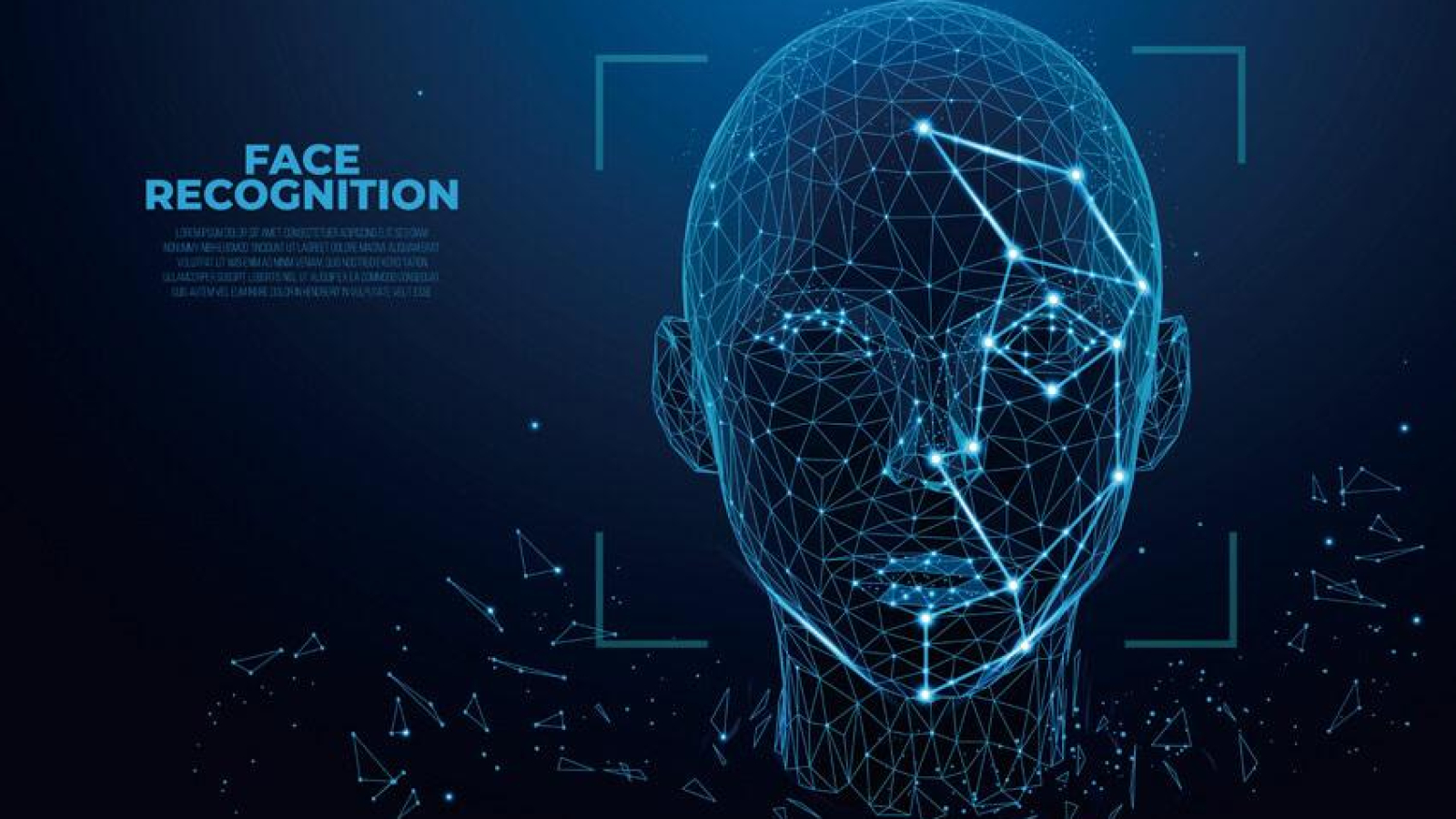
Boosting Face Biometrics under COVID-19
With the outbreak of COVID-19, people worldwide started wearing face masks to cover their mouths and noses to avoid the negative effects of the pandemic. The conventional face biometrics systems were not designed to handle masked faces. Some facial features like the nose and mouth get hidden under the mask, resulting in performance degradation in face biometrics systems. Several studies also reported this degradation in face biometric systems performance when a mask is worn. Therefore, there was a need for a biometric face recognition system that could not only recognize faces with good performance in masked scenarios but has at least the same performance as state-of-the-art in unmasked scenarios.
This research works on top of existing face recognition models and is built on the concept that facial embeddings get corrupted for masked faces. This model makes masked facial embeddings of a person similar to unmasked facial embeddings of the same person and different from unmasked facial embeddings of other persons.
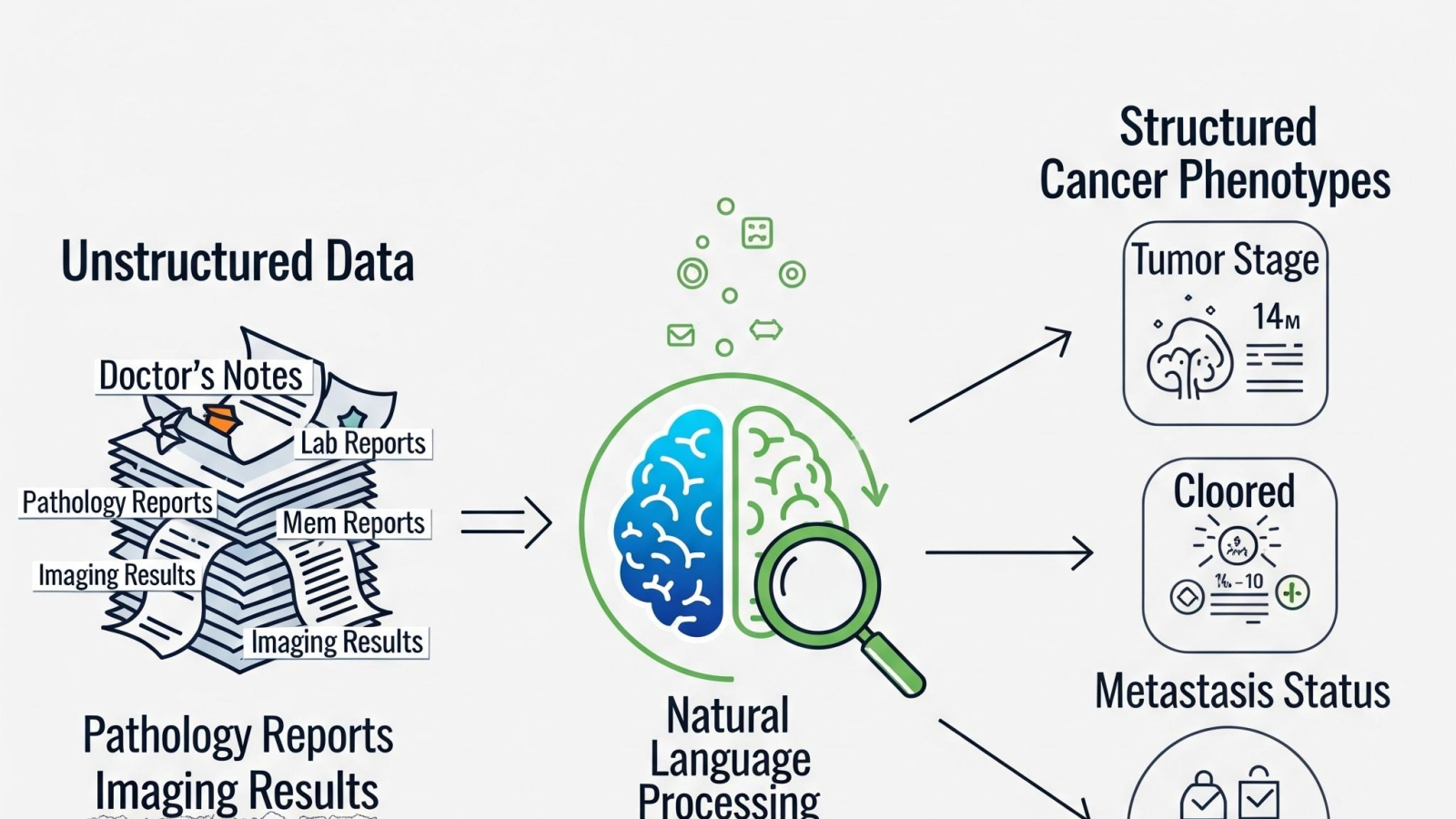
Extracting Cancer Phenotypes from Electronic Health Records – Tapping the power of unstructured data
According to the World Health Organization (WHO), cancer is a large group of diseases that can start in almost any organ or tissue of the body. The disease initiates when abnormal cells grow uncontrollably, going beyond their boundaries and invading other organs. WHO claims that in 2018, cancer was the second leading cause of death, with 9.6 million people falling prey to the lethal disease. Cancer persists with no formidable solution to the ailment, resulting in unfavorable physical, emotional, and financial strain on individuals, communities, and the healthcare system.
AI based Malware Detection
Enterprises are striving to remain protected against the malware based cyber-attacks over their infrastructure, facilities, networks and systems. Static analysis