

27

Super-Resolution for Enhancing Remote Sensing Imagery

Super-Resolution for Enhancing Remote Sensing Imagery

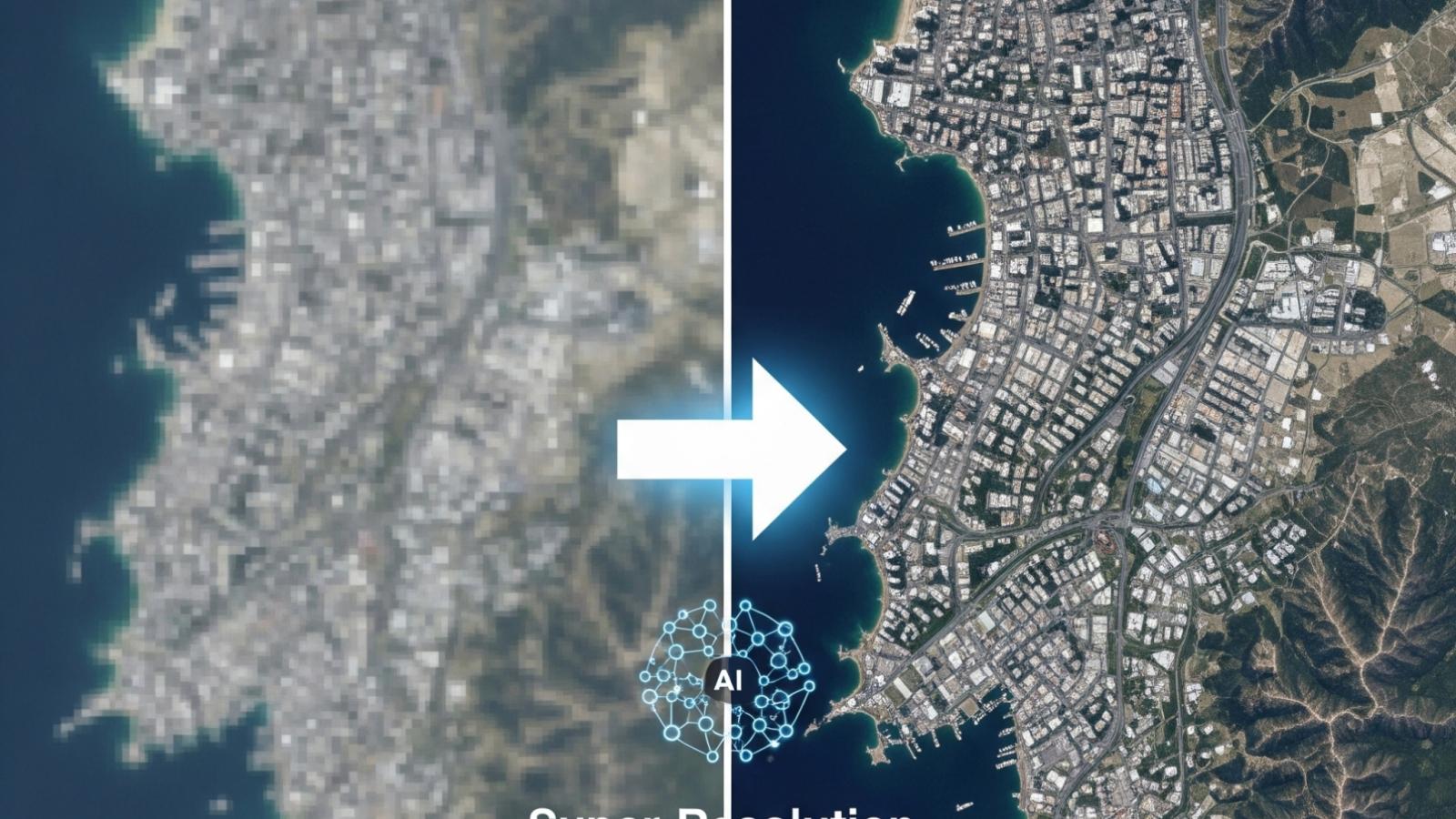
Improving spatial resolution in satellite and aerial imagery is a fundamental issue in remote sensing that directly impacts the accuracy of data interpretation and application. Traditional satellite imagery, such as that obtained from Sentinel-2, often lacks the necessary spatial detail for precise analysis, limiting its effectiveness in applications like precision agriculture, environmental monitoring, and resource management. Enhancing the resolution of these images is essential for extracting finer details and improving the overall utility of the data, especially in real-world scenarios where high-quality imagery is crucial.

This project presents a series of advancements in super-resolution techniques specifically designed for remote sensing imagery. By integrating cutting-edge deep learning techniques and leveraging attention mechanisms, Channel-wise Gated Attention Network (CGA-Net) and the Real World Super-Resolution Generative Adversarial Network (RWSRGAN) have been proposed which aim to enhance the spatial resolution of low-resolution satellite images. This work utilizes real-world remote sensing data and addresses the complexities associated with non-ideal, noisy imagery through the application of resolution enhancement techniques of pan-sharpening or super-resolution. The results demonstrate significant improvements in image quality, contributing to more accurate analysis and broader applicability of satellite imagery in various remote sensing tasks.

Faculty

Students

  • Bostan Khan
  • Usama Aleem Shami

Selected Publications

  1. B. Khan, M. M. Fraz, A. Mumtaz. “Enhanced Super-Resolution via Squeeze-and-Residual-Excitation in Aerial Imagery,” In International Conference on Frontiers of Information Technology (FIT) pp. 19-24 (2021) https://doi.org/10.1109/FIT53504.2021.00014
  2. B. Khan, A. Mumtaz, Z. Zafar, M. Sedkey, E. Benkhelifa, M. M. Fraz. “CGA-Net: channel-wise gated attention network for improved super-resolution in remote sensing imagery”, In Machine Vision and Applications 34, 128 (2023) https://doi.org/10.1007/s00138-023-01477-0
  3. U. A. Shami, B. Khan, M. M. Fraz. “Bridging the Resolution Gap in Remote Sensing: A Comparative Analysis of Deep Learning Models for Real-World Single Image Super-Resolutions”, in 4th International Conference on Digital Futures and Transformative Technologies (ICoDT2) (2024)
  4. U. A. Shami, B. Khan, N. Perwaiz, Z. Zafar, M.M. Fraz. “SPOTifying the Sentinel-2 Imagery: Harnessing the Power of Attention in Real World Single Image Super-Resolution”, In 58th International Conference on Asia Pacific Advanced Network, APANConf (2024)
24

In-Store Customer Analytics Through Facial Detection and Recognition

In-Store Customer Analytics Through Facial Detection and Recognition

Face Recognition and Verification are critical modern methods that have vast applications in the world today. Face recognition refers to the process of matching a face against one or more known faces from an existing database; whereas face verification refers to confirming whether two inputs belong to the same person or not. Conventionally, there are 4 primary stages in the face recognition system: face detection, face alignment, face representation, and face matching. Face detection refers to identifying a human face from a given input, while face alignment is the technique to further analyze the geometric structure of the face and distinguish between all facial components. This extracted information needs to be stored using a mathematical representation which is defined as face representation, and finally, the stored representations of different faces are compared with each other to identify the same faces, known as face matching. Face recognition is classified as a pattern recognition problem, with the 2 major components being face representation and face matching. For face representation the goal is to extract distinguishing features to be able to discriminate between different images, while for face matching it is to build classifiers that can discern different face patterns.

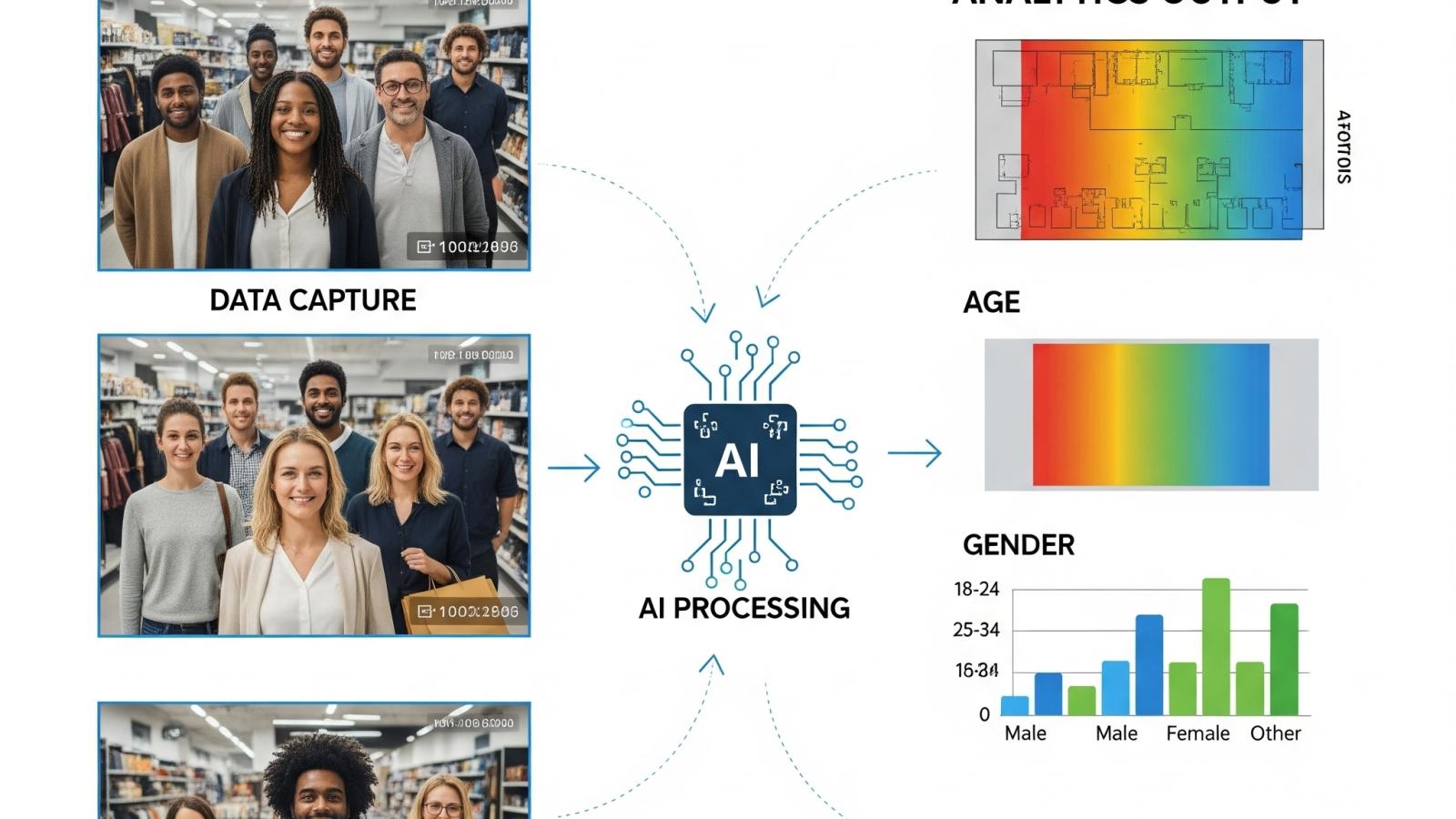
Face representation tends to have a drastic effect on face recognition systems since input images can be greatly affected by multiple environmental factors such as pose, expression, light intensity, backgrounds, and image resolutions which contribute to reducing the similarity of face samples belonging to the same individual. These representations used in detection systems are termed as descriptors. These descriptors are fundamentally vectors consisting of quantized facial features, allowing convenient storage of facial information along with the ability of determining similarities. The ability for systems to successfully detect and recognize human faces has had vast applications in various fields of security, surveillance, banking, and retail etc. over the past years and continues to rapidly expand. Recently, this technology has found its way into the retail market where it is being used to extract valuable insights pertaining to different retail sections such as product tracking, customer behavior detection, customer location tracking, staff monitoring as well as surveillance. Inferences from such analytics play a vital role in making paramount decisions and predictions affecting business performance.

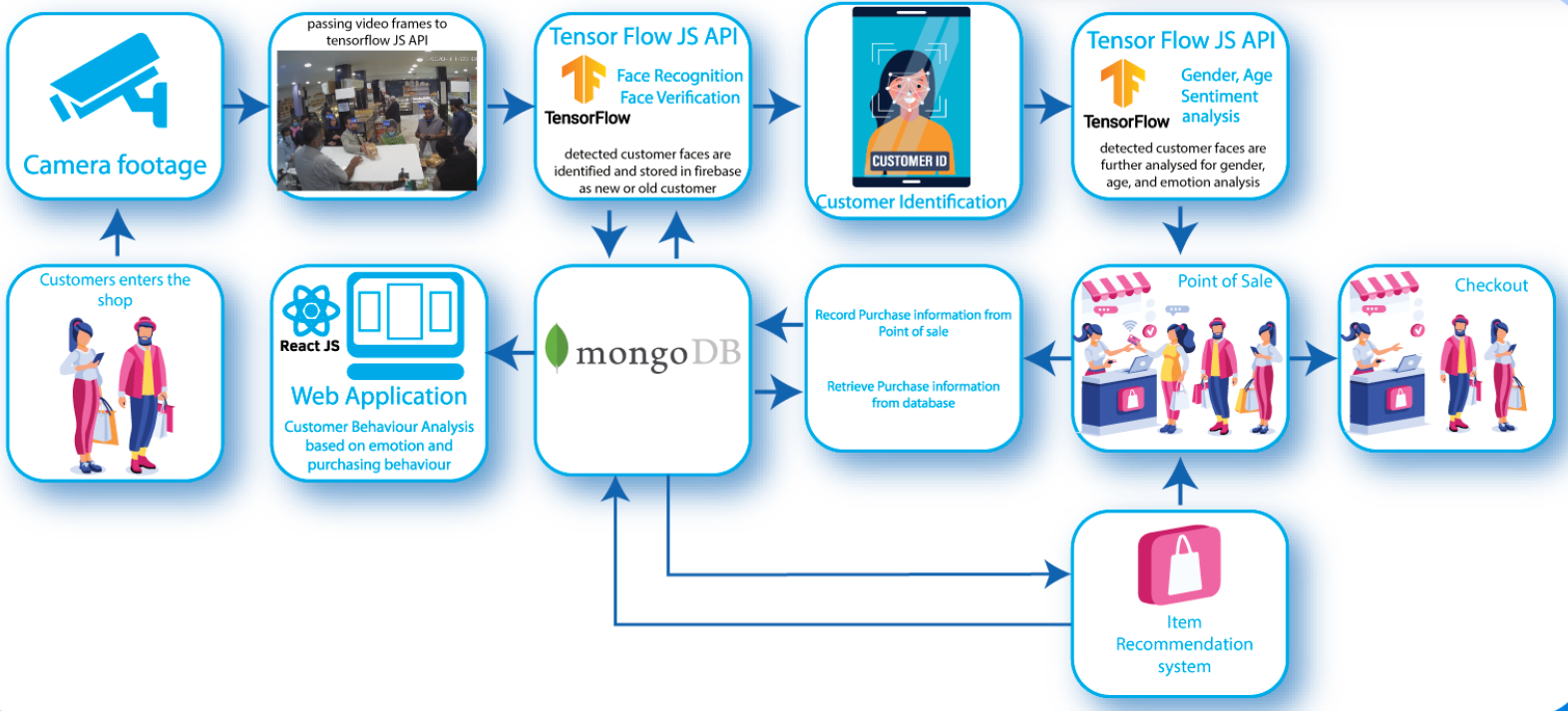
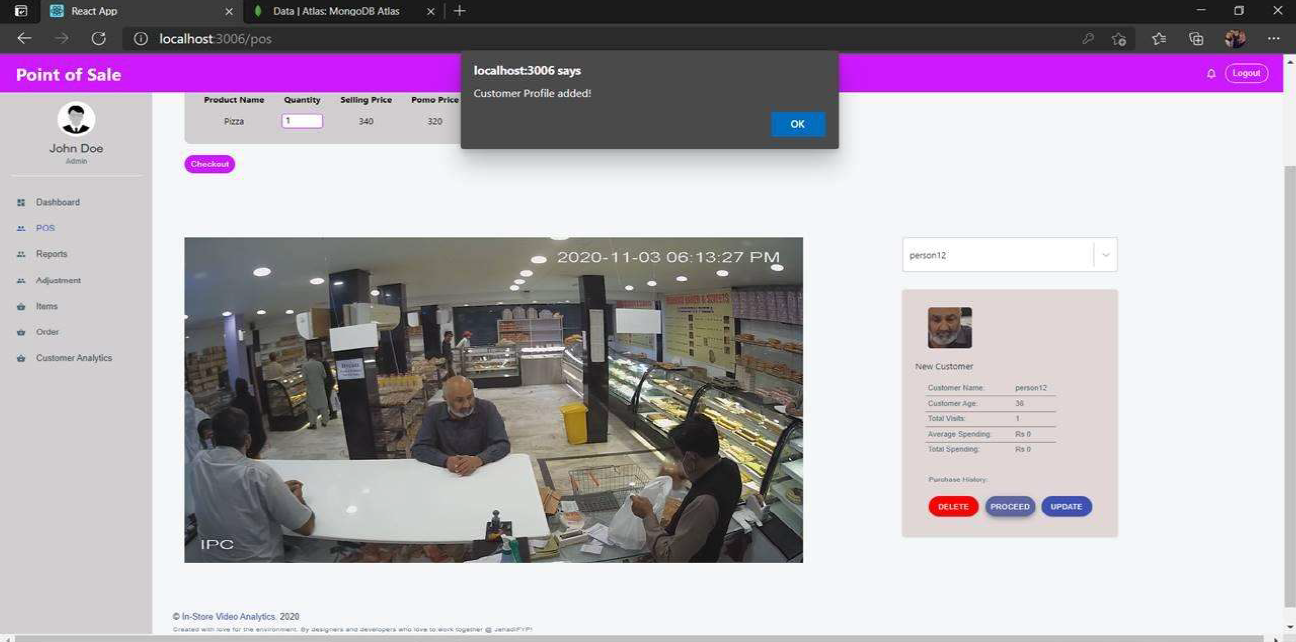
Building up to the above-mentioned practical implementations of face recognition in retail, we observe the majority of the practices to be computationally extensive and require expensive hardware. We, therefore, propose a more active analysis of the customer behavior information through the use of video analytics, and image processing. We present an automated web-based approach to study and display customer behavior through in-store analytics. This system combines face detection and recognition, repeat customer identification, and customer purchasing behavior analysis. Moreover, we propose using an advanced React-based POS dashboard to be integrated with our face recognition model and log customer purchases alongside, thus allowing retail owners to manage their sales analytics as an added feature as well.

Faculty

Students

  • Muhammad Saad Tariq
  • Osama Akhlaq
  • Ershad Hussain
IMG-20230929-WA0200 (1)

Research Visit To RPTU, Germany By MachVIS Team

The MachVIS Lab, in collaboration with Robotics Research Lab at Rheinland-Pfälzische Technische Universität (RPTU), Kaiserslautern, Germany, continued their transformative research journey under the ongoing CoPEST (Cotton Pest Prevalence Estimation System for Early Warning using UAV & AIoT) project. This initiative, funded by the German Academic Exchange Service (DAAD), brought together the best minds from NUST and RPTU, fostering innovation and cooperation.

During our visit, we had the privilege of attending the 21st Workshop on Field and Assistive Robotics (WFAR) hosted by the RR Lab at RPTU. It was an incredible opportunity to exchange ideas and experiences. The members from MachVIS Lab presented their work focusing on AI in agriculture and remote sensing, illustrating our commitment to the advancement of these vital fields. Meanwhile, researchers at RR Lab presented their pioneering contributions to agricultural practices, introducing projects that have the potential to revolutionize the industry.

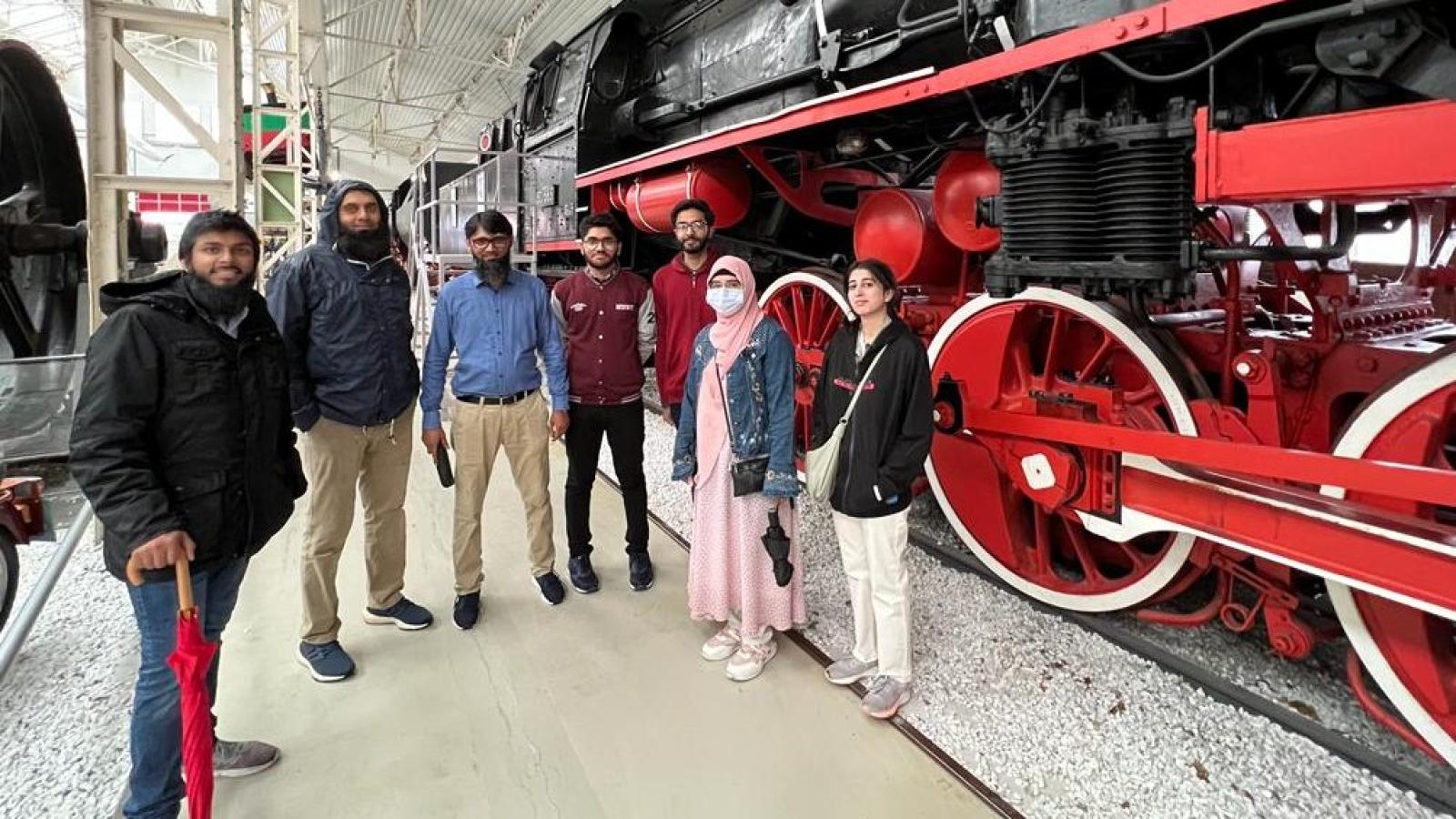
As we delved deeper into the world of robotics, we had the privilege of witnessing remarkable projects in action. Notable among these were UNIMOG, the off-road autonomous vehicle; ROBIN, exploring human-robot interaction and bipedal locomotion; and the vineyard robot. Our Research Assistants also conducted agriculture field visits to Neumühle for acquiring UAV data using thermal and multispectral sensors. The journey wasn’t just about work; we also enjoyed memorable moments, exploring the Technik Museum Speyer and other charming towns of Heidelberg and Mannheim .

Our visit strengthened the collaboration between MachVIS and RR labs, enabling us to collectively contribute to the advancement of agriculture through the synergy of AI, robotics, and automation. Moreover, it was a quest for knowledge, allowing us to explore the latest advancements in AI and robotics while fostering cultural exchange, exploring new places and interacting with brilliant minds from around the world.

26

Automated Number Plate Detection System

Automated Number Plate Detection System

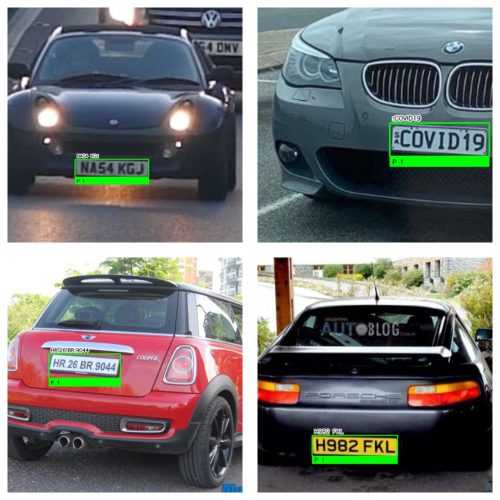
The objective of this project is to develop a system that can watch the traffic flow in real-time and instantly read number plates with precision and speed, without any human supervision. Built to transform raw images and video into digital license plate readouts, it taps into powerful object detection and OCR engines to make machine perception both accurate and fast. Whether you’re managing parking lots, enforcing traffic laws, or automatically logging vehicle access in restricted areas, this tool turns camera feeds into structured, usable data. Think of it as giving vision to devices, alerting you who’s arriving, how occasional mistakes vanish, and how everything unfolds on monitored roads with swift insight.

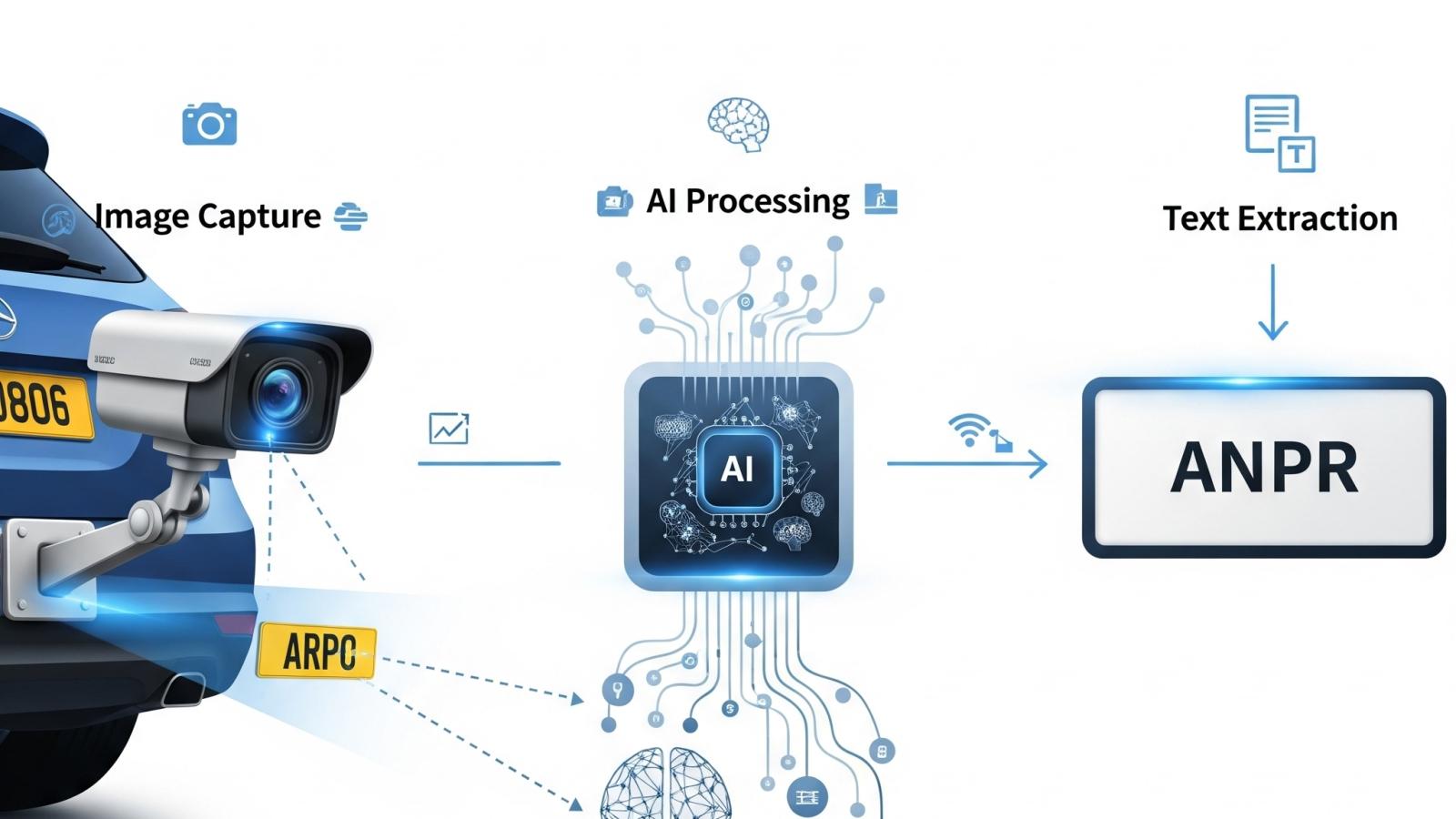
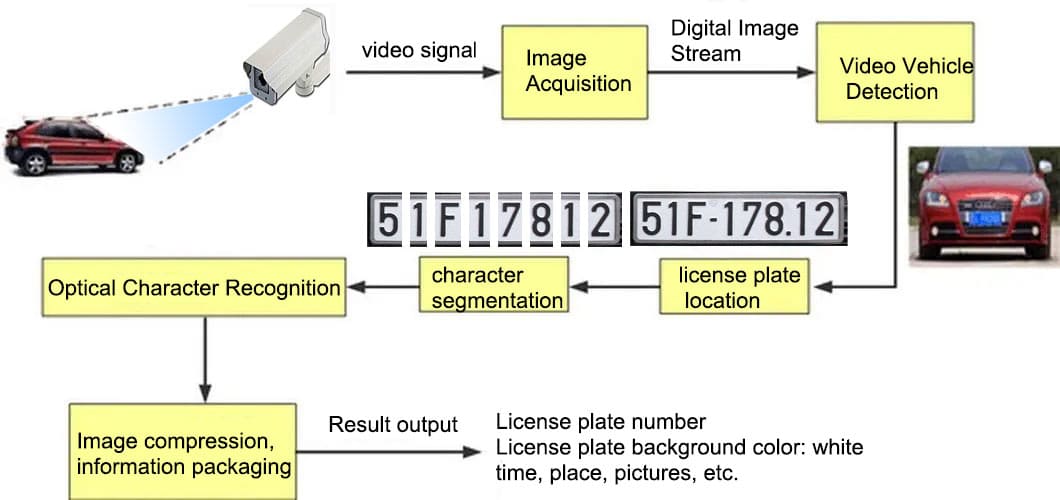
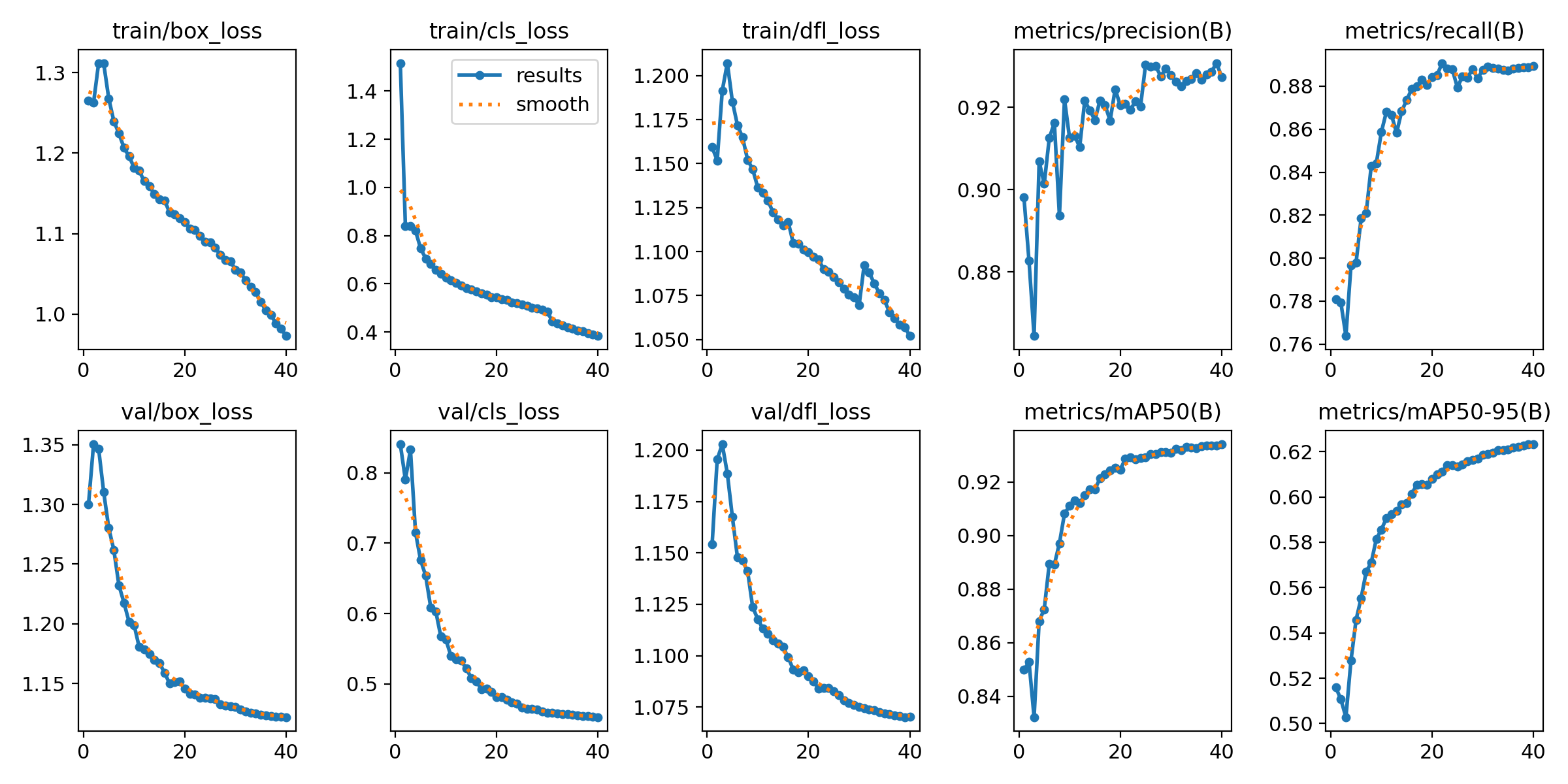
The system combines a YOLOv8n model, fine-tuned for number plate detection, with a robust OCR engine (TR-OCR) created by Microsoft. The detection pipeline begins by running the image or video stream through YOLOv8n, which highlights and isolates plate regions with bounding boxes. Once a plate is located, the system switches over to the OCR model, which reads the plate characters and converts them into text strings. The results, including images with highlighted plates and their recognized text, are presented instantly, either within a user interface or prepared for storage. The detection model is trained on an extensive dataset of around 28,000 annotated images, ensuring high accuracy across diverse plate types, lighting conditions, and shooting angles. The result is a live, continuous capability to detect and read license plates, something that lets you track vehicles, automate logs, or flag plate, based events without manual transcription.

What makes this project stand out is not just its advanced AI backbone but its focus on accessibility and usability. It is designed with an easy-to-use graphical interface, allowing users to drag and drop images or videos, run detection, and instantly see tables of results alongside visual outputs. The combination of a refined, fine-tuned detection model and integrated OCR means that end users can deploy the tool without needing to configure deep learning models or wrestle with model curation. Moreover, under the MIT license, this system is open for expansion. Developers can build additional features like database logging, real-time monitoring dashboards, or integration with barrier-control systems. This project doesn’t just detect plates, it translates optical input into operational intelligence, delivered with clarity and reliability. It is a powerful, modular blueprint for practical, AI-driven automation in the transportation and security domains.

aics3

Faculty

Students

  • Muhammad Nabeel
  • Muhammad Ahsan
  • Usama Athar
34

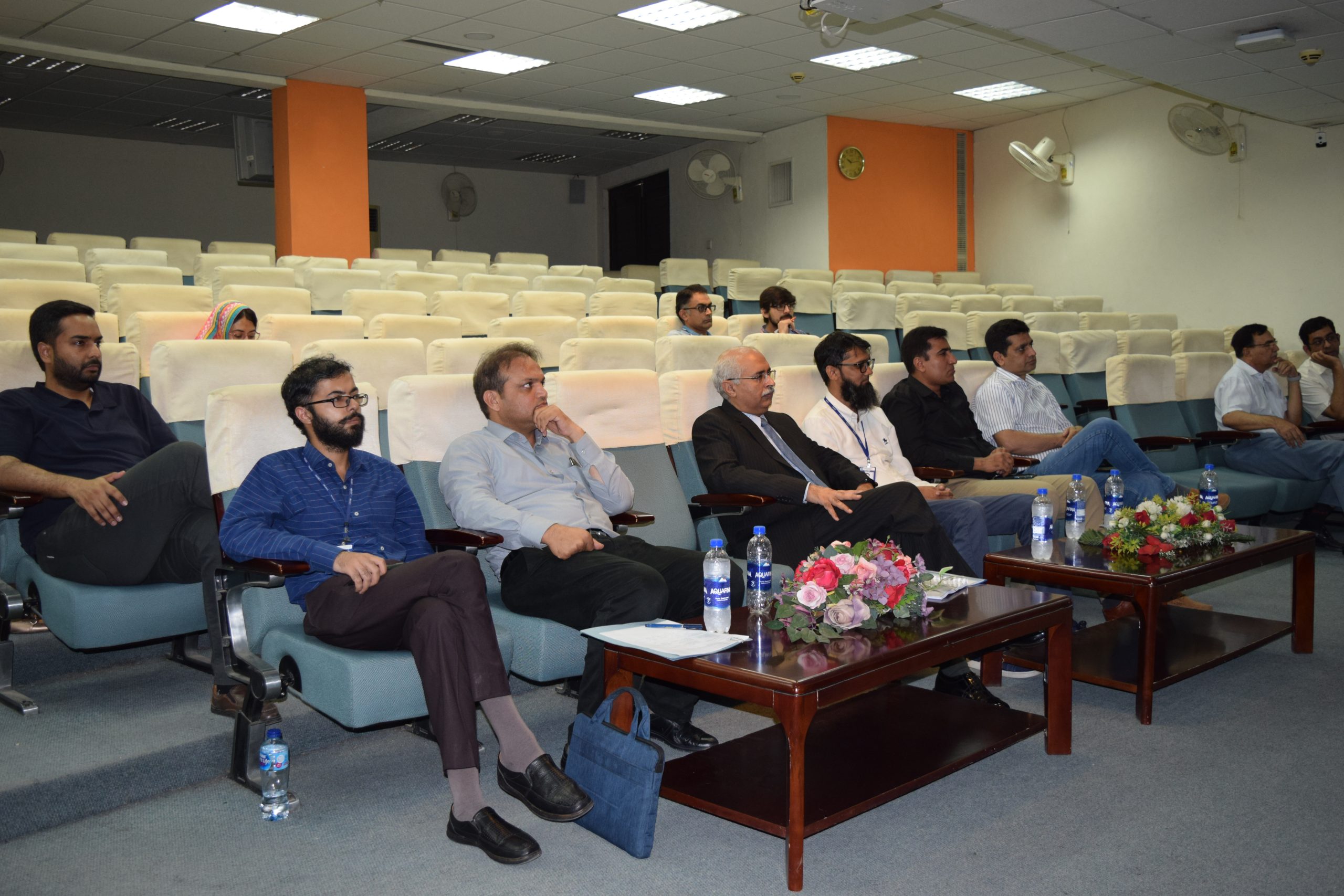
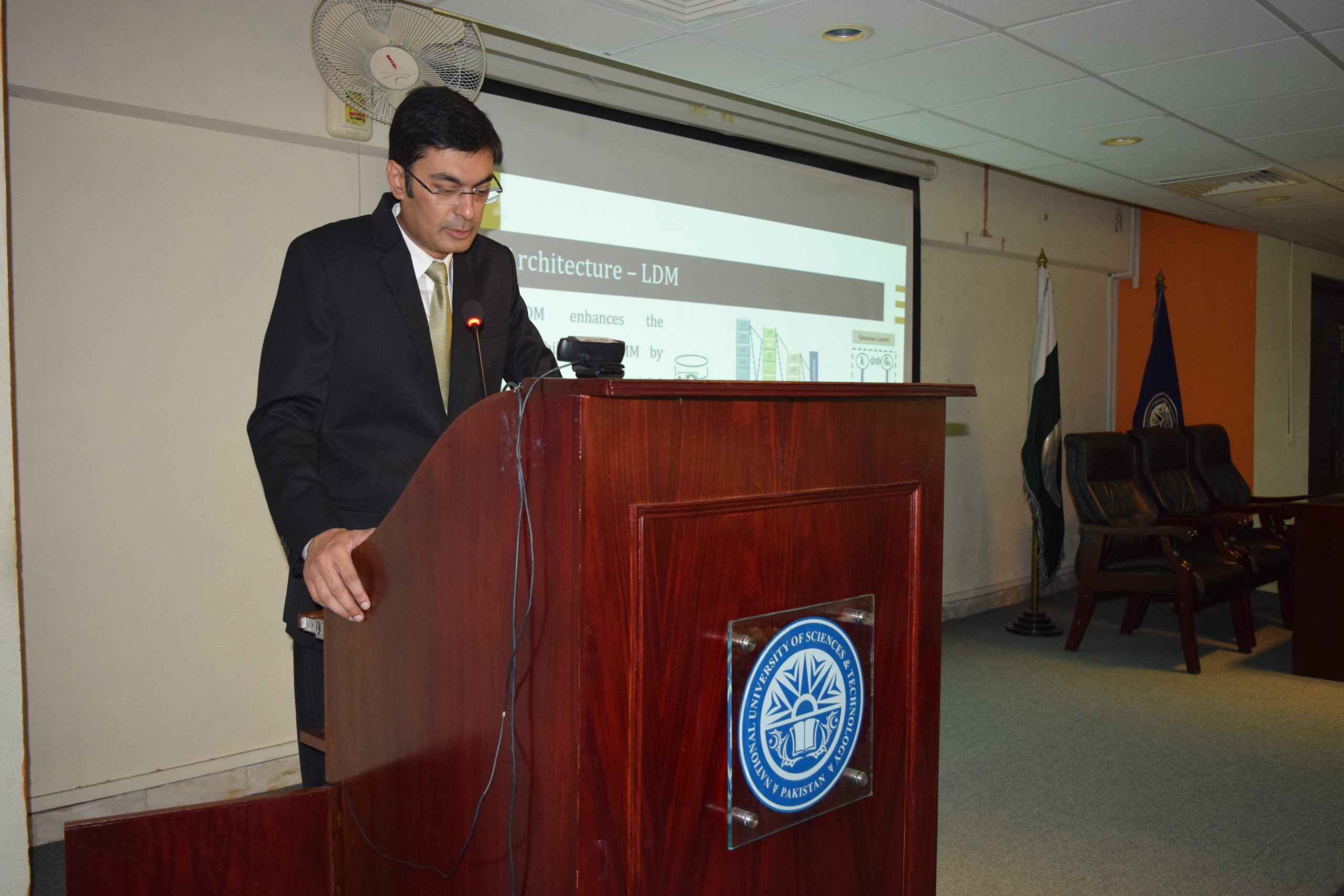
Syed Khurram Jah Rizvi has successfully defended his PhD Dissertation

Towards Learning without Labels for Unsupervised Detection of Malicious Executables

Abstract

The dissertation presents novel unsupervised deep learning methodologies for detecting malicious executable files, addressing the gap in research on unsupervised detection of Windows-based portable executables (PEs). It begins by compiling a dataset of real-world malicious and benign files, acknowledging the difficulty of manual labeling. The research progresses from a feature learning approach to a sophisticated distribution modeling strategy, incorporating a deep ensemble architecture and soft clustering to deepen the understanding of the contextual relationships between samples. This results in superior performance over traditional methods. The final methodology leverages Convolutional Neural Networks (CNNs) and PE semantics for classification without manual data labeling, proving effective against the growing threat of malicious executables. The methodologies are validated on various datasets, showing enhanced performance compared to current state-of-the-art methods, ultimately offering organizations robust tools to mitigate malware threats.
skjr web-banner17
AI in remote

AI in Remote Sensing for Precision Agriculture

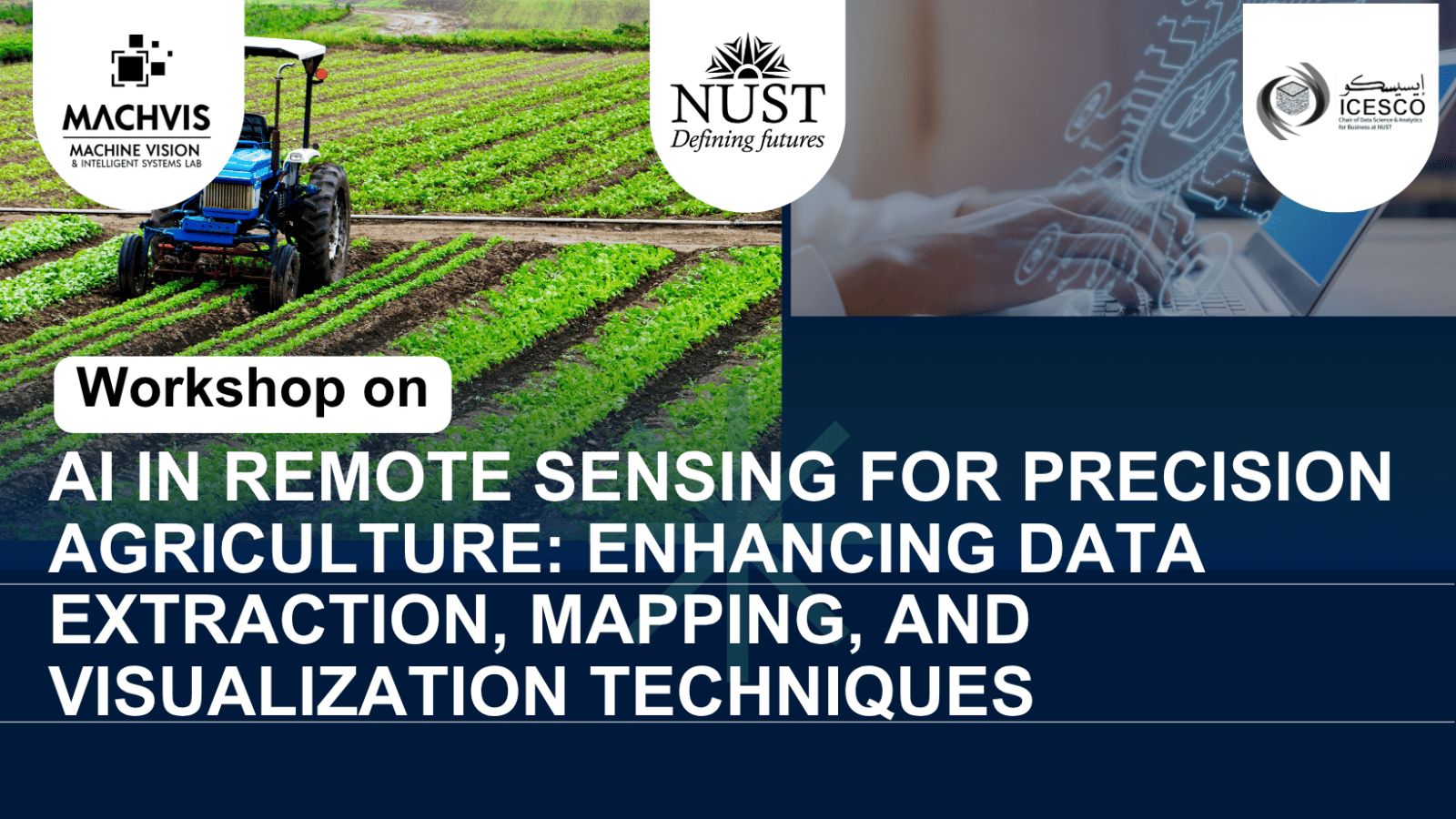
A 3-day workshop on

AI in Remote Sensing for Precision Agriculture: Enhancing Data Extraction, Mapping, and Visualization Techniques

Exploring Sentinel Hub, Pix4D, and GIS for Advanced Precision Agriculture Applications

Objectives

  • To provide participants with a comprehensive understanding of the role of artificial intelligence (AI) in remote sensing for precision agriculture.
  • To familiarize participants with advanced techniques for data extraction from Sentinel Hub, a leading satellite imagery platform, and its application in precision agriculture.
  • To enable participants to gain hands-on experience in using Pix4D, a powerful software for aerial image processing and mapping, for precision agriculture applications.
  • To explore the integration of AI and remote sensing data with geographic information systems (GIS) for effective visualization and analysis of agricultural landscapes.
  • To facilitate knowledge sharing, networking and fostering collaboration among researchers, professionals, and stakeholders in the field of precision agriculture and remote sensing.

Expected Outcomes

  1. Enhanced understanding: Participants will gain a comprehensive understanding of the role of AI in remote sensing for precision agriculture, including the principles, methodologies, and applications in data extraction, mapping, and visualization.
  2. Practical skills: Participants will acquire hands-on experience in using tools and software such as Sentinel Hub, Pix4D, and GIS for data extraction, mapping, and visualization in the context of precision agriculture. They will develop practical skills that can be applied in their research, industry projects, or decision-making processes.
  3. Knowledge exchange: The workshop will provide a platform for knowledge sharing and networking among participants, enabling them to exchange ideas, best practices, and innovative approaches in AI-driven remote sensing for precision agriculture. This interaction will foster collaborations and the sharing of insights and experiences.
  4. Application readiness: Participants will be equipped with the necessary skills, knowledge, and resources to apply AI-based remote sensing techniques effectively in precision agriculture. They will be better prepared to implement these techniques in their work, enabling them to contribute to improved crop monitoring, yield prediction, resource optimization, and sustainable agricultural practices.

Participants

This workshop is designed for:

  • Researchers
  • Technologists
  • Agriculture
  • Professionals
  • Students
  • Anyone interested in how AI and related technologies are shaping the future of Agriculture.

Speakers

Muhammad Salman Akhtar

PhD Scholar, SEECS, NUST, Pakistan

Muhammad Moazam fraz
Dr M. Moazam Fraz

Associate Professor, SEECS, NUST, Pakistan

Dr Yasir Faheem

Associate Professor, SEECS, NUST, Pakistan

Dr Muhammad Shahzad

Associate Professor, SEECS, NUST, Pakistan

Organizers

Bostan Khan

AI Team Lead,  MachVIS Lab, SEECS, NUST, Pakistan

Muhammad Moazam fraz
Dr M. Moazam Fraz

Associate Professor,  SEECS, NUST, Pakistan

Dr. Zuhair Zafar

Assistant Professor, SEECS, NUST, Pakistan

Partners

Machine Vision and Intelligent Systems Lab, SEECS NUST

Contact Details

Location

Email

Phone Number