3

Crop Type Classification using Multi-temporal Satellite Imagery

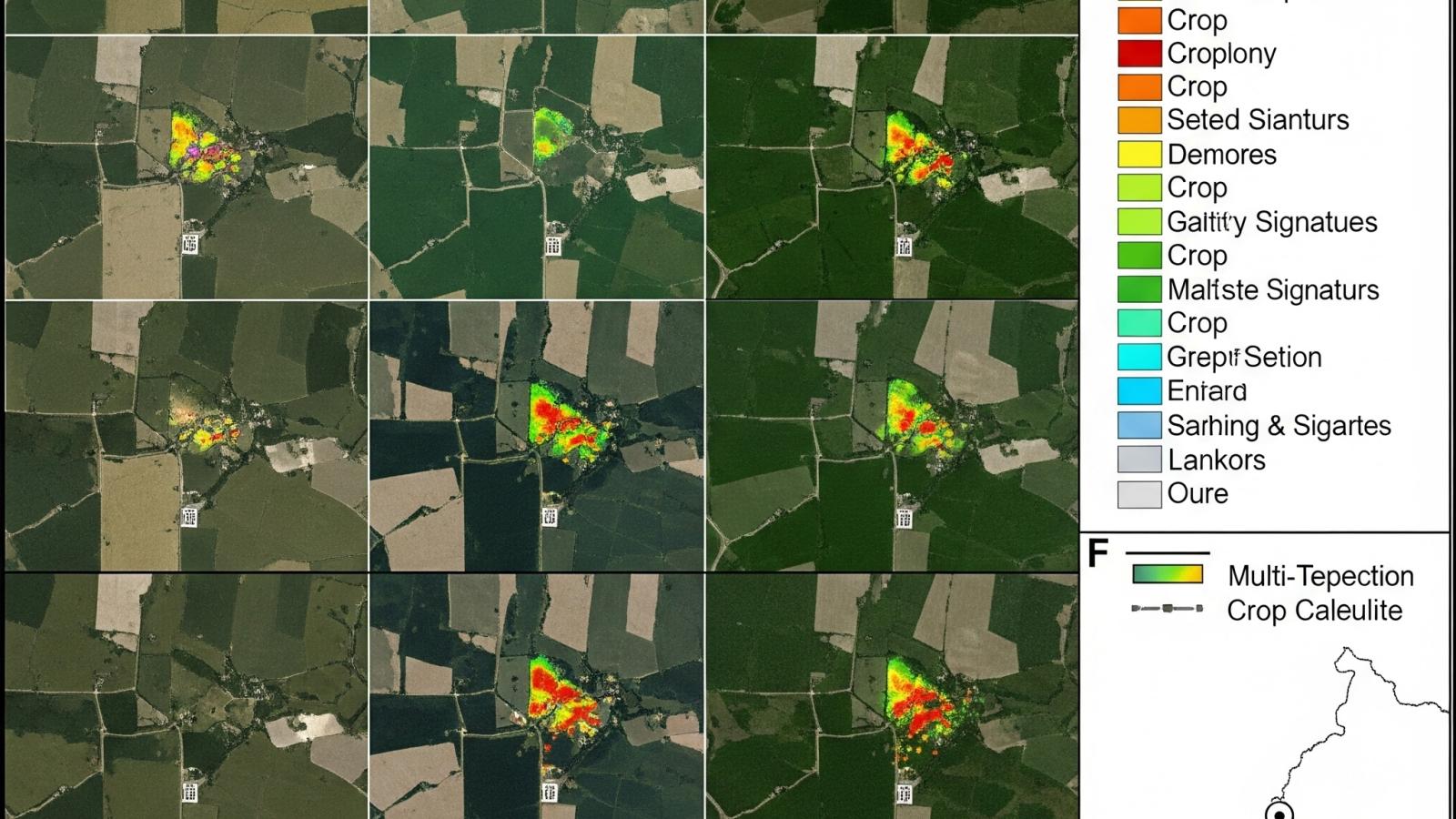
Crop Type classification using Semantic Segmentation and remote sensing data is an important tool for decision-making related to precision agriculture. Such classification remains an unsolved challenge due to the choice of landscape, processing methodology and selected satellite imagery and its optical features, and most importantly the availability and usage of such datasets in developing countries like Pakistan. State-of-the-art semantic segmentation models lack in processing the temporal dimension of time series imagery and evident solution to process multi-spectral bands available in the satellite imagery. This research proposes a methodology to overcome these shortcomings by selecting appropriate band combinations for crop type classification and treating time series visual data as a single image. The proposed methodology is evaluated on the data set of six different crops collected from National Agriculture Research Center (NARC) Islamabad with promising experimental results for classifying various crop types based on the evaluation of five different semantic segmentation.
9

Learning of Disease Specific Knowledge Graph from Unstructured Medical Health Records & Radiology Reports

Cancer is currently the second leading cause of death worldwide, killing more people every year owing to its increasing growth rate. There is a vast amount of clinical data in radiology reports and electronic health records (EHRs). Case studies are important because they offer a plethora of medical information on diseases, treatments, and other issues. However, because this information is frequently available as unstructured notes, working with it can be challenging. Additionally, the data volume is huge, the production rate is rapid, and the format is special. Thus, the conversion of health information into standards-compliant, comparable, and consistent data is essential for these scenarios.
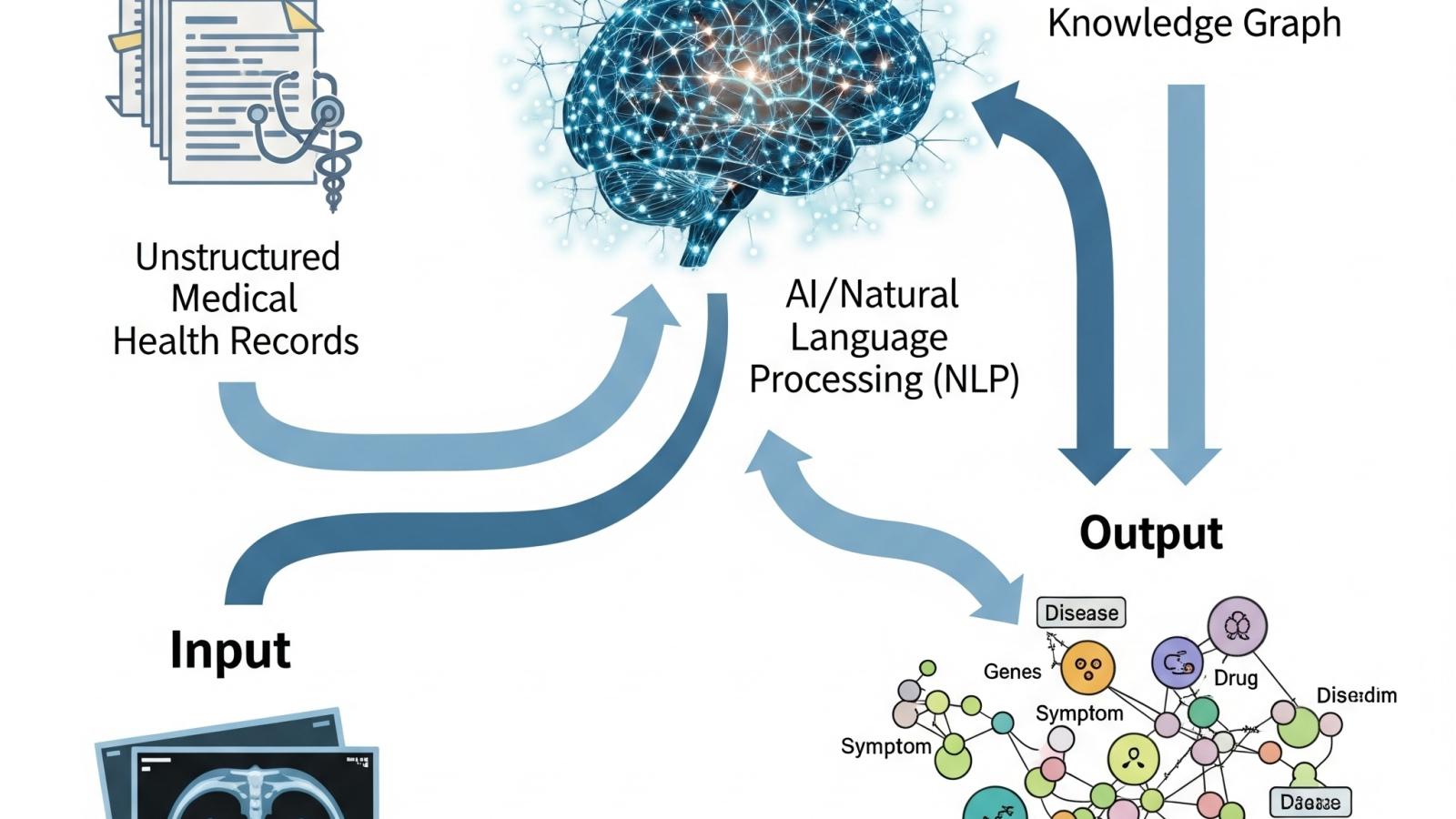
To address these challenges, a knowledge extraction pipeline is proposed in this work, based on schema based knowledge graphs (KG), from EHRs and clinical reports. After extracting knowledge using Name Entity Recognition from radiology reports and EHRs of 33,431 cancer patients, a knowledge graph is developed in Neo4j containing 368,436 entities and 754,061 relationships of 15 different semantic categories based upon the proposed schema. The proposed method would serve as the initial step in understanding how to use KG intelligently for uniform representation of medical knowledge to analyse the course of disease after learning about it via EHRs.

28

Vehicle re-identification for Visual Surveillance

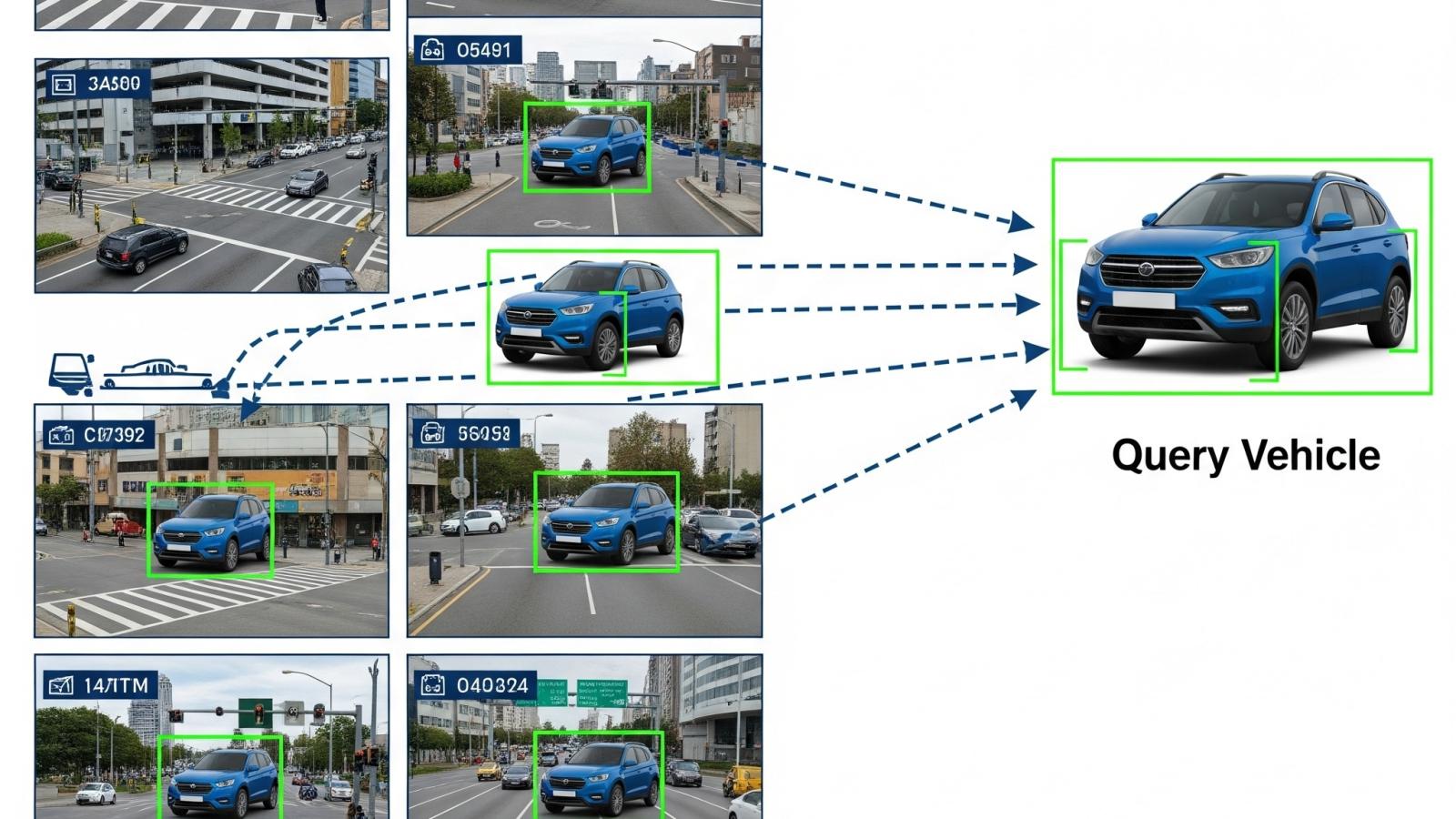
Intelligent video surveillance systems are becoming an increasingly important major area of artificial intelligence as the use of motor vehicles in today’s transportation networks grows. In recent times re-identifying vehicles over a surveillance camera network have been proven to be the most effective method of efficiently controlling traffic, upholding the law, gathering information, and programming the traffic. Vehicle Re-ID seeks to recognize a target vehicle in several, non-overlapping camera perspectives. Compared to the common person re-ID issue, it has gotten far less attention in the computer vision community. The absence of pertinent research data and the unique 3D structure of a vehicle are two potential causes of this delayed progression.

DALL·E 2023-11-10 16.23.37 - An abstract illustration of large-scale unsupervised face recognition in videos. The image should depict a grid of various digital faces, each with a

Towards Large-scale Unsupervised Face Recognition in Videos

Video content is ubiquitous in the modern world and there is a growing need for automated methods to extract information from videos. Face-based person retrieval is a particularly interesting task in this domain which involves the use of face recognition to track the appearances of people in video data. The availability of good quality datasets is a prerequisite for any deep learning-based face recognition system. Most face datasets are based on web images of celebrities and do not represent the challenges of video face recognition. This research is focused on the development of a large-scale dataset of face images extracted from videos, in order to renew interest in and promote the development of face representation and identification models capable of large-scale, unsupervised face recognition in videos. This project proposed a hierarchical retrieval index for online clustering in order to demonstrate the effectiveness of the proposed dataset in evaluating real-time person retrieval systems. The dataset is also suitable for the evaluation of feature representation and identity classification models on the tasks of face verification, identification, and clustering.

10

Learning Irritable Bowel Syndrome (IBS) Endo-phenotypes from Multidimensional Clinical Data using Machine Learning

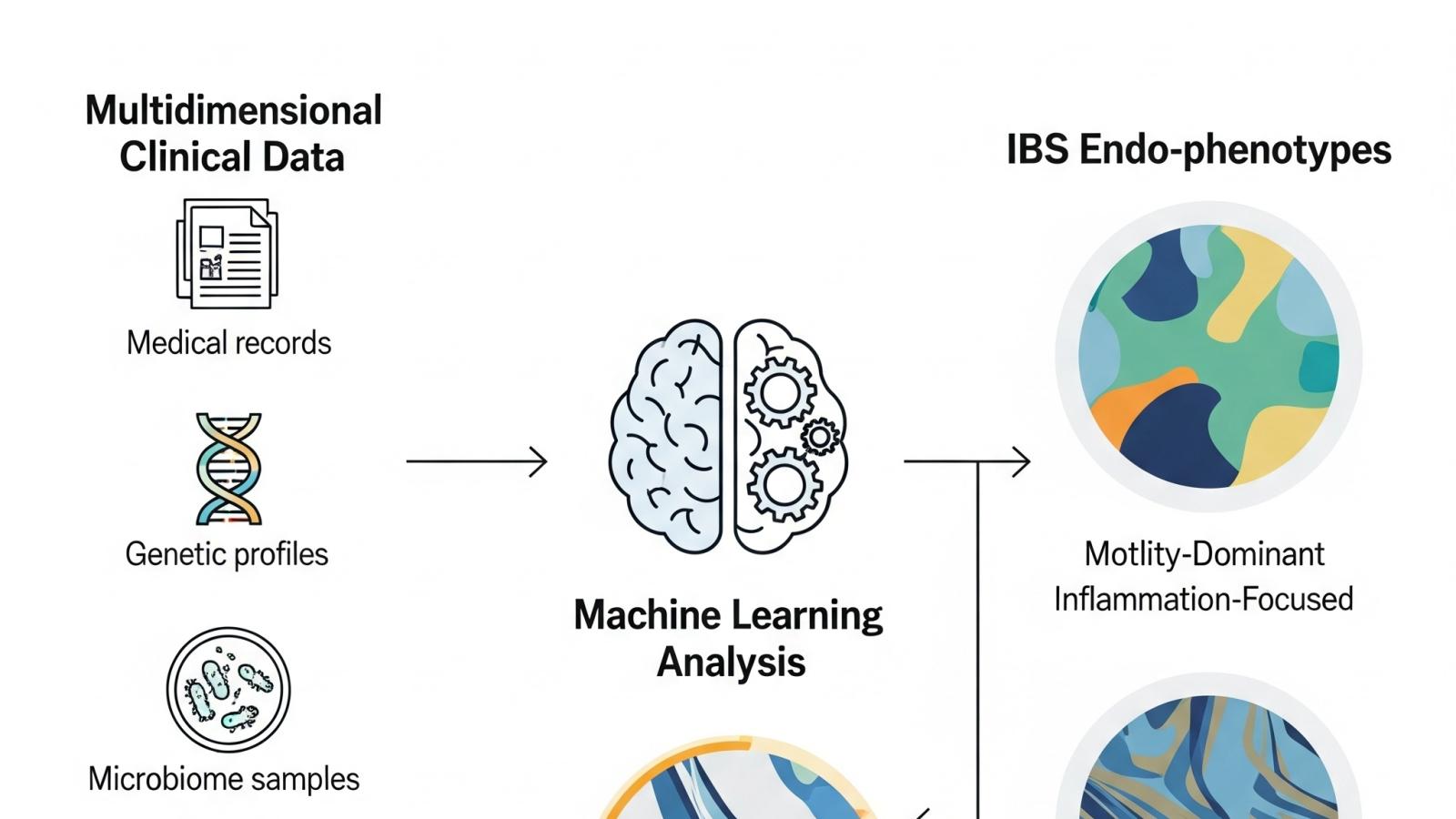
Irritable bowel syndrome (IBS) is the most commonly encountered functional gastrointestinal disorder. It has a complex pathophysiology and characterized by a variety of features. It has a worldwide prevalence of approximately 10-14%. Irritable bowel syndrome (IBS) is encountered in the community, primary care, and specialist clinics. IBS has no definitive diagnostic test and doctors are to start with a full medical history and performs tests to exclude other conditions. Due to complex pathophysiology, multiple risk factors, wide range of co-morbidities and phenotypes IBS patients suffers to get a timely and accurate diagnosis.

This research worked to identify the most associated comorbidities of IBS through natural data insights and unsupervised machine learning techniques.

11

Tapping the Power of Clinical Data to Identify Multidimensional Irritable Bowel Syndrome (IBS) Endo-Phenotype

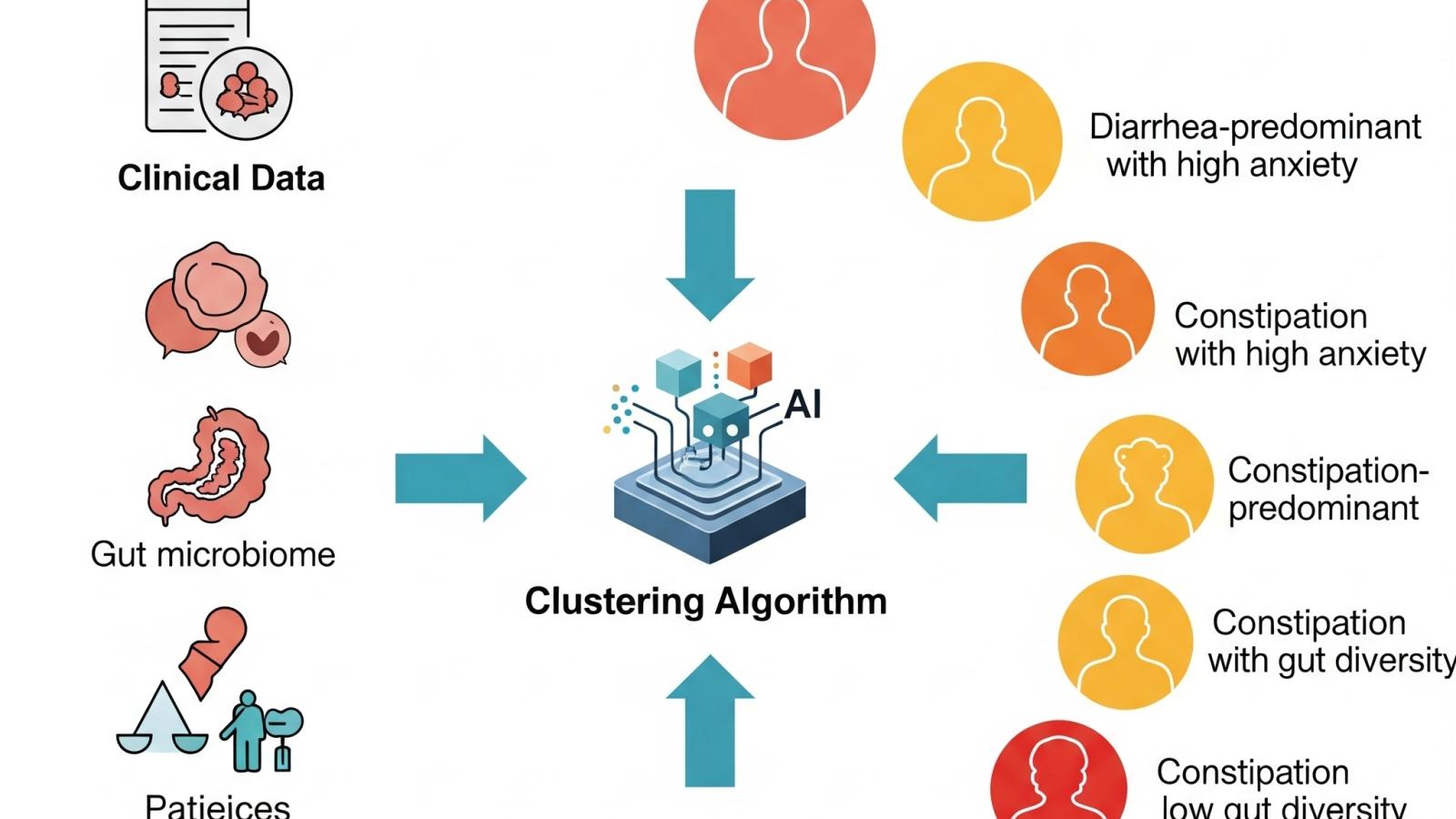
Irritable bowel syndrome (IBS) is the most commonly encountered functional gastrointestinal disorder. It is characterized by features of abdominal pain and disordered bowel pattern with a worldwide prevalence of approximately 10-14%. Despite its prevalence and often chronic, relapsing nature, the underlying pathophysiology of IBS remains incompletely understood. IBS is a chronic condition and affects the quality of life for one majorly. IBS significantly impairs work productivity. On average, people with IBS miss 2 days of work per month. IBS disrupts patients’ daily lives and activities. 23% of patients with IBS stay home more often due to symptoms. Hence, this becomes a disease which needs to be managed long-term. Patients usually fail to get a proper diagnosis due to the complex nature of IBS, as there are multiple risk factors involved along with other diseases that influences the primary diagnosis. This research builds a solution which shows the other diseases(comorbidities) that are strongly associated in patients with persistent symptoms of IBS. The system identifies the features (symptoms/ diseases/dietary practices) which are strongly associated with IBS, to help clinicians better understand the diagnosis that is timely and efficiently.

multi

Multimodal Estimation of Wheat Phenology using Remote Sensing Imagery

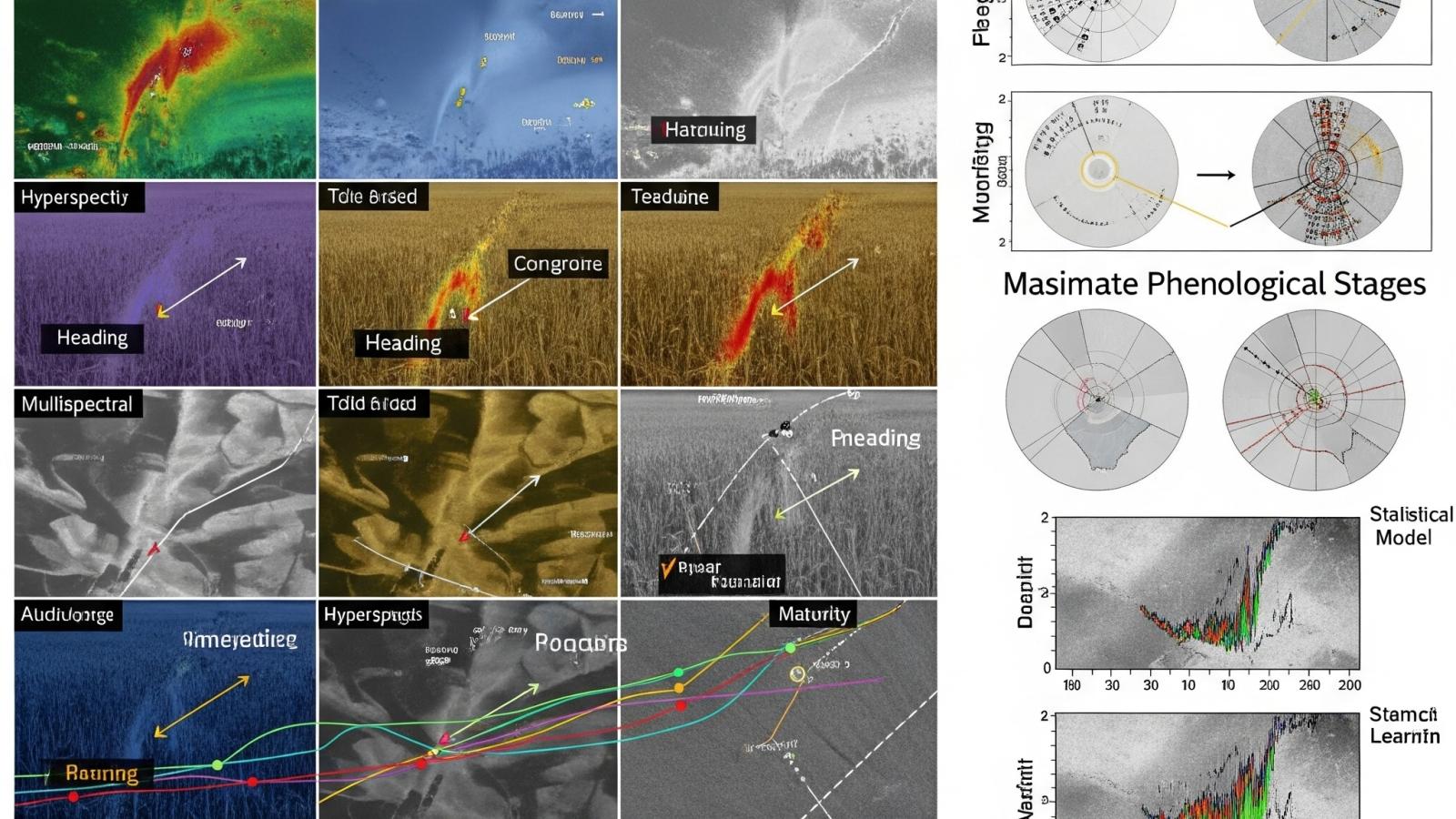
Pakistan is a land of agriculture and wheat is one of the major drivers of the agricultural industry of Pakistan. Yet the yearly yield of wheat is plagued by losses due to stress induced due to diseases and pests. This is due to the heavy reliance of farmers on the old methods instead of the modern ones. However the remote sensing imagery acquired through drones and satellite can help alleviate this situation and enable farmers to take swift decisions to enhance crop growth. The proposed end-to-end wheat crop health monitoring framework provides a scalable and reliable solution in terms of the analysis and insights that it provides for the farmers to detects stressed areas of wheat crop under review.

Gemini_Generated_Image_rftv3trftv3trftv

Headcount of Sunflowers in a Sunflower Crop for Accurate Yield Estimation

Agricultural productivity and sustainability are critical challenges facing the world, particularly in countries like Pakistan, the economy heavily relies on agriculture. The production of oilseeds, such as sunflower, is crucial to meet the domestic demand for edible oil. However, low crop yields hinder the industry’s growth, highlighting the need for reliable solutions. The proposed system overcomes the limitations of traditional crop monitoring approaches, such as manual counting, by using machine learning algorithms to detect sunflower heads in images. This system provides a user-friendly world map interface that displays the mosaics of sunflower fields on different dates. This map enables farmers to visually locate their sunflower fields and track the progress of their crops, providing them with valuable insights to make informed decisions. The web application allows for regular crop monitoring and estimation of crop yield over time, providing farmers with valuable insights for optimizing their production. This project demonstrates the potential of smart farming and precision agriculture to address global food security and sustainability challenges.

Gemini_Generated_Image_nw1zt6nw1zt6nw1z

Rice Phenology Estimation and Enabling Yield Boosting using Remote Sensing and Drone Imagery

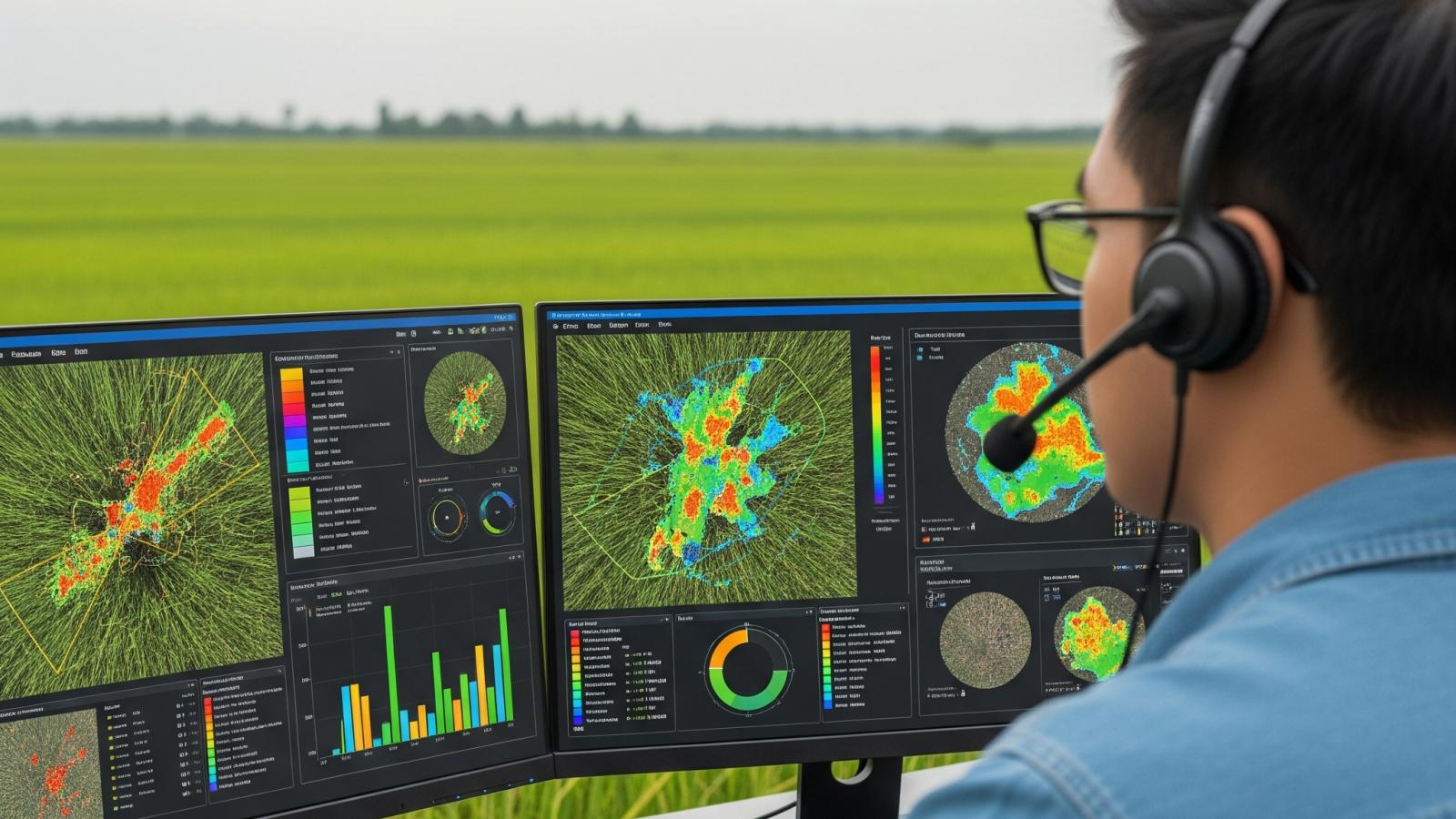
Rice is one of the most important food sources with more than 3 billion people depending on it for 20% of their calories. With the decreasing resources in the world and a fierce competition in global trade, maximizing yield is of utmost importance. For this, rice phenology must be studied, traditional methods of rice phenology estimation are ineffective and do not scale well. This project collected a novel UAV dataset of multiple rice variants in South Punjab, and estimated the rice yield to ensure farmers obtain a cost-effective rice produce. The scope of this project is aimed at revolutionizing rice production by providing accurate and timely phenology predictions, enabling farmers to optimize their farming practices, increase crop yields, and contribute to sustainable agriculture. The integration of remote sensing, drone imagery, and advanced data analysis techniques, along with the development of a user-friendly web application, will empower stakeholders and drive positive change in the rice farming industry.